


Summary
- Learn how climate change is disrupting global access to clean drinking water.
- Understand the link between extreme weather, water scarcity, and public health.
- Support Embrace Relief’s Clean Water Initiative that brings sustainable, life-saving water to communities worldwide.
As the climate crisis accelerates, one of its most devastating (and often overlooked) consequences is its impact on the global clean water supply. From rising sea levels to prolonged droughts, climate change is disrupting the natural water cycle in ways that make access to clean drinking water harder for millions of people around the world. And with global temperatures continuing to rise, the issue is only becoming more urgent.
In fact, the United Nations has stated that achieving its 6th Sustainable Development Goal (clean water and sanitation for all) is now significantly more difficult due to climate-driven shifts in rainfall, snowmelt, and river flow. So what exactly is happening to the water?
Across the globe, freshwater sources are drying up. In regions like sub-Saharan Africa and South Asia, unpredictable rainfall and extended dry seasons have left communities unable to rely on traditional water supplies. Increases in the world’s population will require an increase in sustainable practices, but climate change is putting even existing systems under extreme pressure.
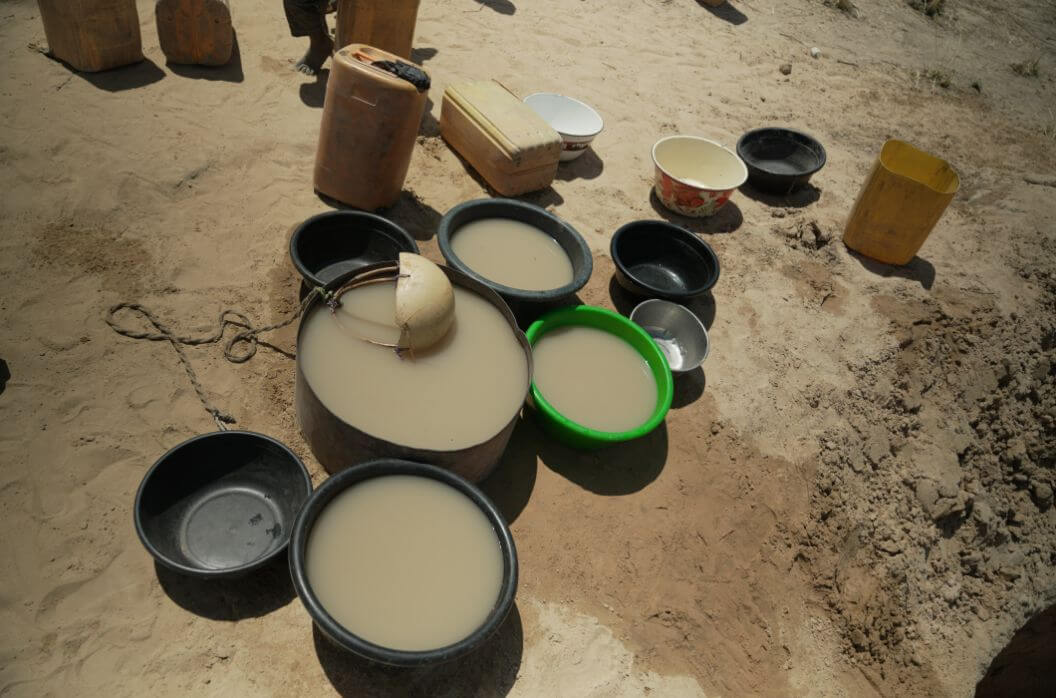
At the same time, rising sea levels are pushing saltwater into freshwater aquifers, contaminating drinking water in coastal regions. Melting glaciers, which millions rely on for clean water, are shrinking at alarming rates. Meanwhile, intense storms and flooding are overwhelming outdated water infrastructure, contaminating supplies with sewage and industrial waste.
According to the World Health Organization (WHO), over 2 billion people currently lack access to safely managed drinking water services. In many communities, the most significant restriction on access to potable water is no longer just poverty or infrastructure, but the changing climate.
Contaminated water leads to cholera, diarrhea, and other deadly diseases. And when children are constantly sick, families are trapped in a cycle of poverty. The work of organizations like Water for People, Clean Water Action, and The Water Project has shown that safe water doesn’t just support health; it fuels education, gender equality, and long-term development.
Embrace Relief’s Clean Water Initiative: Fighting for Water Security in a Warming World
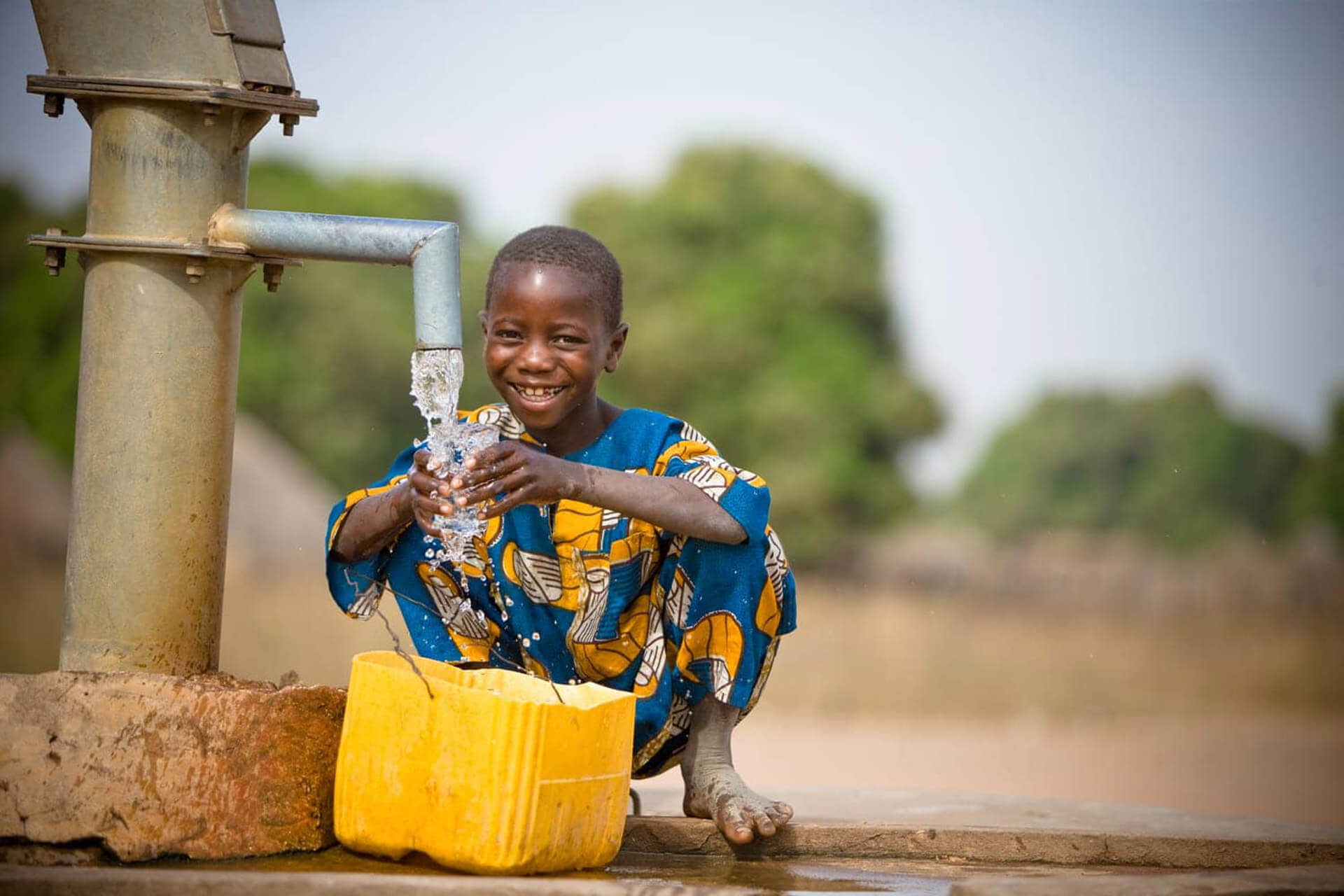
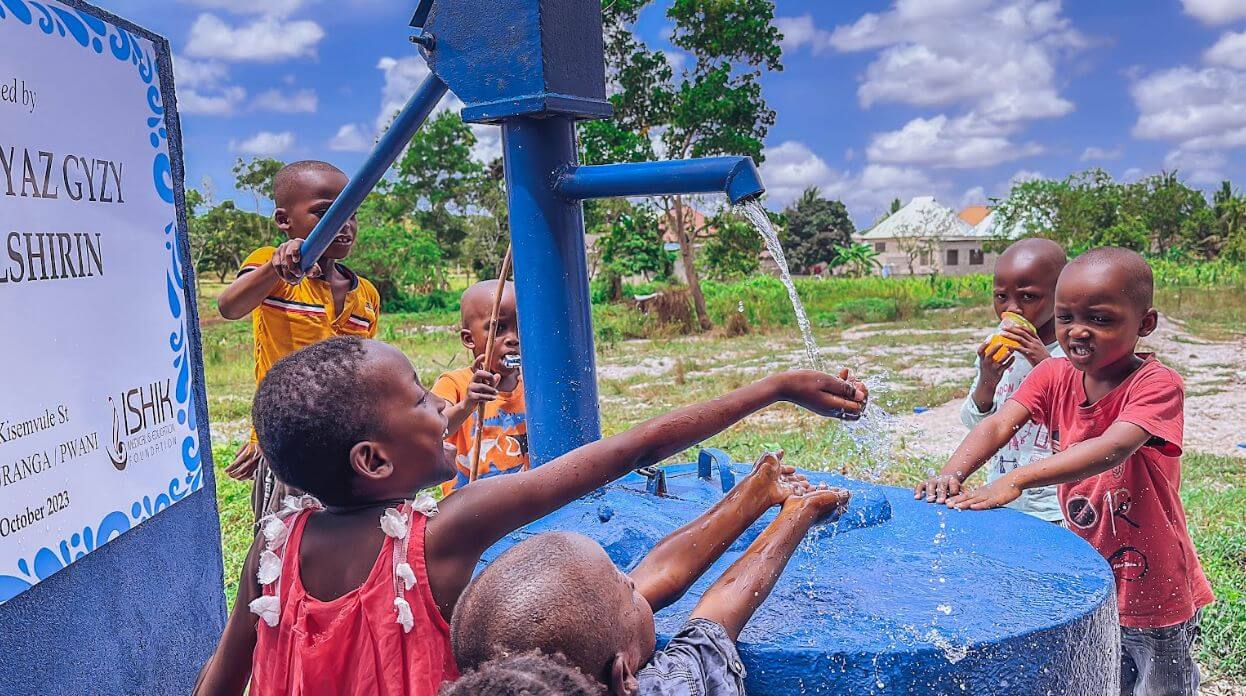
While global climate policies develop, nonprofits like Embrace Relief have stepped into to provide water access to those in need. Through our Clean Water Initiative, we are building sustainable water wells in climate-vulnerable regions across Africa and South Asia, delivering safe, clean water to thousands of people every day.
Unlike temporary aid, our approach is built on water sustainability. Each well provides clean drinking water to over 1,000 people and includes a five-year guarantee for maintenance and repairs. And for villages affected by climate-related droughts, floods, and infrastructure collapse, these wells represent more than hydration; they represent hope, resilience, and survival.
With the support of monthly donors, Embrace Relief is able to respond quickly to urgent water needs while building long-term, climate-resilient infrastructure. Just $22 a month brings life-saving water to 1,000 people, every single month.
Whether you’re passionate about water law, a supporter of charity: water, or someone searching for charity water careers, one thing is clear: we all have a role to play in protecting peoples’ water and securing a better future.
For more information on Embrace Relief’s Clean Water Initiative, click here!