


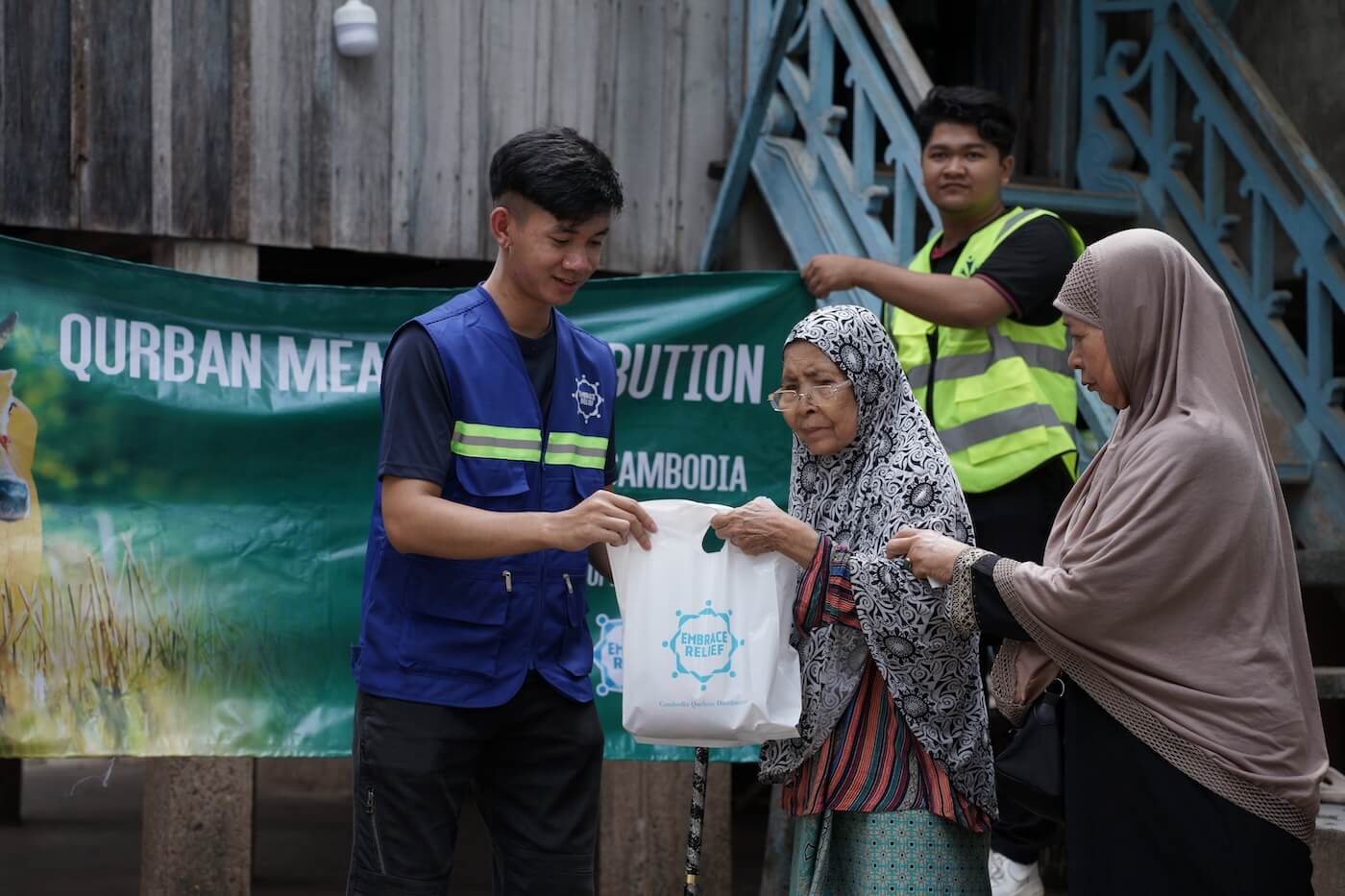
Qurbani is one of the most powerful acts of worship in Islam, performed during Eid al-Adha. It is not just about sacrifice it is about faith, obedience, and compassion for others.
Every year, millions of Muslims across the world take part in Qurbani, ensuring that families in need can share in the joy of Eid. But what exactly is Qurbani, and why does it hold such deep significance?
This complete guide explains the meaning, rules, and importance of Qurbani in Islam, helping you understand both its spiritual and social impact.
What Is Qurbani?
Qurbani (also known as Udhiyah) is the ritual sacrifice of an animal during Eid al-Adha, performed as an act of worship and obedience to Allah.
This act commemorates the devotion of Prophet Ibrahim (AS), who was willing to sacrifice his son in submission to Allah’s command. Before the sacrifice took place, Allah replaced his son with a ram an event that Muslims honor every year through Qurbani.
Today, Qurbani is carried out by sacrificing animals such as goats, sheep, cows, or camels, and distributing the meat to those in need.
Meaning of Qurbani in Islam
The word “Qurbani” comes from the Arabic root qurban, meaning to draw closer to Allah.
But Qurbani is more than a physical act it represents:
- Devotion and sincerity
- Willingness to sacrifice for faith
- Gratitude for blessings
- Compassion toward others
At its core, Qurbani is about strengthening your relationship with Allah while uplifting those around you.
The Story Behind Qurbani (Prophet Ibrahim AS)
The origin of Qurbani lies in one of the most powerful stories in Islamic history.
Prophet Ibrahim (AS) saw a dream in which he was commanded to sacrifice his son. Despite the immense emotional difficulty, he prepared to obey Allah’s command. His son also showed unwavering faith and submission.
At the moment of sacrifice, Allah replaced his son with a ram rewarding their devotion and establishing Qurbani as a lasting act of worship.
This story teaches:
- Absolute trust in Allah
- The value of sacrifice
- The power of faith and obedience
Who Is Required to Perform Qurbani?
Qurbani is obligatory (wajib in some schools) or strongly recommended for Muslims who:
- Are adults (have reached puberty)
- Are mentally sound
- Possess wealth above the nisab threshold
In simple terms, if you are financially capable, Qurbani becomes your responsibility.
Rules of Qurbani You Must Follow
To ensure your Qurbani is valid, the following conditions must be met:
Eligible Animals
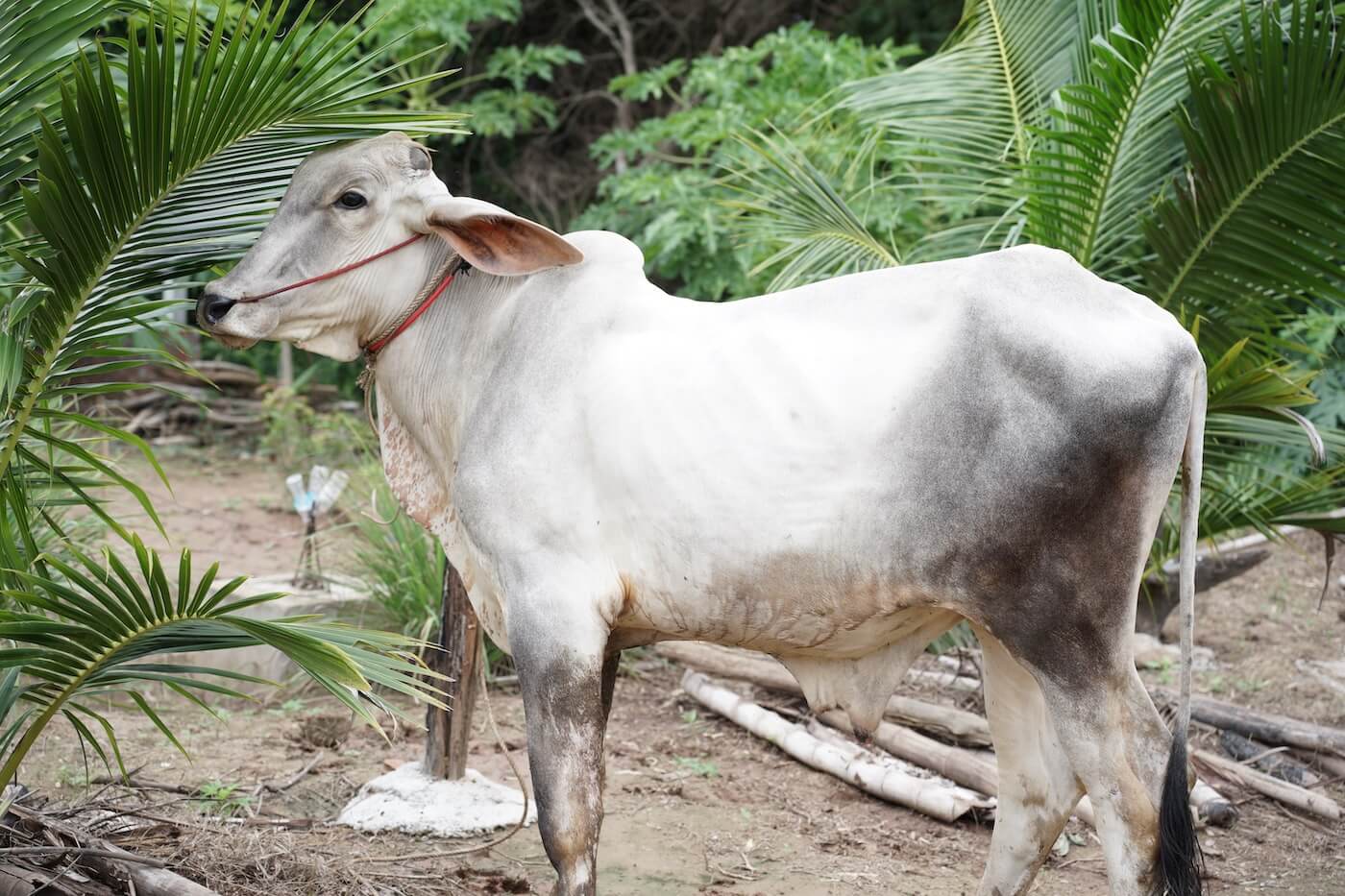
- Goat or sheep (1 share)
- Cow or camel (up to 7 shares)
Timing
- After Eid prayer on the 10th of Dhul Hijjah
- Before sunset on the 12th (or 13th depending on school)
Animal Condition
- Healthy and free from defects
- Meets minimum age requirements
Intention (Niyyah)
- Must be done sincerely for Allah
Following these rules ensures your Qurbani is accepted and properly fulfilled.
How Is Qurbani Meat Distributed?
Traditionally, Qurbani meat is divided into three parts:
- One-third for yourself
- One-third for family and friends
- One-third for those in need
Charitable organizations often distribute the majority to vulnerable communities—ensuring maximum impact.
For many families around the world, this may be their only opportunity to eat meat all year.
Why Is Qurbani Important in Islam?
Qurbani holds deep spiritual and social significance:
Strengthens Faith
It reminds Muslims of submission, obedience, and trust in Allah.
Encourages Compassion
It ensures that even the most vulnerable can celebrate Eid with dignity.
Promotes Social Justice
Qurbani helps reduce hunger and supports struggling communities worldwide.
Builds Community
Sharing meat fosters unity, generosity, and connection among people.
Qurbani is not just about sacrifice—it is about impact.
Spiritual Lessons of Qurbani
Qurbani teaches timeless values that go beyond Eid:
- Put faith above worldly attachments
- Be grateful for what you have
- Share your blessings with others
- Strengthen your connection with Allah
As the Qur’an emphasizes, it is not the meat or blood that reaches Allah, but your piety and intention.
Modern Qurbani: How Donations Work Today
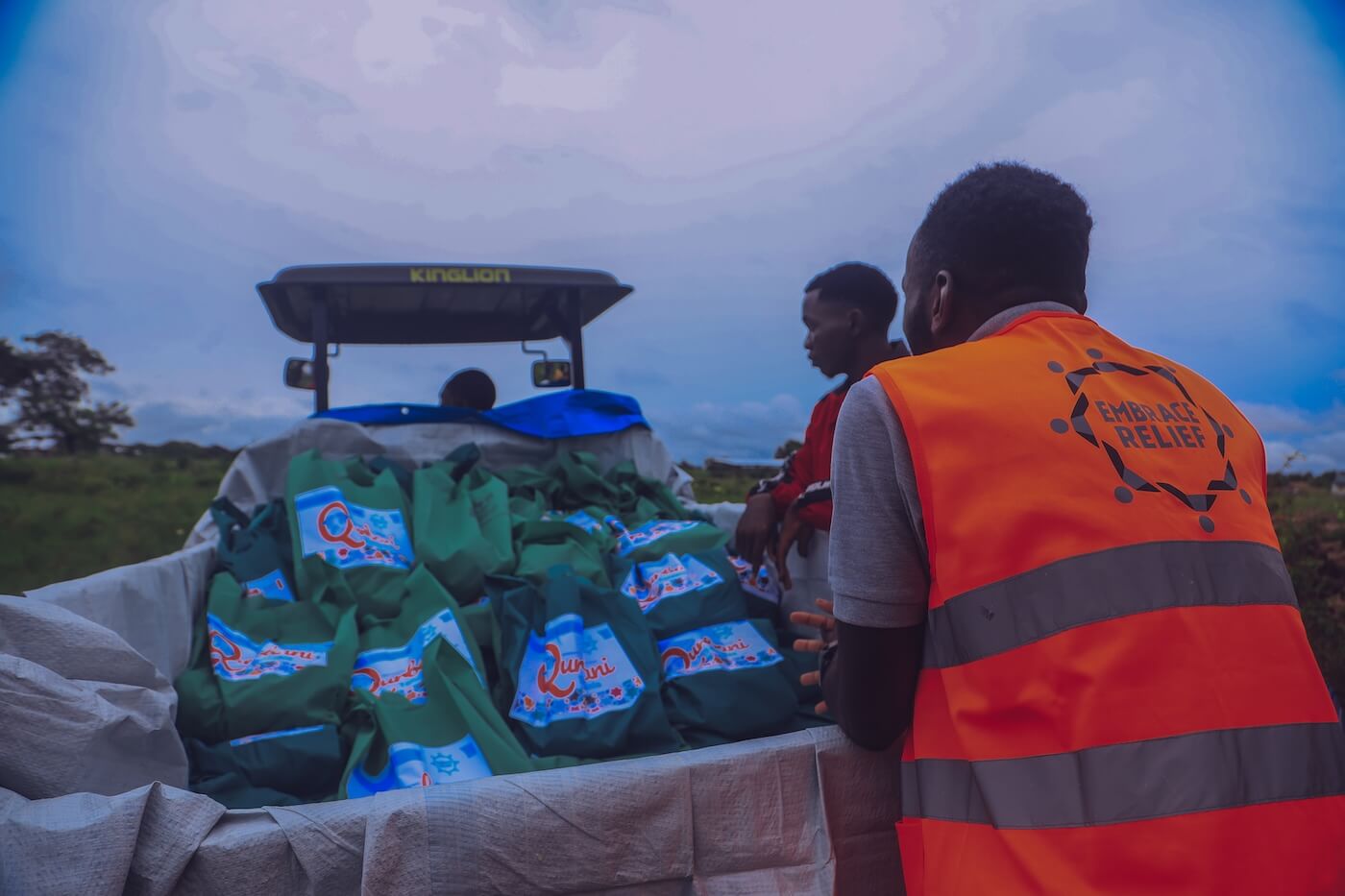
Today, many Muslims perform Qurbani through trusted charities that:
- Source animals ethically
- Carry out sacrifices according to Islamic guidelines
- Distribute meat to those most in need
This ensures your Qurbani reaches:
- Refugees
- Orphans
- Low-income families
- Food-insecure communities
Making your Qurbani more impactful than ever before.
Common Mistakes to Avoid
To ensure your Qurbani is valid:
- Performing sacrifice before Eid prayer
- Missing the designated days
- Choosing an unhealthy animal
- Not making proper intention
Avoiding these mistakes ensures your Qurbani fulfills its purpose both spiritually and socially.
Final Thoughts
Qurbani is more than a ritual it is a powerful expression of faith, sacrifice, and compassion.
By performing Qurbani, you:
- Follow the legacy of Prophet Ibrahim (AS)
- Strengthen your connection with Allah
- Help feed families in need
It is an act that transforms both the giver and the receiver.