


Summary
- Algae blooms, fueled by climate change and pollution, are spreading rapidly and contaminating freshwater sources
- Toxic blooms can make entire lakes and rivers unsafe for human use, leading to serious health risks and water shortages
- Embrace Relief builds and maintains clean water wells in Africa, helping over a million people access safe drinking water
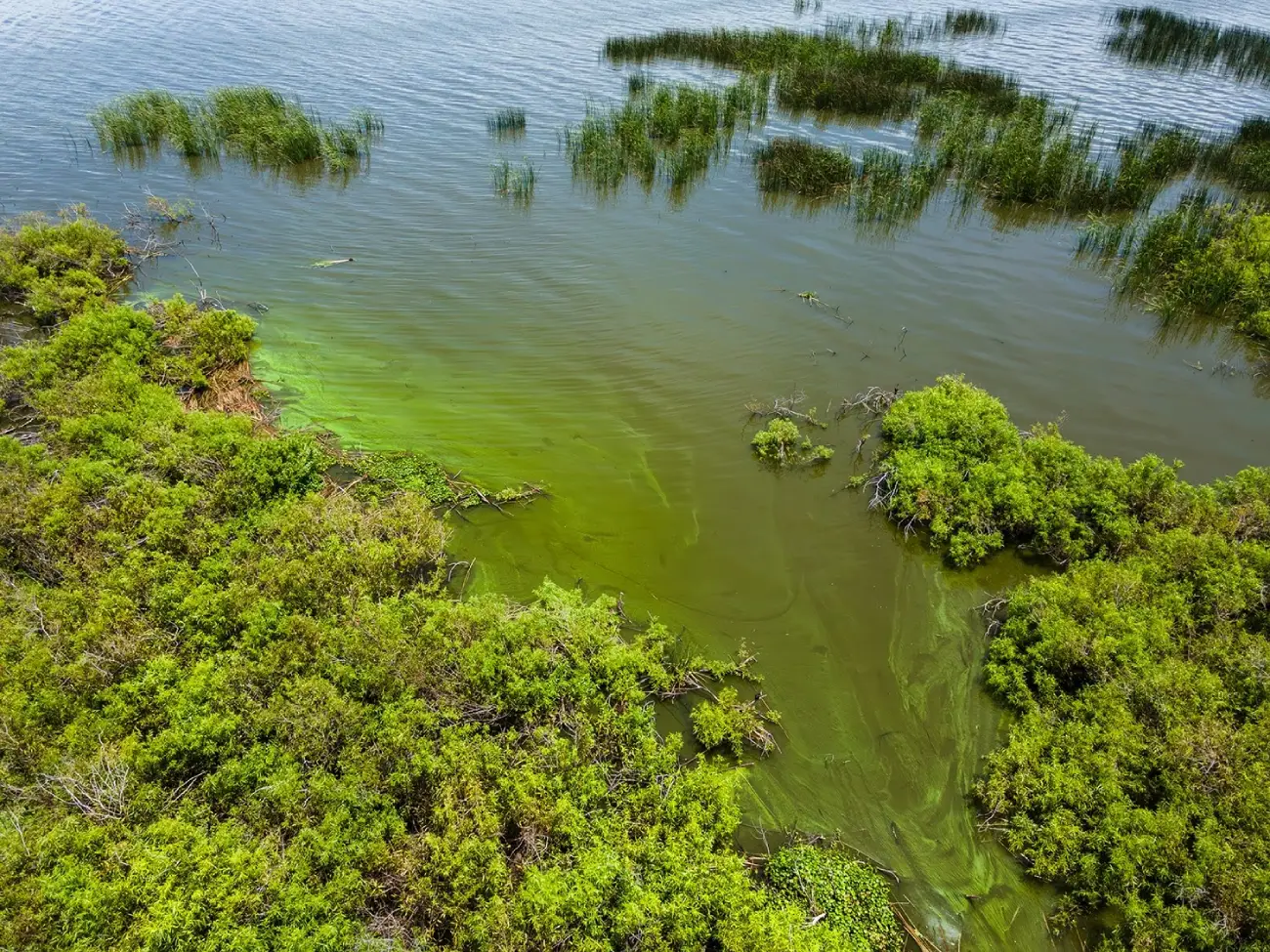
Algae blooms once a seasonal, localized issue have exploded into a global environmental emergency. Triggered by a mix of agricultural runoff, rising temperatures, and stagnant water, these blooms are spreading rapidly and choking freshwater ecosystems. In the U.S., more than 2,300 water bodies reported harmful algae outbreaks in 2023 alone. From lakes in the Midwest to rivers in Europe and reservoirs across Africa, the trend is clear: our water is under threat.
These blooms aren’t just an eyesore, they’re toxic. They can produce harmful compounds like microcystin and anatoxin, which are dangerous when ingested or even touched. Exposure has been linked to liver damage, neurological disorders, and severe gastrointestinal illness. In some cases, cities have had to shut off municipal water supplies for days at a time. In 2014, residents of Toledo, Ohio lost access to drinking water for three days due to a toxic bloom in Lake Erie.
Globally, the stakes are even higher. Climate change is supercharging the problem: warmer temperatures and extreme weather events accelerate bloom formation, especially in regions with limited water infrastructure. In low-income areas, where treatment systems are outdated or nonexistent, blooms can render entire water sources unusable for months.
The World Health Organization reports that more than 2 billion people still lack access to safely managed drinking water and algae blooms only worsen that divide. While wealthier countries have the tools to mitigate the damage, rural communities in Africa and other underserved regions face an impossible choice: risk drinking contaminated water or go without.
The bottom line? Clean water is no longer just a development issue, it’s an environmental one. And the growing spread of algae blooms is yet another reminder that access to safe water is fragile, unequal, and under urgent threat.
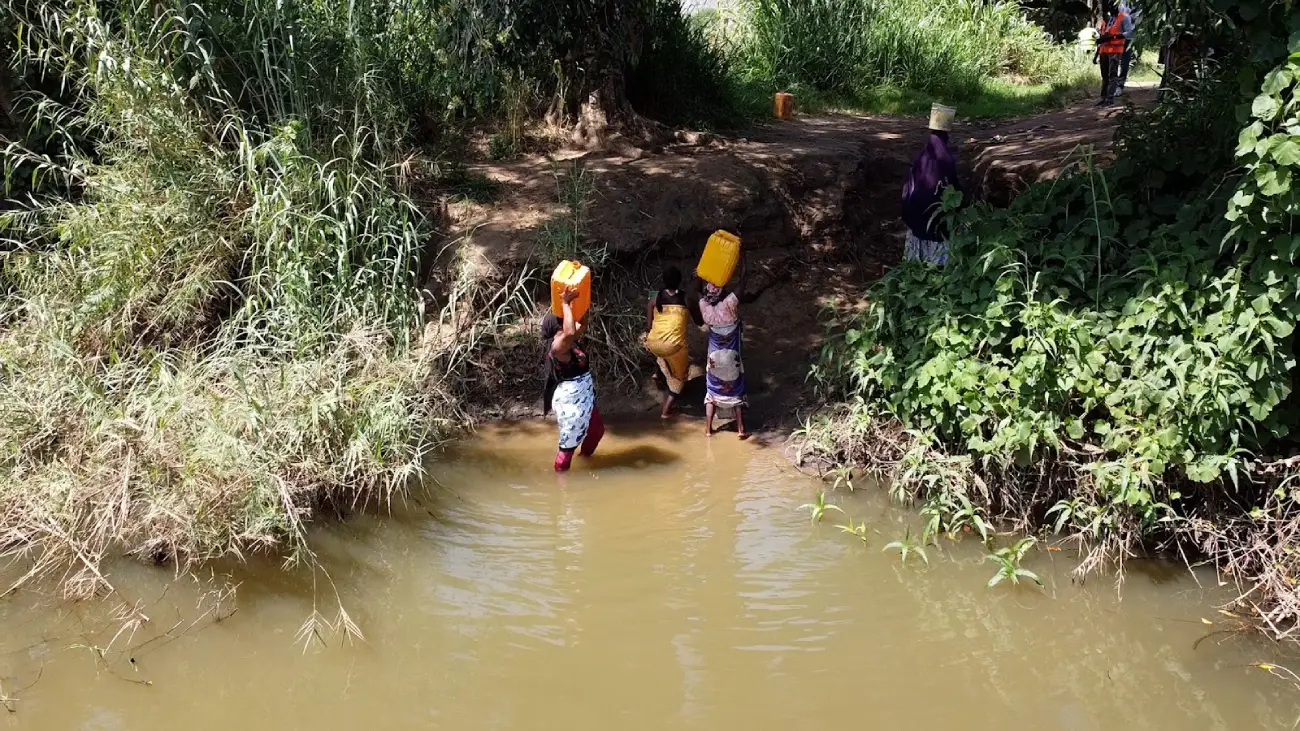
From Polluted Rivers to Reliable Wells: How Embrace Relief Is Delivering Clean Water Across Africa.
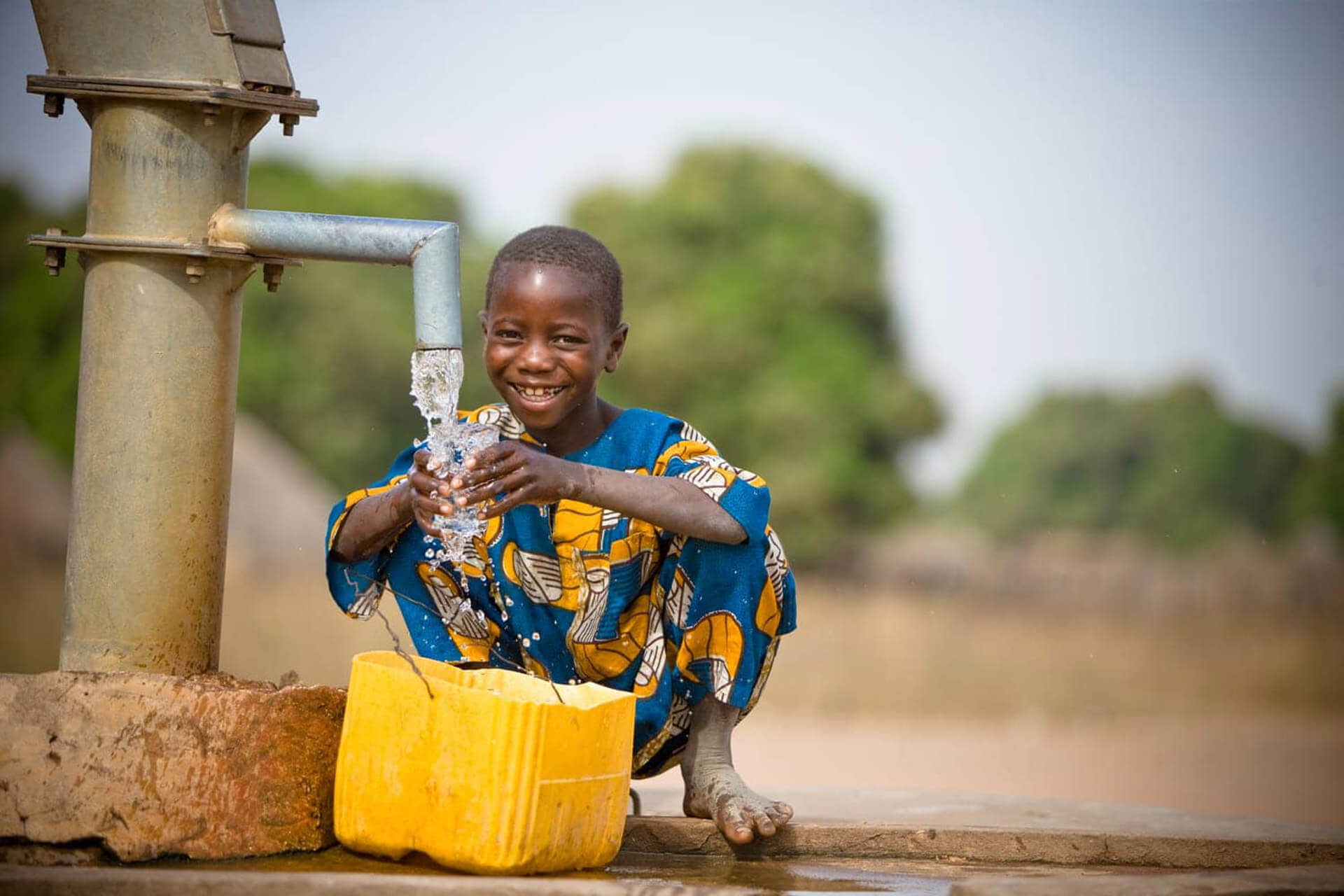
While governments and tech companies debate long-term environmental solutions, Embrace Relief is providing immediate, life-saving action. Through its Clean Water Initiative, Embrace Relief constructs and rehabilitates water wells in communities across Africa giving thousands of people access to clean, safe, and sustainable drinking water.
Each well, built for just $3,500, serves more than 1,000 people and is tailored to meet the region’s specific needs, with durable materials and locally sourced parts. These aren’t temporary fixes. Every well comes with a five-year warranty, annual maintenance checks, and community training to ensure long-term functionality. Donors also receive detailed impact reports, photos, and GPS coordinates showing the exact location of their well.
Since 2013, the program has built or restored over 1,100 wells, directly improving the lives of more than 1 million people in countries like Chad, Nigeria, Uganda, Kenya, and Cameroon. These wells don’t just quench thirst, they reduce disease, support agriculture, and help women and children reclaim hours each day once spent walking to distant water sources.
In a world where entire cities are threatened by environmental pollution, Embrace Relief is offering a model of resilience and compassion one well at a time. Whether you choose to sponsor a full well, contribute to a shared project, or simply spread the word, you can be part of a solution that’s tangible, scalable, and life-changing.
For more information on Embrace Relief’s Clean Water Initiative, click here!