


Summary
- Millions of orphans in Africa: Over 35 million children live without parental care, facing food, education, and healthcare challenges.
- Causes of orphanhood: Diseases, poverty, conflict, and natural disasters leave children parentless and vulnerable.
- Unique risks: Orphaned children face exploitation, neglect, and cycles of poverty without stable support.
- Embrace Relief’s impact: Providing shelter, education, healthcare, and emotional support to help orphans thrive and build a brighter future.
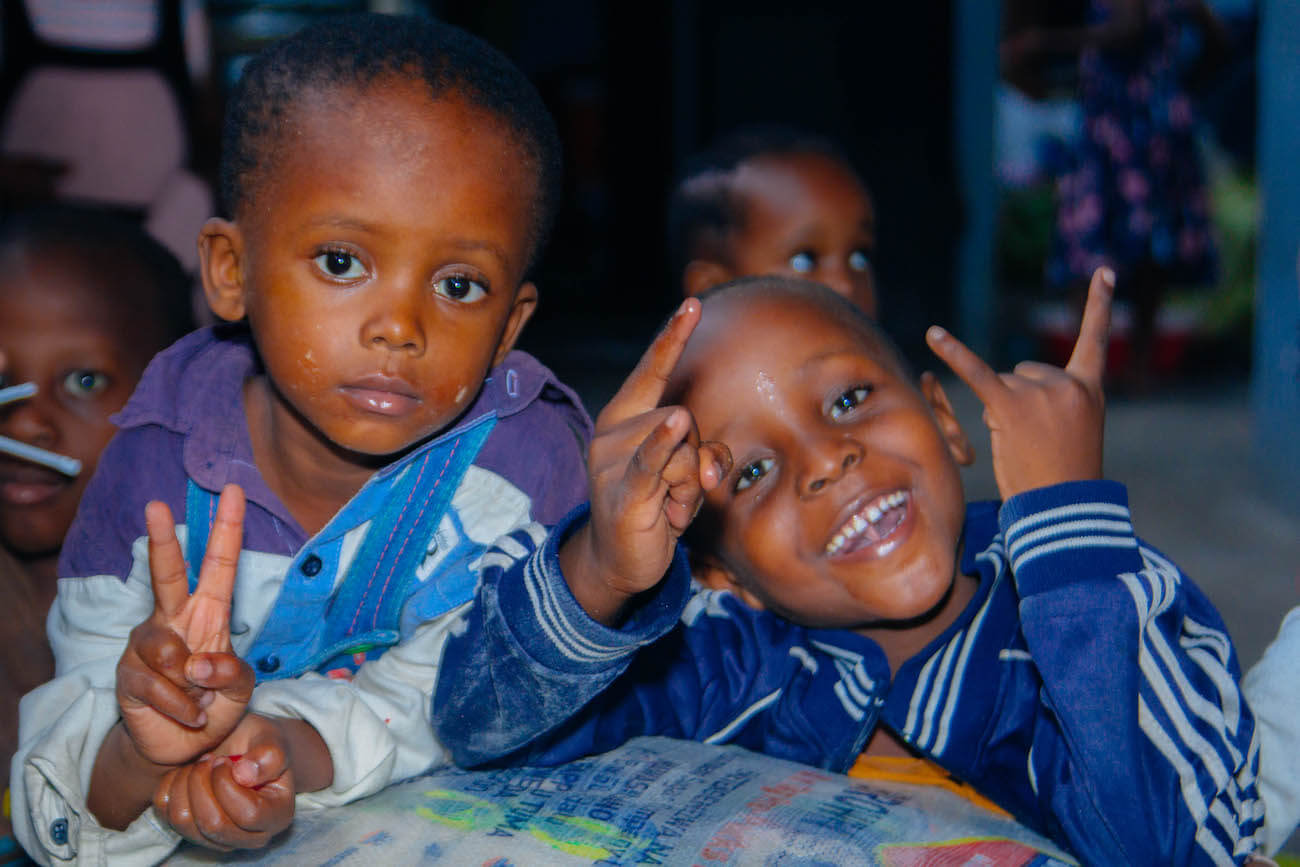
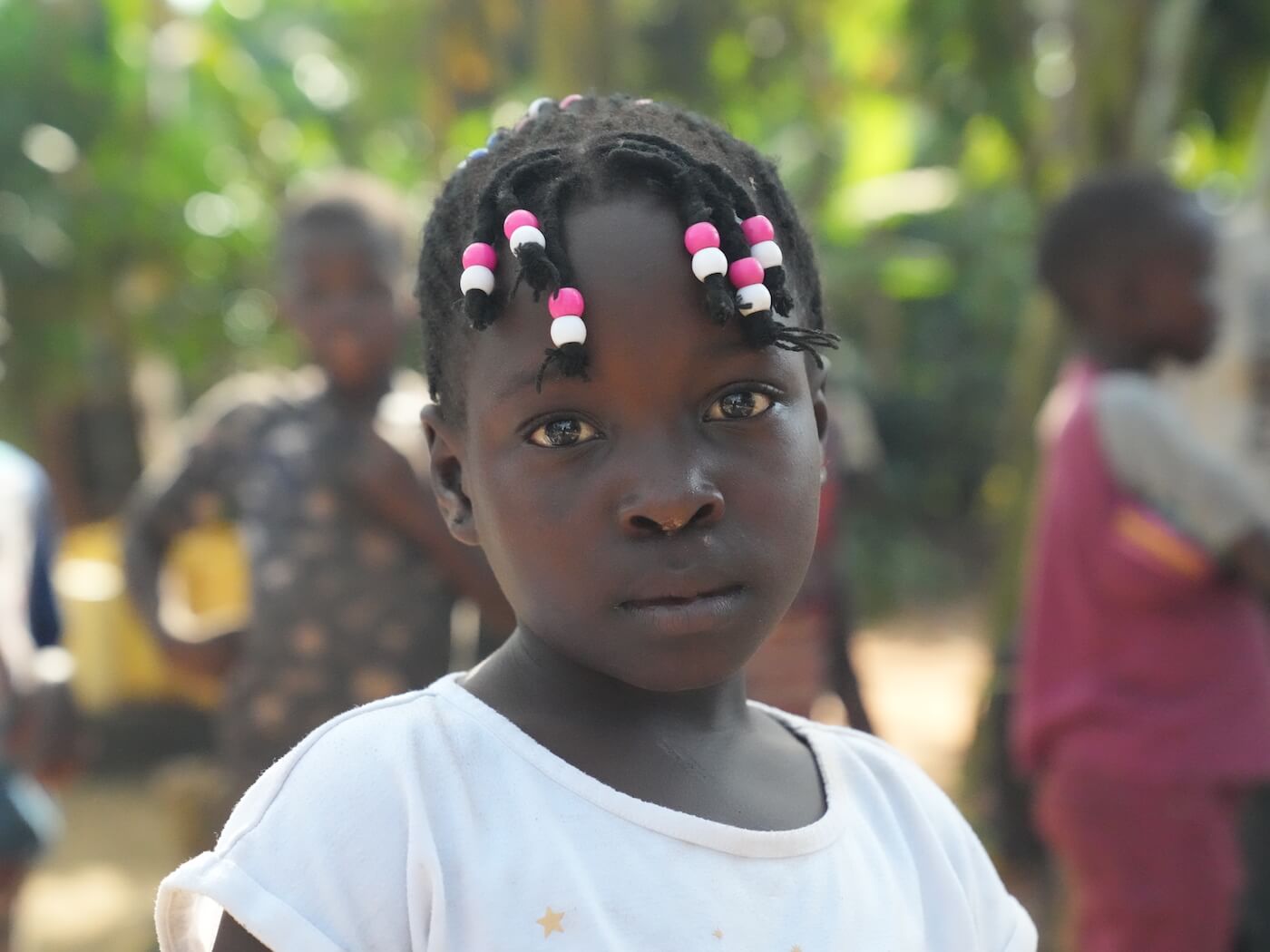
Across the African continent, childhood looks very different for millions of boys and girls who have lost one or both parents. The scale of this crisis is staggering; tens of millions of children are growing up as orphans, making Africa home to one of the largest orphaned populations in the world. Behind these numbers are stories of hardship, resilience, and survival.
From the loss of parents due to disease, poverty, or conflict, to the daily struggles of accessing food, education, and healthcare, orphaned children face challenges that few of us can imagine. Yet, in the face of such adversity, there is also hope. By understanding the scope of the issue and the needs of these children, we can begin to see how collective action can change their futures for the better.
The Scale of Orphanhood in Africa
Across Africa, the challenge of orphanhood is immense. An estimated 35 million children are without parental care , according to a report released by the African Committee of Experts on the Rights and Welfare of the Child. This makes Africa home to one of the largest orphan populations in the world. Behind these numbers are countless children struggling to survive without the consistent love, stability, and protection that parents provide. For many, this means growing up without reliable access to food, education, healthcare, or safe shelter, leaving them trapped in a cycle of vulnerability that is difficult to escape.
Why So Many Children Become Orphans
The reasons behind this crisis are complex and interconnected. Diseases such as HIV/AIDS, malaria, and most recently COVID-19 have claimed the lives of countless parents, leaving their children behind. But health crises are only part of the picture. Poverty, armed conflict, and natural disasters continue to displace families and disrupt communities, pushing many children into orphanhood. Tragically, when extended families and local communities are already struggling to meet their own needs, they are often unable to provide consistent care for orphaned children, compounding the crisis even further.
Orphaned Children Face Unique Risks
For orphaned children in Africa, the absence of parents means much more than emotional loss. It exposes them to heightened risks of exploitation, child labor, abuse, and neglect. Without a stable home, many of these children live in unsafe environments where basic necessities and nurturing care are absent. This instability doesn’t just affect their childhood — it impacts their long-term health, education, and future opportunities. The cycle of poverty is often repeated, as children without support struggle to break free and achieve independence as adults.
Myth 4 “Home remedies and eye drops will fix serious problems”
Home remedies can delay real care and, in some cases, cause harm. Serious conditions like cataracts, glaucoma, and severe refractive errors require professional diagnosis. Delays can mean permanent vision loss.
What to do: Provide clear, culturally appropriate messaging that explains which symptoms need urgent referral and which mild complaints can be managed conservatively. Provide a list of trusted local referral points.
Myth 5 “Wearing glasses will make my child’s eyesight worse”
Glasses correct refractive errors and improve learning; they do not weaken the eye. Refusing glasses because of stigma or misconception prevents children from seeing clearly in class and can risk lifelong disadvantages.
What to do: Pair spectacle distribution with education: normalize glasses by showing local role models, giving low-cost or free frames, and ensuring follow-up for repairs and replacements.
How Embrace Relief Is Helping Orphaned Children in Africa
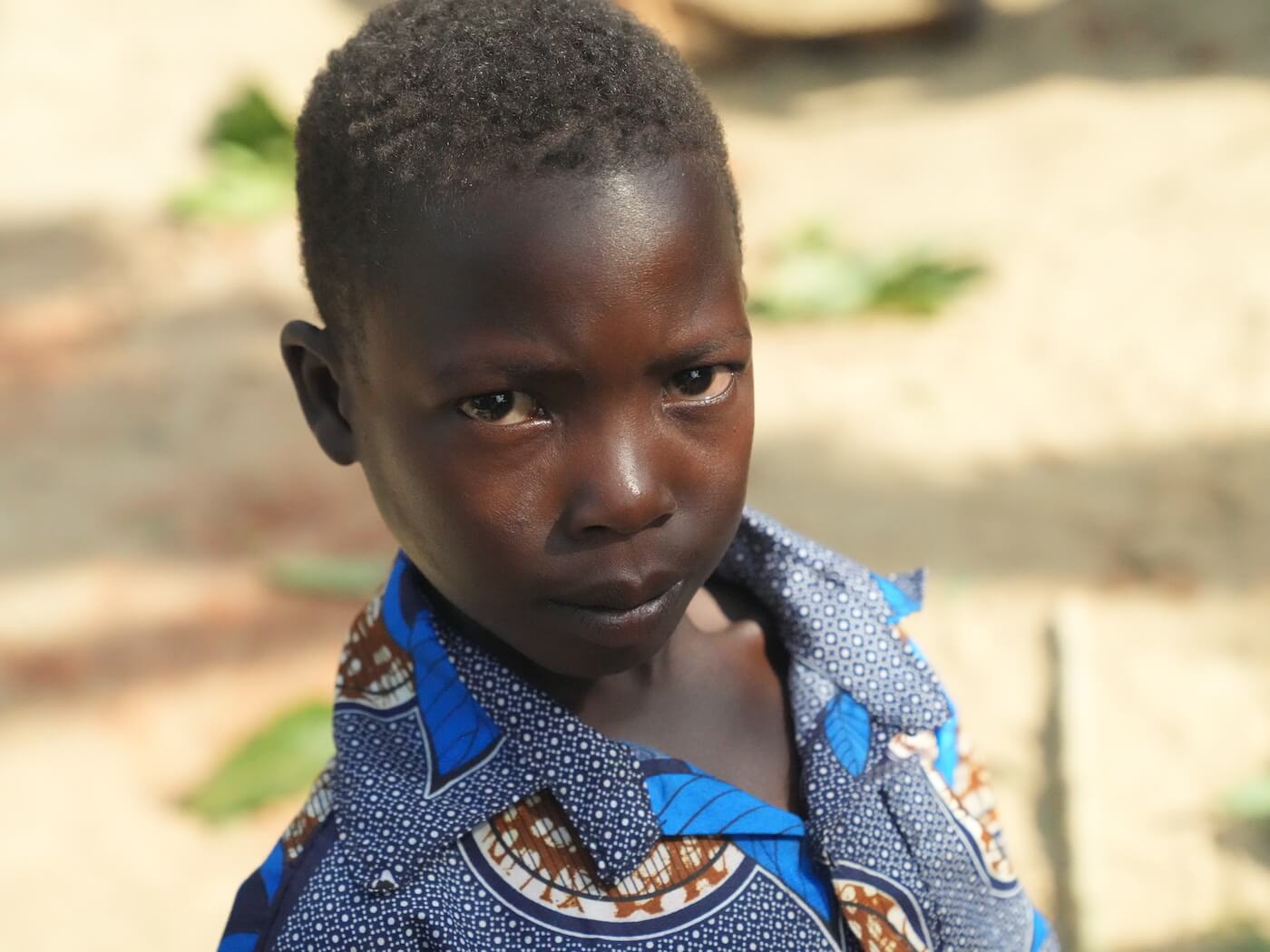
At Embrace Relief, we believe that orphan care is about more than survival; it’s about helping children thrive. That’s why we partner with trusted local orphanages and community organizations to provide not just food and shelter, but also education, healthcare, and emotional support. Through our child sponsorship and orphan care initiatives, many children are gaining the opportunity to rebuild confidence, pursue an education, and dream of a brighter future. By creating nurturing environments where children can heal and grow, we are breaking the cycle of poverty and empowering the next generation to live with dignity and hope.
Your generosity can transform the life of a vulnerable child turning despair into possibility and restoring dignity where it was once lost. Together, we can ensure that millions of orphaned children are not forgotten, but instead given the chance to grow, thrive, and dream.
Donate today and be the reason a child smiles, learns, and believes in tomorrow.