


Summary
- Foster care in the U.S. provides safe, family-like homes for vulnerable children.
- Orphaned children in America are cared for through fostering or adoption.
- Millions of children worldwide still rely on orphanages for basic care and education.
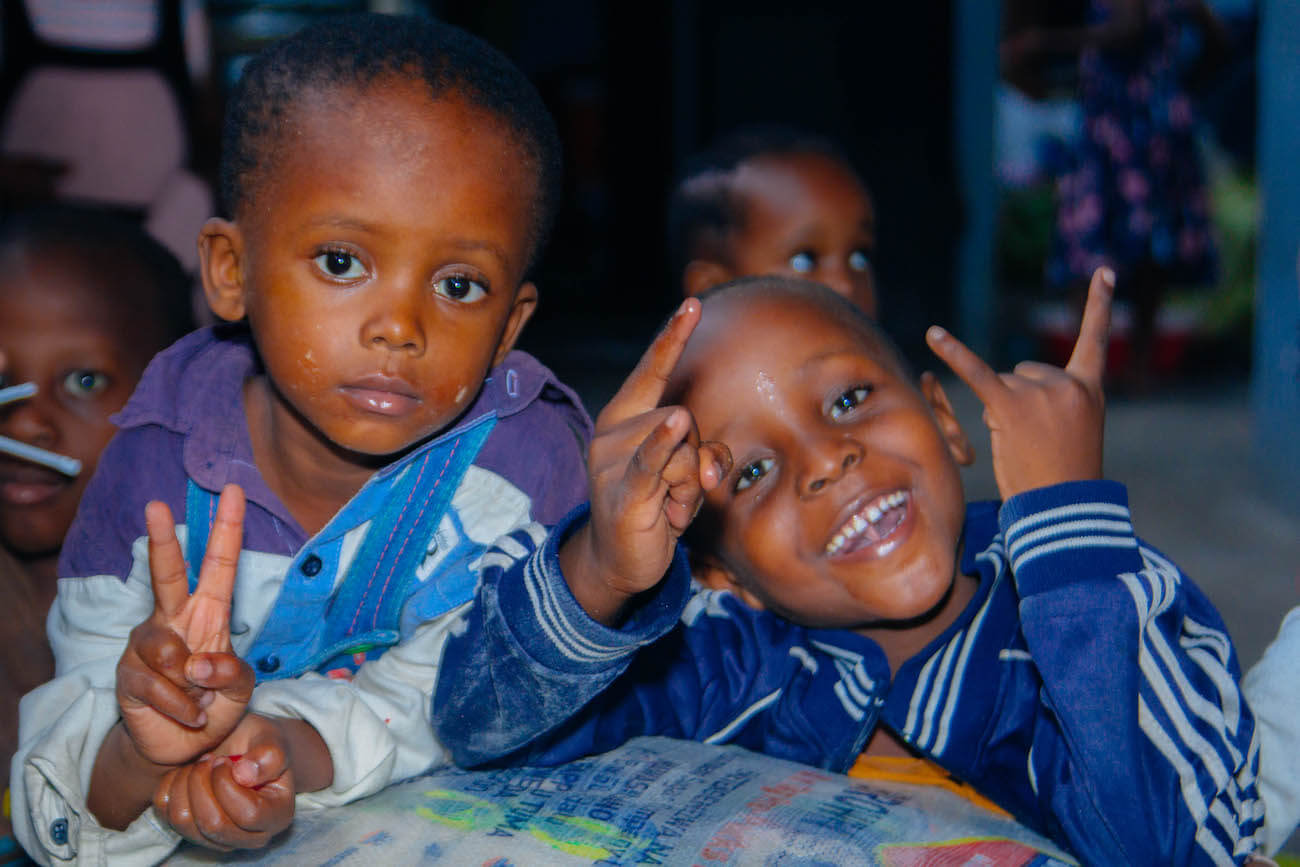
- Embrace Relief’s Orphan Care Program supports orphaned children across Africa and Asia with food, shelter, and education.
In the United States, foster care is a system designed to provide a safe, temporary home for children who cannot live with their biological families due to abuse, neglect, or unsafe living conditions. Its goal is to protect and nurture children while supporting families in resolving issues to reunite whenever possible.
When reunification isn’t possible, foster care helps children find a permanent, loving home through adoption — ensuring that every child has a chance at stability and belonging.
How the Foster Care System Works
When a child enters the foster care system, local child welfare agencies assess their situation and place them in a suitable foster home. Foster parents go through background checks, training, and ongoing support to ensure the child’s safety and well-being.
The main types of foster care placements include:
- Kinship Care: Placement with relatives or family friends.
- Traditional Foster Care: Placement with licensed foster parents.
- Therapeutic or Specialized Care: For children with emotional or medical needs.
- Group Homes or Residential Care: When individual placements are not available.
Throughout the process, social workers provide case management, resources, and regular home visits to ensure the child’s well-being. The ultimate goal remains long-term stability, whether through reunification with family or adoption into a permanent home.
Orphaned Children and Fostering in the USA
The concept of “orphanages” as we once knew them no longer exists in the United States. Instead, children without parents or a safe home are placed in the foster care system, where they can live in a family-like setting.
While orphaned children in the U.S. benefit from structured foster care programs, millions of children in developing countries still depend on community-based orphanages and orphan care programs for survival.
This global contrast emphasizes the importance of international orphan support, ensuring that every child — no matter where they are born — has access to safety, love, education, and opportunity.
The Importance of Emotional and Educational Support
Beyond food and shelter, emotional security and education are critical to a child’s healthy development. Foster children often face trauma, interrupted schooling, and feelings of isolation. Programs that focus on mental health, tutoring, and mentoring play a vital role in helping them rebuild trust and confidence.
Every act of kindness from volunteering to donating school supplies helps foster youth feel valued and supported.
Supporting Orphaned and Vulnerable Children Worldwide
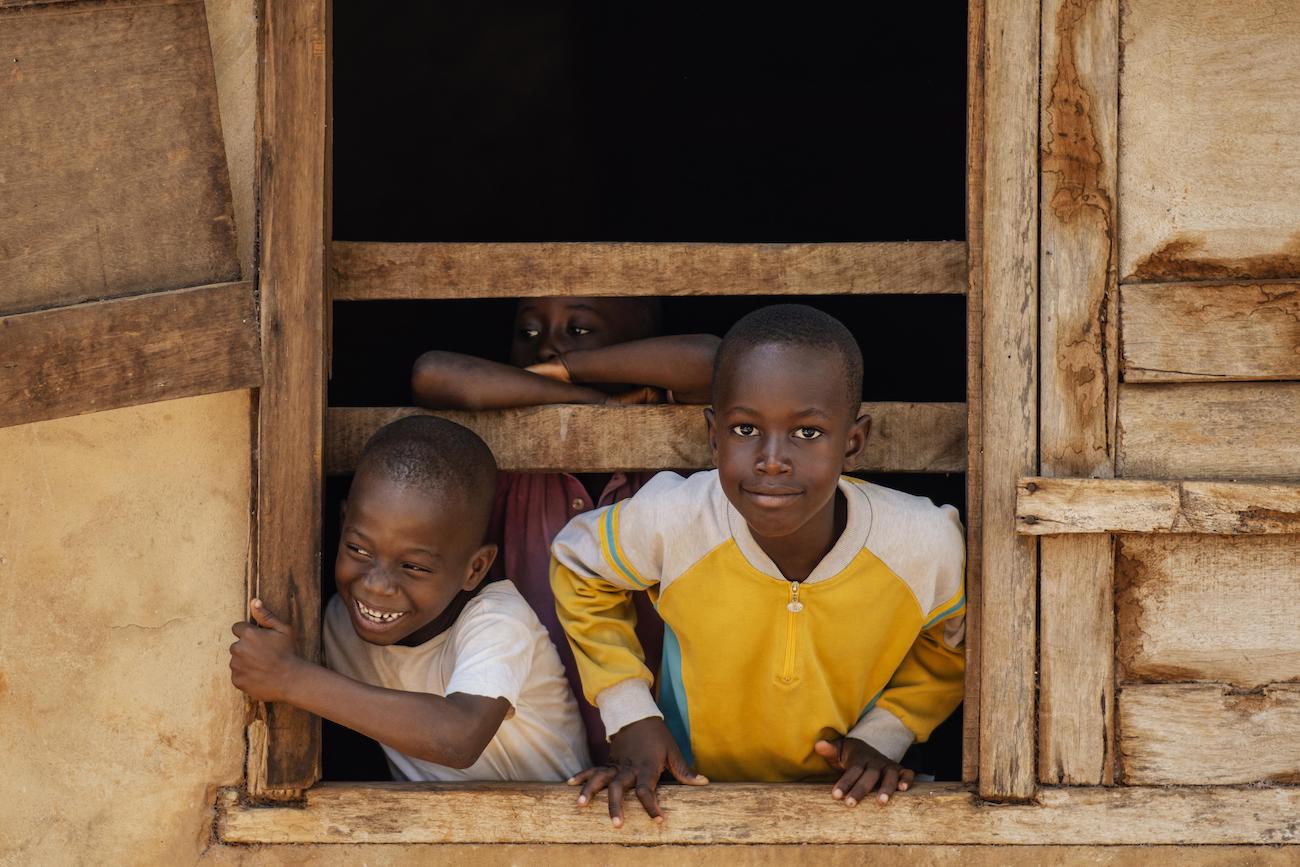
While the U.S. has a structured foster care system, millions of orphaned and vulnerable children around the world still struggle without access to safe housing, food, education, or healthcare.
That’s why Embrace Relief’s Orphan Care Program provides comprehensive support for children in Africa and Asia, ensuring they grow up in safe environments with hope and opportunity.
Every child whether in the U.S. foster care system or an orphanage overseas deserves love, safety, and opportunity.You can be part of this change today.
Join Embrace Relief’s Orphan Care Program and give vulnerable children around the world a chance to thrive.