

Driving Change, Saving Lives:
Burkina Faso Mobile Clinic
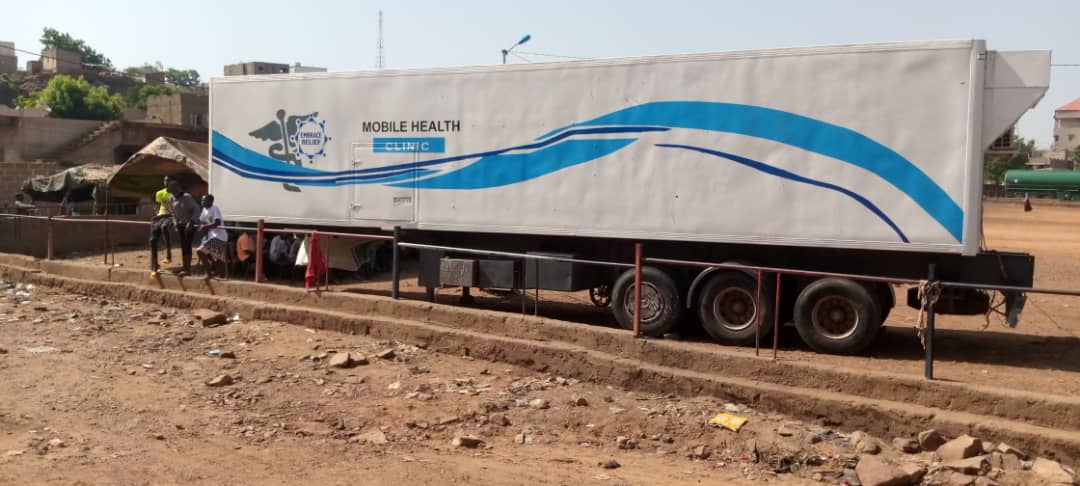
We at Embrace Relief believe healthcare should be accessible to all. In 2013, we put this idea into practice by opening a mobile medical clinic in the West African country of Mali, offering free medical services and life-saving care. In the decade since, generous donors like you have helped us transform lives by funding 37,000 cataract surgeries, 3,000 glaucoma surgeries, and 550,000 health checkups.
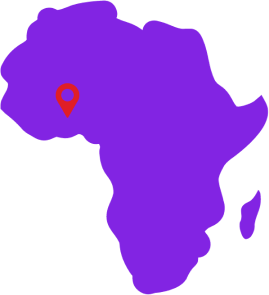
Now, we seek to expand our Mobile Medical Clinic to neighboring Burkina Faso, where you can help us make accessible healthcare a reality for thousands more.
Operated in conjunction with Burkina Faso’s Ministry of Health and Ministry of Youth and Sports, our Mobile Medical Clinic is an 18-wheel truck equipped with medicine and surgical facilities, and will initially be stationed on the outskirts of the city of Bobo-Dioulasso (population 900,000), serving city residents. The clinic is also planned to travel outside the city to serve remote, underserved communities. Wherever it may be located, the mobile clinic will offer free:
Cataract surgeries
Dental procedures
Preventative health screenings
Ophthalmology
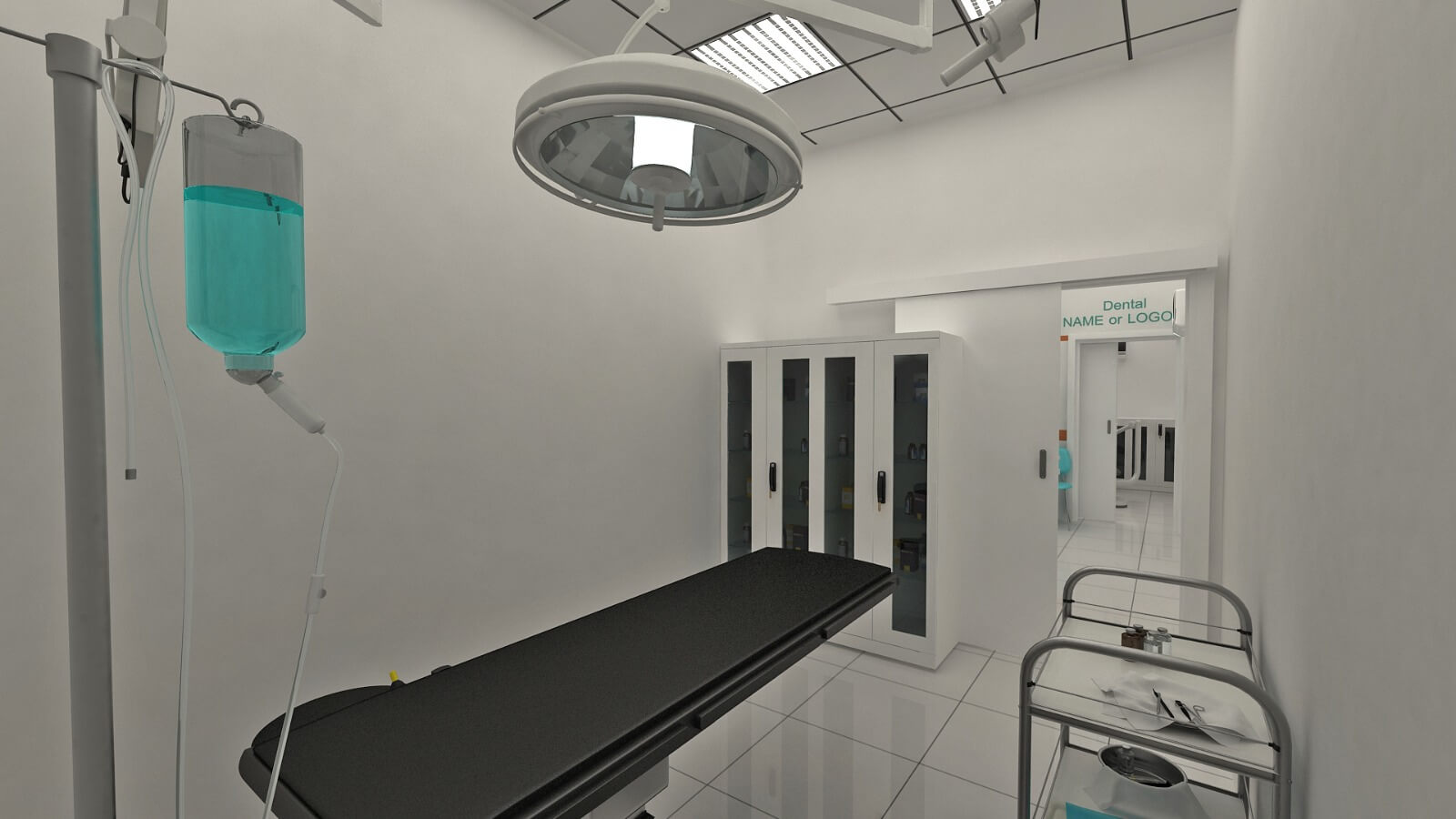
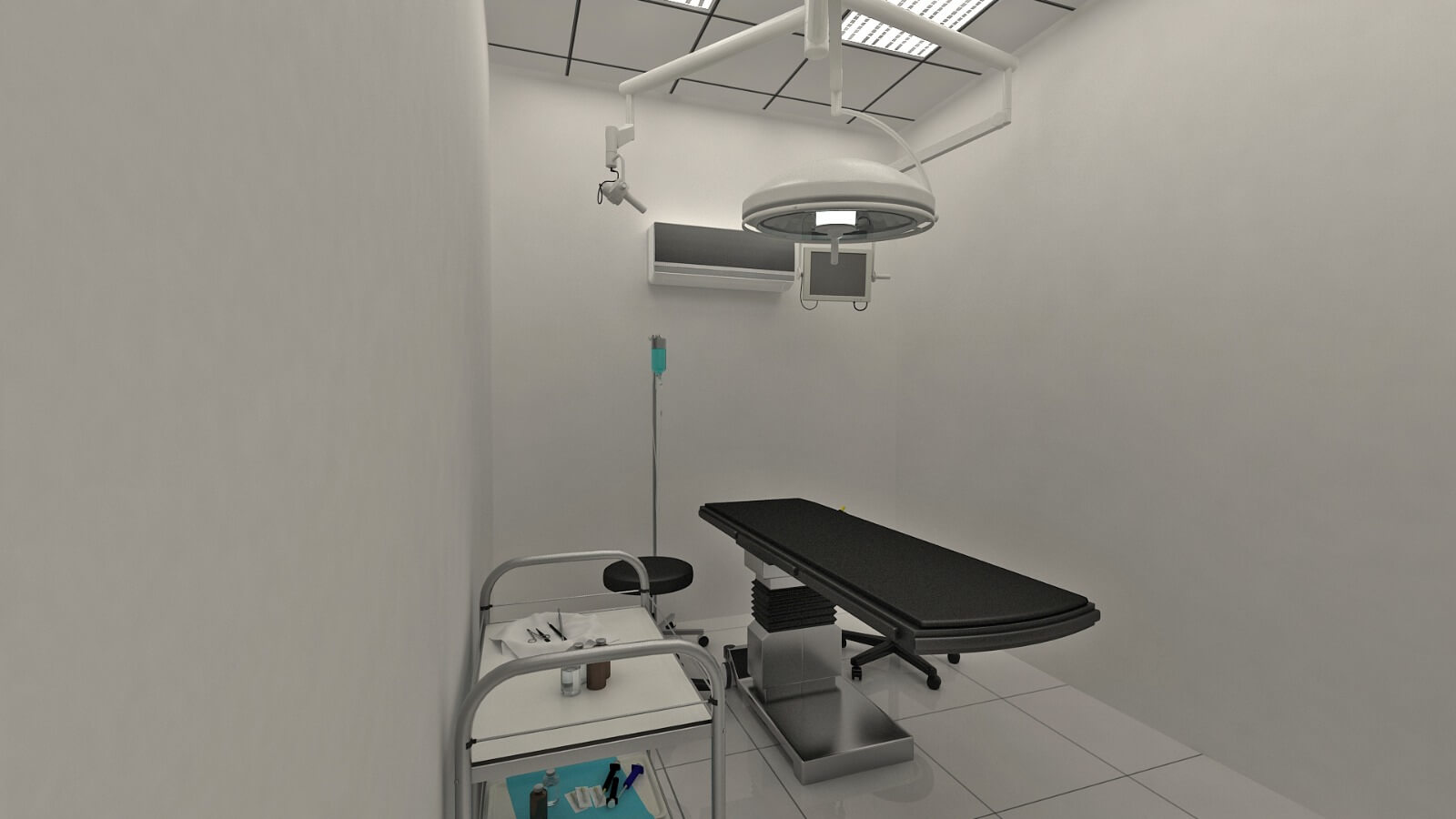
These essential medical items and equipment are included in your full donation:
- Standard reclining operating chair
- 3 chairs
- Sterilization
- Sterilization equipment helps make the cleaning process of surgical tools as efficient and effective as possible. In addition to eliminating cross-contamination and ensuring the health of patients, such sterilization equipment also reduces the risk of injury that can accompany manually washing sharp tools.
- Phacoemulsification machine:
- This machine uses ultrasonic waves to break up the cloudy lens, allowing for its removal through a small incision. It also aspirates the emulsified lens material.
- Phaco handpiece:
- This device is attached to the phacoemulsification machine and is used to break up and remove the cataract.
- Microsurgical instruments:
- Tiny instruments, such as forceps, scissors, and irrigation/aspiration probes, are used for precise maneuvers within the eye.
- Intraocular lens (IOL):
- A clear artificial lens is implanted in the eye to replace the removed natural lens. Different types of IOLs are available, including monofocal, multifocal, and toric lenses, depending on the patient's needs.
- Ophthalmic viscoelastic devices (OVDs):
- These substances, such as sodium hyaluronate, are used to maintain space in the eye, protect the corneal endothelium, and aid in the insertion of the IOL.
- Capsulorhexis forceps:
- Used to create a circular opening in the lens capsule, allowing access to the cataract.
- Operation Microscope
- An operating microscope used in cataract surgery is a specialized optical instrument designed to provide surgeons with a highly magnified and illuminated view of the eye's interior during the surgical procedure. Key features include magnification, illumination, binocular vision, fine focus and positions, stability, integration with surgical tools, and sterile design.
Dental:
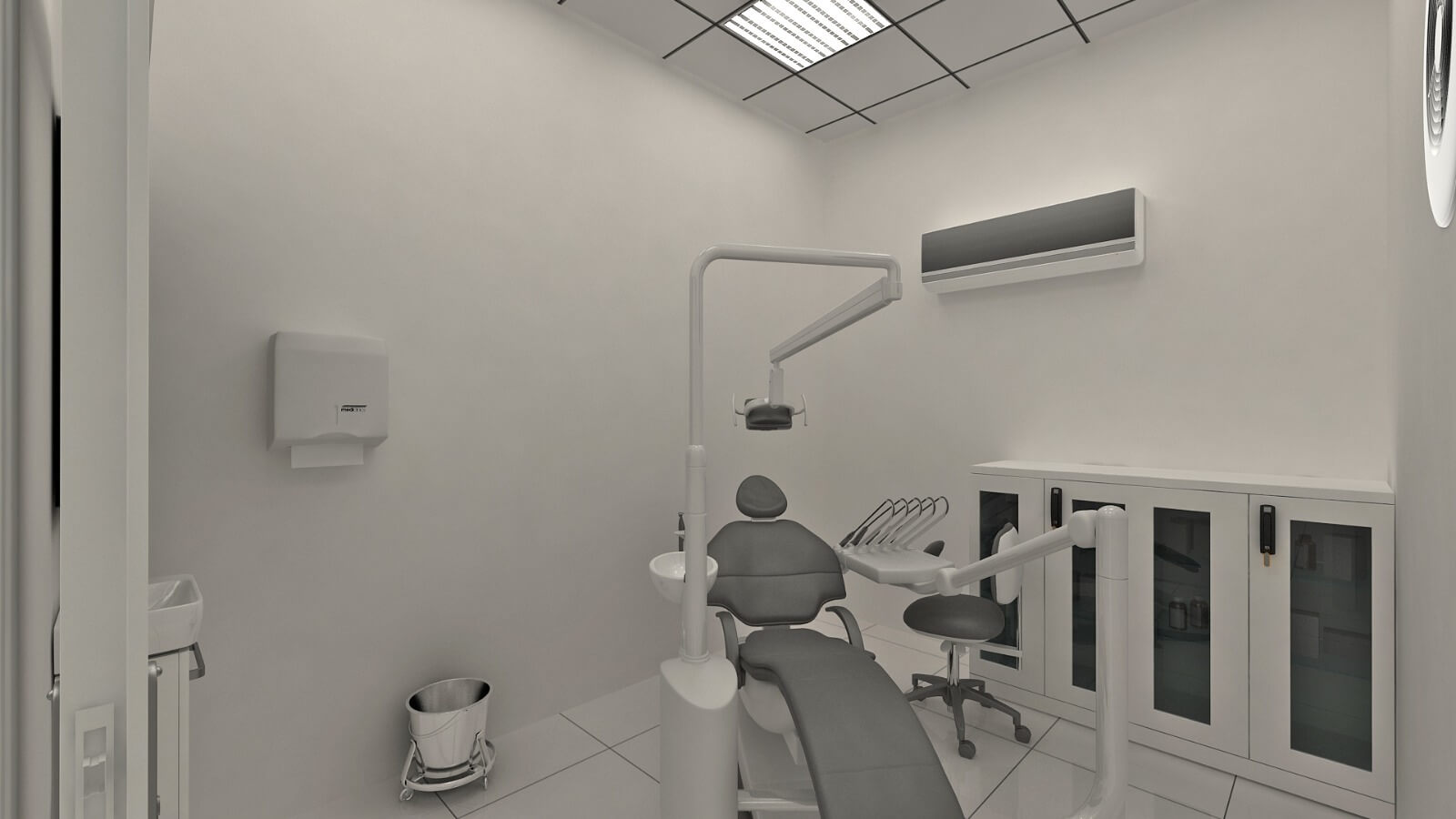
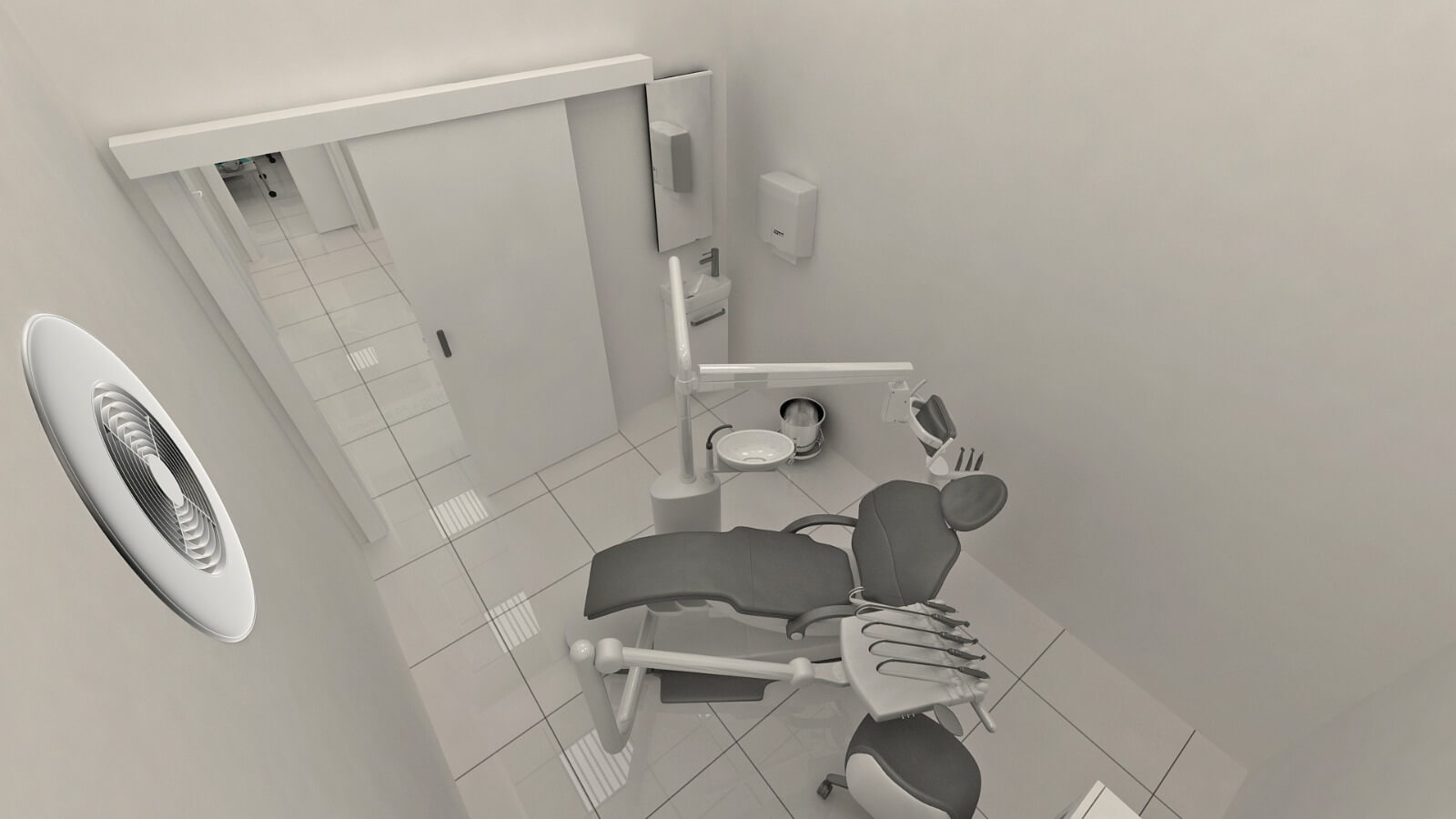
These essential medical items and equipment are included in your full donation:
- Dental patient chair
- 2 chairs
- Sterilization equipment
- Sterilization equipment helps make the cleaning process of dental tools as efficient and effective as possible. In addition to eliminating cross-contamination and ensuring the health of patients, such sterilization equipment also reduces the risk of injury that can accompany manually washing sharp dental tools.
- Utility equipment and handpieces
- Dental handpieces are necessary for performing a variety of dental tasks - from routine appointments to complex surgical treatments. Important handpiece systems to have at a dental practice include pressurized water, air, and suction tools as well as electric drills, picks, and mirrors.
- Mounted dental operating lights
- Poor lighting in a dental office can greatly reduce the quality of service, hinder the success of operations, and result in inaccurate diagnoses due to lack of vision. To provide optimal lighting conditions, they include a variety of swing arm options that allow dentists, hygienists, and assistants to adjust the direction of the light.
- Operatory cabinetry
- Dental cabinetry is a key component in a dental treatment room. Cabinetry and consoles are crucial for storage and efficient productivity, organization, and cleanliness.
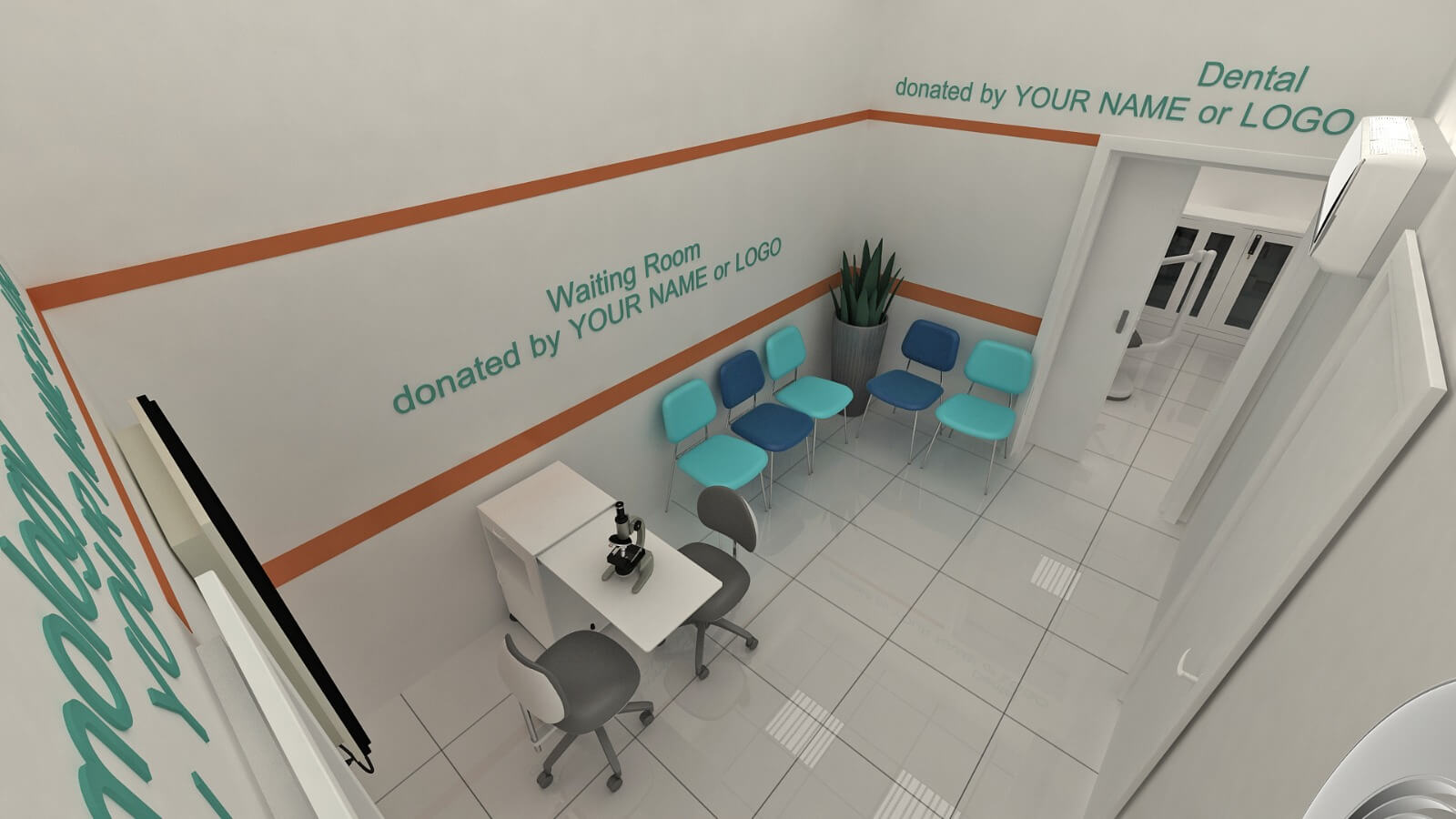
Reception/Waiting:
Our Burkina Faso Mobile Medical Clinic has the power to save lives and improve quality of life for thousands. But we need your help. Donate today to give the gift of sight to vulnerable communities in need!
These essential medical items and equipment are included in your full donation:
- Reception desk
- 7 chairs
- Eye chart
- Standard Snellen Eye Chart to determine the strength of eyesight
- Tonometer
- A device used to measure intraocular pressure of the eye to determine if a patient is suffering from vision loss due to damaged optic nerves from glaucoma. Uses disposable tip covers.
- Ophthalmoscope
- Equipped with built-in mirrors and a light source, the doctor can examine the eye’s interior and thoroughly inspect the retina
- Vital Sign Monitor
- Used by clinic staff to conduct comprehensive health screenings while patients wait to be seen by the doctor(s).
- Refractometer/Keratometry
- A refractometer measures the extent to which light is bent when it moves from air into a sample and is typically used to determine the refractive index of a liquid sample.
- Keratometry is the measurement of the curvature of the anterior corneal surface, usually across a fixed chord length of 2 to 3 mm, which falls within the spherical optic zone of the cornea.
- Bio microscope (Slit lamb)
- The slit lamp is a stereoscopic biomicroscope that emits a focused beam of light with variable height, width, and angle. This unique instrument permits three-dimensional visualization and measurement of the fine anatomy of the adnexa and anterior segment of the eye.
- Biometer (ScanA/B)
- An A-scan is short for amplitude scan. It is a type of ultrasound biometry that provides data on the eye’s length. Determining eye length is crucial regarding many common sight disorders, including near-sightedness and far-sightedness.
- However, for these common conditions, traditional clinician exams are sufficient and far less invasive. Similar to the A-scan, a B-scan (or brightness scan) is used in ophthalmology to produce a two-dimensional cross-section of the eye and its orbit. It is most commonly used when a basic clinical examination isn’t revealing enough information.
Project Timeline
August 2023: Site visit and meeting with the Ministry of Health and Public Hygiene in Bobo Dioulasso, Burkina Faso
May 2024: Finish fundraising and begin purchasing materials
June 2024: Begin operations on the Mobile Health Clinic in Bobo Dioulasso
The World Health Organization’s standard recommends there be 1 ophthalmologist per 500,000 people, yet there is only 1 ophthalmologist per 2.8 million people in Burkina Faso

40% of Burkinabès live below the poverty line

Child blindness and severe visual impairment affects nearly 500,000 children

80.65% of these cases are avoidable and treatable
66.7% of blindness cases in Burkina are due to untreated cataracts
1 in 4 cataract patients receives treatment
Approximately 74,000 are blind
Approximately 401,000 are mildly or severely visually impaired