Summary
- Clean water seems abundant, but billions face water insecurity.
- Learn how population growth, pollution, and climate change are accelerating water scarcity worldwide.
- Discover practical solutions and how organizations like Embrace Relief are working to protect and provide access to clean water for all.
At first glance, the answer seems obvious. Earth is covered in water over 70% of its surface. So, how could we ever run out?
The truth is, while water is abundant, less than 1% of the world’s water is safe and accessible for human use. And that tiny fraction is under serious threat from overuse, pollution, population growth, and climate change. Across the globe, communities are already experiencing the harsh reality of water scarcity.
Right now, 2.2 billion people live without access to safely managed drinking water services. That’s more than a quarter of the global population- and the situation is only expected to worsen. The UN has predicted that, this year, half of the world’s population could be living in water-stressed areas. That means billions of people potentially facing water shortages, rationing, or contaminated supplies.
This is a crisis fueled not only by scarcity but by demand. In the last 50 years, the world’s population has more than doubled, but water use has tripled. Over 70% of global freshwater goes to agriculture, and much of it is wasted through leaky irrigation systems, water-intensive crops, and unsustainable farming practices.
The human toll is devastating. Over 700 children under age 5 die every single day from diarrhea caused by unsafe water and poor sanitation. For families in underserved regions, every sip of water carries a risk of illness. Collecting that water often means walking for hours, especially for women and girls, keeping them out of school and jobs.
And this isn’t just a problem in rural villages or faraway countries. Even cities in wealthier nations are being forced to confront their vulnerability. Cape Town, South Africa nearly ran out of water in 2018. Los Angeles, California is actively planning for a future where water demand may outpace supply.
In many parts of the world, even where water is available, it isn’t safe. Industrial runoff, agricultural pesticides, plastic waste, and untreated sewage are polluting rivers and groundwater. In some countries, more than 80% of wastewater is discharged untreated, turning vital water sources into health hazards.
Even in the U.S., aging infrastructure and pollution threaten water quality. The Flint water crisis was just one high-profile example, but it’s far from isolated.
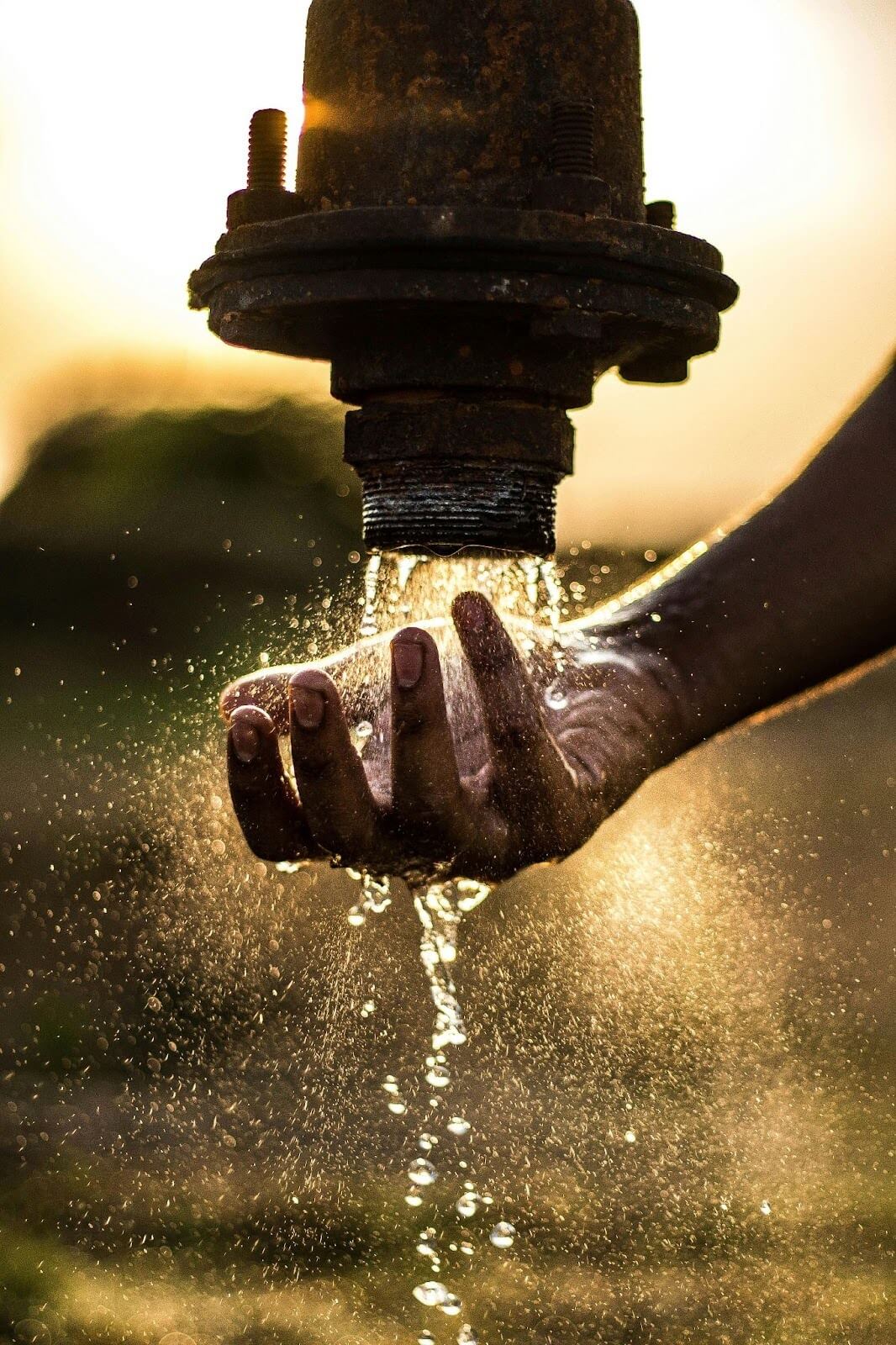
What Embrace Relief Is Doing to Help
That’s where Embrace Relief comes in.
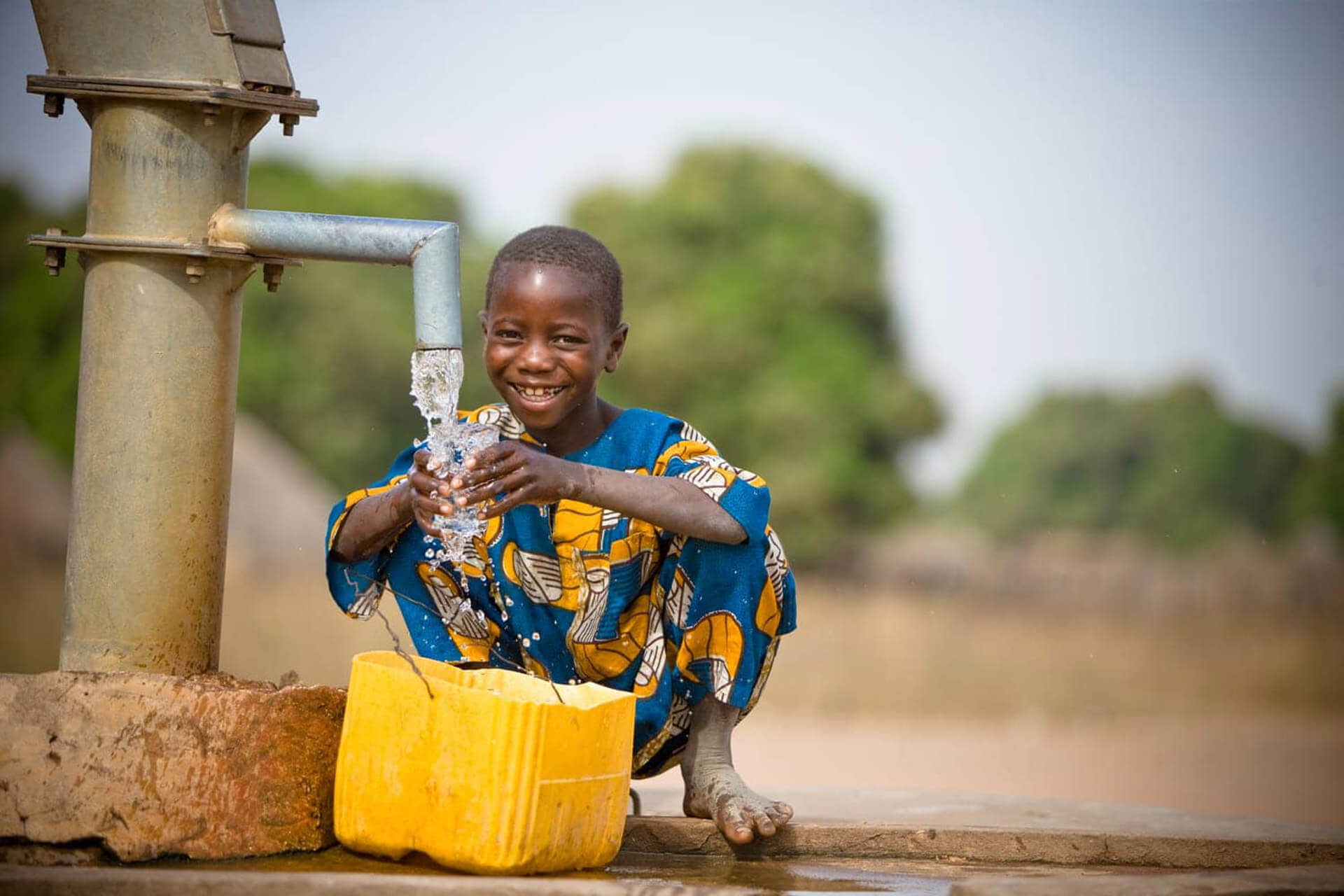
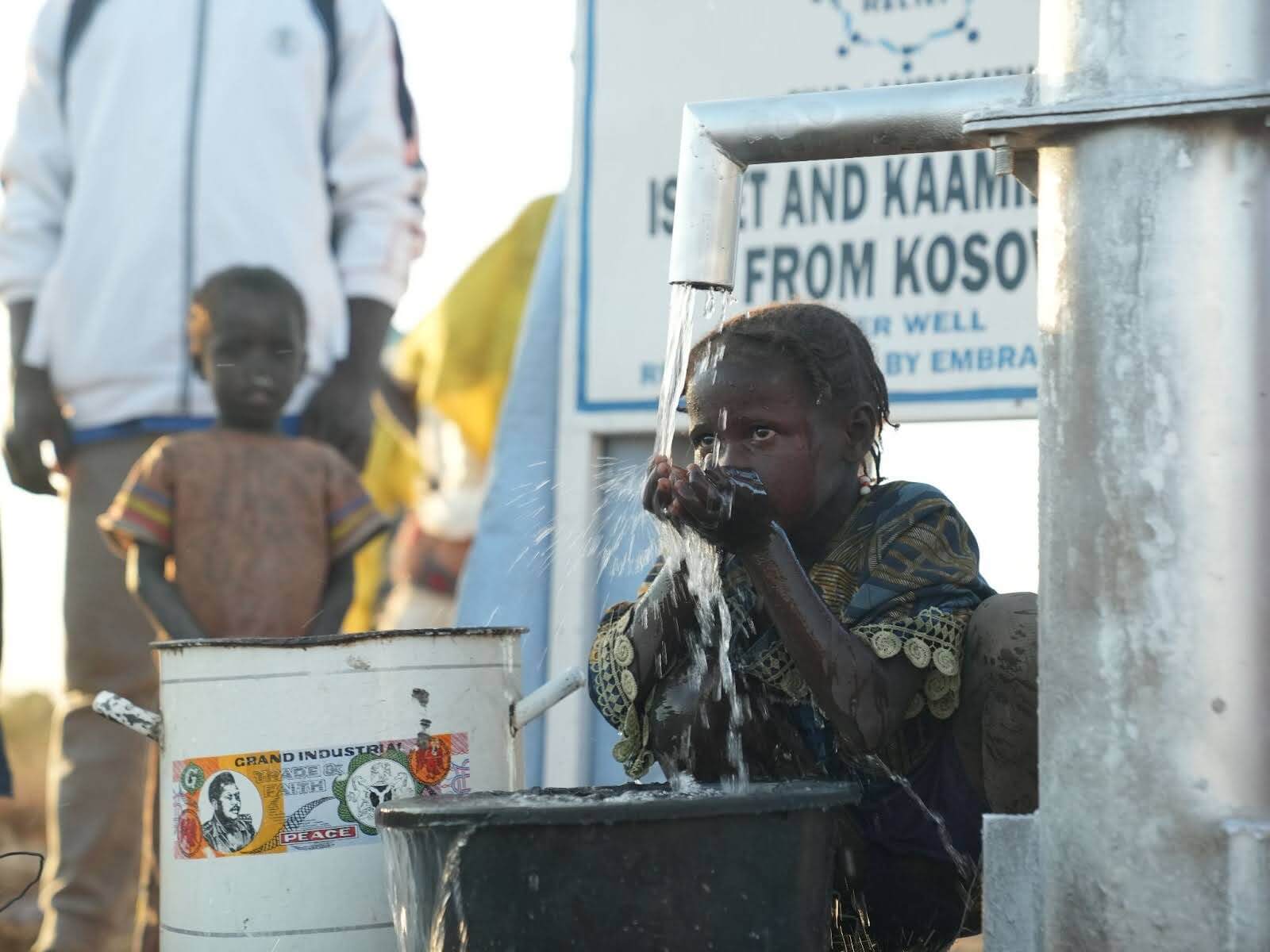
Through its Clean Water Initiative, Embrace Relief builds sustainable, deep-water wells in vulnerable communities across Africa giving thousands of people reliable access to safe drinking water.
Each well includes:
- A five-year warranty
- Annual maintenance checks
- A custom dedication plaque
- A detailed impact report with updates and photos
Since 2013, Embrace Relief has built or restored over 1,100 water wells in Chad, Nigeria, Kenya, Uganda, Cameroon, and is bringing clean water to over one million people every day. These wells eliminate the need to walk long distances for water, reduce the spread of waterborne diseases like cholera and typhoid, free up time for children to attend school, and empower communities to grow food and maintain better hygiene.
To protect the future of clean water, we need long-term thinking and meaningful action:
- Support Sustainable Solutions
Donate to organizations like Embrace Relief that build lasting infrastructure—wells with maintenance plans and community involvement. - Educate and Empower Local Communities
Training locals to maintain and repair wells ensures communities aren’t dependent on outside help forever. - Conserve Water at Home
Even if you live in a water-rich country, reducing water waste helps ease global demand. Every drop counts. - Advocate for Clean Water as a Human Right
Support policies that prioritize access to safe water for all—because clean water is not a luxury; it’s a necessity.
So… Can we run out of clean water? Yes. if we don’t protect and manage it wisely. But no, because Earth still has the water. We just have to ensure it’s clean, safe, and accessible to everyone.
For more information on Embrace Relief’s Clean Water Initiative, click here!