


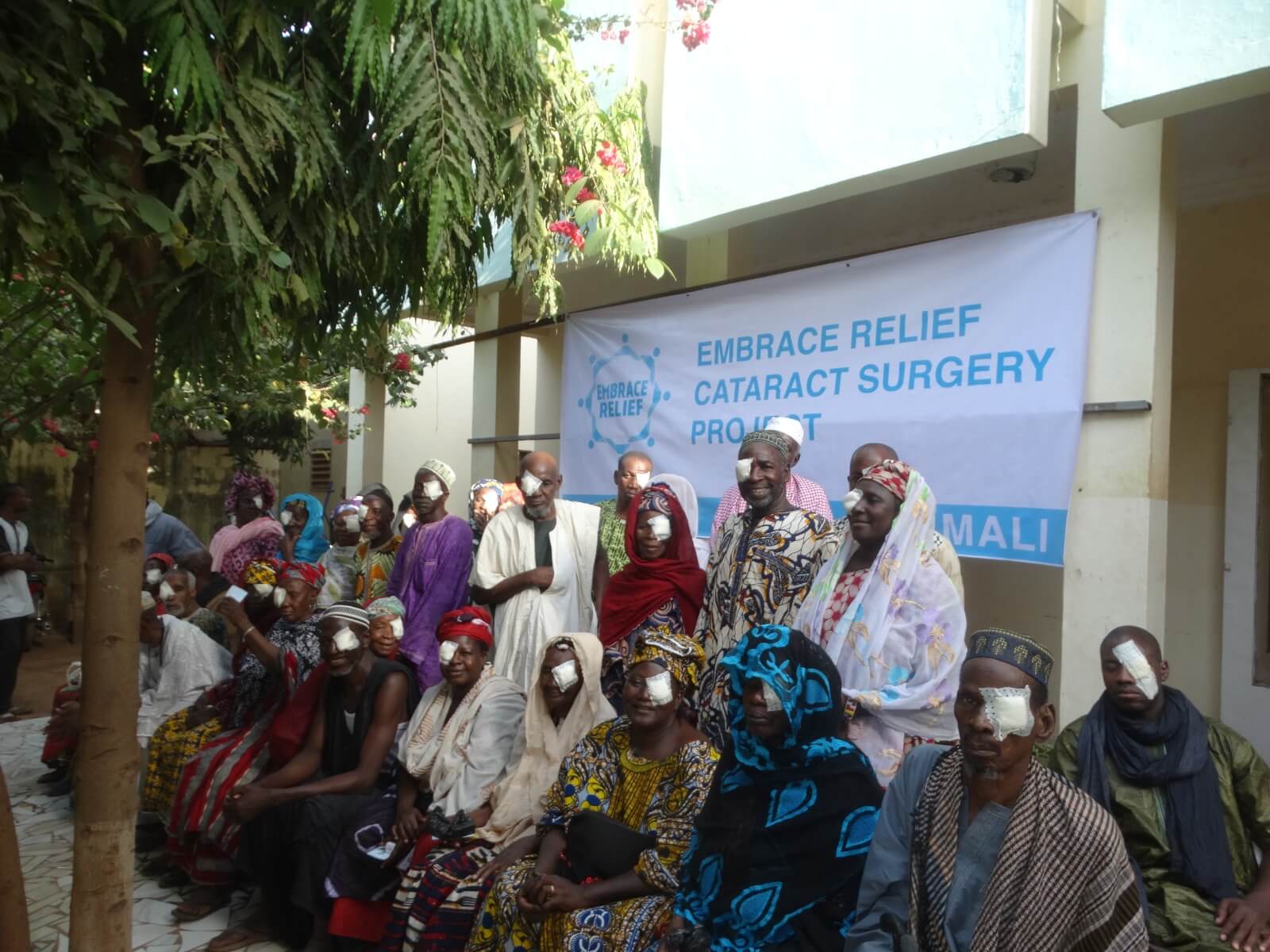
When most people think about cataract surgery, they imagine the powerful moment when a patient’s bandage is removed and they see clearly again after years of blurred vision. It’s a moment filled with emotion — relief, joy, and hope.
But what happens after the surgery?
For many patients in rural regions around the world, the journey doesn’t end in the operating room. In fact, recovery and follow-up care are just as important as the surgery itself. In countries like Mali, where access to healthcare can be limited, many cataract outreach programs focus mainly on performing surgeries quickly. While restoring vision is essential, long-term healing and proper monitoring are what truly protect that restored sight.
This is where organizations like the Embrace Relief Foundation are making a difference. Their innovative Mobile Eye Clinic program is designed not only to perform cataract surgeries but also to ensure safe recovery through structured follow-up care. By combining community outreach, surgery, and postoperative monitoring, the program is creating a sustainable solution to fight preventable blindness in rural Mali.
Understanding the Cataract Crisis in Rural Mali
Cataracts remain the leading cause of preventable blindness worldwide. Millions of people suffer from vision impairment simply because they cannot access affordable eye care. In developing countries, the problem is even more severe. Limited healthcare infrastructure, lack of specialists, and financial barriers prevent many individuals from receiving treatment.
Mali is one of the regions where this challenge is particularly evident. Many communities live far from hospitals that offer specialized ophthalmology services. Traveling long distances for medical care can be expensive and time-consuming, especially for elderly patients who are most affected by cataracts.
As a result, many people continue to live with vision loss for years — even though cataract surgery is a simple and highly effective procedure. This is why mobile healthcare initiatives are becoming an essential solution. Programs that bring doctors and medical equipment directly to communities help ensure that patients receive timely diagnosis and treatment without traveling long distances. However, surgery alone is not enough. Without proper monitoring, even minor complications during recovery can affect the final visual outcome.
The Role of Mobile Eye Clinics in Expanding Access to Care
Mobile eye clinics are transforming the way healthcare reaches underserved communities. Instead of requiring patients to travel to distant hospitals, medical teams travel directly to rural villages, providing essential eye care services on-site.
These clinics typically provide free eye screenings, cataract diagnosis, surgical procedures, and medication and treatment guidance. The Embrace Relief Foundation’s Mobile Eye Clinic program takes this approach even further by incorporating a complete continuum of care — ensuring that patients are supported before surgery, during treatment, and throughout recovery.
Real Impact: Cataract Care in Action
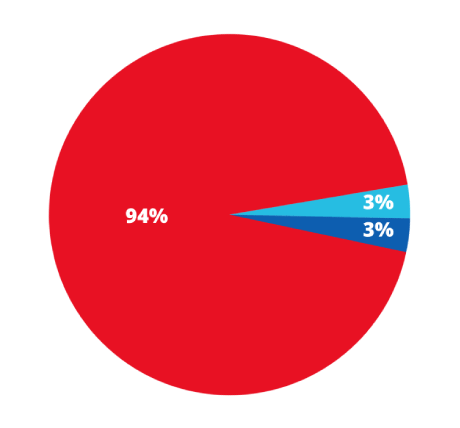
The success of the mobile eye clinic program can be seen in its measurable impact. In January 2026, the program achieved significant results across rural communities in Mali.
While the surgical numbers are important, what truly sets Embrace Relief Foundation apart is what happens after surgery.
Why Postoperative Care Is Critical After Cataract Surgery
Cataract surgery is considered one of the most successful and safest medical procedures available today. However, even safe procedures require proper recovery management. After surgery, patients must follow strict medication schedules and avoid infections or complications. Without monitoring, small issues such as inflammation or irritation can sometimes worsen.
In many outreach-based surgical programs, patients are discharged soon after surgery and may not receive further medical attention. For rural communities, returning to the hospital for follow-up visits can be difficult. This is why structured postoperative care is essential.
The Embrace Relief Foundation addresses this issue by bringing follow-up care directly to the patients’ communities. Medical teams revisit villages to conduct recovery assessments, ensuring that patients receive guidance and support throughout their healing process. This approach not only improves medical outcomes but also builds trust within communities.
A Structured Recovery Plan for Every Patient
One of the most effective features of the Embrace Relief program is its systematic follow-up schedule. Each patient who undergoes cataract surgery is monitored at several key stages of recovery.
1
Immediate Recovery Check
Doctors remove the protective bandage and examine the eye to detect early signs of inflammation or infection.
4
Early Healing Assessment
Medical teams check for any developing issues such as irritation or swelling. Early detection allows doctors to treat problems before they become serious.
7
Monitoring Wound Healing
Doctors evaluate the surgical site and confirm that the eye is healing properly. Medication adherence is also reviewed.
15
Vision Improvement Monitoring
Patients usually begin noticing significant improvements in their vision. Doctors assess visual clarity and confirm recovery is progressing smoothly.
30
Final Evaluation
Doctors conduct a full evaluation and provide clinical clearance once recovery is complete.
Measuring Success Through Patient Outcomes
During 2025, only 12% of patients experienced minor postoperative issues — and every one of those cases was detected early and treated successfully. No major complications were recorded.
These results demonstrate how proactive monitoring significantly improves patient safety and recovery outcomes.
The Human Impact of Restored Vision
Beyond the statistics and medical procedures lies the true impact of cataract surgery — the transformation of people’s lives. For many patients in rural Mali, restored vision means regaining independence and dignity.
Restoring sight is powerful. But protecting that sight through compassionate, continuous care is what truly changes lives.
An elderly farmer who once struggled to see his crops can now return to the fields and support his family again. A grandmother who once relied on others for daily tasks can now cook, care for grandchildren, and move safely around her home. Small business owners who lost their ability to work due to vision problems can once again run their shops and manage finances independently.
Vision loss often leads to isolation, dependency, and loss of confidence. When patients regain their sight, they regain their connection with family, community, and everyday life. However, these life-changing benefits can only be sustained if recovery is properly supported.
Building Trust Through Continuous Care
Another key factor behind the success of the program is community involvement. The local team plays an active role at every stage of the care process.
This strong local presence ensures that communities feel connected to the program. Patients know that healthcare providers will remain involved throughout the recovery process, not just during surgery. This sense of reliability builds long-term trust and encourages more people to seek treatment.
A Cost-Effective Approach to Vision Restoration
Providing high-quality eye care in rural regions requires careful planning and efficient use of resources. The Embrace Relief Foundation has developed a model that balances cost efficiency with high standards of care.
While some programs focus solely on performing large numbers of surgeries, this model emphasizes long-term patient outcomes and safety. By investing in follow-up care, the program ensures that each surgery leads to lasting vision improvement.
Looking Toward the Future of Eye Care in Mali
The success of mobile eye clinics demonstrates how healthcare innovations can address major public health challenges. By bringing services directly to underserved communities and ensuring structured follow-up care, programs like this are creating sustainable solutions to prevent blindness.
The Embrace Relief Foundation continues to expand its efforts to reach more communities across Mali. Their goal is not only to restore vision but to ensure that every patient experiences safe healing, renewed independence, and improved quality of life.
Final Thoughts
Cataract surgery has the power to transform lives in a matter of minutes. But the real success of treatment lies in what happens afterward. Through its integrated mobile eye clinic model, the Embrace Relief Foundation proves that healthcare programs must go beyond surgery. By combining accessibility, high-quality medical care, and structured postoperative monitoring, the program ensures that every restored vision becomes a lasting improvement in someone’s life.
Because restoring sight is powerful. But protecting that sight through compassionate, continuous care is what truly changes lives.
How You Can Help: The Gift of Sight
A simple cataract surgery, which costs only $120, can transform a life. With your support, our Embrace Relief’s health clinics can provide these surgeries to those in need, giving them the gift of sight and the opportunity for a better future. Here’s how your donation can make a difference:
- $120 Donation: Funds one complete cataract surgery, restoring sight to an individual in need.
- $240 Donation: Supports two surgeries, doubling the impact.
- $600 Donation: Helps five people regain their vision, enhancing their quality of life and ability to contribute to their communities.
Your donation can make a significant difference in the lives of those suffering from cataracts in Mali and Burkina Faso. For just $120, you can fund a cataract surgery and give someone the precious gift of sight.
Help us light up lives and drive away the darkness caused by cataracts. Donate now and be a part of this life-changing mission.