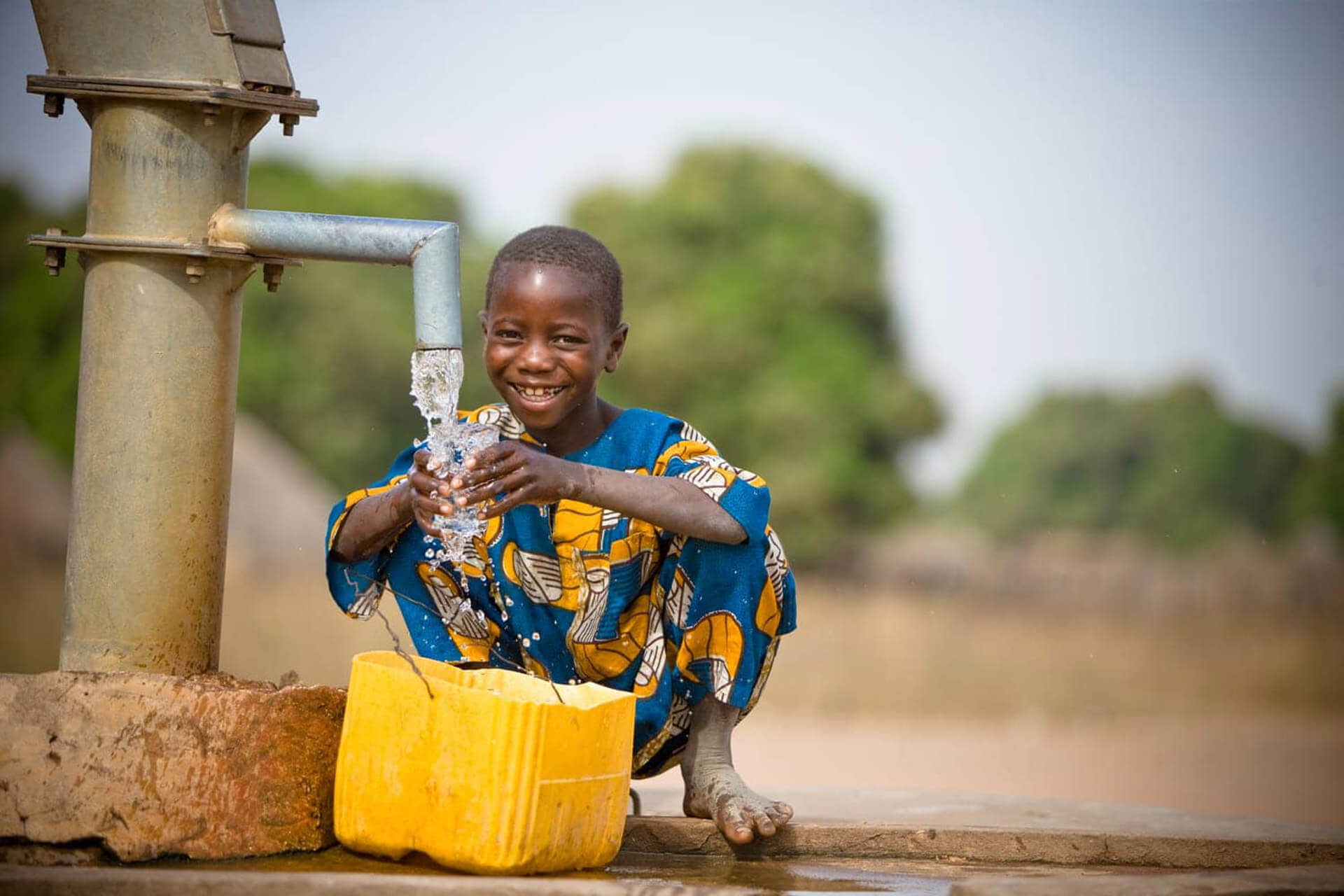


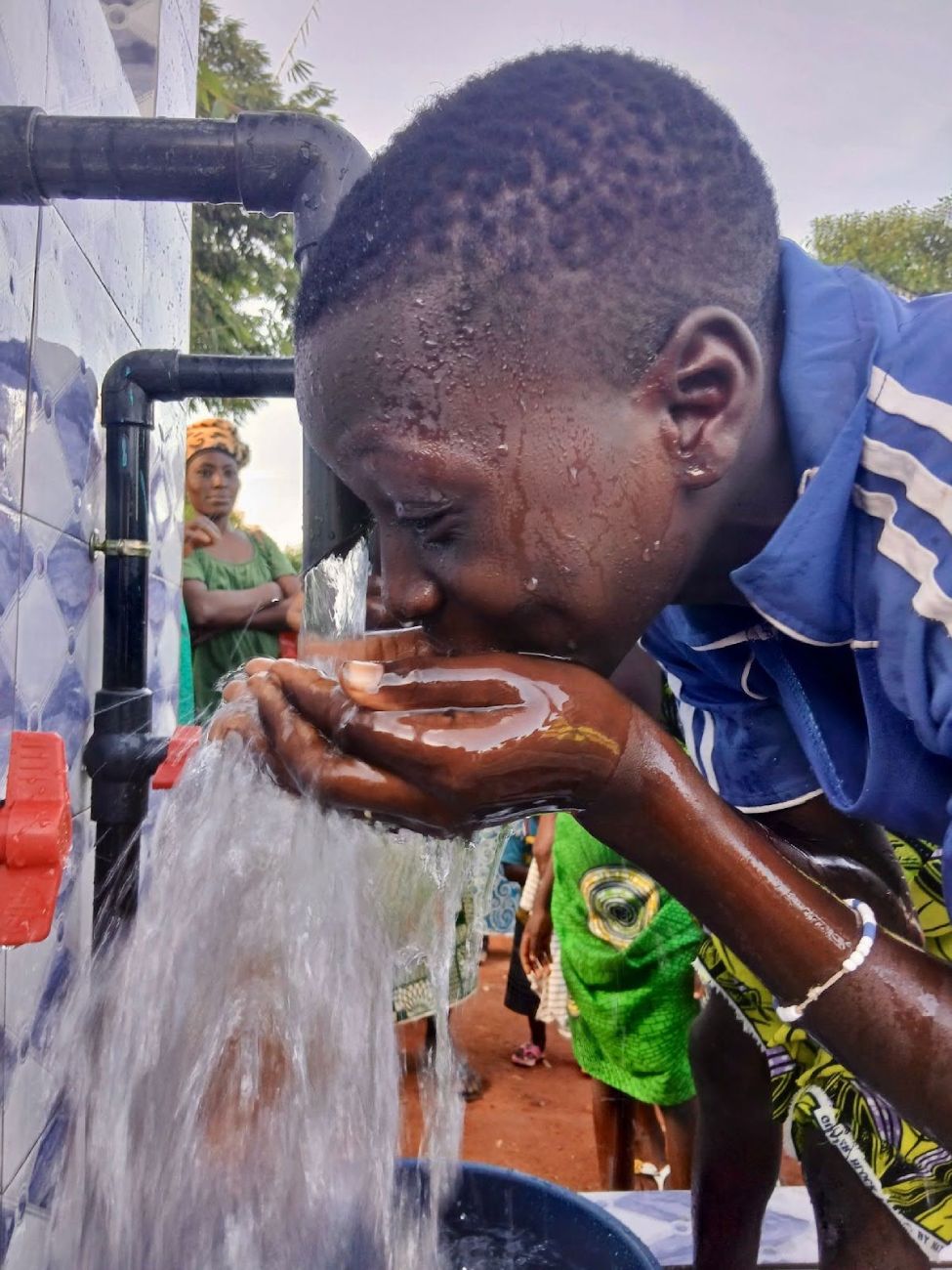
The lack of safe drinking water in Benin isn’t just a statistic — it’s a daily challenge that affects health, education, and economic growth. Families, especially women and children, spend hours each day collecting unsafe water, losing valuable time for learning or earning.
But like every lasting solution, change starts step by step. This guide walks through a community-first plan to bring clean, reliable water systems to schools in Benin — and shows how your year-end giving can turn compassion into measurable impact through a focused clean water donation.
Understanding the Problem: Why “Dirty Water” Persists
Water scarcity in rural Benin isn’t only about distance to a source. It’s about reliability, contamination, and maintenance. Unprotected wells and seasonal streams often carry waterborne diseases; aging or poorly built systems break down without local support; and families, especially women and children lose hours each day fetching water instead of learning or earning.
Good news: Proven solutions exist. When implemented with community leadership and long‑term maintenance, clean water access transforms health outcomes, boosts school attendance, and increases household income.
The key is a disciplined, transparent, step‑by‑step plan.
Step 1: Community‑Led Assessment
Effective projects start with listening.
- Map need and risk: Identify schools and nearby villages with the highest rates of waterborne illness and the longest water‑collection times.
- Engage local leadership: Form or partner with water committees to co‑design the solution and choose safe, accessible sites on school grounds.
- Test water sources: Baseline water quality testing sets the standard for success and future monitoring.
Why this matters: When communities help define the problem, they own the solution and it lasts.
Step 2: Select the Right Water + Sanitation Technology
There is no one‑size‑fits‑all system. Selection depends on geology, student population, budget, and maintenance capacity.
- Hand‑pump boreholes for small rural communities—dependable and affordable.
- Solar‑powered systems for larger populations—greater yield and reduced manual labor.
- Protected springs or gravity systems where terrain allows—low operating costs.
- Point‑of‑use filtration as an interim solution or add‑on for extra protection.
- Safe, gender‑separate bathrooms at the school—critical for privacy, safety, and girls’ attendance.
Why this matters: Technology should fit local realities, not donor preferences. The goal is reliable uptime with parts and skills available locally.
Step 3: Transparent Funding & Year‑End Momentum
This is where your year‑end donation can do the most good. A structured model keeps momentum and builds trust.
- Clear unit costs: Funding a complete school water well + safe bathrooms is $4,500. That includes drilling, installation, and commissioning.
- Time to impact: Once funded, a new school water well can be completed in about 4–6 weeks.
- Built‑in confidence: Projects include a 5‑year warranty, annual maintenance, a custom name on the well, plus impact reports & photos for donors.
- Flexible options: Pay in full or fund over up to six months with a personalized project page and support from our team.
- Family giving options: Offer gift‑in‑honor cards so families can dedicate wells or components to loved ones as part of their holiday giving.
Make it practical: Your clean‑water donation at year’s end bridges the gap between assessment and drilling—often the most time‑sensitive step.
Step 4: Drilling, Construction & Quality Assurance
Execution must be meticulous.
- Certified drillers: Vetted teams with proven success in Benin’s soil conditions.
- Site protection: Aprons, drainage, and fencing reduce contamination and extend lifespan; bathrooms are well‑lit and secure.
Quality is non‑negotiable: “Build fast” only works if we also “build right.”
Ownership = resilience: Communities that govern their water points keep them working for years.
Step 6: Monitor, Maintain, Improve
Sustainability lives here.
- Remote check‑ins: Simple phone surveys confirm functionality and flag issues early.
- Repair fund: Modest user fees or sponsor support ensure parts and labor are always available.
Why Schools? The Ripple Effects of One Reliable Water Point
A reliable school water point reshapes daily life:
- Health: Fewer diarrhea cases; improved maternal and child health in the surrounding community.
- Education: Children especially girls spend more time in class; safe, private bathrooms reduce absenteeism.
- Income: Families reclaim hours for farming, small businesses, or skilled work.
Clean water is the foundation that other programs stand on from school success to family stability.
How Your Family Can Help Right Now.
Make clean water part of your holiday tradition. Here are practical, family‑friendly ways to support Benin through our year‑end clean water program:
- Start an end‑of‑year giving night: Review impact stories together and choose a school to support.
- Set a shared goal: Combine allowances, matched gifts, and workplace donations for a specific project phase.
- Host a simple fundraiser: Hot‑cocoa stand, bake sale, or craft market—kids love leading these.
- Share your story: Post your campaign online; invite friends to join your clean‑water donation drive.
- Give in someone’s honor: Holiday cards that say, “A portion of your gift funded a school water well in Benin.”
Your year‑end donation doesn’t just fund a project; it starts a tradition of compassion your children will remember and repeat.
Ready to Help Fix Benin’s Water Step by Step?
This holiday season, your family can fund the exact steps that move a school from unsafe water to a reliable, healthy source. Make a year‑end giving your tradition. Choose a clean‑water donation that builds a well, installs safe bathrooms, trains a caretaker, and keeps clean water flowing.
Give today. Start the change.