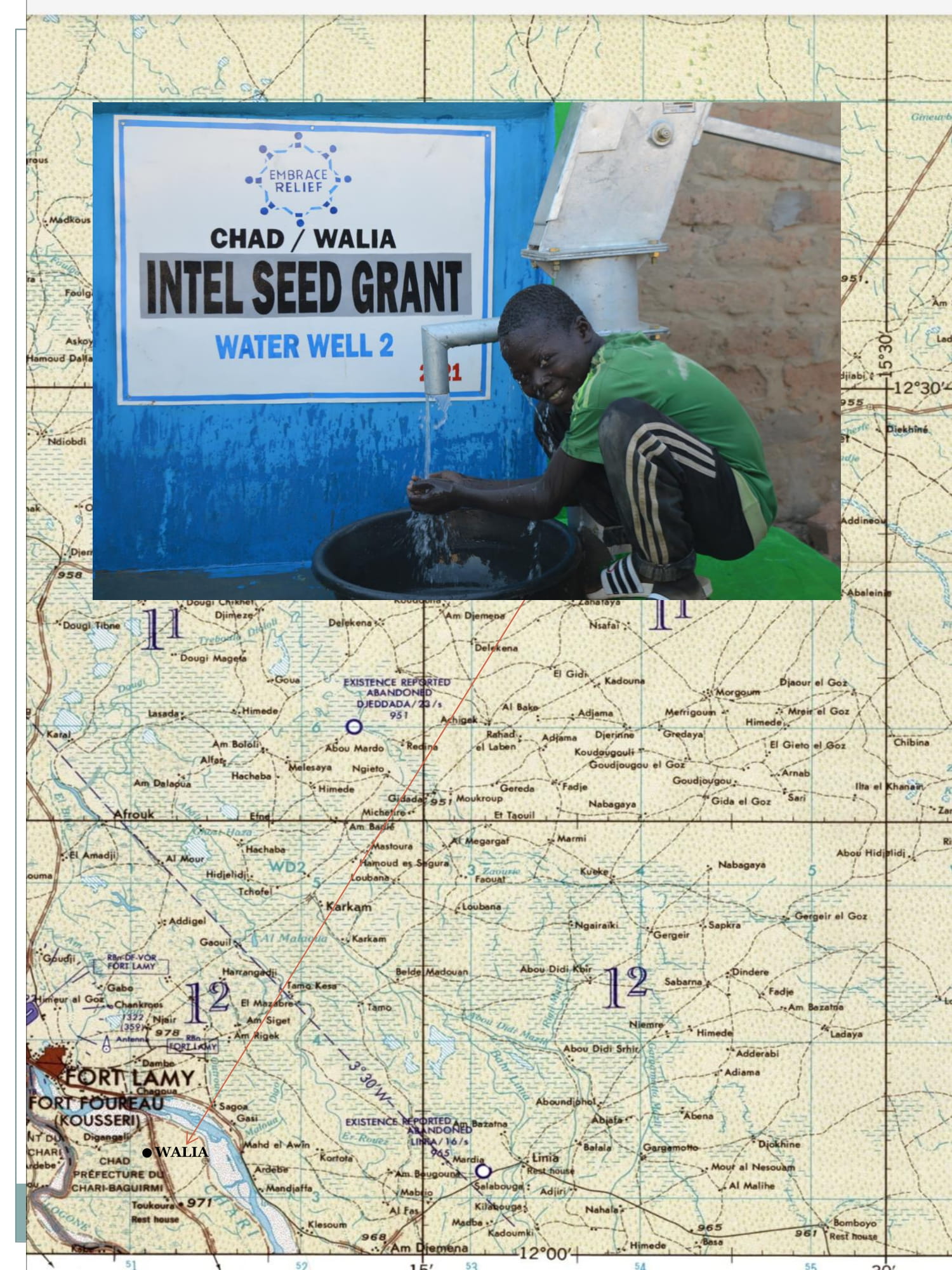
| Code | Country | Town/Village | Inauguration | Depth | Serving |
|---|---|---|---|---|---|
| Chad | Walia | 07/2021 | 45m / 148ft | 1200 people |
Embrace Relief is a 501 (c) (3) non-profit organization which collaborates with volunteers to deliver humanitarian aid and disaster relief to vulnerable communities around the world.
Our teams offer relief in the form of:
 Financial
 Emotional
 Physical
in order to meet the needs of people ravaged by disaster and other misfortune. The foundation collects and distributes supplies to families, individuals and institutions.
When you or your organization partner with Embrace Relief, you join our mission of alleviating suffering and promoting human development throughout the world. With our diverse array of humanitarian programs and ability to reach every corner of the globe, we can ensure your support will reach people in need.
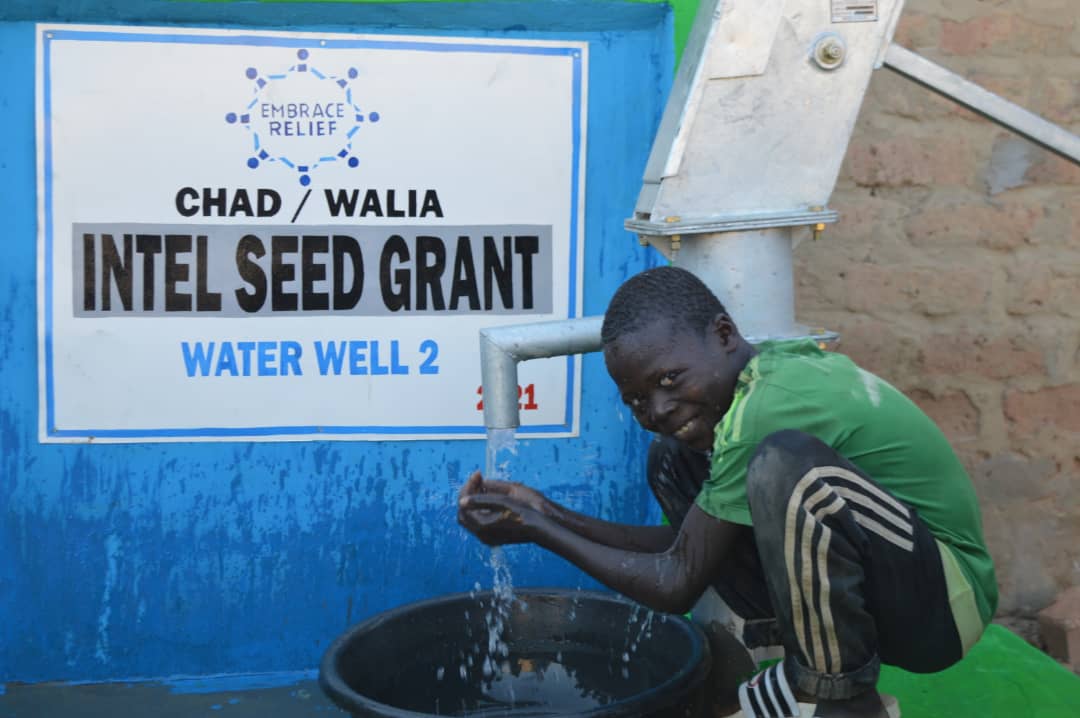
| Code | Country | Town/Village | Inauguration | Depth | Serving |
|---|---|---|---|---|---|
| Chad | Walia | 07/2021 | 45m / 148ft | 1200 people |
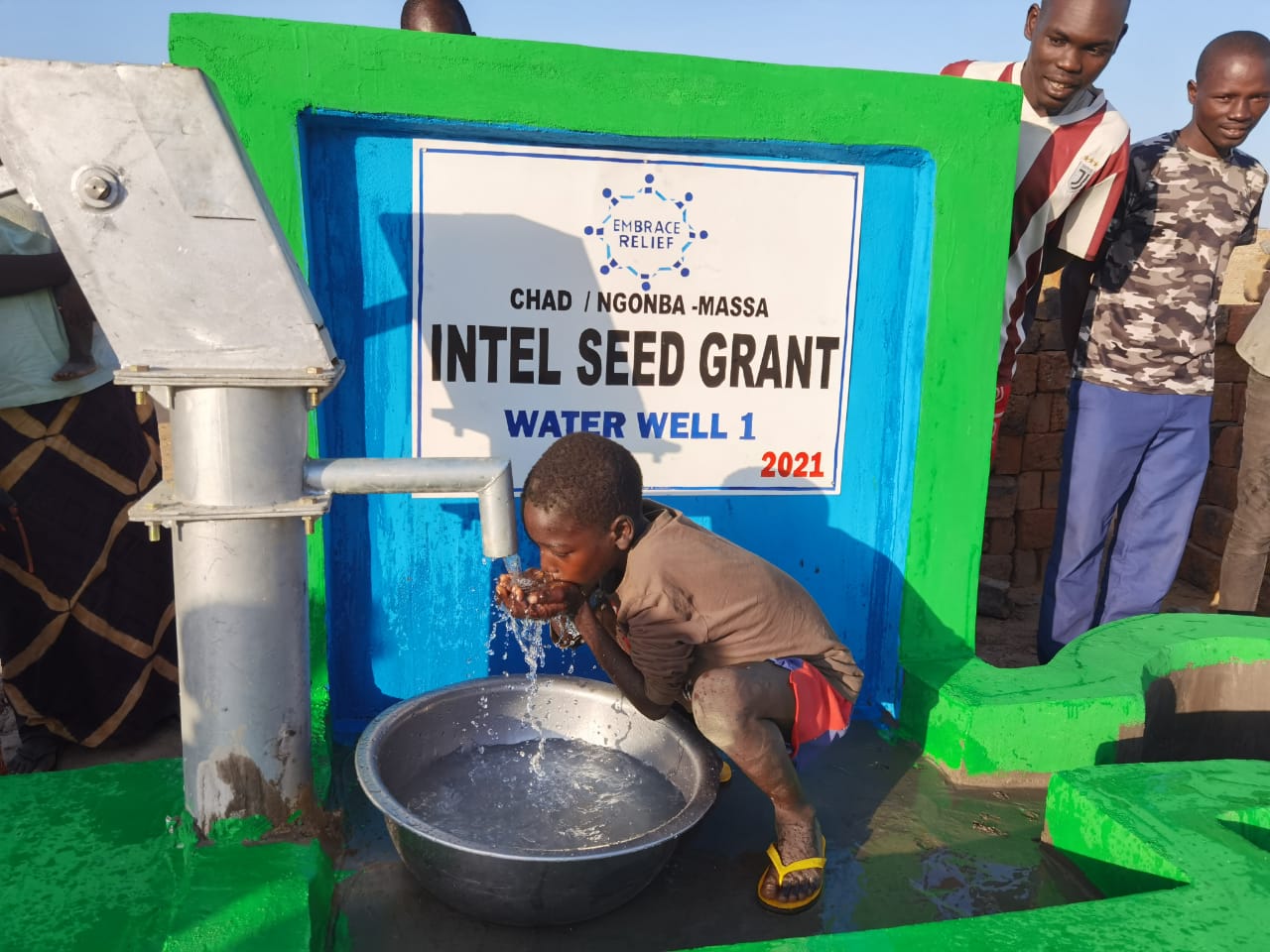
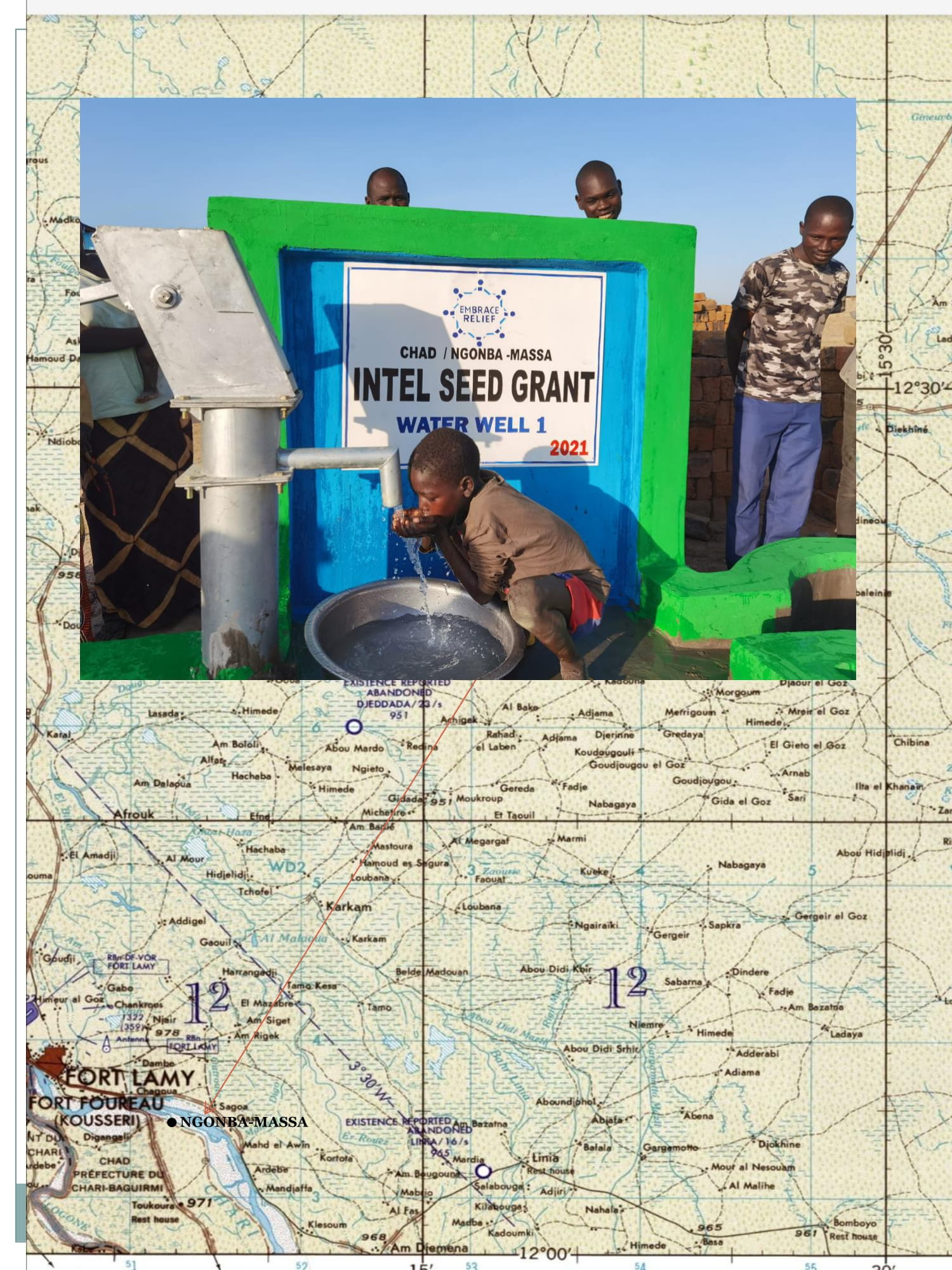
| Code | Country | Town/Village | Inauguration | Depth | Serving |
|---|---|---|---|---|---|
| Chad |
Ngonba-Massa |
07/2021 | 45m / 148ft | 1200 people |
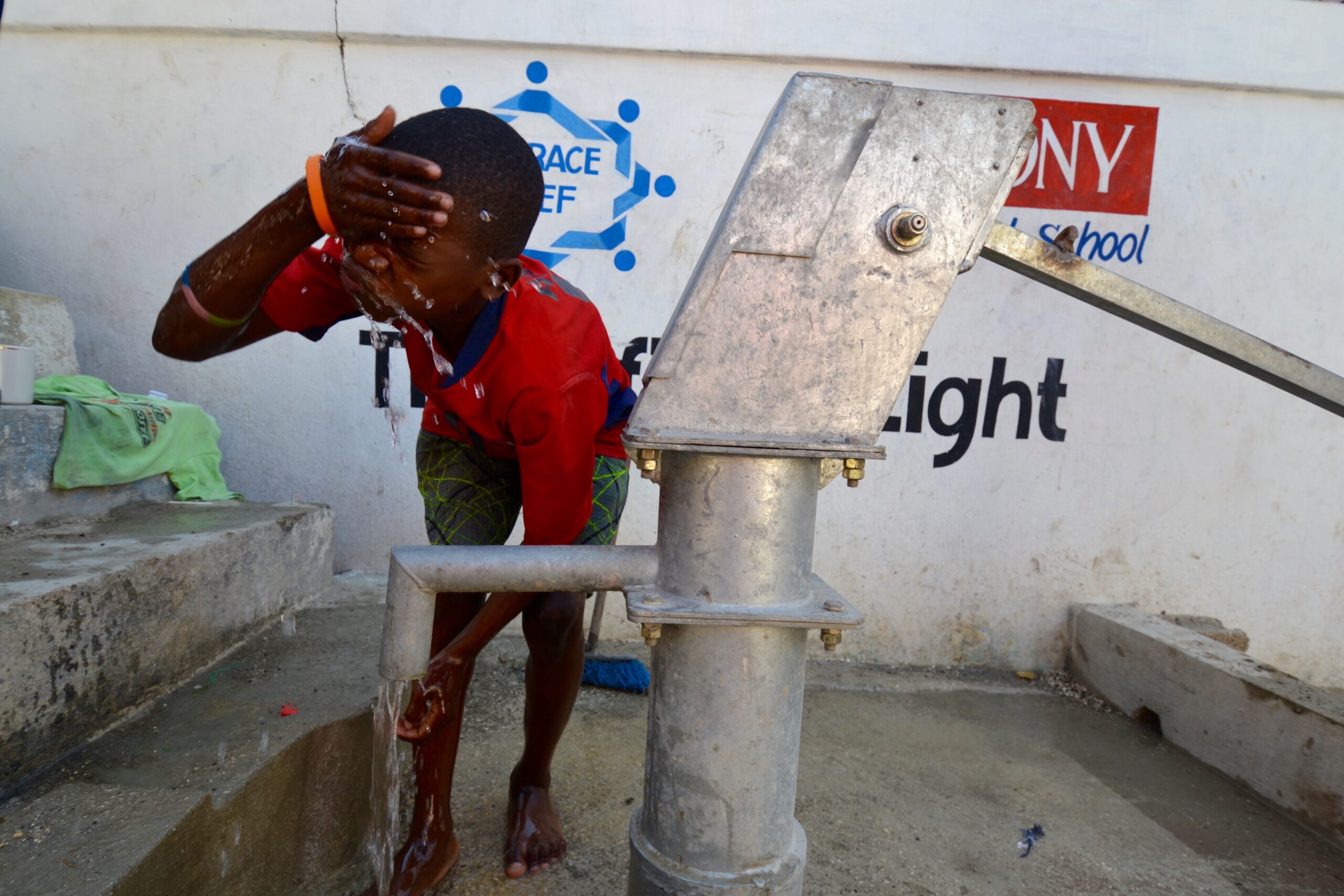
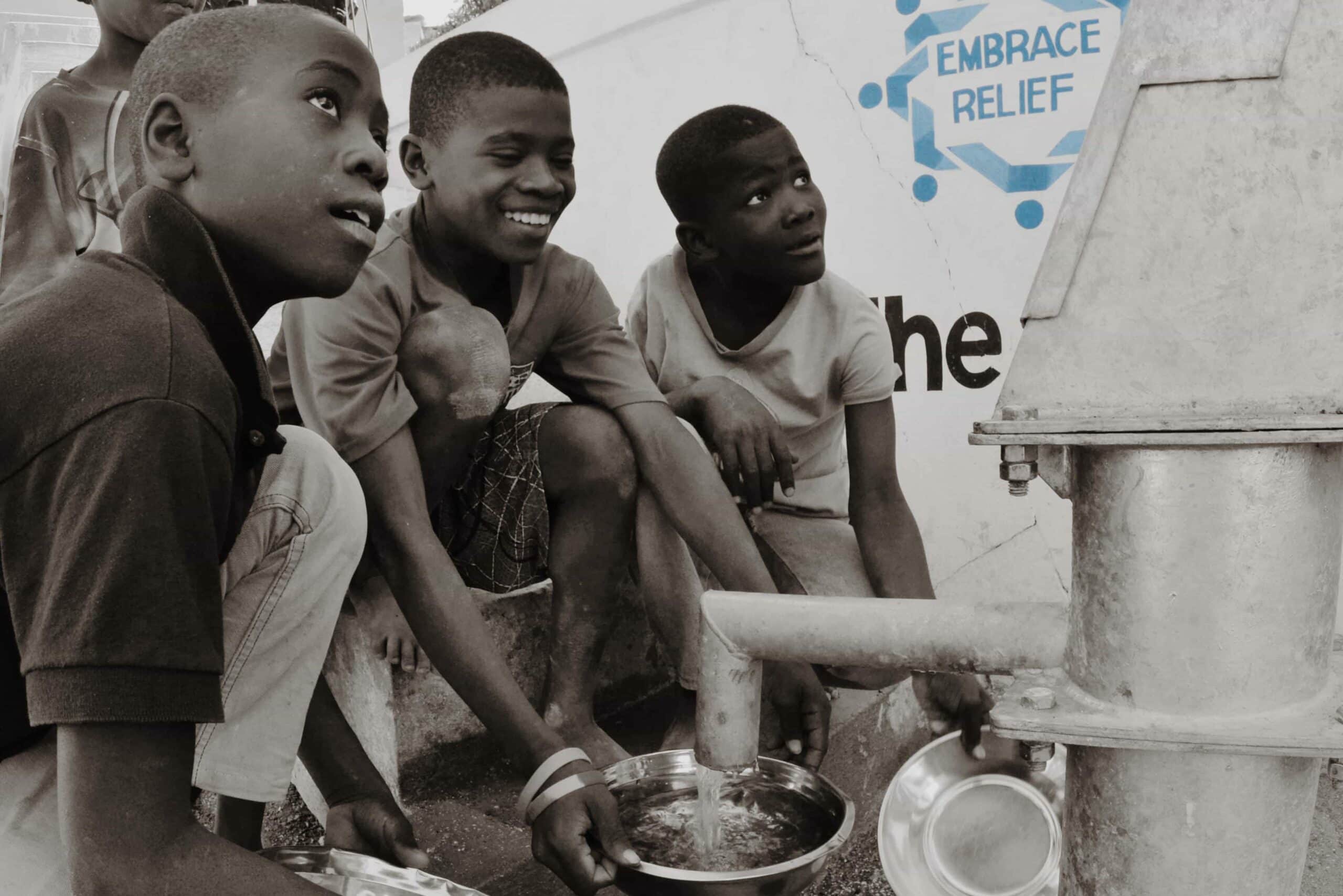
The current water crisis in Africa stems from lack of access to clean, sanitary water, particularly in the sub-Saharan region. Unfortunately, millions of people in Africa spend up to six hours every single day collecting unsafe water from lakes, rivers, and ponds, causing them to become infected with waterborne illnesses that either result in death or make them too sick to work or pursue an education. Even just spending all that time obtaining water exposes people to highly dangerous weather conditions and steals valuable time they could be using to work or pursue an education. This in turn leads to the extreme poverty that exists throughout Africa. So, what exactly is causing the water problem in Africa?
The physical lack of clean water in the natural environment. This affects countries in northern and southern Africa the most. For example, of the 980 large dams in sub-Saharan Africa, around 589 are located in South Africa. However, only two are located in Tanzania, a country of similar landmass and population, greatly impacting the country’s water scarcity.
The lack of economic means to provide access to clean water to Africa. In this situation, the country or region lacks the ability to invest or repair water infrastructure to provide sanitary water for the community, even in areas where freshwater is abundantly available. This is especially unfortunate in cities and regions where the population is growing; therefore, the demand for clean water keeps increasing.
Social relations between different groups of people. For example, some people struggle to access clean water in Africa because they have no or low income, live in a poor neighborhood, are refugees, women, or because the majority of the people in that community belong to a particular political party, etc.
Natural disasters such as floods and drought. Floods contaminate drinking water and destroy hygiene and wastewater systems, whereas droughts create food insecurity that leads to malnutrition and denies communities water supplies. Also, in sub-Saharan Africa, 66% of people—i.e., 300 million—live in areas with little to no rainfall, which greatly negatively impacts agriculture.
Fortunately, Africa houses a substantial amount of clean water underground, possibly 20 times more than the 8,000 miles of visible water in its lakes and ponds. And because the vast majority of problems regarding water pollution in Africa can be solved simply by providing access to clean, sanitary water, Embrace Relief has decided to both build and reconstruct currently non-operational water wells.
Since 2013, Embrace Relief has built 409 Africa water wells throughout sub-Saharan Africa, supplying clean water to 400,000 people on a daily basis. Plus, we monitor each well up to five years after construction to ensure they’re operating effectively. Our top three Clean Water Project locations so far are:
We plan on building and refurbishing hundreds more wells throughout the region, too. So, please consider donating today (or starting your own Water Well for Africa project) so thousands of vulnerable people in Africa not only survive, but thrive and lift their communities out of poverty. Together, we can drastically reduce water scarcity in Africa!
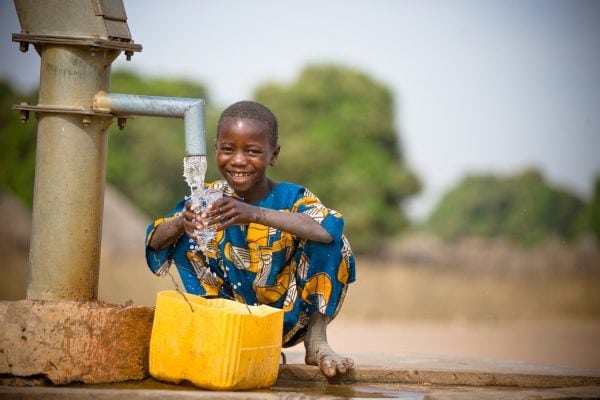
Since 2015, Embrace Relief has been steadfastly supplying clean water to Africa, particularly the sub-Saharan region where millions of people collect unsafe water from lakes, rivers, and ponds every single day. This practice causes people to become infected with waterborne illnesses that often result in death or make them too sick to work or pursue an education. While the water crisis is pervasive in the continent, in the country of South Africa, about five million people lack access to clean water and about 15 million lack access to basic sanitation. This issue is so severe it’s even called The South Africa Water Crisis.
In addition, many people in sub-Saharan Africa spend up to six hours a day obtaining this water, especially women and young girls. This not only forces them to face danger and extreme weather conditions, but also steals valuable time they could be using to work or pursue an education. This in turn leads to the extreme poverty that exists throughout Africa, but thankfully there are a number of ways to get clean water in Africa. For example:
Because building and rehabilitating Africa water wells are among the most effective means of fixing water pollution in Africa, we’ve been focusing on those two endeavors. Since 2013, we’ve built 409 Africa water wells throughout sub-Saharan Africa, supplying clean water to 400,000 people on a daily basis. Plus, we monitor each well up to five years after construction to ensure they’re operating effectively. Our top three Clean Water Project locations so far are:
We plan on building and refurbishing hundreds more wells throughout the region, too. So, please consider donating today (or starting your own Water Well for Africa project) so thousands of vulnerable people in Africa not only survive, but thrive and lift their communities out of poverty. Together, we can drastically reduce water scarcity in Africa!
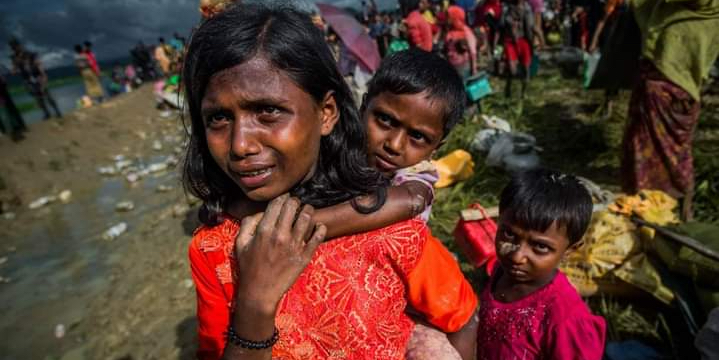
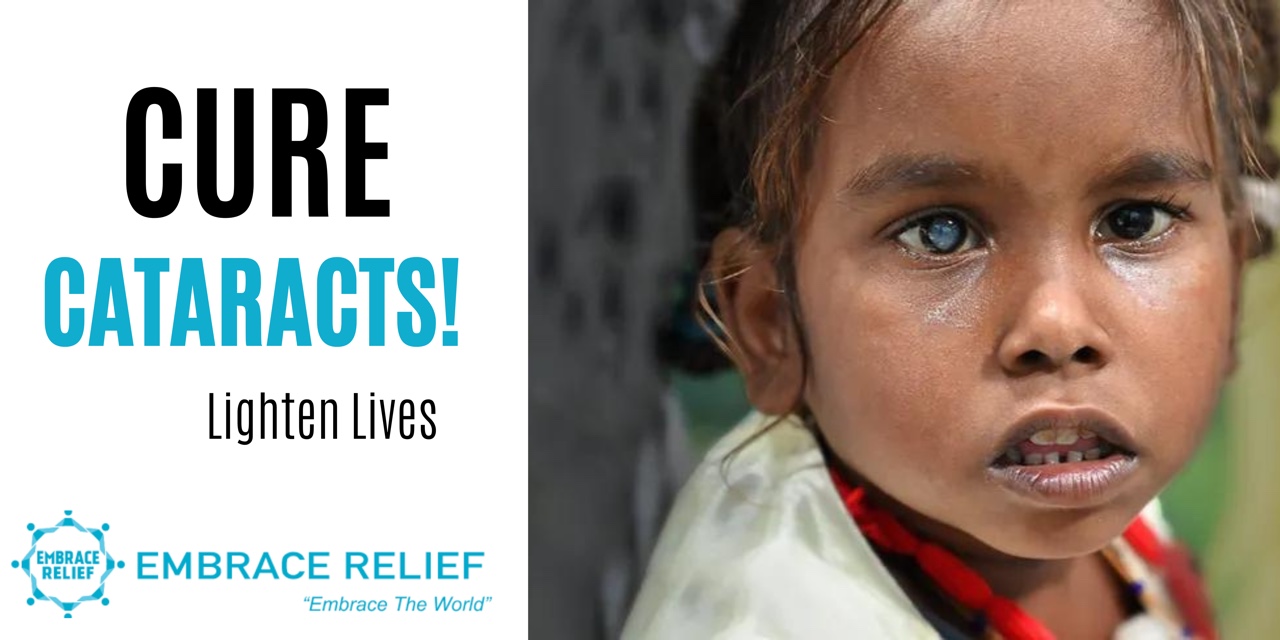
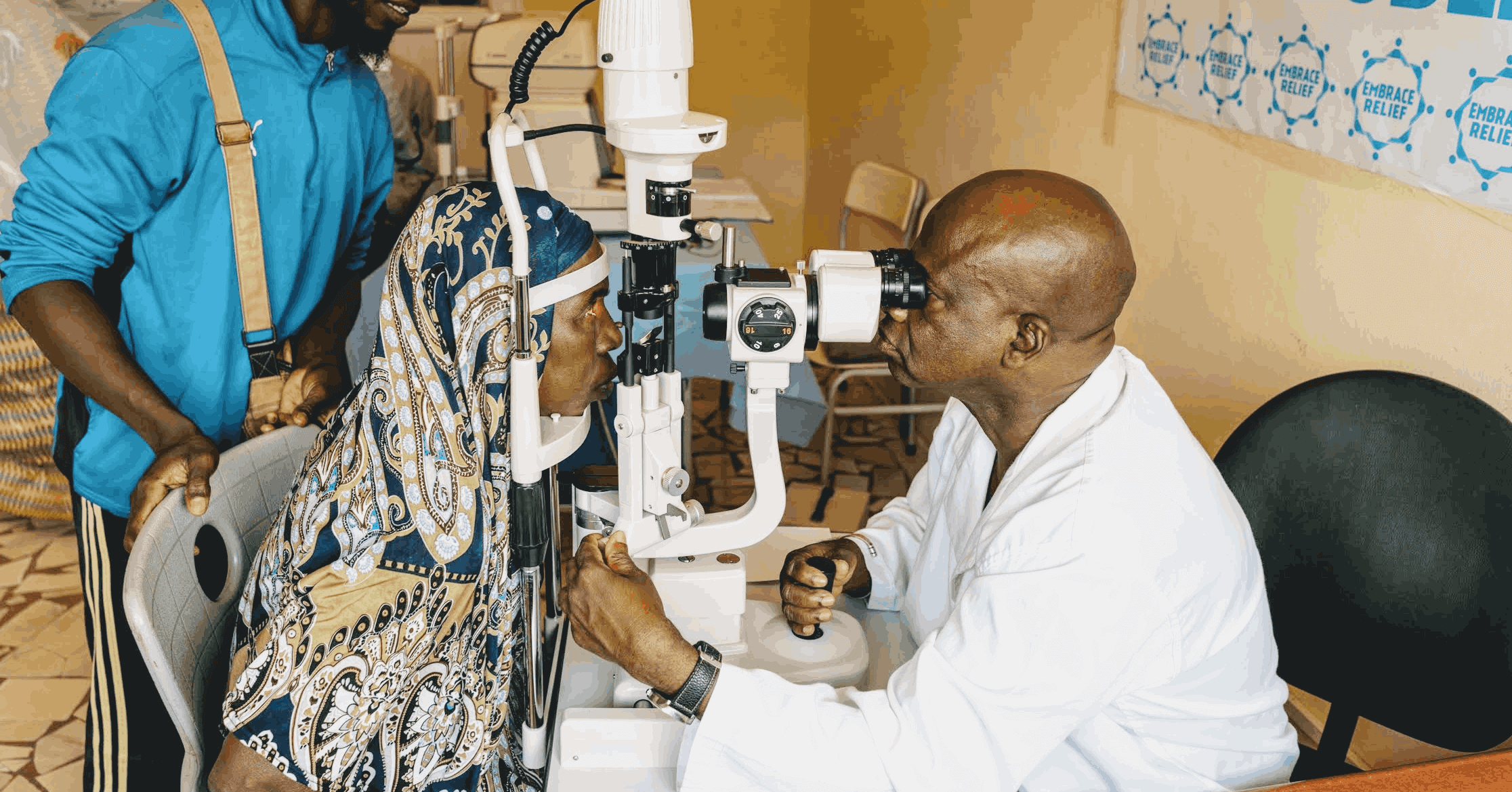
Cataract surgeries in Africa are becoming more and more necessary, particularly in Mali where millions of people are currently in need of it. Over the course of their lives, millions of Malians become prone to develop eye cataracts, a debilitating disease that is the leading cause of blindness in Africa and greatly impacts their quality of life. A big reason they develop this illness is because of the country’s unique geographical features.
Mali is located in West Africa, most of it lying in the southern Sahara Desert, which produces an extremely hot, dust-laden climate. The country is mostly flat, with rolling northern plains covered in sand. The thermal equator, which matches the hottest spots year-round on the planet based on the mean daily annual temperature, crosses the country as well. Therefore, it comes as no surprise that Mali is the second hottest country in the entire world. It also receives very little rainfall, so droughts are incredibly frequent. In fact, the vast northern desert part of Mali has a hot desert climate with long, extremely hot summers and scarce rainfall, while the central area has a hot semi-arid climate with very high temperatures year-round, a long, intense dry season, and a brief, irregular rainy season.
It is for these reasons that many people in Mali suffer from extreme heat and clean water and food scarcity, which leads to malnutrition, which in turn causes cataracts. Dust from local sandstorms scratching the cornea also contribute to cataract symptoms.
Unfortunately, cataracts interfere with a person’s daily activities and causes them to have to relearn tasks such as how to navigate their home and village, eat, wash themselves, take care of their families, and live a fulfilling life. The disease is debilitating for the entire family, because when one family member develops the disease, they often need the rest of the family to assist them with their everyday activities. This in turn leads to multiple family members being unable to work, further perpetuating the region’s extreme poverty. Because of the extreme poverty in many areas of Mali, many people can’t afford cars and live hours away from the closest hospital, as there are only about 13 doctors for every 1,000 people. As a result, they’re unable to receive the basic healthcare services necessary to fend against easily treatable diseases like cataracts. Cataracts, in particular, can be cured by a simple 10 minute surgery that permanently fixes vision and ultimately restores people’s ability to live a healthy, productive life.
Since 2013, our volunteer doctors have performed nearly 60,000 health checkups and 3,700 cataract surgeries with our Mobile Health Clinic, which visits remote areas of Mali lacking basic healthcare service. We also operate the Mali Medical Center, which provides medical equipment to the Clinic Gaoussou Fofana and Clinic Planet Vision in the capital city of Bamako, Mali. By donating today, you will help us give the gifts of sight and health to thousands more people in Mali so they can live healthy, fulfilling lives and contribute to their families and communities.
Embrace Relief is a 501 (c)(3) non-profit international humanitarian relief and development organization.
All your donations are tax-deductible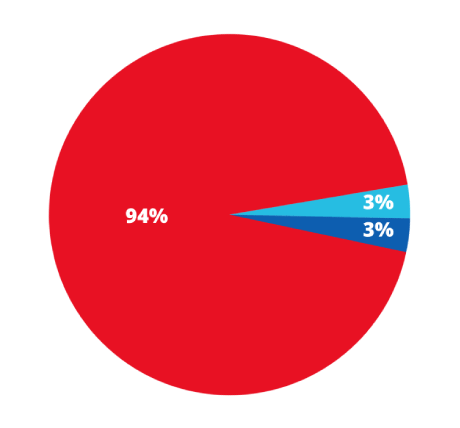
In 2023, 94% of your donation went directly to the program or cause you donated to.