

Summary
- One person can use up to 11,000 disposable menstrual products in a lifetime
- Disposable pads and tampons generate tons of plastic waste each year
- Embrace Relief’s H.E.R. program trains women to create reusable pads and supports menstrual education
Each month, around 1.8 billion people across the globe menstruate. That means every day, millions must manage their period, yet for many, the basic products they need to do so safely and hygienically are either unaffordable, inaccessible, or environmentally harmful. Menstrual products are essential. But the cost of convenience comes at a steep price.
Disposable pads, tampons, and pantyliners dominate the global market. They are wrapped in plastic, made for single use, and advertised as modern hygiene. But the average menstruating person will use more than 11,000 disposable products over the course of their lifetime, most of which end up in landfills, sewers, or scattered across natural landscapes.
In the United States alone, more than 12 billion pads and 7 billion tampons are thrown away every year. These items can take 500 to 800 years to fully decompose due to the plastic they contain. Much of this waste finds its way into oceans and waterways, contributing to the 8 million metric tons of plastic pollution entering the ocean annually. Menstrual waste is rarely discussed, but it is a significant contributor to the global plastic crisis.
This environmental toll is only one side of the story. Disposable menstrual products are also a financial burden. On average, a person will spend $150 to $300 per year on menstrual hygiene supplies; a cost that can push low-income families into tough decisions each month. In some regions, a pack of pads costs more than a day’s wages. As a result, many girls resort to unsafe alternatives like rags, cotton, or even ash and corn husks, increasing the risk of infection, reproductive issues, and long-term health complications.
This situation is so dire that it has a name: period poverty, defined as the lack of access to safe, hygienic, and affordable menstrual care. According to UNICEF, 1 in 10 girls in Sub-Saharan Africa misses school during her period due to lack of access to menstrual products and sanitation. This amounts to up to 20 percent of their academic year lost.
When girls drop out of school, they face less opportunities for employment and independence later in life. Period poverty isn’t just a health issue. It is a barrier to gender equality, education, and empowerment.
How Embrace Relief Is Making Menstrual Hygiene Sustainable
At Embrace Relief, we believe that menstrual health should never be a source of shame or hardship. Through our H.E.R. program (Health, Empowerment, Resilience) we are breaking the cycle of period poverty by providing sustainable menstrual products, education, and community empowerment.
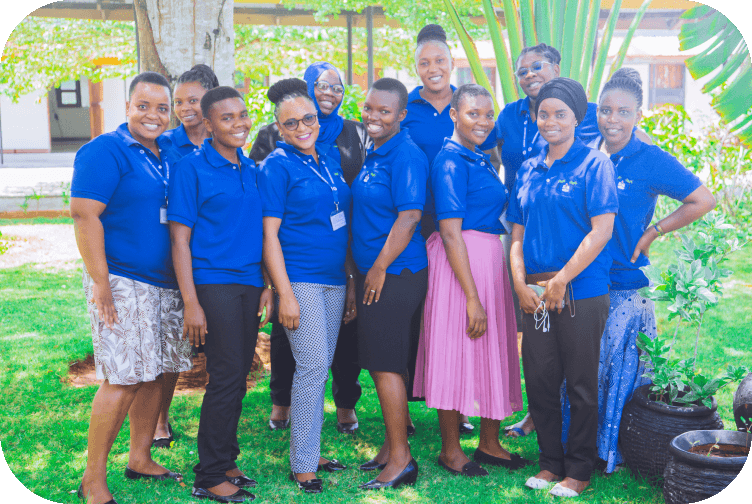
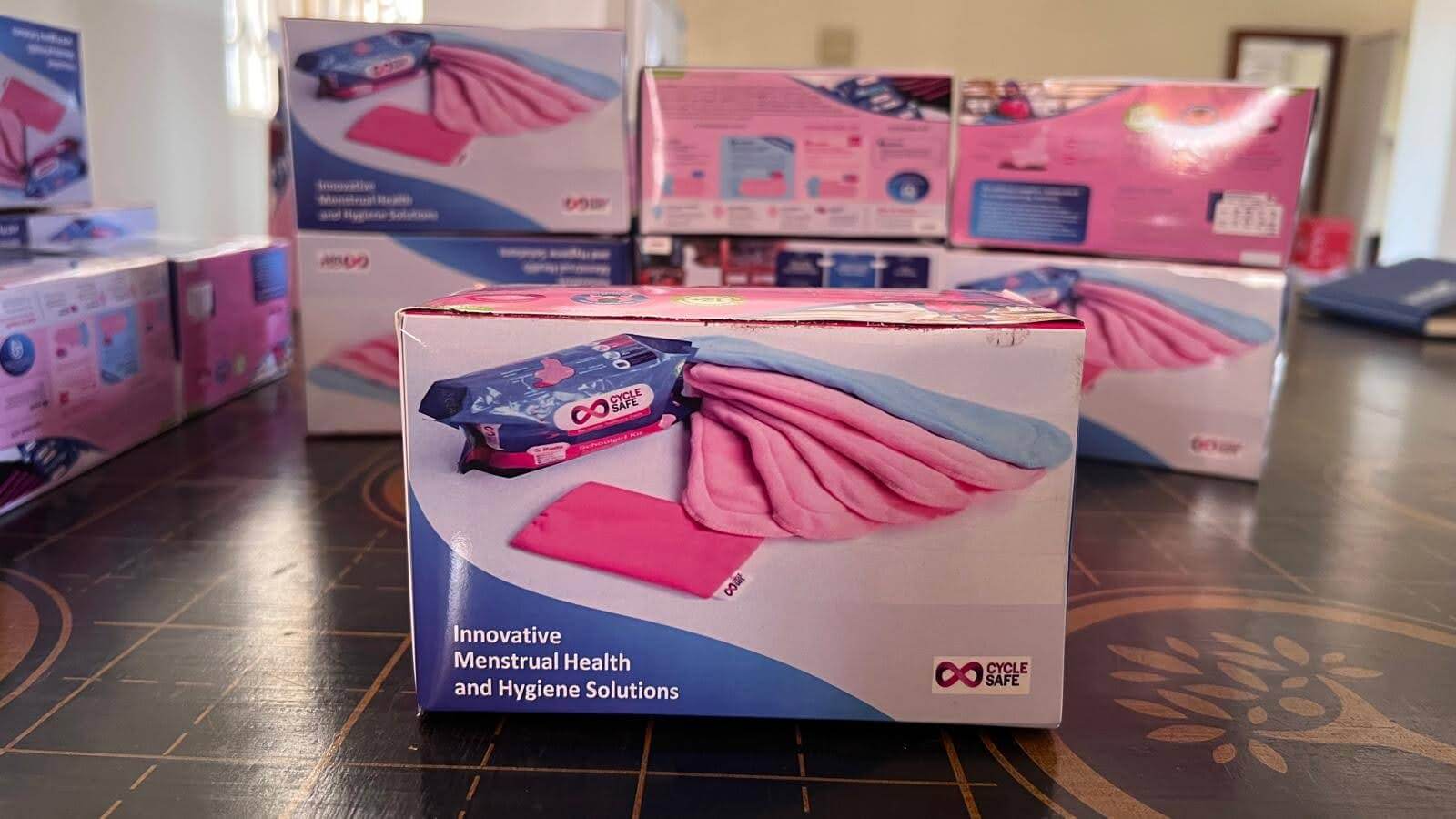
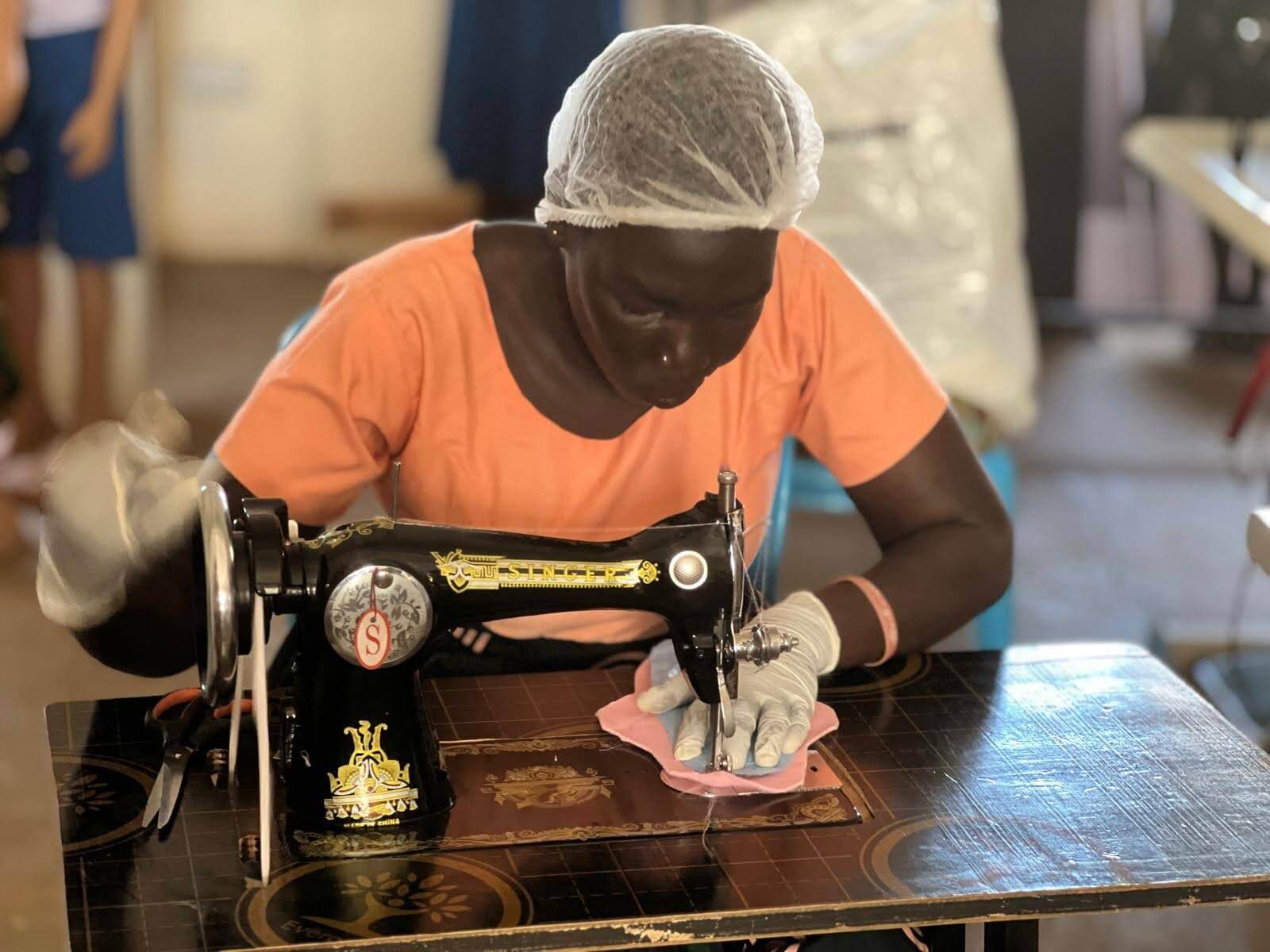
In partnership with Time to Help UK, Time to Help Germany, and other global allies, H.E.R. trains women in underserved communities to sew reusable menstrual pads. These locally produced kits offer a hygienic, cost-effective solution that lasts up to two years. By equipping women with sewing skills and business knowledge, we are creating jobs and building stronger, more self-reliant communities.
Our approach is threefold:
- Train women to produce high quality reusable pads
- Distribute menstrual kits to girls who lack access to hygiene supplies
- Provide education to break stigmas and promote menstrual health in schools and communities
Since 2022, H.E.R. has reached over 5,000 girls with reusable kits and trained dozens of women in pad production. By producing pads locally, we lower manufacturing costs by 30 percent and eliminate the plastic waste associated with disposable alternatives. A single donation can provide dignity, opportunity, and lasting impact.
Every dollar you give supports a girl’s right to stay in school and maintain hygiene and health.
For more information on Embrace Relief’s women’s empowerment programs, click here.