


Summary
- In many parts of the world, the water crisis triggers a devastating chain reaction of hunger and poverty
- Millions spend hours each day searching for water, sacrificing health, education, and economic opportunity
- Embrace Relief is providing hope by building and restoring wells that bring clean, life-giving water to entire communities
When we think about water, we often think of thirst. But the true cost of water scarcity runs far deeper; it’s a crisis that starves families, destroys livelihoods, and traps entire communities in a cycle of poverty.
Across sub-Saharan Africa, over 400 million people live without reliable access to safe drinking water. But this isn’t just a story about Africa. It’s a global emergency that touches every continent. In India, declining groundwater levels threaten the food security of more than 600 million people, with once-thriving agricultural states like Punjab and Haryana now experiencing alarming depletion. In Yemen, ongoing conflict and severe water shortages have fueled one of the worst hunger crises in modern history, where more than 17 million people face acute food insecurity. And in Mexico, prolonged droughts (made worse by climate change) have devastated staple crops like maize and beans, pushing already vulnerable rural communities to the brink of collapse.
No water means no food. Agriculture consumes 70% of the world’s freshwater, yet in many regions, there simply isn’t enough to sustain crops or livestock. In countries like Somalia and Ethiopia, back-to-back failed rainy seasons have triggered mass crop failure, rising food prices, and widespread malnutrition. Meanwhile, in California, drought has slashed agricultural yields, particularly for water-intensive crops like almonds and tomatoes. Farmers are left with unworkable soil and mounting debt. And when food becomes scarce, it’s not just local families who suffer. Global food prices rise, compounding the crisis for low-income nations that rely on imports.
When water sources dry up, farming families can’t grow food to eat or sell. Livestock die. Food supplies shrink. Children go to bed hungry. Hunger becomes chronic; not due to a lack of effort or knowledge, but due to a lack of water. It’s a slow-moving disaster that quietly reshapes communities, erodes economic resilience, and deepens inequality.
But water scarcity doesn’t stop at the dinner table. In many parts of the world, women and children, especially girls, are tasked with collecting water, often from distant, unsafe sources. In rural Tanzania, for example, girls walk up to 6 hours a day to find water, sacrificing not just their education, but their safety and future. In Guatemala, families often rely on contaminated rivers or shared taps with unreliable supply. The hours spent securing water mean fewer hours working, studying, or resting, adding yet another barrier to escaping poverty.
And without clean water, disease spreads rapidly. Waterborne illnesses like cholera, typhoid, and diarrhea flourish in areas with poor sanitation and limited access to hygiene. In Bangladesh, unsafe water sources contribute to high rates of childhood illness and malnutrition, despite national efforts to improve health systems. Health clinics, already under-resourced, are overwhelmed with preventable cases. What begins as a water issue quickly becomes a public health crisis. The result? Missed school days. Missed income. Missed opportunities for progress.
Water scarcity touches every sector: agriculture, health, education, and the economy. And yet, the solution is surprisingly clear.
Access to clean, reliable water can stop this downward spiral.
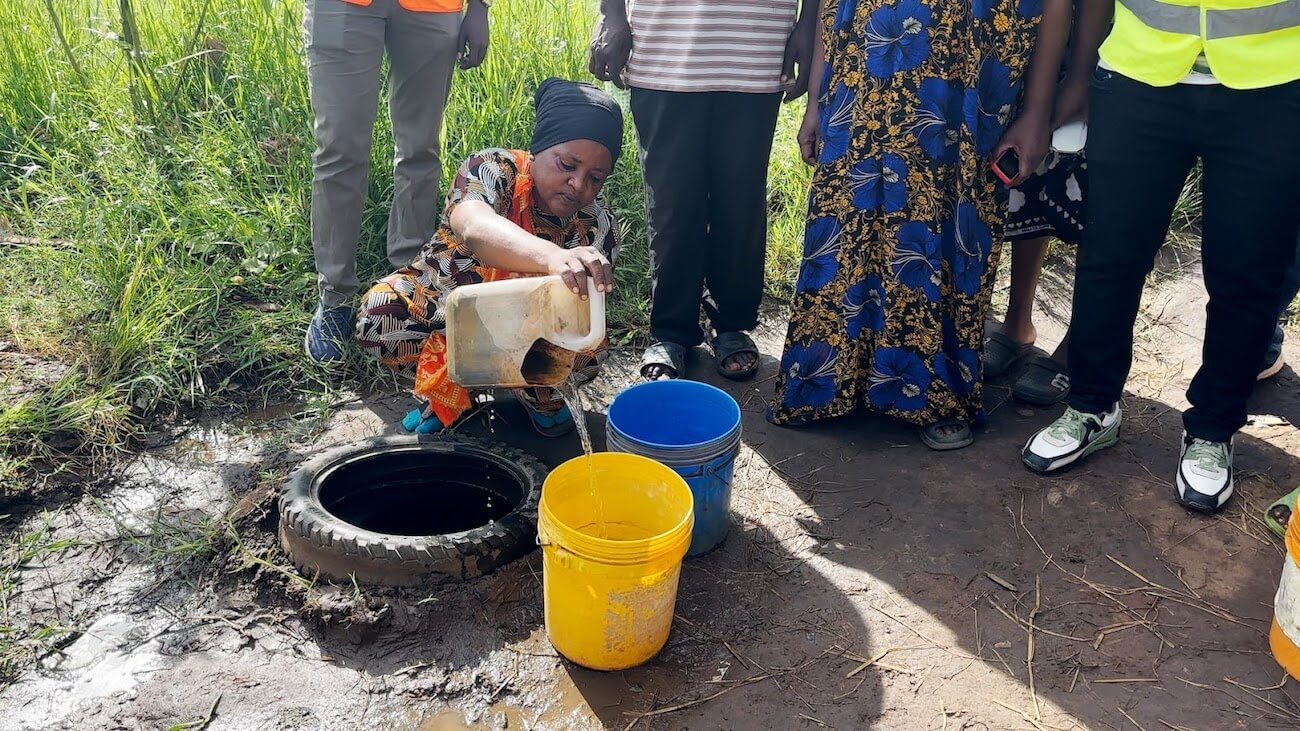
Embrace Relief: Delivering Clean Water and Renewed Hope
In the midst of this crisis, Embrace Relief is creating real, lasting change.
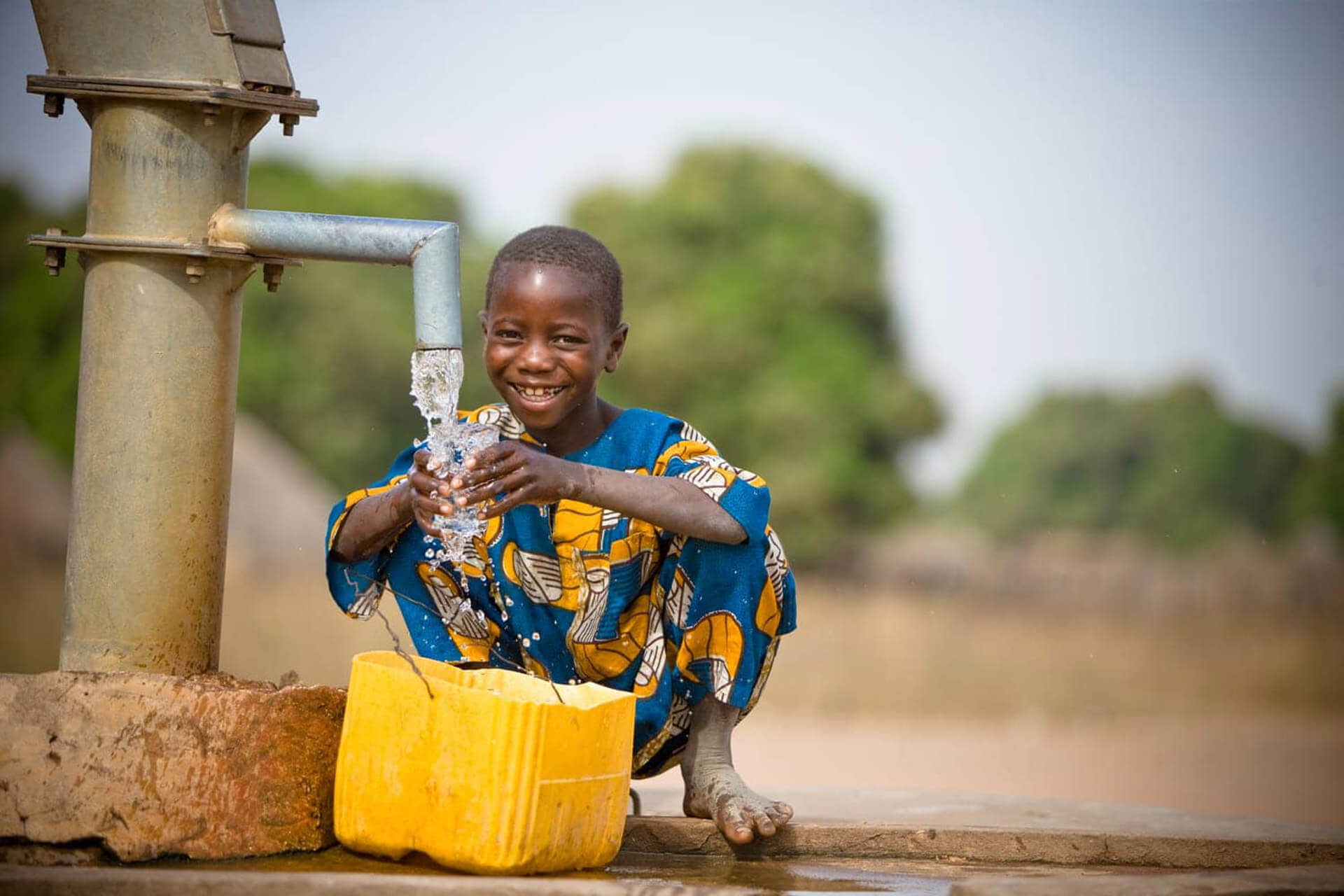
Since 2013, Embrace Relief has constructed and repaired more than 1,100 water wells across Africa, reaching over one million people in countries like Chad, Nigeria, Tanzania, and Kenya. These wells provide families with safe, accessible water not just for drinking, but for cooking, cleaning, farming, and rebuilding their futures.
Each well is designed with local conditions in mind to ensure long-term reliability. And each one transforms lives from the moment it begins to flow.
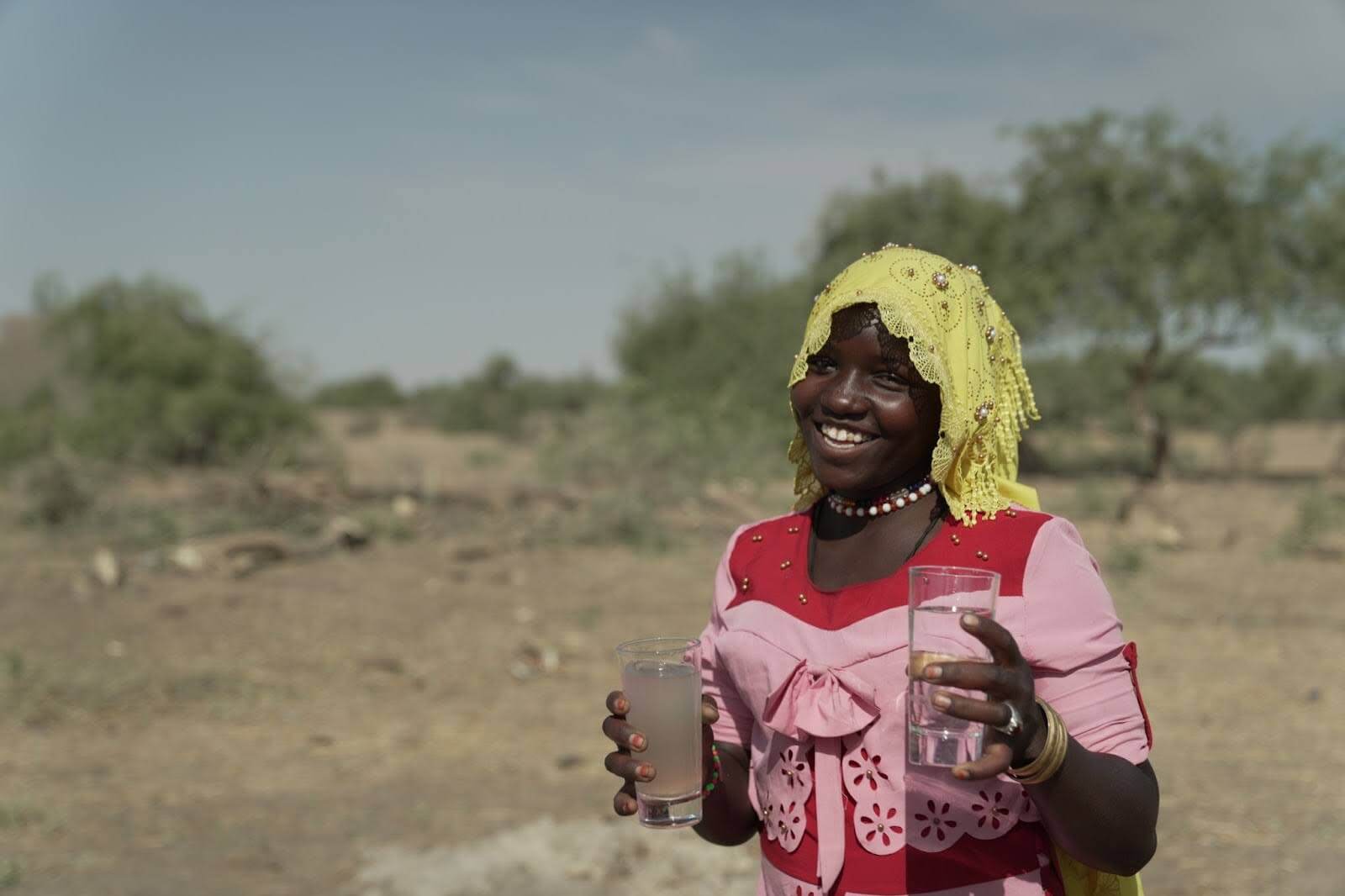
Clean water brings more than hydration. It brings health, stability, and opportunity.
Families can grow their own food, children can return to school, mothers can spend time building a future instead of searching for water, entire communities can thrive.
This isn’t just about solving a water problem. It’s about unlocking human potential. It’s about giving people the chance to take control of their own lives, with hope and dignity..
Every well is a step toward ending the cycle of hunger and poverty. And every drop is proof that a better world is within reach.
For more information on Embrace Relief’s Clean Water Initiative, click here!