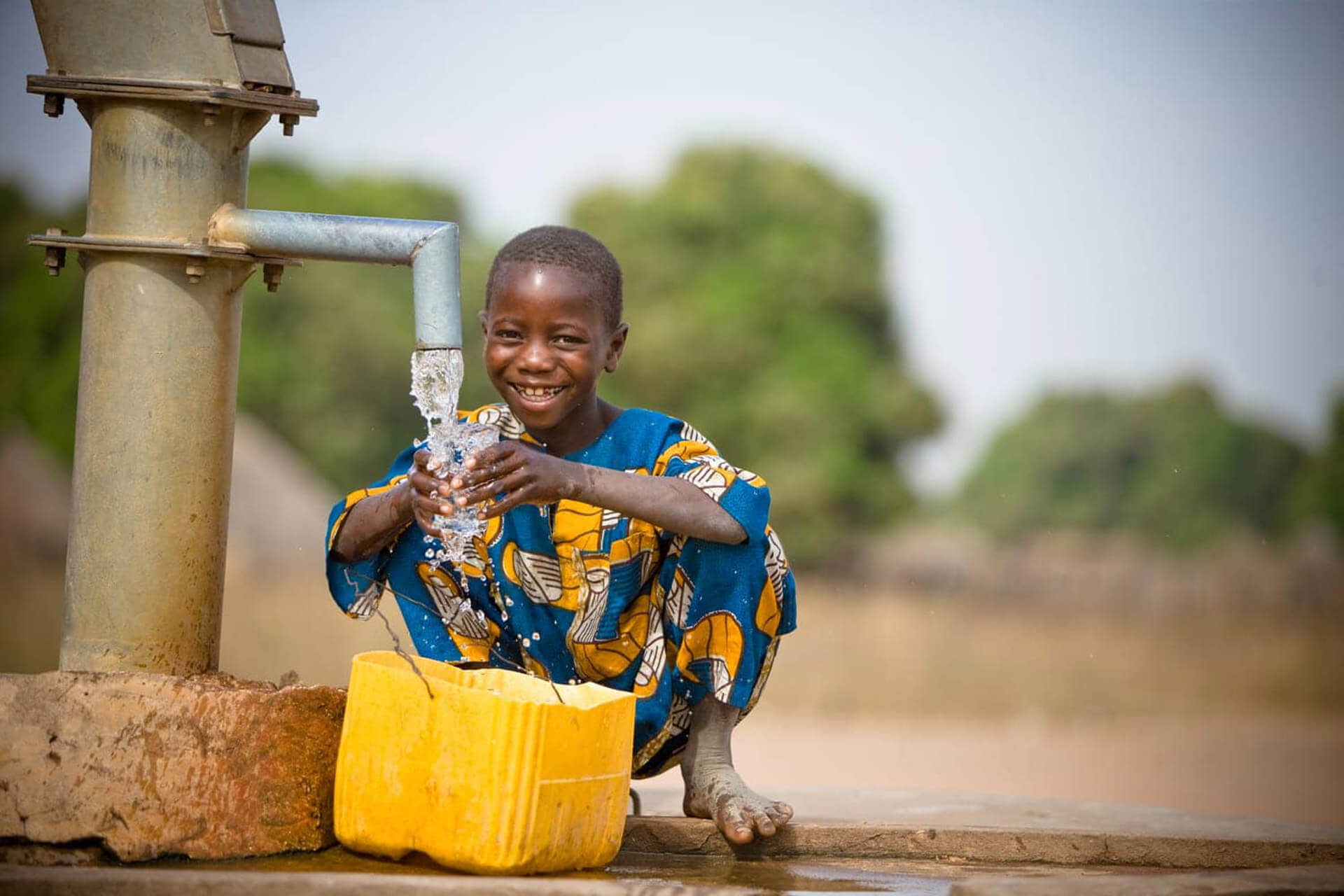



For many of us, access to clean water is effortless. We turn on a tap, fill a glass, and move on with our day. But in Tanzania, this simple act is still out of reach for millions of families.
The water crisis in Tanzania is not just about scarcity — it is about access, safety, and survival. Across rural communities, people spend hours each day searching for water, often relying on sources that are unsafe and contaminated. What should be a basic human right becomes a daily struggle.
Understanding why so many families still lack safe drinking water is essential to solving the problem and creating long-term, sustainable change.
The Reality of Water Scarcity in Tanzania
Tanzania is home to abundant natural water resources, including lakes, rivers, and groundwater. Yet despite this, access to safe drinking water in Tanzania remains limited — especially in rural areas.
Millions of people depend on:
- Unprotected wells
- Rivers and streams
- Seasonal water sources
- Shared or overcrowded water points
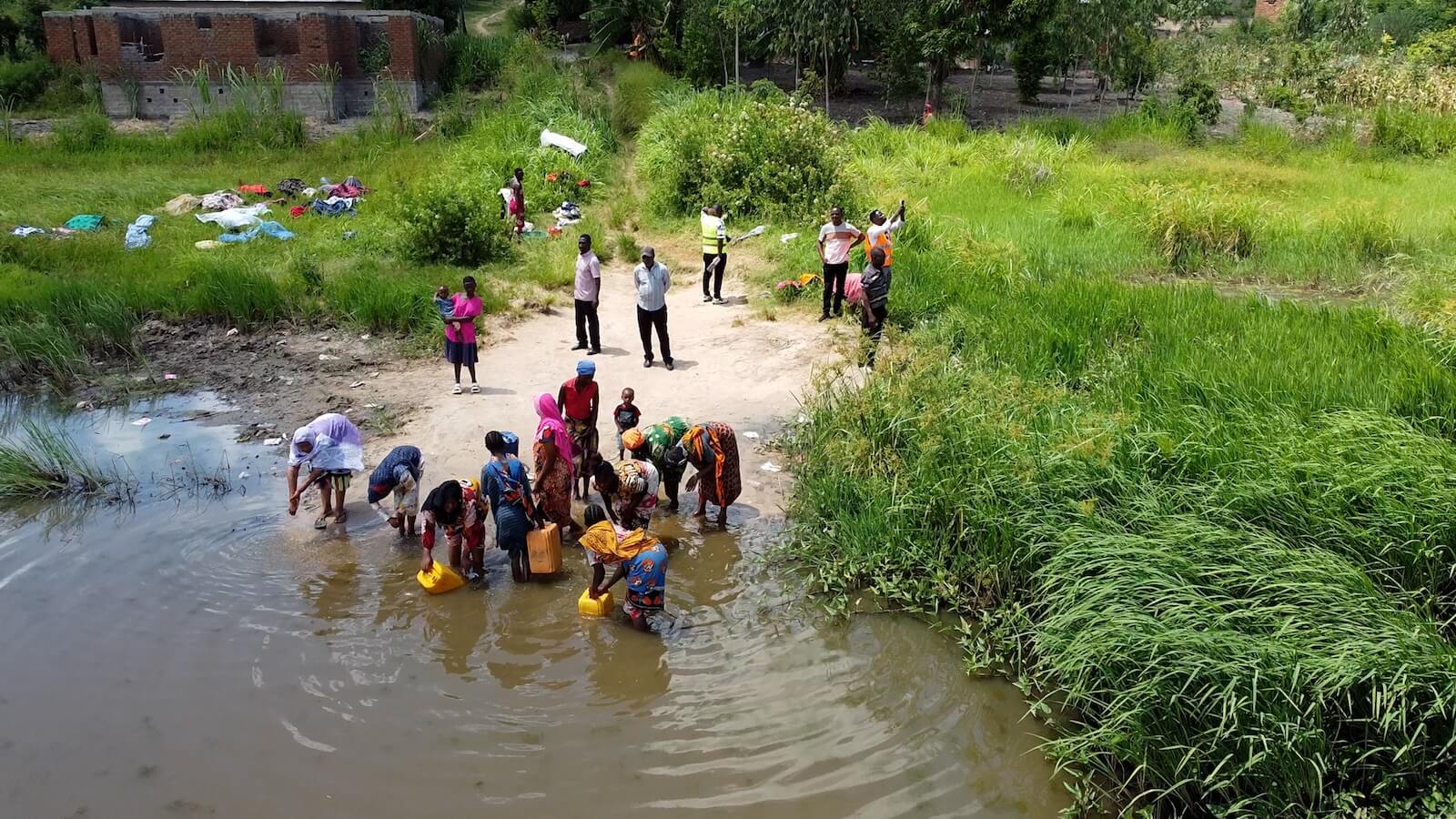
These sources are often contaminated with bacteria, parasites, and harmful pollutants, making them unsafe for consumption.
In many villages, women and children wake up early each morning to walk long distances — sometimes several kilometers — just to collect water. This daily routine consumes hours that could otherwise be spent in school, working, or caring for family.
The lack of safe water in Tanzania is not just an inconvenience. It is a barrier to health, education, and economic progress.
Why Does the Water Crisis in Tanzania Persist?
The causes of water scarcity in Tanzania are complex and interconnected. Several key factors contribute to the ongoing crisis:
1. Limited Infrastructure
Many rural communities lack proper water systems such as boreholes, pipelines, or protected wells. Even where infrastructure exists, it is often outdated or insufficient for growing populations.
2. Broken and Abandoned Water Points
Thousands of water wells and systems across Africa fall into disrepair due to lack of maintenance. Without proper support, communities are forced to return to unsafe water sources.
3. Rapid Population Growth
As Tanzania’s population continues to grow, the demand for clean water increases. Existing systems struggle to keep up, leaving many without reliable access.
4. Climate Challenges
Droughts, irregular rainfall, and climate variability affect water availability. Seasonal water sources dry up, forcing communities to travel even farther.
5. Poverty and Limited Resources
Many families cannot afford to build or maintain water systems. Without external support, communities remain trapped in cycles of water insecurity.
6. Lack of Awareness and Education
In some areas, people may not fully understand the risks of unsafe water or the importance of sanitation and hygiene practices.
The Impact of Unsafe Water on Daily Life
The Tanzania water crisis affects every aspect of life. Its impact goes far beyond thirst.
Health Risks
Unsafe water is a major cause of diseases such as:
- Cholera
- Typhoid
- Diarrhea
These illnesses are especially dangerous for children, leading to long-term health issues and even death.
Education Disruption
Children — particularly girls — often miss school because they are responsible for collecting water. Even when they attend, fatigue from long walks affects their ability to learn.
Economic Burden
Time spent fetching water reduces opportunities for work and income. Families lose valuable hours every day, limiting their ability to improve their living conditions.
Gender Inequality
Women and girls bear the greatest burden of water collection. This responsibility limits their opportunities for education and personal growth.
Emotional and Physical Strain
Carrying heavy water containers over long distances is physically exhausting. The constant struggle creates stress and uncertainty for families.
Why Clean Water Access Is Life-Changing
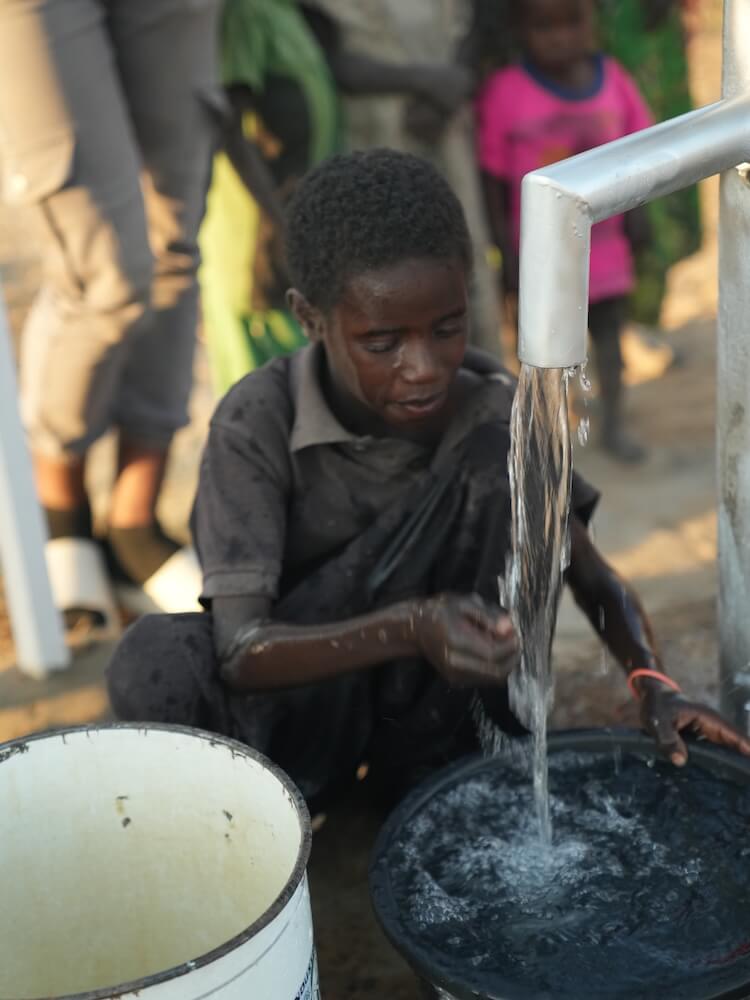
Access to clean water in Tanzania is one of the most powerful ways to transform communities.
When a reliable water source is introduced:
- Disease rates drop significantly
- Children return to school
- Families gain time for work and development
- Women experience reduced physical burden
- Communities become healthier and more stable
Clean water is not just about survival — it is the foundation for long-term growth, dignity, and opportunity.
How Water Wells Provide a Sustainable Solution
One of the most effective ways to address the water crisis in Tanzania is through the construction and repair of water wells.
Water wells:
- Provide consistent access to safe groundwater
- Reduce dependency on contaminated surface water
- Serve entire communities for years
- Require relatively low maintenance when properly managed
A single well can support hundreds — sometimes thousands — of people every day.
Embrace Relief’s Clean Water Impact in Africa
At Embrace Relief, addressing the global water crisis is a core mission.
Since 2013, Embrace Relief has:
- Built or restored over 1,100 water wells
- Provided clean water to more than 1,000,000 people
- Served communities across countries including Chad, Nigeria, Uganda, Kenya, Cameroon, and Tanzania
Each water well is designed for long-term sustainability and includes:
- A 5-year warranty
- Annual maintenance checks
- Durable construction for reliable use
These are not temporary solutions — they are lifesaving infrastructure projects that continue to serve communities for years.
Clean Water in Tanzania: A Growing Need
In Tanzania, the need for clean water remains urgent. Many communities still rely on unsafe sources, and thousands of villages lack reliable infrastructure.
By building water wells in Tanzania, Embrace Relief is helping to:
- Reduce waterborne diseases
- Improve school attendance
- Support local economies
- Strengthen community resilience
Each new well represents a fresh start for the families who depend on it.
Beyond Water: The Ripple Effect of Clean Water Projects
The impact of clean water extends far beyond hydration.
Health Improvements
Communities experience fewer illnesses, reducing healthcare costs and improving overall well-being.
Educational Growth
Children can focus on learning instead of collecting water, leading to better academic outcomes.
Economic Development
With more time available, families can work, farm, or start small businesses.
Empowered Women
Women gain time and energy to pursue education, work, and community leadership roles.
Stronger Communities
Access to water creates stability, allowing communities to grow and thrive together.
The Role of Donors in Solving the Water Crisis
Addressing the water crisis in Tanzania requires collective effort.
Donors play a critical role in:
- Funding water well construction
- Supporting maintenance and repairs
- Expanding clean water access to underserved areas
At Embrace Relief:
- $3,500 can build a new water well
- $1,500 can repair an existing well
- $4,500 can build a school well with sanitation facilities
These contributions create long-term, measurable impact.
A Future Where Clean Water Is Accessible to All
The water crisis in Tanzania is serious — but it is also solvable.
With the right approach, communities can move from:
- Unsafe water → Clean, reliable water
- Daily struggle → Stability and growth
- Limited opportunity → Brighter futures
The solution is not temporary aid, but sustainable infrastructure and ongoing support.
Be Part of the Solution
Millions of families in Tanzania are still waiting for access to safe water.
Your support can help:
- Build new water wells
- Restore broken systems
- Provide clean, safe drinking water
- Transform entire communities
One water well can change hundreds of lives.
Clean water means:
- Better health
- More time for education
- Greater dignity and opportunity
Support clean water initiatives today and help end the water crisis in Tanzania — one well at a time.