


Summary
- Fans often pay premium prices for bottled water at football matches and events.
- In parts of Africa, families walk miles daily just to access unsafe water.
- Embrace Relief’s water well projects provide clean, safe water to millions across Africa.
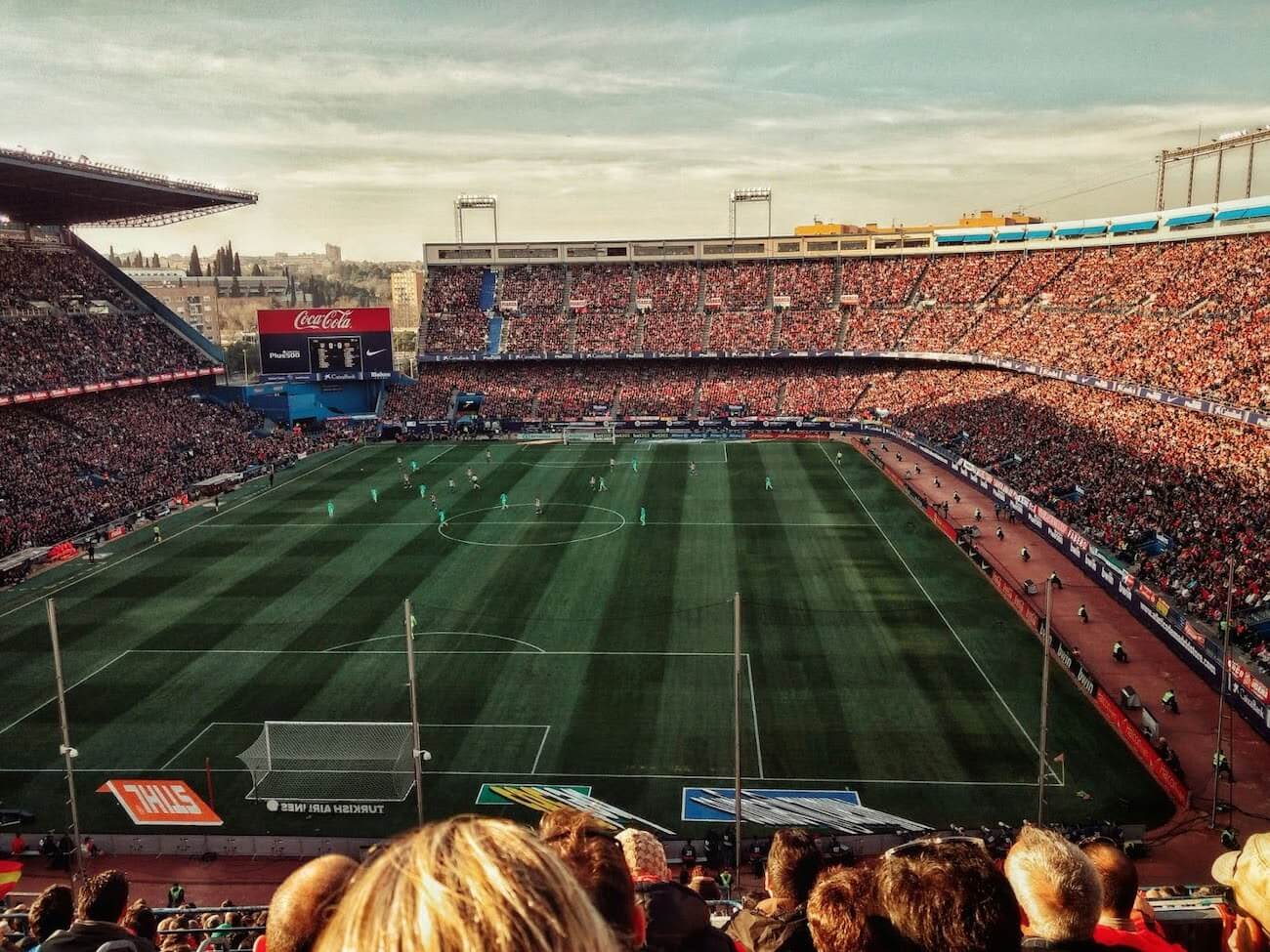
When Real Madrid faced Osasuna at the Santiago Bernabéu, 80,000 fans filled the stands. The atmosphere was electric, chants echoing, flags waving, and bottled water in nearly every hand. At €4–€5 each, those bottles were as much a part of the stadium experience as the game itself. But behind the convenience lies a bigger story.
Globally, bottled water is a $300 billion industry, with sales surging at stadiums, airports, and festivals where fans have little choice but to pay inflated prices. Yet the true cost goes beyond money. More than 600 billion plastic bottles are produced every year, and less than 30% are recycled. Disposable bottles are now among the top five contributors to ocean pollution, and each one takes hundreds of years to break down. Even worse, producing a single bottle actually consumes 2–3 times more water than it holds, draining global resources even as it quenches thirst.
In Madrid, bottled water is an overpriced convenience. But in rural villages across Africa, clean water isn’t just costly, it’s unavailable. No matter how much money someone has, they can’t walk into a shop and buy safe, sealed water. Today, 2.2 billion people lack access to safe drinking water, and over 700 children die every day from waterborne illnesses.
That contrast is striking: in wealthy cities, water is abundant and treated as a luxury inside disposable plastic. In much of the world, water is scarce, and no bottle, no matter the price, can provide what isn’t there.
The irony is that bottled water is often marketed as the “purest” option, with brands like Evian, Fiji, and Voss turning hydration into a luxury lifestyle product. But research shows that in countries like Spain, the UK, and the U.S., tap water is usually just as safe, sometimes safer, than what’s inside the bottle. A 2018 study even found that 93% of bottled water samples contained microplastics, tiny particles that can accumulate in the body over time. So while fans may pay for the peace of mind of bottled water, they aren’t always getting what they think.
Meanwhile, the environmental cost keeps climbing. At the 2022 World Cup in Qatar, fans reportedly went through millions of single-use bottles in just one month. Multiply that across sporting events, concerts, and festivals worldwide, and the scale of waste is staggering. Experts warn that by 2050, there could be more plastic than fish in the ocean; a crisis fueled in part by our reliance on bottled water.
The bigger question is why so many people are still dependent on disposables. Convenience plays a huge role. In crowded stadiums or arenas, bottled water is quick, portable, and easy to sell in bulk. But new trends are challenging that model. Reusable bottles like Hydro Flask, Stanley, and Yeti are becoming status symbols, especially among younger fans who want sustainable options. Some arenas are even installing refill stations to encourage fans to bring their own bottles, cutting both costs and waste.
And yet, the divide remains. In some parts of the world, we’re debating between a €5 bottle of Evian or a refillable Stanley cup. In others, communities are still walking miles to collect water from unsafe rivers. The global clean water crisis isn’t just about scarcity, but about inequality. Until access to safe water is universal, the contrast between overpriced convenience and priceless necessity will remain one of the most striking disparities of our time.
The Most Valuable Water: A Lifeline for Millions in Africa
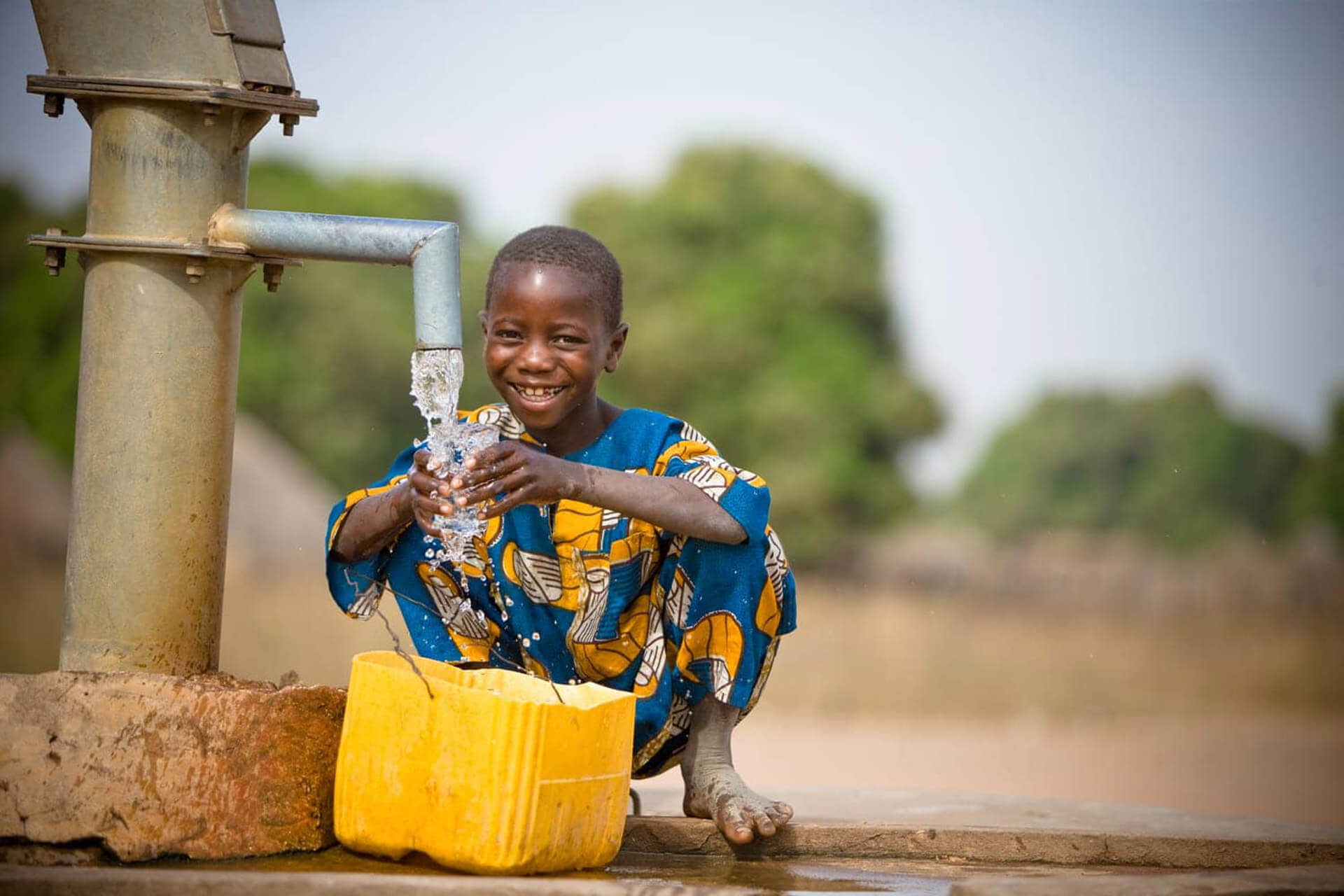
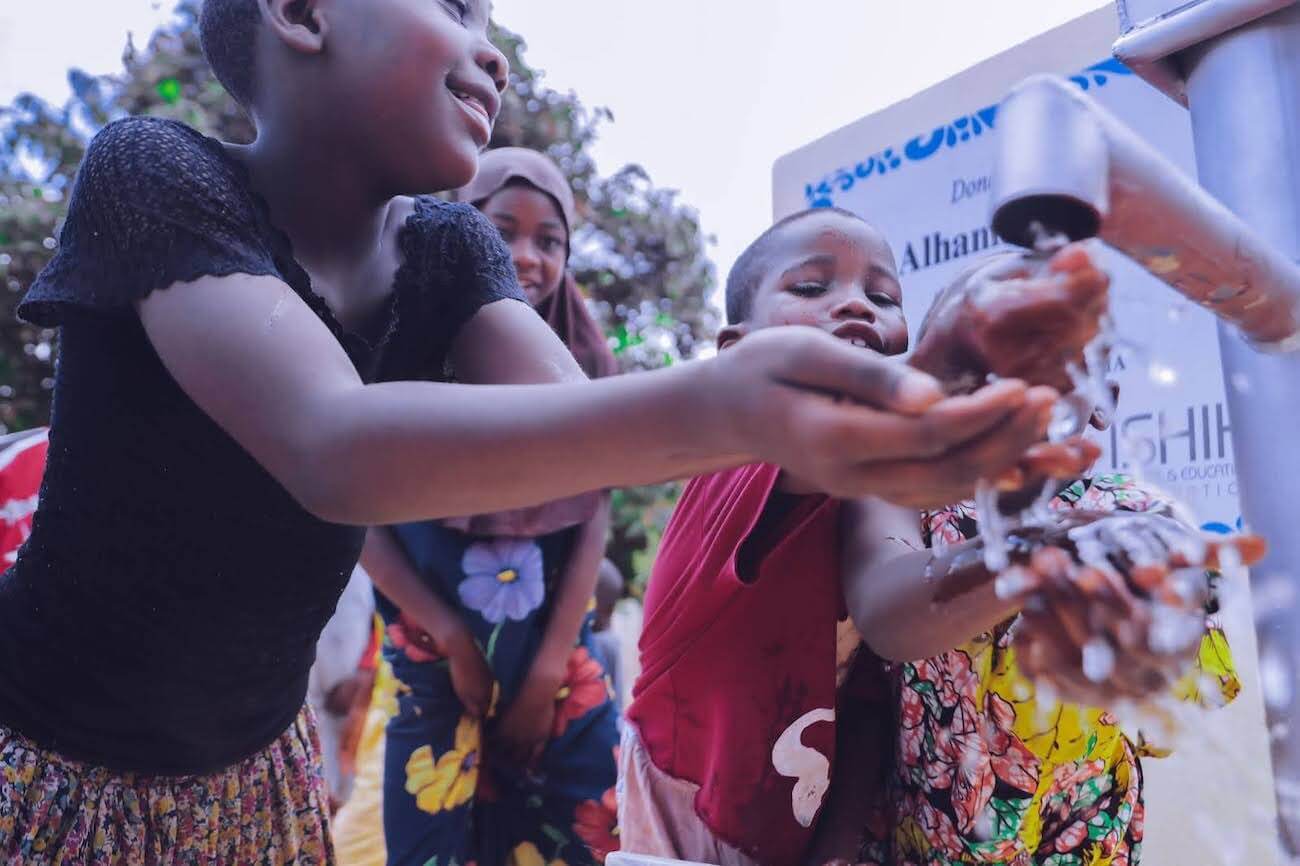
In rural parts of Africa, including Cameroon, Chad, and Nigeria, families often walk miles each day to reach a water source. Too often, the water they find is contaminated with bacteria and parasites, leading to deadly illnesses like cholera and typhoid. For these families, the “most valuable water” isn’t sold in a bottle, it’s the clean, safe water that can mean the difference between life and death.
This is where Embrace Relief is making a difference. Through our Clean Water Initiative, we’ve built or restored more than 1,100 water wells across Africa, providing safe, reliable water to over 1.1 million people. Each well transforms an entire community by:
- Reducing waterborne diseases
- Helping children return to school instead of spending hours fetching water
- Giving women time to work, learn, and lead
- Supporting farming and food security
For as little as $3,500, you can fully fund a new well that serves more than 1,000 people. Or for $1,500, you can restore an existing well, bringing clean water back to life for an entire community. Every project comes with a five-year warranty, annual maintenance, dedication plaque, and impact reports, so donors can see the real change their gift provides.
$5 at the Bernabéu buys you one bottle of water. $5 toward Embrace Relief helps bring a lifetime of clean water to families in need.
Because in the end, the most expensive water is the one you drink without thinking but the most valuable water is the one that saves lives.
For more information on Embrace Relief’s Clean Water Initiative, click here!