


Summary
- A broken water well does not just stop water. It disrupts health, hygiene, school, and daily life.
- Across sub-Saharan Africa, tens of thousands of water points are broken or abandoned, leaving millions without reliable access to safe water.
- Repairing a well is often one of the fastest and most cost-effective ways to restore clean water access.
- Embrace Relief’s Fountains of Hope program was created to identify and repair non-functional wells so communities can regain access to water without waiting for an entirely new system.
For a community that depends on it, a water well is more than just infrastructure — it is a lifeline.
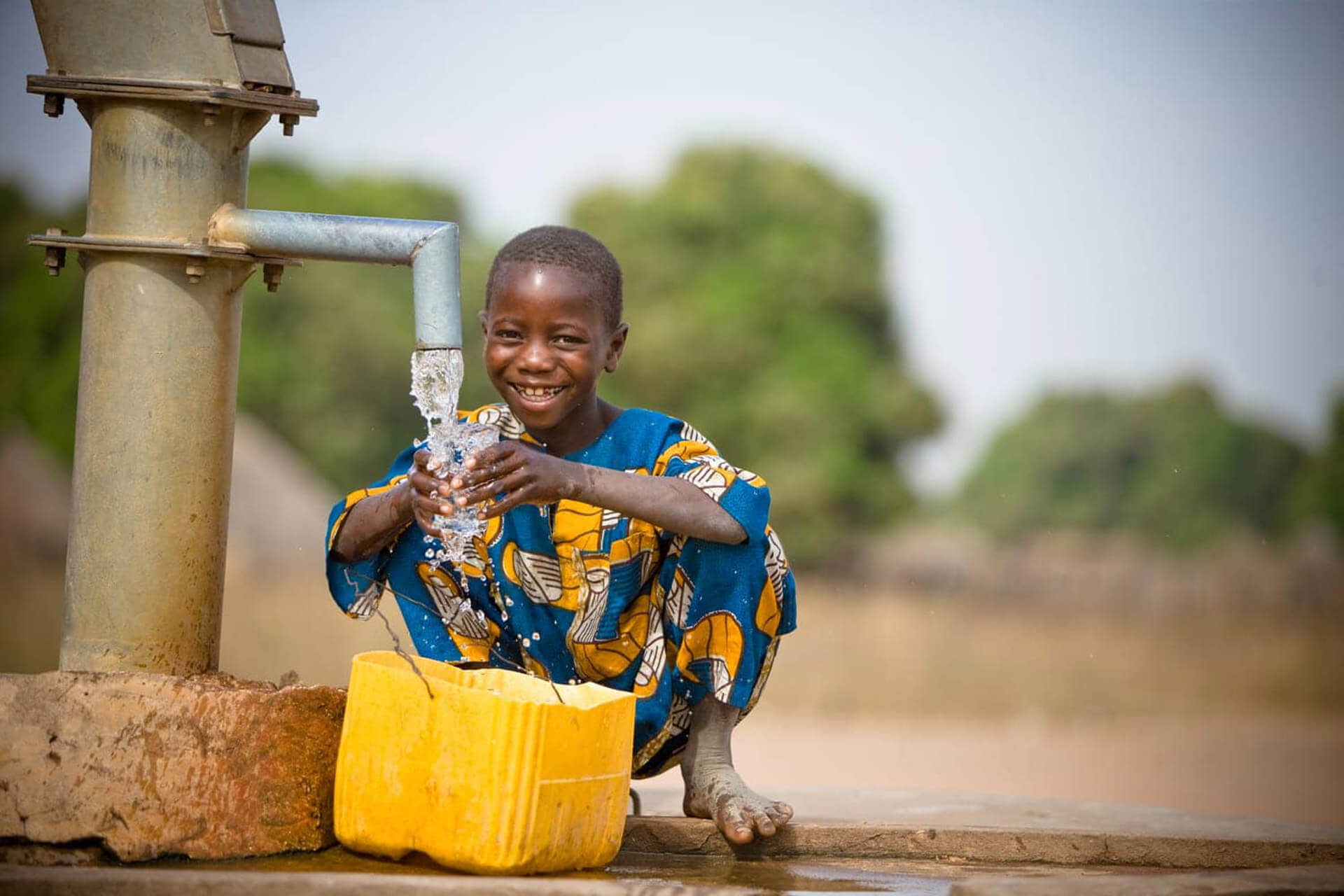
It provides drinking water, supports hygiene, and allows families to meet their daily needs. It helps children attend school instead of spending hours collecting water. It supports health, dignity, and stability.
But what happens when a water well stops working?
For many communities, everything changes.
A broken water well is not just an inconvenience — it forces families back to unsafe water sources, increases exposure to waterborne diseases, and places a heavy burden on women and children. Across sub-Saharan Africa, more than 50,000 water points are broken or abandoned, leaving millions without reliable access to clean water.
This is exactly why the Embrace Relief Fountains of Hope program exists — to identify and repair non-functional wells and restore safe water access.
When a Water Well Breaks, a Community Feels It Immediately
When a well is working, it becomes part of daily life so quickly that it is easy to forget how much depends on it.
Then one day, it stops.
And suddenly, families are forced to adapt again.
They may have to return to rivers, ponds, or other unsafe water sources. Parents worry about the quality of the water their children are drinking. The risk of illness rises. Time that could be spent in school, at work, or at home is instead spent searching for water.
That is the hidden danger of a broken well. The damage goes far beyond the equipment itself.
A failed well can reverse progress that took years to build.
Broken Wells Do Not Mean the Need Has Disappeared
One of the biggest misconceptions is that once a well stops working, its impact is over.
But the need for water does not disappear just because the system fails.
The same families are still there. The same children still need safe water. The same community still depends on that source.
What changed is access.
That is why water well repair matters so much. In many cases, restoring a damaged well can be one of the fastest and most effective ways to bring clean water back to a community.
Rather than starting over completely, repair work brings an existing water source back to life and allows it to serve families again. Embrace Relief Fountains of Hope Program is both cost-effective and powerful, a repaired well can deliver the same high-quality, long-lasting clean water as a brand new one.
Why Repairing a Water Well Matters So Much
When discussing clean water solutions, many people think only about building new wells. While new wells are essential, repairing broken wells is equally powerful.
Water well repair:
- Restores access faster
- Uses existing infrastructure
- Costs less than building new systems
- Helps communities regain stability quickly
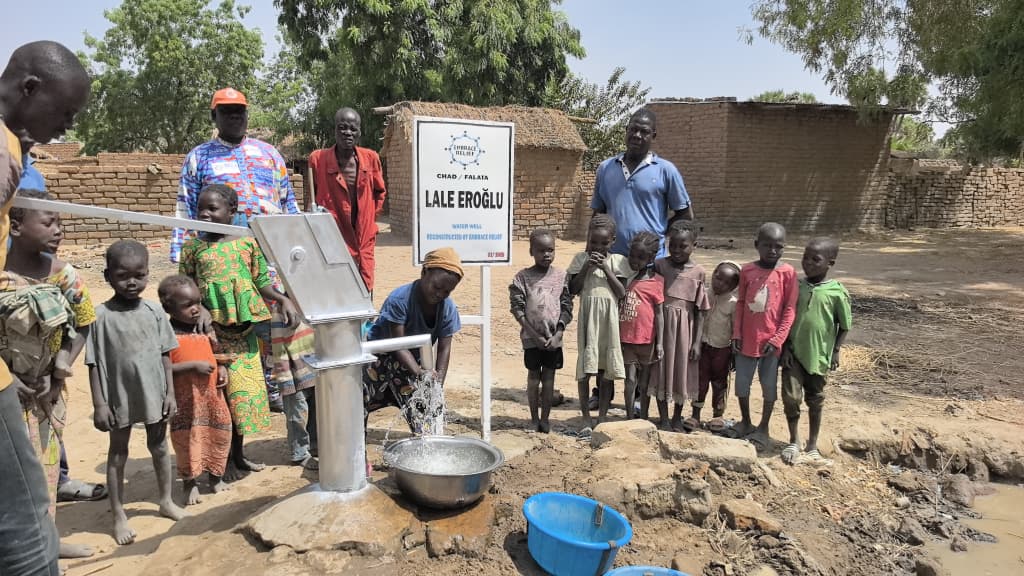
For just $1,500, a donor can help reconstruct a water well and restore clean water access to an entire community.
Since its launch in 2021, the Embrace Relief Fountains of Hope program has:
- Repaired 200+ water wells
- Helped over 200,000 people
- Supported communities across Chad, Cameroon, and Nigeria
A Broken Water Well Affects More Than Water
When a well stops working, the consequences extend into every aspect of life.
Without clean water:
- Health risks increase due to contaminated sources
- Children miss school or arrive exhausted
- Families lose time and productivity
- Communities face setbacks in development
Safe water is directly connected to health, education, sanitation, and economic growth.
That is why repairing a well is never just about fixing infrastructure, it is about restoring stability, dignity, and opportunity.
Fountains of Hope: Restoring Wells, Restoring Lives
Embrace Relief created Fountains of Hope because the need is too important to ignore.
Across sub-Saharan Africa, millions of people are affected by broken or abandoned water points. Instead of allowing those wells to remain unusable, Fountains of Hope focuses on restoring them so communities can regain access to fresh, reliable water. The program builds on Embrace Relief’s broader clean water work, which the organization says has provided safe water to more than 1,000,000 people since 2013.
What makes Fountains of Hope especially effective is that it meets a real need with a direct solution.
A well that once served a community can serve again.
A source of water that was lost can be restored.
A village that was pushed backward can move forward once more.
What Happens After a Water Well Stops Working?
Too often, the answer is painful.
Families walk farther.
Children lose time.
Unsafe water returns.
Daily life becomes harder.
Progress begins to slip away.
But it does not have to end there.
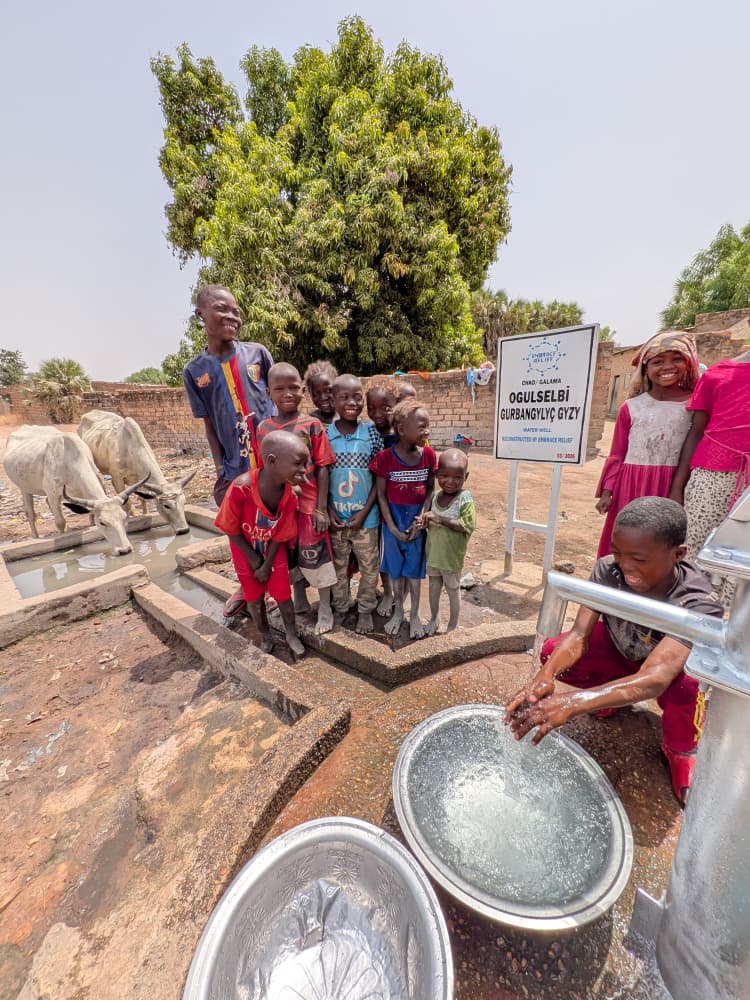
With the right support, a broken well can be repaired. Clean water can flow again. A community can recover something essential that it should never have lost in the first place.
That is the purpose of Fountains of Hope.
Not just to fix equipment, but to restore access, protect families, and bring lasting relief where it is needed most.
Help Restore a Broken Well Today
When a water well stops working, a community should not be left without options.
Through Embrace Relief’s Fountains of Hope program, you can help reconstruct a damaged well and restore clean water to families who urgently need it. $1,500 can fund a well reconstruction, helping bring safe water back to an entire community.
A broken well does not have to stay broken.
With your help, it can become a source of life again.
Restore a well. Restore hope.