


Summary
- From mineral content to filtration methods, the quality of drinking water varies greatly.
- Embrace Relief is bridging that gap with sustainable water wells across Africa, providing safe, healthy water to over a million people.
- You can support a cause that turns water into health, opportunity, and hope.
Walk into any store and you’ll find an overwhelming number of water choices: spring, purified, alkaline, distilled, mineral, even hydrogen-infused. But which one is actually the healthiest for your body?
The short answer:
Water that is clean, mineral-balanced, and free of contaminants is the best for your health. Here’s a breakdown of the healthiest types:
- Spring Water (Natural Mineral Water)
Sourced from underground springs, this water typically contains beneficial minerals like calcium, magnesium, and potassium. It’s bottled at the source and tested for purity, making it one of the healthiest choices when verified by regulation. - Purified Water
This water has been filtered or processed to remove contaminants like bacteria, chemicals, and metals. It often comes from tap water but undergoes advanced purification methods like reverse osmosis or distillation. - Alkaline Water
With a higher pH level than regular water, alkaline water may help neutralize acid in the body. Some brands also infuse it with electrolytes for hydration. However, medical experts note that the health benefits are still debated. - Mineral Water
Bottled at a natural spring, mineral water must contain at least 250 parts per million of total dissolved solids (minerals). These additional minerals compared to spring water are added in, giving it a unique taste. It’s good for hydration and supports muscle and nerve function thanks to its mineral profile. - Filtered Tap Water (with Home Filtration Systems)
Using a reliable home filter (like carbon or reverse osmosis) can make your tap water safe and healthy. These systems remove chlorine, lead, and microplastics while preserving beneficial minerals. - Distilled Water
While extremely pure, distilled water lacks minerals, which can be a downside for long-term use. However, it’s excellent for detoxing or medical use when mineral balance is managed through diet.
What to Avoid:
- Unfiltered tap water (in areas with poor infrastructure or contamination risks)
- Plastic bottle-stored water (if exposed to heat or stored long-term)
- “Raw” untreated water from natural sources, which can contain pathogens
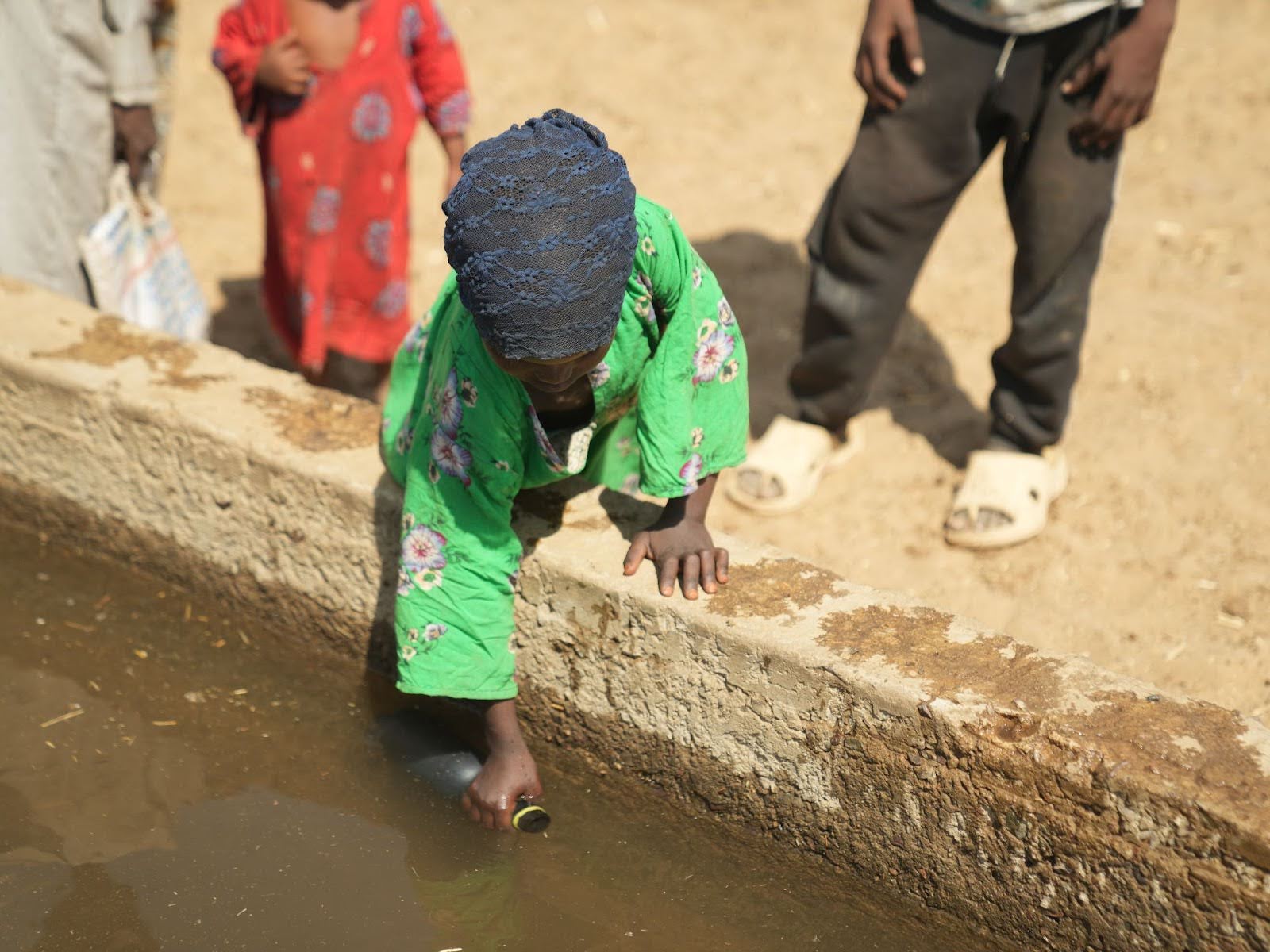
Clean Water Is Health, That’s Why Embrace Relief Is Building Wells in Africa
Choosing between mineral or alkaline water is a privilege. In many parts of the world, including across Africa, people aren’t debating between bottled or filtered they’re drinking from contaminated rivers or walking miles just to fill a jug.
Unsafe water leads to widespread illness and death from diseases like cholera, typhoid, and diarrhea. Children miss school. Parents lose income. Hope dries up.
Embrace Relief is changing that.
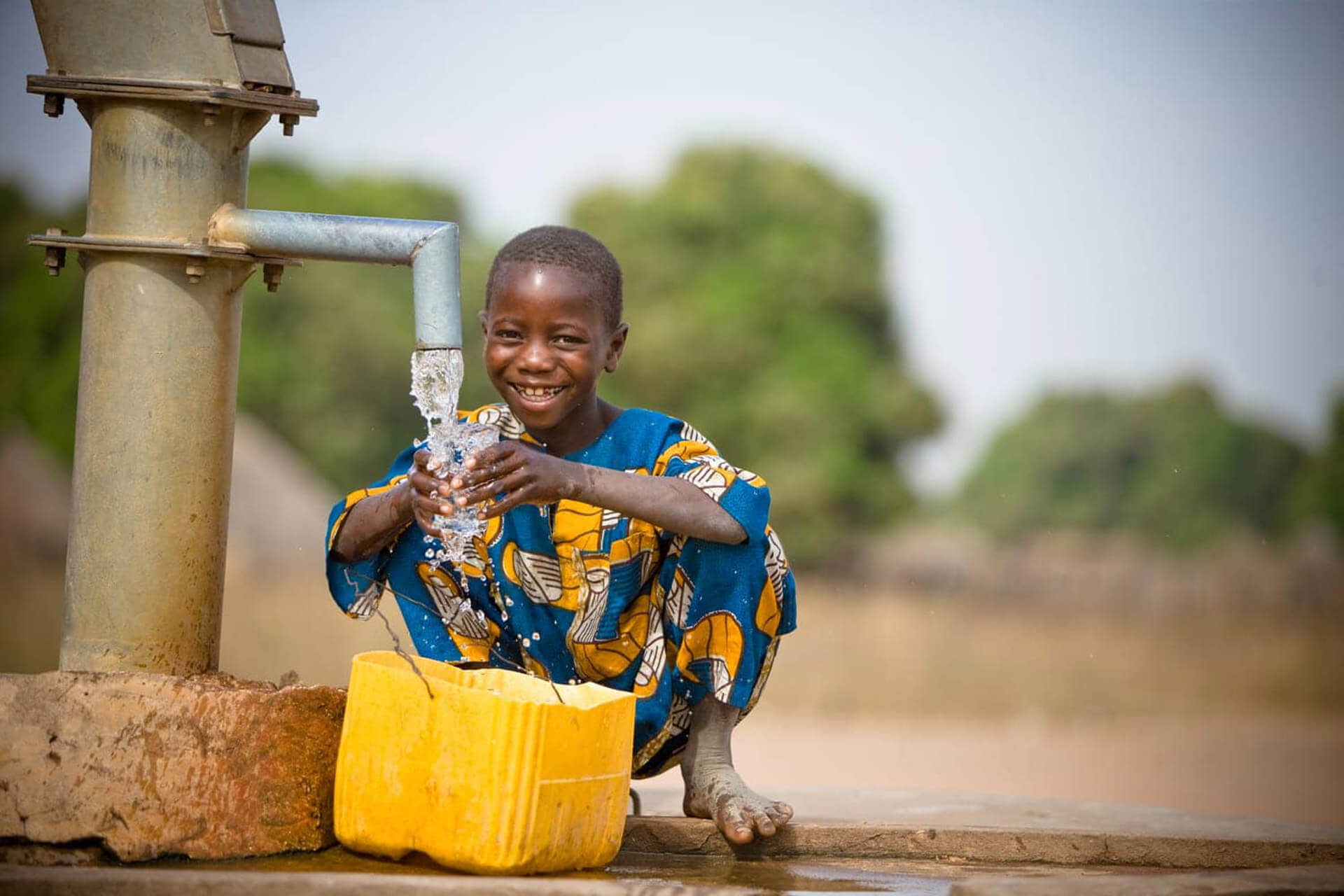
Through its Clean Water Initiative, Embrace Relief builds and maintains water wells in remote African villages, bringing safe, healthy water directly to the people who need it most.
For just $3,500, one well can serve over 1,000 people, every single day.
Each well includes:
- A five-year warranty
- Annual maintenance checks
- A custom dedication plaque
- A full impact report with photos and updates
Since 2013, Embrace Relief has built or restored more than 1,100 wells across countries like Chad, Nigeria, Uganda, Kenya, and Cameroon, delivering clean water to over one million people.
These are not temporary fixes. They’re lifesaving infrastructure that:
- Reduce waterborne diseases
- Support farming and food security
- Allow children to return to school
- Free women from spending hours each day collecting water