

Summary
- More than 2 billion people worldwide still lack access to safely managed drinking water.
- The global water crisis affects health, education, economic opportunity, and quality of life.
- Women and children are often the most impacted, spending hours each day collecting water.
- Access to clean water transforms entire communities by improving health, education, and economic growth.
- Learn how you can help provide sustainable clean water solutions through Embrace Relief’s Clean Water Initiative
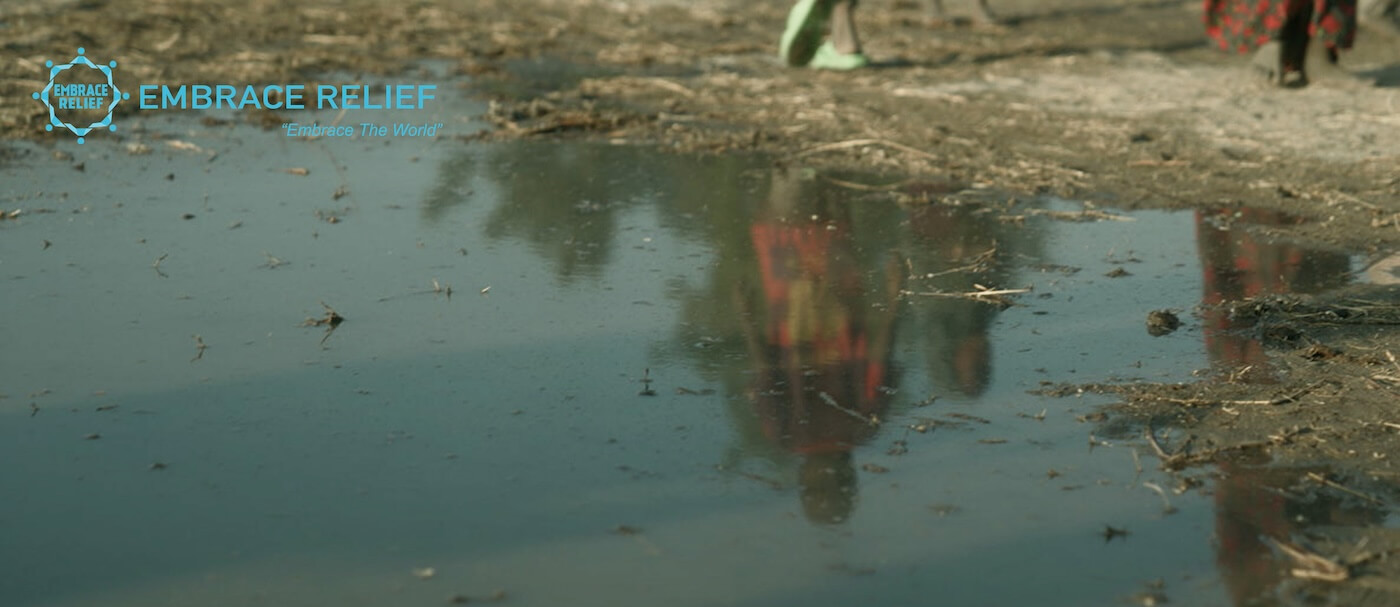
For many of us, turning on a faucet and filling a glass with clean drinking water is something we rarely think about. It is a simple part of everyday life. Yet for millions of families around the world, access to safe water remains a daily struggle.
Every morning, countless parents and children wake up not knowing where their next supply of clean water will come from. Instead of focusing on school, work, or caring for their families, they spend hours searching for water that is often unsafe to drink.
Despite significant advances in technology and infrastructure over the last century, the global water crisis continues to affect communities across Africa, Asia, and other developing regions. The question many people ask is: Why is clean water still out of reach for so many families?
The answer is complex, involving poverty, geography, infrastructure challenges, climate change, and economic inequality. Understanding these challenges is the first step toward creating lasting solutions.
The Global Water Crisis by the Numbers
Access to clean water is recognized as a fundamental human right. Yet millions of people still lack this basic necessity.
Today:
- More than 2 billion people live without safely managed drinking water services.
- Hundreds of millions rely on rivers, ponds, lakes, or unprotected wells for daily water needs.
- Waterborne diseases continue to affect millions of people every year.
- Children under the age of five remain especially vulnerable to illnesses caused by contaminated water.
These statistics represent more than numbers. They represent families who face preventable hardships every single day.
Why Do So Many Communities Lack Clean Water?
1. Limited Infrastructure
One of the biggest reasons families lack access to safe drinking water is the absence of proper infrastructure.
In many rural communities, there are:
- No water treatment facilities
- No pipelines
- No reliable wells
- No systems to transport water safely
While clean groundwater often exists beneath the surface, drilling and maintaining water wells requires equipment, expertise, and financial resources that many communities simply cannot afford.
Without outside assistance, these communities are left relying on unsafe water sources.
2. Poverty and Economic Challenges
Poverty and water scarcity often create a cycle that is difficult to break.
When families do not have access to clean water:
- Medical expenses increase due to illness
- Productivity decreases
- Children miss school
- Economic opportunities become limited
At the same time, communities facing economic hardship often cannot afford to invest in water infrastructure, making the problem even more difficult to solve.
3. Climate Change and Environmental Stress
Climate change is increasing pressure on water resources around the world.
Many regions are experiencing:
- Longer droughts
- Irregular rainfall patterns
- Drying rivers and lakes
- Increased desertification
These environmental challenges make already scarce water supplies even more difficult to access.
For rural communities that depend on seasonal rainfall, a single failed rainy season can create months of water insecurity.
4. Population Growth
As populations continue to grow, demand for clean water rises.
Many developing regions are experiencing rapid population growth, placing additional strain on existing water sources and infrastructure.
Without investments in sustainable water systems, communities struggle to meet growing demand.
The Human Cost of Unsafe Water
The effects of water scarcity extend far beyond thirst.
Health Consequences
Unsafe water can contain harmful bacteria, viruses, and parasites that cause serious illnesses such as:
- Cholera
- Dysentery
- Typhoid fever
- Diarrheal diseases
These illnesses are often preventable with access to clean water and proper sanitation.
For young children, repeated exposure to contaminated water can lead to malnutrition, developmental challenges, and even death.
Educational Barriers
Water scarcity affects education in significant ways.
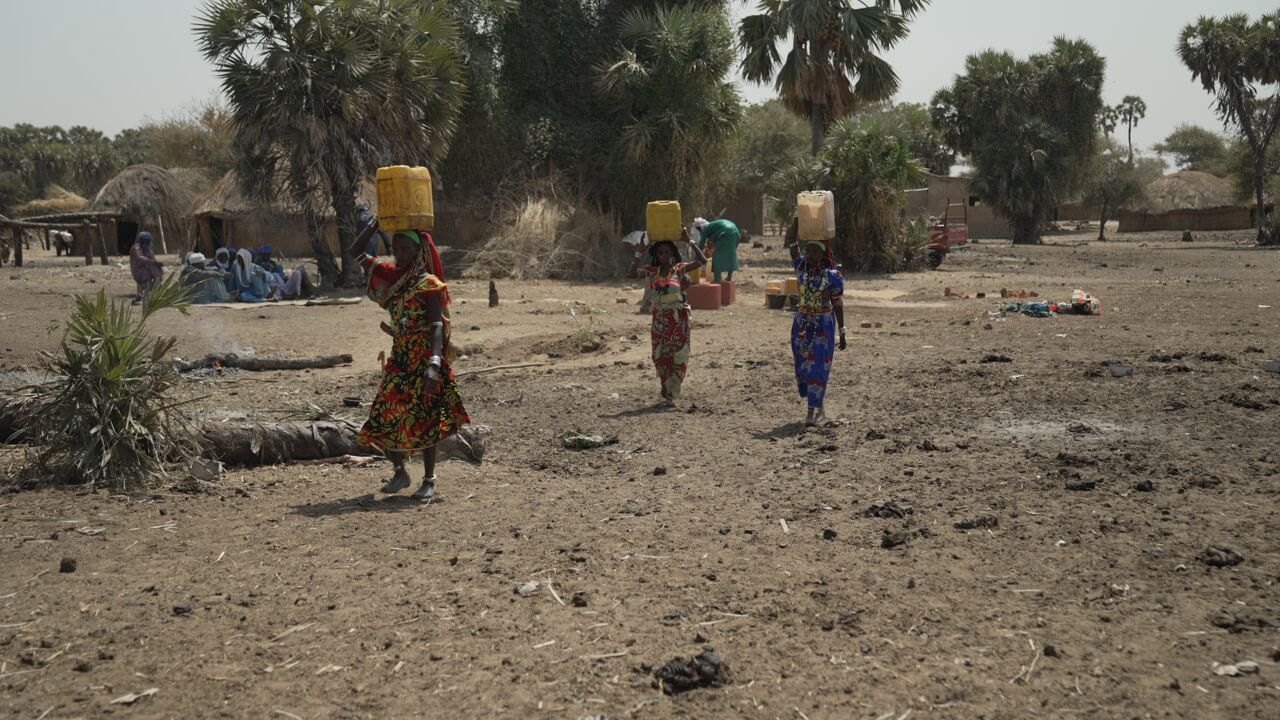
In many communities, children—especially girls—are responsible for collecting water.
Some spend several hours each day walking long distances to the nearest water source.
This responsibility often results in:
- Missed classes
- Lower academic performance
- Higher dropout rates
When clean water becomes available nearby, school attendance frequently improves.
Economic Impact
A lack of clean water limits economic growth at both the household and community level.
Families spend valuable time collecting water rather than:
- Working
- Running businesses
- Farming
- Pursuing education
Access to reliable water enables communities to grow crops, support local businesses, and improve overall quality of life.
How Clean Water Changes Lives
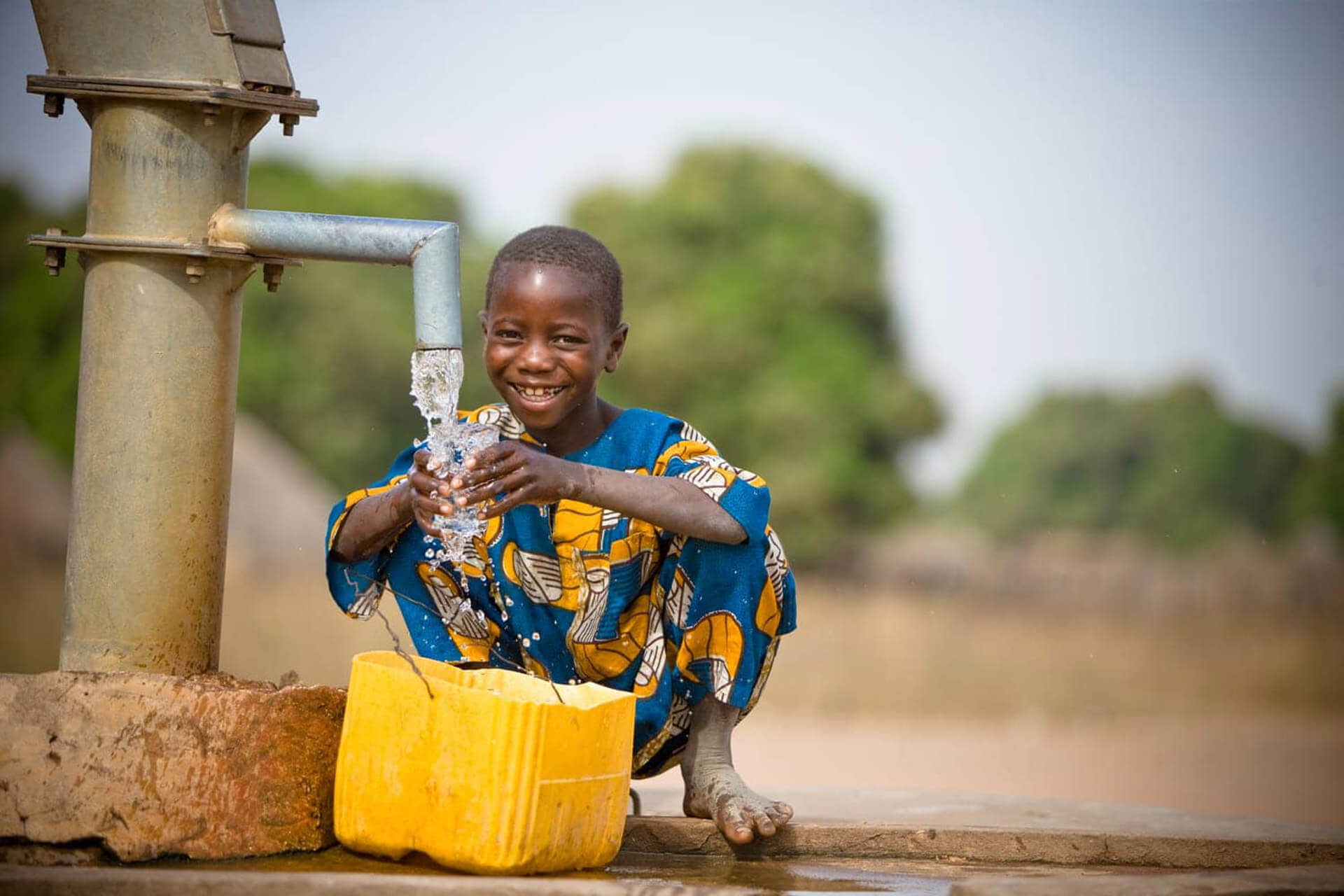
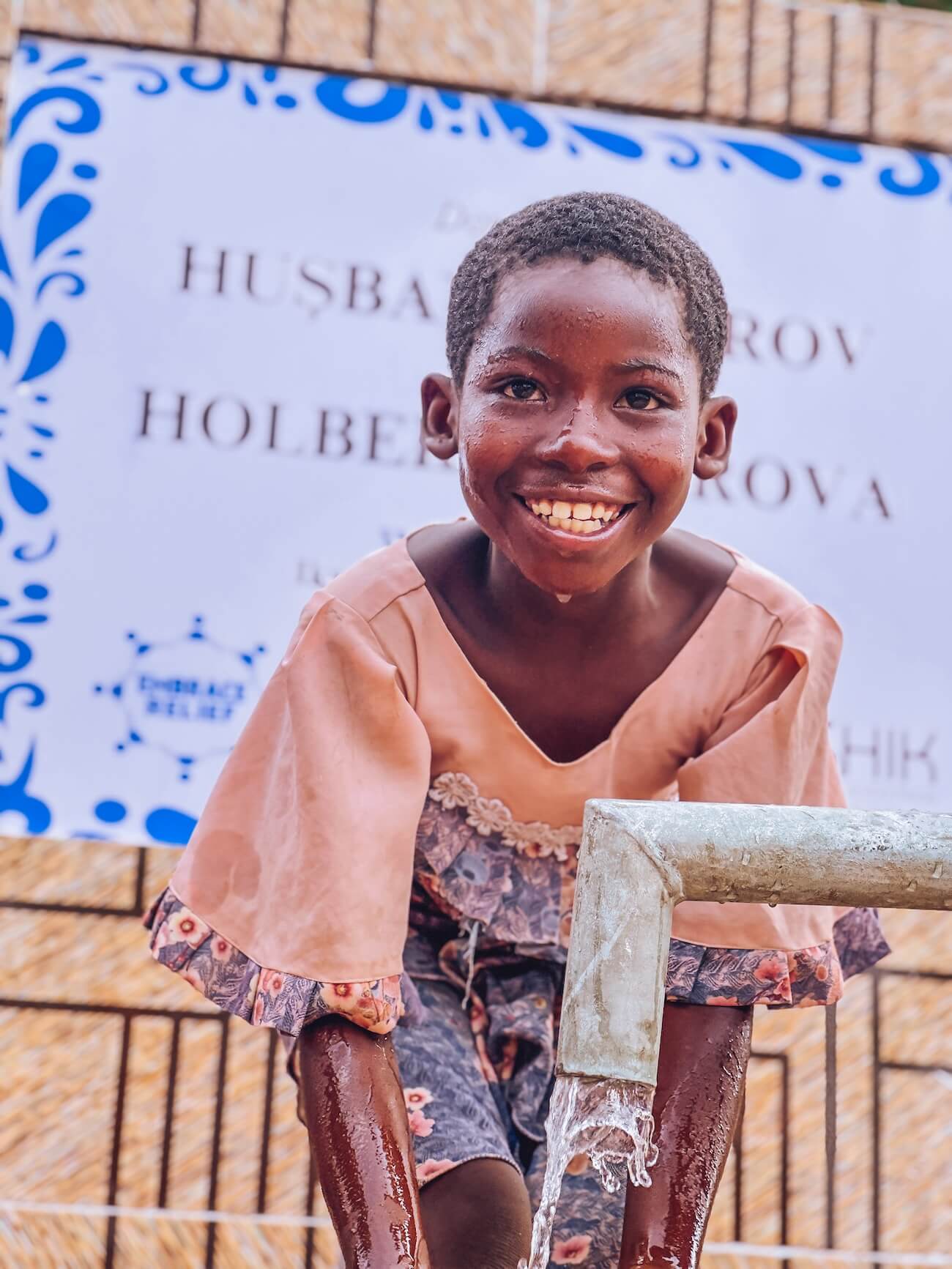
The impact of a clean water well extends far beyond providing drinking water.
When a community gains access to safe water:
Health Improves
Families experience fewer waterborne illnesses and reduced medical expenses.
Children Stay in School
Students spend less time collecting water and more time learning.
Women Gain Opportunities
Women and girls often recover hours of time each day, allowing them to pursue education, employment, and entrepreneurship.
Communities Prosper
Farmers can grow crops more effectively, businesses can operate more efficiently, and local economies become stronger.
Clean water creates a foundation for sustainable development.
Embrace Relief’s Commitment to Clean Water
Since 2013, Embrace Relief has worked to address the water crisis by building and restoring water wells throughout sub-Saharan Africa.
Through the generosity of donors, Embrace Relief has:
- Built and reconstructed hundreds of water wells
- Provided clean water to more than one million people
- Supported communities in countries including Chad, Cameroon, Nigeria, Tanzania, Uganda, and Kenya
Each well provides reliable access to safe water for years to come, creating lasting change for entire communities.
Help Bring Clean Water to Families in Need
The global water crisis remains one of the most urgent humanitarian challenges of our time. Yet it is also one of the most solvable.
With the support of compassionate donors, communities can gain access to safe, sustainable water sources that transform lives for generations.
Every contribution helps move us closer to a world where no family has to worry about where their next drink of clean water will come from.
By supporting Embrace Relief’s Clean Water Initiative, you can help provide health, dignity, opportunity, and hope to families who need it most.
Together, we can turn access to clean water from a daily struggle into a lasting reality.