


Summary
- Cataracts are one of the leading causes of vision impairment and blindness worldwide.
- The condition develops gradually, often causing blurry vision, glare, and difficulty seeing at night.
- While aging is the most common cause, cataracts can also result from diabetes, injury, genetics, and prolonged UV exposure.
- Cataract surgery is a safe and effective treatment that restores vision for millions of people each year.
- Learn how early detection and access to treatment can transform lives and help prevent avoidable blindness
Cataracts are a common eye condition that occurs when the normally clear lens of the eye becomes cloudy. This clouding prevents light from passing through the lens properly, leading to blurry vision and, if left untreated, eventual vision loss.
Cataracts are one of the leading causes of blindness worldwide, particularly in low-income communities where access to eye care and surgical treatment may be limited. Fortunately, cataracts are highly treatable, and modern cataract surgery has restored sight to millions of people around the world.
Understanding the symptoms, causes, and treatment options for cataracts can help individuals seek timely care and protect their vision.
How Does the Eye Lens Work?
The lens of the eye sits behind the iris and pupil. Its job is to focus light onto the retina, allowing us to see clearly.
A healthy lens is transparent, enabling light to pass through without obstruction. Over time, proteins within the lens can begin to break down and clump together, creating cloudy areas. As these cloudy areas grow, vision becomes increasingly blurred.
This gradual clouding of the lens is known as a cataract.
Common Symptoms of Cataracts
Cataracts typically develop slowly, and symptoms may be subtle at first. Many people do not realize their vision is changing until the condition has progressed significantly.
Common cataract symptoms include:
Blurry or Cloudy Vision
One of the earliest signs of cataracts is vision that appears foggy, hazy, or out of focus.
Difficulty Seeing at Night
Many people with cataracts experience reduced night vision, making driving or moving around in low-light environments more challenging.
Increased Sensitivity to Light
Bright sunlight, headlights, or indoor lighting may appear unusually intense or uncomfortable.
Glare and Halos Around Lights
People with cataracts often notice halos or rings around lights, particularly during nighttime.
Faded or Yellowed Colors
Colors may appear less vibrant, making it difficult to distinguish between similar shades.
Frequent Changes in Prescription Glasses
If you find yourself needing stronger glasses more often than usual, cataracts may be affecting your vision.
Double Vision in One Eye
Some individuals experience double vision even when using only one eye.
If you notice any of these symptoms, it is important to schedule a comprehensive eye examination.
What Causes Cataracts?
While cataracts are commonly associated with aging, several factors can contribute to their development.
Aging
Age-related cataracts are the most common type. As people grow older, natural changes occur in the proteins and fibers of the eye’s lens, causing cloudiness over time.
Diabetes
People living with diabetes are at a higher risk of developing cataracts earlier in life due to elevated blood sugar levels affecting the lens.
Prolonged UV Exposure
Long-term exposure to ultraviolet (UV) rays from the sun can accelerate cataract formation.
Wearing UV-protective sunglasses can help reduce this risk.
Smoking
Research has shown that smoking increases the likelihood of developing cataracts by exposing the eyes to harmful oxidative stress.
Eye Injuries
Trauma to the eye can damage the lens and lead to cataract formation immediately or years after the injury.
Certain Medications
Long-term use of corticosteroid medications has been linked to an increased risk of cataracts.
Genetics
Some people inherit a predisposition to developing cataracts, while others may be born with congenital cataracts present at birth.
Who Is Most at Risk?
Several factors can increase an individual’s risk of cataracts:
- Age 60 and older
- Diabetes
- Smoking
- Excessive sunlight exposure
- Family history of cataracts
- Previous eye injuries or surgery
- Long-term steroid use
- Poor nutrition
Understanding these risk factors can help individuals take proactive steps toward protecting their eye health.
How Are Cataracts Diagnosed?
An eye doctor can diagnose cataracts through a comprehensive eye examination.
Common diagnostic tests include:
Visual Acuity Test
Measures how clearly you can see letters and objects at various distances.
Dilated Eye Examination
Special eye drops allow the doctor to examine the lens and retina more closely.
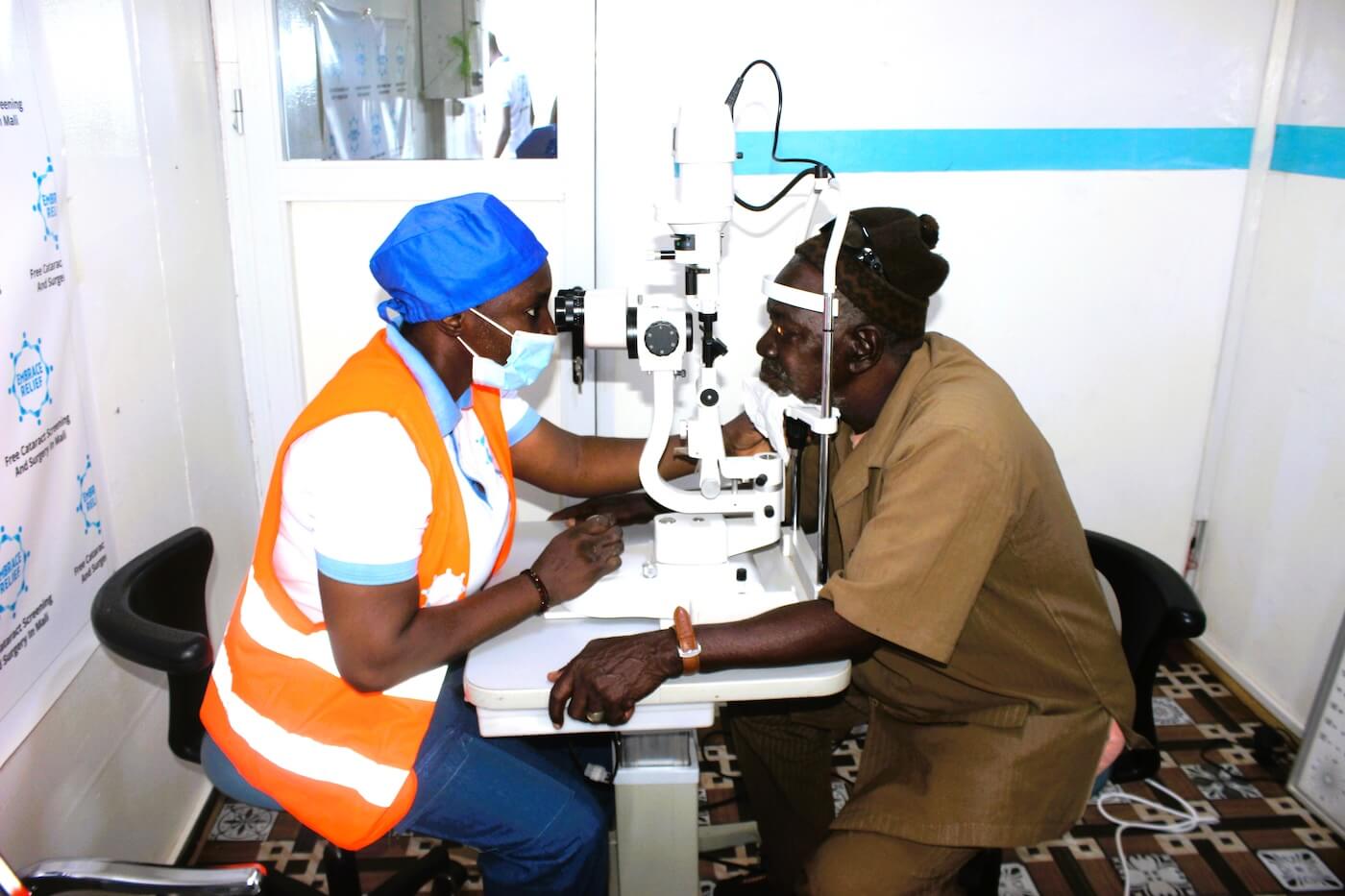
Slit-Lamp Examination
A specialized microscope helps identify cataracts and assess their severity.
Regular eye exams are especially important for older adults, as early cataracts may not cause noticeable symptoms.
Cataract Treatment Options
Updating Glasses or Contact Lenses
In the early stages, stronger eyeglasses, improved lighting, and magnifying lenses may temporarily improve vision.
However, these measures do not stop cataracts from progressing.
Cataract Surgery
When cataracts begin interfering with daily activities, surgery becomes the most effective treatment.
During cataract surgery:
- The cloudy lens is removed.
- An artificial intraocular lens (IOL) is implanted.
- Vision is restored through a quick outpatient procedure.
Cataract surgery is one of the most commonly performed and successful surgical procedures in the world.
Is Cataract Surgery Safe?
Yes. Modern cataract surgery is considered extremely safe and effective.
Benefits include:
- Improved visual clarity
- Better color perception
- Increased independence
- Enhanced quality of life
Most patients return to normal activities within a few days and experience significant improvement in vision.
The Impact of Cataracts in Mali
While cataracts are highly treatable, thousands of people in Mali continue to live with avoidable blindness due to limited access to eye care services and cataract surgery.
In many rural communities across Mali:
- Eye specialists are difficult to access
- Healthcare facilities may be located far from villages
- Many families cannot afford the cost of surgery
- Vision loss often goes untreated for years
For individuals living with cataracts, the consequences extend beyond eyesight. Losing vision can mean losing the ability to work, attend school, care for family members, or participate fully in community life.
As Mali continues to face healthcare challenges, access to affordable eye care remains essential for preventing avoidable blindness and improving quality of life.
Restoring Sight Changes Entire Families
The impact of cataract surgery goes far beyond the individual patient.
When a person regains their vision:
- Parents can return to supporting their families
- Grandparents regain independence
- Community members can participate in daily activities again
- Families often experience improved financial stability
A relatively simple surgical procedure can restore confidence, dignity, mobility, and opportunity.
For many patients, cataract surgery is truly life-changing.
How Embrace Relief Is Helping Restore Vision in Mali
Through its Cataract Surgery Program in Mali, Embrace Relief helps provide life-changing treatment for individuals suffering from cataract-related vision loss.
Many patients in underserved communities have lived for years with severe visual impairment simply because they cannot afford surgery or access specialized eye care services.
With the support of generous donors, Embrace Relief helps connect vulnerable individuals with cataract treatment, restoring sight and helping them regain independence.
Every successful surgery represents more than improved vision—it represents renewed opportunity, restored dignity, and a brighter future for patients and their families.
Give the Gift of Sight
Blindness caused by cataracts is often preventable and treatable, yet thousands of people continue to suffer unnecessarily.
By supporting Embrace Relief’s Cataract Surgery Program in Mali, you can help provide access to life-changing treatment for individuals who might otherwise remain blind.
A restored vision means:
- Greater independence
- Improved quality of life
- Increased economic opportunity
- Hope for the future
Together, we can help ensure that more people in Mali have the opportunity to see clearly and live fully.
How You Can Help: The Gift of Sight
A simple cataract surgery, which costs only $120, can transform a life. With your support, our Embrace Relief’s health clinics can provide these surgeries to those in need, giving them the gift of sight and the opportunity for a better future. Here’s how your donation can make a difference:
- $120 Donation: Funds one complete cataract surgery, restoring sight to an individual in need.
- $240 Donation: Supports two surgeries, doubling the impact.
- $600 Donation: Helps five people regain their vision, enhancing their quality of life and ability to contribute to their communities.
Your donation can make a significant difference in the lives of those suffering from cataracts in Mali and Burkina Faso. For just $120, you can fund a cataract surgery and give someone the precious gift of sight.
Help us light up lives and drive away the darkness caused by cataracts. Donate now and be a part of this life-changing mission.