


Summary
- Most blindness caused by cataracts is completely reversible
- Millions are blind simply because they can’t afford a simple 20-minute surgery
- Embrace Relief is changing lives in Mali by restoring sight, dignity, and hope for just $120
Blindness is often thought of as a lifelong condition with no possibility of recovery, but that’s not always the case. In many situations, vision loss can be temporary, treatable, or even fully reversible, depending on its cause. The human eye is a delicate, complex organ, and a wide range of conditions can affect how it functions. From infections to injuries, and from nerve damage to cataracts, understanding the root cause of blindness is the first step toward finding hope for restoration.
Many people experience temporary vision loss due to conditions that are either easily treated or resolve on their own. Here are a few examples:
- Eye Infections: Conjunctivitis (pink eye) or corneal infections can cause blurred vision or temporary blindness. With antibiotic or antiviral treatment, vision typically returns to normal.
- Migraines with Aura: Some migraines can temporarily affect vision, causing blind spots or complete vision loss in one eye. These symptoms usually fade within an hour.
- Corneal Abrasions: A scratched cornea may make it difficult to see, but with proper care, the eye can heal within a few days.
- Detached Retina (if caught early): Sudden flashes or floaters may signal a retinal detachment. If treated promptly with surgery, vision can often be preserved or restored.
- Inflammation or Optic Neuritis: Inflammatory conditions like optic neuritis can lead to sudden vision loss. Steroid treatments and early diagnosis can result in partial or full recovery.
Eye Conditions That May Lead to Permanent Blindness (But Are Manageable)
While some conditions are more serious and can lead to permanent blindness if not addressed, early detection and intervention can slow or stop progression:
- Glaucoma: Known as the “silent thief of sight,” glaucoma causes damage to the optic nerve. It typically develops slowly and without early symptoms. While the vision lost to glaucoma cannot be restored, medications and surgeries can prevent further damage.
- Diabetic Retinopathy: People with uncontrolled diabetes can develop bleeding or swelling in the retina. Regular eye exams and proper blood sugar management can prevent vision loss.
- Macular Degeneration: This age-related condition affects central vision. While there is no cure, treatments like injections or laser therapy can help preserve sight for as long as possible.
Among all causes of vision loss, cataracts stand out as one of the most common, and most treatable.
A cataract occurs when the eye’s natural lens becomes cloudy, making it harder to see. Over time, this clouding gets worse, leading to blurry vision, sensitivity to light, faded colors, and eventually, blindness. Cataracts often affect older adults but can occur at any age due to injury, disease, or genetics.
The good news? Cataracts are not permanent, and they can be completely reversed with a short, safe surgery. In just 15 minutes, a surgeon can remove the cloudy lens and replace it with a clear artificial one. The results are often immediate and life-changing.
In fact, cataract surgery is one of the most successful medical procedures performed today, with a success rate of over 95%. Yet in many low-income regions, millions of people live with cataract-induced blindness simply because they cannot access or afford treatment.
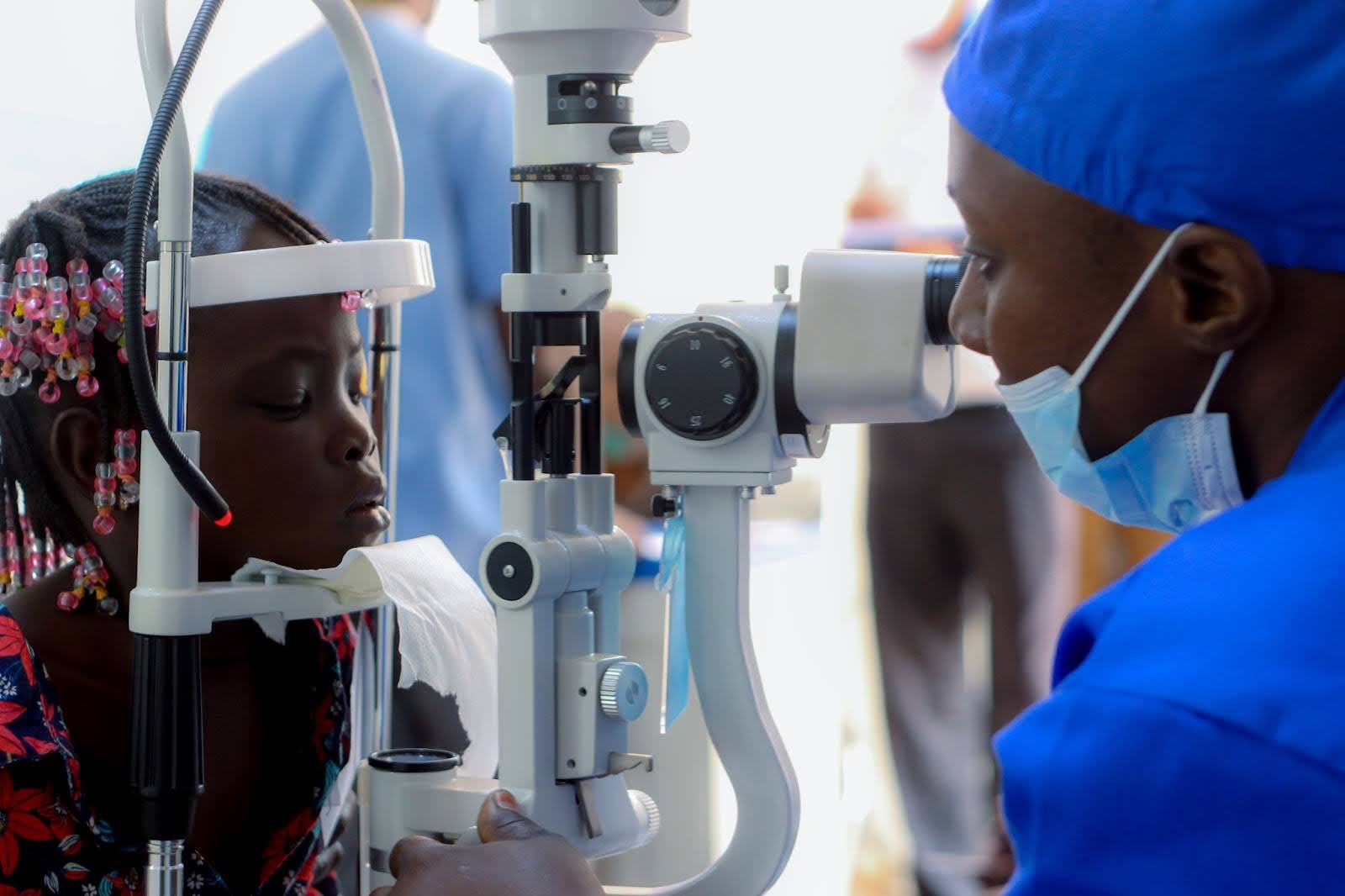
Bringing Light Back: Embrace Relief in Mali
In Mali, thousands live in unnecessary darkness. But thanks to Embrace Relief, that darkness is being replaced with light, freedom, and joy.
Through our Cure Cataracts program, we’re delivering free, life-changing cataract surgeries in rural communities like Sikasso, places where hope is in short supply but the need is urgent.
Here’s the incredible part:
A single cataract surgery takes less than 20 minutes and costs just $120. That same amount also covers 15 medical screenings to help identify others in urgent need of care.
What do we see after surgery? Smiles. Tears. Relief. A mother sees her child’s face again. A grandfather walks without fear. A young adult returns to work and builds a future.
This is what real change looks like.
Embrace Relief partners with trusted local medical teams, creating sustainable systems that serve communities long after the last patient leaves the clinic. Every dollar goes where it matters most, directly to restoring sight and dignity.
While some spend thousands on cosmetic eye care, people in Mali are regaining their vision and their lives for just $120.
You can give someone their sight back and change a life forever
Because blindness doesn’t have to be permanent.
For more information on Embrace Relief’s Cataracts Surgeries , click here!How You Can Help: The Gift of Sight
A simple cataract surgery, which costs only $120, can transform a life. With your support, our Embrace Relief’s health clinics can provide these surgeries to those in need, giving them the gift of sight and the opportunity for a better future. Here’s how your donation can make a difference:
- $120 Donation: Funds one complete cataract surgery, restoring sight to an individual in need.
- $240 Donation: Supports two surgeries, doubling the impact.
- $600 Donation: Helps five people regain their vision, enhancing their quality of life and ability to contribute to their communities.
Your donation can make a significant difference in the lives of those suffering from cataracts in Mali and Burkina Faso. For just $120, you can fund a cataract surgery and give someone the precious gift of sight.
Help us light up lives and drive away the darkness caused by cataracts. Donate now and be a part of this life-changing mission.