


Recent

The Meaning of Ramadan: A Month of Faith and Self-Control

Every year, as the new moon is sighted, millions of Muslims across the world enter a month unlike any other. Daily routines change, priorities shift, and the focus turns inward. This sacred time is known as Ramadan a month centered on faith, self-control, and spiritual growth.

While many people associate Ramadan mainly with fasting, the reality is far deeper. Ramadan is not just about refraining from food and drink. It is about discipline over desires, patience in difficulty, compassion for others, and reconnecting with what truly matters.

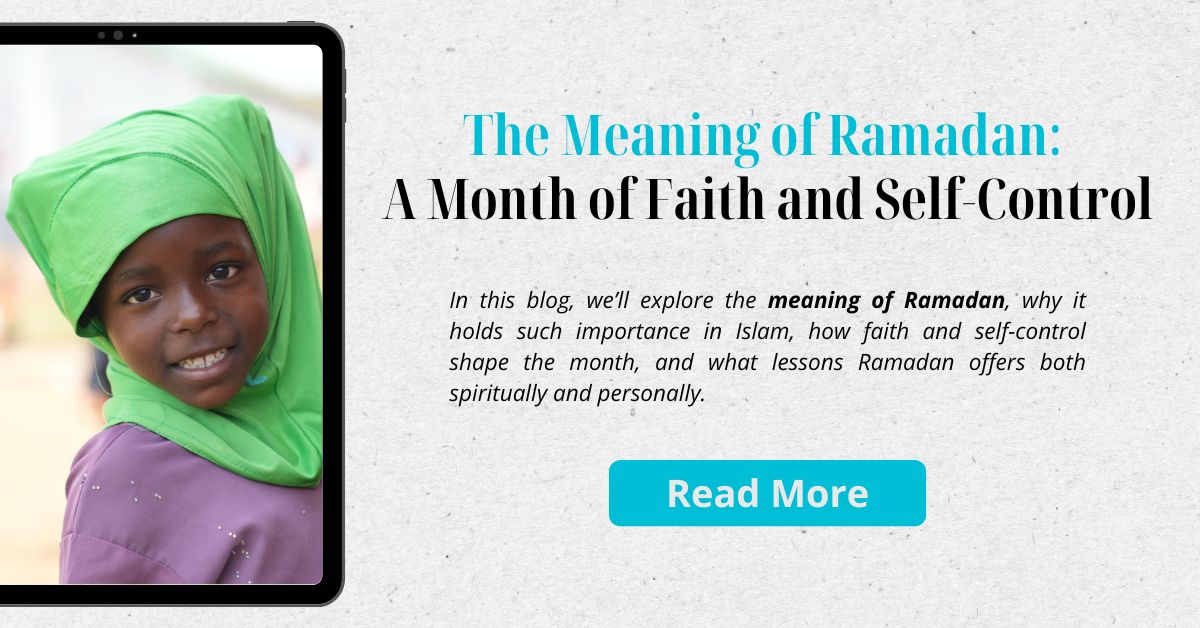
In this blog, we’ll explore the meaning of Ramadan, why it holds such importance in Islam, how faith and self-control shape the month, and what lessons Ramadan offers both spiritually and personally.

What Is Ramadan?

To understand the meaning of Ramadan, it’s important to begin with the basics.

Ramadan is the ninth month of the Islamic lunar calendar and is considered the holiest month in Islam. It was during this month that the first verses of the Quran were revealed, giving Ramadan a deep spiritual significance.

Throughout this month, Muslims observe fasting from dawn to sunset, a practice known as Sawm. However, fasting during Ramadan goes beyond physical restraint. It is also about controlling one’s thoughts, words, and actions.

Ramadan lasts either 29 or 30 days, depending on the sighting of the moon. During this time, Muslims around the world unite in worship, reflection, charity, and self-discipline making Ramadan one of the most meaningful periods of the Islamic year.

The Deeper Meaning of Ramadan

At its core, Ramadan is about strengthening one’s relationship with faith. It is a reminder to slow down in an otherwise fast-paced world and turn attention toward spiritual purpose.

The meaning of Ramadan lies in transformation. It is a month designed to help believers reset their priorities, refine their character, and rebuild their connection with God. Through fasting, prayer, charity, and reflection, Muslims work toward becoming more mindful, patient, and grateful individuals.

Ramadan teaches that true freedom comes from self-control. By willingly giving up everyday comforts, people learn that they are not owned by their desires. Instead, they gain mastery over them.

Why Self-Control Is Central to Ramadan

Self-control is one of the most powerful themes of Ramadan and one of its greatest lessons.

From sunrise to sunset, Muslims practice restraint by avoiding food, drink, smoking, and other physical urges. But equally important is controlling emotions, anger, harmful speech, and negative habits.

In everyday life, people often act on impulse eating when hungry, speaking out of frustration, or indulging in excess. Ramadan interrupts this pattern. It asks individuals to pause, reflect, and respond with intention rather than instinct.

This discipline builds patience and resilience. Over time, it becomes clear that self-control is not a loss, it is a source of inner strength and clarity.

Faith at the Heart of Ramadan

Ramadan is a month of deep faith and worship. Alongside fasting, Muslims increase their spiritual practices, including prayer, recitation of the Quran, and remembrance.

Daily prayers take on a greater sense of purpose, and many people attend additional night prayers known as Taraweeh. These gatherings strengthen communal bonds while nurturing individual spirituality.

Faith during Ramadan is not limited to ritual alone. It is reflected in how people treat others—with kindness, forgiveness, and generosity. The month encourages believers to cleanse not only their bodies, but also their hearts.

Preparing the Mind and Soul for Ramadan

Preparing for Ramadan is an important process that begins before the first fast.

Spiritually, many people reflect on their intentions. They ask themselves what they hope to gain from the month greater patience, stronger faith, or better habits. Setting spiritual goals helps transform Ramadan from a routine into a meaningful journey.

Preparation also involves adjusting daily habits. Sleep schedules change, meal times shift, and priorities are reordered. These adjustments allow individuals to fully experience the rhythm of Ramadan without unnecessary stress.

Preparing for Ramadan is not about perfection; it is about readiness. Entering the month with awareness and purpose makes the experience far more rewarding.

The Benefits of Fasting During Ramadan

Fasting during Ramadan offers benefits that extend far beyond the physical act of abstaining from food.

Spiritual Benefits

Spiritually, fasting nurtures humility and gratitude. Hunger and thirst remind people of their dependence on basic blessings that are often taken for granted. This awareness deepens appreciation for food, health, and comfort.

Fasting also creates space for reflection. When distractions are reduced, the heart becomes more receptive to spiritual insight, prayer, and mindfulness.

Mental and Emotional Benefits

On a mental level, fasting helps develop focus and emotional discipline. Learning to manage hunger and fatigue builds resilience, patience, and self-awareness.

Many people report feeling calmer and more centered during Ramadan. By stepping away from excess consumption and constant stimulation, individuals often experience improved mental clarity and emotional balance.

Physical Benefits

When practiced responsibly, fasting can also support physical well-being. Giving the digestive system regular breaks can help regulate metabolism and encourage healthier eating habits.

While the primary purpose of fasting is spiritual, these physical benefits often reinforce the overall sense of renewal that Ramadan brings.

Ramadan as a Month of Compassion and Charity

Another essential meaning of Ramadan is compassion.

Experiencing hunger firsthand increases empathy for those who face it daily. This awareness naturally leads to generosity. During Ramadan, charity becomes a central practice as Muslims give to those in need through acts of kindness and financial support.

This charitable spirit reinforces the idea that faith is not only personal—it is social. Ramadan teaches responsibility toward others and encourages believers to uplift their communities.

By sharing meals, offering help, and giving generously, people transform faith into action.

Daily Life During Ramadan

Life during Ramadan follows a unique rhythm. The day begins before sunrise with a pre-dawn meal, followed by fasting until sunset. In the evening, families and communities come together to break the fast.

This shared schedule fosters unity. No matter where they live, Muslims around the world follow the same cycle—fasting during the day and reconnecting with loved ones at night.

Social bonds strengthen as communities gather for prayers and meals, creating a sense of belonging that defines the month.

Lessons Ramadan Teaches Beyond the Month

One of the most important aspects of Ramadan is what remains after it ends.

The self-discipline practiced during the month is meant to extend into everyday life. The patience learned, the habits built, and the awareness gained do not disappear when fasting stops.

Ramadan reminds individuals that growth is possible through consistency and intention. By carrying these lessons forward, people continue benefiting spiritually, mentally, and emotionally throughout the year.

Why Ramadan Still Matters Today

In a modern world driven by speed, consumption, and constant noise, Ramadan offers something rare: stillness and purpose.

It teaches restraint in an age of excess and mindfulness in an age of distraction. The values Ramadan promotes—faith, self-control, compassion, and gratitude—are not limited to religion. They are universal qualities that enrich personal and social life.

This is why the meaning of Ramadan continues to resonate across cultures and generations.

The meaning of Ramadan goes far beyond fasting. It is a month of faith strengthened through discipline, of self-control refined through sacrifice, and of compassion expanded through empathy and giving.

Ramadan invites believers to pause, reflect, and reconnect—with God, with others, and with themselves. It is a reminder that true growth comes not from indulgence, but from intention.

Whether observed through fasting or understood through reflection, Ramadan stands as a powerful symbol of inner renewal—a month that reshapes hearts, habits, and lives.
What Is the Leading Cause of Blindness in Africa?

Summary

  • Cataracts are the leading cause of blindness in Africa, affecting millions due to limited access to eye care.
  • Main causes include UV exposure, aging, infections, malnutrition, and medical conditions like diabetes.
  • Cataract blindness is preventable and treatable, and a simple surgery can restore sight in minutes.
  • Embrace Relief’s Cataract Program in Mali provides free surgeries, giving people hope, independence, and a chance to see again.

Blindness is one of the most challenging health issues across Africa, affecting millions of people every year. While there are many reasons why vision loss happens, cataracts remain one of the leading causes of blindness on the continent.
The tragedy is that cataract blindness is preventable and, in most cases, treatable with a simple surgery.

Across many African regions, cataracts are the top cause of blindness.
Limited access to eye care, shortages of medical professionals, and the high cost of treatment all contribute to this growing problem.

Cataracts develop slowly, and many people do not notice the early signs. Over time, the eye’s natural lens becomes cloudy, making it harder to see. If untreated, cataracts can cause complete blindness.

What Causes Cataracts in Africa?

Cataracts can affect anyone, but certain factors make them more common in Africa. Here are some of the most important causes:

1. Intense Sun Exposure (UV Radiation)

Africa’s strong sunlight and long hours outdoors increase exposure to UV rays.
UV radiation speeds up the clouding of the eye’s lens. Without sunglasses or eye protection, the risk of cataracts rises significantly.

2. Aging

As people get older, the proteins inside the eye begin to break down naturally.
In many African communities, people live with cataracts for years because there is no access to affordable eye care.

3. Infections and Untreated Eye Diseases

In some regions, untreated eye infections or inflammation can accelerate cataract development.
Conditions like uveitis or previous eye injuries may also lead to early cataracts.

4. Malnutrition

Lack of vitamins such as Vitamin A, antioxidants, and nutrients can affect eye health and increase cataract risk.

5. Genetic Factors and Medical Conditions

Some people are born with a higher risk.
Health conditions like diabetes can also speed up cataract formation.

How Cataracts Can Be Prevented

While cataracts can develop naturally with age, many causes are preventable. Communities can protect their vision by following simple practices:

1. Protecting Eyes from UV Rays

Wearing sunglasses or hats reduces exposure to UV radiation and helps protect eye health.

2. Eating Nutritious Foods

Foods rich in Vitamin A, leafy greens, fruits, and antioxidants help keep the eyes healthy.

3. Preventing and Treating Eye Infections

Clean water, proper hygiene, and early treatment of eye infections protect long-term vision.

4. Regular Eye Check-Ups

Early detection can prevent blindness. A simple exam can identify cataracts before they become severe.

How Cataract Surgery Brings Back Sight

The good news is that cataract blindness is reversible.
A quick, safe, and affordable surgery can restore clear vision, often within 15 minutes.
For many families, this means returning to work, education, and daily life with independence.

Embrace Relief’s Cataract Program in Africa

In Mali, thousands of people are living with severe vision loss due to untreated cataracts. Many cannot work, support their families, or live independently. Access to eye care is extremely limited, especially in rural areas.

Embrace Relief’s Cataract Program is transforming lives by providing:

  • Free cataract screenings
  • Free cataract surgeries
  • Post-surgery medications
  • Follow-up care
  • Community outreach and education

For people in Mali, this program is more than medical care—it is a second chance at life.
Children can see their parents clearly. Elders can walk safely again. Adults can return to work and rebuild their futures.

Every surgery restores not just sight, but hope.

Blindness caused by cataracts is unnecessary and preventable.
Your support can give someone the gift of sight, independence, and dignity.

A single donation can fund a life-changing cataract surgery.

Join the mission. Support cataract surgeries. Restore vision. Change a life.
Even a small contribution can bring light to someone living in darkness.

When Is Ramadan 2026? Dates, Moon Sighting & Guide

Each year, as Ramadan approaches, one question begins to trend across search engines, family conversations, workplaces, and community calendars: When is Ramadan?

If you’re already planning ahead, you may be asking specifically: When is Ramadan 2026?

The answer isn’t just about the date, it’s about understanding how the Islamic calendar works, why Ramadan shifts every year, and how you can prepare spiritually, mentally, and practically for this sacred month.

In this blog, we’ll explain when Ramadan 2026 is expected to begin, why the date changes annually, how moon sightings determine the start, and how you can prepare for Ramadan well in advance.

When Is Ramadan 2026 Expected to Begin?

Ramadan follows the Islamic (Hijri) lunar calendar, which is based on the cycle of the moon rather than the sun. Because of this, Ramadan begins approximately 10–11 days earlier each year according to the Gregorian calendar.

Expected Dates for Ramadan 2026

Based on astronomical calculations:

  • Ramadan 2026 is expected to begin on the evening of Tuesday, 17 February 2026
  • The first fast is expected to be on Wednesday, 18 February 2026
  • Ramadan 2026 is expected to end on the evening of Thursday, 19 March 2026

Important note:
These dates are estimated. The official start of Ramadan depends on the sighting of the new crescent moon, which may vary slightly by country or religious authority.

Why Does the Ramadan Date Change Every Year?

One of the most commonly asked questions is why Ramadan doesn’t fall on the same date each year.

The reason lies in the Islamic lunar calendar.

  • The lunar year is about 354 days long
  • The Gregorian (solar) year is 365 days long
  • This difference causes Ramadan to move earlier by about 10–11 days every year

Over time, Ramadan cycles through all seasons winter, spring, summer, and autumn allowing people in different climates to experience fasting under varying daylight conditions.

This shift also means Ramadan sometimes falls during shorter winter days and sometimes during longer summer days, offering unique challenges and blessings each year.

How Is the Start of Ramadan Determined?

Although astronomical predictions give us an estimate, the official beginning of Ramadan is confirmed through moon sighting.

The Crescent Moon (Hilal)

Ramadan begins when the thin crescent moon—known as the hilal—is sighted after sunset. This practice follows the teachings of Islamic tradition and has been observed for centuries.

Different countries may:

  • Conduct local moon sightings
  • Follow centralized moon sighting authorities
  • Rely on astronomical calculations

As a result, some regions may start Ramadan a day earlier or later than others.

What Happens on the First Day of Ramadan?

Once Ramadan begins, daily routines change across the Muslim world.

  • The day starts with Suhoor, a pre-dawn meal
  • Fasting (Sawm) begins at dawn and ends at sunset
  • The fast is broken with Iftar, often starting with dates and water
  • Many attend nightly prayers (Taraweeh)
  • Acts of charity, reflection, and worship increase significantly

The first few days of Ramadan are often about adjustment—physically, mentally, and spiritually—as people settle into a new rhythm.

How Long Will Ramadan 2026 Last?

Ramadan lasts 29 or 30 days, depending on the lunar cycle.

This means Ramadan 2026 is expected to conclude with Eid al-Fitr, the joyous festival that marks the end of fasting, around 20 March 2026 (subject to moon sighting).

Eid al-Fitr is a day of:

  • Gratitude and prayer
  • Family gatherings
  • Charity (Zakat al-Fitr)
  • Celebration and community

Why Preparing Early for Ramadan 2026 Matters

Knowing when Ramadan 2026 begins allows individuals, families, workplaces, and communities to plan ahead.

Preparing early makes the month more meaningful and less stressful.

Spiritual Preparation

Many people begin preparing weeks in advance by:

  • Reflecting on personal goals for the month
  • Gradually increasing prayer and mindfulness
  • Reducing unhealthy habits
  • Learning or refreshing knowledge about Ramadan

Spiritual readiness ensures Ramadan becomes a time of growth rather than routine.

Physical and Lifestyle Preparation

Because fasting affects daily schedules, early preparation helps the body adapt smoothly.
This may include:

  • Adjusting sleep schedules
  • Eating more balanced meals
  • Reducing caffeine intake
  • Building healthier routines

Preparing physically helps individuals observe Ramadan with greater ease and energy.

Ramadan in the Modern World

In today’s fast-paced world, observing Ramadan while balancing work, school, and responsibilities can feel challenging.

Yet Ramadan remains deeply relevant.
It offers:

  • A pause from constant consumption
  • Structure in a busy lifestyle
  • Mindfulness in a distracted world
  • Community in an individualistic age

For many, Ramadan becomes a reset—a chance to realign priorities, strengthen discipline, and reconnect with faith and purpose.

Common Questions About Ramadan Dates

Can Ramadan 2026 start on different days in different countries?

Yes. Because of moon sighting differences, some countries may begin Ramadan a day earlier or later.

How can I stay updated on the confirmed Ramadan 2026 date?

You can follow:

  • Local mosque announcements
  • National moon sighting committees
  • Trusted Islamic organizations

Why don’t we rely only on astronomical calculations?

While calculations are helpful for prediction, traditional practice emphasizes the physical sighting of the moon.

Ramadan as a Month of Reflection and Discipline

Beyond the calendar, the meaning of Ramadan lies in what it represents.
Ramadan is about:

  • Self-control over physical and emotional desires
  • Faith strengthened through discipline
  • Gratitude developed through sacrifice
  • Compassion expanded through empathy

Fasting teaches that restraint leads to clarity, and simplicity leads to contentment.

Each year, Ramadan reminds people that personal growth is possible when intention and consistency come together.

Why Knowing “When Is Ramadan 2026?” Is More Than a Date

When people ask, “When is Ramadan 2026?” they aren’t just looking for a date.
They’re planning:

  • Time for reflection
  • Time with family
  • Time for charity
  • Time for spiritual renewal

Understanding the timing helps individuals create space for what truly matters.

Planning Ahead for a Meaningful Ramadan 2026

Ramadan 2026 is expected to begin in mid-February, bringing with it a sacred opportunity for faith, discipline, and renewal.

By understanding when Ramadan 2026 is likely to start, why the date shifts each year, and how the month unfolds, you can prepare with intention — physically, mentally, and spiritually.

Whether you are observing Ramadan or simply learning about it, the month stands as a powerful reminder of mindfulness, compassion, and self-control in a world that rarely slows down.

Ramadan is not just a month on the calendar; it is a journey — one that begins with awareness and grows through intention.

Ramadan Explained Simply: Why Muslims Fast

As the crescent moon appears and the month of Ramadan begins, over a billion Muslims around the world embrace a month of fasting, reflection, and renewal. But what exactly is Ramadan? Why do millions fast from dawn to sunset every year? And what deeper meaning lies behind the practice beyond abstaining from food and drink?

In this post, we’ll walk you through what Ramadan is, how people prepare for Ramadan, and the many benefits of fasting — spiritual, mental, and physical. Whether you’re curious or preparing to observe for the first time, this simple guide will shed light on the purpose and power of Ramadan.

What is Ramadan?

Ramadan is the ninth month of the Islamic lunar calendar — a sacred month deeply rooted in faith, tradition, and community.

During Ramadan, Muslims observe a fast known as Sawm — one of the central pillars of Islamic faith.

From dawn (just before the first morning light) until sunset, fasting Muslims abstain from:

  • Eating or drinking (even water)
  • Smoking, intimate relations, and any sinful behaviour or speech
  • Excessive indulgence or negative habits

The fast is broken each evening with a meal known as Iftar, while the pre-dawn meal before the fast begins is called Suhoor.

For about 29 to 30 days — depending on the lunar cycle — Muslims worldwide join in this observance, making Ramadan a shared experience of devotion, self-discipline, and community.

Why Do Muslims Fast During Ramadan?

Spiritual Purpose and Divine Command

Fasting during Ramadan is not just cultural — it is a sacred commandment. The obligation originates from the Quran, which instructs believers to fast as a means to attain righteousness and self-restraint.

Ramadan is viewed as a time for spiritual purification, reflection, and drawing closer to Allah.

During this month, worship intensifies: people increase their prayers, recitation of the holy book, acts of charity, and goodwill toward others — forging a deeper connection with their faith and community.

Cultivating Empathy, Gratitude & Compassion

When you abstain from food and drink for hours, you begin to sense what hunger and thirst feel like. This experience fosters empathy for those less fortunate and builds a sense of gratitude for everyday blessings — like food, family, shelter, and health.

Fasting also encourages believers to step away from worldly distractions, cleanse the heart of bad habits, and focus on inner growth.

This shared compassion and humility is part of what makes Ramadan more than a personal practice — a collective journey of faith, charity, and human connection across communities.

Preparing for Ramadan: A Time of Intention and Readiness

Just as one prepares for an important journey, Muslims prepare for Ramadan with intention and mindfulness.

Setting Intentions and Spiritual Readiness

Before Ramadan begins, many believers mentally prepare by reflecting on the goals they wish to achieve — spiritually, mentally, and socially. They renew their intention to observe the fast sincerely, to avoid sinful behaviour, and to embrace compassion, generosity, and self-improvement.

Some read the stories of previous Ramadans, study the teachings of fasting (Sawm), and reflect on the significance of the month — including the night when the first revelations of the Quran were sent down (the Night of Power / Laylat al-Qadr).

Physical and Practical Preparation

Ramadan involves changing daily rhythms — waking early for Suhoor, pacing meals, balancing sleep, prayers, and daily routines. Many people adjust their meals to ensure they provide enough nutrition and hydration to sustain the day.

Given the long hours of abstinence, it becomes important to plan balanced meals and healthy hydration during non-fasting hours. Eating nutrient-dense food after sunset and having a wholesome pre-dawn meal helps the body adapt and remain healthy throughout the month.

Physical readiness and healthy habits ensure that fasting becomes a sustainable, holistic experience — aligning body, mind, and spirit.

Benefits of Fasting During Ramadan — More Than Just Faith

While the central essence of Ramadan is devotion and spiritual growth, fasting offers many additional benefits: physical, mental, and social.

Physical Health Benefits

Scientific research has found that fasting — when done responsibly with balanced meals — can support improved metabolism, weight management, and better regulation of blood sugar and cholesterol levels.

Giving the digestive system a rest during daylight hours can allow the body to reset, detoxify, and support healthy organ function.

For many, Ramadan fasting becomes a natural form of intermittent fasting — helping maintain healthy body weight and even lowering risk factors for chronic diseases when paired with a balanced, mindful diet.

Mental & Emotional Well-being

Beyond the physical — fasting can bring mental clarity, resilience, and emotional calm. With the structure of Suhoor, Iftar, prayers, and reflection, many people report feeling more focused, centered, and aware of their thoughts and actions.

Fasting can also provide a psychological “reset.” By reducing indulgence and distractions, individuals often rediscover gratitude, patience, compassion, and mindfulness — which stay with them long after Ramadan ends.

Community, Charity & Social Bonds

Ramadan is also a time for generosity and social solidarity. Fasting fosters empathy for the less fortunate — encouraging acts of kindness, charity, and sharing.

Iftar meals often bring families, friends, and neighbors together. Communities share, feed the needy, and strengthen social bonds — making Ramadan not just a personal spiritual journey, but a collective celebration of humanity and compassion.

This social aspect reinforces values of unity, empathy, and care, reminding believers that faith is as much about heart as it is about ritual.

Common Questions About Ramadan & Fasting

Is fasting mandatory for all Muslims?

Fasting during Ramadan is obligatory for all healthy, adult Muslims who have reached puberty, and are of sound mind and good health. However, certain groups are exempt or allowed to postpone fasting: the ill, elderly, pregnant or breastfeeding women, travellers — with the option to make up missed days later.

Why does Ramadan begin on different dates each year?

Because Ramadan follows the lunar calendar, the start and end of Ramadan depend on the sighting of the new crescent moon. That means Ramadan shifts about 10–11 days earlier each year compared to the Gregorian calendar.

What happens after Ramadan ends?

When Ramadan concludes, Muslims celebrate Eid al-Fitr — a joyous festival of gratitude, community, prayer, feasting, and charity. It is a time to rejoice, reflect on the lessons learned, and carry forward the spirit of generosity and self-discipline.

How Ramadan Teaches Life Lessons: Discipline, Empathy & Gratitude

More than a ritual, Ramadan is a journey of self-transformation. By abstaining from food, drink, and indulgences, Muslims practice self-discipline — controlling desires, focusing on purpose, and staying mindful of their actions.

Fasting creates a sense of empathy and compassion — those who break their fast remember the hunger of others who face it daily. It strengthens social responsibility and kindness, encouraging charity and support for the less fortunate.

Ramadan also cultivates gratitude. When the sun sets and the fast breaks, each meal, each sip of water, each breath becomes a reminder of blessings often taken for granted. That gratitude deepens faith — and infuses life with meaning beyond material needs.

In essence, Ramadan teaches that spiritual and worldly well-being are not at odds: discipline enriches the soul, empathy binds communities, and gratitude transforms lives.

Why Ramadan Still Matters Today

In a fast-paced, materialistic world, Ramadan stands out as a time to pause, reflect, and reorient. It invites believers to slow down, reconnect with faith, reevaluate their priorities, and rebuild bonds — with God, self, and society.

With global challenges — inequality, hunger, stress, isolation — the lessons of Ramadan resonate beyond religion. The values of compassion, charity, discipline, community, and mindfulness remain timeless.

Even those who don’t fast can appreciate the spirit of Ramadan: the call to empathy, the reminder that privileges many enjoy come not by right but by grace. It’s a universal message: we are connected, we depend on each other, and kindness matters.

So what is Ramadan? It’s not just a month of abstaining from food. It’s a journey of heart and soul — a reset, a reflection, a recommitment to values. It’s an opportunity to grow closer to the divine, to become more mindful, compassionate, and grateful.

Whether you are observing Ramadan, learning about it, or simply respecting its spirit — there’s something universal in its message: that sacrifice, self-control, empathy, and kindness are powerful tools for personal growth and social change.

Ramadan invites us all to slow down, listen, reflect and emerge renewed.

No Child Forgotten: Spreading Joy to Orphans This Christmas and Beyond

Summary

  • Many orphaned children miss out on the joy and warmth of holiday celebrations.
  • Celebrations help children feel loved, valued, and emotionally supported.
  • Embrace Relief celebrates Christmas, Eid, and other festivals with orphans through gifts and shared meals.
  • You can join the celebration,donate, sponsor a gift, or share the joy this festive season.

For most children, the festive season is a time of joy, laughter, and family — unwrapping gifts, singing songs, and sharing warm meals. But for millions of orphaned and vulnerable children, these days can be a painful reminder of what they’ve lost.

Many spend Christmas, Eid, or New Year’s without family, gifts, or celebration. For them, the holidays often pass in silence, without the warmth that makes this season so special.

At Embrace Relief, we believe no child should feel forgotten. That’s why, every festive season, we bring joy, meals, and love to orphaned children across the world — helping them feel cherished, valued, and part of a family once again.

Why Celebrating With Orphaned Children Matters

Every child deserves to feel loved, valued, and included,especially during the festive season. Psychological studies show that celebrations play a crucial role in building emotional well-being, self-esteem, and a sense of belonging.

For orphaned children, even small acts of kindness,receiving a gift, sharing a meal, hearing music and laughter,can make a lasting difference. It tells them that they are not forgotten, that someone cares, and that they, too, have a place in the world.

These celebrations aren’t just about fun and food; they’re about healing hearts and creating hope.

Embrace Relief: Bringing Joy to Orphaned Children Around the World

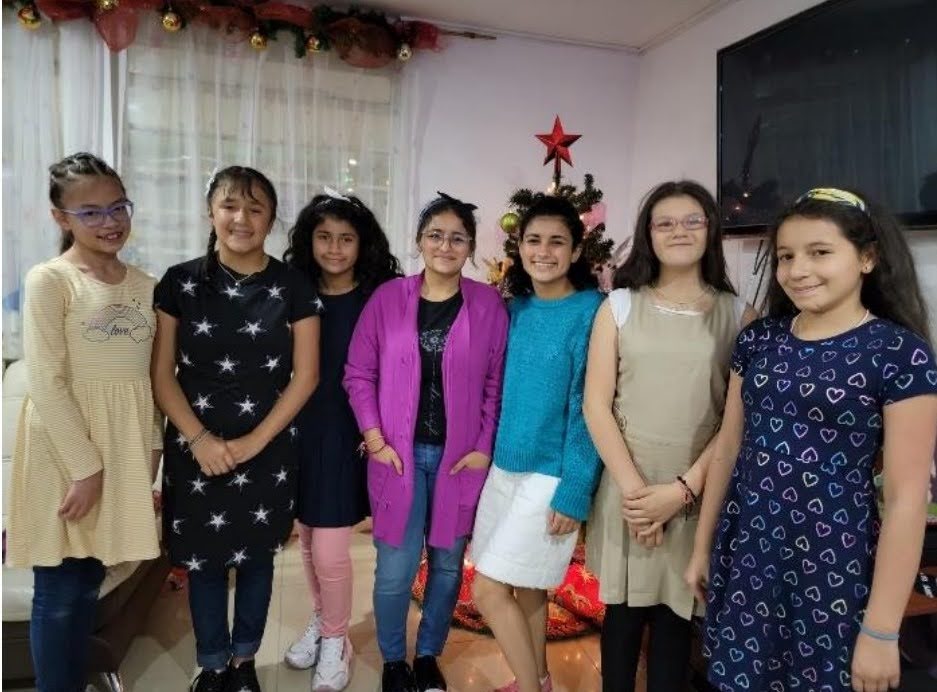
This festive season, Embrace Relief is turning compassion into action. Across our partner orphanages, we’re celebrating holidays like Christmas, Eid, and other cultural festivities with children who need it most.

We share special meals, decorate together, and bring gifts that light up young faces. Volunteers and supporters join the children for dinner, games, and music,creating memories that remind them they’re part of one big family.

From laughter around the dinner table to the sparkle of wrapping paper being opened, these moments remind us all of what truly matters: kindness, connection, and love.

How You Can Join the Celebration

This Christmas and beyond, let’s give orphaned children what every child deserves — love, laughter, and belonging.

Your support helps turn lonely days into lasting memories, and brings hope, warmth, and light to young hearts.

Sponsor a holiday gift for an orphaned child.
Help fund a festive dinner at one of our partner orphanages.
Share the joy, spread the word, volunteer, or donate.

Together, we can make sure no child feels forgotten this festive season.

Turkey Drive 2025: Embrace USA Delivers Food To 1,600 Families

Embrace Relief Announces Most Impactful Thanksgiving Turkey Drive to Date, Providing Holiday Meals to More Than 1,600 Families Nationwide

Fairfield, NJ (Nov. 26) — Embrace USA, the local- and community-based initiative of the Embrace Relief Foundation, is proud to announce the success of Turkey Drive 2025, a nationwide Thanksgiving food drive that brought warmth, nourishment, and community spirit to families in need across the United States.

Thanks to the extraordinary generosity of donors and the steadfast support of our partners, this year’s effort was Embrace Relief’s most impactful Thanksgiving campaign yet, delivering more than 950 turkeys and 670 Thanksgiving food packages to families in the weeks leading up to the holiday.

Across 17 events in nine states (New Jersey, New York, Virginia, Pennsylvania, Illinois, Texas, Georgia, North Carolina, and Rhode Island) Embrace USA staff and volunteers were joined by community groups, businesses, civic leaders, and elected officials to uplift more than 1,600 families during this season of gratitude.

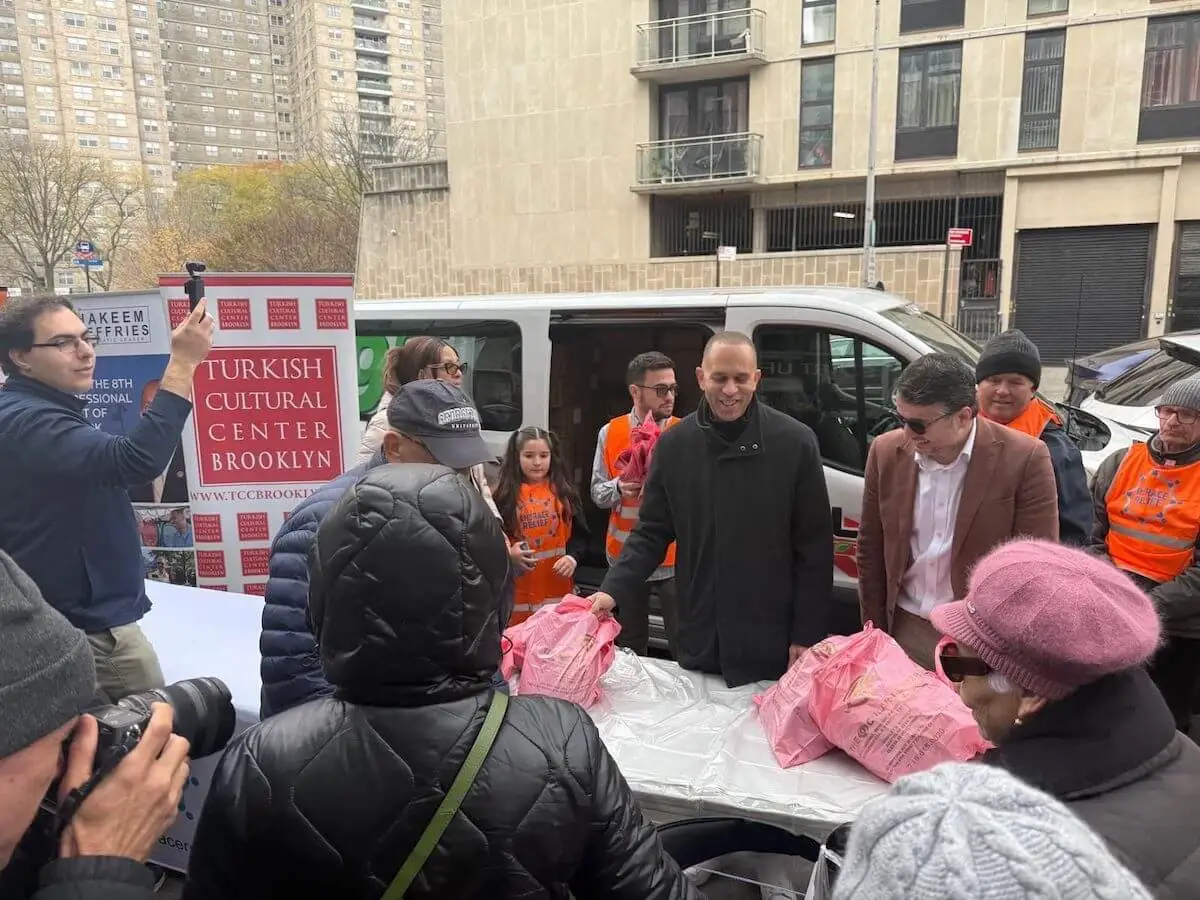
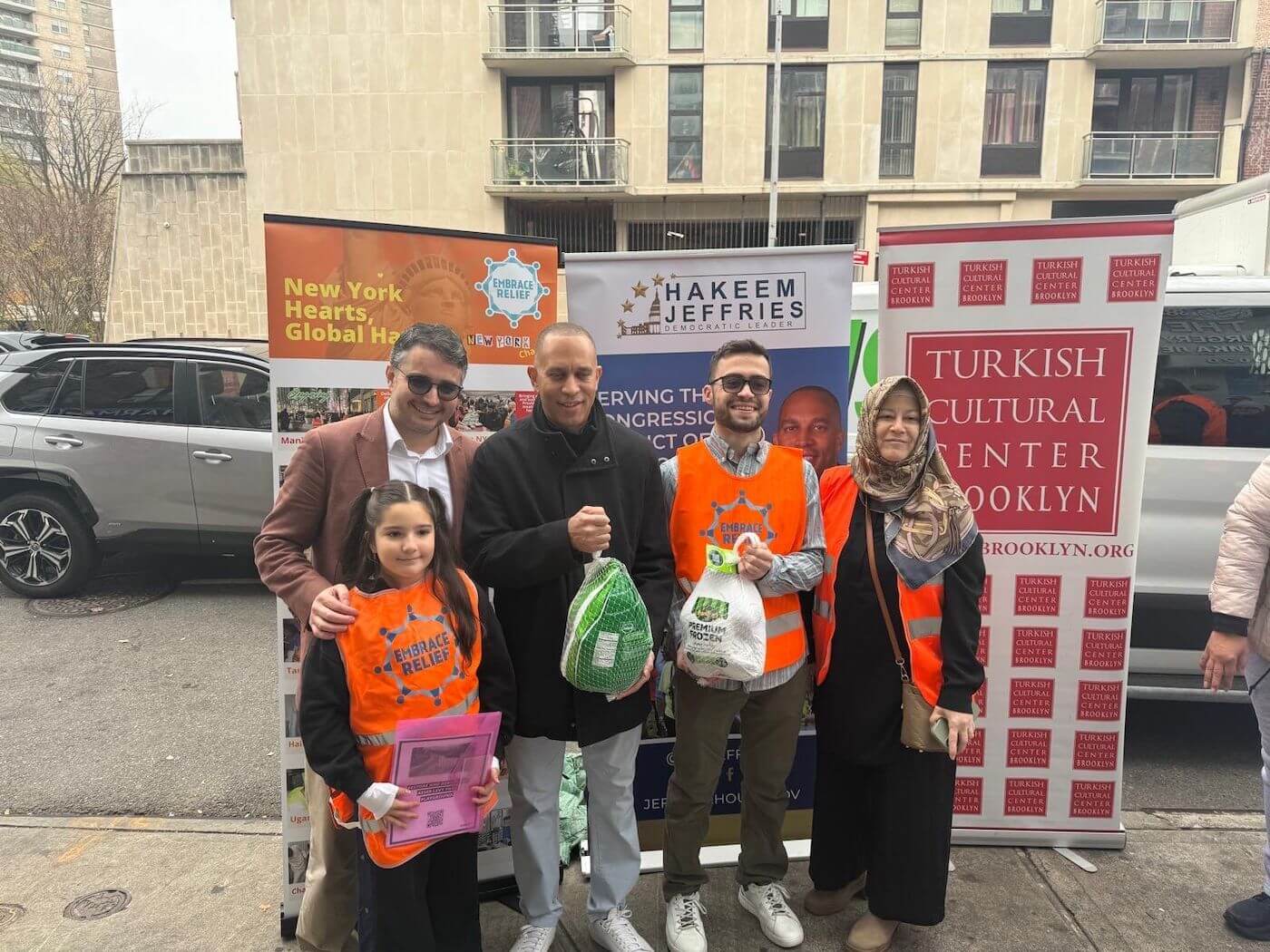
Among the highlights of Turkey Drive 2025 were collaborative events with two U.S. Congressmembers: one which distributed 130 turkeys alongside House Minority Leader Hakeem Jeffries (NY-8), and another which provided nearly 100 turkeys with the support of Rep. Nicole Malliotakis (NY-11). These events showcase Embrace USA’s commitment to partnering across communities and political lines to ensure that vulnerable communities receive the support they need.

In New Jersey, where Embrace Relief’s main office is located, Embrace USA was highly active, providing nearly 250 turkeys to families at four major events over in a four-day span, strengthening partnerships across the state:

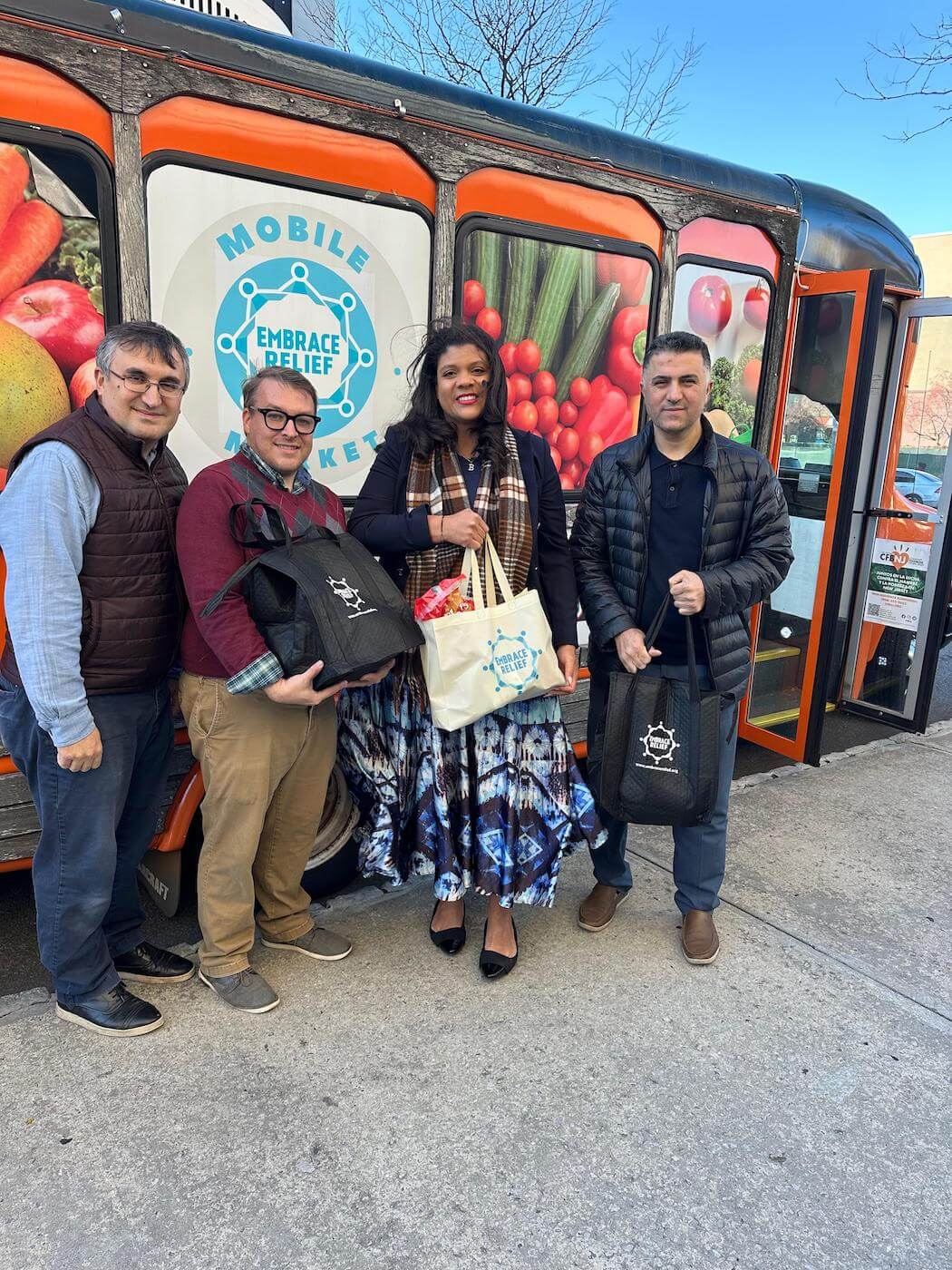
  • Clifton (Nov. 22) – As part of our monthly Mobile Farmers’ Market serving residents of Clifton, Embrace USA provided 65 turkeys in need In partnership with the Clifton Health Department and the American Red Cross of Northern NJ.
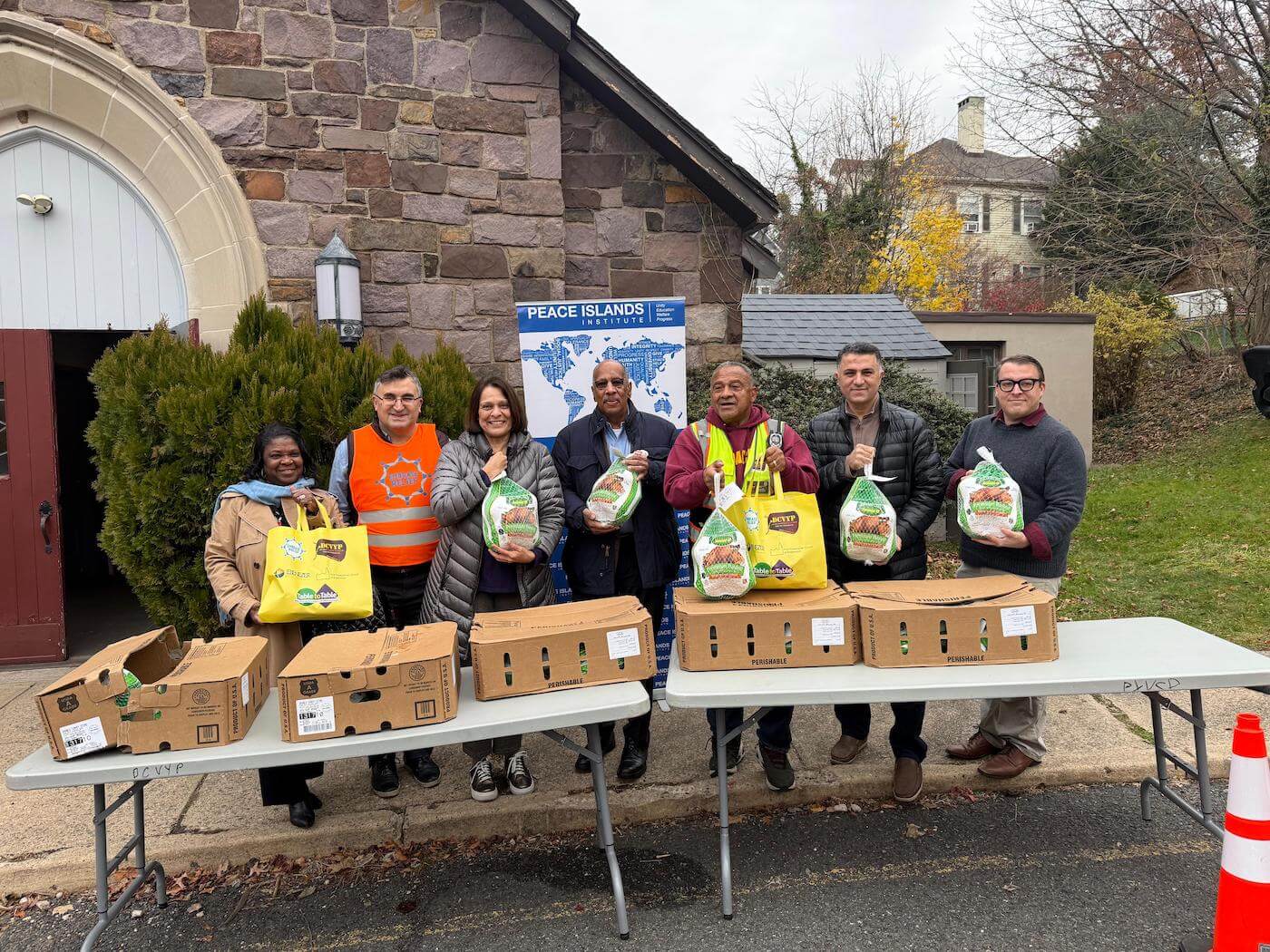
  • East Orange (Nov. 24) – In collaboration with State Senator Britnee Timberlake and Peace Islands Institute, Embrace USA provided 70 turkeys and thousands of pounds of nonperishable foods to the community at the Senator’s “Food For Hope” event.
  • Englewood, NJ (Nov. 25) – With the support of NJ State Assemblymembers Shama Haider and Gordon Johnson, the Disabled Combat Veterans Youth Program, Table to Table, and Peace Islands Institute, Embrace USA delivered 60 turkeys at DCVYP’s weekly food distribution.
  • Paterson, NJ (Nov. 25) – In partnership with Oasis: A Haven for Women and Children, Embrace USA provided 50 turkeys to serve families facing food insecurity.

Additional events across the country were made possible thanks to numerous community leaders, faith groups, cultural organizations, and volunteers who embraced the true meaning of Thanksgiving—coming together to give, to share, and to uplift neighbors facing hardship.

Embrace Relief and Embrace USA extend heartfelt gratitude to every donor, partner organization, volunteer, and supporter whose generosity made Turkey Drive 2025 an overwhelming success.

Our work is only possible through the compassion of those who stand with us. Together, we continue to strengthen communities through hunger relief, disaster relief, support for mothers and families, support for students, and assistance to military veterans.

To support Embrace USA’s expanding local and community initiatives, please consider making a donation today at www.embracerelief.org/embraceusa.

How Free Cataract Surgery Transforms Women’s Lives in Africa

Summary

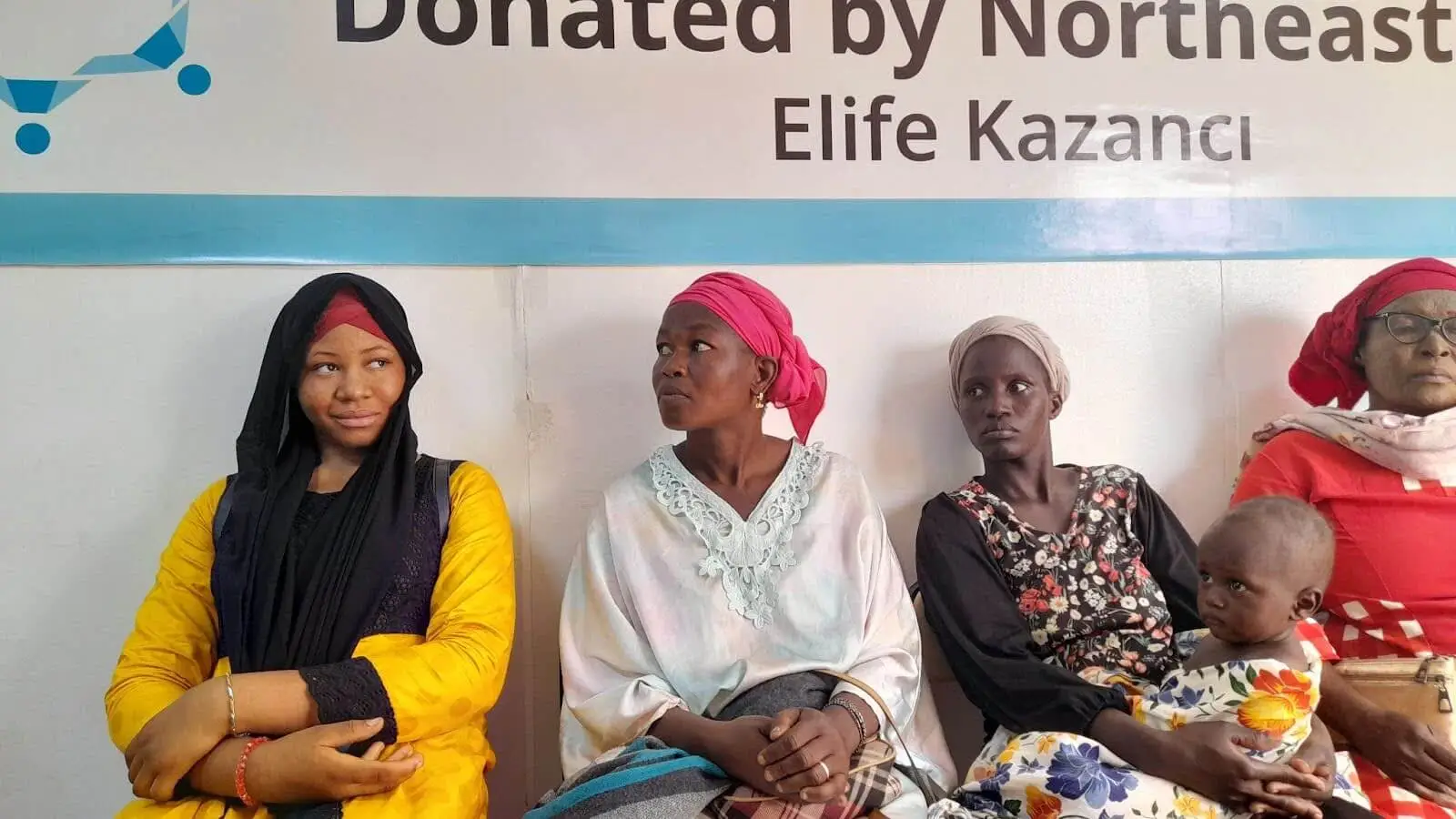
  • Free cataract surgeries are giving women in Mali a second chance at life.
  • Vision loss disproportionately affects women’s income and family wellbeing.
  • Embrace Relief’s campaign has restored sight to over 4,500 people, mostly women.
  • Restored vision empowers women like Massarna to work and care for their families again.

Across Africa, blindness is more than a health issue — it’s a social and economic crisis, especially for women. In rural Mali, women carry the dual burden of earning an income and caring for their families. When vision loss strikes, it shatters their independence and the stability of their households.

Through Embrace Relief’s Free Cataract Surgery Campaign, hope and sight are being restored to thousands of women like Massarna Diarra, transforming families and communities across Africa.

Since its launch, Embrace Relief’s Free Cataract Surgery Campaign, has restored sight to over 4,500 people in Mali, most of them women, empowering them to return to work, care for their children, and live with dignity again.

A 15-minute, free cataract surgery — costing just $120 per patient — is enough to change a life forever.

Massarna’s Story: A Mother Lost in Darkness

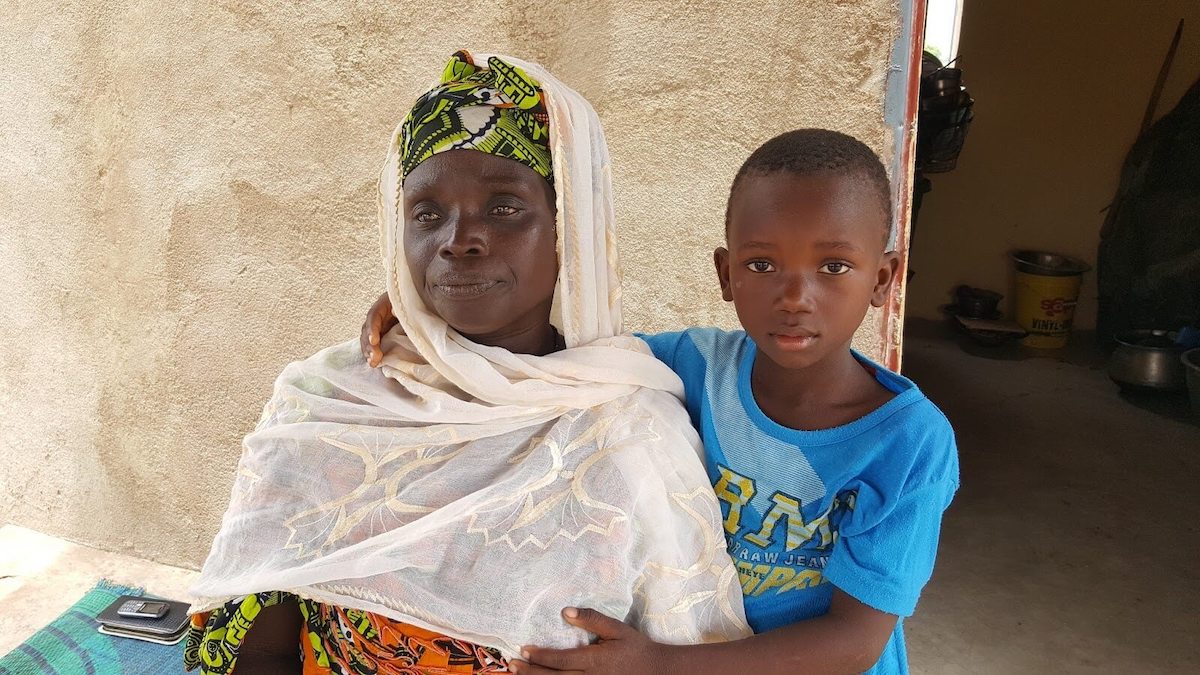
Massarna’s struggle began with what seemed like a simple itch in her eyes. Over time, her vision blurred until, as she described, “it was as if a fog stood between me and the people I looked at.” Despite her failing sight, she continued walking long distances to sell clothes along the roadside, determined to support her family.But blindness made her world dangerous. “I was hit by a car while going to sell,” she recalls. The accident left her with fractures in her legs and arm, injuries that healed poorly through traditional methods because she could not afford hospital care. Even after recovering, her vision worsened. She could no longer recognize faces ,not even her daughter’s.

“Sometimes I needed my seven-year-old daughter to help me, but I couldn’t even identify her among other children,” she said. “Now, after the surgery, I can see her clearly,even when she climbs somewhere high.”

For over a year, she held onto her hospital prescriptions, unable to pay the 80,000 FCFA (about $145 USD) per eye surgery cost. Like many women in Mali, her poverty and lack of access to medical care kept her trapped in silence and dependency.

A Ray of Hope: The Embrace Relief Cataract Campaign

Everything changed when Massarna heard a radio announcement about Embrace Relief’s Free Cataract Surgery Campaign in Sirakoro. Without hesitation, she made the journey.

“When the doctors confirmed that surgery was possible, I was afraid,” she admits. “But they were kind. I found courage and agreed. The next day, when the nurse removed the bandages, I saw the world again. Before, I saw nothing ,now I even count the stars.”

Through the program, Massarna received free cataract surgery on both eyes, including all medications and follow-up care — completely free of charge.

Her story captures the power of compassion — and the incredible impact of one simple act of giving.

Restoring Sight, Restoring Lives

Cataract blindness disproportionately affects women in Africa.For women like Massarna, losing sight often means losing income, independence, and safety. Many are small-scale traders or farmers whose work depends on mobility and vision. When blindness strikes, families lose their main source of support, and children,especially daughters, are often pulled out of school to help at home.

“My vision problems seriously affected my income,” said Massarna. “After several accidents, I stopped selling. My business completely stopped. But now, thanks to the operation, I can sell again and support my family.”

Through the Embrace Relief Cataract Program, over 4,500 people in Mali,many of them women ,have received the gift of sight. The program’s outreach to remote communities ensures that even those living hours away from the nearest hospital, like Massarna, can access quality, life-changing care.

Empowering Women Through Sight

Restoring a woman’s sight does more than heal her eyes — it rebuilds her confidence, her livelihood, and her role in her community. After surgery, Massarna returned to selling clothes, walking the streets with renewed energy.

“I can sell again now,” she smiles. “I put my goods in a big bag and walk along the streets and main roads.”

Her story reflects the power of compassion and access — how a single medical intervention can transform not just one life, but the lives of entire families.

Massarna’s story is one of thousands. Her regained sight means regained independence, safety, and hope. But many women across Africa still wait in

Join Embrace Relief in restoring sight to those who need it most.
Your donation can fund free cataract surgeries, empower women, and bring light back into countless lives.

Embrace Relief Foundation Sponsors the IFLC Chicago

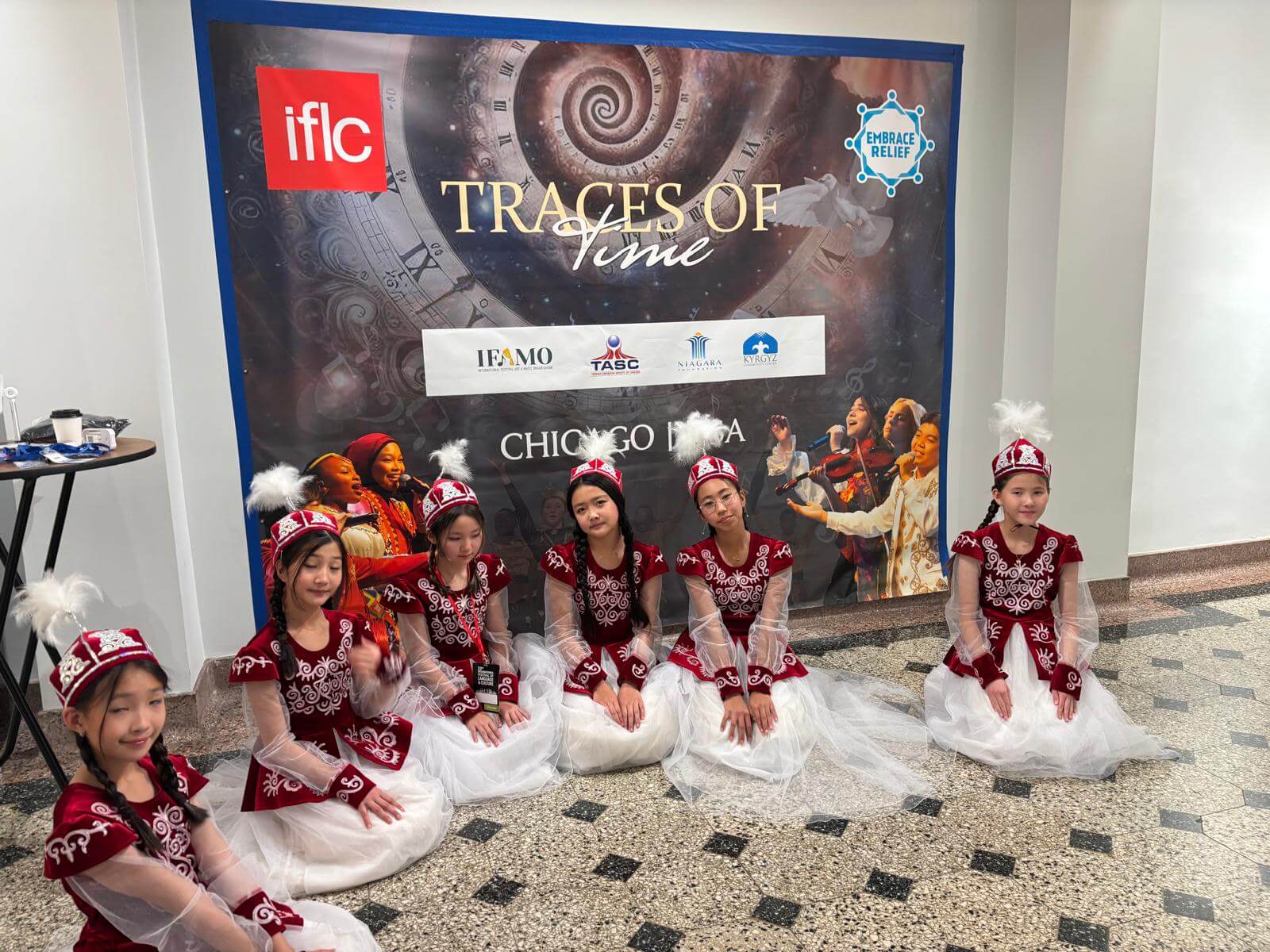
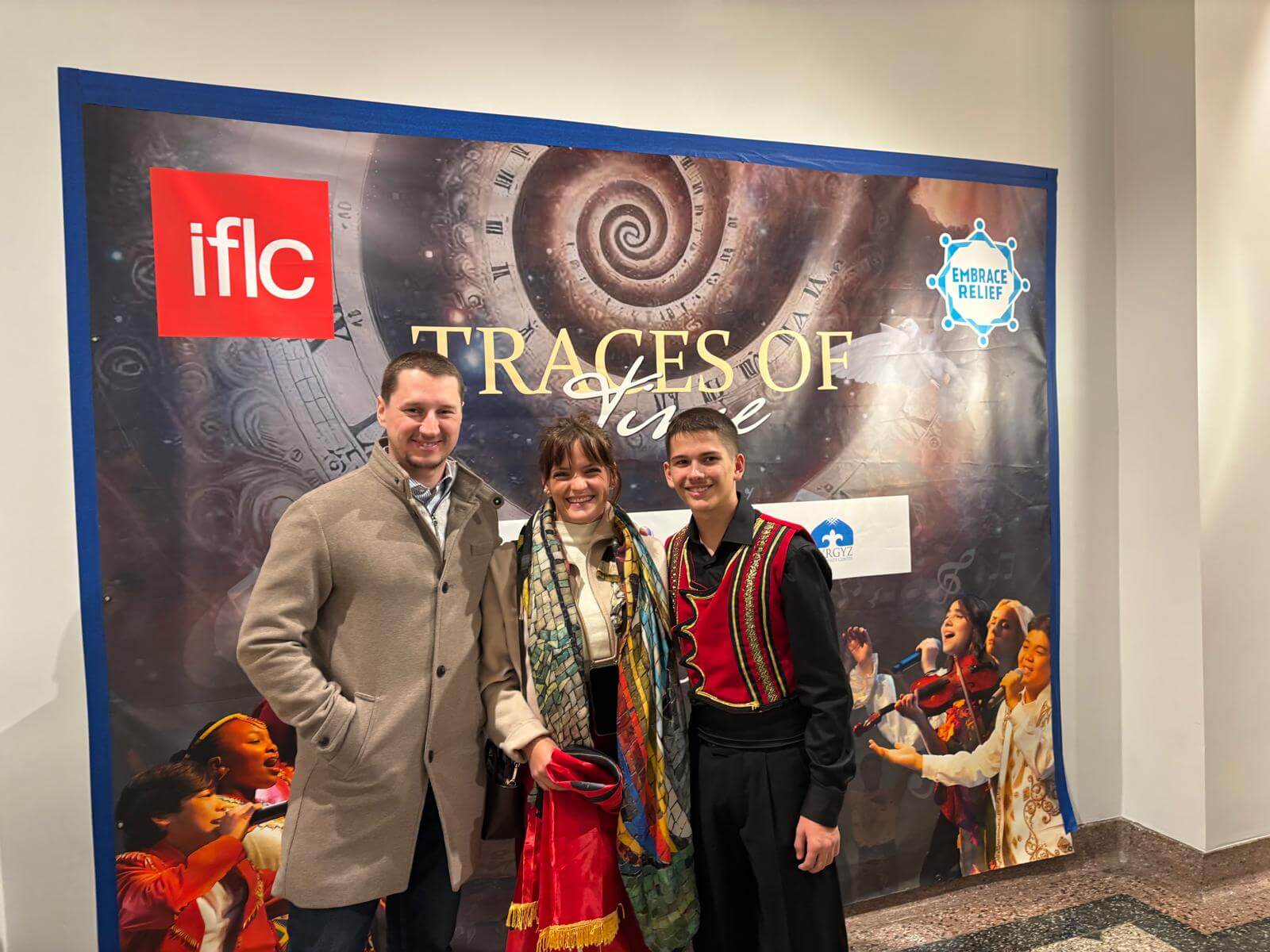
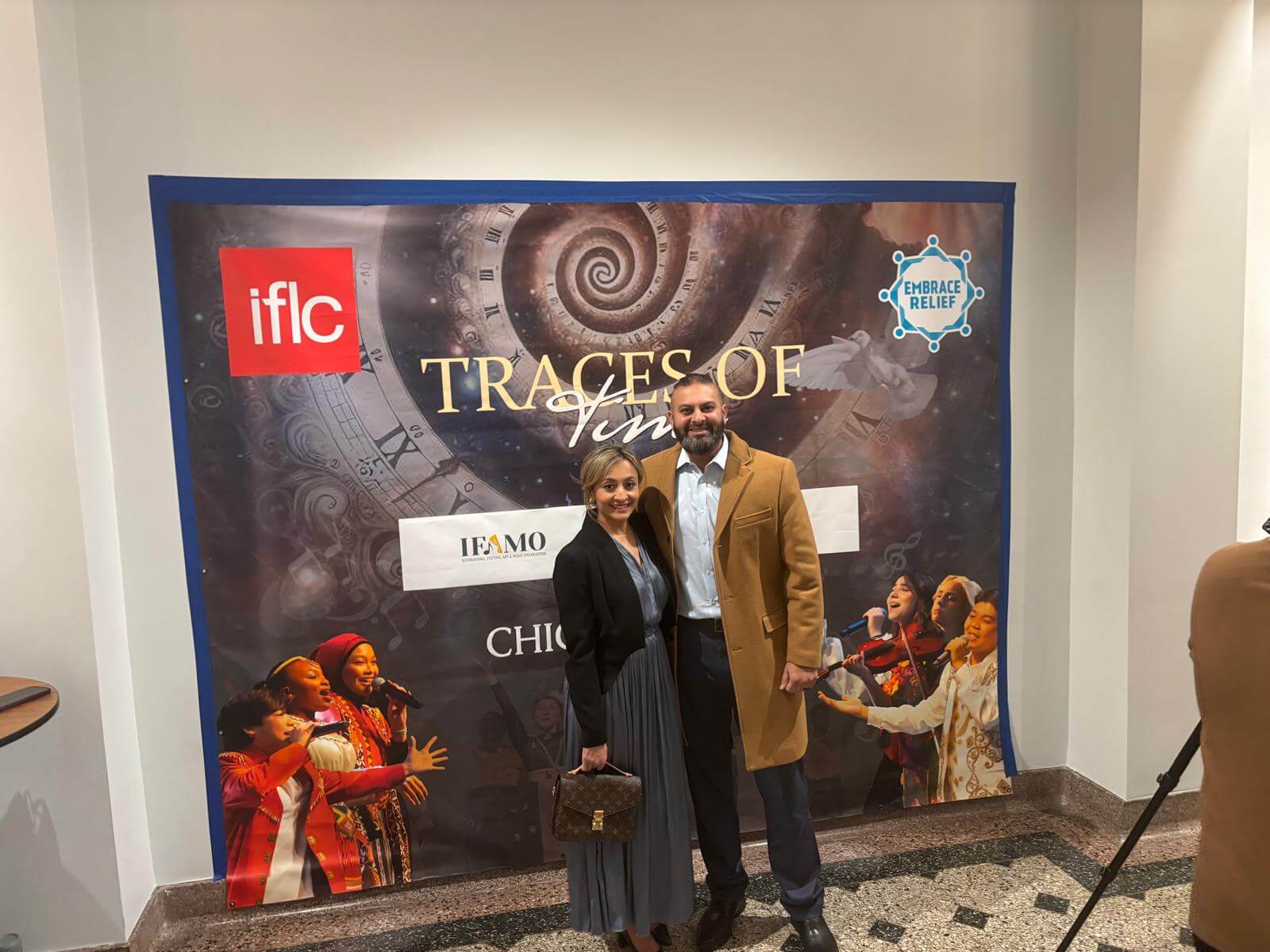
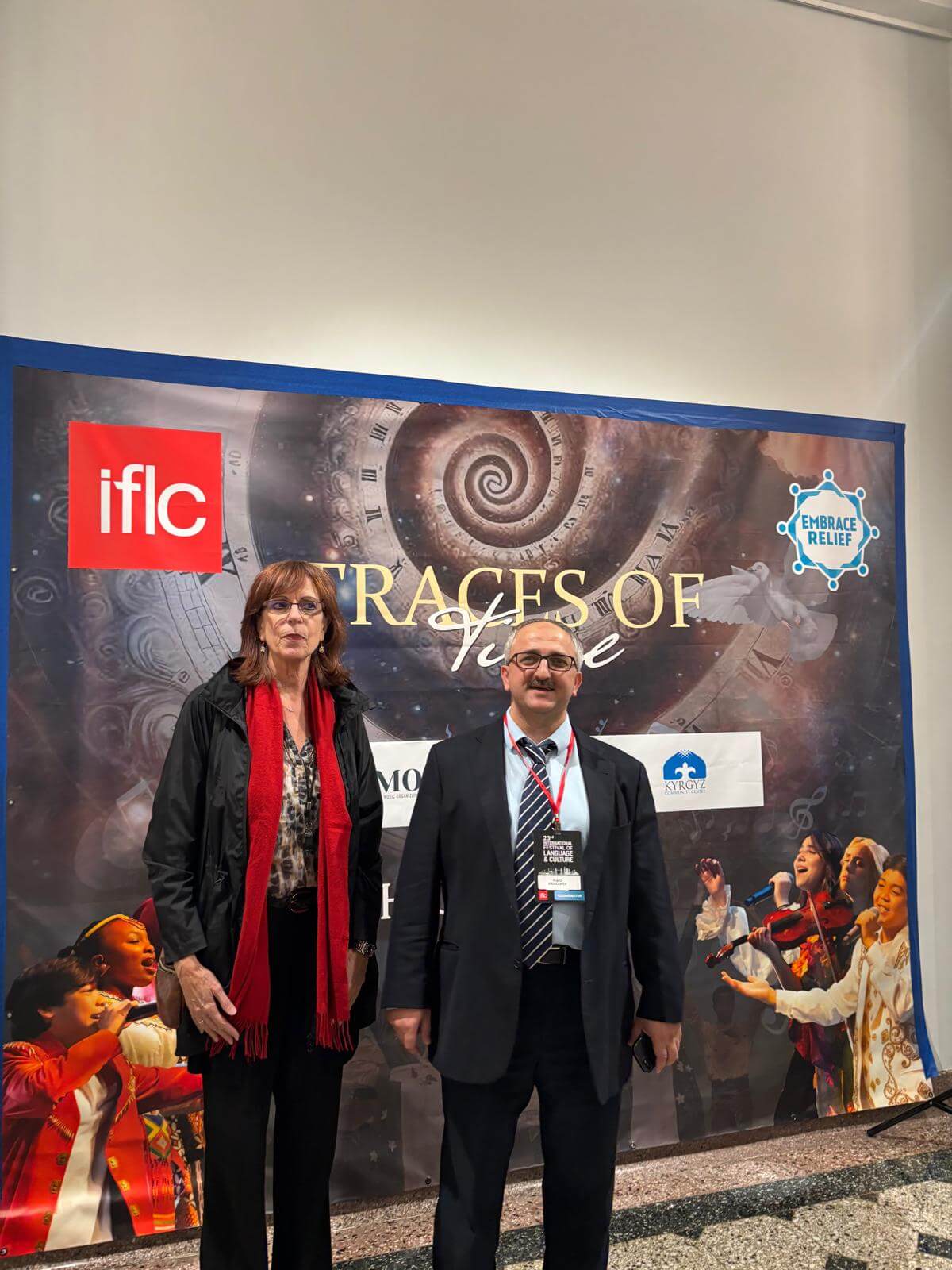
The Embrace Relief Foundation was proud to sponsor the International Festival of Language and Culture (IFLC) in Chicago on November 24, which drew over 900 attendees. The festival opened with a short promotional video from Embrace Relief, providing an excellent opportunity to highlight our mission and humanitarian efforts both globally and locally, including in Chicago and the Midwest.

Distinguished guests from partner organizations were impressed by performances from students representing 21 different countries. Catherine from Kids Above All remarked, “Universal peace! These two words! We have to work for it!” Another philanthropist couple, Farhan and Sana from Chi-Care, expressed admiration and hope, conveying their joy at the event. Many guests praised the creativity, energy, and cultural diversity showcased by the students, emphasizing the importance of such events in fostering understanding and unity. The festival served as a meaningful platform for networking and strengthening connections among local and international organizations.

We would like to extend our special thanks to TASC for hosting us, as well as to ISOM and the Niagara Foundation Chicago offices for their support. We also appreciate COMPLETE GRAPHICS Corporation for their last-minute assistance in printing our Festival Sponsorship Banner, particularly owner Talant Aizhigitov.

Overall, the festival was a celebration of cultural harmony, community collaboration, and unity on both global and domestic fronts, reinforcing our partnerships and our shared commitment to serving humanity.