



Recent

Making the Most of Ramadan When You Can’t Fast

For many Muslims, fasting during Ramadan is one of the most meaningful acts of worship. From dawn to sunset, the fast becomes a daily rhythm of discipline, reflection, and renewal. But what happens when you can’t fast?

Illness, pregnancy, breastfeeding, medical conditions, travel, or age can make fasting difficult or even harmful. For some, the inability to fast brings feelings of guilt, sadness, or a sense of missing out on the Ramadan experience.

Yet Ramadan is far more than abstaining from food and drink. Its essence lies in intention, faith, compassion, and self-control. Even when fasting isn’t possible, the spirit of Ramadan remains fully accessible.

This blog explores how to make the most of Ramadan when you can’t fast, offering reassurance, perspective, and meaningful ways to stay spiritually connected throughout the month.

Understanding Why Some People Can’t Fast

Islam recognizes that human ability varies. Fasting is a sacred obligation, but it is never meant to cause harm.

There are clear exemptions for those who cannot fast safely, including:

  • People with chronic or acute illnesses
  • Pregnant or breastfeeding women
  • Elderly individuals
  • Those taking essential medication
  • Travelers facing hardship

These exemptions are not loopholes; they are part of divine mercy. The purpose of fasting is spiritual growth not suffering.

Understanding this is the first step toward embracing Ramadan with peace rather than pressure.

Reframing What Ramadan Truly Is

When fasting becomes the sole focus of Ramadan, it’s easy to feel disconnected if you can’t participate physically. But fasting is only one expression of a much broader spiritual journey.

Ramadan is a month of:

  • Faith and mindfulness
  • Self-discipline beyond hunger
  • Compassion and generosity
  • Reflection and renewal

When you shift the lens from “What I can’t do” to “How else I can grow,” Ramadan opens up in new and meaningful ways.

Letting Go of Guilt and Comparison

One of the biggest emotional challenges for those who can’t fast is guilt.

You may compare yourself to others fasting effortlessly. You may feel disconnected during Iftar gatherings or communal conversations. But comparison often hides the deeper truth: devotion looks different for different people.

Your worth in Ramadan is not measured by hours without food. It is measured by sincerity, intention, and effort within your capacity.

Letting go of guilt allows you to experience Ramadan as a source of comfort, not conflict.

Staying Spiritually Connected Without Fasting

Even without fasting, there are countless ways to engage deeply with Ramadan.

Strengthening Your Relationship with Prayer

Prayer remains a powerful anchor throughout the month. Whether through obligatory prayers or additional voluntary prayers, moments of stillness and reflection nurture spiritual awareness.

You may find that prayer feels more intentional during Ramadan, even without fasting. Lean into that connection.

Engaging with the Quran

Ramadan is often called the “month of the Quran.” Reading, listening to, or reflecting on its meaning allows you to participate fully in the spiritual rhythm of the month.

You don’t need to complete a set amount or follow a strict schedule. Even a few verses read with focus and sincerity can be transformative.

Practicing Self-Control in Other Forms

Self-control is one of Ramadan’s core lessons and it extends far beyond food.

When you can’t fast, you can still practice restraint by:

  • Monitoring speech and avoiding gossip
  • Managing anger and impatience
  • Limiting distractions or unhealthy habits
  • Being mindful of time and intention

These forms of self-control often require just as much discipline as fasting and carry deep spiritual value.

Embracing Charity as a Central Act of Worship

Generosity takes on special meaning during Ramadan. Giving becomes a way to transform empathy into action.

You may not be fasting, but you can:

  • Support those who are fasting
  • Contribute to food distribution or Iftar programs
  • Help fund clean water, medical aid, or orphan care
  • Offer time, skills, or emotional support

Charity is not secondary to fasting it is one of Ramadan’s pillars. Through giving, you participate in the month’s spirit of compassion and care.

Finding Meaning in Supporting Others

For many who cannot fast, one of the most fulfilling experiences of Ramadan is supporting others who are observing the fast.

This might look like:

  • Preparing meals for fasting family members
  • Helping with household tasks during fasting hours
  • Creating a calm, supportive environment
  • Being present during Iftar and prayer times

Supporting others allows you to share in the collective experience of Ramadan even without fasting yourself.

Honoring Your Body Without Shame

Choosing not to fast when your health requires it is not a failure it is an act of responsibility.

Ramadan teaches balance. Caring for your body is part of honoring the life you’ve been given. Ignoring medical needs out of guilt contradicts the very values Ramadan promotes.

If you are unable to fast, nourishing yourself appropriately and responsibly is not breaking the spirit of Ramadan it is respecting it.

Using Ramadan as a Time for Emotional Healing

Ramadan often brings buried emotions to the surface. For those unable to fast, these feelings may be more pronounced.

This can be an opportunity rather than a setback.

You might use this time to:

  • Reflect on emotional well-being
  • Heal from burnout or stress
  • Strengthen gratitude and patience
  • Practice forgiveness toward yourself and others

Ramadan is not only about physical discipline; it is also about emotional clarity and growth.

Creating Personal Ramadan Goals That Fit You

Instead of measuring your Ramadan by fasting days, create goals aligned with what you can do.

These goals might include:

  • Consistent prayer
  • Daily reflection or journaling
  • Acts of kindness each day
  • Increased gratitude and mindfulness

Personal goals shift Ramadan from a checklist into a meaningful journey shaped by intention rather than limitation.

Staying Connected to the Community

Feeling isolated during Ramadan is common for those who can’t fast. Staying connected requires intention.

You might:

  • Join community prayers or lectures
  • Participate in charitable initiatives
  • Engage in conversations about reflection and faith
  • Attend gatherings without pressure to explain yourself

Ramadan is a communal month. Your presence matters whether you are fasting or not.

What Ramadan Teaches When You Can’t Fast

Ironically, not fasting can sometimes reveal deeper lessons.

It teaches:

  • Compassion for personal limits
  • Humility in dependence on divine mercy
  • Awareness that faith is not performance
  • Understanding that devotion has many forms

These lessons are as valuable as fasting itself and often remain long after Ramadan ends.

Why Your Ramadan Still Counts

Ramadan is not an exclusive experience reserved only for those who fast. It is an invitation open to everyone within their capacity.

Your prayers count.
Your intentions count.
Your kindness counts.

Faith is not diminished by circumstance. It is strengthened by sincerity.

Conclusion: Ramadan Is Bigger Than the Fast

Making the most of Ramadan when you can’t fast begins with understanding that the heart of the month lies beyond hunger.

Ramadan is about awareness, compassion, self-control, and connection. When fasting isn’t possible, these values remain fully within reach.

By letting go of guilt, embracing alternative forms of worship, and honoring your capacity, Ramadan can still become a month of growth, peace, and renewal.

Ramadan meets you where you are and offers you exactly what you need.
How Long-Term care changes an Orphan’s Future

Summary

  • Long-term care gives orphans stability and emotional security
  • Ongoing education creates pathways to independence
  • Regular healthcare improves lifelong well-being
  • Sponsorship supports children from childhood to adulthood

Around the world, millions of children grow up without parental care. For these children, losing a parent often means losing access to basic necessities such as food, education, healthcare, and emotional support. While emergency aid can meet immediate needs, long-term care is what truly changes an orphan’s future.

Sustained support provides more than survival,it offers stability, growth, and the opportunity to build a meaningful life. When orphaned children receive consistent care over time, they are far more likely to stay in school, remain healthy, and become independent adults who contribute positively to their communities.

This Blog post explores how long-term orphan care creates lasting change, why consistency matters, and how Embrace Relief’s orphan sponsorship programs help children move from vulnerability to hope.

What Does Long-Term Care Mean for Orphaned Children?

Long-term care refers to continuous, structured support that addresses a child’s physical, emotional, and developmental needs throughout childhood and adolescence.

This type of care typically includes:

  • Reliable access to nutritious meals
  • Safe housing and supervision
  • Ongoing education and school support
  • Regular healthcare and medical attention
  • Emotional care, guidance, and mentorship

For orphaned children, consistency is essential. Knowing that their needs will be met not just today, but in the years ahead, creates a sense of security that allows them to grow and thrive.

The Life-Changing Benefits of Long-Term Orphan Care

1. Emotional Stability and Healthy Development

Children who experience the loss of parental care often carry emotional trauma and feelings of abandonment. Without stable support, these challenges can affect their mental health and social development.

Long-term care provides:

  • A sense of belonging and routine
  • Trusted caregivers and role models
  • Emotional reassurance during critical growth stages

With consistent care, children are more likely to develop confidence, resilience, and healthy relationships.

2. Education That Builds a Brighter Future

Education is one of the most powerful tools for breaking the cycle of poverty. However, many orphaned children are forced to leave school due to financial hardship or lack of support.

Through long-term care:

  • Children remain enrolled in school year after year
  • Academic progress is monitored and encouraged
  • Learning gaps are addressed early
  • Career and vocational pathways become possible

An educated child is better equipped to secure employment and build a stable future.

3. Improved Health and Nutrition Over Time

Without regular medical care, treatable illnesses can become serious and long-lasting. Malnutrition during childhood can also have permanent effects.

Long-term care ensures:

  • Access to routine medical checkups
  • Preventive healthcare and vaccinations
  • Balanced meals that support healthy growth
  • Early treatment for health concerns

These factors significantly improve a child’s quality of life and long-term well-being.

4. Preparation for Independence and Adulthood

One of the greatest challenges orphans face is transitioning into adulthood without guidance or resources. Long-term care programs help prepare children for life beyond childhood.

This preparation includes:

  • Life skills and personal development
  • Emotional support during adolescence
  • Guidance for higher education or employment
  • Confidence to live independently

Children who receive sustained care are far more likely to become self-reliant adults.

How Embrace Relief’s Orphan Sponsorship Programs Create Lasting Impact

Embrace Relief is dedicated to supporting orphaned and vulnerable children through long-term sponsorship and holistic care.

Through Embrace Relief consistent sponsorship, children receive:

  • Nutritious food and daily care
  • Safe living environments
  • Access to education and school resources
  • Medical care and health support
  • Emotional guidance and protection

This long-term approach allows children to grow up with stability, dignity, and hope.By continuing support year after year, Embrace Relief helps ensure that children are not left behind as they grow. This commitment allows them to complete their education, maintain good health, and develop the skills needed for adulthood.

Long-term sponsorship doesn’t just change a child’s present—it shapes their future.

Support an orphan through Embrace Relief today

Help create lasting change through long-term care

Can Cataracts Be Treated Without Surgery? What You Need to Know

Summary

  • Cataracts cannot be reversed without surgery, but early symptoms can be managed
  • Cataract surgery is the only proven treatment to restore clear vision
  • Awareness and early diagnosis help prevent avoidable blindness
  • Free cataract surgeries are changing lives through accessible eye care programs

Cataracts are one of the leading causes of vision loss worldwide, affecting millions of people every year. As vision gradually becomes cloudy or blurred, many people search for non-surgical solutions, hoping to restore their sight without undergoing an operation. A common question often asked is: can cataracts be treated without surgery?

Understanding the truth about cataract treatment is essential,not only for those experiencing vision problems but also for communities where access to eye care is limited. Early awareness and timely intervention can prevent unnecessary blindness and significantly improve quality of life.

Cataracts develop when the eye’s natural lens becomes cloudy, usually due to aging, injury, medical conditions, or prolonged exposure to ultraviolet light. In the early stages, symptoms may be mild and manageable. While there is no proven medical treatment that can fully reverse cataracts without surgery, certain steps can help slow progression and improve vision temporarily.

Non-Surgical Management Options

While cataracts cannot be reversed without surgery, early symptoms can sometimes be managed to improve day-to-day vision temporarily. These non-surgical approaches may help slow discomfort but do not remove cataracts.

Common management options include:

  • Prescription glasses or updated lenses to improve clarity
  • Brighter lighting for reading and close work
  • Anti-glare sunglasses to reduce light sensitivity
  • Managing underlying health conditions, such as diabetes
  • Regular eye examinations for early detection and monitoring

These steps may help individuals cope in the early stages, but it’s important to understand that they do not stop or cure cataracts.

Why Surgery Is the Only Effective Cataract Treatment

When cataracts begin to interfere with daily life,such as reading, driving, or recognizing faces, cataract surgery becomes the only effective solution. The procedure involves removing the cloudy lens and replacing it with a clear artificial lens. It is:

  • Safe and highly effective
  • One of the most commonly performed eye surgeries worldwide
  • Capable of restoring clear vision within a short recovery period

Without surgery, advanced cataracts can lead to severe vision impairment or permanent blindness.

Raising Awareness and Preventing Cataract Blindness

In many underserved regions, people are unaware that cataract blindness is preventable and treatable.
Barriers such as lack of awareness, limited eye care services, and financial hardship often delay treatment until vision loss becomes severe.

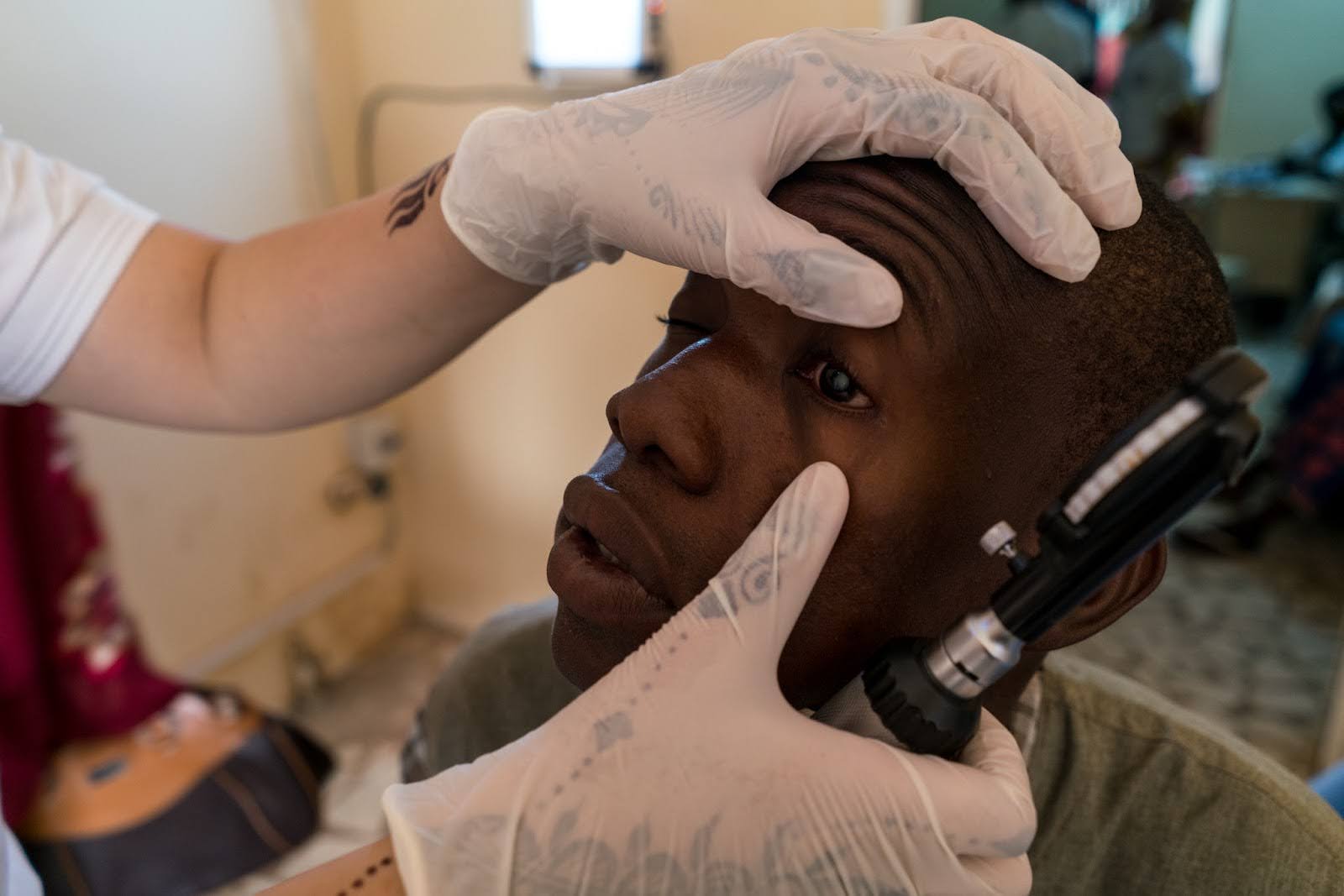
Through its global eye health initiatives, Embrace Relief works to raise awareness about eye care, early diagnosis, and preventable blindness, particularly in vulnerable communities. In Mali, where cataracts remain a major cause of avoidable vision loss, Embrace Relief actively supports community outreach programs that educate individuals about eye health and the importance of timely treatment.

Free Cataract Surgery Programs in Mali

As part of its humanitarian mission, Embrace Relief provides free cataract surgeries to individuals who otherwise would not have access to care.

These programs include:

  • Community eye screenings and vision assessments
  • Education on cataract symptoms and prevention
  • Fully funded cataract surgeries performed by qualified medical professionals
  • Post-surgery follow-up care and medication

By removing financial barriers, Embrace Relief helps restore sight, independence, and dignity to individuals suffering from cataract-related blindness.

Cataract blindness is treatable, yet millions continue to live in darkness simply because they cannot access surgery.

With your support, more people can receive life-changing eye care, regain their vision, and return to work, school, and family life.

Together, we can help eliminate avoidable blindness and bring light back into countless lives.

Support free cataract surgeries today — restore sight and change a life forever.

Why Does Africa Have So Many Orphans? Causes, Challenges, and Paths to Hope

Summary

  • Africa has one of the highest orphan populations due to poverty, disease, conflict, and limited healthcare.
  • Key causes include poverty, infectious diseases, displacement, and climate hardships, all of which weaken family stability.
  • Support solutions include education, healthcare access, nutrition, and family-based care to protect vulnerable children.
  • Embrace Relief provides food, education, healthcare, and community support, offering hope and stability for orphaned children.

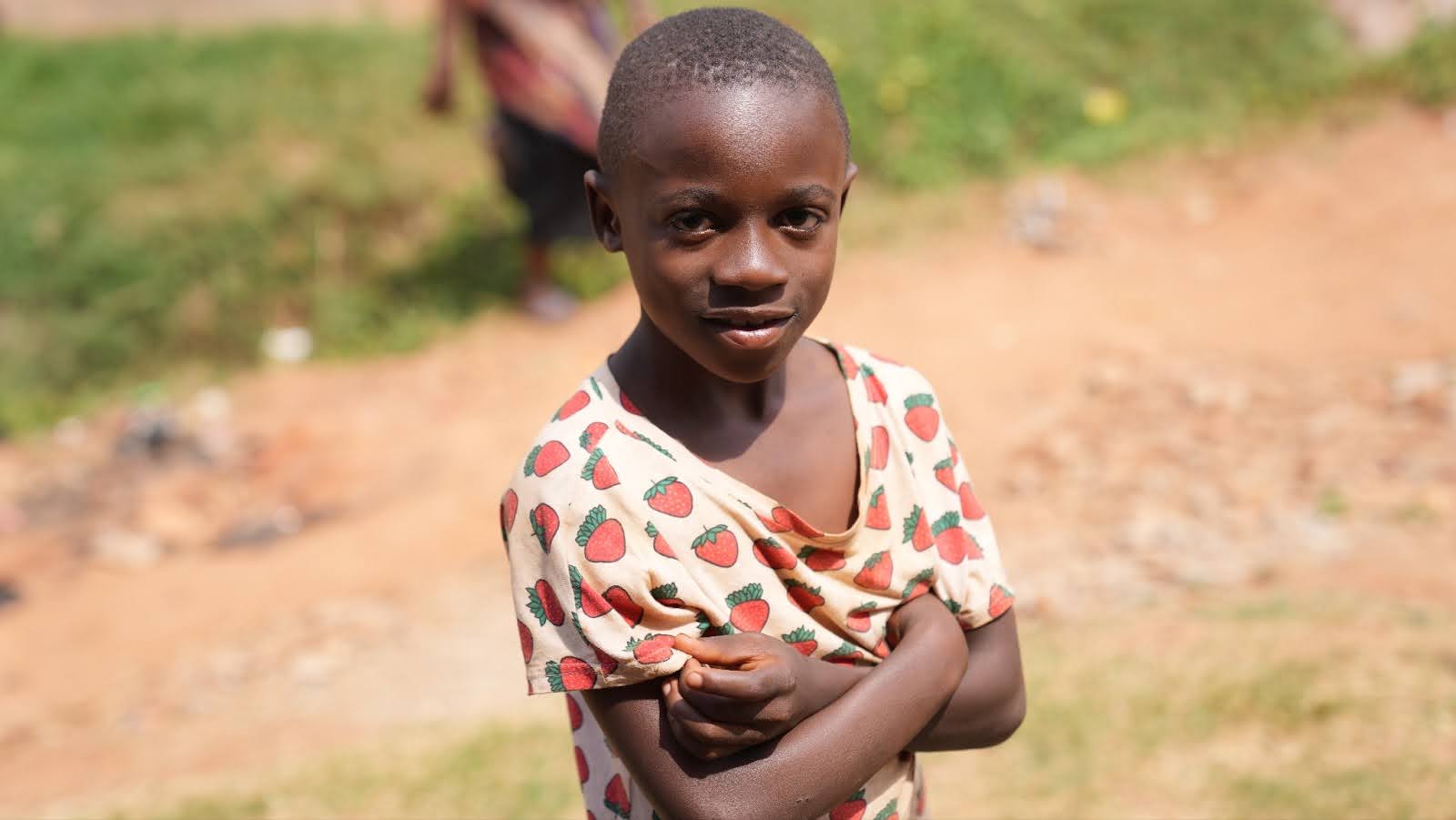
Across Africa, millions of children grow up without one or both parents, facing daily challenges such as hunger, lack of education, and limited access to healthcare. Behind every statistic is a child navigating loss, hardship, and uncertainty.

Understanding why Africa has so many orphans requires a closer look at the social, economic, and environmental issues that shape family life across the continent. These pressures weaken family structures and put countless children at risk.

This blog explores the major causes of rising orphanhood in Africa, how communities can support vulnerable children, and how Embrace Relief is bringing hope and stability to those who need it most.

Major Causes Behind the High Number of Orphans in Africa

Africa has one of the largest orphan populations in the world. The reasons are complex, but they all reflect difficult living conditions that affect millions of families.

Below are the leading factors that contribute to the high number of orphaned children.

1. Widespread Poverty

Poverty remains one of the strongest drivers of orphanhood.
When families struggle to afford food, shelter, medical care, or education, children face the risk of losing parents to preventable illnesses or economic instability.

Poverty often leads to:

  • Early parental deaths from treatable conditions
  • Family breakdowns and separations
  • Children being abandoned due to lack of resources
  • Parents migrating long distances for work, leaving children behind

Poverty weakens households and leaves children without the stable care they need.

2. Limited Access to Healthcare

In many African regions, healthcare systems are understaffed, underfunded, or inaccessible.
Parents may lose their lives to:

  • Treatable infections
  • Complications during childbirth
  • Chronic illnesses like malaria or tuberculosis

Without reliable hospitals or affordable medicine, preventable health issues can become fatal — leaving children without caregivers.

3. Disease and Long-Term Health Crises

Diseases such as HIV/AIDS have had long-lasting effects on families.
While treatment has improved dramatically, many children continue to lose parents to infectious diseases.

Other common causes include:

  • Malaria
  • Pneumonia
  • Diarrheal diseases

These illnesses remain deadly where healthcare access is limited

4. Conflict, Violence, and Displacement

Armed conflicts, political instability, and community violence continue to impact several African regions.

Children often become orphans due to:

  • Losing parents to violence
  • Becoming separated during displacement
  • Refugee crises that break families apart

War and instability leave thousands of children without protection or support.

5. Natural Disasters and Climate Hardships

Africa is highly vulnerable to climate challenges such as:

  • Droughts
  • Flooding
  • Crop failure
  • Food shortages

When families lose their livelihoods, they face hunger, poor health, and increased vulnerability — all of which can lead to orphanhood through displacement or parental loss.

6. Lack of Education and Economic Opportunities

When parents cannot find stable work due to low education levels, the household becomes unstable. Some parents migrate to distant towns or countries to find employment, leaving children without proper care. Others fall into deeper poverty, which increases the risks of disease and early death.

How Orphans in Africa Can Be Supported

Even though the challenges are severe, there are proven ways to support orphaned children and protect vulnerable families.

1. Improving Access to Education

Education provides stability, future opportunities, and a safe environment for children.

2. Strengthening Healthcare Systems

More clinics, trained doctors, and affordable medicine prevent early parental deaths.

3. Providing Nutritious Meals and Clean Water

Basic needs help children grow, stay healthy, and stay in school.

4. Supporting Family-Based Care

Whenever possible, children should grow up with relatives or guardians in a family home.

5. Community Support Programs

Counseling, mentorship, and protection services help keep children safe and emotionally supported.

What Embrace Relief Is Doing to Support Orphans in Africa

Embrace Relief is actively working across Africa to support children who have lost parents or live in vulnerable conditions. Their programs focus on providing:

  • Nutritious meals and clean water
  • Access to education and school supplies
  • Safe housing and orphan support centers
  • Healthcare and medical assistance

In many communities, Embrace Relief helps children regain hope, stability, and a path toward a brighter future. Their work ensures that orphaned children are not forgotten — but supported, nurtured, and empowered.

The orphan crisis in Africa is not just a statistic — it represents real children with dreams, potential, and the right to safety and opportunity.

With your help, organizations like Embrace Relief can expand essential programs that provide food, shelter, education, and emotional care to children in need.

Even a small contribution can provide food, shelter, or school supplies for a child in need.
Your kindness can help break the cycle of poverty and give a child a chance to thrive.

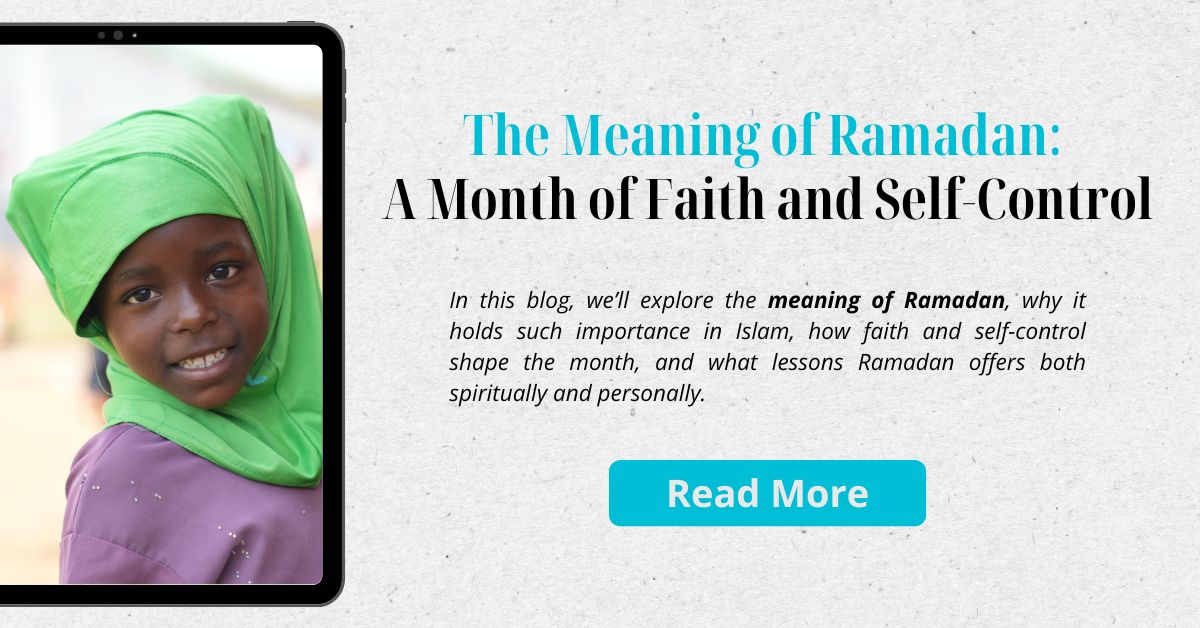
The Meaning of Ramadan: A Month of Faith and Self-Control

Every year, as the new moon is sighted, millions of Muslims across the world enter a month unlike any other. Daily routines change, priorities shift, and the focus turns inward. This sacred time is known as Ramadan a month centered on faith, self-control, and spiritual growth.

While many people associate Ramadan mainly with fasting, the reality is far deeper. Ramadan is not just about refraining from food and drink. It is about discipline over desires, patience in difficulty, compassion for others, and reconnecting with what truly matters.

In this blog, we’ll explore the meaning of Ramadan, why it holds such importance in Islam, how faith and self-control shape the month, and what lessons Ramadan offers both spiritually and personally.

What Is Ramadan?

To understand the meaning of Ramadan, it’s important to begin with the basics.

Ramadan is the ninth month of the Islamic lunar calendar and is considered the holiest month in Islam. It was during this month that the first verses of the Quran were revealed, giving Ramadan a deep spiritual significance.

Throughout this month, Muslims observe fasting from dawn to sunset, a practice known as Sawm. However, fasting during Ramadan goes beyond physical restraint. It is also about controlling one’s thoughts, words, and actions.

Ramadan lasts either 29 or 30 days, depending on the sighting of the moon. During this time, Muslims around the world unite in worship, reflection, charity, and self-discipline making Ramadan one of the most meaningful periods of the Islamic year.

The Deeper Meaning of Ramadan

At its core, Ramadan is about strengthening one’s relationship with faith. It is a reminder to slow down in an otherwise fast-paced world and turn attention toward spiritual purpose.

The meaning of Ramadan lies in transformation. It is a month designed to help believers reset their priorities, refine their character, and rebuild their connection with God. Through fasting, prayer, charity, and reflection, Muslims work toward becoming more mindful, patient, and grateful individuals.

Ramadan teaches that true freedom comes from self-control. By willingly giving up everyday comforts, people learn that they are not owned by their desires. Instead, they gain mastery over them.

Why Self-Control Is Central to Ramadan

Self-control is one of the most powerful themes of Ramadan and one of its greatest lessons.

From sunrise to sunset, Muslims practice restraint by avoiding food, drink, smoking, and other physical urges. But equally important is controlling emotions, anger, harmful speech, and negative habits.

In everyday life, people often act on impulse eating when hungry, speaking out of frustration, or indulging in excess. Ramadan interrupts this pattern. It asks individuals to pause, reflect, and respond with intention rather than instinct.

This discipline builds patience and resilience. Over time, it becomes clear that self-control is not a loss, it is a source of inner strength and clarity.

Faith at the Heart of Ramadan

Ramadan is a month of deep faith and worship. Alongside fasting, Muslims increase their spiritual practices, including prayer, recitation of the Quran, and remembrance.

Daily prayers take on a greater sense of purpose, and many people attend additional night prayers known as Taraweeh. These gatherings strengthen communal bonds while nurturing individual spirituality.

Faith during Ramadan is not limited to ritual alone. It is reflected in how people treat others—with kindness, forgiveness, and generosity. The month encourages believers to cleanse not only their bodies, but also their hearts.

Preparing the Mind and Soul for Ramadan

Preparing for Ramadan is an important process that begins before the first fast.

Spiritually, many people reflect on their intentions. They ask themselves what they hope to gain from the month greater patience, stronger faith, or better habits. Setting spiritual goals helps transform Ramadan from a routine into a meaningful journey.

Preparation also involves adjusting daily habits. Sleep schedules change, meal times shift, and priorities are reordered. These adjustments allow individuals to fully experience the rhythm of Ramadan without unnecessary stress.

Preparing for Ramadan is not about perfection; it is about readiness. Entering the month with awareness and purpose makes the experience far more rewarding.

The Benefits of Fasting During Ramadan

Fasting during Ramadan offers benefits that extend far beyond the physical act of abstaining from food.

Spiritual Benefits

Spiritually, fasting nurtures humility and gratitude. Hunger and thirst remind people of their dependence on basic blessings that are often taken for granted. This awareness deepens appreciation for food, health, and comfort.

Fasting also creates space for reflection. When distractions are reduced, the heart becomes more receptive to spiritual insight, prayer, and mindfulness.

Mental and Emotional Benefits

On a mental level, fasting helps develop focus and emotional discipline. Learning to manage hunger and fatigue builds resilience, patience, and self-awareness.

Many people report feeling calmer and more centered during Ramadan. By stepping away from excess consumption and constant stimulation, individuals often experience improved mental clarity and emotional balance.

Physical Benefits

When practiced responsibly, fasting can also support physical well-being. Giving the digestive system regular breaks can help regulate metabolism and encourage healthier eating habits.

While the primary purpose of fasting is spiritual, these physical benefits often reinforce the overall sense of renewal that Ramadan brings.

Ramadan as a Month of Compassion and Charity

Another essential meaning of Ramadan is compassion.

Experiencing hunger firsthand increases empathy for those who face it daily. This awareness naturally leads to generosity. During Ramadan, charity becomes a central practice as Muslims give to those in need through acts of kindness and financial support.

This charitable spirit reinforces the idea that faith is not only personal—it is social. Ramadan teaches responsibility toward others and encourages believers to uplift their communities.

By sharing meals, offering help, and giving generously, people transform faith into action.

Daily Life During Ramadan

Life during Ramadan follows a unique rhythm. The day begins before sunrise with a pre-dawn meal, followed by fasting until sunset. In the evening, families and communities come together to break the fast.

This shared schedule fosters unity. No matter where they live, Muslims around the world follow the same cycle—fasting during the day and reconnecting with loved ones at night.

Social bonds strengthen as communities gather for prayers and meals, creating a sense of belonging that defines the month.

Lessons Ramadan Teaches Beyond the Month

One of the most important aspects of Ramadan is what remains after it ends.

The self-discipline practiced during the month is meant to extend into everyday life. The patience learned, the habits built, and the awareness gained do not disappear when fasting stops.

Ramadan reminds individuals that growth is possible through consistency and intention. By carrying these lessons forward, people continue benefiting spiritually, mentally, and emotionally throughout the year.

Why Ramadan Still Matters Today

In a modern world driven by speed, consumption, and constant noise, Ramadan offers something rare: stillness and purpose.

It teaches restraint in an age of excess and mindfulness in an age of distraction. The values Ramadan promotes—faith, self-control, compassion, and gratitude—are not limited to religion. They are universal qualities that enrich personal and social life.

This is why the meaning of Ramadan continues to resonate across cultures and generations.

The meaning of Ramadan goes far beyond fasting. It is a month of faith strengthened through discipline, of self-control refined through sacrifice, and of compassion expanded through empathy and giving.

Ramadan invites believers to pause, reflect, and reconnect—with God, with others, and with themselves. It is a reminder that true growth comes not from indulgence, but from intention.

Whether observed through fasting or understood through reflection, Ramadan stands as a powerful symbol of inner renewal—a month that reshapes hearts, habits, and lives.

Give Clean Water This Holiday Season: Shower Them with the Gift of Water

The holiday season is filled with giving. We shop for gifts, wrap boxes, decorate our homes, and look for ways to show appreciation to the people we love. It’s a season of abundance, generosity, and reflection.

Yet while many of us are surrounded by gifts during the holidays, millions of families around the world are still missing one of the most basic necessities of life: clean water.

As we think about meaningful ways to give this season, there is an opportunity to offer a gift that lasts far beyond the holidays: the gift of safe, reliable drinking water.

Clean Water Is a Basic Human Need

Clean water is not a luxury. It is a basic human necessity — essential for health, education, and survival. Without access to safe drinking water, families are forced to rely on contaminated sources, leading to preventable illnesses, waterborne diseases, and long-term health challenges.

In many rural communities across Africa, women and children spend hours each day walking long distances to collect unsafe water.
Girls often miss school because clean water and safe sanitation facilities are unavailable. When water is scarce or contaminated, entire communities remain trapped in cycles of hardship and poverty.

Access to clean water changes everything:

  • Improves health and reduces disease
  • Increases school attendance
  • Frees time for education and work
  • Strengthens families and communities

A single clean water source can transform daily life.

How Embrace Relief’s Clean Water Program Is Making a Difference

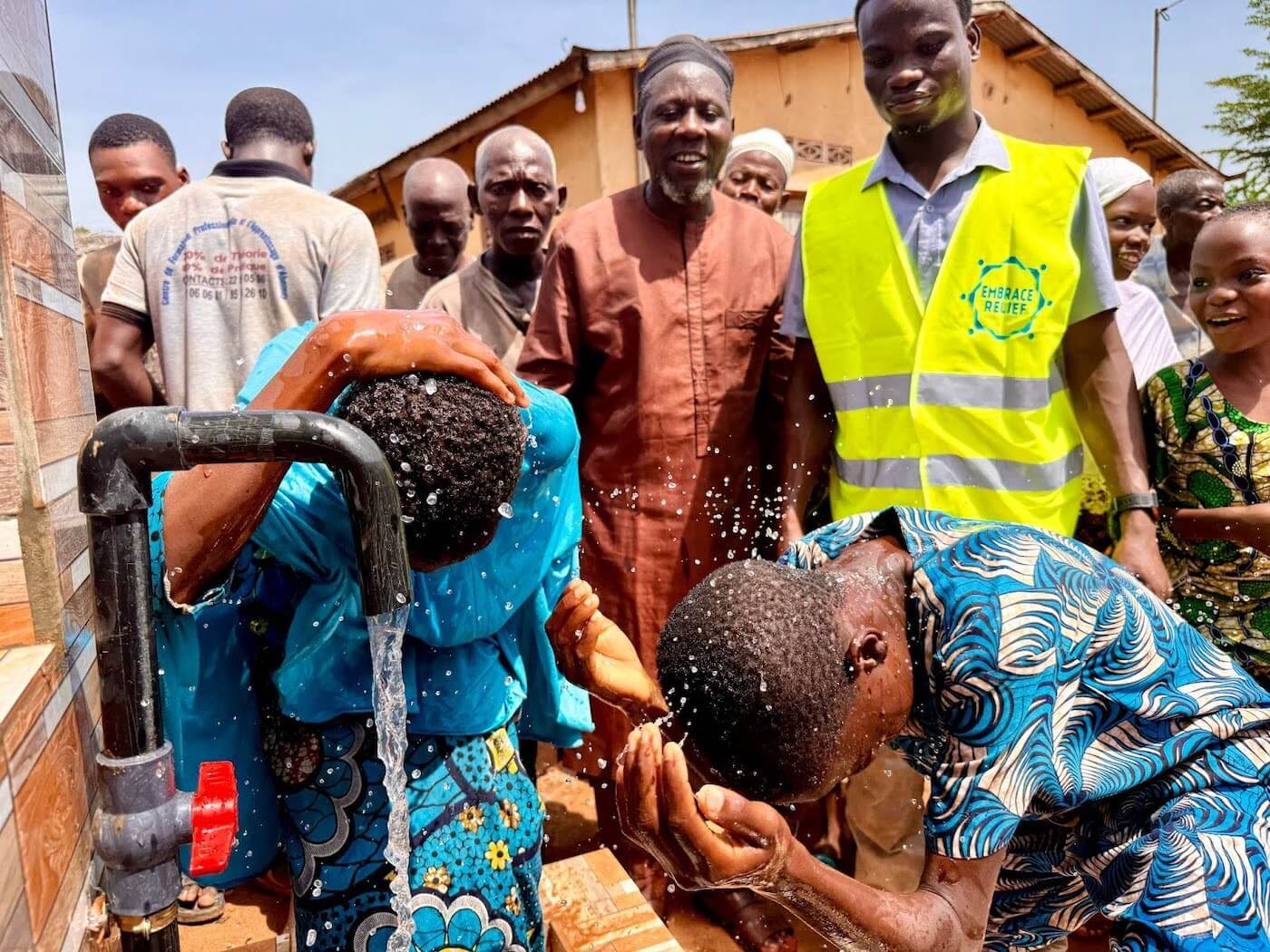
Embrace Relief’s Clean Water Program is dedicated to delivering long-term, sustainable water solutions to communities in need.

Since 2013, the program has:

  • Built and restored 1,200+ deep-aquifer water wells
  • Provided clean water access to over 1.2 million people
  • Reached underserved communities across Africa

These water wells are designed for durability and safety. They are drilled deep into protected underground aquifers to reduce contamination and ensure consistent access to safe drinking water.

Each project includes:

  • A five-year warranty
  • Annual maintenance checks
  • Long-term sustainability planning

One clean water well can serve hundreds — often thousands — of people every day. Beyond drinking water, these projects support sanitation, hygiene, education, and community stability.

A Holiday Gift That Lasts Beyond The Holiday Season

This holiday season, as gifts are exchanged and celebrations fill our homes, clean water stands out as one of the most meaningful gifts you can give.

It doesn’t fade, break, or get forgotten.
It keeps giving — day after day, year after year.

A clean water donation means:

  • Healthier children
  • Stronger schools
  • Empowered women
  • More resilient communities

By choosing the gift of clean water, you turn holiday generosity into lasting impact.

This holiday season, give more than a gift — give hope, health, and opportunity.

Donate clean water today through Embrace Relief’s Clean Water Program Help bring safe drinking water to communities across Africa and shower families with a gift that truly changes lives.

Shower communities with a gift that truly changes lives.

What Is the Leading Cause of Blindness in Africa?

Summary

  • Cataracts are the leading cause of blindness in Africa, affecting millions due to limited access to eye care.
  • Main causes include UV exposure, aging, infections, malnutrition, and medical conditions like diabetes.
  • Cataract blindness is preventable and treatable, and a simple surgery can restore sight in minutes.
  • Embrace Relief’s Cataract Program in Mali provides free surgeries, giving people hope, independence, and a chance to see again.

Blindness is one of the most challenging health issues across Africa, affecting millions of people every year. While there are many reasons why vision loss happens, cataracts remain one of the leading causes of blindness on the continent.
The tragedy is that cataract blindness is preventable and, in most cases, treatable with a simple surgery.

Across many African regions, cataracts are the top cause of blindness.
Limited access to eye care, shortages of medical professionals, and the high cost of treatment all contribute to this growing problem.

Cataracts develop slowly, and many people do not notice the early signs. Over time, the eye’s natural lens becomes cloudy, making it harder to see. If untreated, cataracts can cause complete blindness.

What Causes Cataracts in Africa?

Cataracts can affect anyone, but certain factors make them more common in Africa. Here are some of the most important causes:

1. Intense Sun Exposure (UV Radiation)

Africa’s strong sunlight and long hours outdoors increase exposure to UV rays.
UV radiation speeds up the clouding of the eye’s lens. Without sunglasses or eye protection, the risk of cataracts rises significantly.

2. Aging

As people get older, the proteins inside the eye begin to break down naturally.
In many African communities, people live with cataracts for years because there is no access to affordable eye care.

3. Infections and Untreated Eye Diseases

In some regions, untreated eye infections or inflammation can accelerate cataract development.
Conditions like uveitis or previous eye injuries may also lead to early cataracts.

4. Malnutrition

Lack of vitamins such as Vitamin A, antioxidants, and nutrients can affect eye health and increase cataract risk.

5. Genetic Factors and Medical Conditions

Some people are born with a higher risk.
Health conditions like diabetes can also speed up cataract formation.

How Cataracts Can Be Prevented

While cataracts can develop naturally with age, many causes are preventable. Communities can protect their vision by following simple practices:

1. Protecting Eyes from UV Rays

Wearing sunglasses or hats reduces exposure to UV radiation and helps protect eye health.

2. Eating Nutritious Foods

Foods rich in Vitamin A, leafy greens, fruits, and antioxidants help keep the eyes healthy.

3. Preventing and Treating Eye Infections

Clean water, proper hygiene, and early treatment of eye infections protect long-term vision.

4. Regular Eye Check-Ups

Early detection can prevent blindness. A simple exam can identify cataracts before they become severe.

How Cataract Surgery Brings Back Sight

The good news is that cataract blindness is reversible.
A quick, safe, and affordable surgery can restore clear vision, often within 15 minutes.
For many families, this means returning to work, education, and daily life with independence.

Embrace Relief’s Cataract Program in Africa

In Mali, thousands of people are living with severe vision loss due to untreated cataracts. Many cannot work, support their families, or live independently. Access to eye care is extremely limited, especially in rural areas.

Embrace Relief’s Cataract Program is transforming lives by providing:

  • Free cataract screenings
  • Free cataract surgeries
  • Post-surgery medications
  • Follow-up care
  • Community outreach and education

For people in Mali, this program is more than medical care—it is a second chance at life.
Children can see their parents clearly. Elders can walk safely again. Adults can return to work and rebuild their futures.

Every surgery restores not just sight, but hope.

Blindness caused by cataracts is unnecessary and preventable.
Your support can give someone the gift of sight, independence, and dignity.

A single donation can fund a life-changing cataract surgery.

Join the mission. Support cataract surgeries. Restore vision. Change a life.
Even a small contribution can bring light to someone living in darkness.

When Is Ramadan 2026? Dates, Moon Sighting & Guide

Each year, as Ramadan approaches, one question begins to trend across search engines, family conversations, workplaces, and community calendars: When is Ramadan?

If you’re already planning ahead, you may be asking specifically: When is Ramadan 2026?

The answer isn’t just about the date, it’s about understanding how the Islamic calendar works, why Ramadan shifts every year, and how you can prepare spiritually, mentally, and practically for this sacred month.

In this blog, we’ll explain when Ramadan 2026 is expected to begin, why the date changes annually, how moon sightings determine the start, and how you can prepare for Ramadan well in advance.

When Is Ramadan 2026 Expected to Begin?

Ramadan follows the Islamic (Hijri) lunar calendar, which is based on the cycle of the moon rather than the sun. Because of this, Ramadan begins approximately 10–11 days earlier each year according to the Gregorian calendar.

Expected Dates for Ramadan 2026

Based on astronomical calculations:

  • Ramadan 2026 is expected to begin on the evening of Tuesday, 17 February 2026
  • The first fast is expected to be on Wednesday, 18 February 2026
  • Ramadan 2026 is expected to end on the evening of Thursday, 19 March 2026

Important note:
These dates are estimated. The official start of Ramadan depends on the sighting of the new crescent moon, which may vary slightly by country or religious authority.

Why Does the Ramadan Date Change Every Year?

One of the most commonly asked questions is why Ramadan doesn’t fall on the same date each year.

The reason lies in the Islamic lunar calendar.

  • The lunar year is about 354 days long
  • The Gregorian (solar) year is 365 days long
  • This difference causes Ramadan to move earlier by about 10–11 days every year

Over time, Ramadan cycles through all seasons winter, spring, summer, and autumn allowing people in different climates to experience fasting under varying daylight conditions.

This shift also means Ramadan sometimes falls during shorter winter days and sometimes during longer summer days, offering unique challenges and blessings each year.

How Is the Start of Ramadan Determined?

Although astronomical predictions give us an estimate, the official beginning of Ramadan is confirmed through moon sighting.

The Crescent Moon (Hilal)

Ramadan begins when the thin crescent moon—known as the hilal—is sighted after sunset. This practice follows the teachings of Islamic tradition and has been observed for centuries.

Different countries may:

  • Conduct local moon sightings
  • Follow centralized moon sighting authorities
  • Rely on astronomical calculations

As a result, some regions may start Ramadan a day earlier or later than others.

What Happens on the First Day of Ramadan?

Once Ramadan begins, daily routines change across the Muslim world.

  • The day starts with Suhoor, a pre-dawn meal
  • Fasting (Sawm) begins at dawn and ends at sunset
  • The fast is broken with Iftar, often starting with dates and water
  • Many attend nightly prayers (Taraweeh)
  • Acts of charity, reflection, and worship increase significantly

The first few days of Ramadan are often about adjustment—physically, mentally, and spiritually—as people settle into a new rhythm.

How Long Will Ramadan 2026 Last?

Ramadan lasts 29 or 30 days, depending on the lunar cycle.

This means Ramadan 2026 is expected to conclude with Eid al-Fitr, the joyous festival that marks the end of fasting, around 20 March 2026 (subject to moon sighting).

Eid al-Fitr is a day of:

  • Gratitude and prayer
  • Family gatherings
  • Charity (Zakat al-Fitr)
  • Celebration and community

Why Preparing Early for Ramadan 2026 Matters

Knowing when Ramadan 2026 begins allows individuals, families, workplaces, and communities to plan ahead.

Preparing early makes the month more meaningful and less stressful.

Spiritual Preparation

Many people begin preparing weeks in advance by:

  • Reflecting on personal goals for the month
  • Gradually increasing prayer and mindfulness
  • Reducing unhealthy habits
  • Learning or refreshing knowledge about Ramadan

Spiritual readiness ensures Ramadan becomes a time of growth rather than routine.

Physical and Lifestyle Preparation

Because fasting affects daily schedules, early preparation helps the body adapt smoothly.
This may include:

  • Adjusting sleep schedules
  • Eating more balanced meals
  • Reducing caffeine intake
  • Building healthier routines

Preparing physically helps individuals observe Ramadan with greater ease and energy.

Ramadan in the Modern World

In today’s fast-paced world, observing Ramadan while balancing work, school, and responsibilities can feel challenging.

Yet Ramadan remains deeply relevant.
It offers:

  • A pause from constant consumption
  • Structure in a busy lifestyle
  • Mindfulness in a distracted world
  • Community in an individualistic age

For many, Ramadan becomes a reset—a chance to realign priorities, strengthen discipline, and reconnect with faith and purpose.

Common Questions About Ramadan Dates

Can Ramadan 2026 start on different days in different countries?

Yes. Because of moon sighting differences, some countries may begin Ramadan a day earlier or later.

How can I stay updated on the confirmed Ramadan 2026 date?

You can follow:

  • Local mosque announcements
  • National moon sighting committees
  • Trusted Islamic organizations

Why don’t we rely only on astronomical calculations?

While calculations are helpful for prediction, traditional practice emphasizes the physical sighting of the moon.

Ramadan as a Month of Reflection and Discipline

Beyond the calendar, the meaning of Ramadan lies in what it represents.
Ramadan is about:

  • Self-control over physical and emotional desires
  • Faith strengthened through discipline
  • Gratitude developed through sacrifice
  • Compassion expanded through empathy

Fasting teaches that restraint leads to clarity, and simplicity leads to contentment.

Each year, Ramadan reminds people that personal growth is possible when intention and consistency come together.

Why Knowing “When Is Ramadan 2026?” Is More Than a Date

When people ask, “When is Ramadan 2026?” they aren’t just looking for a date.
They’re planning:

  • Time for reflection
  • Time with family
  • Time for charity
  • Time for spiritual renewal

Understanding the timing helps individuals create space for what truly matters.

Planning Ahead for a Meaningful Ramadan 2026

Ramadan 2026 is expected to begin in mid-February, bringing with it a sacred opportunity for faith, discipline, and renewal.

By understanding when Ramadan 2026 is likely to start, why the date shifts each year, and how the month unfolds, you can prepare with intention — physically, mentally, and spiritually.

Whether you are observing Ramadan or simply learning about it, the month stands as a powerful reminder of mindfulness, compassion, and self-control in a world that rarely slows down.

Ramadan is not just a month on the calendar; it is a journey — one that begins with awareness and grows through intention.