


Recent

What to Wear for Eid 2025: Fashion Guide for Men, Women, and Children

Eid is a time of celebration, prayer, and family gatherings, and wearing new or special clothes is one of the most cherished traditions of the holiday. Across the world, different cultures showcase unique styles, blending tradition with modern fashion. Whether you prefer a classic look or a trendy update, this guide will help you find the perfect Eid outfit.

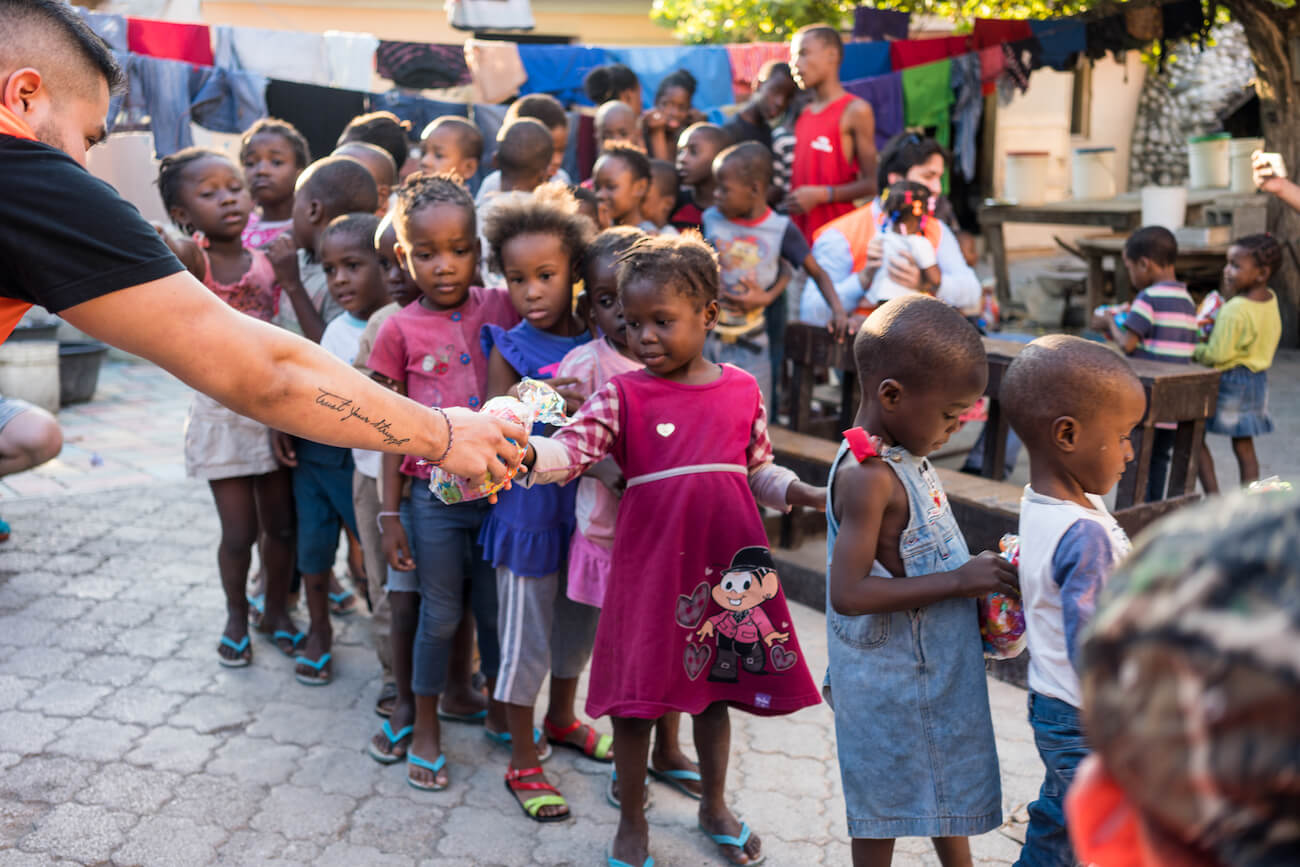
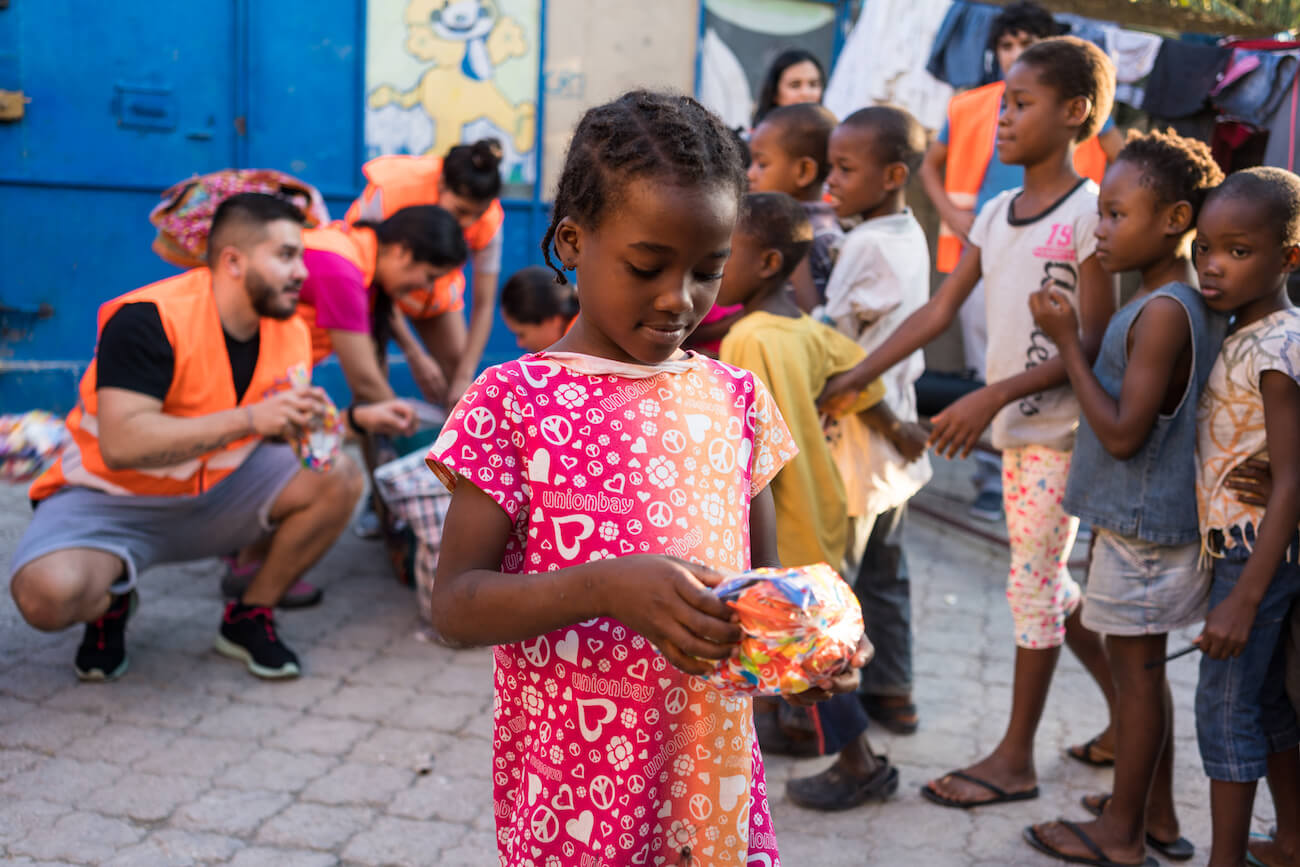
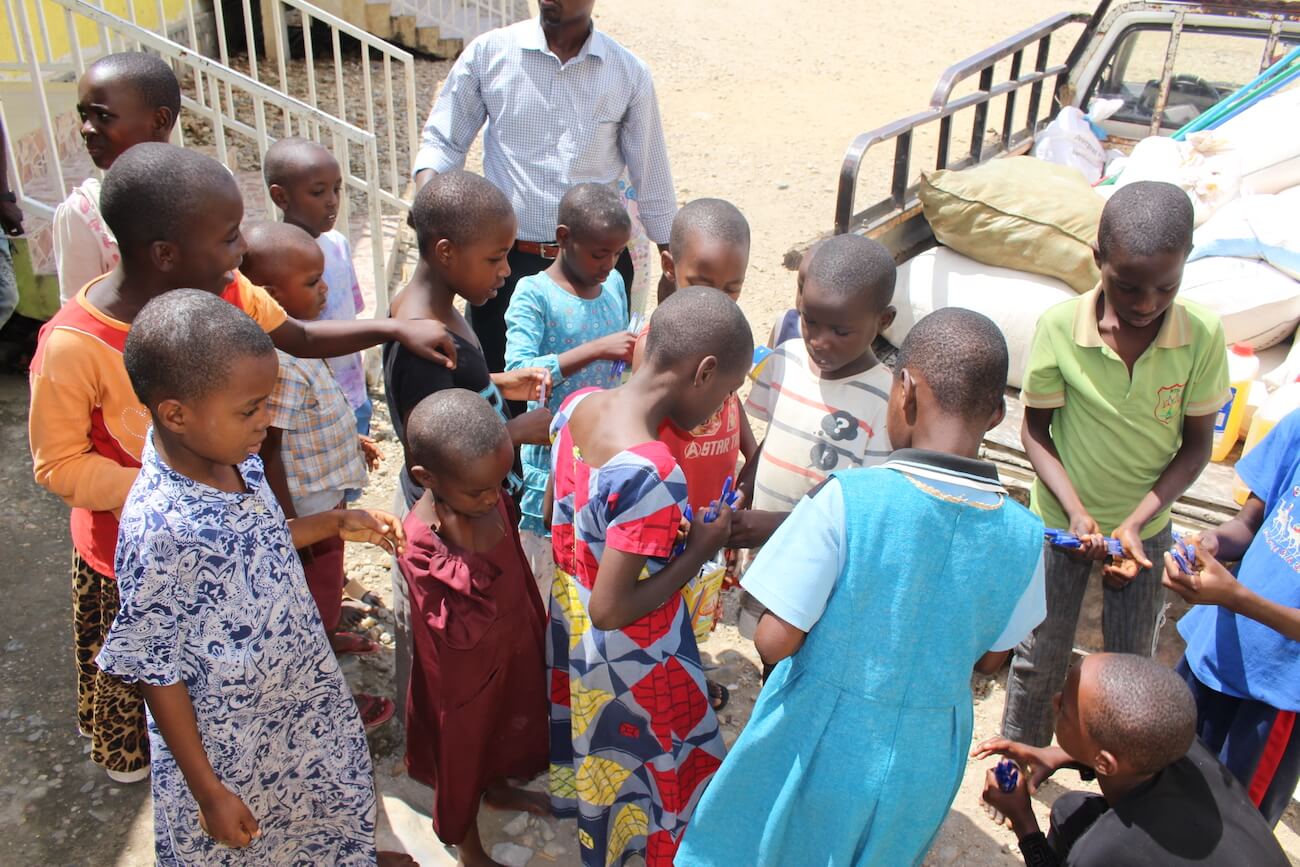
While many enjoy shopping for Eid attire, countless families worldwide cannot afford new clothes for the occasion. Through its humanitarian efforts, Embrace Relief helps provide clothing and essentials to those in need, ensuring that every family can celebrate Eid with dignity.

Why Wearing New Clothes on Eid is Important

Wearing new or freshly cleaned clothes on Eid is a symbolic way of marking a new beginning after a month of fasting and worship. It reflects self-care, gratitude, and the joy of celebrating with family and community. The tradition of “Eid best”—wearing the finest clothing possible—goes back centuries and remains a meaningful part of the holiday.

Eid 2025 Fashion Trends and Traditional Styles

For Women: Elegant and Modest Fashion

Women’s Eid fashion varies by region, but modesty and elegance remain key. In 2025, expect a mix of traditional and contemporary styles.

  • Traditional Abayas and Kaftans – Flowing, embroidered designs remain a classic choice. Soft pastels and jewel tones are trending this year.
  • Modern Maxi Dresses – Chic, loose-fitting dresses with delicate embellishments offer comfort and style.
  • Silk Hijabs and Headscarves – Satin and silk hijabs in neutral and bold colors are a popular accessory.
  • Handcrafted Jewelry – Intricately designed bangles, earrings, and necklaces add a finishing touch.

For Men: Classic and Contemporary Styles

Men’s Eid fashion balances tradition with modern tailoring. Whether attending Eid prayer or a family gathering, these looks stand out in 2025.

  • Classic Thobes and Jubbas – Timeless and comfortable, perfect for morning prayers. White, beige, and navy are trending.
  • Tailored Kurtas with Pajamas or Trousers – A stylish alternative to thobes, often worn in South Asia and the Middle East.
  • Smart Blazers with Traditional Wear – For a fusion look, pairing a blazer with a kurta gives a contemporary touch.
  • Leather Sandals and Loafers – Comfortable yet polished footwear options for the day.

For Children: Festive and Comfortable Looks

Kids love dressing up for Eid, and 2025 trends focus on bright colors, playful details, and comfortable designs.

  • Girls’ Dresses with Embroidery and Sparkle – Soft fabrics with floral or sequin details make for the perfect Eid dress.
  • Boys’ Miniature Thobes and Kurtas – Matching outfits with their fathers or older siblings create a special look.
  • Comfortable Footwear for Play – Sandals and slip-on shoes allow kids to enjoy the celebrations freely.

How to Choose the Right Eid Outfit

  1. Consider Comfort – Eid celebrations often last all day, so opt for breathable fabrics.
  2. Dress for the Occasion – Choose outfits suitable for prayer, family visits, and festive gatherings.
  3. Incorporate Cultural Elements – Traditional embroidery, colors, or patterns reflect heritage and style.
  4. Support Ethical Fashion – Look for brands that prioritize fair trade and sustainable materials.

Eid Shopping Tips for 2025

  • Shop Early to Avoid Last-Minute Rush – Popular designs sell out quickly, so plan ahead.
  • Take Advantage of Eid Discounts – Many stores and online brands offer special promotions.
  • Consider Matching Family Outfits – Coordinated looks for parents and children create a memorable celebration.
  • Support Local and Small Businesses – Handcrafted pieces often have unique designs and higher quality.

Helping Families in Need Celebrate Eid with Embrace Relief

While many people can afford new Eid clothes, millions of families struggle to meet even their basic needs. Through its Eid relief programs, Embrace Relief provides clothing, food, and essential aid to underprivileged communities, ensuring that no one is left behind in the celebrations.

How You Can Help

  • Donate to provide Eid clothing for children and families in need.
  • Support food distribution programs so that everyone can enjoy an Eid meal.
  • Help fund clean water projects, allowing communities to prepare for the holiday with dignity.
  • Contribute to orphan sponsorship initiatives, ensuring vulnerable children receive care and support.

Final Thoughts: Looking Your Best While Giving Your Best

Dressing well for Eid is a beautiful way to honor the holiday, but the true essence of Eid lies in generosity and gratitude. While choosing your perfect outfit, consider how you can make someone else’s Eid brighter. Through Embrace Relief, you can help families in need experience the joy of Eid with dignity.

Give the gift of Eid—donate to Embrace Relief today and bring happiness to those who need it most.
How to Give Back During Eid: Charity and Community Support

Eid is not only a time for celebration but also a time for generosity, kindness, and giving back. One of the most important aspects of Eid is helping those in need, ensuring that everyone can experience the joy of the holiday. Whether through Zakat, Sadaqah, or community service, giving back during Eid strengthens communities and brings people together in the spirit of compassion.

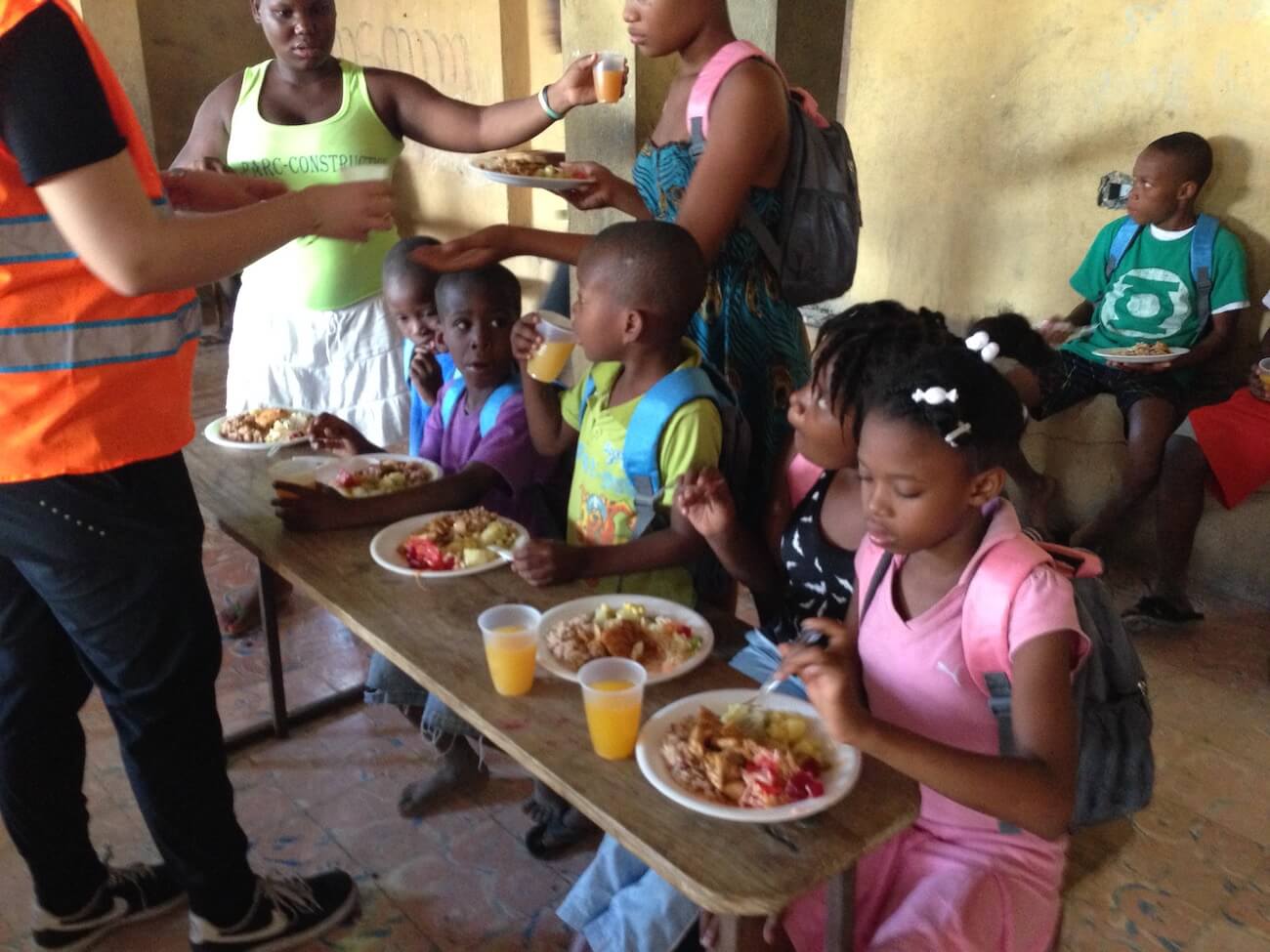
Millions of families around the world struggle with hunger, poverty, and lack of basic necessities during Eid. Embrace Relief works to provide food, clean water, and essential aid so that no one is left behind. Here’s how you can make a meaningful impact this Eid.

The Importance of Giving During Eid

Charity is at the heart of Islam, and Eid is a time when generosity is especially emphasized. Giving to those in need helps strengthen the community, purifies one’s wealth, and ensures that everyone can take part in the joy of Eid. There are two primary types of charity encouraged during Eid:

  • Zakat al-Fitr – A mandatory charity given before Eid ul-Fitr, meant to ensure that those less fortunate can celebrate the holiday with dignity.
  • Sadaqah – A voluntary form of charity that can be given at any time to support individuals and families in need.

Ways to Give Back During Eid 2025

1. Donate Food to Families in Need

Many families cannot afford a proper meal for Eid. Donating food ensures that they can partake in the celebrations with dignity. You can contribute by:

  • Providing food packages to struggling families.
  • Hosting or supporting community iftar meals during Ramadan leading up to Eid.
  • Supporting organizations like Embrace Relief, which distribute meals to vulnerable communities worldwide.

2. Give Zakat to Those Who Need It Most

Zakat is a fundamental part of Eid giving. It ensures that wealth is distributed to those who need it most. Your Zakat can provide essential resources such as:
  • Food assistance for families struggling with hunger.
  • Medical aid and healthcare for those without access to treatment.
  • Education and support for orphans, helping them build a brighter future.

Embrace Relief ensures that your Zakat reaches the most vulnerable and makes a direct impact on their lives.

3. Sponsor an Orphan for a Better Future

Many orphaned children lack access to education, healthcare, and basic necessities. Sponsoring an orphan provides them with:

  • Nutritious food so they don’t go hungry.
  • Schooling and educational support to secure a brighter future.
  • Medical care and emotional well-being to help them grow in a safe environment.

Sponsoring an orphan during Eid is a meaningful way to make a lasting difference in a child’s life.

Sponsor an Orphan for a Better Future

4. Support Clean Water Initiatives

Access to clean water is a major challenge in many parts of the world. During Eid, donating toward water well construction and clean water initiatives can help communities thrive by providing:

  • Safe drinking water to prevent disease.
  • Water for cooking and hygiene to improve daily life.
  • Sustainable solutions that support long-term health and stability.

Through its Clean Water Program, Embrace Relief builds wells in water-scarce regions, bringing life-changing resources to communities in need.

5. Visit the Sick and Elderly

Eid is a time to spread joy beyond immediate family and friends. Many elderly people in nursing homes or hospitals feel lonely during the holidays. Taking time to visit the sick and elderly can bring them comfort and happiness.

  • Bring small gifts or treats to share.
  • Spend time listening to their stories and making them feel valued.
  • Encourage children to participate in visits to spread more joy.

6. Volunteer in Your Community

Giving back isn’t just about financial contributions—it’s also about giving time and effort. You can:

  • Help at a local food bank to pack and distribute meals.
  • Join a charity event to raise funds for those in need.
  • Participate in a community clean-up to make public spaces better for everyone.

Many organizations, including Embrace Relief, organize volunteer initiatives during Eid. This is a great way to contribute directly to those in need.

7. Send Gifts to Underprivileged Families

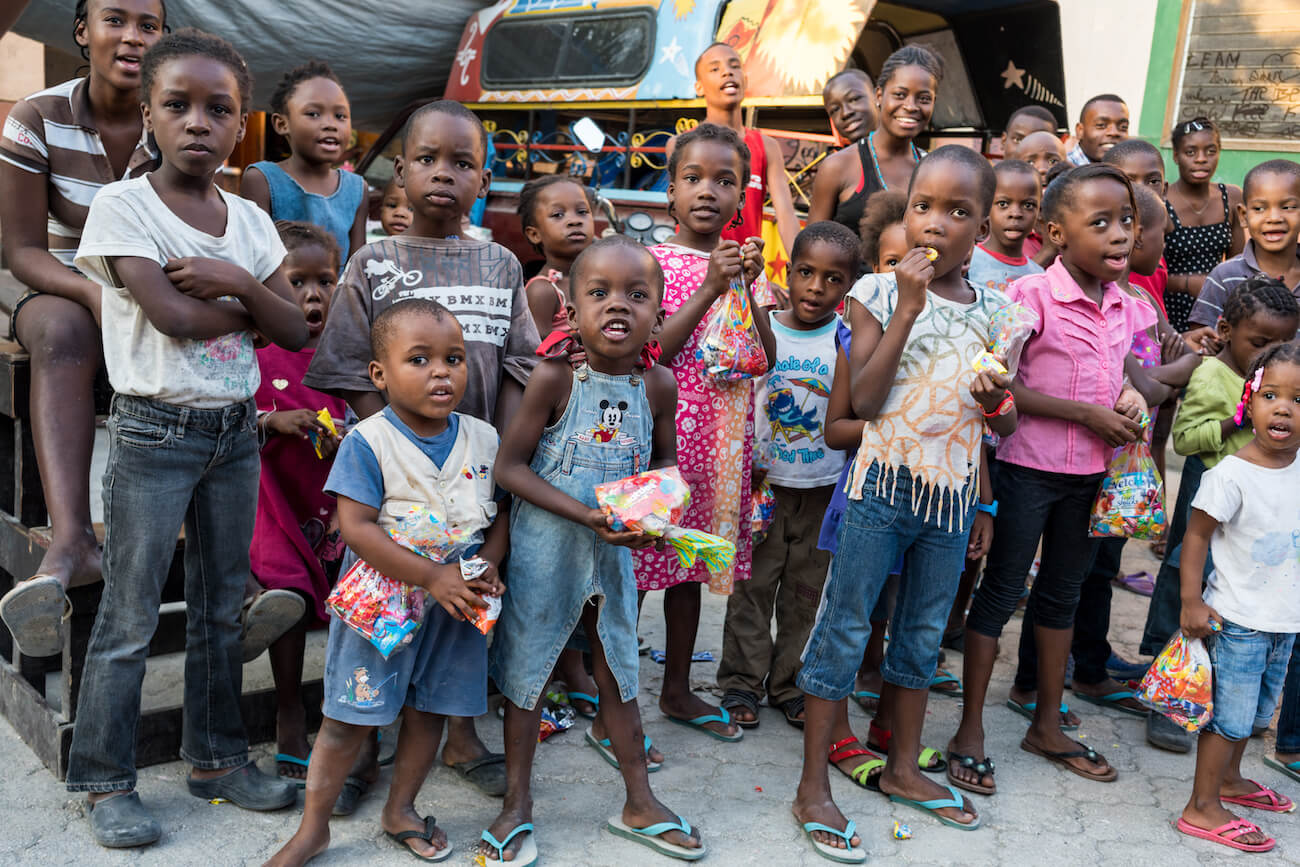
Eid is a time of joy, especially for children. However, many families cannot afford new clothes, toys, or gifts. You can help by:

  • Donating new or gently used clothing to families in need.
  • Providing Eid gifts for children who might not otherwise receive them.
  • Supporting organizations like Embrace Relief in their efforts to distribute Eid essentials.

How Embrace Relief Helps Families During Eid

Embrace Relief is committed to ensuring that everyone can celebrate Eid, regardless of their financial situation. Through various relief programs, the organization provides:

  • Eid food distributions to help families enjoy traditional meals.
  • Clothing and gifts for children who might not otherwise receive them.
  • Medical aid and emergency support for struggling communities.
  • Water well projects that bring clean drinking water to remote areas.

Final Thoughts: Spreading the Spirit of Eid Through Giving

Eid is not just about personal celebrations—it’s about sharing our blessings with others. By giving back, we strengthen our communities and ensure that everyone, regardless of their circumstances, can experience the joy of Eid. Whether through food donations, Zakat, orphan sponsorship, clean water initiatives, or community service, every act of kindness makes a difference.

Make this Eid truly special by supporting those in need. Donate to Embrace Relief today and help spread joy to families worldwide.

How Long Does Eid Last? Understanding Eid Holidays in Different Countries

Eid is one of the most anticipated times of the year for Muslims around the world. It is a time for prayer, family gatherings, and giving back to those in need. But one question many people ask is: How long does Eid last? The answer varies depending on whether it is Eid ul-Fitr or Eid ul-Adha, as well as the country in which it is celebrated.

While many enjoy extended Eid holidays, millions of families struggle to afford even basic necessities during this time. Embrace Relief helps provide food, water, and essential aid to ensure that underprivileged communities can also celebrate Eid with dignity.

How Many Days is Eid ul-Fitr?

Eid ul-Fitr marks the end of Ramadan and is traditionally celebrated for one to three days, depending on the country.

  • In most Muslim-majority countries, such as Saudi Arabia, the UAE, and Turkey, Eid ul-Fitr is a three-day public holiday.
  • In countries like Indonesia, Pakistan, and Malaysia, Eid ul-Fitr celebrations also last two to three days.
  • In Western countries such as the United States, Canada, and the UK, Eid is generally celebrated for one day, and many Muslims take time off work or school to observe the holiday.

Why Does Eid ul-Fitr Last for Different Durations?

  • Religious Observance: Islamically, Eid ul-Fitr is one day, but some cultures extend celebrations over multiple days.
  • Government Policies: Countries with a majority Muslim population often declare multiple public holidays for Eid.
  • Family Traditions: Many families continue celebrating beyond the official holiday through gatherings and meals.

How Many Days is Eid ul-Adha?

Eid ul-Adha, also known as the Festival of Sacrifice, is a longer holiday compared to Eid ul-Fitr. It is celebrated for three to four days and coincides with the final days of Hajj, the pilgrimage to Mecca.

  • In countries like Saudi Arabia, UAE, Egypt, and Pakistan, Eid ul-Adha lasts for three to four days, with many people taking an extended break.
  • In Turkey, Indonesia, and Malaysia, Eid ul-Adha is also observed for at least three days.
  • In non-Muslim-majority countries, including the United States and the UK, Muslims typically celebrate one day, but extended family gatherings may continue over the weekend.

Why Does Eid ul-Adha Last Longer?

  • Qurbani (Sacrifice): The process of sacrificing an animal and distributing meat takes time, so Eid ul-Adha is naturally longer.
  • Connection to Hajj: Since Eid ul-Adha is linked to the completion of Hajj, its duration follows the religious pilgrimage schedule.
  • Time for Giving and Sharing: Distributing Qurbani meat to the poor is a key part of Eid ul-Adha, requiring extra time for preparation.

Which Countries Have the Longest Eid Holidays?

Certain countries offer extended public holidays for Eid, allowing for longer celebrations.

  • Saudi Arabia: Both Eid ul-Fitr and Eid ul-Adha are observed as four-day national holidays.
  • Pakistan: Government employees typically get three to four days off, with private businesses sometimes extending holidays further.
  • Indonesia: Eid ul-Fitr includes a week-long holiday, known as Lebaran, due to mass travel as people return to their hometowns.
  • UAE & Gulf Countries: Eid ul-Fitr and Eid ul-Adha are both three- to four-day national holidays, depending on moon sighting.

In contrast, Muslim minorities in Western countries often take personal leave or rely on community celebrations to observe Eid.

Which Countries Have the Longest Eid Holidays?

How Embrace Relief Helps Families Celebrate Eid

While many people enjoy long Eid holidays, millions of families around the world struggle to afford food, clothing, and basic necessities. Embrace Relief is dedicated to ensuring that underprivileged communities can also experience the joy of Eid.

How You Can Help

  • Support Eid food distribution programs to provide meals for families in need.
  • Contribute to Qurbani meat distribution so that struggling families can partake in Eid ul-Adha.
  • Donate to clean water initiatives to ensure communities have safe drinking water.
  • Help sponsor orphans so that vulnerable children receive food, clothing, and education.

Final Thoughts: Celebrating Eid, Sharing the Joy

Whether Eid lasts one, three, or four days, its true meaning lies in faith, gratitude, and giving. As we celebrate with family and friends, let’s remember those who are less fortunate and extend our generosity to them.

Make this Eid meaningful by giving back. Donate to Embrace Relief and help bring joy to families in need.

How Different Countries Celebrate Eid Around the World

Eid ul-Fitr is a time of joy, reflection, and generosity, celebrated by Muslims in every corner of the world. While the core traditions of Eid—prayer, charity, and family gatherings—remain universal, each country adds its own unique cultural touch to the festivities. From grand feasts in the Middle East to vibrant street celebrations in Indonesia, Eid is a truly global occasion. However, while many celebrate with abundance, others face hardship, which is why Embrace Relief is committed to supporting communities in need during this blessed time.

Eid in Saudi Arabia and the Middle East

Eid celebrations in Saudi Arabia begin with the Eid prayer, followed by visits to family, acts of charity, and festive meals. Traditional dishes such as lamb kabsa, dates, and Arabic coffee are commonly enjoyed. Many people use this time to give to the less fortunate, donating food and financial aid to ensure others can also partake in the celebrations. In the UAE, public spaces are adorned with lights, and families take part in city-wide events, including fireworks and cultural performances.

Embrace Relief helps ensure that families facing financial difficulties can also enjoy a nourishing Eid meal. Through food distribution programs, Embrace Relief provides essential support to those in need during this special time.

Eid in Turkey: Şeker Bayramı (Sugar Feast)

In Turkey, Eid ul-Fitr is known as Ramazan Bayramı or Şeker Bayramı (Sugar Feast) due to the tradition of sharing sweets. Families prepare Turkish delights and baklava and visit elders, showing respect by kissing their hands. Children receive small gifts or money, and many take the opportunity to donate to charitable causes.

By contributing to Embrace Relief, you can help provide Eid meals and essential resources to communities that may otherwise struggle to afford celebrations.

Eid in Indonesia: Mudik and Festive Gatherings

Indonesia, home to one of the world’s largest Muslim populations, celebrates Eid, known as Lebaran, with large-scale festivities. A unique tradition called Mudik sees millions of people returning to their hometowns to celebrate with family. Mosques and homes are decorated with lanterns, and large public feasts take place. Traditional dishes such as ketupat (rice cakes) are served alongside a variety of spiced meats and curries.

In rural areas, access to clean water remains a challenge, affecting daily life and religious observances. Through its Clean Water Program, Embrace Relief helps provide sustainable water solutions to communities in need, ensuring that no one struggles to access safe drinking water during Ramadan and Eid.

Eid in India and Pakistan: Festive Markets and Mehndi

Eid in South Asia is marked by vibrant street markets filled with traditional clothing, jewelry, and festive treats. Women and girls apply mehndi (henna) on their hands in preparation for the holiday, while families prepare sheer khurma, a dessert made with vermicelli, milk, and dried fruits. Giving Eidi (money or small gifts) to children is a cherished tradition, fostering a spirit of generosity.

For many underprivileged families, affording Eid essentials can be a challenge. Embrace Relief works to bridge this gap by delivering food aid and essential resources, ensuring that no one is left out of the celebrations.

Eid in Africa: Community Feasts and Acts of Generosity

In many African countries, Eid is celebrated with large communal meals and acts of charity. In Nigeria, grand Durbar festivals feature horse parades and traditional music, while in Egypt and Morocco, families prepare special dishes and distribute food to neighbors and those in need.

Food insecurity remains a pressing issue in several regions, making Eid a time when support is needed most. Embrace Relief’s hunger relief initiatives provide vital food assistance to families struggling to afford meals, allowing them to celebrate Eid with dignity and joy.

Eid in Africa: Community Feasts and Acts of Generosity

Eid in Europe and North America: Growing Traditions

In Western countries where Muslims are a minority, Eid is celebrated with mosque prayers, community gatherings, and interfaith events. Eid carnivals, food festivals, and charitable initiatives have become popular, reflecting the diversity of Muslim communities. Many Muslims take this opportunity to give to global causes, ensuring that those in need can also experience the blessings of Eid.

By donating to Embrace Relief, you can make a difference in the lives of families around the world, providing food, water, and other essential aid during this meaningful time.

How Embrace Relief Supports Eid Celebrations Worldwide

Eid is a time for giving, but for many, it is also a time of struggle. Embrace Relief is dedicated to ensuring that families facing financial hardship, food insecurity, and lack of resources can still experience the joy of Eid.

How You Can Help

  • Support hunger relief programs that provide Eid meals to families in need
  • Contribute to clean water initiatives that give communities access to safe drinking water
  • Help sponsor orphans and vulnerable children, ensuring they have food, education, and care
  • Assist with emergency aid and healthcare for struggling families

This Eid, extend your generosity beyond your home. Donate to Embrace Relief and help make a difference in the lives of those who need it most.

Final Thoughts: A Global Celebration of Faith and Unity

Eid is a time of unity, gratitude, and generosity, celebrated in unique ways across different cultures. While traditions may vary, the values of faith, family, and giving remain at the heart of the celebration. As we gather with loved ones, let’s remember those who are less fortunate and take action to support them.

Share the blessings of Eid. Donate to Embrace Relief today.

Eid Travel Guide 2025: Best Destinations to Celebrate

Eid is a time of joy, prayer, and celebration, and for many, it is also an opportunity to travel. Whether you want to experience Eid in a historic Islamic city, enjoy a luxurious getaway, or explore a cultural festival, there are countless destinations that offer unique and unforgettable Eid experiences.

While many plan exciting trips for Eid, millions of families struggle to afford even basic necessities. Embrace Relief helps ensure that underprivileged communities worldwide can celebrate Eid with dignity by providing food, clothing, and essential aid.

Why Travel for Eid?

Traveling for Eid offers a unique way to experience the holiday in a new setting, whether by visiting a sacred site, exploring a new culture, or simply enjoying a well-deserved break. Many families use the Eid holidays as a time for relaxation, spiritual reflection, and bonding with loved ones.

Top Eid Destinations for 2025

1. Mecca and Medina, Saudi Arabia – The Ultimate Spiritual Journey

For Muslims seeking a deeply spiritual experience, Mecca and Medina are the most meaningful places to visit during Eid. While Hajj takes place during Eid ul-Adha, many pilgrims visit the holy sites during Eid ul-Fitr as well.

  • Experience: Perform Umrah, visit the Grand Mosque (Masjid al-Haram) in Mecca and the Prophet’s Mosque (Masjid an-Nabawi) in Medina.
  • Best For: Spiritual reflection, religious tourism, and historical exploration.

2. Istanbul, Turkey – A Blend of Tradition and Modernity

Istanbul is a stunning city where East meets West, making it an ideal destination for an Eid getaway. The city’s rich Islamic history, beautiful mosques, and lively bazaars create a festive atmosphere perfect for celebrating Eid.

  • Experience: Attend Eid prayers at the Blue Mosque, explore the Grand Bazaar, and enjoy traditional Turkish sweets.
  • Best For: History lovers, families, and those looking for a mix of spirituality and culture.

3. Dubai, UAE – Luxury and Festivities

Dubai offers one of the most extravagant Eid celebrations in the world. With spectacular firework displays, shopping festivals, and special Eid events, the city becomes a hub of activity.

  • Experience: Attend grand Eid celebrations, enjoy Eid brunches at luxury hotels, and explore Dubai’s theme parks.
  • Best For: Families, luxury travelers, and shopping enthusiasts.

4. Cairo, Egypt – A Historic and Cultural Experience

Eid in Cairo is a blend of Islamic tradition and modern celebration. The city’s mosques and historic sites offer a glimpse into Egypt’s deep-rooted Islamic heritage, while the bustling streets come alive with Eid festivities.

  • Experience: Pray at Al-Azhar Mosque, visit the Great Pyramids of Giza, and take a scenic Nile cruise.
  • Best For: History buffs, cultural travelers, and families.

5. Marrakech, Morocco – A Vibrant Eid Celebration

Marrakech is known for its colorful markets, stunning mosques, and warm hospitality. The city’s Eid celebrations include public feasts, family gatherings, and lively cultural performances.

  • Experience: Wander through the Jemaa el-Fnaa square, explore the beautiful Koutoubia Mosque, and indulge in Moroccan cuisine.

Best For: Adventure seekers, cultural travelers, and food lovers.

6. Kuala Lumpur, Malaysia – A Modern Islamic Destination

Malaysia’s capital, Kuala Lumpur, offers a modern and multicultural Eid experience. The city’s mosques and shopping districts make it a great place for celebrating while enjoying the local culture.

  • Experience: Visit the Putra Mosque, enjoy Eid delicacies like ketupat and rendang, and explore vibrant night markets.
  • Best For: Families, food enthusiasts, and cultural travelers.

7. London, UK – A Diverse Eid Celebration

London is home to one of the most diverse Muslim communities in the world, making it a great place to celebrate Eid. The city hosts large-scale Eid festivals, cultural events, and public gatherings.

  • Experience: Attend the Eid in the Square festival at Trafalgar Square, explore diverse halal restaurants, and shop for Eid gifts.
  • Best For: Expats, multicultural travelers, and those looking for an inclusive Eid experience.
Eid Travel Tips for 2025

8. Zanzibar, Tanzania – A Beachfront Eid Getaway

For those looking for a relaxing Eid escape, Zanzibar offers stunning beaches, a rich Islamic heritage, and a peaceful environment for reflection.

  • Experience: Visit Stone Town’s mosques, enjoy a Swahili-style Eid feast, and relax on the island’s white-sand beaches.
  • Best For: Couples, beach lovers, and those seeking a peaceful Eid retreat.

Eid Travel Tips for 2025

  • Book Early: Eid is a peak travel time, so plan your flights and accommodations in advance.
  • Respect Local Customs: While many destinations welcome tourists, it’s important to follow local traditions and dress modestly in Islamic countries.
  • Find Local Mosques: If traveling, research where to attend Eid prayers in your destination.
  • Give Back While Traveling: Support local communities by donating to food drives, charities, or organizations like Embrace Relief.

How Embrace Relief Helps Families During Eid

While many people travel for Eid, millions of families cannot afford basic necessities, let alone a holiday getaway. Embrace Relief provides essential aid to those in need, ensuring that struggling communities can also experience the joy of Eid.

Ways You Can Help While Traveling

  • Support Eid food distribution programs to provide meals for underprivileged families.
  • Donate to clean water projects to help communities in need.
  • Contribute to orphan sponsorship programs to support vulnerable children during Eid.
  • Raise awareness about global poverty by sharing your travel experiences and supporting charitable initiatives.

Final Thoughts: Make Eid Special Wherever You Are

Eid is a time of joy, reflection, and generosity, whether celebrated at home or abroad. As you explore new destinations and immerse yourself in different cultures, take a moment to remember those who are less fortunate.

This Eid, extend your generosity beyond travel—donate to Embrace Relief and help families in need experience the blessings of Eid.

Eid Prayer 2025: Everything You Need to Know

Eid prayer is one of the most important acts of worship on Eid ul-Fitr and Eid ul-Adha. It is a special congregational prayer performed in the morning that marks the beginning of the Eid celebrations. Muslims around the world gather in mosques, open fields, and prayer grounds to offer this prayer, thanking Allah for His blessings and seeking His guidance.

While many people celebrate Eid with joy, millions of families around the world struggle with poverty and hunger. Embrace Relief works to ensure that underprivileged families can also experience the happiness of Eid through food aid, clean water initiatives, and humanitarian support.

What is Eid Prayer?

Eid prayer, known as Salah al-Eid, is a two-unit (rak‘ah) congregational prayer performed on the morning of Eid ul-Fitr and Eid ul-Adha. It is one of the most significant Sunnah (recommended) prayers in Islam.

  • Eid ul-Fitr prayer is performed on the first day of Shawwal, marking the end of Ramadan.
  • Eid ul-Adha prayer takes place on the 10th day of Dhul-Hijjah, during the days of Hajj and Qurbani (sacrifice).

The prayer is a way for Muslims to express gratitude, unity, and devotion to Allah.

What Time is Eid Prayer in 2025?

Eid prayer is performed shortly after sunrise, usually about 15–30 minutes after Fajr (dawn prayer) and before Dhuhr (midday prayer).

Expected Eid Prayer Timings for 2025

  • Eid ul-Fitr 2025: Expected to be on March 30, 2025 (subject to moon sighting), with prayer typically between 6:30 AM – 8:00 AM, depending on location.
  • Eid ul-Adha 2025: Expected to be on June 6, 2025, with similar prayer timing in the morning.

How to Find the Exact Time for Your City

  • Check your local mosque’s announcement a day before Eid.
  • Use Islamic apps or websites that provide accurate prayer times based on your location.
  • Listen for public Eid announcements, as some cities organize large outdoor gatherings.

How to Perform Eid Prayer

Eid prayer is different from the daily five obligatory prayers in Islam. It consists of two rak‘ahs (units of prayer) with additional Takbirs (Allahu Akbar recitations).

Step-by-Step Guide to Performing Eid Prayer

  1. Make the intention (niyyah) – “I intend to pray two rak‘ahs of Eid prayer for the sake of Allah.”
  2. First Rak‘ah (Unit of Prayer)
    • The imam says Allahu Akbar (Takbir) to begin the prayer.
    • The congregation repeats Takbir six or seven times (depending on school of thought).
    • Surah Al-Fatihah is recited, followed by another surah (commonly Surah Al-A‘la or Surah Qaf).
    • The prayer continues as usual with Ruku (bowing) and Sujood (prostration).
  3. Second Rak‘ah
    • After standing up, Takbir is repeated five times.
    • Surah Al-Fatihah is recited again, followed by another surah (commonly Surah Al-Ghashiyah).
    • The prayer concludes with Tashahhud (final sitting) and Salam (peace greeting).
  4. Khutbah (Eid Sermon) – After the prayer, the imam delivers a sermon, reminding the congregation about the importance of gratitude, charity (Zakat al-Fitr), and unity.

Where is Eid Prayer Performed?

  • Mosques – Many mosques host large Eid prayers.
  • Open prayer grounds (Eidgahs) – In many countries, Eid prayers are performed in large open fields to accommodate more people.
  • Community Centers & Parks – In Western countries, some Eid prayers are organized in public spaces, stadiums, or convention centers.

Rules and Sunnah of Eid Prayer

To make the most of Eid prayer, there are several recommended Sunnah (Prophetic traditions) to follow:

Before the Prayer

Take a shower (Ghusl) – A sign of cleanliness and preparation.
Wear your best clothes – Eid is a celebration, so dressing nicely is encouraged.
Eat something before Eid ul-Fitr prayer – The Prophet Muhammad (peace be upon him) would eat dates before going to prayer.
Give Zakat al-Fitr – This charity must be given before the Eid prayer so that those in need can enjoy the holiday.

During and After the Prayer

Say Takbir frequently – It is recommended to recite “Allahu Akbar, Allahu Akbar, La ilaha illa Allah, Allahu Akbar wa Lillahil Hamd” on the way to prayer.
Take different routes – The Prophet would go to the Eid prayer using one route and return home using another.
Greet others joyfully – Saying Eid Mubarak and embracing loved ones strengthens bonds.
Visit family and friends – Eid is a time to reconnect with loved ones and strengthen relationships.

Common Questions About Eid Prayer

Common Questions About Eid Prayer

1. Can Eid Prayer Be Performed at Home?

Eid prayer is ideally performed in congregation, but in cases of necessity (such as illness or restrictions), it may be prayed at home with family members.

2. Is Eid Prayer Mandatory?

Eid prayer is Wajib (obligatory) according to Hanafi scholars and Sunnah Mu’akkadah (highly recommended) according to other schools of thought.

3. Can Women and Children Attend Eid Prayer?

Yes, women and children are encouraged to attend Eid prayer, as it is a communal celebration. Many mosques and prayer grounds provide separate spaces for women.

How Embrace Relief Helps Families Celebrate Eid

While millions gather for Eid prayer, many families face hunger, poverty, and hardship during this time. Embrace Relief works to bring hope to these communities by providing:

  • Eid food packages to ensure that every family has a meal to celebrate.
  • Clean water access so communities can perform ablution (Wudu) and prepare for prayer.
  • Orphan sponsorship programs to support children without families.
  • Emergency relief efforts for refugees and displaced communities.

Final Thoughts: The Power of Eid Prayer and Giving Back

Eid prayer is a beautiful reminder of gratitude, unity, and faith. It is a time to come together as a community, celebrate our blessings, and extend our generosity to those in need.

Make this Eid more meaningful by giving back. Donate to Embrace Relief and help families in need celebrate Eid with dignity and joy.

Eid Greetings & Messages for Loved Ones in 2025

Eid is a time of joy, reflection, and gratitude—a moment to come together with loved ones and celebrate the blessings of the season. One of the simplest yet most meaningful ways to spread the joy of Eid is by sending heartfelt greetings and messages to family, friends, and colleagues. Whether through a handwritten card, a thoughtful text, or a social media post, sharing warm wishes strengthens connections and brings people closer.

While many enjoy the festivities, countless families around the world struggle to afford even the basics for Eid. Embrace Relief works to ensure that underprivileged communities also experience the joy of Eid through food aid, clean water initiatives, and orphan support programs.

Traditional Eid Greetings

The most common way to greet someone on Eid is by saying:

  • Eid Mubarak! – “Blessed Eid!” A universal greeting used by Muslims worldwide.
  • Eid Sa’id! – “Happy Eid!” Often used in Arabic-speaking countries.
  • Kul ‘am wa antum bikhayr! – “May you be well every year!” A warm Arabic greeting.
  • Taqabbal Allahu minna wa minkum! – “May Allah accept from us and from you!” Often said after Eid prayers.

These greetings are perfect for in-person exchanges, messages, or social media captions.

Heartfelt Eid Wishes for Family & Friends

Eid Messages for Family

  • “Eid Mubarak to my wonderful family! May our home be filled with love, happiness, and countless blessings this Eid and always.”
  • “Wishing you all a joyous and peaceful Eid. May Allah bless our family with good health, happiness, and endless barakah.”
  • “On this special day, I am grateful for the gift of family. May our bond grow stronger and our hearts be filled with gratitude.”

Eid Messages for Friends

  • “Eid Mubarak, my dear friend! May this day bring you peace, prosperity, and endless joy.”
  • “Wishing you and your loved ones a beautiful Eid celebration. May your heart be filled with love and your home with happiness.”
  • “May this Eid bring you closer to your dreams and fill your life with success, laughter, and faith.”

Eid Messages for Colleagues & Business Associates

  • “Eid Mubarak! Wishing you a joyous and prosperous Eid filled with blessings and success.”
  • “May this Eid bring peace, happiness, and harmony to you and your loved ones. Have a wonderful celebration!”
  • “Wishing you success, health, and happiness this Eid. May your hard work always be rewarded!”

Inspirational Eid Quotes & Messages

Spiritual Eid Quotes

  • “Ramadan has passed, but its lessons remain. May this Eid be a reminder to carry kindness, gratitude, and generosity throughout the year.”
  • “Eid is not about new clothes and lavish feasts—it’s about new beginnings, renewed faith, and the joy of giving.”
  • “Happiness is not in material things, but in the love we share, the prayers we make, and the kindness we spread. Eid Mubarak!”

Eid Messages About Giving & Charity

  • “As we celebrate Eid, let us remember those in need. May we continue to give, share, and uplift others not just today, but always.”
  • “True joy is found in giving. This Eid, let’s extend our blessings by supporting those who need it most.”
  • “Eid is a reminder that through generosity and kindness, we can bring light into the lives of others.”
Inspirational Eid Quotes & Messages

How to Share Eid Greetings in 2025

In today’s digital world, there are many creative ways to send Eid greetings:

  • Handwritten Cards – A personal touch that makes your message even more special.
  • Social Media Posts – Share your wishes on Instagram, Facebook, or Twitter.
  • WhatsApp & Text Messages – A quick and heartfelt way to connect with loved ones.
  • Video Messages – Record a short Eid greeting for a more personal and engaging message.

Spreading Eid Joy with Embrace Relief

While sending messages to loved ones brings joy, the true spirit of Eid is in giving and sharing with those in need. Many families around the world do not have the means to celebrate Eid. Embrace Relief works to bring hope to underprivileged communities by providing food, water, and essential aid during this special time.

Ways You Can Help

  • Support Eid food programs to provide meals for struggling families.
  • Donate to clean water initiatives and help communities access safe drinking water.
  • Sponsor an orphan to ensure children receive food, education, and care.
  • Contribute to emergency aid programs that support those in crisis.

Final Thoughts: Share the Blessings of Eid

Eid is a time for joy, gratitude, and connection. As you send heartfelt messages to loved ones, take a moment to reflect on the true meaning of Eid—spreading kindness, generosity, and love.

Make this Eid truly meaningful by giving back. Donate to Embrace Relief and help bring happiness to families in need.

Eid 2025 Recipes: Must-Try Dishes for Your Feast

Eid is a time of celebration, gratitude, and sharing meals with loved ones. Across different cultures, Eid feasts feature a variety of delicious dishes, from savory main courses to sweet desserts. Whether you are preparing a traditional family meal or looking to try something new, this guide highlights some of the most popular Eid recipes from around the world.

While many families prepare elaborate feasts for Eid, others struggle to afford even a basic meal. Through its food distribution programs, Embrace Relief ensures that families in need can also enjoy a nourishing Eid celebration.

Traditional Eid Appetizers and Snacks

1. Samosas (South Asia & Middle East)

Crispy and golden on the outside, samosas are a classic Eid snack. They are often filled with spiced potatoes, ground meat, or lentils and served with chutneys.

Ingredients: Flour, potatoes, ground meat, onions, garlic, cumin, coriander, chili powder, and oil.

2. Kibbeh (Lebanon & Syria)

Kibbeh is a flavorful dish made of bulgur wheat, minced onions, and finely ground meat. It can be baked, fried, or served raw.

Ingredients: Bulgur wheat, ground beef or lamb, onions, cinnamon, allspice, and pine nuts.

3. Cheese Fatayer (Middle East & North Africa)

Fatayer is a popular stuffed pastry, often filled with cheese, spinach, or meat. These bite-sized treats are a favorite at Eid gatherings.

Ingredients: Flour, yeast, feta cheese, parsley, olive oil, and eggs.

Main Dishes for a Perfect Eid Feast

4. Biryani (India & Pakistan)

Biryani is a fragrant rice dish layered with spiced meat and saffron-infused rice. It is often served with raita (yogurt sauce) and salad.

Ingredients: Basmati rice, chicken or lamb, onions, tomatoes, garlic, ginger, yogurt, saffron, and spices.

5. Lamb Ouzi (UAE & Gulf Countries)

A festive dish, Ouzi consists of spiced rice topped with slow-cooked lamb, nuts, and raisins. It is a centerpiece of many Eid celebrations in the Middle East.

Ingredients: Lamb, basmati rice, cardamom, cinnamon, cloves, almonds, and raisins.

6. Mafé (West Africa)

Mafé, or peanut stew, is a West African dish made with beef or chicken cooked in a rich, nutty sauce. It is often served with rice or couscous.

Ingredients: Beef or chicken, peanut butter, tomatoes, onions, garlic, and chili peppers.

Sweet Eid Desserts to End the Meal

7. Sheer Khurma (South Asia)

A traditional Eid dessert, sheer khurma is a sweet, creamy vermicelli pudding made with milk, dates, and nuts.

Ingredients: Vermicelli, milk, dates, sugar, cardamom, almonds, and pistachios.

8. Maamoul (Middle East & North Africa)

Maamoul are buttery date-filled cookies often shaped in decorative molds. They are a staple Eid treat in Arab countries.

Ingredients: Semolina flour, butter, dates, rose water, and powdered sugar.

9. Malva Pudding (South Africa)

This soft and sticky sponge pudding, soaked in a buttery caramel sauce, is a popular dessert for Eid celebrations in South Africa.

Ingredients: Flour, sugar, eggs, milk, apricot jam, butter, and cream.

How Embrace Relief Helps Families Enjoy an Eid Meal

Eid Drinks to Complement the Feast

10. Jallab (Middle East)

A refreshing drink made from dates, grape molasses, and rose water, jallab is served cold with crushed ice and pine nuts.

Ingredients: Date syrup, grape molasses, rose water, pine nuts, and water.

11. Mango Lassi (South Asia)

This creamy, sweet yogurt-based drink is perfect for cooling down after a hearty Eid meal.

Ingredients: Ripe mangoes, yogurt, milk, honey, and cardamom.

How Embrace Relief Helps Families Enjoy an Eid Meal

While Eid feasts are a highlight of the holiday, many families worldwide lack access to food and basic necessities. Embrace Relief works to bridge this gap by providing food packages to underprivileged communities during Eid, ensuring that no family is left without a meal to celebrate.

How You Can Help

  • Donate to support Eid food distribution programs.
  • Contribute to clean water initiatives to help families cook and drink safely.
  • Support orphan sponsorship programs, providing children with meals, education, and care.

Final Thoughts: Sharing the Blessings of Eid

Eid is not just about enjoying delicious meals—it is about sharing the blessings of the holiday with others. As you prepare your own Eid feast, consider how you can extend generosity to those who need it most.
This Eid, give the gift of a meal. Donate to Embrace Relief and help ensure that every family has food to celebrate.