



Recent

Eid 2025 Dates & Moon Sighting: When Will Eid ul-Fitr Be Celebrated?

Eid ul-Fitr is one of the most significant celebrations in Islam, marking the end of Ramadan and the beginning of the month of Shawwal. It is a time of gratitude, prayer, and giving back to the community. Since the Islamic calendar is lunar-based, the exact date of Eid varies each year and is determined by the sighting of the new moon.

When Is Eid ul-Fitr 2025?

Eid ul-Fitr 2025 is expected to fall on Sunday, March 30, 2025, in most countries. Some regions may observe Eid on Monday, March 31, 2025, depending on local moon sighting reports. Since Islamic months begin with the sighting of the crescent moon, the official date will only be confirmed a day or two before Eid.

Why Does the Date of Eid Vary?

The Islamic calendar follows the lunar cycle, making it 10–11 days shorter than the Gregorian calendar. Each month starts when the new crescent moon is visible after sunset. Because of this, Eid moves earlier each year in the solar calendar. Moon sighting depends on location, weather conditions, and visibility, which is why different countries may observe Eid on different days.

Why Do Some Countries Celebrate Eid on Different Days?

Even though Eid ul-Fitr follows a universal Islamic calendar, different countries sometimes celebrate on different days due to several factors. Some countries rely on local moon sighting committees, while others follow Saudi Arabia’s announcement. The new moon may be visible in one country but not in another due to time zones and atmospheric conditions. Some scholars accept astronomical calculations, while others require a physical moon sighting.

In past years, countries like Saudi Arabia, the UAE, and Turkey may observe Eid on one day, while India, Pakistan, and Morocco may celebrate a day later. This variation is a natural result of following a lunar-based system rather than a fixed calendar.

How Is the Eid Moon Sighted?

Moon sighting is a combination of scientific calculations and traditional observation. Astronomers predict the first visibility of the crescent moon, Islamic scholars and moon sighting committees observe the sky, and religious authorities make announcements once the moon is confirmed. In some countries, people gather at mosques or open fields to watch for the first glimpse of the crescent moon, making it a beautiful and communal tradition.

What Happens If the Moon Is Not Sighted?

If the crescent moon is not visible, Ramadan continues for one more day, and Eid is celebrated the following day. This has happened in previous years when cloudy skies or poor visibility made moon sighting difficult, or the moon was too thin to be seen with the naked eye. This is why some countries wait until the last moment to confirm Eid’s official date.

Final Thoughts: When Will You Celebrate Eid in 2025?

How Is Eid Announced?

In modern times, Eid announcements are made through TV and radio broadcasts, social media updates from religious councils, mosque announcements after Maghrib (sunset) prayers, and online moon sighting reports. Muslims worldwide eagerly await the declaration, preparing for Eid celebrations as soon as the date is confirmed.

How Embrace Relief Supports Communities During Eid

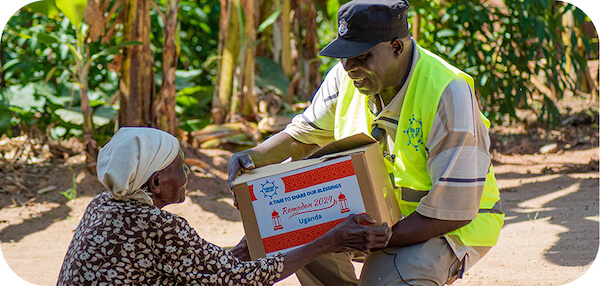
Eid is a time of celebration, but for many struggling families, it can also be a time of hardship. At Embrace Relief, we are committed to ensuring that no one is left behind during this sacred occasion. Through our food distribution programs, we provide meals to families in need, ensuring they can enjoy a nourishing iftar and Eid celebration. Our clean water initiatives help communities in need access safe drinking water, and our orphan sponsorship programs provide care and support to children who need it most.

Final Thoughts: When Will You Celebrate Eid in 2025?

Eid ul-Fitr 2025 is expected on March 30 or 31, depending on moon sighting. Different countries may celebrate on different days due to local lunar observations. Moon sighting is a spiritual and traditional part of Ramadan’s end. Whether your Eid is on Sunday or Monday, the spirit of the celebration remains the same—a time of joy, gratitude, and giving.

This Eid, let’s not only celebrate with our families but also extend our generosity to those in need. Consider supporting Embrace Relief’s programs to make a difference in the lives of others.

Support a family this Eid. Donate to Embrace Relief today.
Eid 2025 and Zakat: The Importance of Giving During This Blessed Time

Eid is a time of celebration, reflection, and gratitude. But most importantly, it is a time of giving back. One of the core obligations of Eid is Zakat, a form of charity that ensures that the less fortunate can also experience the joy of the holiday. Whether it’s Zakat al-Fitr, given before Eid ul-Fitr, or Zakat al-Mal, a yearly donation on accumulated wealth, giving during Eid is one of the most impactful ways to help those in need.

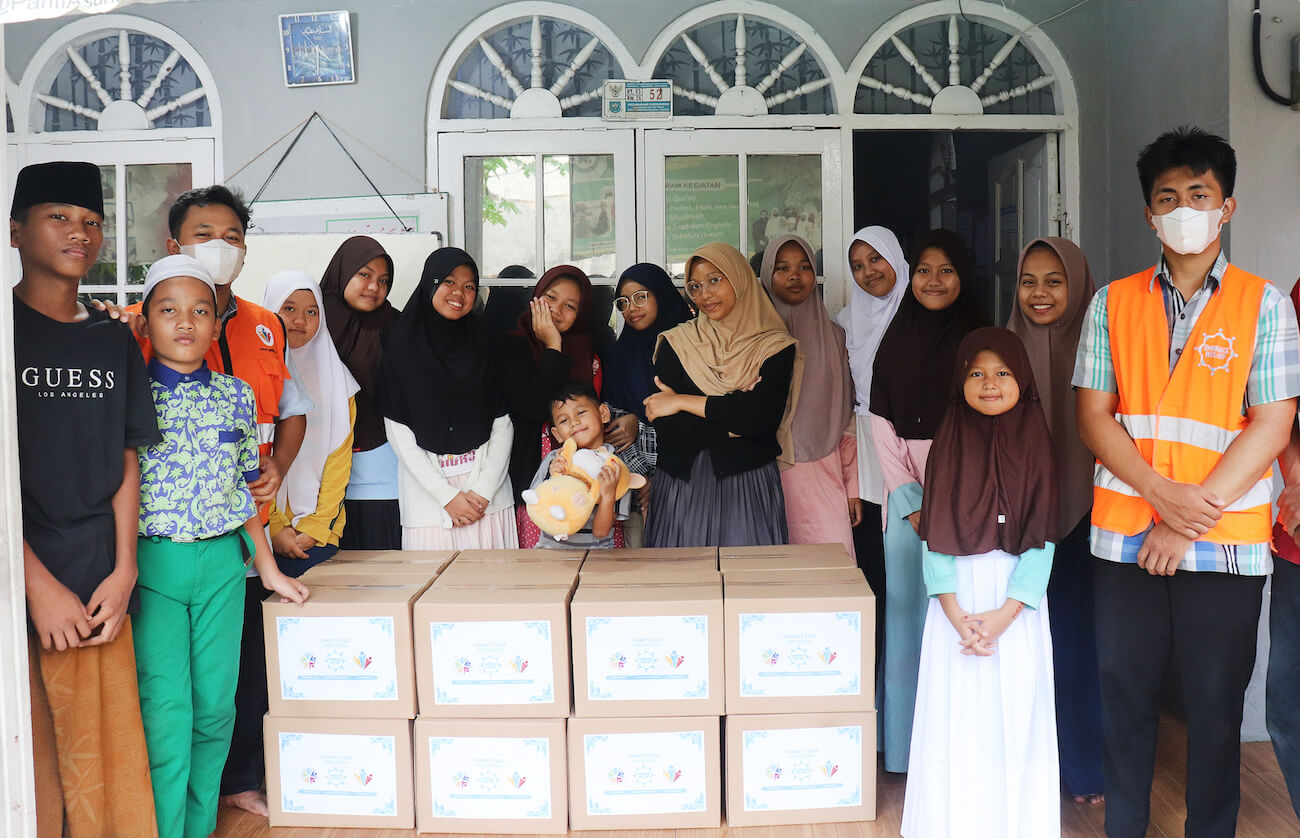
While many families gather for feasts and celebrations, millions of others struggle to afford basic necessities. Embrace Relief works to ensure that underprivileged families receive food, clothing, and essential aid during Eid through Zakat-supported programs.

What is Zakat and Why is it Important During Eid?

Zakat is one of the Five Pillars of Islam, requiring Muslims to donate a portion of their wealth to those in need. It serves as a way to purify wealth, uplift struggling families, and create a more just and compassionate society.

There are two main types of Zakat observed during Eid:

1. Zakat al-Fitr (Mandatory Before Eid ul-Fitr)

  • What it is: A small amount of charity that must be given before the Eid prayer at the end of Ramadan.
  • Who gives it: Every Muslim who has the financial means must pay it on behalf of themselves and their dependents.
  • Who benefits: The poor, needy, and those who cannot afford food to celebrate Eid.

2. Zakat al-Mal (Annual Charity on Wealth)

  • What it is: A required donation of 2.5% of accumulated wealth, including savings, investments, and assets, for those who meet the nisab (minimum wealth threshold).
  • Who gives it: Muslims who have wealth above the nisab for one lunar year.
  • Who benefits: Orphans, widows, refugees, those struggling with poverty, and others in need.

Zakat is not just about giving money—it is about ensuring that everyone can celebrate Eid with dignity.

How Zakat Helps Families During Eid

Zakat allows struggling families to:

  • Afford Food for Eid – Many cannot afford even a basic meal. Zakat al-Fitr provides essential food supplies so that everyone can enjoy Eid.
  • Buy Clothing and Essentials – Children and families who lack basic resources can receive clothing, shoes, and hygiene products.
  • Pay for Medical Expenses – Zakat supports healthcare and medical aid for those in need.
  • Provide Education and Support for Orphans – Many orphans rely on Zakat donations for their food, education, and well-being.

How Much is Zakat al-Fitr in 2025?

The amount of Zakat al-Fitr is based on the cost of staple foods (such as wheat, rice, or dates) and varies by region. It is generally estimated at $10 to $15 per person, but it is important to check with local Islamic organizations for the exact amount in 2025.

Who is Eligible to Receive Zakat?

Who is Eligible to Receive Zakat?

Islamic guidelines specify that Zakat must be distributed to:

  1. The poor – Those who struggle to afford daily meals.
  2. The needy – Those in financial hardship but do not ask for help.
  3. Zakat administrators – Those who distribute Zakat to the rightful recipients.
  4. New Muslims and those struggling in faith – To strengthen their faith and community support.
  5. Those in debt – Individuals burdened with debts they cannot repay.
  6. Stranded travelers – Those in urgent need far from home.
  7. Orphans and widows – Those who have lost family support.
  8. Those fighting for justice – Those defending Islam and struggling for humanitarian rights.

How Embrace Relief Uses Your Zakat to Help Those in Need

Embrace Relief ensures that 100% of Zakat donations go directly to those in need, supporting essential programs such as:

  • Food Aid – Distributing food packs to families struggling with hunger during Eid.
  • Orphan Sponsorship – Providing food, education, and care for children without families.
  • Clean Water Projects – Building wells and improving access to safe drinking water.
  • Healthcare Support – Providing medical aid and life-saving treatments for the less fortunate.

By donating Zakat through Embrace Relief, you can be confident that your contribution directly benefits those who need it most.

How to Calculate and Pay Zakat in 2025

1. Use a Zakat Calculator

Zakat should be calculated based on 2.5% of your savings and eligible assets. Many Islamic organizations offer online Zakat calculators to help determine how much you owe.

2. Give Zakat Online or Through a Trusted Charity

Embrace Relief provides an easy and secure way to pay Zakat, ensuring that it is distributed properly to those in need.

3. Pay Zakat Before Eid Prayer

For Zakat al-Fitr, it must be given before the Eid prayer so that recipients can use it in time for their Eid celebrations.

The Difference Between Zakat and Sadaqah

While both Zakat and Sadaqah are acts of charity, they serve different purposes:

Feature

Zakat

Sadaqah

Obligatory?

Yes, for eligible Muslims

No, voluntary giving

When to Give?

Once a year (Zakat al-Mal), or before Eid (Zakat al-Fitr)

Anytime

Who Receives It?

Must go to specific eligible groups

Can go to anyone in need

Purpose

To purify wealth and support the less fortunate

To give extra charity and kindness

While Zakat is a required duty, Sadaqah is an additional act of generosity, and both are highly rewarded in Islam.

Final Thoughts: Make Eid More Meaningful Through Giving

Eid is a time of gratitude and generosity. As we celebrate with family and friends, it’s important to remember those who are struggling. Giving Zakat is not just an obligation—it’s an opportunity to uplift others and bring joy to those in need.

By donating to Embrace Relief, you can ensure that your Zakat reaches those who need it most, helping families afford food, clothing, and essential aid during this blessed time.

Make your Zakat count this Eid. Donate through Embrace Relief today and help change lives.

Best Eid Gift Ideas for Family and Friends

Eid is a time of celebration, gratitude, and generosity. One of the most cherished traditions during this time is exchanging gifts with loved ones. Whether you’re looking for meaningful, traditional, or modern presents, choosing the right gift shows appreciation and strengthens bonds. While many families exchange gifts, there are also millions worldwide who cannot afford even the basics for Eid. Embrace Relief works to change that by helping provide food, clothing, and essential aid so that every family can enjoy Eid.

How to Choose the Perfect Eid Gift

When selecting an Eid gift, consider the recipient’s preferences, traditions, and lifestyle. A thoughtful present reflects the spirit of Eid—spreading joy, kindness, and generosity. Whether it’s a meaningful keepsake, a practical item, or an experience to share, the best gifts make the holiday even more special.

Traditional Eid Gift Ideas

1. Islamic Books and Calligraphy

A beautifully bound Quran, Islamic storybooks for children, or a book on personal growth in Islam makes for a meaningful and lasting gift. Islamic calligraphy art pieces featuring Quranic verses or motivational messages also serve as a cherished decoration for any home.

2. Perfume and Oud

Perfumes and oud (fragrance oils) are a staple Eid gift, especially in Middle Eastern and South Asian cultures. Many people enjoy wearing new fragrances for Eid prayer and celebrations. Choosing a high-quality scent makes for a timeless and thoughtful gift.

3. Traditional Clothing

New clothes are a core part of Eid celebrations. Gifting a stylish abaya, thobe, or elegant outfit allows your loved ones to feel special on Eid day. Many online stores and local markets offer exclusive Eid collections.

4. Sweet Treats and Dates

Sweets are a must-have for Eid celebrations. A box of premium dates, Arabic sweets like baklava and maamoul, or South Asian desserts like barfi and laddu make for a perfect gift. Gifting a homemade dessert also adds a personal touch.

Modern Eid Gift Ideas

5. Personalized Gifts

Custom gifts add a sentimental value that makes them stand out. Engraved jewelry, personalized mugs with Islamic quotes, or a custom prayer mat are meaningful ways to show love and thoughtfulness.

6. Tech Gadgets and Accessories

For those who appreciate modern gifts, smartwatches, wireless earbuds, or portable chargers make useful and exciting presents. Many brands offer Eid discounts, making this a great time to buy.

7. Experience-Based Gifts

Instead of material gifts, consider gifting experiences. A relaxing spa day, a restaurant gift card for an Eid meal, or even a charity donation in their name can make a memorable and meaningful present.

Eid Gifts for Kids

Children look forward to Eidi, the tradition of receiving money or small gifts from elders. To make Eid even more exciting for kids, consider:

  • Islamic Storybooks – Fun and educational, these books teach children about Islam in an engaging way.
  • Eid-Themed Activity Kits – Arts and crafts sets with moon and star designs keep kids entertained.
  • Personalized Money Envelopes – Giving Eidi in beautifully designed envelopes makes it even more special.

Giving Back: The Best Gift of All

While exchanging gifts is a beautiful tradition, the true essence of Eid is generosity. Many families around the world struggle to afford even basic necessities for Eid. Through Embrace Relief, you can give the most meaningful gift—helping those in need experience the joy of Eid.

Giving Back: The Best Gift of All

How Embrace Relief Helps Families Celebrate Eid

Eid should be a time of joy for all, but for many, it is a time of hardship. Embrace Relief ensures that underprivileged families can also celebrate Eid by providing food, clean water, and essential aid.

Ways You Can Help

  • Support Eid food packs to provide meals for families in need.
  • Help build clean water wells so communities can have access to safe drinking water.
  • Contribute to orphan sponsorship programs, ensuring that children receive food, education, and care.
  • Donate to emergency aid programs that support families facing hardship.

Final Thoughts: Make Eid Special for Everyone

Eid is about more than just receiving gifts—it is about spreading kindness, love, and generosity. Whether you choose a traditional present, a modern gadget, or a meaningful donation, every gift has the power to bring happiness. As you shop for your loved ones, consider extending the spirit of Eid to those in need.

Make this Eid more meaningful—donate to Embrace Relief and bring joy to families in need.

The Race for U.S. Citizenship: Why Applications Are Rising and How You Can Prepare

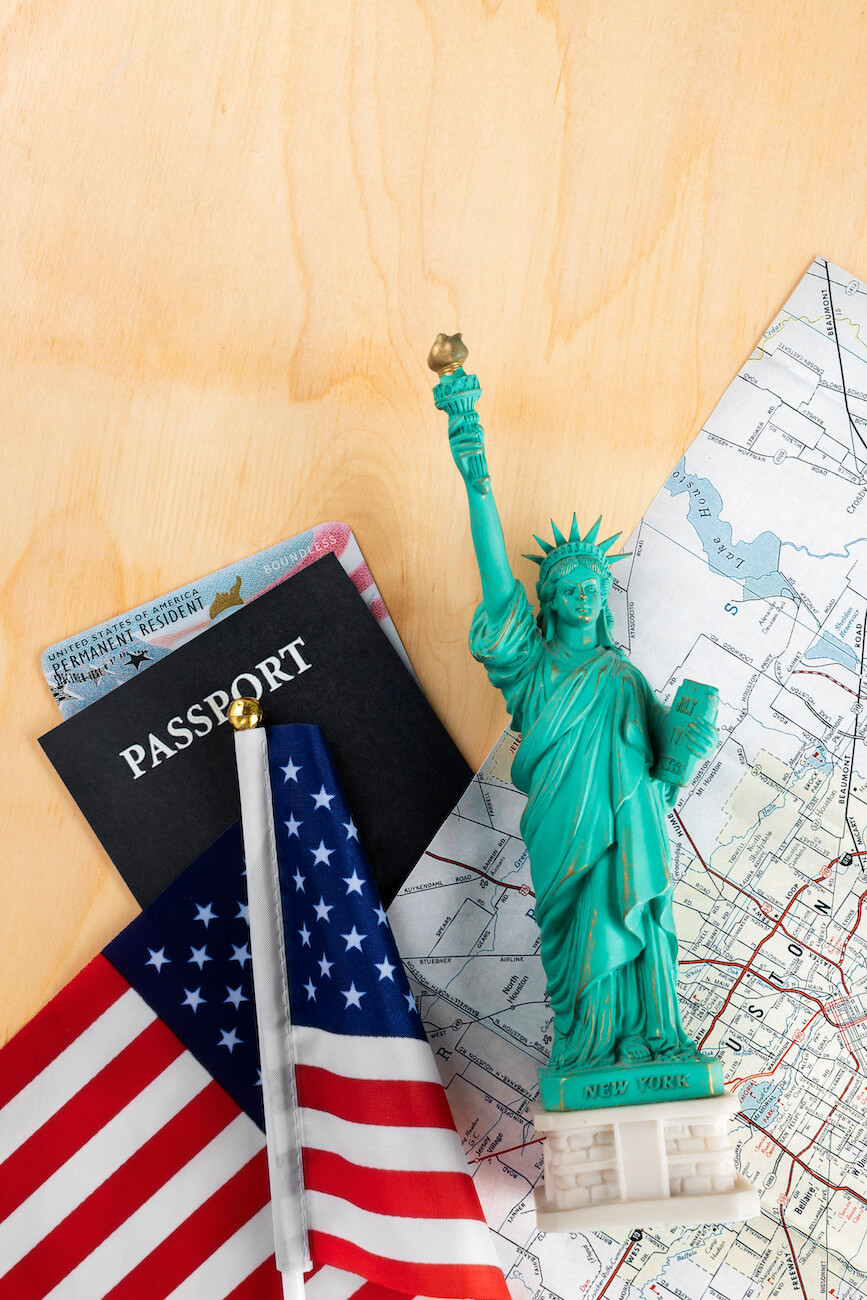
The demand for U.S. citizenship is growing rapidly. According to the latest data, naturalization applications have increased by 12% compared to pre-pandemic levels. This is more than just a statistic, it’s a clear signal that thousands of lawful permanent residents are taking action to secure their place in this country.

But with more people applying, the process is becoming more competitive. Interviews are harder to schedule. Wait times are longer. And the exam and paperwork haven’t gotten any easier.

If you’re a green card holder thinking about applying for citizenship, the time to prepare is now.

The Reasons Behind the Surge

Several key factors are fueling the spike in applications:

  • Delayed applications from the pandemic are finally being submitted.
  • Policy updates have made eligibility more accessible to more people.
  • Economic opportunities citizenship unlocks access to federal jobs, financial aid, and expanded benefits.

While these are positive signs, they also raise the stakes. For those preparing to apply, it’s critical to have a strong grasp of the process from English proficiency to the civics exam.

Embrace Relief’s Pathway to Citizenship Course: What You’ll Gain

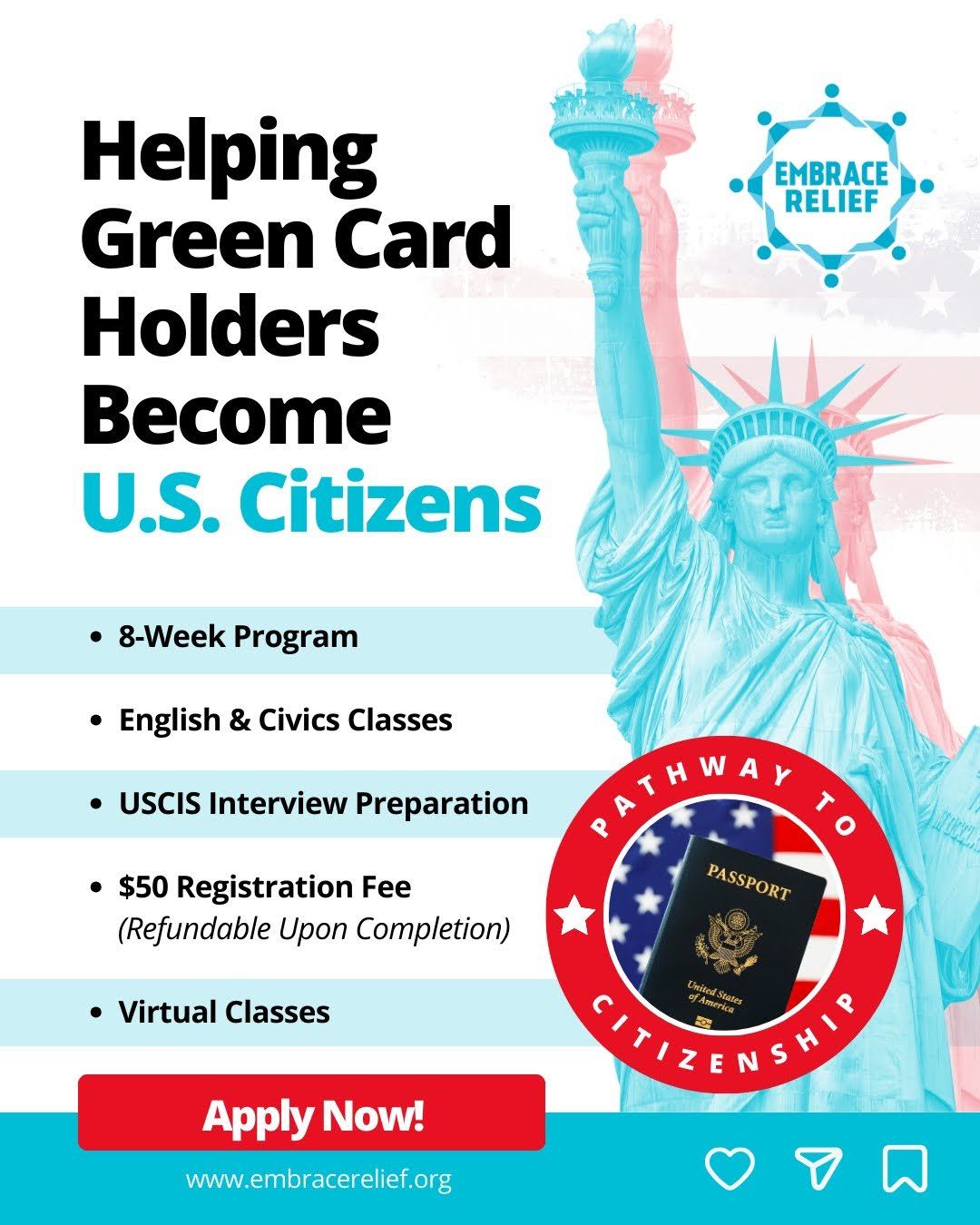
To meet this growing need, Embrace Relief is launching its next Pathway to Citizenship course on Wednesday, April 23. This eight-week program is specifically designed to help green card holders prepare for every step of the naturalization process.

Here’s what the course covers:

  • English Language Skills: Improve your speaking, reading, and writing with guided instruction.
  • Civics Education: Learn about U.S. history, government, and your rights and responsibilities as a citizen.
  • Test Preparation: Practice for the naturalization interview and exam with sample questions and mock interviews.

All classes are offered virtually, making it easy to join from anywhere. You’ll learn in a supportive, interactive setting.

Course Details

  • Start Date: Wednesday, April 23
  • Schedule: Sundays at 10:00 AM and Wednesdays at 6:00 PM
  • Format: Online, 8 weeks

Whether you’re just starting to think about citizenship or already gathering documents for your application, this course will give you a clear path forward and the confidence to follow it.

Embrace Relief’s Pathway to Citizenship Course

Citizenship Is Within Reach

Citizenship is more than a legal status: it’s access, opportunity, and a sense of belonging. But no one should have to navigate this process alone. With the right preparation, you can move forward with clarity, confidence, and support.

Your journey to citizenship starts now. Take the first step with us, join us now : https://www.embracerelief.org/pathway-to-citizenship-program/

World Water Day: Celebrating Water and Promoting Global Sustainability

Summary

  • World Water Day raises awareness about global water challenges.
  • Communities worldwide take action through education, clean-ups, and advocacy.
  • Embrace Relief is helping bring clean water to those in need through its Clean Water Initiative.

Every year on March 22, the world comes together to observe World Water Day, a United Nations initiative that highlights the importance of freshwater and sustainable water management. Established in 1993, this day serves as a platform to educate, inspire action, and address the global water crisis. Today, billions of people still lack access to safe water, making this awareness day more critical than ever.

World Water Day was first introduced during the 1992 United Nations Conference on Environment and Development in Rio de Janeiro. Recognizing the increasing challenges of water scarcity and pollution, the UN officially declared March 22 as a global observance. The goal is to focus attention on the importance of freshwater, encourage sustainable water practices, and advocate for policies that improve access to clean drinking water.

Each year, World Water Day has a specific theme to address different aspects of water management, such as climate change, groundwater conservation, or water equality. These themes guide discussions, research, and initiatives aimed at tackling the most urgent water-related issues.

Around the globe, people mark World Water Day with events designed to raise awareness and promote action. Schools and universities organize educational workshops and exhibitions to teach students about water conservation and global water challenges. Environmental groups and volunteers take part in community clean-up efforts, removing waste from rivers, lakes, and oceans to protect vital water sources. Organizations and activists launch advocacy campaigns to push for better policies and increased funding for clean water projects. Even artists contribute, using music, photography, and other creative expressions to highlight the significance of water in our daily lives.

This collective effort serves as a reminder that water is a shared resource that requires global cooperation to protect and sustain.

Embrace Relief’s Commitment to Clean Water

Embrace Relief’s Commitment to Clean Water

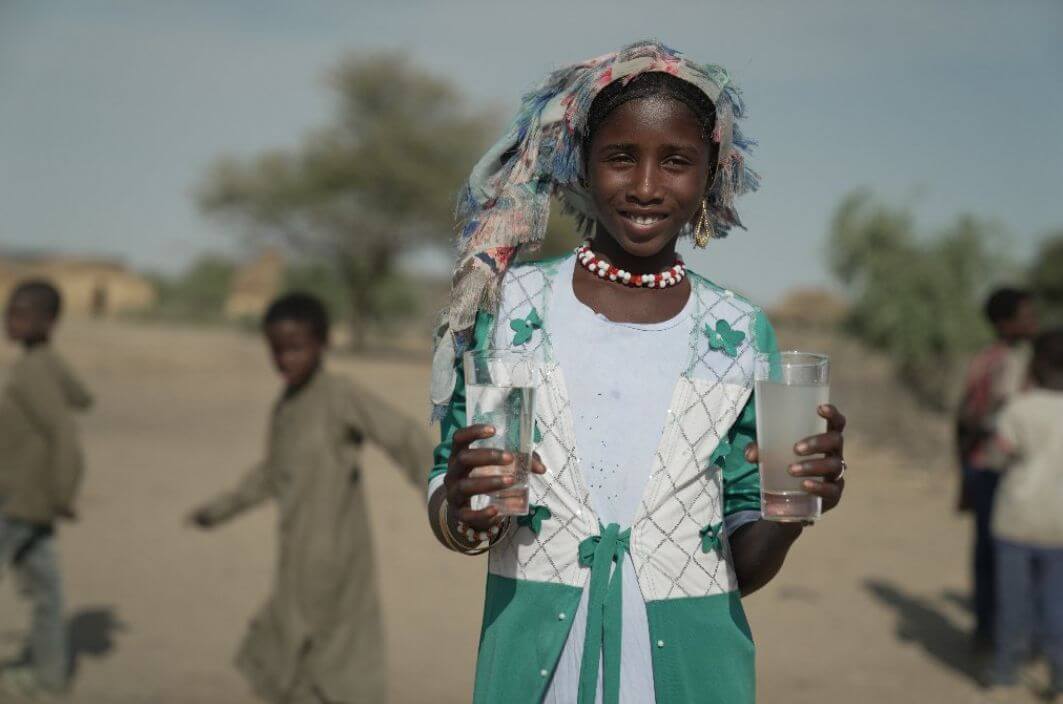
At Embrace Relief, we understand that access to clean water is essential for health, education, and economic growth. That’s why we have dedicated ourselves to making a lasting impact through our Clean Water Initiative. Since 2013, we have built and restored over 1,000 water wells, providing safe drinking water to more than 1,000,000 people in countries including Chad, Cameroon, Nigeria, Tanzania, Kenya, Uganda, and Pakistan.

Our approach focuses on sustainability, ensuring that wells are built to last, maintained regularly, and tailored to the specific needs of each community. Every well we construct comes with a five-year warranty, including routine check-ups and necessary repairs. By investing in clean water infrastructure, we help reduce the spread of waterborne diseases, alleviate the daily burden of fetching water, and give communities the foundation they need to thrive.

One of the most effective ways to create lasting change is through monthly donations. With just $22 a month, you can provide 1,000 people with clean drinking water every single month. By committing to a recurring donation, you ensure that communities continue to benefit from safe, reliable water sources long after World Water Day has passed. Small, consistent contributions add up to a lifetime of impact, helping to build, maintain, and restore wells in areas where clean water is scarce.

This World Water Day, take action by supporting Embrace Relief’s Clean Water Initiative. Your donation can help build new wells, restore existing ones, and provide thousands of people with access to safe drinking water.

Clean water is more than a necessity—it’s a human right. Join us in making it a reality for all.

For more information on Embrace Relief’s Clean Water Initiative, click here!

AI Tutors: Revolutionizing Education or Raising Concerns?

Summary

  • Explore how AI tutors are revolutionizing personalized learning and accessibility.
  • Learn about the concerns surrounding AI-driven education, including accuracy and human interaction.
  • See how the L.E.A.R.N. program empowers Afghan girls through online education.

Imagine having a tutor available 24/7, ready to provide instant feedback, personalized lessons, and adaptive learning experiences. AI tutors are doing just that, offering students a cost-effective way to enhance their education. These intelligent learning systems can analyze a student’s strengths and weaknesses, adjusting lesson plans in real time to optimize their learning. Whether it’s chatbots helping with homework or AI-powered platforms guiding students through complex subjects, artificial intelligence is becoming a powerful tool in education.

The appeal of AI tutors is clear—accessibility and affordability. Many students, especially in underserved communities, struggle to afford private tutoring. AI platforms offer a scalable solution, allowing students worldwide to access personalized education at a fraction of the cost. In fact, a 2023 study from the EdTech Research Group found that students using AI-assisted tutoring improved their test scores by an average of 20%, showcasing the potential of this technology in boosting academic success.

Beyond accessibility, AI-powered tutors can help students stay engaged by providing interactive and adaptive learning experiences. With features like gamified lessons, real-time performance tracking, and speech recognition for language learning, AI is redefining the way students absorb information. But despite these benefits, AI tutoring comes with significant challenges that cannot be ignored.

While AI tutors offer impressive benefits, they also raise important concerns. Accuracy remains a critical issue. AI-generated responses are not always correct, and without human oversight, students may develop misunderstandings. Moreover, AI lacks emotional intelligence, an essential element in education. Teachers don’t just provide knowledge; they inspire, mentor, and create dynamic learning environments that encourage curiosity and collaboration. AI, no matter how advanced, cannot replace the human connection that fosters deep learning.

Another concern is over-reliance on AI. While these platforms can enhance learning, students may become too dependent on automated assistance, potentially weakening their critical thinking and problem-solving skills. Ethical considerations also come into play, particularly regarding data privacy. AI-driven education platforms collect vast amounts of student data, raising questions about security and the potential misuse of personal information.

Experts suggest that AI should complement, rather than replace, traditional teaching methods. A hybrid approach, where AI supports educators rather than substitutes them, may be the most effective way to maximize its benefits while mitigating its drawbacks.

Online Learning in Action: The L.E.A.R.N. Program

Online Learning in Action: The L.E.A.R.N. Program

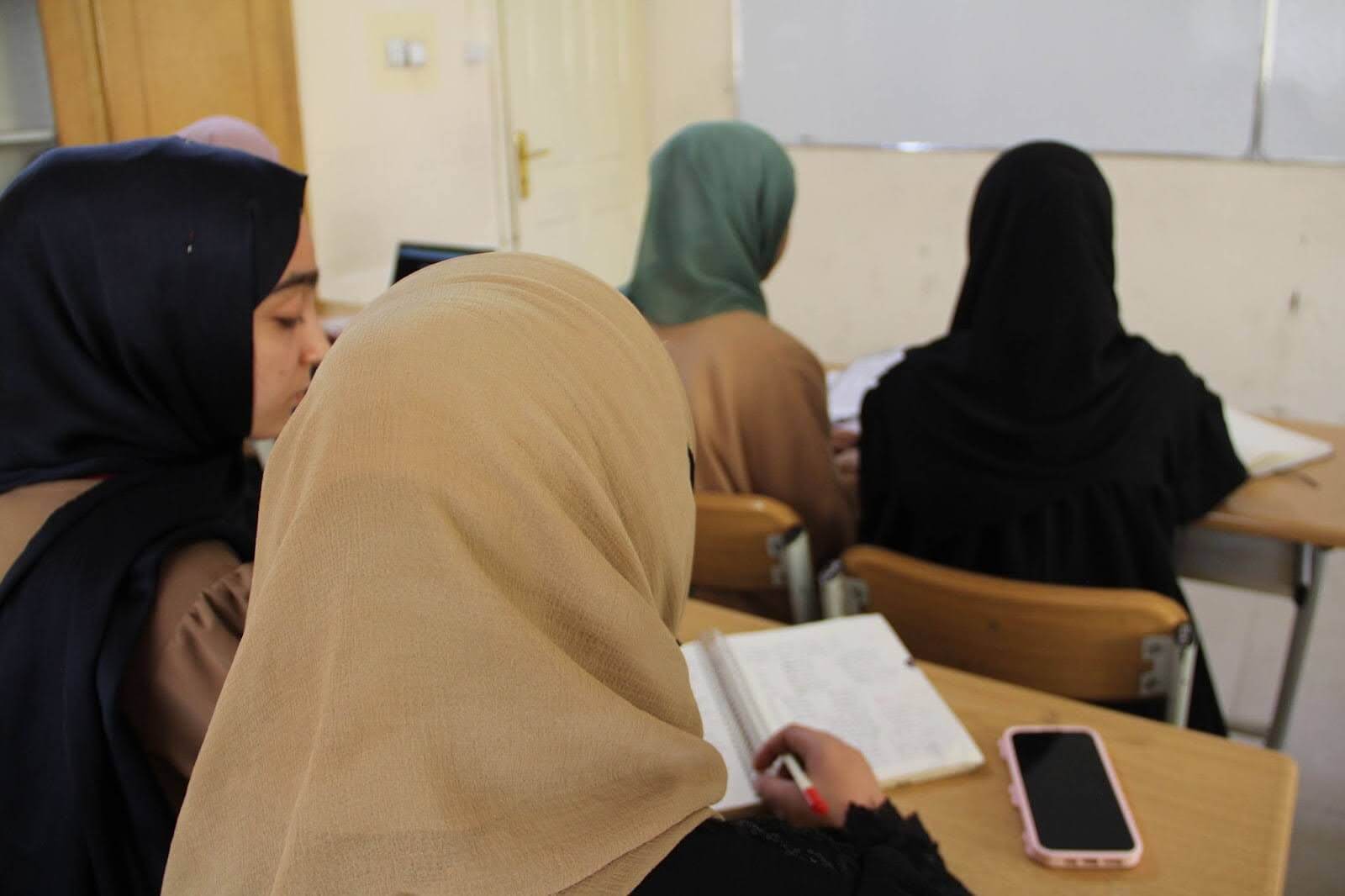
While AI tutors showcase the potential of technology in education, Embrace Relief’s L.E.A.R.N. (Learning and Education for Afghan girls’ Rights and Needs) program demonstrates how online learning can create real opportunities for students in need. L.E.A.R.N. provides Afghan girls with access to high school and college-level courses, allowing them to gain critical skills in a rapidly evolving digital landscape.

Through the program, students study fields like Computer Applications, preparing them for remote work in the tech industry. With 90% of IT jobs expected to allow remote work by 2025, according to Global Workplace Analytics, this training is opening doors to financial independence and career stability.

For just $80 a month, you can sponsor a girl’s education, covering tuition, mentorship, and a secure online learning environment. Your support doesn’t just fund an education—it empowers young women to break barriers, build futures, and contribute to their communities.

Programs like L.E.A.R.N. prove that technology, when used correctly, can be a force for good in education. Whether through AI-driven tutoring or online education initiatives, digital learning has the power to transform lives.

For more information on the Embrace Relief L.E.A.R.N. program, click here.

Donate For Women’s Empowerment

$
Donate Now

Understanding the Surge in Naturalization Rates: What It Means for Aspiring Citizens

Summary

  • USCIS reports a 12% rise in naturalization applications, reflecting shifting immigration patterns and policy changes.
  • Increased demand means longer processing times and the need for thorough preparation.
  • Programs like Embrace Relief’s Pathway to Citizenship offer essential guidance to help applicants succeed.

Over the past year, the United States Citizenship and Immigration Services (USCIS) has reported a significant rise in naturalization applications, with a 12% increase compared to pre-pandemic levels. This surge signals a growing interest among lawful permanent residents (LPRs) in securing U.S. citizenship, but it also presents new challenges for aspiring citizens. With processing times stretching and demand rising, understanding the reasons behind this trend is crucial for those planning their own naturalization journey.

Several factors are driving this increase in applications. First, pandemic-related delays created a backlog, and many green card holders who postponed their applications are now moving forward. Second, recent shifts in immigration policy, including streamlined processing efforts and expanded eligibility under certain programs, have encouraged more applicants to take action. Additionally, upcoming elections and concerns about potential policy changes have motivated many permanent residents to secure their citizenship now, ensuring they have a voice in shaping the country’s future.

The economic landscape is another major contributor to this rise in applications. Becoming a U.S. citizen opens doors to better job opportunities, access to federal benefits, and greater economic security. With the labor market evolving and many industries facing worker shortages, LPRs see naturalization as a path to stability and career advancement.

However, this increase in demand has also resulted in longer wait times and additional hurdles. Naturalization processing times vary by region, but many applicants now face months-long delays. Additionally, the interview and test remain key challenges for non-native English speakers, making preparation more important than ever.

Preparing for the Naturalization Process with Embrace Relief

Preparing for the Naturalization Process with Embrace Relief

With the naturalization process becoming more competitive and time-sensitive, proper preparation is essential. That’s where Embrace Relief’s Pathway to Citizenship program comes in. Designed to help green card holders navigate the process with confidence, this eight-week program provides English language training, U.S. civics education, and USCIS test preparation.

Our virtual classes ensure accessibility for all learners, offering interactive lessons and practice exams to help applicants master interview questions and civics topics. By building language skills and reinforcing key knowledge areas, the Pathway to Citizenship program equips aspiring citizens with the tools they need to succeed in their naturalization journey.

Now is the time to take the next step toward U.S. citizenship. Whether you’re just beginning the process or need extra guidance, Embrace Relief is here to support you every step of the way!

For more information on Embrace Relief’s Pathway to Citizenship program, click here!

Donate For Ramadan 2025

Embrace Relief aims to provide 100,000 people with nutritious food during our International Hunger Relief: Ramadan 2025 campaign.

$

Mastering the U.S. Citizenship Interview: Tips, Common Questions, and How to Prepare

Summary

  • Understand the structure of the USCIS naturalization interview and what to expect.
  • Learn the most commonly asked questions and how to answer them confidently.
  • Get expert preparation tips and discover how Embrace Relief’s Pathway to Citizenship Program can help you succeed.

Becoming a U.S. citizen is an exciting and life-changing milestone, but the naturalization interview can feel overwhelming for many applicants. As the final step in the citizenship process, this interview assesses both English proficiency and knowledge of U.S. civics. While it may seem intimidating, the good news is that with proper preparation and the right resources, you can approach the interview with confidence and increase your chances of success.

What to Expect in the USCIS Naturalization Interview

The naturalization interview typically consists of several key components. First, the USCIS officer will verify your identity and have you take an oath to provide truthful answers. Then, they will review your N-400 application, asking questions about your personal background, residency, and travel history to confirm the information you previously provided. This part of the interview is also an opportunity for the officer to evaluate your ability to understand and respond in English.

In addition to reviewing your application, the officer will administer an English language proficiency test and a civics test. The English test includes speaking, reading, and writing exercises, ensuring you can effectively communicate in the language. For the civics portion, you will be asked up to ten questions about U.S. history and government, drawn from a set list of 100 possible questions. To pass, you must correctly answer at least six. Once all parts of the interview are complete, the USCIS officer will inform you of the next steps, which could include approval, a request for additional documentation, or a follow-up interview.

Common Questions in the Citizenship Interview

Although interview questions vary, applicants should be prepared to answer a range of inquiries about their personal history, legal background, and moral character. Questions often include details such as your full legal name, past international travel, and tax filing history. For the English test, you may be asked to read or write a simple sentence aloud. The civics portion includes questions like “What are the first ten amendments to the Constitution called?” or “Who was the first President of the United States?” Reviewing these topics in advance can help ensure you’re ready to answer confidently.

How to Prepare for the Citizenship Interview

Thorough preparation is the key to passing the naturalization interview. One of the most effective ways to get ready is by studying the USCIS list of 100 possible civics questions and practicing your responses out loud. Strengthening your English skills is equally important, as the ability to clearly communicate in spoken and written English is a requirement. Reviewing your N-400 application in detail will help you provide consistent answers during the interview, while taking practice tests can simulate the real experience and reduce anxiety. Above all, staying calm, focused, and confident on the day of your interview will help you present yourself in the best possible light.

Embrace Relief’s Pathway to Citizenship Program: Your Key to Success

Embrace Relief’s Pathway to Citizenship Program: Your Key to Success

Preparing for the USCIS naturalization interview can be challenging, but you don’t have to do it alone. Embrace Relief’s Pathway to Citizenship Program is designed to help green card holders develop the language skills, civics knowledge, and confidence needed to pass the interview and become U.S. citizens.

This eight-week program offers live, interactive online classes focused on strengthening English proficiency and understanding U.S. history and government. Participants receive personalized instruction, access to practice interviews, and additional resources to help them feel fully prepared for their big day. With flexible virtual learning, students can join from anywhere, making it easier than ever to fit the program into their busy schedules.

To secure a spot in the program, applicants must submit a $50 refundable registration fee, which will be returned upon successful completion of the course. Space is limited, so early registration is encouraged.

Mastering the USCIS naturalization interview is an important step toward achieving the American Dream. With the right preparation and support, you can confidently take this step toward citizenship. Embrace Relief is here to guide you every step of the way.

For more information on Embrace Relief’s Pathway to Citizenship program, click here!

Donate For Ramadan 2025

Embrace Relief aims to provide 100,000 people with nutritious food during our International Hunger Relief: Ramadan 2025 campaign.

$