



Recent

Trending Foods To Serve This Thanksgiving—and How You Can Help Families in Yemen

As Thanksgiving approaches, many of us are preparing to gather with loved ones to share a meal that reflects gratitude, love, and abundance. It’s a time to celebrate the good in our lives, often by serving a feast filled with delicious, seasonal dishes. This year, why not add some trending new foods to your table, while also making a meaningful impact on the world?

While we enjoy the abundance of our Thanksgiving meals, it’s important to remember that millions of families across the globe are still facing severe poverty and hunger. In places like Yemen, the situation is dire, with millions of Yemenis struggling to put food on their tables. At Embrace Relief, we are working tirelessly to alleviate this issue through our Yemen Food Distribution program, and we invite you to be part of the solution.

But first, here are five trending foods you can serve this Thanksgiving to make your holiday meal memorable, flavorful, and on-trend!

1. Roasted Brussels Sprouts with Maple and Pecans

Roasted Brussels sprouts are making a big comeback, and adding a drizzle of maple syrup and a handful of toasted pecans gives this side dish the perfect balance of sweet and savory. Brussels sprouts are packed with nutrients, and their crispy texture makes them a delicious addition to your Thanksgiving table.

2. Butternut Squash Risotto

Creamy, comforting, and full of fall flavors, butternut squash risotto is an excellent way to incorporate seasonal produce into your Thanksgiving spread. This dish is rich yet light, with the natural sweetness of the squash perfectly complementing the smoothness of the risotto. It’s a trendy alternative to the traditional mashed potatoes.

3. Cranberry-Orange Relish

A twist on the classic cranberry sauce, cranberry-orange relish is a zesty, refreshing side that’s gaining popularity this year. The combination of tart cranberries and sweet oranges makes it the perfect accompaniment to roast turkey or even on a warm roll. Plus, it adds a beautiful pop of color to your table.

4. Herb-Crusted Turkey Breast

For those looking to lighten up their main course, herb-crusted turkey breast is a fantastic alternative to a full bird. Not only is it quicker to prepare, but the herb crust gives the turkey a flavorful, aromatic punch that guests will love. It’s also a great choice for smaller gatherings where a whole turkey might be too much.

5. Pumpkin Cheesecake Bars

Move over, pumpkin pie! This year, pumpkin cheesecake bars are the trending dessert that combines the beloved flavor of pumpkin with the creamy richness of cheesecake. They’re easy to serve, easy to make ahead of time, and offer a new twist on the traditional Thanksgiving dessert.

Help Feed Families in Yemen This Thanksgiving

Help Feed Families in Yemen This Thanksgiving

As you prepare to enjoy your Thanksgiving feast, we invite you to think about the millions of families in Yemen who are facing hunger and food insecurity every day. The crisis in Yemen is one of the worst humanitarian disasters in the world, with millions of people lacking access to basic necessities like food and clean water. For many Yemeni families, the idea of a festive meal is a distant dream.

At Embrace Relief, we are committed to making a difference. Through our Yemen Food Distribution program, we provide food packages filled with essential items such as flour, rice, sugar, beans, and cooking oil. These packages are designed to last a family for an entire week, and with just a $50 donation, you can help provide one of these life-saving packages to a family in need.

This Thanksgiving, while you’re enjoying your delicious meal, consider extending the spirit of giving to those who need it most. A simple donation can make a profound difference in the lives of Yemeni families who are struggling to survive. Your generosity can bring hope and nourishment to those who are going without.

How You Can Help

With a donation of $50, you can provide a food package that will feed a Yemeni family for a full week. It’s a small amount that can have a huge impact, and together, we can help alleviate the suffering of millions.

This Thanksgiving, let’s be grateful for what we have and mindful of how we can share with others. Join us in supporting Embrace Relief’s Yemen Food Distribution program and make this season of giving truly meaningful.

Donate today to provide food to families in Yemen and help make a difference.


What is an Eye Exam?

Summary

  • Maintaining eye health and quality of life are essential to one’s overall well-being.
  • It is suggested by doctors to undergo a routine eye exam at least once a year.
  • There are several different eye exams to test and gauge the strength and health of your eyes.

An eye exam, or eye test, is a diagnostic examination conducted by a medical professional – commonly an ophthalmologist, optometrist, or orthoptist – to gauge the strength and health of your eyes. However, eye exams go beyond testing our vision; they allow doctors to see if there are underlying neurological issues like developing blood clots.

Going to any doctor’s office can be intimidating, especially if you do not know what to expect. This blog post explores the most common types of eye exams performed.

Types of eye exams

There are many different types of eye exams, based on the type of examination needed. However, getting an annual comprehensive eye exam is vital to maintain your eye health and overall well-being.

Visual Acuity

The most basic and standard eye test is the Snellen Test, which examines visual acuity, or how far you can see. The Snellen Test is when you read alphabet letters from a piece of paper, and the letters get smaller as you read down the list. You have probably seen this in your doctor or school nurse’s office.

Visual Refraction

A visual refraction test includes looking at a Snellen or eye chart while looking through lenses. The doctor will quickly change the power of the lens and ask if you see more or less clearly.

Visual Field Test

A visual field test measures your peripheral vision, which is what you can see off to the side when looking straight. The doctor will ask you to look straight while they bring a light or object into your peripheral field.

Slit Lamp

Another name for a microscope a doctor will use to magnify and examine your eyes. It shines a light beam into the eye, allowing the doctor to closely inspect the cornea, iris, and anterior chamber. This tool can diagnose cataracts, glaucoma, retinal detachment, macular degeneration, and other eye issues.

Tonometry

A device that sends a puff of air to your eye to test and measure the fluid pressure inside your eye. This test can help detect glaucoma.

Ophthalmoscopy

Also known as a fundoscopy, this exam entails a machine with light and lenses that allow the doctor to see and take a picture of behind your eye. This exam allows the doctor to check the retina, optic nerve, and blood vessels.

The importance of eye health

Regular eye exams are crucial for maintaining good eye health and preventing serious vision problems. Many eye conditions, such as cataracts, glaucoma, and macular degeneration, develop gradually and may not show symptoms in their early stages, making routine checkups essential for early detection and treatment.

According to the Cleveland Clinic, people with a higher risk of eye disease or vision issues may need more frequent eye exams. You might need more frequent eye exams if:

  • You’re over age 60.
  • You’re of Black or Hispanic descent.
  • You have overweight or obesity (a BMI, or body mass index, of 30 or more).
  • You have a health condition that can cause eye issues or vision loss, like diabetes.
  • You have a family history of eye disease.
  • You wear glasses or contact lenses.
  • You have a history of eye surgery, an eye injury or previous eye damage from conditions like strokes.

Neglecting eye care can lead to worsening vision or even permanent blindness, especially if conditions go undiagnosed and untreated. Additionally, eye exams can detect other health issues, such as diabetes and high blood pressure, that may manifest in the eyes before other symptoms arise. Prioritizing eye health ensures not only clear vision but overall well-being.

The importance of eye health

Expanding access to eye health in sub-Saharan Africa

In many regions of the world, including sub-Saharan Africa, access to eye health services is limited. This obstacle can be due to insufficient infrastructure, staff, medical supplies, equipment, or medications. Many individuals and families, particularly in Mali, Africa, lack the financial means to schedule regular eye exams and only see a doctor or nurse when a medical problem has become debilitating or life-threatening.

Embrace Relief addresses global health inequalities and increases access to health and medical services in some of the world’s most under-resourced countries, including Mali, Kenya, and Uganda.

Today, you can sponsor a cataract surgery in Africa and give a struggling person the gift of sight for just $120. Any donation, no matter the size, will help us provide those in need with medical interventions, essential medications, and hope for a better tomorrow.

How You Can Help: The Gift of Sight

A simple cataract surgery, which costs only $120, can transform a life. With your support, our Embrace Relief’s health clinics can provide these surgeries to those in need, giving them the gift of sight and the opportunity for a better future. Here’s how your donation can make a difference:

  • $120 Donation: Funds one complete cataract surgery, restoring sight to an individual in need.
  • $240 Donation: Supports two surgeries, doubling the impact.
  • $600 Donation: Helps five people regain their vision, enhancing their quality of life and ability to contribute to their communities.

Your donation can make a significant difference in the lives of those suffering from cataracts in Mali and Burkina Faso. For just $120, you can fund a cataract surgery and give someone the precious gift of sight.

Help us light up lives and drive away the darkness caused by cataracts. Donate now and be a part of this life-changing mission.

$

Is my tap water safe to drink?

Summary

  • In the United States, most people – around 80 percent of the population – get their drinking water from a public utility.
  • Public water sources face strict standards to ensure safety and quality in the drinking water.
  • Learn more about how you can be sure your drinking water is safe, and then find out how you can bring safe drinking water to people around the world with Embrace Relief.

If you pay a water bill each month, or you live in an apartment building that pays a monthly fee to a water utility, then you are drinking from a public water system. In most urban and suburban areas of the United States, tap water is generally safe to drink because it is supplied by municipal water systems that follow strict treatment and monitoring protocols. Water is drawn from sources like lakes, rivers, or underground aquifers, then treated to remove contaminants before it reaches your home. But how does this process work, and how can you make sure your tap water is safe?

The Water Treatment Process

The typical water treatment process in U.S. cities involves several key steps:

  • Coagulation and Flocculation: Chemicals are added to the water, causing dirt, silt, and bacteria to clump together into larger particles called floc.
  • Sedimentation: These clumps settle to the bottom of a tank, where they are removed.
  • Filtration: The water then passes through layers of sand, gravel, or other materials to remove remaining particles, bacteria, and viruses.
  • Disinfection: A disinfectant, usually chlorine or chloramine, is added to kill any remaining microorganisms. Some systems use alternatives like UV light or ozone for disinfection.
  • pH Adjustment: In some cases, the pH of the water is adjusted to prevent corrosion of pipes, which helps reduce the risk of lead or copper contamination.

After these steps, the water is sent through pipes to homes, schools, and businesses. Because of the steps taken by local water utilities and the standards set by the U.S. Environmental Protection Agency, you can be assured that, barring severe disruptions, the tap water from your nearest faucet is safe to drink.

How does the U.S. ensure its water meets safety standards?

The Environmental Protection Agency (EPA) regulates public water systems in the U.S. under the Safe Drinking Water Act (SDWA). These systems must meet strict limits on contaminants like bacteria, lead, and nitrates. Water utilities are required to test their water regularly and report the results. If contaminant levels exceed safe limits, they must take corrective action and notify the public.

The EPA’s oversight ensures that most tap water in urban and suburban areas is safe to drink. However, problems can arise, especially in areas with aging infrastructure or environmental contamination. The lead crisis in Flint, Michigan, is an example of how improper treatment and old pipes can result in unsafe drinking water. The ongoing replacement of water pipes in Flint highlights the importance of constant monitoring of water sources to keep the public safe.

Consumer Confidence Reports: How to Check the Safety of Your Water

To help residents stay informed about the safety of their water, the EPA requires public water systems to provide an annual Consumer Confidence Report (CCR), also known as a water quality report. These reports are typically distributed in July and provide detailed information about the water supply in your area. You can use this link to find the report for the public water source closest to you.

Here’s what you can find in a CCR:

  • Source of your water: The report will tell you where your water comes from—whether it’s surface water (rivers or lakes) or groundwater (wells or aquifers).
  • Contaminants detected: It will list any contaminants found in your water, their levels, and how they compare to EPA standards.
  • Health Information: If certain contaminants pose risks to vulnerable groups like the elderly, infants, or immunocompromised individuals, the report will include warnings.

The EPA website linked above includes reports for water systems from across the country. You can also request copies of CCRs directly from your local water utility.

What to Do If You Have Concerns About Your Water

If you have concerns about the safety of your tap water, the first thing you should do is check your Consumer Confidence Report. This will give you an overview of the quality of the water in your area.

Occasionally, you may notice that your tap water has the odor of chlorine, gasoline, sulfur, or metal; or that your water is cloudy or discolored. This could indicate the presence of a contaminant, but is not necessarily confirmation that your water is unsafe to drink. You should contact your local water utility to receive guidance tailored to your situation.

Some chemicals, such as lead, do not leave an obvious trace of contamination in your water. And lead is more common in homes built prior to 1988 with outdated plumbing. You can consider purchasing a home testing kit (available at most “home and hardware” retailers) to check your water for lead; alternatively, many states and water utilities offer lead testing as a service. Contact your local authority for more information.

While tap water in most U.S. cities and suburbs is safe and closely monitored, being informed about the quality of your water can help you stay proactive and address any concerns if they arise.

Help others around the world have safe drinking water with Embrace Relief

Clean water is a human right. And while the U.S. has a robust system of ensuring water quality and safety, this is not the case everywhere. In fact, more than 800 million people worldwide live without access to a clean, safe source of drinking water.

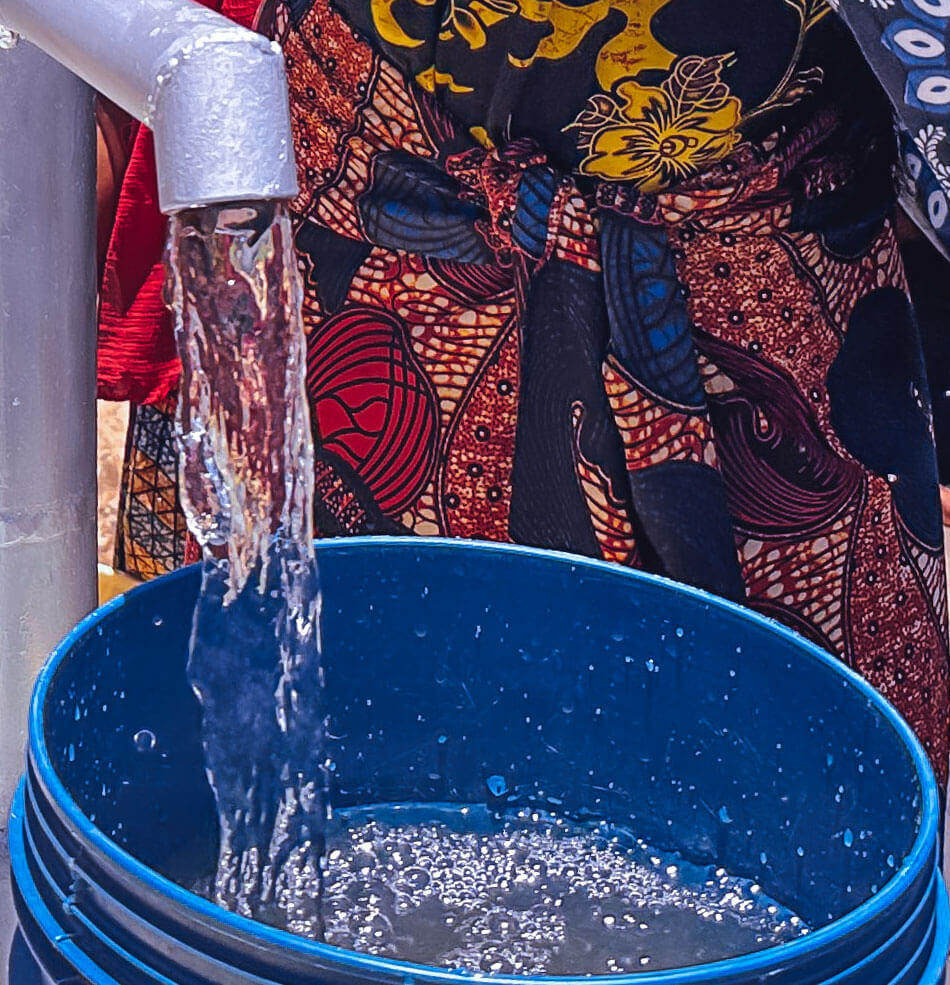
Embrace Relief is building a solution for many communities affected by water scarcity, especially in Africa. That solution? The building of water wells which are dug deep into the ground, where contaminants cannot reach the water supply. By installing filtered pipes that bring the water to the surface with the use of a simple hand pump, Embrace Relief can ensure that an entire community has access to high-quality drinking water at all times.

To date, we’ve built more than 950 water wells, providing clean water to 1 million people across six African countries! But we can’t keep making this critical impact without your support.

Donate today to Embrace Relief’s Clean Water Initiative using the donation box below, and help change entire communities for the better. Every dollar counts, but for a donation of $3,500, you can cover the cost of one entire water well, which also entitles you to give that well a name of your choosing. It’s the perfect way to leave a legacy for yourself, your family, your community group or your company – while also making a real positive change in the world!

Why do Americans eat turkey on Thanksgiving?

Photo Created By Ashim D’Silva/Unsplash

For many generations, turkey has been the classic meal most closely associated with the American holiday of Thanksgiving – so closely associated, in fact, that the holiday’s nickname in the United States is “Turkey Day.” Millions of American families will sit down to eat a whole or sliced turkey during the holiday feast, and you may wonder why it is, exactly, that this majestic bird has become the symbol of one of America’s most treasured holidays. As we’ll explain below, turkey’s association with Thanksgiving is rooted in a mix of practicality, symbolism, and cultural tradition that developed over centuries.

Though there is no direct evidence that turkey was served at the first Thanksgiving in 1621, today, it reigns supreme as the centerpiece of most American Thanksgiving meals. The bird’s association with the holiday is rooted

Practicality of the turkey

One of the most important reasons for turkey’s prominence on Thanksgiving tables is its practicality. Contrary to popular belief, there is no direct evidence that turkey was served at the “First” Thanksgiving in 1621. However, the Englishmen who settled eastern New England around that time were coming from a culture where eating turkey during large holiday feasts was common; evidence suggests that turkey was a popular Christmas meal in England by the 1570s.

But while the mythical First Thanksgiving story can be confirmed, it is understood that wild turkeys were abundant in colonial America. These birds were a good source of meat, and their size made them ideal for feeding large gatherings. Compared to other domesticated animals like cows or pigs, which were more valuable for milk or labor, turkeys could be slaughtered without significant economic loss.

Domesticated turkeys were also relatively easy to raise, as they could forage for food and didn’t require the care and resources that other livestock demanded. This made them a more accessible and affordable option for both colonial households and rural communities well into the 19th century.

Symbolism of the turkey

Beyond practicality, turkey has come to symbolize abundance and unity in American culture. By the 19th century, turkey was increasingly becoming a favorite for special occasions, including the local, irregular celebrations of Thanksgiving. Its large size made it a fitting symbol of plenty, reflecting the themes of gratitude and sharing that are central to the holiday.

Literature of the time also played a role in popularizing turkey as the Thanksgiving bird. Sarah Josepha Hale, an influential writer and editor, is often credited with promoting the idea of Thanksgiving as a national holiday and advocating for turkey as the centerpiece of the meal. Her 1827 novel “Northwood” describes a Thanksgiving feast that prominently features turkey, solidifying the association between the bird and the holiday in the American imagination.

Turkey as cultural tradition

By the time President Abraham Lincoln declared Thanksgiving a national holiday in 1863, turkey was already well-entrenched as the main dish. The bird had taken on a symbolic role as part of the national celebration, reinforcing the idea of Thanksgiving as a uniquely American tradition, rich in history and meaning.

In the 20th century, the rise of mass media and marketing further cemented turkey’s role in Thanksgiving. Magazines, cookbooks, and advertisements consistently portrayed turkey as the star of the holiday feast. Popular depictions, such as Norman Rockwell’s 1943 painting “Freedom from Want,” which shows a family gathered around a table with a massive roast turkey, reinforced the image of turkey as a cultural staple.

Even today, Thanksgiving advertisements, cooking shows, and recipe websites highlight turkey as an essential component of the meal. Supermarkets and turkey producers also capitalize on the holiday, offering promotions and sales that make the bird widely available and affordable for American families.

From its humble beginnings as a common wild bird in colonial America to its modern status as the centerpiece of Thanksgiving, the turkey’s journey reflects the evolution of the holiday itself.

Give Families A Thanksgiving Turkey With Embrace Relief!

Fulfill the spirit of Thanksgiving with a gift to Embrace Relief’s Thanksgiving Turkey Drive!

The Thanksgiving turkey symbolizes more than just a meal: it symbolizes community, family, and a shared sense of providing for all of those in our communities. At Embrace Relief, we seek to embody those values every day through our humanitarian aid programs, including Embrace USA, our community aid initiative!

As Thanksgiving approaches, Embrace USA will soon be delivering turkeys to families in need around the United States, giving all families the chance to have a traditional, nutritious, and delicious meal during this great American holiday. But we can’t do it without you!

Click the donation button below to support our Thanksgiving turkey donation and to help us lend a hand to our neighbors in need. With just a couple clicks, you can put food on someone’s table and make the holiday season a little bit brighter.

How to Celebrate Thanksgiving in a Meaningful Way?

Thanksgiving is a time for gathering with loved ones, sharing a meal, and reflecting on the many blessings we have in life. While the holiday is often associated with delicious food and family traditions, it’s also a time to think about how we can give back to those who are less fortunate. If you’re looking to celebrate Thanksgiving in a more meaningful and impactful way this year, why not consider combining the spirit of giving with a special opportunity to make a real difference?

1. Give Thanks by Giving Back

Thanksgiving is all about gratitude, and one of the best ways to express it is by giving to those in need. You can do this in many ways, whether by volunteering, donating to a charitable cause, or participating in community events. But what if you could take it a step further and make your act of giving something truly life-changing for others and yourself?

2. Fundraising for Good with Embrace Relief’s Group Fundraising Program

Embrace Relief’s Group Fundraising Program offers a unique and impactful way to celebrate Thanksgiving by bringing people together to make a difference. Through this program, you and a group of friends, family, or coworkers can create your own fundraising project to support humanitarian causes—whether it’s building a water well, providing food to families in need, or helping support education in underserved communities.

The best part? By raising funds through Embrace Relief, you have the opportunity to travel to the country where your project is being implemented. You’ll witness firsthand the impact your donations are making in the lives of people in need. This is more than just a fundraising effort—it’s a journey of compassion, understanding, and connection.

How to Create Your Group Fundraising Project

Getting started with Embrace Relief’s Group Fundraising Program is simple. Here’s how you can create your own fundraising project and make a meaningful difference this Thanksgiving:

Step 1: Form a Group

Gather your friends, family, coworkers, or community members who are passionate about making a positive impact. Your group can be as small or large as you’d like!

Step 2: Choose a Cause

Embrace Relief supports a wide range of causes, from clean water initiatives to education programs and disaster relief. Select the cause that speaks to your heart and aligns with your group’s mission.

Step 3: Set a Fundraising Goal

Determine how much you want to raise for your chosen project. Embrace Relief will provide you with the tools and support you need to reach your goal, including a customizable fundraising page.

Step 4: Spread the Word

Share your fundraising project with your network via social media, email, and word of mouth. The more people you involve, the more you can raise to make a lasting impact.

Step 5: Experience the Impact

Once your project is funded, you and your group will have the opportunity, if you choose, to visit the country where the project is implemented. Witness the life-changing difference you’ve made and celebrate the success of your group’s efforts.

How to Create Your Group Fundraising Project

Why Fundraising with Embrace Relief Is a Perfect Way to Celebrate Thanksgiving

Thanksgiving is about more than just what’s on the dinner table—it’s about giving thanks for the good in our lives and sharing that good with others. By starting a group fundraising project with Embrace Relief, you’ll be doing exactly that: giving back in a way that transforms lives around the world. Whether it’s helping build wells to provide clean water, distributing food to those in need, or sponsoring education for children, your group’s efforts can make this Thanksgiving unforgettable—not only for you but for the communities you’re helping.

Make a Global Impact This Thanksgiving

As you celebrate Thanksgiving with your loved ones, take a moment to reflect on the power of giving. Through Embrace Relief’s Group Fundraising Program, you have the chance to go beyond traditional holiday giving and make a lasting difference in the world.

This Thanksgiving, gather your group, choose a cause, and take the opportunity to change lives while building memories that will last a lifetime.

Ready to start? Learn more about our Group Fundraising Program by clicking the link below, and get involved starting today. Together, we can make this holiday season truly special for those in need.

SEND YOUR APPLICATION TODAY!

5 Thanksgiving Recipe Ideas to Celebrate with a Purpose

As the season of gratitude approaches, many of us are busy planning our Thanksgiving celebrations, searching for the perfect recipes to share with loved ones. This year, let’s add a meaningful touch to our festivities by thinking of those who are less fortunate.

While we prepare to gather around our tables and enjoy delicious meals, it’s important to remember that millions of families around the world still face extreme poverty and hunger. In Yemen, where the situation remains dire, Embrace Relief is working tirelessly to alleviate hunger through our Yemen Food Distribution program. With your generous support, we can make a difference. For just $50, you can provide a food package that will sustain a Yemeni family for an entire week.

To inspire your Thanksgiving feast and encourage meaningful giving, here are five heartwarming recipe ideas that you can try this year. Each recipe not only promises to bring comfort and joy to your table but also serves as a reminder of the impact you can make with your support for those in need.

1. Classic Roast Turkey

Ingredients:

  • 1 whole turkey (12-14 pounds)
  • 1/2 cup unsalted butter, melted
  • 2 cups chicken broth
  • 1 onion, quartered
  • 1 lemon, halved
  • 4 garlic cloves, crushed
  • Salt and pepper to taste
  • Fresh rosemary and thyme

Instructions:

  1. Preheat your oven to 325°F (165°C). Remove the turkey giblets and pat the turkey dry with paper towels.
  2. Rub the turkey inside and out with salt and pepper. Stuff the cavity with onion, lemon, garlic, and herbs.
  3. Brush the outside of the turkey with melted butter. Place the turkey on a rack in a roasting pan and pour chicken broth into the bottom of the pan.
  4. Roast the turkey for about 3 hours, or until the internal temperature reaches 165°F (74°C). Baste the turkey occasionally with the pan juices.
  5. Let the turkey rest for 20-30 minutes before carving.
Classic Roast Turkey

2. Creamy Mashed Potatoes

Ingredients:

  • 5 large russet potatoes, peeled and cut into chunks
  • 1/2 cup milk
  • 1/4 cup unsalted butter
  • Salt and pepper to taste

Instructions:

  1. Boil the potatoes in a large pot of salted water until tender, about 15-20 minutes.
  2. Drain the potatoes and return them to the pot. Mash the potatoes with a potato masher or use a ricer for smoother texture.
  3. Heat the milk and butter together until melted. Gradually mix into the mashed potatoes until creamy and smooth.
  4. Season with salt and pepper to taste

3. Green Bean Almondine

Ingredients:

  • 1 pound fresh green beans, trimmed
  • 1/4 cup sliced almonds
  • 2 tablespoons unsalted butter
  • 2 tablespoons olive oil
  • 1 lemon, juiced
  • Salt and pepper to taste

Instructions:

  1. Blanch the green beans in boiling water for 3-4 minutes until tender-crisp. Drain and immediately transfer to ice water to stop cooking.
  2. In a large skillet, melt butter with olive oil over medium heat. Add the sliced almonds and cook until golden brown.
  3. Add the green beans and toss to coat. Squeeze lemon juice over the top and season with salt and pepper.

4. Sweet Potato Casserole

Ingredients:

  • 4 large sweet potatoes, peeled and cubed
  • 1/2 cup brown sugar
  • 1/4 cup melted butter
  • 1 teaspoon cinnamon
  • 1/2 teaspoon nutmeg
  • 1/2 cup chopped pecans
  • 1/2 cup mini marshmallows

Instructions:

  1. Boil sweet potatoes in a large pot until tender, about 15 minutes. Drain and mash until smooth.
  2. Stir in brown sugar, melted butter, cinnamon, and nutmeg.
  3. Transfer to a baking dish and top with pecans and marshmallows.
  4. Bake at 375°F (190°C) for 25-30 minutes until the topping is golden and marshmallows are melted.

5. Pumpkin Pie

Ingredients:

  • 1 pie crust (store-bought or homemade)
  • 1 can (15 oz) pumpkin puree
  • 3/4 cup brown sugar
  • 1/2 teaspoon cinnamon
  • 1/2 teaspoon nutmeg
  • 1/4 teaspoon cloves
  • 3 large eggs
  • 1 cup heavy cream

Instructions:

  1. Preheat your oven to 425°F (220°C). Fit the pie crust into a pie dish.
  2. In a large bowl, mix pumpkin puree, brown sugar, cinnamon, nutmeg, and cloves. Add the eggs and mix well. Stir in heavy cream.
  3. Pour the filling into the pie crust and smooth the top.
  4. Bake for 15 minutes, then reduce the temperature to 350°F (175°C) and bake for an additional 35-40 minutes, until the filling is set.

A Thanksgiving to Remember

As you prepare these delicious recipes and enjoy your Thanksgiving feast, consider extending the spirit of giving to those who are in need. Embrace Relief’s Yemen Food Distribution program is a way to ensure that your generosity reaches those who are facing hunger and poverty. Each $50 donation provides a food package that will sustain a family in Yemen for a full week, making a meaningful impact on their lives.

This Thanksgiving, let’s not only celebrate with our loved ones but also share our blessings with those who need it most. Together, we can make a difference and bring hope to families in Yemen and beyond.

Wishing you a joyful and fulfilling Thanksgiving!

Support Embrace Relief’s Yemen Food Distribution today and make a difference.

Fresh Fall Tips for Teachers: Embracing the Season of Growth

Summary

  • Fall brings fresh opportunities for renewal and growth, especially in education.
  • Learn how educators can embrace the season to inspire their students and further their own development.
  • Support the RISE program, which empowers women in Tanzania to pursue careers in education and leadership.

As the leaves turn and the air grows crisp, autumn offers a sense of renewal, especially within the world of education. It’s a time for fresh beginnings and new opportunities—whether you’re a teacher looking to inspire your students or an educator seeking to advance your career. This season, let’s explore how teachers and educational leaders can embrace the fall spirit of growth and transformation.

In today’s world, higher education and continuous professional development are key. They not only benefit students but also empower teachers to be at their best. By refining their skills, educators become powerful change-makers, impacting not just individual students but entire communities. As we dive into the heart of fall, let’s look at how teachers can embrace this season as a period of professional growth and rejuvenation.

1. Refresh Your Classroom

With fall comes a chance to create an inviting, engaging classroom atmosphere. Swap out old posters for seasonal décor or use autumn-themed projects to make learning more fun. Research shows that a positive, stimulating classroom environment can enhance student focus and creativity.

2. Attend Fall Conferences

Fall is conference season for educators! Many key education summits and webinars take place during this time, offering a chance for teachers to expand their knowledge, discover new teaching techniques, and network with peers. Staying on top of trends in education—especially in areas like inclusive learning, technology, and leadership—ensures that teachers remain adaptable and ready for the future.

3. Embrace Continuous Learning

With back-to-school season in full swing, it’s also the perfect time for educators themselves to engage in continuous learning. Whether it’s enrolling in professional development courses or pursuing advanced degrees, fall represents a fresh start. Educators who seek higher education not only enhance their own skills but also become role models for their students, showing the value of lifelong learning.

4. Foster Leadership Among Students

Fall is an excellent time for educators to nurture leadership qualities in their students. Whether through project-based learning or mentoring programs, fall is a season of action and engagement, making it the perfect time for students to step up and take initiative. Empowering students to become leaders fosters confidence and prepares them for future roles in society.

Empowering Female Educators Through Embrace Relief's RISE Program

Empowering Female Educators Through Embrace Relief’s RISE Program

As we reflect on the spirit of renewal and growth that comes with the fall season, it’s important to think about the future of education and the teachers who will lead the way. In Tanzania, many women dream of becoming educators and community leaders, but systemic barriers often prevent them from achieving their full potential. This is where Embrace Relief’s R.I.S.E. (Reach, Inspire, Support, Educate) program comes in.

The R.I.S.E. program empowers Tanzanian women by providing scholarships, vocational training, and leadership development opportunities. Through this program, women earn diplomas in Educational Management and Administration or School Quality Assurance, preparing them to take on leadership roles in their communities. By fostering a new generation of female educators, RISE aims to close the gender gap in education and build a stronger future for Tanzania.

For just $100 a month, you can support the R.I.S.E. program and help Tanzanian women become the educators their communities need. With your donation, you’re not just supporting a single student—you’re investing in the future of education and leadership.

Let’s use this fall season to empower women and transform communities, one teacher at a time.

For more information on Embrace Relief’s R.I.S.E. program, click here!

Donate For Women’s Empowerment

$
Donate Now

The Halloween Chickens: Spooky Facts and Fowl Fun

Summary

  • Explore fun facts about chickens.
  • Learn how chickens play a role in sustainable agriculture.
  • Discover how Embrace Relief’s SEED program provides women with chickens to create sustainable businesses and financial independence.

When you think of Halloween, you probably imagine pumpkins, ghosts, and black cats. But what about chickens? These feathery friends might not be the first thing that comes to mind for spooky season, but they’ve got more Halloween spirit than you might expect! Chickens play a crucial role in sustainable farming, and they can add a touch of fun and quirkiness to your Halloween celebrations. Let’s take a dive into some fun facts about chickens and how easy it is to care for them!

1. Chickens Are Descendants of Dinosaurs!

Did you know that chickens are the closest living relatives to the Tyrannosaurus rex? That’s right — those fluffy birds pecking around your yard have some ancient, prehistoric roots. So, if you’re looking for a unique Halloween costume idea, why not dress up as a chicken-dino hybrid? You can honor their ancient lineage while adding a touch of spooky fun to the season.

2. Chickens See More Colors Than Humans

While humans can see three primary colors, chickens have tetrachromatic vision, meaning they can see a wider spectrum of colors than we can. Imagine the colorful world chickens experience during Halloween, from the bright orange pumpkins to spooky green lights! They might even be more in tune with the eerie atmosphere than we are.

3. Chickens Can Communicate with the Unhatched

This might sound like something out of a ghost story, but it’s true! Mother hens and their developing chicks “talk” to each other while the chicks are still inside their eggs. This kind of pre-hatch communication might seem like magic, making chickens the perfect addition to your Halloween-themed homestead.

Caring for Your Spooky Halloween Chickens

Whether you’re thinking about adding chickens to your backyard flock or already have some feathered friends, Halloween can be a fun and festive time for them too! Here are some tips on how to care for your chickens this fall:

  • Safe Treats: Give your chickens a fall treat by feeding them pumpkin! Pumpkins are full of vitamins and fiber, and your chickens will love pecking at the seeds. Just make sure to avoid giving them any sugary Halloween candies!
  • Warm Shelter: As the days get shorter and colder, make sure your chicken coop is well-insulated. Chickens are hardy birds, but they still need protection from chilly winds and cold temperatures. Adding extra straw and checking for drafts can help keep your chickens comfortable through Halloween and beyond.
  • Protect from Predators: Halloween brings out some spooky creatures, but for chickens, the scariest visitors might be raccoons, foxes, or owls. Ensure your coop is secure and locked at night to protect your birds from these nocturnal predators.
Caring for Your Spooky Halloween Chickens

Embrace Relief’s SEED Program: Empowering Women Through Chickens

While chickens might add a fun element to Halloween, they also play a vital role in empowering women around the world. Embrace Relief’s S.E.E.D. (Sustainable Entrepreneurship through Eggs and Dairy) program is transforming lives by providing women with the tools they need to start their own sustainable businesses.

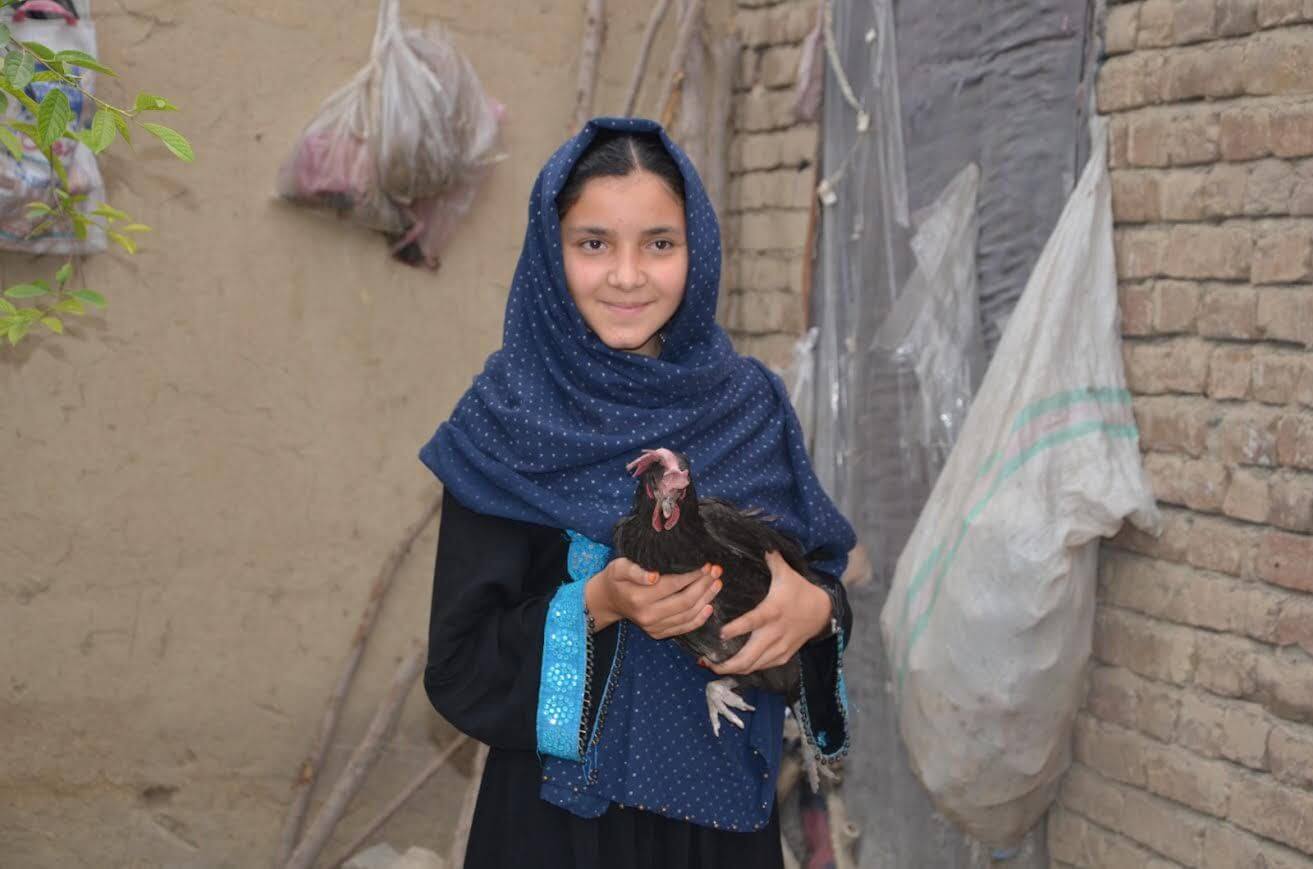
In regions like Uganda, Ethiopia, Nigeria, Kenya, and Afghanistan, women are given vaccinated chickens, one month of feed, and the necessary training in animal husbandry and business management. These chickens aren’t just pets — they provide a sustainable source of income through egg production and poultry farming, allowing women to support their families and communities.

By donating just $25 a month you can help fund this life-changing program. Every dollar goes toward providing the resources and knowledge these women need to raise chickens and build successful agro-entrepreneurship ventures.

Join us this Halloween season in supporting women as they work to create better futures for themselves and their families.

For more information on Embrace Relief’s S.E.E.D. program, click here!

Donate For Women’s Empowerment

$
Donate Now