


Recent

Embrace Relief panel discusses water, education and women’s empowerment at UN CSW68

The struggle for women’s empowerment and gender equality continues to make slow, steady progress around the world, but there is no doubt that much work remains to be done. In 2024, women worldwide continue to earn less income than their male peers; women are less represented in political and business leadership; women face barriers to education and career opportunities than men.

To overcome these challenges, individuals and organizations can take a number of actions in support of a fairer, more equal world for men and women. Centering women’s voices and ensuring that women are represented amongst the decision makers is a critical step in this direction. Meanwhile, simply acknowledging that the struggle for women’s empowerment is closely intertwined with other social issues creates powerful solidarity, and incentivizes action that achieves multiple goals benefitting disparate groups of people.

On March 21, 2024, Embrace Relief, in collaboration with the Journalists and Writers Foundation, aimed to accomplish both of these goals through a vibrant panel discussion, entitled “Water, Education, Empowerment: Bridging Gaps for Girls in Africa,” at the Church Center for the United Nations in New York. This event was held in parallel with the United Nations’ 68th Commission on the Status of Women (CSW), a two-week event in which stakeholders around the world came together to discuss solutions to the critical issues threatening the progress made towards a more equal world.

As part of the panel, Embrace Relief invited five accomplished women to share their thoughts, experiences and perspectives on related issues whose intersection has a significant impact on the advancement of women’s equality in Africa, namely universal access to clean water, promotion of girls’ education, and the eradication of poverty. Panel speakers included:

  • The Hon. Neema Lugangira, a Member of Parliament from Tanzania. Ms. Lugangira has created a successful, lengthy track record of championing reforms and development policies for her country, with a focus on nutrition, community health and digital inclusion.
  • Jessica Mshama, a youth ambassador and entrepreneur from Tanzania. Jessica is the founder of Assumption Digital Schools, as well as Nakua Na Taifa Langu, a nonprofit organization dedicated to nurturing the personal growth of young people in Tanzania.
  • Dr. Rukayya Umar, a computer science teacher in Greensboro, NC. Born in Nigeria, Rukayya earned a Ph.D. in computer science from Nile University, and has been published in a number of respected journals on topics including machine learning for disease classifications, and robotics.
  • Sarah Elsakhawy, the coordinator of Embrace Relief’s Women’s Empowerment programs. A graduate of Seton Hall University with a degree in Diplomacy and International Relations, Sarah has also previously served as Embrace Relief’s Clean Water Initiative program coordinator.
  • Monica Bajraktarevic, the Assistant Head of School at Pioneer Academy, an independent K-12 private school located in Wayne, NJ. In her seven years with the school, she has led the school’s Risk Management, Safety, Dean’s Office, Admissions and Marketing efforts. Monica is also a former member of New York City’s Council on High Schools, including serving as Budget Committee Chairman and Capital Plan Co-Chair from 2014-17.

This panel discussion represented Embrace Relief’s first time hosting an parallel event alongside a key United Nations initiative. Special thanks go to NGO CSW/NY, the organizer of dozens of panel discussions during the two-week conference, as well as the Journalists and Writers Foundation for their support in helping to hold this event.

Embrace Relief Panel Discussion

Invest in Water, Invest in Women

The Hon. Neema Lugangira, MP, opened the discussion highlighting positive investments and improvements made in Tanzania in recent years, including more than 1,600 water well projects completed over the past three years, benefitting more than 2,700 villages.

Lugangira noted that President Samia Suluhu Hassan, Tanzania’s first female president, has been heavily involved in creating positive change and development in the country through the funding of infrastructure such as water wells. These wells, she added, help to relieve much of the burden of water-fetching borne by women in Tanzania, freeing up critical time and energy for women to pursue education, join the workforce, or raise stronger families.

“When women are leaders, they know how to deal with community issues,” Lugangira said. “Especially social services that have a huge impact on girls and women … The more we are able to get women into education, into leadership positions, the more women will be able to focus on these social services. And we will be more able to end the vicious cycle of poverty.”

Crucially, Lugangira says, the Tanzanian government has committed to partnering closely with private organizations and nonprofits like Embrace Relief to achieve significant improvements at the community level.

Women’s Economic Empowerment Through Water

In her talk, Jessica Mshama shared a case study of Kongwa District, in the Dodoma region of Tanzania, to explore the links between clean water, education, and women’s empowerment. Clean water, Mshama noted, plays a critical role in development, touching every aspect of society, from public health to the economy to education. This role can be seen in rural Kongwa, where community members face a number of interlocking challenges as a result of water scarcity.

“When we talk about generating income in a woman’s life, we are talking about access to clean water in rural areas,” Mshama said. “They cannot grow what they want to grow in terms of agriculture. They cannot sell their product without enough water supply. If we really want to see change, we should also look to the areas where women live.”

She also noted the important role that access to clean water plays in education. Communities lacking clean water see lower levels of hygiene, which correlates strongly with lower attendance and graduation rates in school. The problem is particularly prevalent among teenage girls, who often lack material support for their menstrual health. Addressing the clean water issue can thus provide a powerful boost to girls in Africa.

Mshama closed by urging all stakeholders to recognize the intersectional nature of the clean water crisis. A world with universal access to clean water is a world where all people, everywhere, have greater opportunities for success and for controlling the course of their lives. It is, therefore, a crucial component of any strategy for global gender equality.

“The heart of the Sustainable Development Goals is pure access to water,” she said. “It integrates everything: economic empowerment, the assurance of quality education, the assurance of vibrant community, and strong markets that can be competitive in the world today.”

Seeing the Potential in Women

Dr. Rukayya Umar related a deeply personal account of her own journey, spotlighting the impact that singular choices can have on a young girl’s life and success. Dr. Umar grew up as the oldest of three sisters in a rural village in northern Nigeria, in a part of the country with particularly low literacy rates, especially for young girls, due to factors including poverty and sociocultural norms.

“You would see a lot of kids start going to school, and then stop,” she said. “And a lot of them, the reason they stop … we have our [cultural] beliefs, such as that a girl child might grow up to a certain age, and then it is time for her to get married. And then that is it.”

However, Dr. Umar’s life took a very different path thanks to her father, who worked alongside women in the country’s Ministry of Justice. Being in an environment with successful professional women, Rukayya’s father was convinced to let his daughters continue their education and pursue a fulfilling career of their own. Dr. Umar was sent to a boarding school, eventually passed her university entrance exams, and worked her way up to earn both a Ph.D. and Master’s degree in computer science.

Dr. Umar closed by incorporating her experiences into a list of recommendations for actions that can be taken to promote girls’ education and achievement. Among these are providing special support and mentorship for girls from a young age, increasing the proportion of female teachers, challenging cultural norms, and celebrating female role models.

“With the right support, and in the right environment, the girls in my community will get it right,” she said. “They will reach any target you set for them.”

A Long-Term Outlook

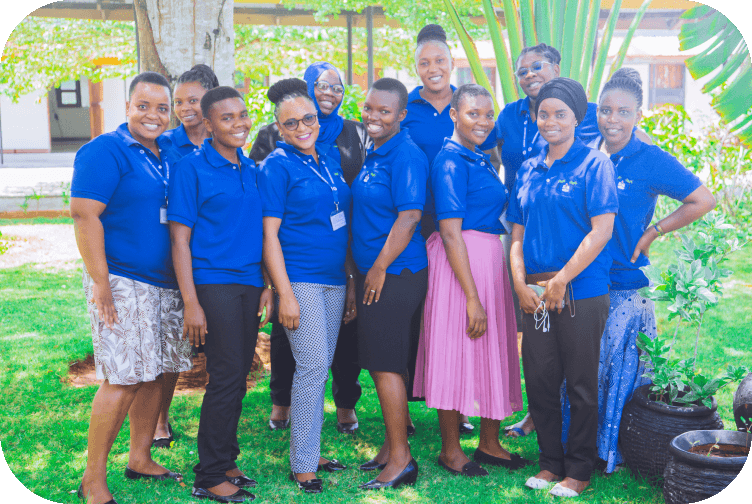
Sarah Elsakhawy presented several key Embrace Relief initiatives supporting the empowerment of women in Africa, which aim to create educated, entrepreneurial women in Tanzania, Kenya, Nigeria and Uganda.

These programs include:

  • The R.I.S.E. scholarship program, which supports female teachers in Tanzania seeking advanced degrees which will allow them to become administrators in the country’s school system
  • The S.E.E.D. entrepreneur program, which provides chickens and goats to women in Uganda, Nigeria and Kenya, enabling the beneficiaries to sell dairy products and eggs – a renewable resource that can provide the foundation for a thriving small agribusiness.
  • The K.E.E.N. education program, which provides comprehensive training for seamstresses in Kenya, as well as material support (in the form of a sewing machine) upon completion of the course, with the goal of encouraging the graduates to open their own small business.

Elsakhawy noted that Embrace Relief’s multi-faceted approach to empowering women offers short-term benefits for the current generation of women, while also working to create the conditions for a brighter future for the next generation.

“Whether it’s distributing food and supplies, or constructing wells, or through supporting an economic development program, we’re working to address the root causes of inequality so that in the future, fewer women are facing these problems,” she said.

Empowering Children Through Education

In her talk, Monica Bajraktarevic drew upon her background as an educator, as well as her firsthand experience of visiting Africa on humanitarian trips with her Pioneer Academy students, to stress the importance of education as a leveller for all.

Bajraktarevic noted the link between material barriers that millions of girls in Africa face, such as a lack of clean water, with lower rates of educational attainment. Only by addressing these challenges, she noted, can we create the conditions to allow young people in Africa to thrive.

“Education is the biggest difference among people,” she said. “Let’s empower our kids to study, reach their full potential and be as strong as they can be to make this world a better place for themselves and all of us.”

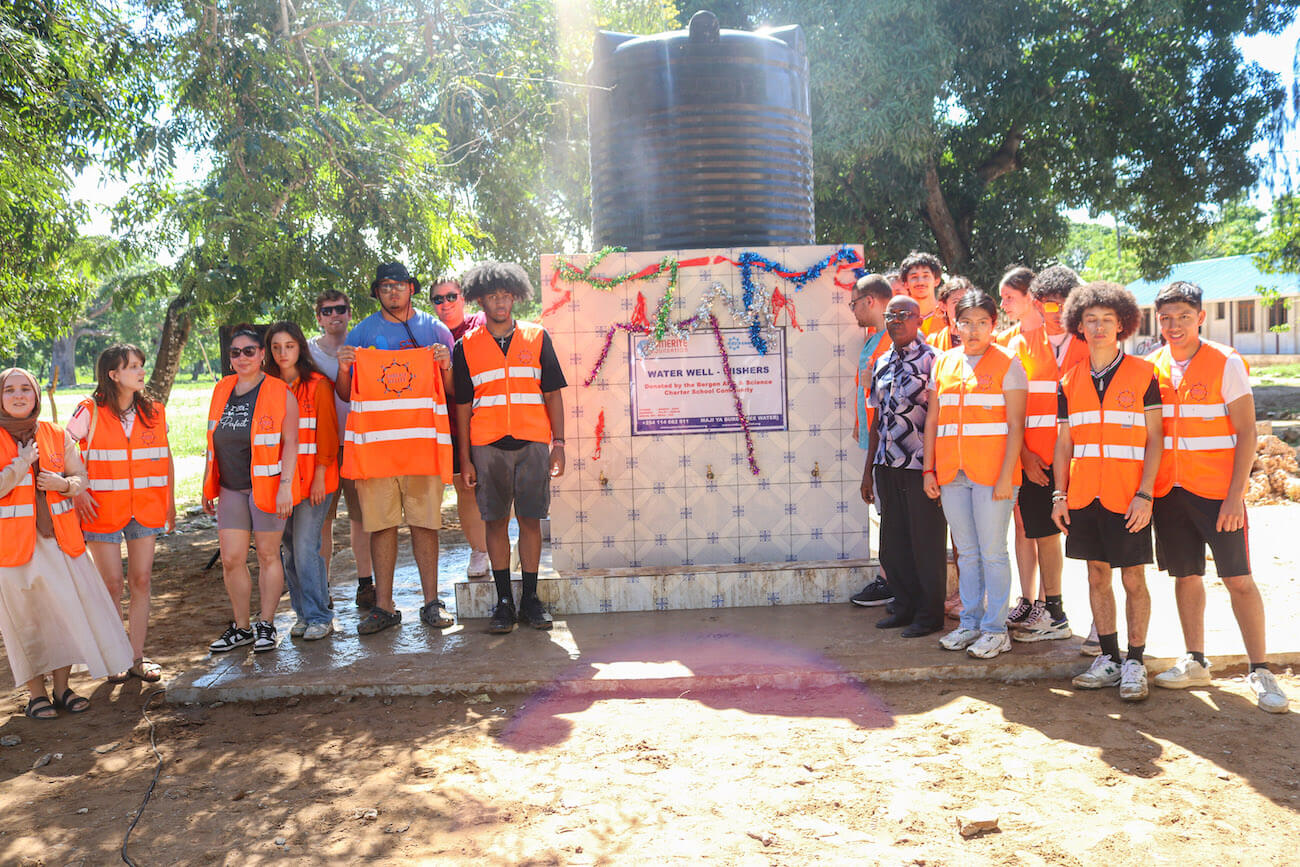
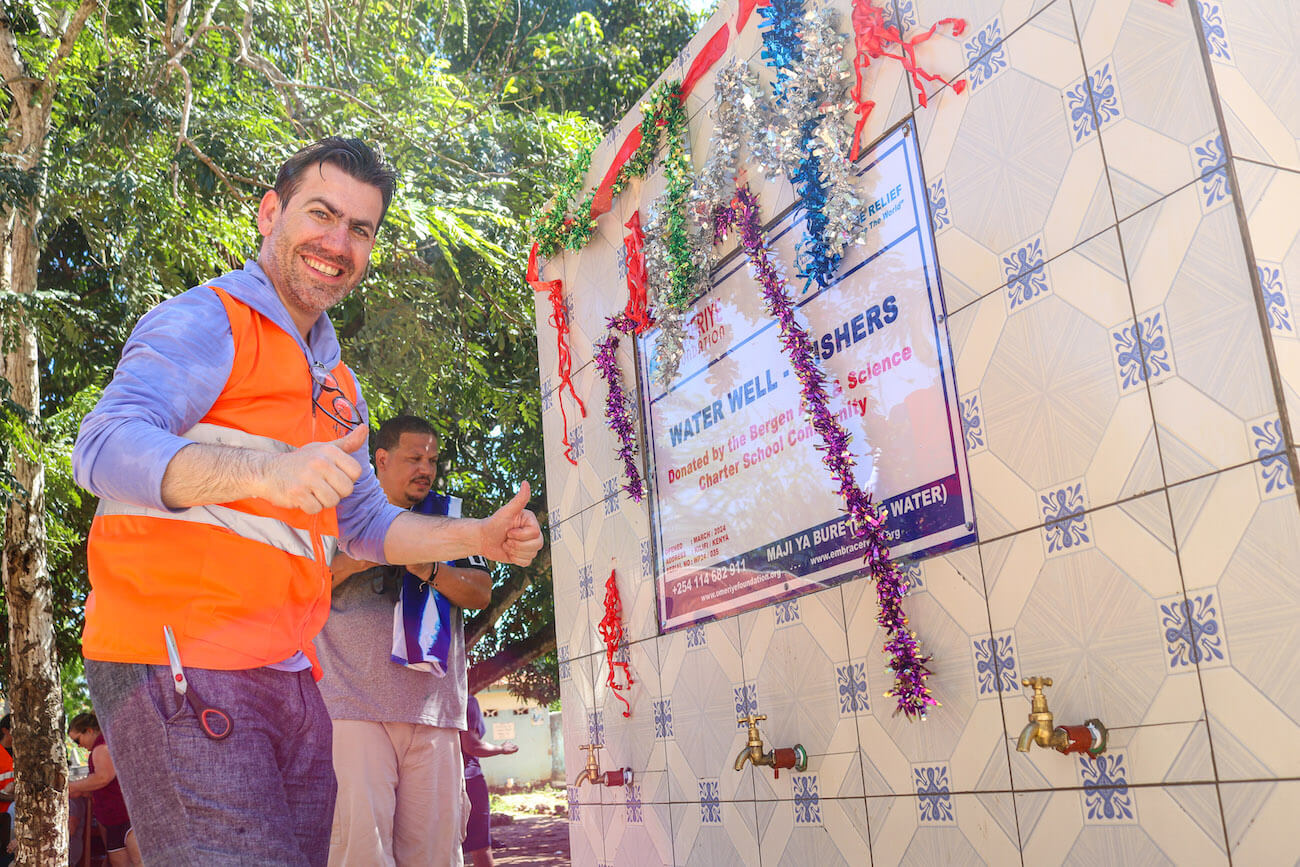
She described Pioneer Academy’s trip to Tanzania as “life-changing.” During their visit, the students helped to open a water well and visited an orphanage, where they provided food and mingled with the children. Bajraktarevic described joyous scenes as the students celebrated with their new friends.

She believes that the experience was beneficial for both parties; the children and community members in Tanzania seeing tangible improvements in their quality of life, and the Pioneer Academy students gaining empathy and an understanding of the role they can play in making the world a better place. Case in point, Bajraktarevic said that the trip inspired her son, currently a college student, to seek out a career path as a diplomat, where he can serve as an agent of change.

About Embrace Relief

Founded in 2008, Embrace Relief’s mission is to deliver research-based, sustainable solutions to achieve immediate and lasting improvements in situations of humanitarian emergency and improving the quality of life of individuals and communities enduring chronic hardships. Based in Fairfield, New Jersey, Embrace Relief operates eight humanitarian relief programs year-round and has provided aid to more than 7 million people in over 50 countries to date.

About the Journalists and Writers Foundation

The Journalists and Writers Foundation is an international civil society organization
dedicated to a culture of peace, human rights and sustainable development.
Based in New York, the JWF boasts more than 52 Global Partners (of which Embrace Relief is one) located in 27 different countries.

What is the significance of Qurbani?

Summary

  • Learn about the significance of Qurbani in Islam, and why it is a critical time for compassion, faith, and community.
  • Find out if you are obligated to give Qurbani this year, and learn about the requirements to make a valid Qurbani gift in 2024.
  • Then, learn how you can make your Qurbani donation through Embrace Relief, providing critical meat packages to people in need around the globe.

What is Qurbani?

For Muslims around the world, the observance of Qurbani (meaning “sacrifice” in Arabic) holds profound significance, symbolizing obedience, gratitude, and compassion. This sacred act commemorates Prophet Ibrahim’s willingness to sacrifice his son, Isma’il, as an act of obedience to God’s command. However, God, in his mercy, spared the life of Isma’il, instructing Ibrahim to instead sacrifice a ram. Ibrahim’s willingness to obey Allah is tested to its ultimate limit, and his faith is rewarded handsomely.

In keeping with this tradition, Muslims today sacrifice livestock as a symbol of their devotion to God. This act, known as Qurbani, takes place around the high holy day of Eid al-Adha (“Feast of Sacrifice”), which takes place over the 10th, 11th, and 12th days of the Islamic month of Dhul-Hijjah, following the completion of Hajj rituals. As part of Qurbani, the slaughter of animals including cattle, sheep, goats, and camels is typically followed by the distribution of their meat to less fortunate members of the community. By making this sacrifice, Muslims show their dedication to God, and their compassion for those in need.

Do I Owe Qurbani?

All adult Muslims who possess wealth and assets (minus liabilities) exceeding the nisab, and who have possessed this wealth for at least one year, are obliged to give Qurbani. The nisab is determined by the current value of 87.48 grams of gold; as of April 2024, this is equivalent to roughly $5,300. (This value also determines whether a person must pay Zakat; if you are obliged to pay any money for Zakat according to Embrace Relief’s Zakat calculator, you must give Qurbani.)

If a person is obliged to give Qurbani, there are a number of rules and regulations governing how they may do so. For those Muslims who perform Qurbani themselves, the following criteria are required in order to make a valid, acceptable sacrifice:

  • Which animals may be sacrificed for Qurbani? Permissible animals for sacrifice include sheep, goats, cattle, and camels. Animals must meet specific age criteria (for example, sheep and goats must be at least one year old) and must be in good health to be considered valid for Qurbani.
  • When do I give Qurbani? Qurbani should be performed during the designated days of Eid al-Adha, from the 10th to the 12th of Dhul-Hijjah on the Islamic calendar, following the Eid prayer. In 2024, the dates of Eid al-Adha correspond to June 16, June 17, and June 18.
  • How do I sacrifice an animal for Qurbani? The sacrifice must be performed by adhering to Islamic rituals, including invoking the name of Allah and following the Sunnah of Prophet Ibrahim. The slaughter must be performed humanely, with minimal pain and suffering.
  • Who receives the Qurbani meat? The meat from the Qurbani animal is divided into three equal parts: one for personal consumption, one for relatives and friends, and one for the needy.
Do I Owe Qurbani?

However, it is not always possible for Muslims around the world to take part in this sacrifice firsthand. Many opt to fulfill their Qurbani obligation via a monetary donation to a reputable charitable organization, which carries out the sacrifice and ensures that the meat will reach those who most need it.

To make the maximum impact with your Qurbani donation, It is important to select accredited charities with a history of transparency and a demonstrated track record of delivering aid to the people who need assistance the most.

Qurbani represents a sacred act of obedience, gratitude, and compassion in Islam. By adhering to the rules and regulations of Qurbani and donating through reputable nonprofit charities, Muslims can fulfill their religious obligation while contributing to the welfare of disadvantaged communities worldwide. This noble tradition exemplifies the spirit of sacrifice and solidarity, fostering empathy and compassion within the global Muslim community.

Give your Qurbani with Embrace Relief!

Give your Qurbani with Embrace Relief!

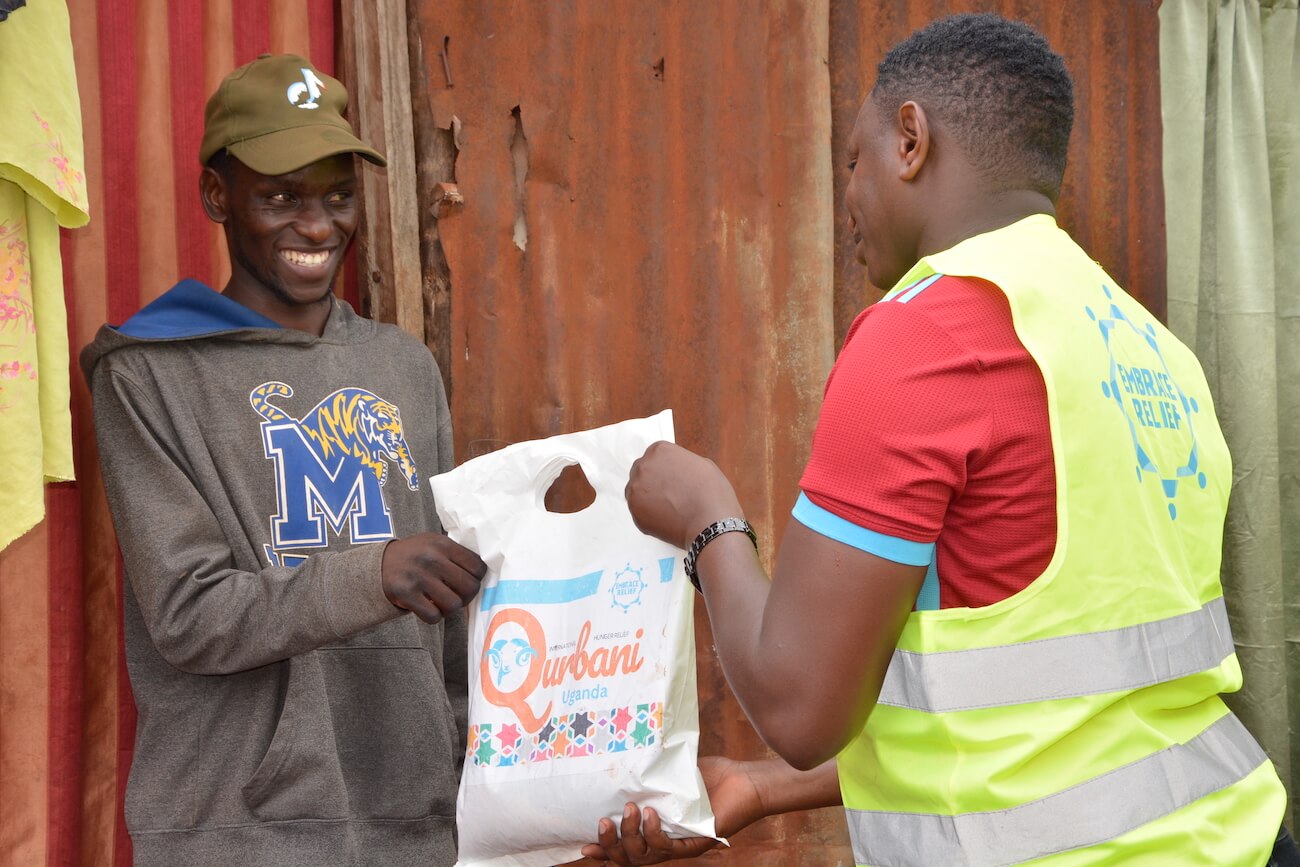
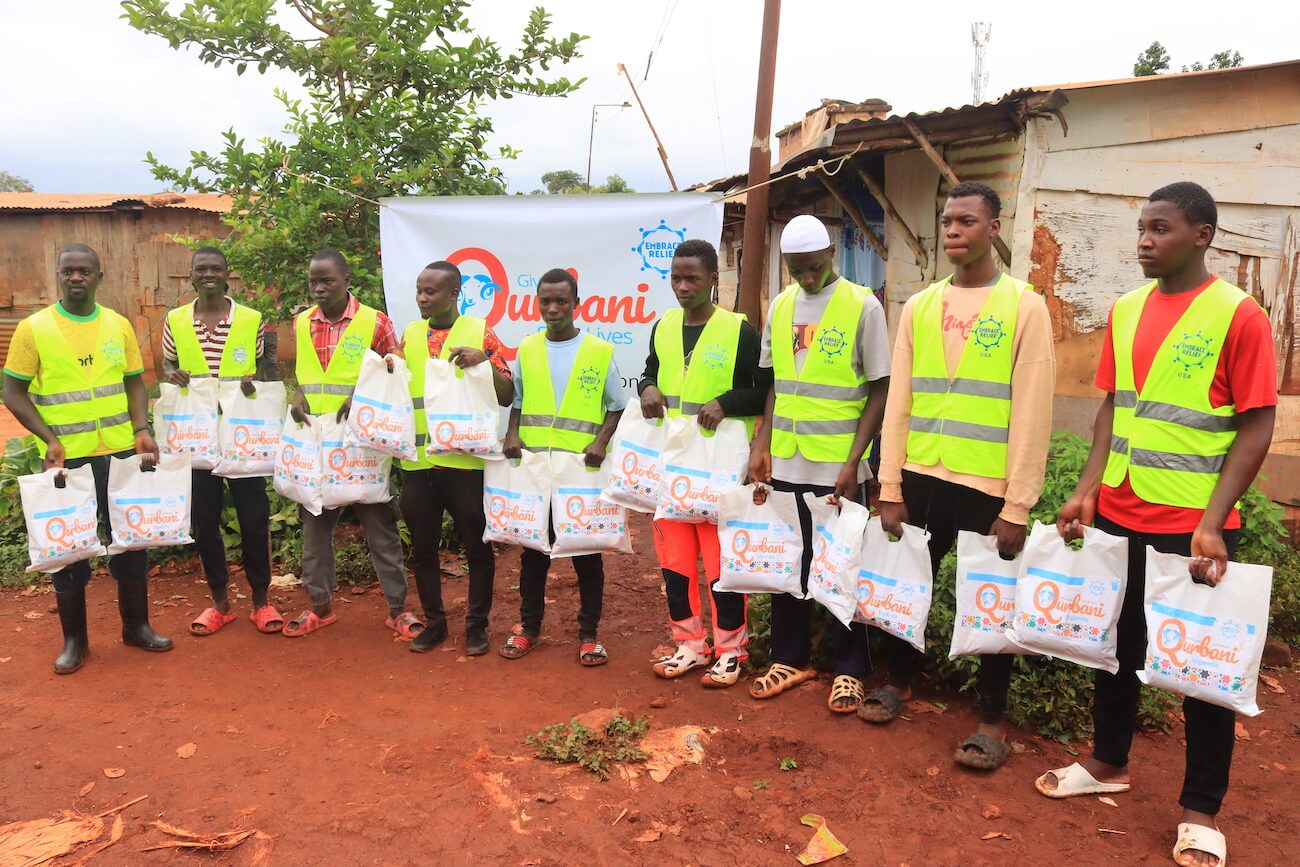
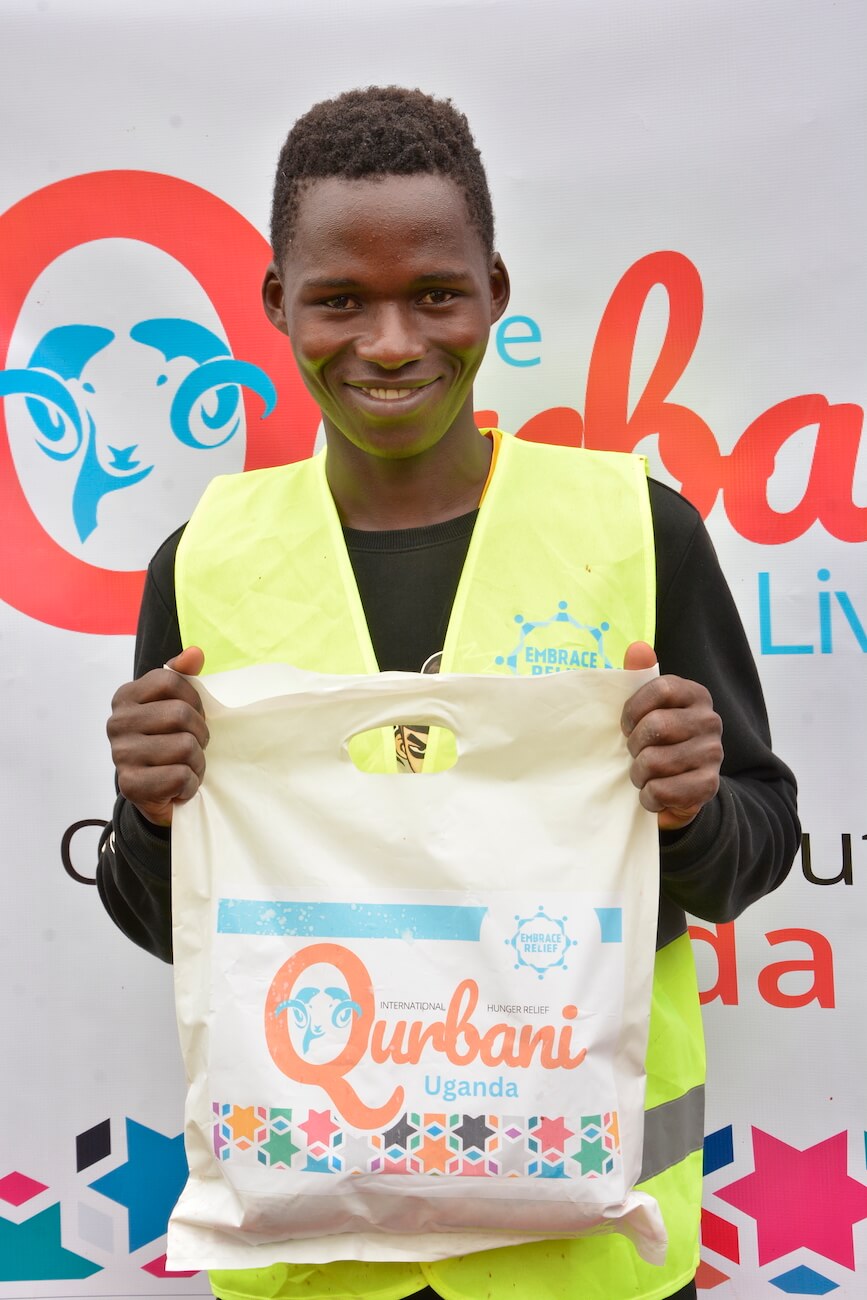
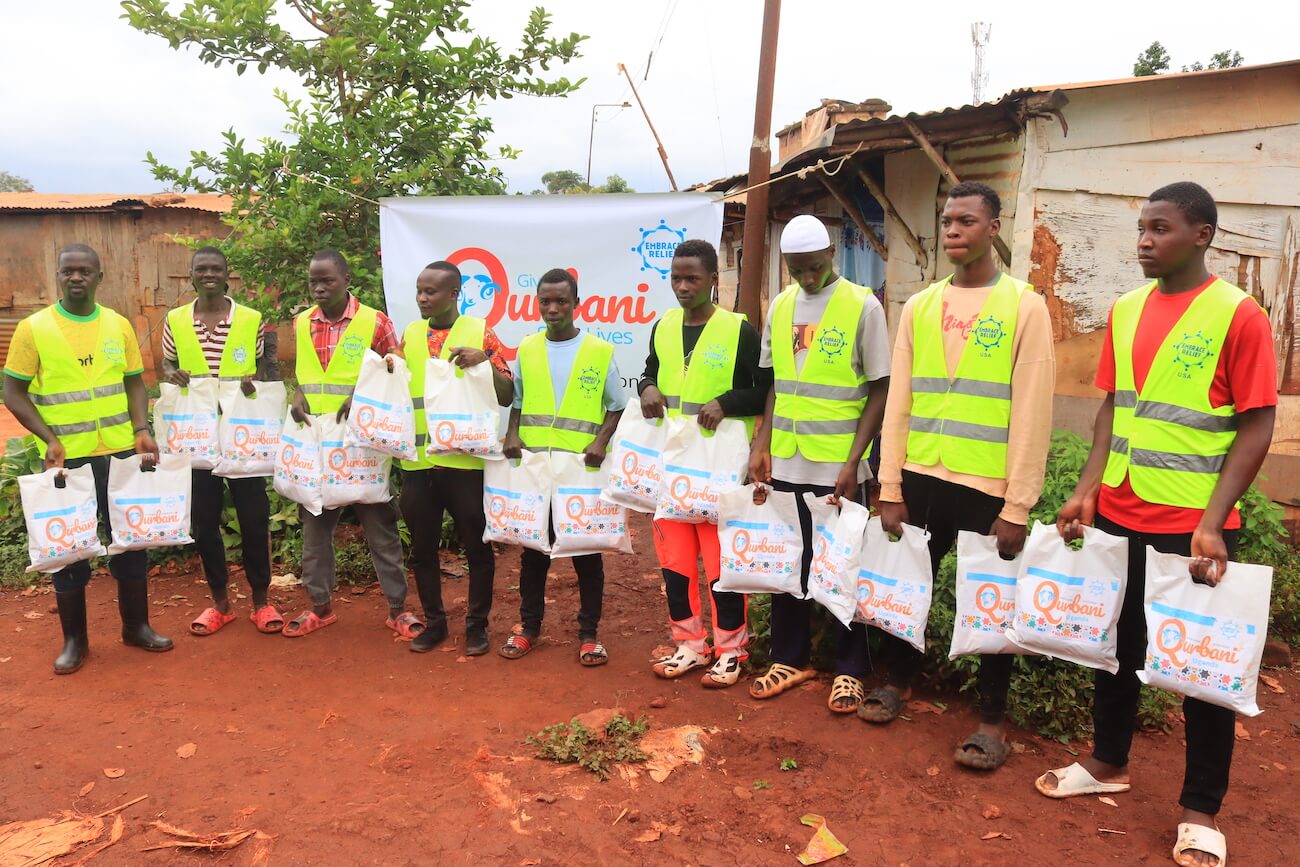
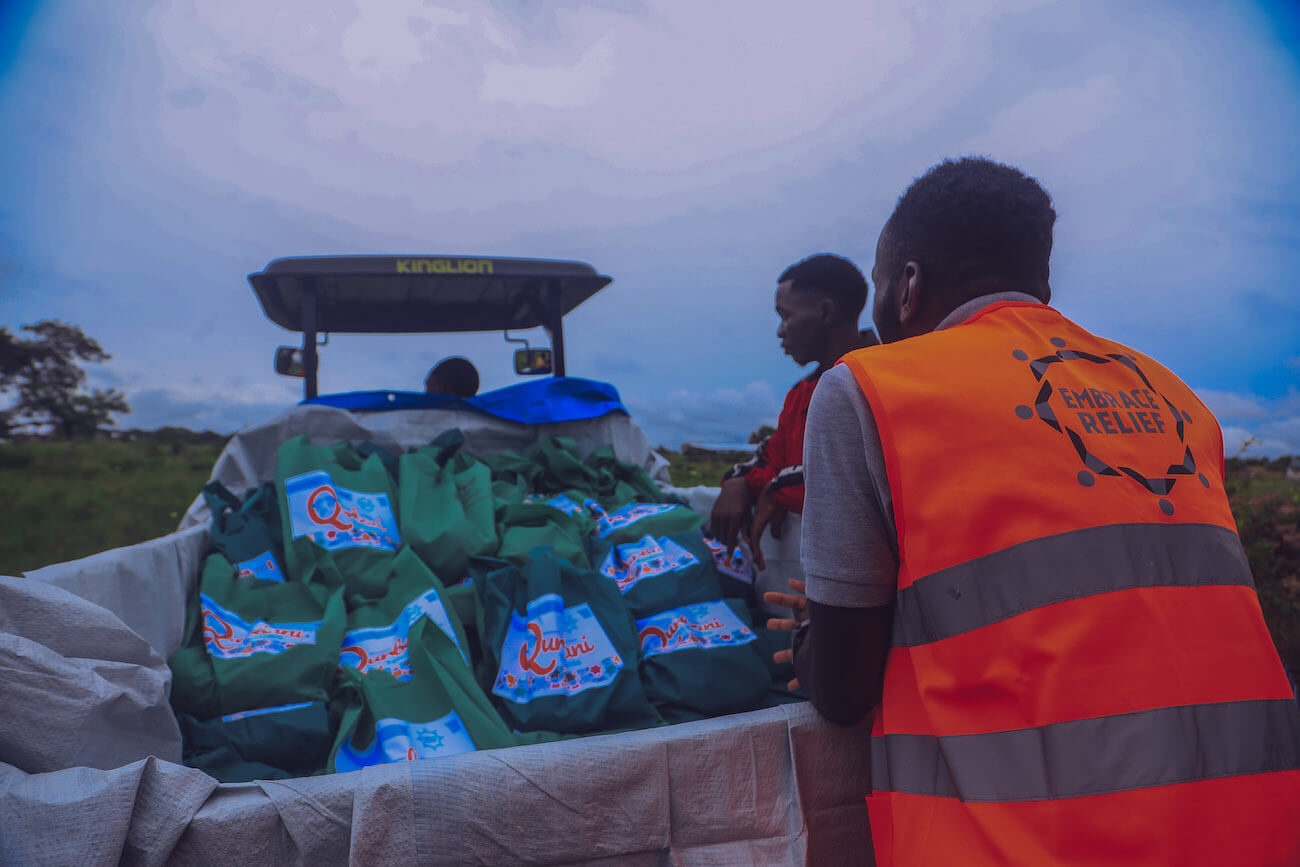
As Qurbani 2024 approaches, Embrace Relief stands ready to make another enormous impact in the lives of people living with hunger. We invite you to give your Qurbani by donating to Embrace Relief’s International Hunger Relief: Qurbani 2024 campaign! Each gift will provide enough meat for eight families, ensuring that your impact will be felt by entire communities.

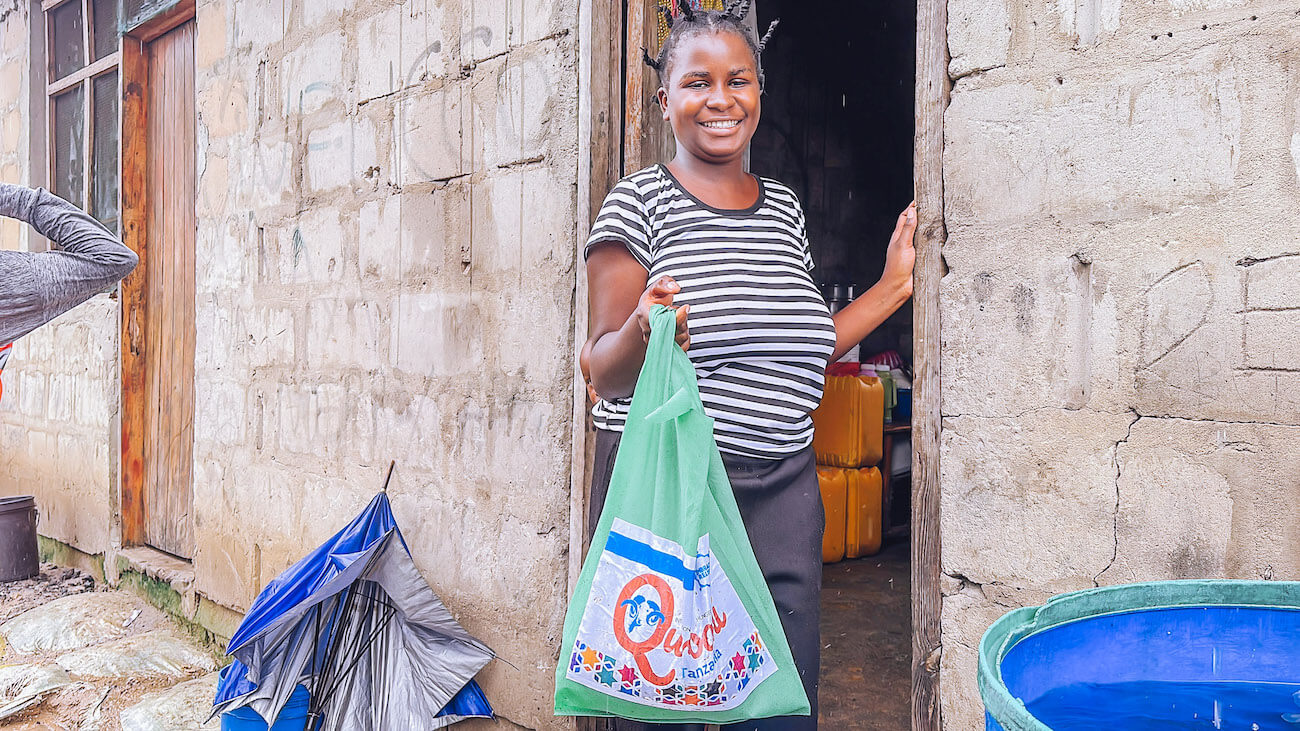
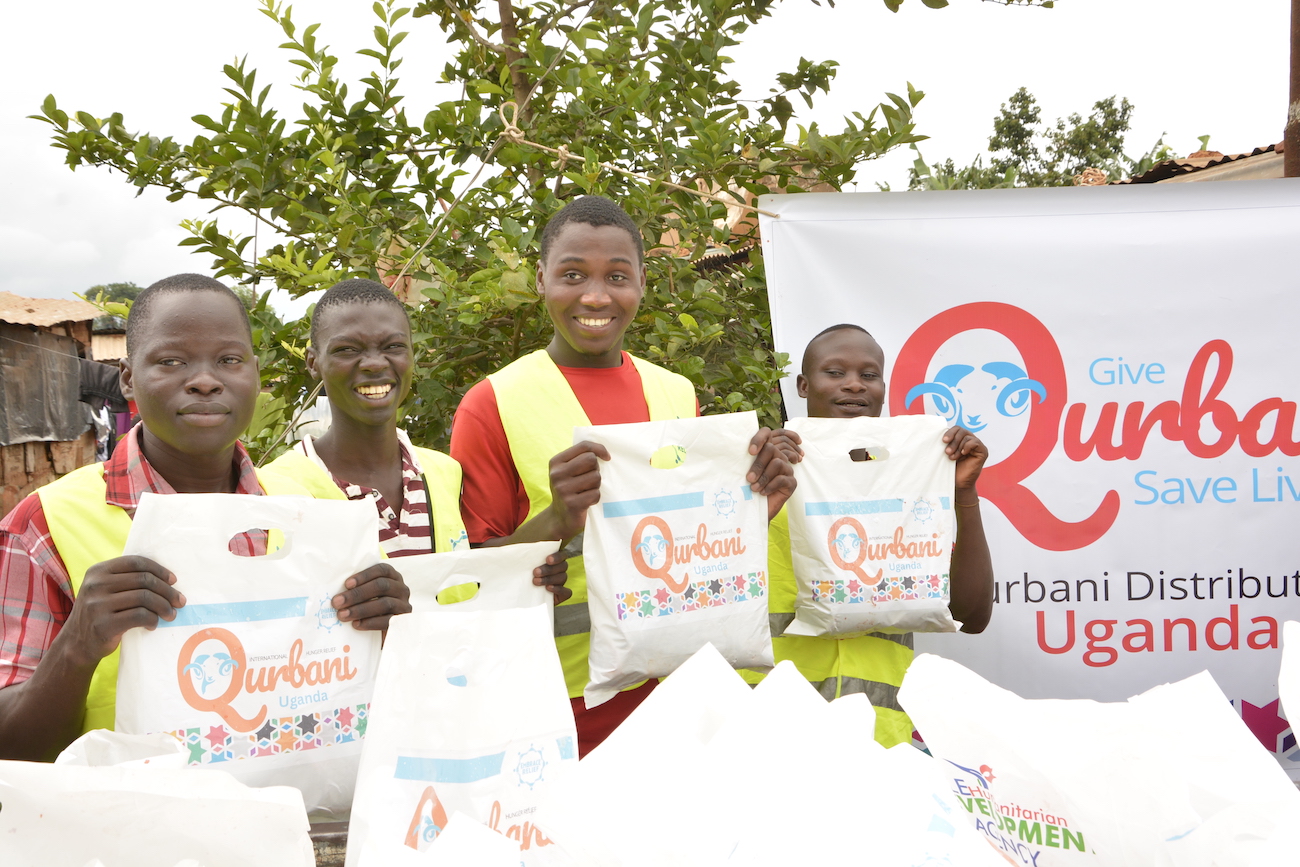
In 2023, the generosity of donors like you allowed Embrace Relief to distribute Qurbani meat packages to more than 122,000 people in 19 countries across five continents. For the many families worldwide who struggle to afford nutritious food, this program represents a beacon of hope and support. We’re aiming to expand our impact in 2024 – but we can’t do it without your help.

Give your Qurbani today with Embrace Relief by using the donation box below. Let us mark Eid al-Adha 2024 by sharing our blessings with a family in need, spreading joy and goodwill to all.

When is Eid al-Adha 2024?

Summary

  • Eid al-Adha 2024 is expected to begin after sundown on Sunday, June 16.
  • Learn more about the meaning and the observance of this critical holiday for more than 1.5 billion Muslims.
  • Then, read on to find out how you can help ease the hunger of thousands of people around the world by supporting Embrace Relief’s Qurbani Hunger Relief campaign.

Eid al-Adha, also known as the Festival of Sacrifice, is a significant Islamic holiday celebrated by Muslims worldwide. It holds immense cultural and religious importance, commemorating the willingness of Prophet Ibrahim (Abraham) to sacrifice his son as an act of obedience to God. In this blog post, we’ll delve into the details of Eid al-Adha, exploring its meaning, rituals, and significance. First, however, we’ll answer the pressing question: When does Eid-al-Adha start in 2024?

Eid al-Adha 2024 start date

In 2024, Eid al-Adha is expected to begin after sundown on Sunday, June 16. Eid al-Adha is celebrated over the course of three days, meaning that the holiday would end on Tuesday, June 18. Muslims around the world eagerly anticipate this auspicious occasion, preparing for days of celebration, prayer, and reflection.

The exact dates of Eid al-Adha (similar to Eid al-Fitr, the celebration at the conclusion of the holy month of Ramadan) shift each year, because its observance is based on the lunar calendar. Eid al-Adha always takes place 10 days after the sighting of the new moon that begins the final month of an Islamic calendar year. In 2025, Eid al-Adha is expected to begin on June 6; in 2026, the commencement date is expected to be May 26.

It’s important to note that the expected start date of Eid al-Adha 2024, June 16, will not be confirmed until the new moon is sighted by human eyes according to local and regional traditions.

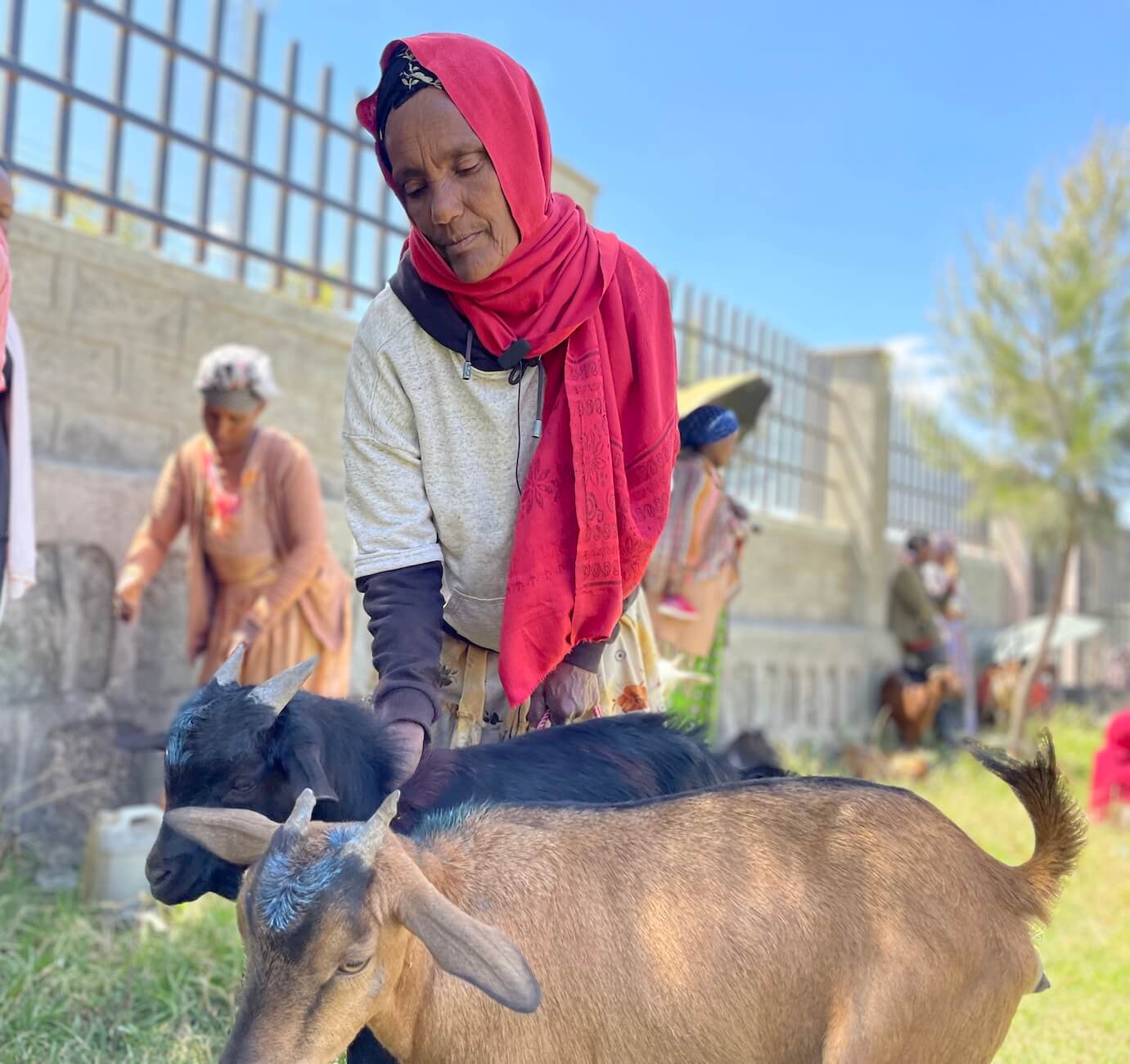
Embrace Relief Seed Program Two Goats

What is the meaning of Eid al-Adha?

Eid al-Adha falls on the 10th day of Dhu al-Hijjah, the twelfth and final month of the Islamic lunar calendar. It marks the end of the Hajj pilgrimage to Mecca, one of the Five Pillars of Islam, which all Muslims are obligated to undertake at least once in their lifetime if they are physically and financially able. This festival commemorates the ultimate act of obedience and submission to the will of Allah, as demonstrated by the Prophet Ibrahim.

The significance of Eid al-Adha lies in its historical and religious roots. According to Islamic tradition, Allah commanded the prophet Ibrahim in a dream to sacrifice his son, Ismail. Despite the profound love for his son, Ibrahim prepared to obey Allah’s command. However, at the last moment, Allah replaced Ismail with a ram, signifying that his sacrifice was accepted. This narrative symbolizes unwavering faith, obedience, and submission to the divine will.

Qurbani: A Community Ritual

Eid al-Adha is characterized by various rituals and practices observed by Muslims worldwide. The day typically begins with communal prayers, performed in mosques or open prayer grounds, where Muslims gather to offer prayers of gratitude and worship.

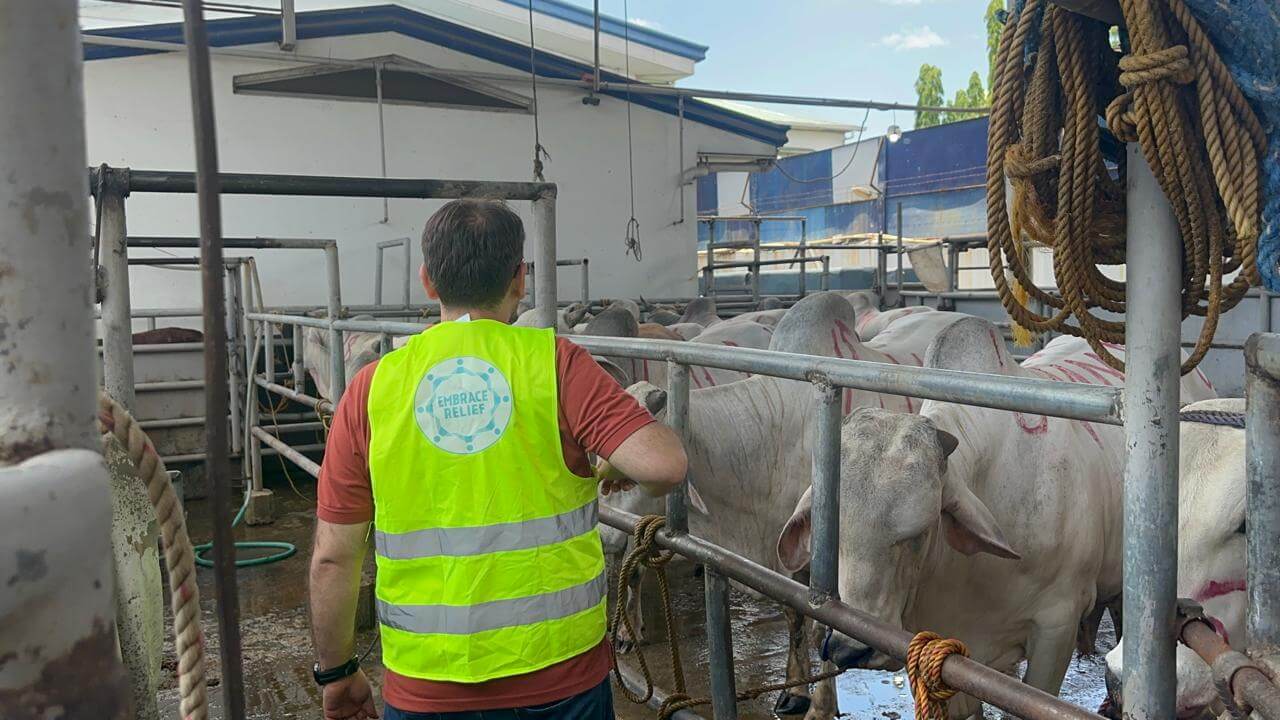
Following the prayers, Muslims participate in the symbolic act of sacrifice, where an animal, often a goat, sheep or cow, is slaughtered according to Islamic guidelines. This act is known as Qurbani. The meat from the sacrifice is then distributed among family, friends, and the less fortunate, emphasizing the values of generosity, compassion, and community.

Central to the spirit of Eid al-Adha is the emphasis on charity and compassion towards the less fortunate. Muslims are encouraged to share their blessings and abundance with those in need, ensuring that everyone can partake in the festivities and enjoy a hearty meal. This act of giving reflects the principles of social justice and solidarity within the Islamic faith, fostering a sense of unity and empathy within the community.

The SEED program exemplifies Embrace Relief's commitment to holistic community development

Help Embrace Relief Share Food During This Time of Community and Charity

Eid al-Adha serves as a poignant reminder of the values cherished in Islam – faith, sacrifice, and community. It’s a time for introspection, gratitude, and solidarity, as Muslims come together to commemorate the legacy of Prophet Ibrahim and reaffirm their commitment to serving humanity.

During this critical time of year, Embrace Relief invites you to embrace the spirit of Eid al-Adha by supporting our International Hunger Relief: Qurbani 2024 campaign. Your donation will enable Embrace Relief to provide meat packages to thousands of people in need around the world.

In 2023, Embrace Relief distributed meat to more than 122,000 people in 19 countries spanning 5 continents. For the many families worldwide who struggle to afford nutritious food, our Qurbani program was a beacon of hope and support. We’re aiming to expand our impact in 2024 – but we can’t do it without your help.

Give your Qurbani today with Embrace Relief by using the donation box below. Let us mark Eid al-Adha 2024 by sharing our blessings with a family in need, spreading joy and goodwill to all. Eid Mubarak!

From Thirst To Hope: Building Water Wells and Building The Future in Africa

Summary

  • Hundreds of millions of people around the world lack access to clean, drinkable water, causing significant challenges to public health, education and the economy. Sub-Saharan Africa is particularly affected by this issue.
  • Learn about how building water wells is a practical, sustainable way to overcome these challenges, creating a snowball effect on communities that makes life better for all.
  • Then, find out how you can be a part of the solution by donating to support Embrace Relief’s Clean Water Initiative, which has built more than 850 wells in Africa.

An Underground Solution to the Clean Water Crisis

Access to clean water is necessary for any society to thrive. Sadly, for countless communities in sub-Saharan Africa, water scarcity remains a pressing issue that alters more than 200 million lives for the worse and hinders overall socio-economic development. However, for many people living in this part of the world, the solution is right under their feet.

Sub-Saharan Africa’s vast underground aquifers hold the potential to provide the clean water that is critical for the flourishing of human society. But utilizing this precious resource requires an investment in infrastructure – namely, the building of water wells – that is beyond the means of many of these mostly rural communities. However, it is an investment with the potential to pay off tenfold. When water wells are constructed in Africa, they serve as a beacon of hope, significantly transforming communities and fostering positive outcomes across various sectors. The impact of building water wells in these areas extends far beyond merely giving people and families the clean water they need to drink, clean, cook and farm each day. The key effects include significant improvements in health outcomes, expanded educational opportunities for children, and sustainable economic development for all.

Health Benefits of Water Wells

Clean, safe drinking water is perhaps the most critical building block of a strong public health system. The use of water for personal hygiene and sanitation is one of humanity’s greatest weapons in the fight against deadly viruses and bacteria. The World Health Organization estimates that if every person on earth were to be provided clean water today, we could save up to 1.4 million lives each year. The impact would be even greater than that: millions more people in sub-Saharan Africa and other clean-water-scarce regions contract waterborne diseases but survive, leading to diminished quality of life. These diseases, such as cholera, typhoid, and dysentery, are sadly common in regions with widespread poor water quality. Consequently, the incidence of water-related illnesses decreases, leading to healthier communities, longer life spans, and reduced healthcare expenditures.

Educational Opportunities created to Water Wells

Another second-order effect of building water wells and expanding access to clean water in sub-Saharan Africa is the impact on educational opportunities for children, and especially young girls. In many parts of sub-Saharan Africa, the responsibility of fetching water for families and communities falls predominantly on women and children. Water-fetchers often partake in long, arduous daily journeys to distant water sources. These journeys consume valuable time and energy that could otherwise be allocated to education. Building water wells in more accessible locations diminishes this burden, liberating children, especially girls, from this task and allowing them to attend school regularly. In villages now served by a water well, we regularly see school enrollment and attendance rates rise, with higher graduation rates among girls. Because educational achievement is linked with lower poverty rates, water wells are also associated with the breaking of cycles of poverty.

5K Walkathon with Embrace Relief

Economic Empowerment due to Water Wells

Beyond health and education, the introduction of water wells stimulates local economies and fosters community development. Access to clean water is a fundamental prerequisite for economic activities such as agriculture, livestock rearing, and small-scale enterprises. With reliable access to water, farmers can irrigate their fields more efficiently, leading to increased agricultural productivity and food security. Moreover, the establishment of water wells creates employment opportunities, as maintenance and management of the wells require local expertise. This not only generates income within the community but also fosters a sense of ownership and sustainability.

A Snowball Effect

Clean water is so critical to every aspect of a healthy society, even if we take it for granted in the United States. So it is no surprise that all of the positive effects of a water well are linked together, creating a ripple effect that permeates the entire community. Improved health outcomes lead to a more productive workforce, stimulating economic growth and prosperity. As education flourishes, a knowledgeable and skilled labor force emerges, capable of driving innovation and progress. Moreover, the presence of clean water attracts investment and development initiatives, as stakeholders recognize the potential of these communities. Consequently, a virtuous cycle of development ensues, bolstering resilience and sustainability for generations to come.

Extreme heat calls for thoughtful water consumption

Make an Impact at Embrace Relief’s Annual 5K Walkathon

Today, we’re asking you to invest in a community and make an impact that will last for generations. You can do so by supporting Embrace Relief’s third annual H2Ow Far Can You Walk 5K Walkathon, which will take place Sunday morning, May 19, 2024! This family- and pet-friendly event will take place at beautiful Liberty State Park in Jersey City, NJ. All proceeds will support Embrace Relief’s Clean Water Initiative to build water wells in Africa.

Click here for more details and ticket information.

Can’t join us on May 19? You may also consider making a donation or starting a water well project to Embrace Relief’s Clean Water Initiative, which since 2013 has built or reconstructed more than 850 water wells, creating positive change for more than 900,000 people in the countries of Chad, Cameroon, Nigeria, Tanzania, Kenya, and Uganda. Our wells are built with hand-pumps, ensuring that all members of a community can easily operate them, and requiring no fossil fuel energy. Each well also comes with a guaranteed warranty to ensure that they are maintained and operated for years to come. And we know firsthand that our wells are making the exact sort of impact that we’ve outlined above.

Click here to learn more about Embrace Relief’s Clean Water Initiative.

With your support, we will walk for water on May 19 so that our friends across Africa will no longer need to. Together, we can unlock vast amounts of human potential and create a better, healthier, wealthier future for all of us!

Voices of Empowerment: Insights from Afghan Girls in the LEARN Program

Summary

  • Explore the transformative impact of the LEARN program on the lives of Afghan girls, as shared through exclusive interviews.
  • Gain firsthand perspectives from Sajida and Lima Ahmadzai, highlighting their daily routines, challenges accessing education, and aspirations for the future.
  • Discover how support for initiatives like LEARN fosters empowerment, resilience, and hope amidst adversity.

In a world where gender equality remains an ongoing struggle, initiatives like the LEARN program stand as beacons of hope, illuminating the path towards a brighter future for girls in Afghanistan. In this blog post, we’ll explore the LEARN program, its impact, and the inspiring stories of two of its students, Sajida and Lima Ahmadzai. Their voices echo the resilience and determination of countless girls striving for education and empowerment in the face of adversity.

The Learning and Education for Afghan Girls’ Rights and Needs (LEARN) program is more than just an educational initiative; it’s a lifeline for girls in Afghanistan. Amidst challenges posed by social, cultural, and political factors, the LEARN program provides a safe space for girls to pursue their education and dreams. It’s a testament to the power of education in transforming lives and dismantling barriers to gender equality. By providing girls with the tools and resources they need to succeed academically, the program empowers them to break free from the cycle of poverty and inequality. Education is not just about acquiring knowledge; it’s about fostering independence, critical thinking, and the ability to advocate for oneself and others.

Sajida, an 18-year-old student from Kabul, shares her journey of transformation through the LEARN program. Before joining LEARN, school was a daunting and challenging experience for her. However, with the support of the program, she now finds learning enjoyable and empowering. “I lost my hope, but when I started this school I found it and now I know what to do for my future.” She hopes to work and help others, and dreams of traveling to Paris one day to see the Eiffel Tower. Sajida’s story is a testament to the transformative power of education in reshaping one’s perspective and future aspirations.

initiatives like the LEARN program stand as beacons of hope

Lima, also 18 years old and from Kabul, highlights the profound impact of the LEARN program on her life. Despite facing challenges imposed by societal norms and the recent changes in Afghanistan, Lima finds solace and hope in the opportunities provided by the program. “Before the Taliban, school was a safe place and I had no challenges in my way to face. I was getting an education, and I had a big enthusiasm for school, but after the Taliban’s taking over it rooted a challenge where they banned us from our safe place…it seemed like the Taliban had figured out the best part of our life and then erased it.”

However, Lima never gave up hope, and thanks to your support, she’s now able to continue her education. “The LEARN program is a part of my life that came as a miracle, I have to admit that when we were in the depth of darkness, the only thing that nurtured the hope in us was the LEARN program…The LEARN program has given us a feeling that we can fit with society and we are not left out of the world or even the community we live in. We have started to pursue our goals again and get knowledge in high quality which leaves us with a big responsibility to study hard and use this opportunity.” Her determination to pursue education and contribute to her community reflects the resilience of Afghan girls in the face of adversity. After finishing high school, Lima hopes to start university in computer science.

highlights the profound impact of the LEARN program on her life

How You Can Make an Impact for Women and Girls

As we navigate through the complexities of gender inequality and women’s rights, it’s crucial to recognize the role each of us plays in creating change. By supporting initiatives like the LEARN program through donations and advocacy, we can amplify the voices of Afghan girls and pave the way for a more inclusive and equitable society. Every contribution, no matter how small, has the power to make a difference in the lives of these girls and their communities.

As advocates for gender equality and women’s rights, it’s incumbent upon us to stand in solidarity with them and ensure that every girl has the opportunity to thrive and succeed. Together, let’s sow the seeds of change and cultivate a future where every girl can unleash her full potential.

For more information on the Embrace Relief L.E.A.R.N. program, click here.

Donate For Women’s Empowerment

$
Donate Now

Zero Hunger: Understanding the Mission and How You Can Help

The Concept of Zero Hunger

Zero Hunger is a global mission aiming to end hunger, achieve food security, improve nutrition, and promote sustainable agriculture by 2030. It’s one of the 17 Sustainable Development Goals (SDGs) adopted by all United Nations member states in 2015, reflecting a universal call to action to transform our world. Zero Hunger goes beyond addressing immediate hunger needs, focusing on sustainable food systems that benefit people and the planet.

Historical Context and Progress So Far

The battle against hunger has been ongoing for decades, with significant strides made towards reducing global hunger rates. The establishment of the Food and Agriculture Organization (FAO) in 1945 and the launch of the first World Food Programme in 1961 marked the beginning of organized global efforts. Despite progress, challenges like population growth, conflicts, and climate change have hindered efforts. The Zero Hunger goal aims to consolidate and expand upon past successes, ensuring that no one is left behind.

Key Strategies for Achieving Zero Hunger

Sustainable Agricultural Practices

Promoting sustainable agriculture is crucial to increasing food production and improving the livelihoods of millions of small-scale farmers. This involves adopting practices that increase productivity, are resilient to climate change, and minimize environmental impact.

Nutritional Programs

Improving nutrition involves ensuring that people have access to a variety of foods that meet their nutritional needs. This includes programs targeting malnutrition in children, pregnant women, and vulnerable populations.

Food Waste Reduction

A significant portion of the food produced globally is wasted. Strategies to reduce food waste include improving food storage and transportation methods, promoting consumer awareness, and supporting food redistribution programs.

Policy and International Cooperation

Achieving Zero Hunger requires coordinated policy efforts at the national and international levels. This includes investment in agricultural infrastructure, support for smallholder farmers, and international trade agreements that promote food security.

Key Strategies for Achieving Zero Hunger

How to Get Involved in the Mission

Support Local Food Banks and Charities

Donating to and volunteering with local food banks and charities are direct ways to help those facing hunger in your community.

Advocate for Policy Change

Advocating for policies that support sustainable agriculture, nutrition programs, and food aid can have a lasting impact. This can involve writing to legislators, participating in campaigns, or raising awareness through social media.

Educate Yourself and Others

Educating yourself and others about the causes of hunger and sustainable solutions contributes to a broader understanding and support for the Zero Hunger mission.

Stories of Impact and Success

Stories from around the world illustrate the impact of efforts towards Zero Hunger. For instance, community-led initiatives in sub-Saharan Africa have empowered smallholder farmers through access to technology and markets, significantly increasing food production. Nutrition programs in South Asia have reduced child malnutrition rates, demonstrating the success of targeted interventions. Check out our blogs for more success stories!

Support Local Food Banks and Charities

Further Resources

The mission of Zero Hunger is ambitious but achievable with collective action. Everyone has a role to play, from individuals to governments and international organizations. For further information and to get involved, resources are available through the United Nations, the World Food Programme, and various NGOs (like Embrace Relief) dedicated to ending hunger. Together, we can make Zero Hunger a reality, ensuring a future where everyone has access to the nutrition they need to lead healthy, productive lives.

Navigating Global Food Security: Insights from Embrace Relief’s Efforts

Introduction to Embrace Relief and Its Mission

Embrace Relief is a beacon of hope in the global fight against hunger, embodying a mission to deliver not just aid but sustainable solutions to food insecurity worldwide. Founded on the principles of compassion, efficiency, and innovation, Embrace Relief operates at the intersection of humanitarian aid and development, aiming to empower the communities it serves.

Overview of Global Food Security Challenges

Food security remains one of the most pressing challenges of our time, affected by a complex web of factors including climate change, conflict, and economic instability. With over 820 million people worldwide facing hunger, the quest for food security is not just about providing immediate aid but ensuring long-term sustainability and resilience against future crises.

Detailed Analysis of Embrace Relief’s Strategies in Combating Hunger

Emergency Aid and Long-Term Solutions

Embrace Relief’s approach to combating hunger is twofold, providing immediate aid to those in crisis while investing in long-term solutions that address the root causes of food insecurity. This includes emergency food distributions, support for agriculture and livelihood projects, and initiatives aimed at improving water access and quality.

Empowering Communities

Central to Embrace Relief’s strategy is the empowerment of communities to take charge of their food security. Through training in sustainable farming techniques, support for small-scale farmers, and investment in community-led food projects, Embrace Relief is helping to build the foundations for a future where communities can withstand and recover from food crises.

Innovation and Collaboration

Embrace Relief harnesses the power of innovation, utilizing new technologies and methodologies to enhance food distribution, improve agricultural efficiency, and monitor and evaluate the impact of its programs. Collaboration with local partners, governments, and international organizations amplifies their efforts, ensuring a coordinated response to global food insecurity.

Detailed Analysis of Embrace Relief's Strategies in Combating Hunger

How Individuals and Organizations Can Contribute

The fight against hunger demands a collective effort. Individuals can contribute through donations, volunteering, and advocacy, while organizations can partner with Embrace Relief to provide funding, expertise, and support for specific projects or initiatives. Together, these contributions make a tangible difference in the lives of those facing food insecurity.

Future Directions in Global Food Aid

Looking ahead, Embrace Relief is committed to innovating and adapting its strategies to meet the evolving challenges of global food security. This includes expanding its reach to more communities in need, exploring new models of food aid that prioritize sustainability and self-sufficiency, and strengthening its networks of collaboration and support.

Future Directions in Global Food Aid

Join the Ranks Against World Hunger!

As we navigate the complex landscape of global food security, the work of organizations like Embrace Relief stands as a testament to what is possible when compassion, innovation, and determination come together. By supporting Embrace Relief, each of us can play a part in a global movement towards a world where no one goes hungry. Join us in this vital mission—donate, volunteer, and advocate for food security and be a part of the solution.

Empowering Rural Communities: Embrace Relief’s SEED Program in Ethiopia

Summary

  • Embrace Relief’s SEED program is driving sustainable entrepreneurship in rural Ethiopia.
  • Beneficiaries highlight the transformative impact of the program after receiving 40 goats
  • Join our mission to empower more families and foster economic self-reliance in Ethiopia through the SEED program.

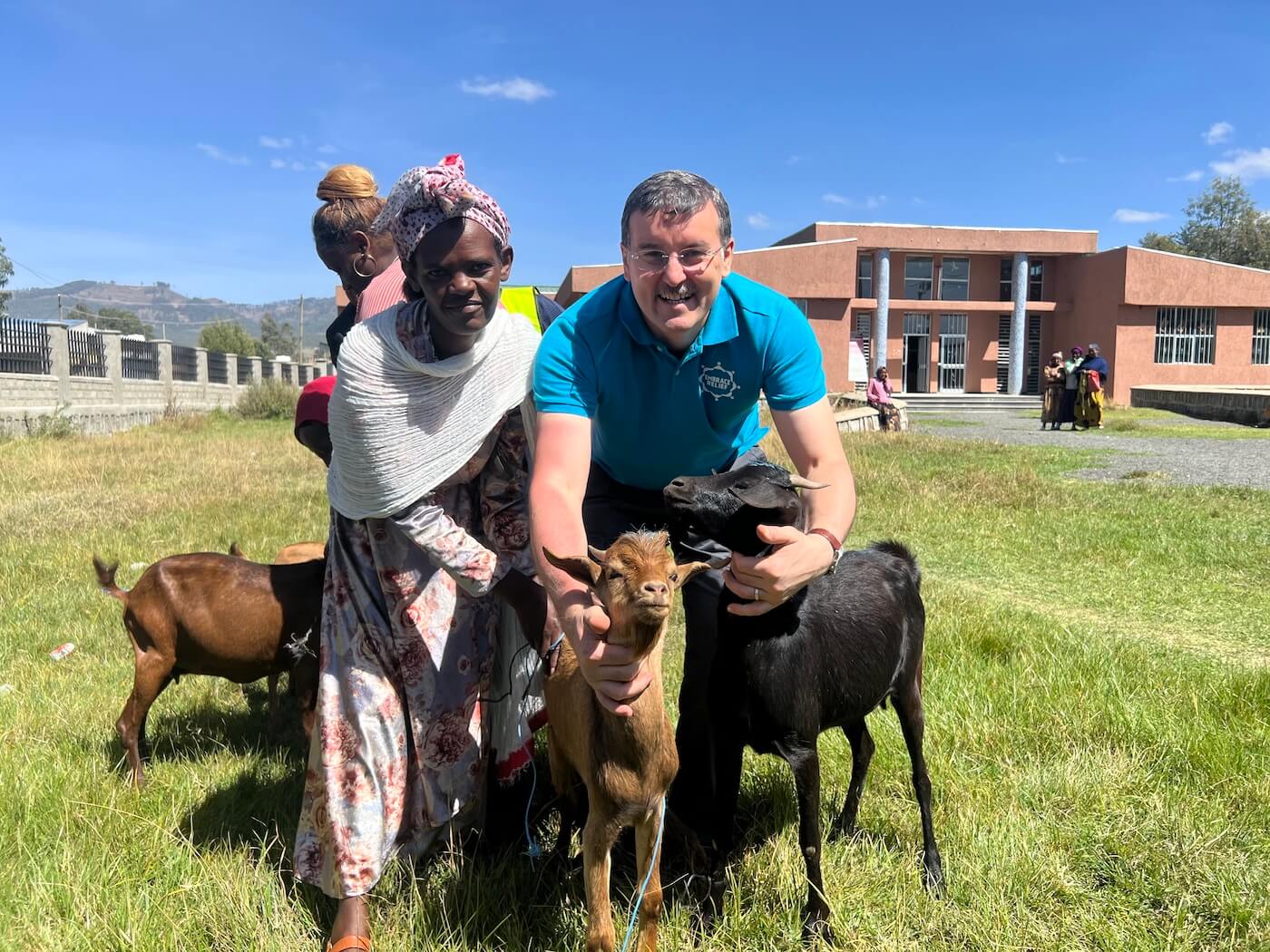
In a concerted effort to uplift rural communities and foster sustainable economic growth, Embrace Relief collaborated with the local social affairs department in Ethiopia to distribute 40 goats to 20 families in need. This initiative, part of Embrace Relief’s S.E.E.D. (Sustainable Entrepreneurship through Eggs and Dairy) program, aimed to provide families with not only immediate resources but also the tools and knowledge necessary for long-term self-sufficiency.

The SEED program represents a holistic approach to community empowerment, focusing on sustainable agriculture and entrepreneurship. By providing families with livestock such as goats and chickens, Embrace Relief seeks to lay the foundation for economic self-reliance and empowerment. Moreover, the program offers comprehensive training in animal husbandry, business management, and market access, equipping beneficiaries with the skills needed to thrive as entrepreneurs.

During the distribution event, which took place at the end of February, Embrace Relief representatives had the opportunity to visit the homes of selected families and engage with the recipients firsthand. These interactions provided invaluable insights into the impact of the SEED program on the lives of beneficiaries.

Meseret Tafesse, one of the recipients, expressed her gratitude, stating, “Getting this opportunity by itself is wonderful. It is my first time to get such a chance, and I am very grateful and happy for that.” Meseret is a single mother, the father of her children having abandoned them, and now must work as a militia member for the village. However, she believes these goats could give her the financial income that she has been hoping for; “I do believe that getting these goats will give me hope.”

Desta Idossa, another beneficiary, shared her aspirations, saying, “I want to take care of the goats, breed them, and be a role model for my village.” Deseta is a mother of three children and worked washing clothes and planting vegetables for a farm. “I will take care of [the goats] and keep them healthy to breed them to make more and more to be exemplary for our community, for our Social Affairs Department to show them what I can achieve.”

Every woman that Embrace Relief spoke to was thankful. “I want to thank from the bottom of my heart for everyone who donated, supported to make this project happen. The project may or may not succeed but thinking about me, giving me this opportunity by itself is a great honour and that is enough,” said Woinshet Seifu, a mother of five from Bulga Village.

Embrace Relief Seed Program Two Goats

Two Goats Can Change the Lives of Families in Need

Beyond providing livestock, the SEED program emphasizes the importance of education and training. An expert from the Sandafa Beke Agricultural bureau conducted a training session on goat husbandry and management, imparting valuable knowledge to the recipients. The training covered various aspects, including proper nutrition, shelter requirements, and healthcare practices for goats. He highlighted the significance of understanding the goats’ nature and needs, emphasizing the need for proper care and attention. Abraham stressed the importance of regular veterinary check-ups and providing a balanced diet to ensure the goats’ health and productivity. He concluded by encouraging the recipients to take care of their goats diligently, knowing that their efforts would lead to sustainable income generation.

Emebet Mamo Haile, the head of the Women, Children, and Youth Affairs department in Sendafa Beke, expressed heartfelt gratitude towards us for their continuous support, particularly during challenging times like the Covid-19 pandemic. She emphasized the significant impact of the empowerment project on vulnerable women in the community. Emebet stated, “Today you come up with a genuine project to empower women. Honestly, I’ve never been happier. Some of these women don’t have husbands or children to support them, and they struggle with low economic status. Since you gave them this opportunity, I am very happy, to be honest.” She appreciated the thoughtful allocation of male and female goats to each family, recognizing the project’s potential to bolster the city’s economy directly. Emebet highlighted the project’s transformative nature, shifting from emergency aid to sustainable development, which aligns with the department’s objective of empowering women economically. She also called upon other organizations to emulate this model of sustainable development programs, underscoring the significance of such initiatives in fostering long-term community resilience. Emebet concluded by extending gratitude to the Embrace Relief Foundation for their invaluable support and expressed hope for continued collaboration in uplifting the lives of women and their communities.

The SEED program exemplifies Embrace Relief's commitment to holistic community development

In addition to the distribution event, Embrace Relief plans to conduct follow-up visits every 3 to 6 months to ensure the well-being of the animals and provide ongoing support to the families. This commitment to sustained engagement underscores Embrace Relief’s dedication to creating lasting change and empowering communities.

The SEED program exemplifies Embrace Relief’s commitment to holistic community development, addressing not only immediate needs but also laying the groundwork for long-term prosperity. Through initiatives like these, Embrace Relief continues to make a tangible difference in the lives of marginalized communities, empowering them to build brighter futures for themselves and their families.

For more information on the Embrace Relief S.E.E.D. program, click here.

Donate For Women’s Empowerment

$
Donate Now