


Recent

Back-to-School Hydration: Are Expensive Water Bottles Worth It?

Summary

  • Hydration is vital for kids during the hot back-to-school season, when higher temperatures and active schedules increase water needs.
  • Water quality matters more than fancy bottles, and experts recommend drinking clean, mineral-rich, contaminant-free water for optimal health.
  • Embrace Relief’s deep-water wells provide safe drinking water to over one million people in Africa, ensuring communities can stay healthy and hydrated year-round.

It’s back-to-school season; a time when kids’ backpacks get heavier, schedules get busier, and the importance of proper hydration skyrockets. Studies show that even mild dehydration can reduce children’s ability to concentrate, lower their mood, and impact memory retention. In other words, sending your child to school with enough water isn’t just a “nice to have”- it’s essential for their learning, energy, and overall health.

Parents today are going all-in on hydration tools. Insulated stainless steel bottles dominate store shelves, promising ice-cold water for 24 hours. Smart water bottles that track intake and glow to remind kids to drink are trending on TikTok. Designer water bottles, some priced at $40 or more, have even become fashion accessories, with kids treating them like part of their school outfits.

But here’s the real question: Will that $40 bottle actually make your child healthier, or is it what’s inside the bottle that matters most?

The short answer: both play a role, but water quality wins by a landslide. Yes, a high-quality bottle can help keep water cold, reduce exposure to harmful microplastics found in cheaper bottles, and maintain a fresher taste by resisting odor buildup. These factors can encourage kids to drink more, especially if the bottle is fun to use and fits their style. But no matter how fancy the container, if the water inside is contaminated, your child is still at risk.

Recent research from the World Health Organization warns that unsafe drinking water can carry bacteria, viruses, and even microplastics that affect health over time. While U.S. tap water is generally safe, aging pipes, local contamination issues, and outdated infrastructure have created pockets of concern in many communities (Flint, Michigan being the most famous example, but far from the only one). Globally, the problem is far worse: 2.2 billion people still lack access to safely managed drinking water services, and children in water-scarce regions are among the most vulnerable.

At the end of the day, the best back-to-school hydration strategy is a combination of a safe, appealing bottle and clean, high-quality water. Whether your child prefers the trendy Stanley Quencher, the sleek Hydro Flask, the classic Nalgene, or the techy HidrateSpark, the bottle is only part of the equation. What truly matters is filling it with water you trust, which should be filtered, fresh, and free from harmful contaminants. Think of the bottle as the vehicle and the water as the fuel: a luxury car still won’t run well on low-quality gas. So this school year, invest in both sides of the equation. Choose a durable, easy-to-clean bottle your child will be excited to carry, and make sure the water inside is as pure and safe as possible. That’s the real recipe for focus, energy, and healthy learning.

Clean Water Means Life - That’s Why Embrace Relief Is Building Wells in Africa

Clean Water Means Life – That’s Why Embrace Relief Is Building Wells in Africa

While many of us debate whether alkaline, mineral, or spring water is the healthiest choice, millions of people, especially in rural Africa, are forced to drink from contaminated rivers, ponds, or hand-dug pits. For them, water isn’t a lifestyle choice. It’s a daily struggle that leads to deadly diseases, keeps children out of school, and traps families in cycles of poverty.

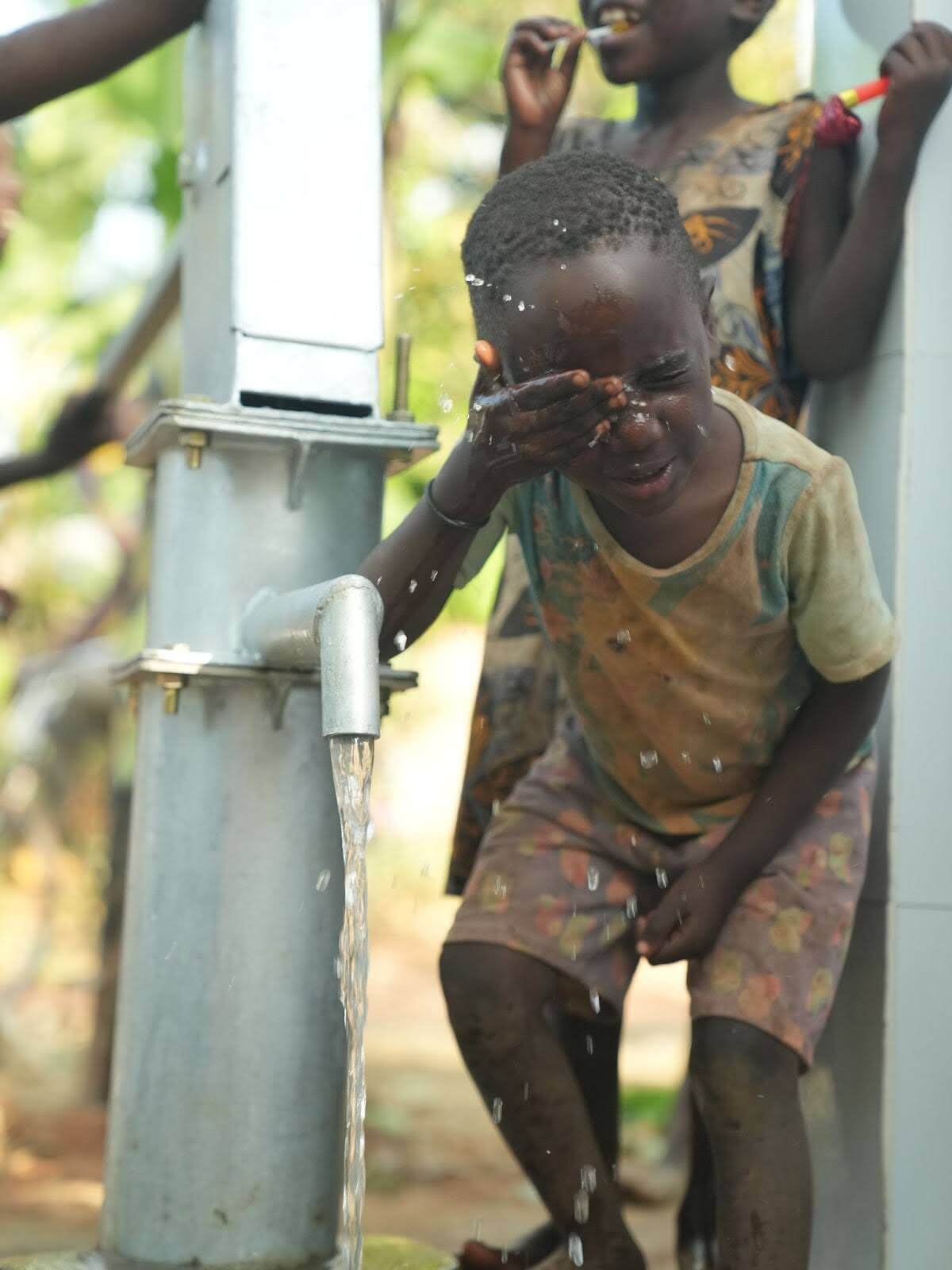
Embrace Relief’s Clean Water Initiative changes that reality. We build deep, sustainable water wells in remote villages, giving over 1,000 people per well access to safe, reliable water every single day. For $3,500, you can fully fund the construction of a new well, or for $1,500, you can completely restore an existing one, bringing it back to life for an entire community.

Every well comes with:

  • A five-year warranty for peace of mind
  • Annual maintenance to ensure long-term functionality
  • A custom dedication plaque with your name or message
  • Impact reports with photos and updates so you can see your gift in action

Since 2013, Embrace Relief has built or restored over 1,100 wells in countries like Chad, Nigeria, Uganda, Benin, Kenya, and Cameroon, transforming life for more than 1.1 million people.

These wells don’t just provide water. They:

  • Reduce waterborne diseases like cholera and typhoid
  • Support farming and food security so families can grow their own food
  • Help children return to school instead of walking miles for water
  • Free women from hours of daily labor, giving them time to work, learn, and lead

Clean water isn’t just a resource. It’s the foundation for health, education, and opportunity.

For more information on Embrace Relief’s Clean Water Initiative, click here!

Can We Run Out of Clean Water? The Truth Behind the Global Water Crisis

Summary

  • Clean water seems abundant, but billions face water insecurity.
  • Learn how population growth, pollution, and climate change are accelerating water scarcity worldwide.
  • Discover practical solutions and how organizations like Embrace Relief are working to protect and provide access to clean water for all.

At first glance, the answer seems obvious. Earth is covered in water over 70% of its surface. So, how could we ever run out?

The truth is, while water is abundant, less than 1% of the world’s water is safe and accessible for human use. And that tiny fraction is under serious threat from overuse, pollution, population growth, and climate change. Across the globe, communities are already experiencing the harsh reality of water scarcity.

Right now, 2.2 billion people live without access to safely managed drinking water services. That’s more than a quarter of the global population- and the situation is only expected to worsen. The UN has predicted that, this year, half of the world’s population could be living in water-stressed areas. That means billions of people potentially facing water shortages, rationing, or contaminated supplies.

This is a crisis fueled not only by scarcity but by demand. In the last 50 years, the world’s population has more than doubled, but water use has tripled. Over 70% of global freshwater goes to agriculture, and much of it is wasted through leaky irrigation systems, water-intensive crops, and unsustainable farming practices.

The human toll is devastating. Over 700 children under age 5 die every single day from diarrhea caused by unsafe water and poor sanitation. For families in underserved regions, every sip of water carries a risk of illness. Collecting that water often means walking for hours, especially for women and girls, keeping them out of school and jobs.

And this isn’t just a problem in rural villages or faraway countries. Even cities in wealthier nations are being forced to confront their vulnerability. Cape Town, South Africa nearly ran out of water in 2018. Los Angeles, California is actively planning for a future where water demand may outpace supply.

In many parts of the world, even where water is available, it isn’t safe. Industrial runoff, agricultural pesticides, plastic waste, and untreated sewage are polluting rivers and groundwater. In some countries, more than 80% of wastewater is discharged untreated, turning vital water sources into health hazards.

Even in the U.S., aging infrastructure and pollution threaten water quality. The Flint water crisis was just one high-profile example, but it’s far from isolated.

Cataracts in Mali: A Preventable Crisis with a Simple Solution

What Embrace Relief Is Doing to Help

That’s where Embrace Relief comes in.

Through its Clean Water Initiative, Embrace Relief builds sustainable, deep-water wells in vulnerable communities across Africa giving thousands of people reliable access to safe drinking water.

Each well includes:

  • A five-year warranty
  • Annual maintenance checks
  • A custom dedication plaque
  • A detailed impact report with updates and photos

Since 2013, Embrace Relief has built or restored over 1,100 water wells in Chad, Nigeria, Kenya, Uganda, Cameroon, and is bringing clean water to over one million people every day. These wells eliminate the need to walk long distances for water, reduce the spread of waterborne diseases like cholera and typhoid, free up time for children to attend school, and empower communities to grow food and maintain better hygiene.

To protect the future of clean water, we need long-term thinking and meaningful action:

  1. Support Sustainable Solutions
    Donate to organizations like Embrace Relief that build lasting infrastructure—wells with maintenance plans and community involvement.
  2. Educate and Empower Local Communities
    Training locals to maintain and repair wells ensures communities aren’t dependent on outside help forever.
  3. Conserve Water at Home
    Even if you live in a water-rich country, reducing water waste helps ease global demand. Every drop counts.
  4. Advocate for Clean Water as a Human Right
    Support policies that prioritize access to safe water for all—because clean water is not a luxury; it’s a necessity.

So… Can we run out of clean water? Yes. if we don’t protect and manage it wisely. But no, because Earth still has the water. We just have to ensure it’s clean, safe, and accessible to everyone.

For more information on Embrace Relief’s Clean Water Initiative, click here!

What Are the Most Common Eye Problems?

Summary

  • Eye problems are on the rise globally, particularly among children
  • Cataracts are increasingly affecting people under 40, accelerated by digital eye strain and UV exposure.
  • Embrace Relief is helping thousands in Mali overcome cataract blindness through free cataract surgeries.

Most of us take our eyesight for granted, until something goes wrong. Maybe you’ve had trouble reading small print, or your eyes feel dry and tired after staring at a screen all day. These kinds of issues are more common than you might think, and in some cases, they’re signs of something more serious.

Eye problems aren’t just about glasses or eye drops. Some conditions can sneak up on you, slowly affecting your vision without any warning signs. Others are so widespread that they’ve become the leading cause of blindness worldwide.

Here are some of the most common eye problems people experience, and why cataracts might be the most underestimated of them all:

1. Refractive Errors: The Most Common Vision Problem

Refractive errors affect more than 150 million Americans, making them the most widespread eye issue in the world. These include:

  • Nearsightedness (myopia): when far-away objects look blurry
  • Farsightedness (hyperopia): when close-up objects are hard to see
  • Astigmatism: distorted or blurred vision due to an irregularly shaped cornea
  • Presbyopia: age-related difficulty focusing on nearby objects, usually starting around age 40

These issues are easily corrected with glasses, contacts, or surgery, but in many low-resource areas, access to eye care is limited, and people live for years with preventable vision loss.

2. Glaucoma: The Silent Thief of Sight

Glaucoma affects over 80 million people worldwide and is one of the leading causes of irreversible blindness. It’s caused by a buildup of pressure in the eye that damages the optic nerve.

What makes glaucoma especially dangerous is how quietly it progresses; many people don’t notice any symptoms until they’ve already lost significant vision. Regular eye exams are the only way to catch it early and slow its progression with medication or surgery.

3. Macular Degeneration: A Leading Cause of Vision Loss in Older Adults

Age-related macular degeneration (AMD) affects the center of the retina, which controls sharp, straight-ahead vision. It’s the leading cause of vision loss for people over 50 in developed countries.

There are two types of AMD (dry and wet) and both can make reading, driving, and recognizing faces incredibly difficult over time. Early detection and

4. Dry Eye Syndrome: A Modern Problem

If your eyes often feel gritty, itchy, or like they’re burning, you might be dealing with dry eye syndrome. This condition happens when your eyes don’t produce enough tears, or when the tears evaporate too quickly.

Dry eyes are becoming increasingly common due to screen time, air conditioning, and certain medications. While often mild, untreated dry eye can lead to chronic discomfort and even damage the surface of the eye.

5. Cataracts: The Most Widespread Cause of Blindness

When people hear the word “cataracts,” they usually think of older adults slowly losing their eyesight. But cataracts, a clouding of the eye’s lens, are not just a normal part of aging. They’re the leading cause of reversible blindness worldwide, affecting over 100 million people, including children and young adults in underserved regions.

The good news? Cataract surgery is quick, safe, and effective. The bad news? Millions of people still can’t access it.

Cataracts are especially devastating in areas without hospitals, eye care clinics, or trained surgeons. In many parts of the world, going blind from cataracts isn’t just common—it’s expected.

Cataracts in Mali: A Preventable Crisis with a Simple Solution

Cataracts in Mali: A Preventable Crisis with a Simple Solution

While cataracts are easily treated in other countries, in Mali, they often mean a lifetime of blindness. Not because the cure doesn’t exist but because people simply can’t access it.

In many rural regions of Mali, eye doctors are hundreds of miles away. For elderly adults and low-income families, that distance and the cost makes surgery impossible. Thousands are left to slowly lose their vision, unable to work, care for their families, or live independently.

That’s where Embrace Relief steps in.

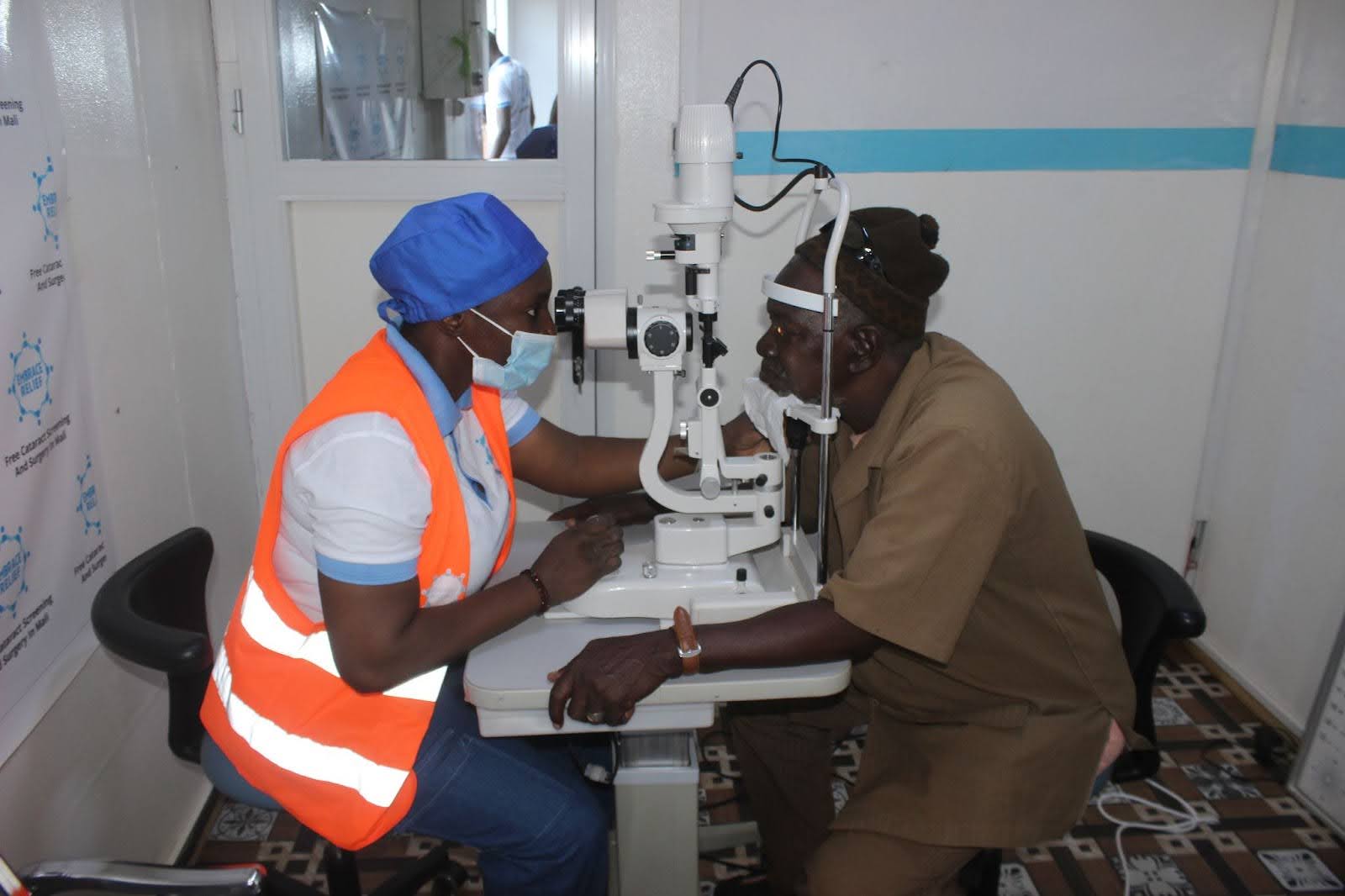
We’ve launched a nationwide cataract surgery program in Mali, providing free, sight-restoring surgeries to people in the hardest-to-reach places. Partnering with local doctors and volunteers, our mobile surgical teams identify patients, perform surgeries, and deliver post-operative care right in their communities.

Our Impact So Far:

  • Over 40,000 cataract surgeries completed
  • Focused outreach in rural, underserved areas
  • Restored sight for farmers, parents, elders, and more

Each surgery takes just 15 minutes but the change lasts a lifetime. A grandmother can see her grandchildren again. A teacher can return to the classroom. A farmer can walk in his fields with confidence.

And the cost? Just $120 per surgery– less than a pair of designer sunglasses. That small gift can change everything for someone living in blindness.

For more information on Embrace Relief’s Cataracts Surgeries , click here!

Orphan Care in Africa: How You Can Support Vulnerable Children Today

Summary

  • Support vulnerable and orphaned children in Africa with education, healthcare, and basic needs.
  • Join Embrace Relief’s child sponsorship and donate to orphanage education programs.
  • Help provide medical insurance, safe shelter, and community outreach for orphans.
  • Your charitable giving transforms lives and creates a brighter future for children in need.

In many African countries, the orphan crisis remains one of the most heartbreaking humanitarian challenges. The orphans, often victims of disease, poverty, and conflict, are left without guidance, care, or access to even the most basic needs. Many live outside formal institutions, often in unstable environments without proper nutrition, healthcare, or education.

The absence of early childhood education and proper support systems leaves them vulnerable to exploitation and lifelong poverty. It’s a cycle fueled by poor education, lack of healthcare, and a shortage of community outreach programs.

Yet, there’s hope. And that hope begins with you through programs like Embrace Relief’s Orphan Care Program, which is committed to transforming lives.

Why Orphan Care Must Include Education and Healthcare

Access to education is not just a right, it’s a powerful tool to break the cycle of poverty. Unfortunately, for orphaned children in Africa, this tool is often out of reach. Many orphanages lack the infrastructure or funding to run proper education programs, and public schools often come with barriers like uniforms, supplies, and fees.

Without early childhood education or even basic literacy skills, these children are left behind. Their potential fades into survival, and the hope of a brighter future slips away.

How You Can Help Orphaned and Vulnerable Children

Make a lasting impact through child sponsorship and orphanage support. Your monthly gift can provide tuition, healthcare, and life-skills training to a vulnerable child. Or, help improve living conditions by funding orphanage renovations, classrooms, and access to clean water. Together, we can bring hope, stability, and a brighter future to children in need across Africa.

Child sponsorship: It is one of the most direct ways to impact a vulnerable child’s life. With just a monthly contribution, you can provide tuition and school supplies, medical care and nutritional meals, emotional support, and life-skills training.

Orphan Care in Africa: How You Can Support Vulnerable Children Today

How Embrace Relief Empowers Orphaned Children

Embrace Relief, through its dedicated Orphan Care program, supports the most vulnerable and orphaned children in Africa, Asia, and America. With the help of our generous orphan care donors and sponsors, we provide life-changing support through our child sponsorship initiatives delivering access to education, healthcare, nutrition, and safe living conditions. Together, we’re building a brighter, more hopeful future for children around the world.

Your charitable donations make a difference to orphaned children

Your sponsorship or donation today can provide education, healthcare, and a brighter future for a vulnerable child. Act now and support orphaned children with Embrace Relief.

Your charitable giving makes a real difference: give hope, give opportunity, give today.

Back to School, Back to Hope: How U.S. Donors Are Powering Education for Orphans in Africa

Summary

  • Millions of orphaned children in Africa lack access to basic education.
  • Education offers not just knowledge but hope, identity, and a safe space for vulnerable children.
  • U.S. donors can cover a child’s full education for just $65/month through Embrace Relief’s Orphan Care Program.
  • With every donation, we send a powerful message: You are seen, you are valued, and your future matters.

As children across the United States return to school in the fall—backpacks filled with new supplies and the excitement of learning ahead—millions of orphaned children in Africa face a different reality. These children wake up each day without access to the basic rights and resources we often take for granted: school uniforms, textbooks, writing supplies, and even a safe classroom. Instead of walking to school, many are forced into child labor, early marriage, or survival on the streets.

Education is not just an academic pathway—it is the most powerful tool we have to break the chains of poverty and give orphaned children the chance to build a better, more secure future. With the right support, these children can rise above their circumstances and become teachers, doctors, engineers, and leaders of tomorrow.

Education: The Great Equalizer

For orphaned children, education does more than teach math or reading—it provides a safe space, a sense of belonging, and a belief in a better future. A school uniform becomes more than clothing—it becomes an identity, a symbol that they matter. A pencil becomes a promise that their voice will be heard. A teacher becomes a mentor, guiding them through trauma and shaping their potential.

When you support the education of an orphaned child in Africa, you do more than send money—you send a message: You are not alone. Your future matters. Your contributions ensure that children are not left behind simply because they lost their parents or live in poverty. A monthly gift from a U.S. donor can cover the entire cost of schooling for one child—including tuition, uniforms, school supplies, and transportation for one year.

How Embrace Relief Is Making It Happen

At Embrace Relief, we believe that every child, regardless of where they’re born or what they’ve lost, deserves the opportunity to learn and grow. That’s why we’ve built a comprehensive education program specifically designed to meet the needs of orphaned children in Africa. We work hand-in-hand with trusted local organizations and caregivers in countries like Uganda, the Democratic Republic of Congo, and Ghana and Chad to deliver sustainable, long-term support.

For just $65 a month, you can keep a child enrolled in school year-round with the Embrace Relief Orphan care Program . This small amount, which might go unnoticed in a monthly budget in the U.S., can change the entire trajectory of a child’s life across the world.

Empower a Child’s Future: Sponsor Education Today

Together, we can transform the lives of orphaned children—one pencil, one classroom, one opportunity at a time.

Let’s make this school year count.

Together, we educate, we empower Orphaned children Together, we embrace relief.

Sponsor Education of Orphaned Children Now.

What Is the Healthiest Water to Drink? Here’s What Experts Recommend

Summary

  • From mineral content to filtration methods, the quality of drinking water varies greatly.
  • Embrace Relief is bridging that gap with sustainable water wells across Africa, providing safe, healthy water to over a million people.
  • You can support a cause that turns water into health, opportunity, and hope.

Walk into any store and you’ll find an overwhelming number of water choices: spring, purified, alkaline, distilled, mineral, even hydrogen-infused. But which one is actually the healthiest for your body?

The short answer:

Water that is clean, mineral-balanced, and free of contaminants is the best for your health. Here’s a breakdown of the healthiest types:

  1. Spring Water (Natural Mineral Water)
    Sourced from underground springs, this water typically contains beneficial minerals like calcium, magnesium, and potassium. It’s bottled at the source and tested for purity, making it one of the healthiest choices when verified by regulation.
  2. Purified Water
    This water has been filtered or processed to remove contaminants like bacteria, chemicals, and metals. It often comes from tap water but undergoes advanced purification methods like reverse osmosis or distillation.
  3. Alkaline Water
    With a higher pH level than regular water, alkaline water may help neutralize acid in the body. Some brands also infuse it with electrolytes for hydration. However, medical experts note that the health benefits are still debated.
  4. Mineral Water
    Bottled at a natural spring, mineral water must contain at least 250 parts per million of total dissolved solids (minerals). These additional minerals compared to spring water are added in, giving it a unique taste. It’s good for hydration and supports muscle and nerve function thanks to its mineral profile.
  5. Filtered Tap Water (with Home Filtration Systems)
    Using a reliable home filter (like carbon or reverse osmosis) can make your tap water safe and healthy. These systems remove chlorine, lead, and microplastics while preserving beneficial minerals.
  6. Distilled Water
    While extremely pure, distilled water lacks minerals, which can be a downside for long-term use. However, it’s excellent for detoxing or medical use when mineral balance is managed through diet.

What to Avoid:

  • Unfiltered tap water (in areas with poor infrastructure or contamination risks)
  • Plastic bottle-stored water (if exposed to heat or stored long-term)
  • “Raw” untreated water from natural sources, which can contain pathogens
Clean Water Is Health, That’s Why Embrace Relief Is Building Wells in Africa

Clean Water Is Health, That’s Why Embrace Relief Is Building Wells in Africa

Choosing between mineral or alkaline water is a privilege. In many parts of the world, including across Africa, people aren’t debating between bottled or filtered they’re drinking from contaminated rivers or walking miles just to fill a jug.

Unsafe water leads to widespread illness and death from diseases like cholera, typhoid, and diarrhea. Children miss school. Parents lose income. Hope dries up.

Embrace Relief is changing that.

Through its Clean Water Initiative, Embrace Relief builds and maintains water wells in remote African villages, bringing safe, healthy water directly to the people who need it most.

For just $3,500, one well can serve over 1,000 people, every single day.

Each well includes:

  • A five-year warranty
  • Annual maintenance checks
  • A custom dedication plaque
  • A full impact report with photos and updates

Since 2013, Embrace Relief has built or restored more than 1,100 wells across countries like Chad, Nigeria, Uganda, Kenya, and Cameroon, delivering clean water to over one million people.

These are not temporary fixes. They’re lifesaving infrastructure that:

  • Reduce waterborne diseases
  • Support farming and food security
  • Allow children to return to school
  • Free women from spending hours each day collecting water
For more information on Embrace Relief’s Clean Water Initiative, click here!

Can Cataracts Clear Up On Their Own?

Summary

  • Cataracts are increasingly affecting people under 40, accelerated by digital eye strain and UV exposure.
  • Early-onset cataracts often go undiagnosed until they become severe.
  • Embrace Relief is helping thousands in Mali overcome cataract blindness through free cataract surgeries.

Many people wonder if cataracts, the cloudy patches on the eye’s lens that blocks vision, can heal naturally over time. Unfortunately, the answer is no. Cataracts do not resolve on their own, and without treatment, they only get worse. Though changes in lighting, eyeglasses, and lifestyle can temporarily manage symptoms, the only effective and lasting treatment for cataracts is surgery to remove the clouded lens and replace it with a clear artificial one.

This is especially concerning as cataracts are no longer just a problem of old age. Increasingly, people under 40 are developing early-onset cataract symptoms driven by a combination of digital eye strain, UV radiation, environmental toxins, and poor nutrition.

Digital eye strain is a growing concern. According to the Vision Council, over 70% of U.S. adults report symptoms from prolonged screen use. Blue light, dryness, and reduced blinking don’t directly cause cataracts, but they exacerbate overall eye fatigue and may accelerate lens aging. Meanwhile, ultraviolet (UV) exposure is a well-documented cause. Yet, most young adults rarely wear proper UV400 sunglasses, leaving their eyes vulnerable to cumulative sun damage.

Recent studies show cataracts being diagnosed in individuals as young as 35, with a 15–20% increase in surgeries for patients under 50 in the last decade. And the consequences go far beyond blurry vision, untreated cataracts can severely affect mental health, job performance, and social interaction. A report by the American Academy of Ophthalmology found that vision loss in adults under 40 triples the risk of depression.

In short, cataracts won’t clear up. But the good news is they can be treated if caught in time and if access to care exists.

Cataracts in Mali: A Preventable Crisis with a Simple Solution

Cataracts in Mali: A Preventable Crisis with a Simple Solution.

While cataracts are increasingly treatable in the U.S., for millions in Mali, cataracts still mean a lifetime of blindness. Not because the treatment doesn’t exist but because they can’t access it.

In rural Mali, there may be no eye doctors for hundreds of miles. Many people, especially older adults, go blind simply because they cannot afford or reach the surgery they need.

That’s where Embrace Relief comes in.

We’ve launched a high-impact cataract program across Mali to bring free, sight-restoring surgeries to those living in total darkness. Working alongside local partners, our mobile surgical teams identify patients, perform surgeries, and provide post-operative care entirely free of charge.

Our impact so far:

  • Over 40,000 cataract surgeries completed
  • Prioritizing underserved rural regions
  • Helping the elderly, parents, and community workers regain independence

Each operation lasts just 15 minutes but its effects last a lifetime. Farmers can return to their fields. Grandparents can see their grandchildren again. Blindness that seemed permanent is reversed in a single afternoon.

And the cost? Just $120 per surgery.

That’s less than what many people spend on a single pair of sunglasses. And yet it can give someone in Mali their life and vision back.

For more information on Embrace Relief’s Cataracts Surgeries , click here!

10 Ways to Clean Lake Water While Camping From Easiest to Most Advanced

Summary

  • From boiling to high-tech filters, campers have many options for cleaning lake water but billions worldwide don’t.
  • Embrace Relief is closing the gap, building durable water wells in Africa that provide safe, long-term access to clean drinking water.
  • You can make a difference by supporting a cause that brings water, health, and hope to underserved communities.

Summer camping trips bring us close to nature and sometimes far from clean water. If you’re relying on a lake or river for hydration, knowing how to purify water could literally save your life. Here are 10 methods to clean lake water, from simple DIY fixes to advanced systems used by survivalists and aid workers.

1. Boiling

The most basic method: bring your water to a rolling boil for at least one minute. This kills bacteria, viruses, and parasites but it doesn’t remove sediment or chemicals.

2. Filtration Straw (e.g. LifeStraw)

Compact and simple, filtration straws are lightweight, portable, and require no batteries. They can remove over 99% of bacteria and protozoa perfect for a quick sip on the trail.

3. Gravity Water Filters

Hang a bag, let gravity do the work. These filters can process several liters per hour and are ideal for groups. They typically remove bacteria, and some viruses.

4. Pump Filters

A bit more effort, but highly effective. These hand-pump systems filter water on-demand and can handle turbid (muddy) water with ease.

5. Chemical Tablets or Drops

Iodine or chlorine dioxide tablets are affordable and pack light. They take about 30 minutes to disinfect water, but taste and effectiveness against all parasites can vary.

6. UV Light Purifiers

Using UV light wands or pens (like the SteriPEN), this method zaps microbes in about 90 seconds. It’s fast and effective, but requires batteries and clear water.

7. DIY Solar Disinfection (SODIS)

In emergencies, place clear plastic bottles in direct sunlight for 6 hours. UV rays kill pathogens over time. It’s free and easy, but depends on weather and bottle quality.

8. Ceramic Filters

Great for base camps. These filters use porous ceramic to trap bacteria and sediment. They’re slow but effective and can last for years with proper care.

9. Distillation

Rare in the wild due to gear requirements, distillation removes everything from bacteria, viruses, heavy metals, and salts. Boil water, collect the steam, and condense it.

10. Multi-Stage Portable Purifiers (Survival-Grade)

These high-end systems combine filters, UV light, and carbon stages. They’re used by aid organizations and serious hikers alike. Expensive but highly reliable.

Whether you’re on a weekend backpacking trip or a multi-day wilderness journey, clean water is non-negotiable. The good news? You have options. The better news? You’re privileged to have them.

Safe Water Isn’t a Luxury Everywhere; That’s Why Embrace Relief Builds Water Wells in Africa

Safe Water Isn’t a Luxury Everywhere; That’s Why Embrace Relief Builds Water Wells in Africa

Out in the wild, you might choose between a filter straw or a UV purifier. But across Africa, millions don’t get a choice at all. Clean water is simply out of reach.

While campers invest in gear for hydration, entire communities are still drinking from contaminated ponds and rivers. Waterborne illnesses like cholera, dysentery, and typhoid claim lives every day, especially among children.

That’s where Embrace Relief steps in.

Through it’s Clean Water Initiative, Embrace Relief builds and maintains water wells in rural communities across Africa. For just $3,500, a single well can supply over 1,000 people with sustainable, safe drinking water every day.

Each water well comes with:

  • A five-year warranty
  • Annual maintenance checkups
  • A custom name on the well, honoring you or a loved one
  • An impact report with photos and project updates

Since 2013, Embrace Relief has built or restored over 1,100 wells in countries like Chad, Uganda, Nigeria, Kenya, and Cameroon, serving more than 1 million people.

These aren’t short-term solutions. These are lifelines. Wells reduce disease, support agriculture, and allow children to go to school instead of spending hours fetching water.

So the next time you pump water at a campsite or filter it from a mountain stream, remember: clean water is a privilege and a human right.

For more information on Embrace Relief’s Clean Water Initiative, click here!