


Summary
- Leading water parks in New York, New Jersey, and Connecticut collectively use tens of millions of gallons per season
- Nationwide parks like Six Flags Hurricane Harbor and Disney’s Typhoon Lagoon consume between 3 and 10 million gallons annually
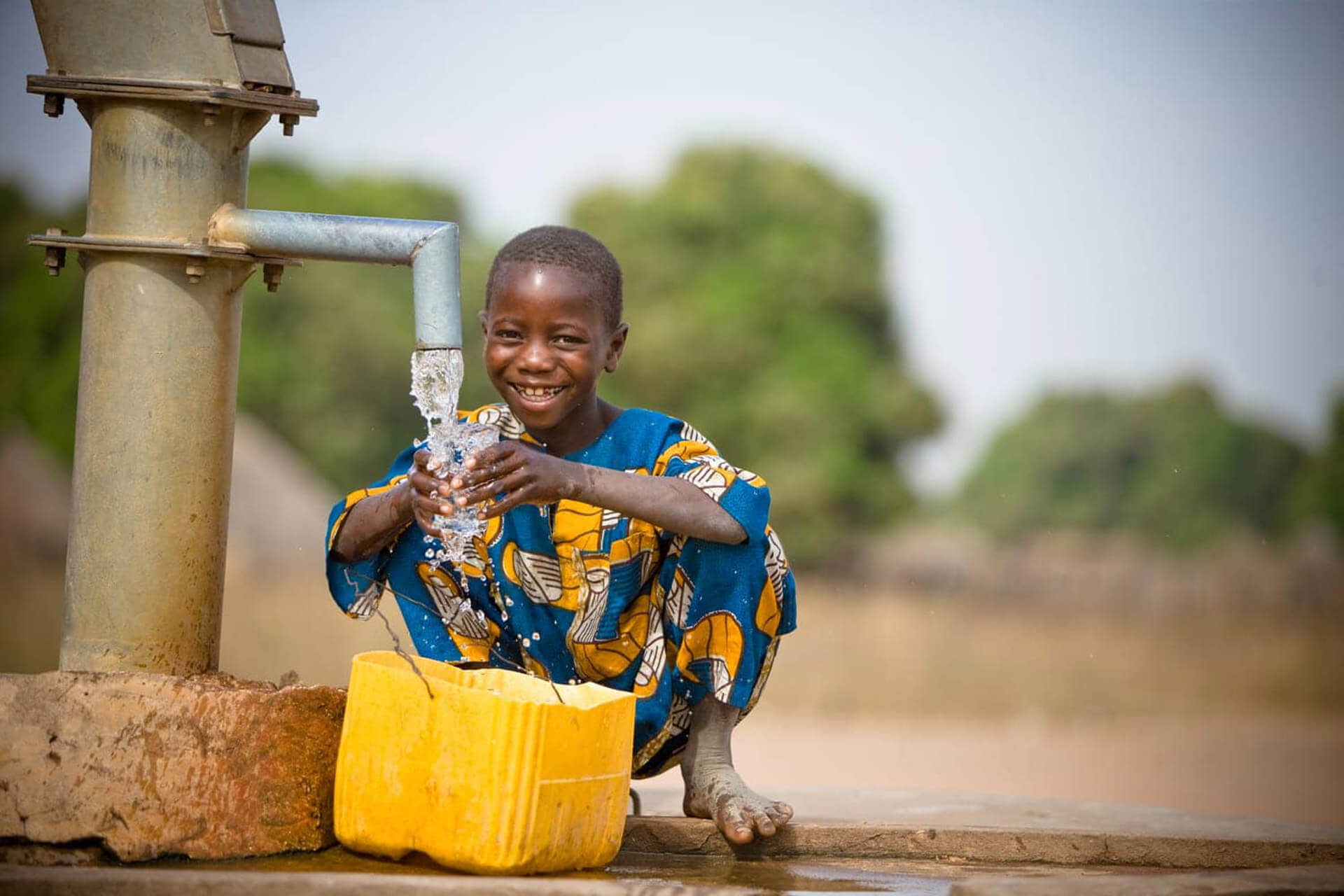
- Embrace Relief helps communities in need across Africa access clean water with affordable, durable, and customizable wells
Every summer, families flock to water parks across the Tri-State area, such as Splish Splash in Long Island, Hurricane Harbor in New Jersey, and Raging Waters in Queens, to beat the heat. With wave pools, slides, splash pads, and lazy rivers, these parks draw crowds in the hundreds of thousands. But behind the laughter and cool-down lies a staggering environmental cost.
Water parks are often seen as water-savers compared to private pools. They recycle water continuously through filtration systems, using refill rates that range from a few dozen to several thousand gallons per day. That said, initial fills and top-offs add up fast.
Estimates show that large water parks can use between 125,000 and 160,000 gallons per day during peak operation. Even if only 2 to 5 percent of water is consumed each day due to evaporation, splash out, and maintenance, this translates to millions of gallons over a season. A major park can consume water equivalent to the daily water needs of 30 to 40 people every day.
In New York, city-wide water usage hovers near 1 billion gallons per day. Meanwhile, Splish Splash and Hurricane Harbor (some of the largest Tri-State area water parks) each hold between 1 and 3 million gallons. The top-off rates alone can total hundreds of thousands of gallons weekly.
Nationally, major parks are no exception. Six Flags Hurricane Harbor (Arlington, Texas) uses around 3 million gallons of water in its wave pools and attractions. Disney’s Typhoon Lagoon in Orlando welcomes nearly 2 million visitors annually and cycles through similar volumes. The country’s largest indoor water parks, such as American Dream’s DreamWorks Water Park (NJ), hold over 1.5 million gallons within their wave pools alone.
Even with top-tier filtration and some water recycling, annual water losses per park can reach 10 million gallons or more. While this may be marginal compared to public supply or irrigation, which consume hundreds of millions each day, it becomes harder to justify in regions facing droughts, rising water costs, and environmental strain.
Ultimately, every splash of fun has a hidden cost; not only for local water systems but also for the global water crisis.

From Water Parks to Water Wells: How You Can Make a Difference
Imagine redirecting the water wasted at a single water park toward clean, sustainable water sources for families in need. That’s what Embrace Relief’s Clean Water Initiative makes possible.
Each brand new deep-water well costs $3,500 and provides life-changing benefits:
- Helps at least 1,000 people in need
- Local, durable construction, built for the community
- A customizable dedication, honoring you or someone special
- An impact report with photos and updates, so you can track your well’s progress
- A five-year warranty and annual maintenance to guarantee longevity
You can fund a well outright or start a personal fundraising webpage and raise funds over six months. When fully funded, your well will be built within 4 to 6 weeks, bringing clean drinking water in places like Chad, Cameroon, Nigeria, Tanzania, Kenya, Uganda, and now Benin.
Since 2013, Embrace Relief has built or repaired over 1,100 wells, giving more than 1 million people daily access to safe water. That’s a much better return than any splash pad.
For more information on Embrace Relief’s Clean Water Initiative, click here!