


Summary
- Eye problems are on the rise globally, particularly among children
- Cataracts are increasingly affecting people under 40, accelerated by digital eye strain and UV exposure.
- Embrace Relief is helping thousands in Mali overcome cataract blindness through free cataract surgeries.
Most of us take our eyesight for granted, until something goes wrong. Maybe you’ve had trouble reading small print, or your eyes feel dry and tired after staring at a screen all day. These kinds of issues are more common than you might think, and in some cases, they’re signs of something more serious.
Eye problems aren’t just about glasses or eye drops. Some conditions can sneak up on you, slowly affecting your vision without any warning signs. Others are so widespread that they’ve become the leading cause of blindness worldwide.
Here are some of the most common eye problems people experience, and why cataracts might be the most underestimated of them all:
1. Refractive Errors: The Most Common Vision Problem
Refractive errors affect more than 150 million Americans, making them the most widespread eye issue in the world. These include:
- Nearsightedness (myopia): when far-away objects look blurry
- Farsightedness (hyperopia): when close-up objects are hard to see
- Astigmatism: distorted or blurred vision due to an irregularly shaped cornea
- Presbyopia: age-related difficulty focusing on nearby objects, usually starting around age 40
These issues are easily corrected with glasses, contacts, or surgery, but in many low-resource areas, access to eye care is limited, and people live for years with preventable vision loss.
2. Glaucoma: The Silent Thief of Sight
Glaucoma affects over 80 million people worldwide and is one of the leading causes of irreversible blindness. It’s caused by a buildup of pressure in the eye that damages the optic nerve.
What makes glaucoma especially dangerous is how quietly it progresses; many people don’t notice any symptoms until they’ve already lost significant vision. Regular eye exams are the only way to catch it early and slow its progression with medication or surgery.
3. Macular Degeneration: A Leading Cause of Vision Loss in Older Adults
Age-related macular degeneration (AMD) affects the center of the retina, which controls sharp, straight-ahead vision. It’s the leading cause of vision loss for people over 50 in developed countries.
There are two types of AMD (dry and wet) and both can make reading, driving, and recognizing faces incredibly difficult over time. Early detection and
4. Dry Eye Syndrome: A Modern Problem
If your eyes often feel gritty, itchy, or like they’re burning, you might be dealing with dry eye syndrome. This condition happens when your eyes don’t produce enough tears, or when the tears evaporate too quickly.
Dry eyes are becoming increasingly common due to screen time, air conditioning, and certain medications. While often mild, untreated dry eye can lead to chronic discomfort and even damage the surface of the eye.
5. Cataracts: The Most Widespread Cause of Blindness
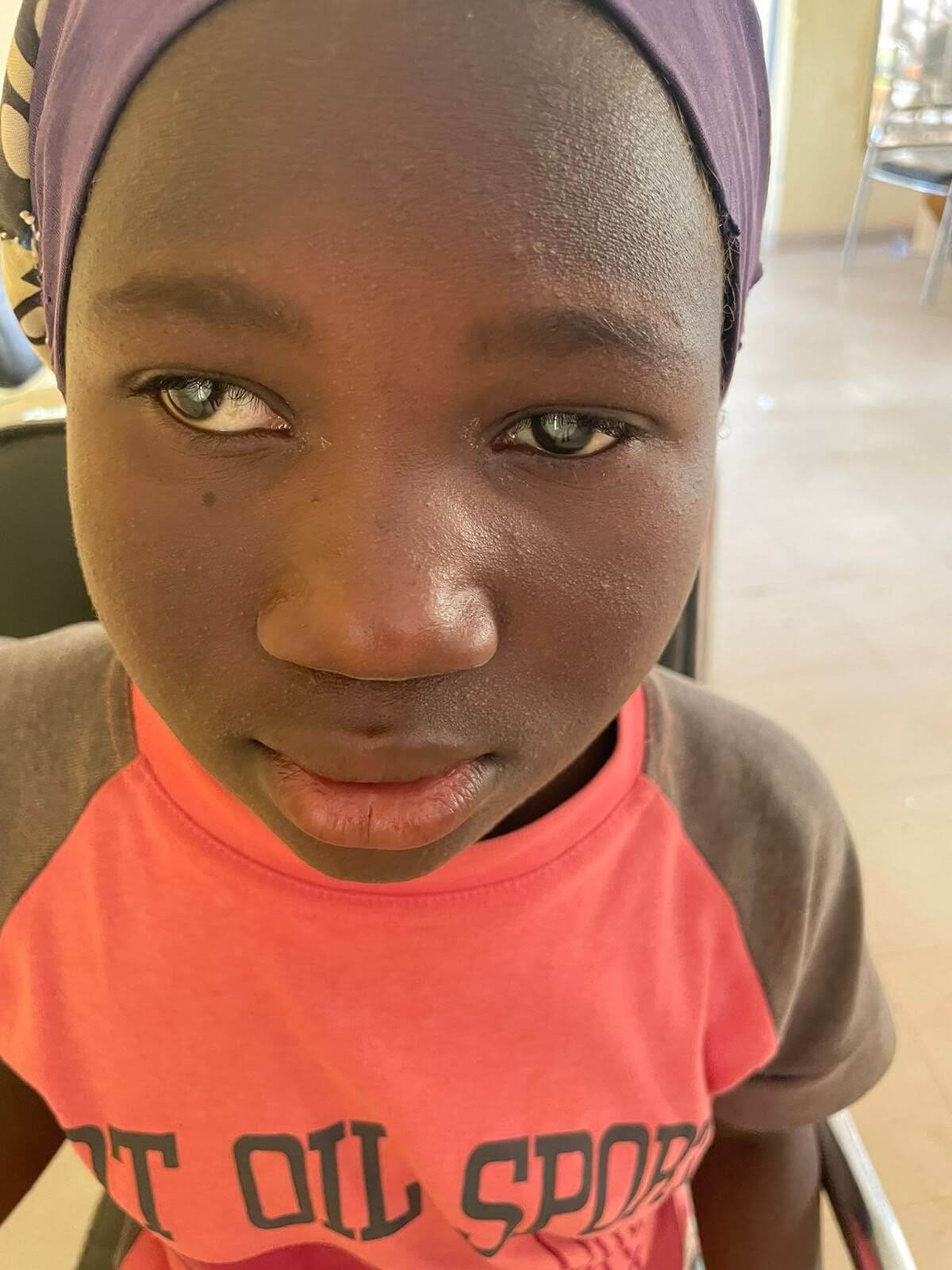
When people hear the word “cataracts,” they usually think of older adults slowly losing their eyesight. But cataracts, a clouding of the eye’s lens, are not just a normal part of aging. They’re the leading cause of reversible blindness worldwide, affecting over 100 million people, including children and young adults in underserved regions.
The good news? Cataract surgery is quick, safe, and effective. The bad news? Millions of people still can’t access it.
Cataracts are especially devastating in areas without hospitals, eye care clinics, or trained surgeons. In many parts of the world, going blind from cataracts isn’t just common—it’s expected.
Cataracts in Mali: A Preventable Crisis with a Simple Solution
While cataracts are easily treated in other countries, in Mali, they often mean a lifetime of blindness. Not because the cure doesn’t exist but because people simply can’t access it.
In many rural regions of Mali, eye doctors are hundreds of miles away. For elderly adults and low-income families, that distance and the cost makes surgery impossible. Thousands are left to slowly lose their vision, unable to work, care for their families, or live independently.
That’s where Embrace Relief steps in.
We’ve launched a nationwide cataract surgery program in Mali, providing free, sight-restoring surgeries to people in the hardest-to-reach places. Partnering with local doctors and volunteers, our mobile surgical teams identify patients, perform surgeries, and deliver post-operative care right in their communities.
Our Impact So Far:
- Over 40,000 cataract surgeries completed
- Focused outreach in rural, underserved areas
- Restored sight for farmers, parents, elders, and more
Each surgery takes just 15 minutes but the change lasts a lifetime. A grandmother can see her grandchildren again. A teacher can return to the classroom. A farmer can walk in his fields with confidence.
And the cost? Just $120 per surgery– less than a pair of designer sunglasses. That small gift can change everything for someone living in blindness.
For more information on Embrace Relief’s Cataracts Surgeries , click here!How You Can Help: The Gift of Sight
A simple cataract surgery, which costs only $120, can transform a life. With your support, our Embrace Relief’s health clinics can provide these surgeries to those in need, giving them the gift of sight and the opportunity for a better future. Here’s how your donation can make a difference:
- $120 Donation: Funds one complete cataract surgery, restoring sight to an individual in need.
- $240 Donation: Supports two surgeries, doubling the impact.
- $600 Donation: Helps five people regain their vision, enhancing their quality of life and ability to contribute to their communities.
Your donation can make a significant difference in the lives of those suffering from cataracts in Mali and Burkina Faso. For just $120, you can fund a cataract surgery and give someone the precious gift of sight.
Help us light up lives and drive away the darkness caused by cataracts. Donate now and be a part of this life-changing mission.