
Hunger Relief
Help provide meals and food assistance for people struggling to afford enough to eat.
Explore Hunger Relief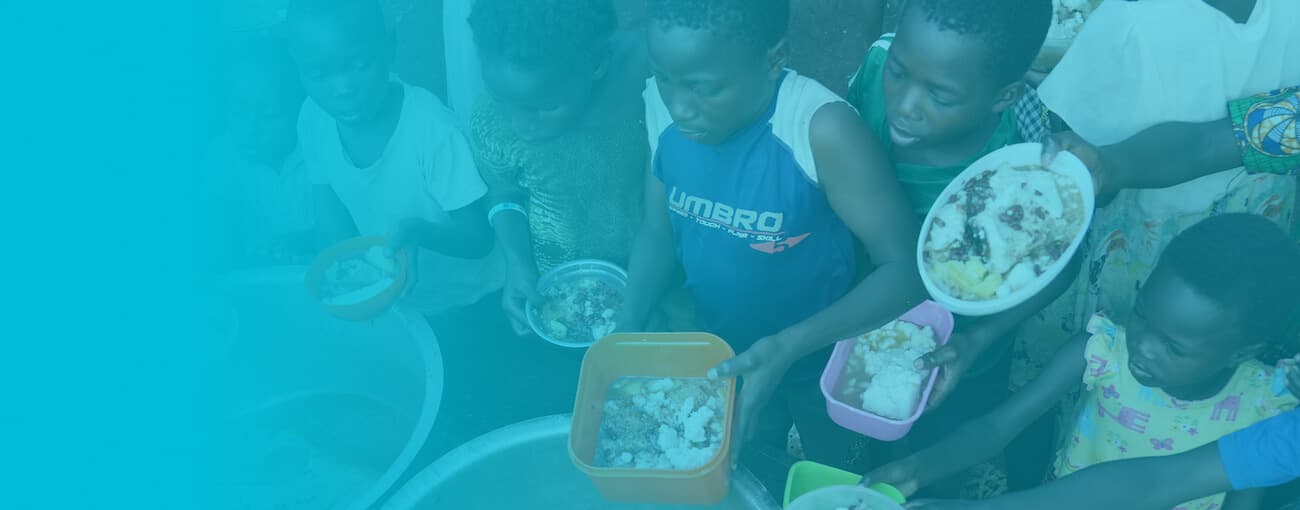
Your Zakat helps a family put food on the table, a child receive essential care, or a patient access treatment they cannot afford.
Fulfill your obligation through Embrace Relief and support eligible people facing poverty and hardship.
Looking to give Zakat al-Fitr? Visit our dedicated Zakat al-Fitr page.
Zakat al-Mal
Enter your Zakat amount, or use the calculator below to estimate it.
Calculate Your ZakatAn act of faith
Zakat is one of the five pillars of Islam. For Muslims who meet its conditions, giving Zakat is an annual obligation that purifies wealth and recognizes the rights of those in need.
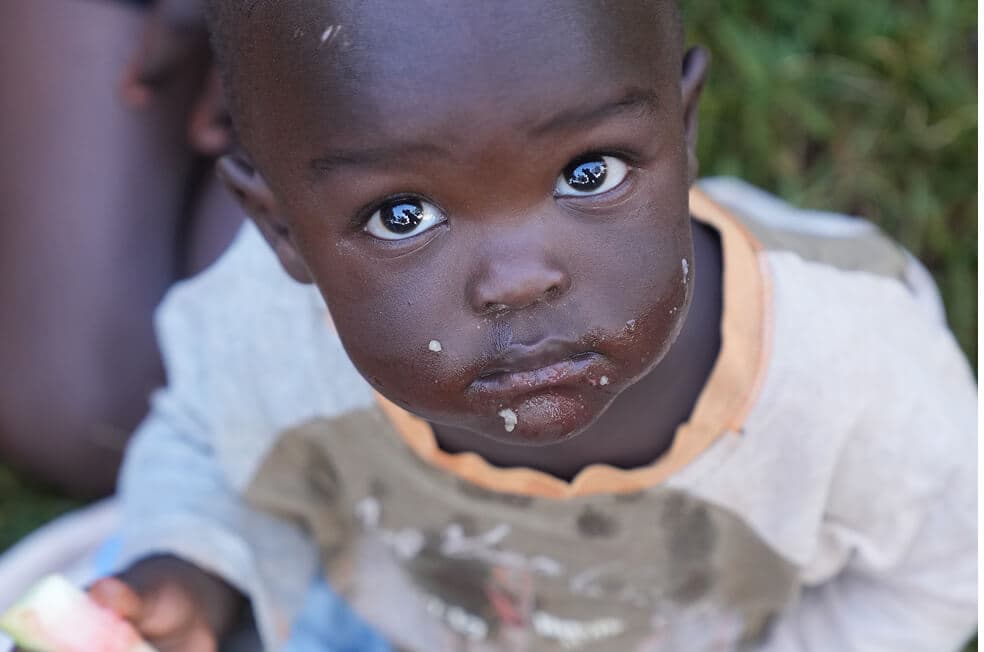
For someone struggling to afford food, healthcare, or shelter, that support can make an immediate difference. Through Embrace Relief, your Zakat can help meet these needs while fulfilling an important part of your faith.
Faith into action
Support eligible projects in the programs below. Each offers a way to help people facing difficult circumstances.
Help provide meals and food assistance for people struggling to afford enough to eat.
Explore Hunger ReliefHelp fund eligible water projects that bring a dependable source of clean water to communities in need.
Explore Clean WaterHelp eligible orphaned children receive nutritious food, safe housing, healthcare, and an education.
Explore Orphan CareHelp people who cannot afford essential medical treatment, including cataract surgery to restore their sight.
Explore Health & Cataract CareHelp eligible children and students access learning materials and educational support they could otherwise go without.
Explore EducationEligibility depends on the project and the people receiving assistance. Contact our team to confirm a specific Zakat project before you give.
Begin with your eligible wealth, subtract allowable debts, then check Nisab and the applicable lunar-year conditions. For qualifying monetary wealth, the usual annual Zakat rate is 2.5%.
Your trust matters
Embrace Relief works through its programs and local partners to deliver assistance to people facing hardship. Depending on the project, that help may take the form of food, medical treatment, care for orphan children, or support with other essential needs.
If you have questions about how your Zakat will be used in a particular program, our team can help you understand the available options before you give.
Contact Our TeamFulfill your obligation
Choose a program, enter your Zakat amount, and help someone access the food, care, or essential support they need.
Donations to Embrace Relief are tax-deductible in the United States to the extent permitted by law.
Have questions?
Understand your obligation, eligible assets, and how your Zakat can help.
Zakat is an obligatory payment from qualifying wealth to eligible recipients. It is one of the five pillars of Islam. This page focuses on Zakat al-Mal, or Zakat on wealth.
Zakat is an act of worship that purifies wealth and fulfills a responsibility toward others. It directs a share of wealth toward people entitled to receive support.
Zakat on wealth is generally required of adult Muslims of sound mind whose qualifying wealth reaches Nisab and meets the applicable lunar-year conditions. Some rulings, including those concerning children’s wealth, differ among schools of thought.
Nisab is the minimum amount of qualifying wealth used to determine whether Zakat is due. It is based on the value of gold or silver, so its dollar value changes. Follow the method advised by your scholar.
The Zakat year, called Hawl, is one Islamic lunar year—approximately 354 days. For monetary wealth, it generally begins when your qualifying wealth first reaches Nisab. Rules concerning changes in wealth during the year vary.
Pay when your Zakat becomes due after the applicable lunar-year conditions have been met. Many Muslims give during Ramadan, but Zakat can become due at any time of year.
Add your qualifying cash, savings, gold, silver, collectible receivables, and the Zakatable portion of investments. Subtract allowable debts. If the remaining wealth meets Nisab and the lunar-year conditions, the usual rate is 2.5%. Jewelry, investment, and retirement-account rules may require individual guidance.
Include qualifying business cash, inventory held for sale, and collectible receivables. Subtract allowable liabilities and calculate Zakat on your share of the eligible net wealth. Confirm inventory valuations and debt treatment with your adviser, and avoid counting assets twice.
Cash, savings, gold, silver, eligible investments, and trading inventory are generally included. Your primary home, everyday belongings, personal-use car, and business equipment not held for resale are generally excluded. An asset’s purpose matters, so property and other complex holdings may need separate review.
The Qur’an identifies eight recipient categories in Surah At-Tawbah (9:60), including people who are poor or in need, qualifying debtors, and travelers in need. Eligibility depends on individual circumstances and applicable Islamic guidance. Being an orphan, student, or refugee does not automatically establish eligibility.
Eligible projects include assistance through Hunger Relief, Clean Water, Orphan Care, Health & Cataract Care, Education, Disaster Relief, and Refugee Assistance in Lebanon. Choose from the Zakat-designated options on this page or contact our team to confirm a specific project.
Stay Connected
Stay updated on humanitarian projects, community work, and impact stories from Embrace Relief.