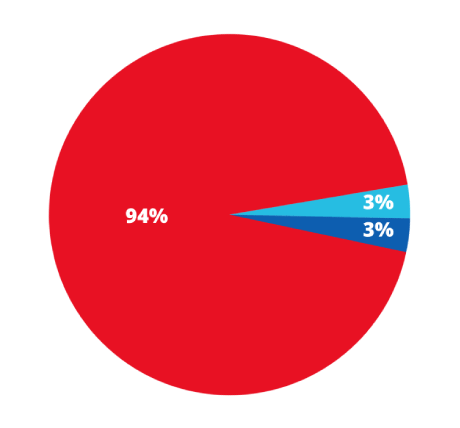
Embrace Relief is a 501 (c) (3) non-profit organization which collaborates with volunteers to deliver humanitarian aid and disaster relief to vulnerable communities around the world.
Our teams offer relief in the form of:
Financial Support
Emotional Support
Physical Support
in order to meet the needs of people ravaged by disaster and other misfortune. The foundation collects and distributes supplies to families, individuals and institutions.
When you or your organization partner with Embrace Relief, you join our mission of alleviating suffering and promoting human development throughout the world. With our diverse array of humanitarian programs and ability to reach every corner of the globe, we can ensure your support will reach people in need.
Delivering research-based, sustainable solutions to achieve immediate and lasting improvements in situations of humanitarian emergency and improving the quality of life of individuals and communities enduring chronic hardships.
OUR VISION
Driven by a strong belief in the power of comprehensive development, Embrace Relief is committed to creating a lasting impact in the lives of individuals locally and globally. We implement research-based programs to achieve measurable, sustainable improvements in the lives of those in need. By constantly using research and closely engaging with those we serve, our innovative approach ensures we deliver the most beneficial services.
Despite its status as the shortest month, February is arguably one of the densest. In Ancient Rome, farmers devoted the month to purging the fields in preparation of imminent spring sowing. In the modern era, it plays host to a number of regional and international observances, many related to the persistent themes of love and leadership in one form or another. Nowhere are these themes more prominent than in the United States, which celebrates both Valentine’s and President’s Day. More than mere coincidence, this suggests that by exercising love and leadership, we can all thrive come spring.
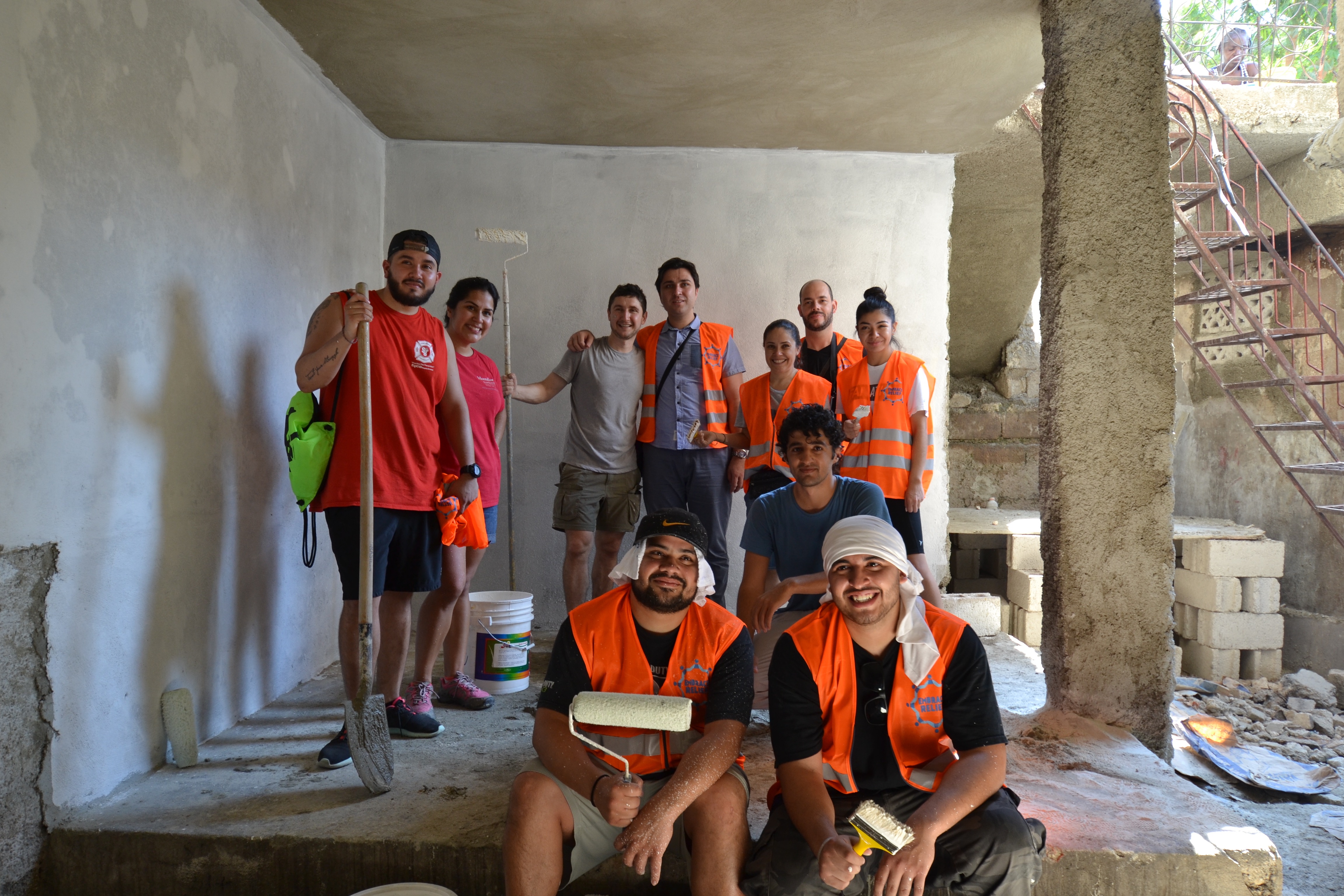
Like many NGO’s, Embrace Relief inspires its supporters to lead with love by engaging in its Chapter Projects. Though accomplished on the organization’s behalf, these projects hinge entirely on the initiative and compassion of independent groups. Largely composed of fundraising drives, projects include water well construction, orphanage or school renovations, collection of school supplies, healthcare services and more. For those who desire direct involvement, Embrace Relief can facilitate visiting volunteer activities to benefit orphans, such as organizing anything from a movie night to a party replete with face painting, balloon animals, puppet shows, clowns and games.
Much in the same way February encompassed clearing the fields of debris, these opportunities, which blend the month’s chief holidays, symbolize the metaphorical purging of obstacles toward the blooming of compassion for our fellow humans and confidence in our own abilities to help those in need. We hope you will join us in leading with love and making the most of this year.To learn more about Embrace Relief’s Chapter Projects, click here.
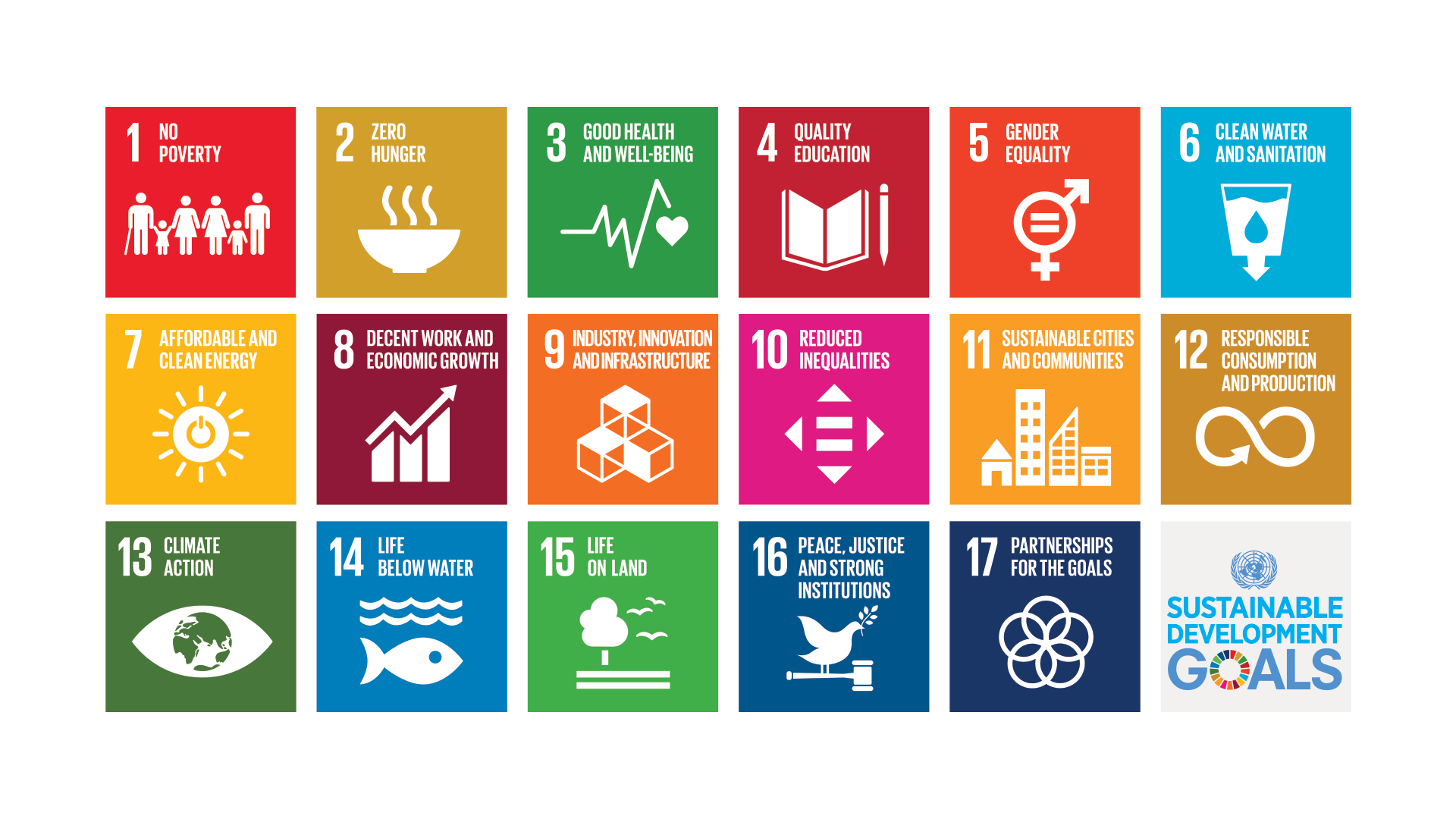
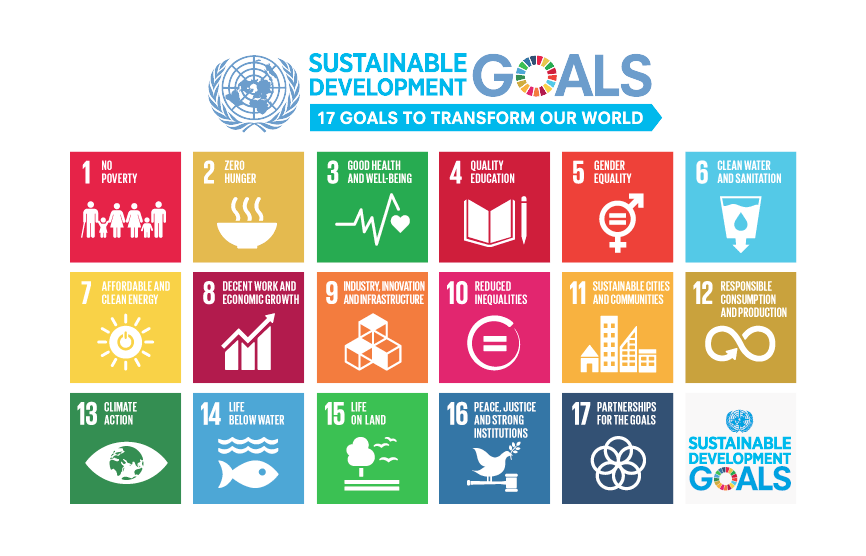
In 2015, the United Nations General Assembly adopted the 2030 Agenda for Sustainable Development. On behalf of each respective country and humanity at large, representatives and stakeholders from all member states established a cohesive framework for a prosperous world. At the core of this global, unified vision are the Sustainable Development Goals (SDGs). Also known as the “Global Goals,” the SDGs are to be achieved by 2030. With recognition of the importance of eradicating global poverty as fundamental to humanity’s flourishing, the SDGs encompass 17 objectives. The 17 SDGs are as follows:
End poverty in all its forms everywhere
End hunger, achieve food security and improved nutrition and promote sustainable agriculture
Ensure healthy lives and promote well-being for all at all ages
Ensure inclusive and equitable quality education and promote lifelong learning opportunities for all
Achieve gender equality and empower all women and girls
Ensure availability and sustainable management of water and sanitation for all
Ensure access to affordable, reliable, sustainable and modern energy for all
Promote sustained, inclusive and sustainable economic growth, full and productive employment and decent work for all
Build resilient infrastructure, promote inclusive and sustainable industrialization and foster innovation
Reduce inequality within and among countries
Make cities and human settlements inclusive, safe, resilient and sustainable
Ensure sustainable consumption and production patterns
Take urgent action to combat climate change and its impacts*
Conserve and sustainably use the oceans, seas and marine resources for sustainable development
Protect, restore and promote sustainable use of terrestrial ecosystems, sustainably manage forests, combat desertification, and halt and reverse land degradation and halt biodiversity loss
Promote peaceful and inclusive societies for sustainable development, provide access to justice for all and build effective, accountable and inclusive institutions at all levels
Strengthen the means of implementation and revitalize the global partnership for sustainable development
United Nations Sustainable Development Goals to Transform Our World
All Embrace Relief programs are in alignment with the UN’s Sustainable Development Goals. In pursuit of advancing the SDGs, we have implemented campaigns that support nearly every Global Goal.
For instance, as clearly articulated in the Preamble to the 2030 Agenda for Sustainable Development, “[we] seek to realize the human rights of all and to achieve gender equality and the empowerment of all women and girls” (“Preamble”). Accordingly, Embrace Relief’s women’s empowerment campaign seeks to increase women’s participation in the formal economy by providing the vocational training necessary for gainful employment. Therefore, we have implemented vocational training programs for women in Kenya, Haiti, and the US. These initiatives have provided women with the means to economically contribute to their families and communities, a foundational component of the 2030 Agenda for Sustainable Development.
Similarly, SDG 6, “Clean Water and Sanitation” is reinforced in the over 270 water wells built in several countries that have provided clean drinking water to over 270,000 people in the developing world. Also, Embrace Relief has conducted 2,100 cataract surgeries and completed 15,350 health checkups globally, efforts that are essential for advancing SDG 3, “Good Health and Well Being”.
From education programs to hunger relief efforts, every initiative implemented by Embrace Relief is conducive to the foremost objectives of the Agenda for Sustainable Development, eradicating extreme poverty, decreasing human suffering, and ultimately, advancing humanity’s capacity to thrive in an increasingly interdependent world.
Like any of humanity’s inventions, social media is a tool, neither inherently good nor evil. It has the effect of intensifying our natural inclinations. At worst, it can distance users and promote antisocial behavior.[1] Counteracting the negative aspects of social media, NGOs tend to appeal to our better instincts by using various platforms to unite benefactors and facilitate positive change.[2]At its most basic level, NGOs create bonds between donors and recipients.
By nature, humans are social creatures. Our health – mental, emotional, physical – and survival are dependent on our affiliations and positions in our social spheres.[3] Social media naturally appeals to us, because it offers us connectedness and expands our public spheres, where people are more inclined to engage in behavior benefiting the common good. Since NGOs host positive online environments, they empower users and engender altruistic acts.[4]Furthermore, participants who use social media – merging their social sphere with others – are influenced by the “consensus” within that social environment.[5] For example, the Ice Bucket Challenge in 2014 was established in order to raise awareness for a debilitating neurodegenerative disease, commonly referred to as ALS or Lou Gehrig’s disease. Although it originated with the purpose of spreading awareness of the disease, it garnered widespread attention particularly because it became a popular social activity. Participants can nominate others to complete the same challenge and donate afterward. This example is a classic indication of social media’s expertise in diffusing across different social spheres whilst forming a nexus between disparate groups.
The result: The ALS Association raised $115 million[6] over the course of three months.
This is particularly noteworthy considering that the campaign cost little in terms of marketing expense. Interestingly, the credit for creating the Ice Bucket Challenge belongs to Charles Kennedy, a golfer in Florida, who had been nominated by a friend. Connecting the activity to curing ALS, he completed the challenge and nominated others. With the help of his friend, Pete Frates, they brought the challenge to a wider audience by posting a video nominating friends and celebrities such as Patriots quarterback, Tom Brady.[7]
The explanation of this particular campaign’s success can be explained by the results of a study by Gregory Saxton. This study, which examined the effect of social media[8] on small NGOs, has shown that the frequency and magnitude of online donations are affected by the “number of friends” supporting the cause. This prediction is significant because it demonstrates why people donate for reasons other than pure altruism. In fact, it distinctly implies a social pressure, dubbed the “social network effect,” placed on the groups that result in spontaneous altruism.[9]
In “Tweeting Social Change,” researchers Saxton and Guo found that the “highly interactive framework” of, as well as the autonomy afforded by social media, often strengthen constituency engagement, especially when employed across multiple platforms.[10] This structure has a number of benefits, the first being that it builds communities based on mutual interest, which is a prerequisite for generating social innovation.[11]Secondly, the fluidity with which “supporters” can join or exit from an organization demands that NGOs adapt, revise and evolve in order to continually meet the needs of constituents and recipients of their services.
Social media is only as moral as the people who use it. For instance, it can be utilized to cross boundaries – political, religious, national, etc. – and unite diverse peoples in a single cause for a period of time. On a more fundamental level, NGOs use social media to make the person on the other side of the world as real as your next-door neighbor. When that happens, it lays the cornerstone of all social innovation: Empathy.
The human capacity for empathy is ultimately what an NGO that utilizes social media strives to nurture. Connecting humanity in order to benefit people in need is the optimal outcome. However, such platforms are not just to alert donors of tragedies, but triumphs and victories achieved. Ultimately, an NGO uses social media as the groundwork to build bridges of love and kindness.[1] Ma, H. K. (2011). Internet Addiction and Antisocial Internet Behavior of Adolescents. The Scientific World JOURNAL, 11, 2187-2196. doi:10.1100/2011/308631
[2] Parkyn, R. (2017, May 1). The role of social media in development. Retrieved from https://blogs.worldbank.org/publicsphere/role-social-media-development
[3] Young, S. N. (2008, September). The neurobiology of human social behaviour: an important but neglected topic. Retrieved from https://www.ncbi.nlm.nih.gov/pmc/articles/PMC2527715/
[4] Guo, C., & Saxton, G. D. (2013). Tweeting Social Change. Nonprofit and Voluntary Sector Quarterly, 43(1), 57-79. doi:10.1177/0899764012471585
[5] “How Altruism Goes Viral on Social Media.” Cambridge Social Decision-Making Lab, 27 Apr. 2018, www.sdmlab.psychol.cam.ac.uk/news/viralaltruism.
[6] “ALS Ice Bucket Challenge Commitments.” ALSA.org, www.alsa.org/fight-als/ice-bucket-challenge-spending.html.
[7] The Telegraph. (2014, August 20). How the ALS Ice Bucket Challenge started. Retrieved from https://www.telegraph.co.uk/men/the-filter/virals/11046482/How-the-ALS-Ice-Bucket-Challenge-started.html
[8] Saxton, G. D., & Wang, L. (2013, April 23). The Social Media Effect: The Determinants of Giving Through Social Media. Retrieved from https://journals.sagepub.com/doi/abs/10.1177/0899764013485159
[9] Guo, C., & Saxton, G. D. (2013). Tweeting Social Change. Nonprofit and Voluntary Sector Quarterly, 43(1), 57-79. doi:10.1177/0899764012471585
[10] Ibid.
[11] APCO Worldwide Inc. (2014). Social Enterprise Messaging Guideline. Retrieved from https://redf.org/app/uploads/2014/10/REDF_SEMessagingGuidelines_Final.pdf
The use of basic and applied research are essential to how a nonprofit organization such as Embrace Relief works.
But what is basic and applied research? Basic research is defined as“Investigation and analysis focused on a better or fuller understanding of a subject, phenomenon, or a basic law of nature”[1] and applied research is defined as“Investigation of the findings of ‘pure’ or basic research, to determine if they could be used to develop new products or technologies. Also, the research conducted to solve specific problems or to answer specific questions.”[2]Essentially, basic and applied research go hand in hand. Basic research is the first step, figuring out what the specific issue is and understanding all facets of that issue. Applied research is the second step, after we’ve figured out what the issue is applied research is the step we take to actually solve the issue we’ve just researched. But, how are basic and applied research applicable to the work that nonprofits do?
Basic research is done every day here at the Embrace Relief office. It is what we use to start new programs, and figure out what problems we can help alleviate globally. For example in order to start our Grad Plus program, we used basic research. Grad Plus is a new mentorship program designed to help at-risk students complete high school and successfully transition to post-secondary levels of education or career opportunities. But, we had to research a few different things in order to know that there was a need for a program such as Grad Plus;
We looked into the correlation between education levels and crime rates in New Jersey. In order to do this we compared high school graduation rates and crimes rates in every county in New Jersey and noticed that counties that had the lowest high school graduation rates also had the highest crime rates.
We also knew that not everyone is interested in pursuing secondary education after high school, so we looked into how beneficial a vocational training program would be by researching the correlation between vocational training and employment rates and found that vocational training makes an individual much more likely to succeed in a trade as opposed to someone who did not receive that training.
All of this basic research helped us determine the need for the Grad Plus program, the applied research helped us determine the solutions that Grad Plus offers.
But what exactly is applied research? Applied research is actually the programs we run as an organization. So, our Grad Plus program is an example of applied research. With our basic research program;
We found out what issues students in New Jersey were facing and how to help them succeed and then we applied that research in the making of our program.
We knew that students who graduate high school are much less likely to fall victim to a life of crime, so we created programs that would help them succeed in the classroom and make it to graduation.
We also knew that, based on our basic research, having a full time job makes individuals much less likely to involve themselves in risky behavior, so be applied that into the making of our Grad Plus program and included a vocational training aspect as well as our work in the classroom.
All of our programs go through a similar process and our organization could not do what we do without the use of basic and applied research.
[1],[2] Online Business Dictionary – BusinessDictionary.com.
Do unto others as you would have them do unto you.
Today, there are millions of children all over the world who need our help.
Over 14,000,000 kids are orphans and over 130,000,000 have lost at least one parent. Around 100,000 children live on the streets. About 2,300,000 have HIV/AIDS, more than 1,000,000 have been separated from their families due to war, and approximately 93,000,000 cannot attend school. It is imperative that relief is o ered to these vulnerable kids in a time where they need all the support they can get. By donating to orphanages, children’s funds, and other charitable organizations, we can build a better future for children everywhere.
Embrace Relief is dedicated to providing assistance to those who need it most. Join us in one of our many projects to help us bring hope to kids across the globe!
Live The Golden Rule by Embrace Relief
We work with orphanages in regions to aid children who have lost their parents by providing food, shelter, and education.
Around 66,000,000 (including 23,000,000 in Africa) primary school-age kids go hungry, which can cause growth stunting, underweight issues and other de ciencies. Keeping these children fed is a top priority. Without shelter, children lack the protection they need to survive from the elements, violence, and other hazards. We need to make sure that every child has a roof over his or her head. Education is an essential part of creating sustainable living conditions for children. Studies nd that it is just as important as food, shelter, and water.
By educating these young minds, we can ensure that they can grow up with the knowledge they need for happy lives. Our mission is to give children in need the resources so they no longer have to live in fear.Donate Now and Make a Difference!
The United Nations’ Sustainable Development Goals (SDGs) are guiding principles for how we can make our world peaceful, prosperous, safe, and healthy.
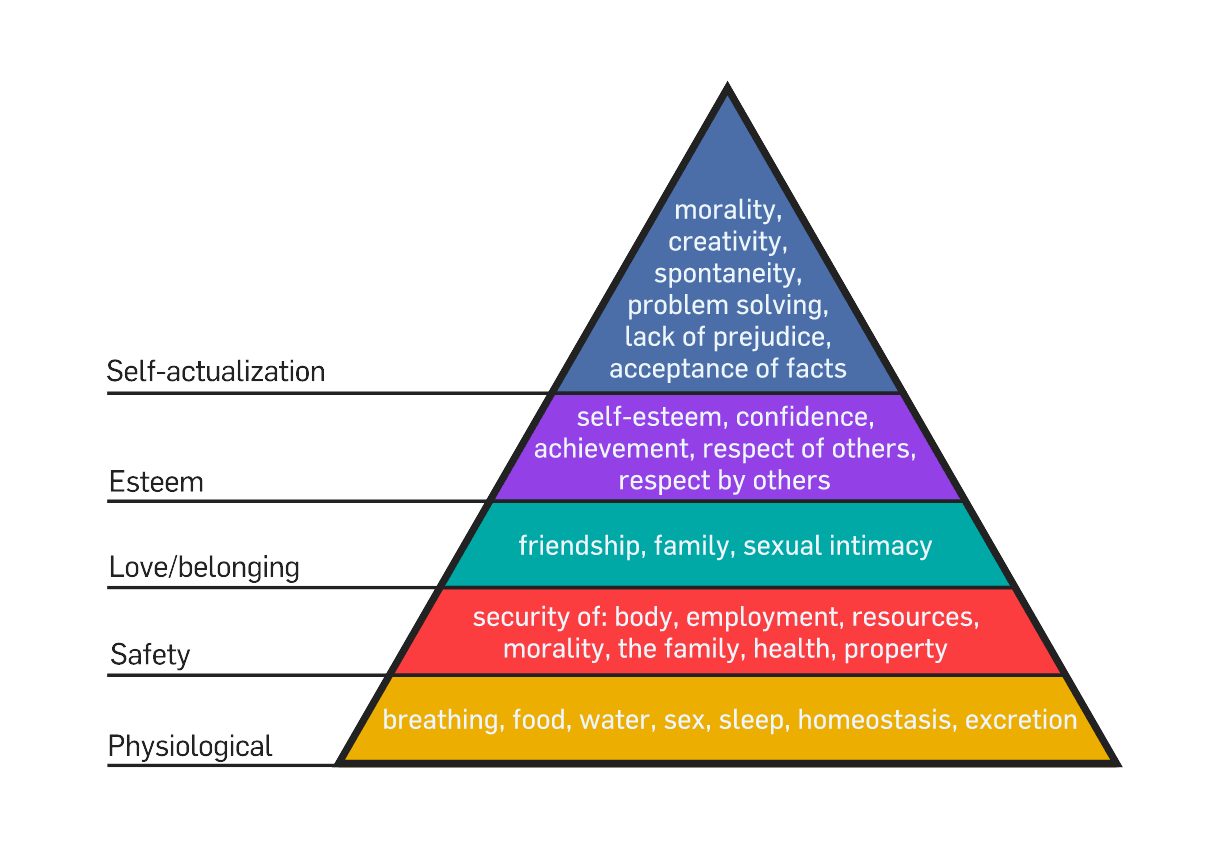
Maslow’s Hierarchy of Needs is a psychological concept arguing that humans cannot achieve our fullest potential without taking care of our most basic physical and emotional needs.
Read on to learn about the link between these two ideas, and how Embrace Relief’s humanitarian approach brings us all closer to successfully achieving the SDGs.
Despite possessing much natural wealth, Tanzania has a poverty rate of 49.1 percent. Of that percentage are 1.3 million children orphaned by HIV/AIDS. Forced to fend for themselves, those orphans are at a higher risk of illness, malnutrition and chronic unemployment. This has ripple effects, including physical and economic stunting of not only the individual citizen, but of Tanzanian society as a whole. Working through the Dogodogo Centre, Embrace Relief applies the theory of Maslow’s Hierarchy of Needs to bring Tanzania in line with the UN’s 17 Sustainable Development Goals (SDGs).
Embrace Relief believes that in order to achieve the SDGs for Tanzania, the organization must meet both the basic and psychological needs of the country’s orphans as well as help them obtain self-actualization in the form of vocational training.
According to Maslow’s Hierarchy of Needs, Basic Needs, comprised of Physiological—food, water, shelter—and Safety needs, form the foundation. Unless they are met, no further development can be made. UNICEF notes that because those orphan children must devote all their time and resources to the acquisition of the basic needs, they cannot receive higher education, employment or participate in society.
Since opening in 1991, the Dogodogo Centre has provided nourishment and refuge to every child that has walked through its doors. Furthermore, by providing a loving environment and community, the Centre meets Maslow’s next two tiers: Social Belonging and Esteem. No longer worried about their basic needs, these children can develop relationships with the staff and with other children. They can learn to trust others, because Embrace Relief and the Centre recognize each child as important and unique.
Additionally, Embrace Relief will open a water well to ensure clean water and proper sanitation for residents of the Centre and their neighbors. To help their charges reach self-actualization, the Centre opened the Bunju Multipurpose Training Centre on September 5, 2003. Providing holistic services to up to 100 young people simultaneously, it offers three-year vocational training and certification in the fields of carpentry, tailoring, fire-fighting and other rescue services.
By the end of 2019, they will launch classes in computer science, secretarial services, welding and electrical work. Two of the three years are spent at the Centre. In the third, students, given the requisite tools for their trade, as well as supervision, are apprenticed to local tradespeople. Thus far, the Centre has maintained an 87 percent graduation rate. Over 430 young people have emerged from the programs with certificates awarded by the Centre and VETA, the autonomous government agency overseeing education and vocational training. Of that number, the bulk are self-employed. Of course, students are also taught English and Mathematics.
Over 500 have passed Standard VII leavers, the standardized test of basic adult education. In light of these achievements, the Centre, aided by Embrace Relief, has made strides toward accomplishing several of the UN’s Sustainable Development Goals including No Poverty, Zero Hunger, Good Health/Well-Being, Quality Education and Decent Work/Economic Growth. Considering that, on average, the Dogodogo Centre supports over 650 girls, mostly from rural areas, per year, they are working toward Gender Equality.
Lastly, Embrace Relief ensures Clean Water and Sanitation, the sixth SDG. With greater resources dedicated to the Dogodogo Training Centre, the organizations hope to empower Tanzania to reach the rest of the Goals.
Colleges and universities are working with Embrace Relief to grant students internship opportunities.
Students will experience how a non-profit organization functions and help conduct professional research for projects while providing support for people in need of humanitarian aid globally. Students who are interested in making a positive impact in the world and gain professional experience with an international humanitarian aid organization will benefit from this internship.
Any colleges with interests or inquiries regarding Embrace Relief internship programs can please email us at [email protected]
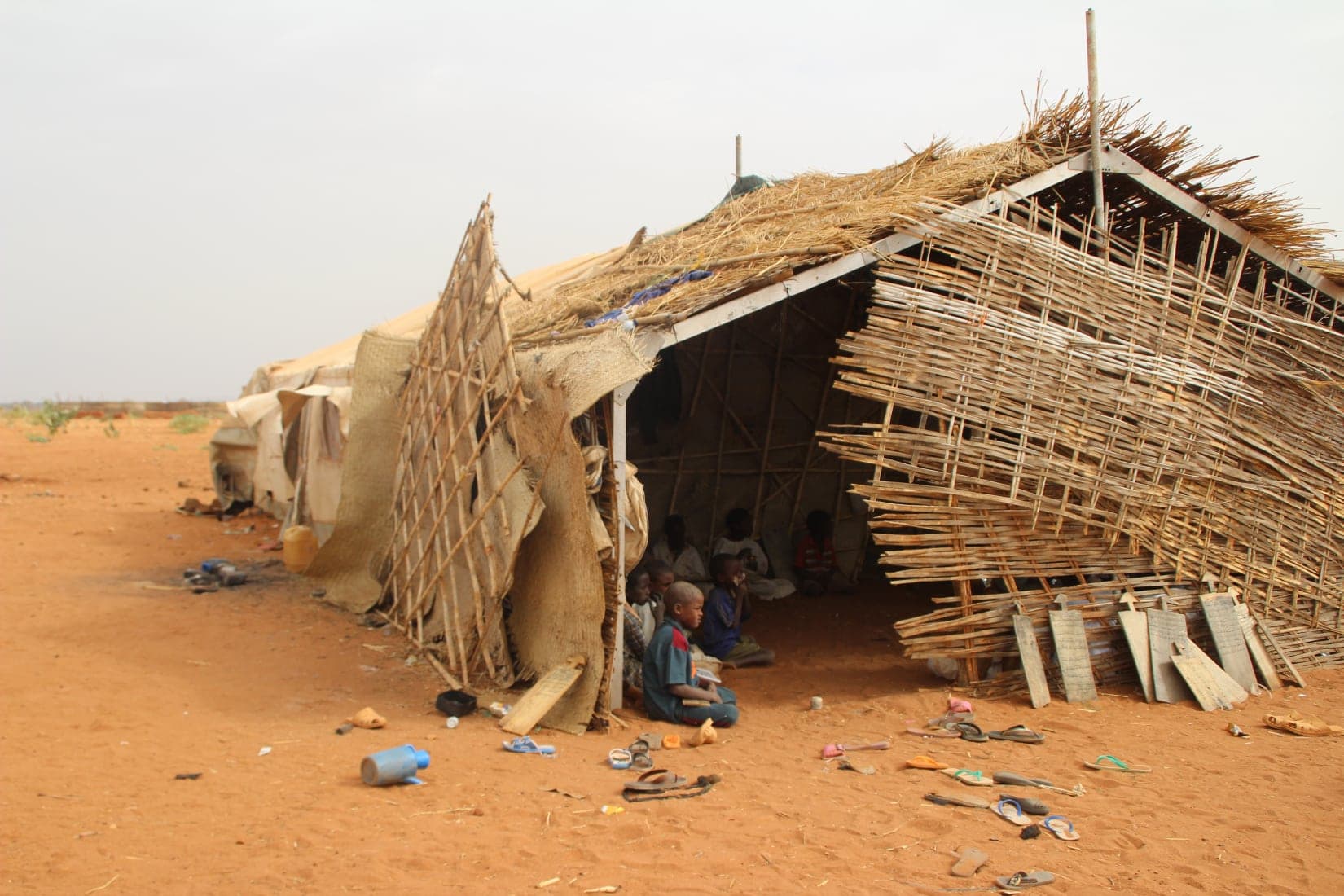
“Children are our future.” It is a common adage that reminds us that future generations depend upon how we treat our young. They will be the scientists, engineers, entrepreneurs, physicians, etc. that will advance society in the ytears to come. Through education, healthcare, and compassion, we can give children the opportunities they deserve to grow into successful adults. Unfortunately, however, not all children are granted these amenities. Millions of children are left without the basic needs to lead healthy and happy lives, particularly on the continent of Africa. Many youths in the Birthplace of Civilization face a wide array of adversities, including disease, malnourishment, maltreatment, and even death.
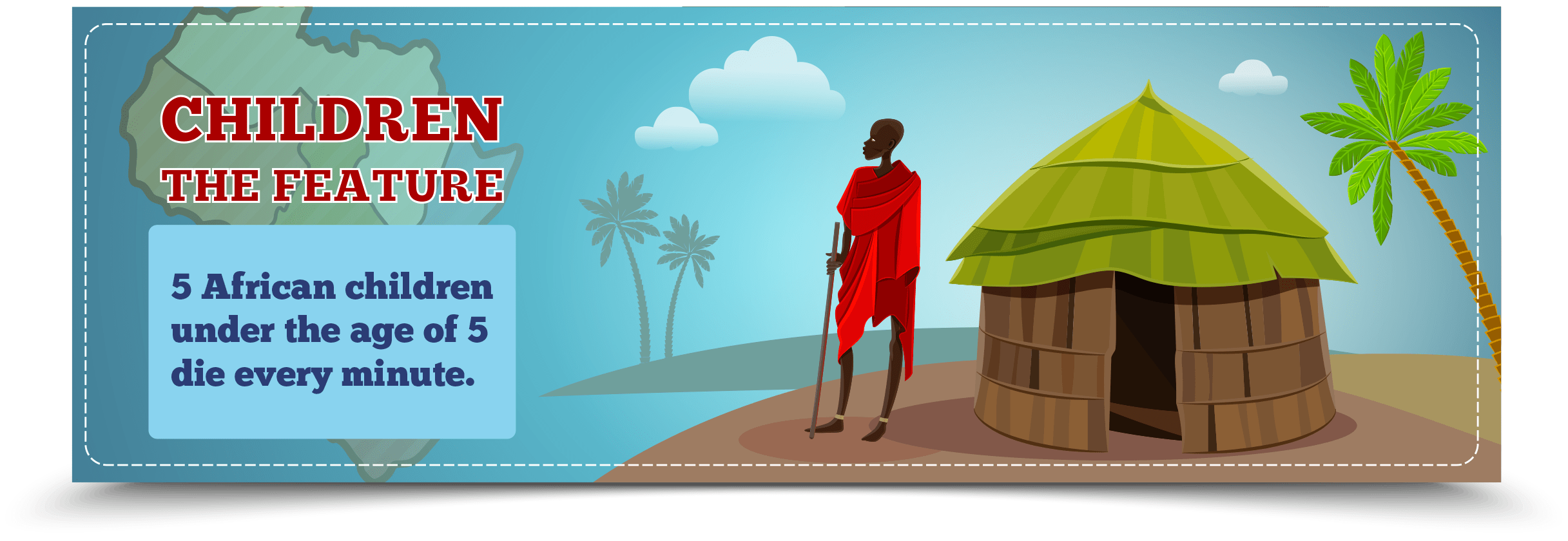
According to the World Health Organization (WHO), pneumonia – the single largest infectious cause of death in children worldwide – is most prevalent in Southeast Asia and Sub-Saharan Africa. The acute respiratory infection was responsible for the deaths of 920,136 children under the age of 5 in 2015. African children are also at high risk for diarrheal diseases which caused the death of around 525,000 children under the age of five in 2015. Malnourishment is also a major issue on the continent, with about 43% of infants between the ages of 0 to 6 months being sustained exclusively by breastfeeding. Proper nutrition could save over 800,000 lives of children under the age of five. Abuse is another substantial problem facing children in Africa. One survey conducted by the WHO found that 25% of all adults reported that they were physically abused as children. In addition, 20% of women and 8% of men reported to have been sexually abused in their youth.
These facts are horrendous and should not be tolerated by a society that has enough resources to help those in need. If you want to stop these injustices from affecting more young children, Embrace Relief will work with you to provide the assistance that they deserve. Join one of our many charitable ventures or set up your own fundraiser to give to the causes you believe in. Also, Embrace Relief lets you sponsor a child to help them get the resources they need to survive.
By making monthly donations, you can provide basic physical needs, education, water, shelter, and medical care. Make your contributions to save children’s lives by visiting us at https://beta.embracerelief.org/children/. With your help, we can make the future brighter for children in Africa and around the world. Help us touch lives by joining us at Embrace Relief.
[*] Child Health. World Health Organization – Regional Office for Africa, 2017, www.afro.who.int/health-topics/child-health.
We're changing lives. Find out how!
Sign up for Embrace Relief’s free email newsletter to receive updates on our programs, see our impact, and learn about upcoming events.
Like most websites Embrace Relief use cookies, and in order to continually improve our website, we collect non-personal data through cookies. By continuing to use the website you are accepting the use of these cookies. To find out more read our Cookie Policy.




 Much in the same way February encompassed clearing the fields of debris, these opportunities, which blend the month’s chief holidays, symbolize the metaphorical purging of obstacles toward the blooming of compassion for our fellow humans and confidence in our own abilities to help those in need. We hope you will join us in leading with love and making the most of this year.
To learn more about Embrace Relief’s Chapter Projects, click here.
Much in the same way February encompassed clearing the fields of debris, these opportunities, which blend the month’s chief holidays, symbolize the metaphorical purging of obstacles toward the blooming of compassion for our fellow humans and confidence in our own abilities to help those in need. We hope you will join us in leading with love and making the most of this year.
To learn more about Embrace Relief’s Chapter Projects, click here. 


 But what exactly is applied research? Applied research is actually the programs we run as an organization. So, our Grad Plus program is an example of applied research. With our basic research program;



 According to the World Health Organization (WHO), pneumonia – the single largest infectious cause of death in children worldwide – is most prevalent in Southeast Asia and Sub-Saharan Africa. The acute respiratory infection was responsible for the deaths of 920,136 children under the age of 5 in 2015. African children are also at high risk for diarrheal diseases which caused the death of around 525,000 children under the age of five in 2015. Malnourishment is also a major issue on the continent, with about 43% of infants between the ages of 0 to 6 months being sustained exclusively by breastfeeding. Proper nutrition could save over 800,000 lives of children under the age of five. Abuse is another substantial problem facing children in Africa. One survey conducted by the WHO found that 25% of all adults reported that they were physically abused as children. In addition, 20% of women and 8% of men reported to have been sexually abused in their youth.
These facts are horrendous and should not be tolerated by a society that has enough resources to help those in need. If you want to stop these injustices from affecting more young children, Embrace Relief will work with you to provide the assistance that they deserve. Join one of our many charitable ventures or set up your own fundraiser to give to the causes you believe in. Also, Embrace Relief lets you sponsor a child to help them get the resources they need to survive.
By making monthly donations, you can provide basic physical needs, education, water, shelter, and medical care. Make your contributions to save children’s lives by visiting us at
According to the World Health Organization (WHO), pneumonia – the single largest infectious cause of death in children worldwide – is most prevalent in Southeast Asia and Sub-Saharan Africa. The acute respiratory infection was responsible for the deaths of 920,136 children under the age of 5 in 2015. African children are also at high risk for diarrheal diseases which caused the death of around 525,000 children under the age of five in 2015. Malnourishment is also a major issue on the continent, with about 43% of infants between the ages of 0 to 6 months being sustained exclusively by breastfeeding. Proper nutrition could save over 800,000 lives of children under the age of five. Abuse is another substantial problem facing children in Africa. One survey conducted by the WHO found that 25% of all adults reported that they were physically abused as children. In addition, 20% of women and 8% of men reported to have been sexually abused in their youth.
These facts are horrendous and should not be tolerated by a society that has enough resources to help those in need. If you want to stop these injustices from affecting more young children, Embrace Relief will work with you to provide the assistance that they deserve. Join one of our many charitable ventures or set up your own fundraiser to give to the causes you believe in. Also, Embrace Relief lets you sponsor a child to help them get the resources they need to survive.
By making monthly donations, you can provide basic physical needs, education, water, shelter, and medical care. Make your contributions to save children’s lives by visiting us at