Recent

Embrace Relief distributes food to flood victims in Uganda

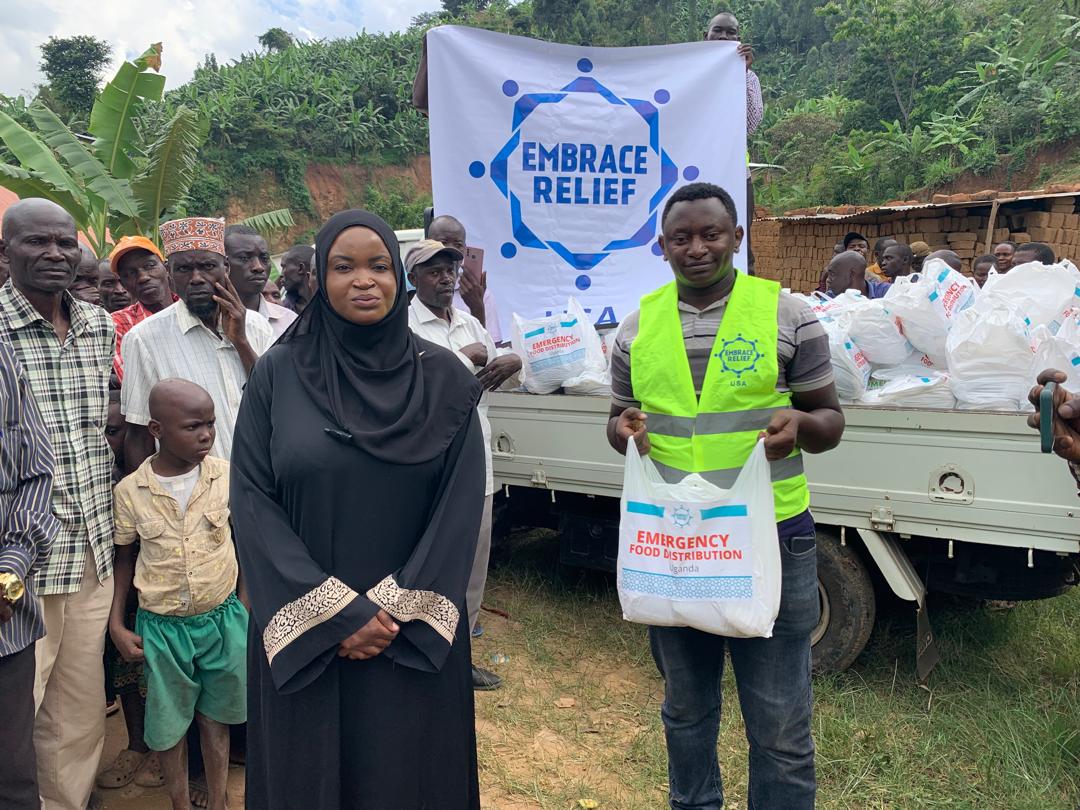
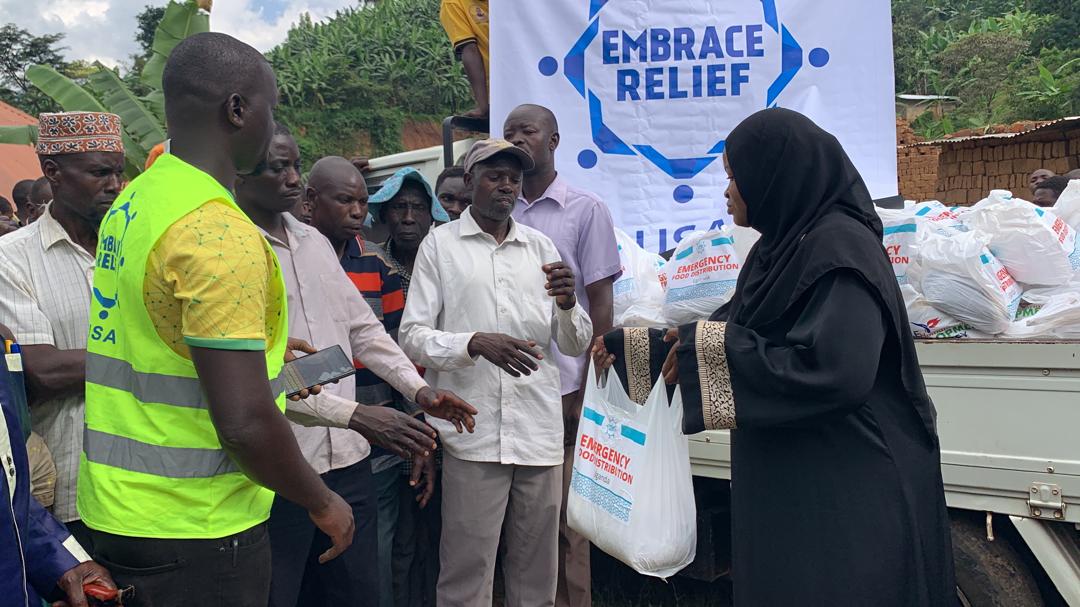
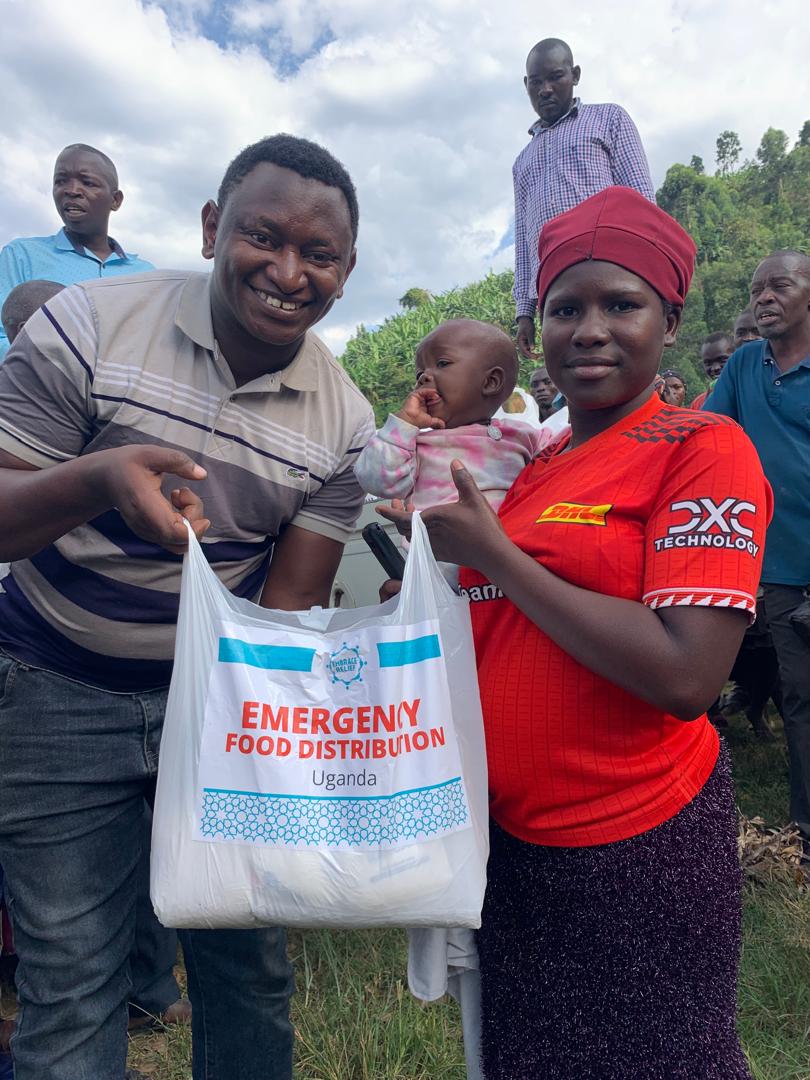
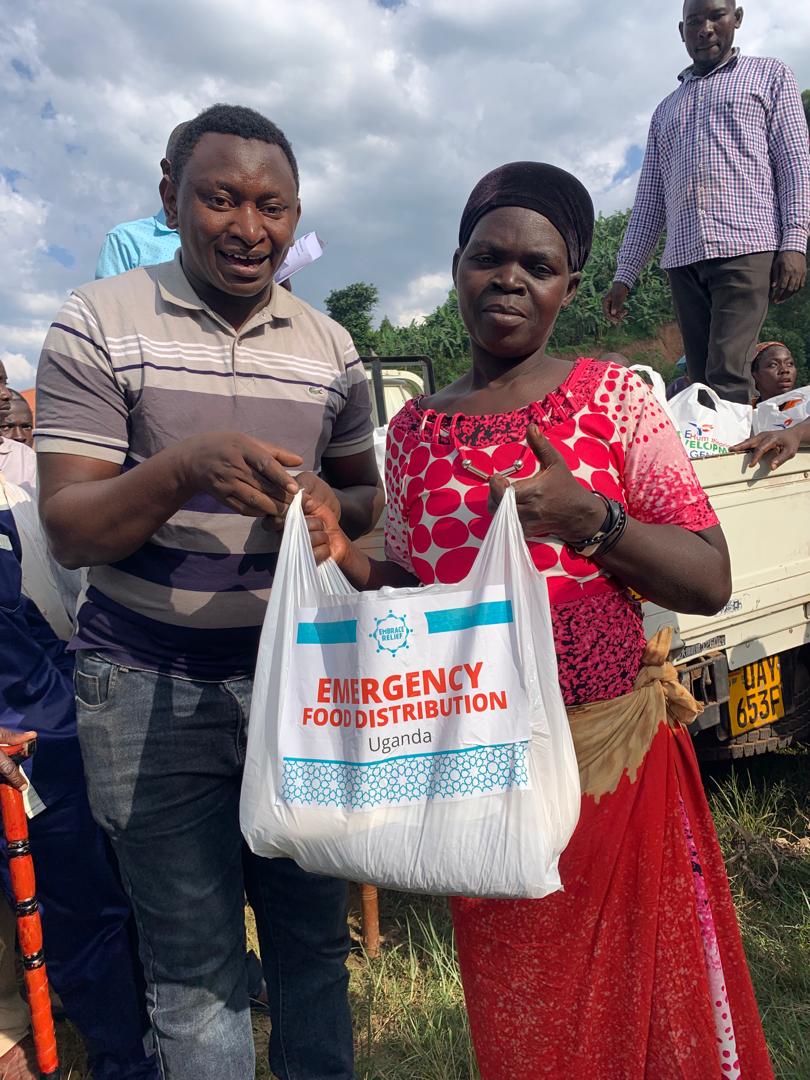
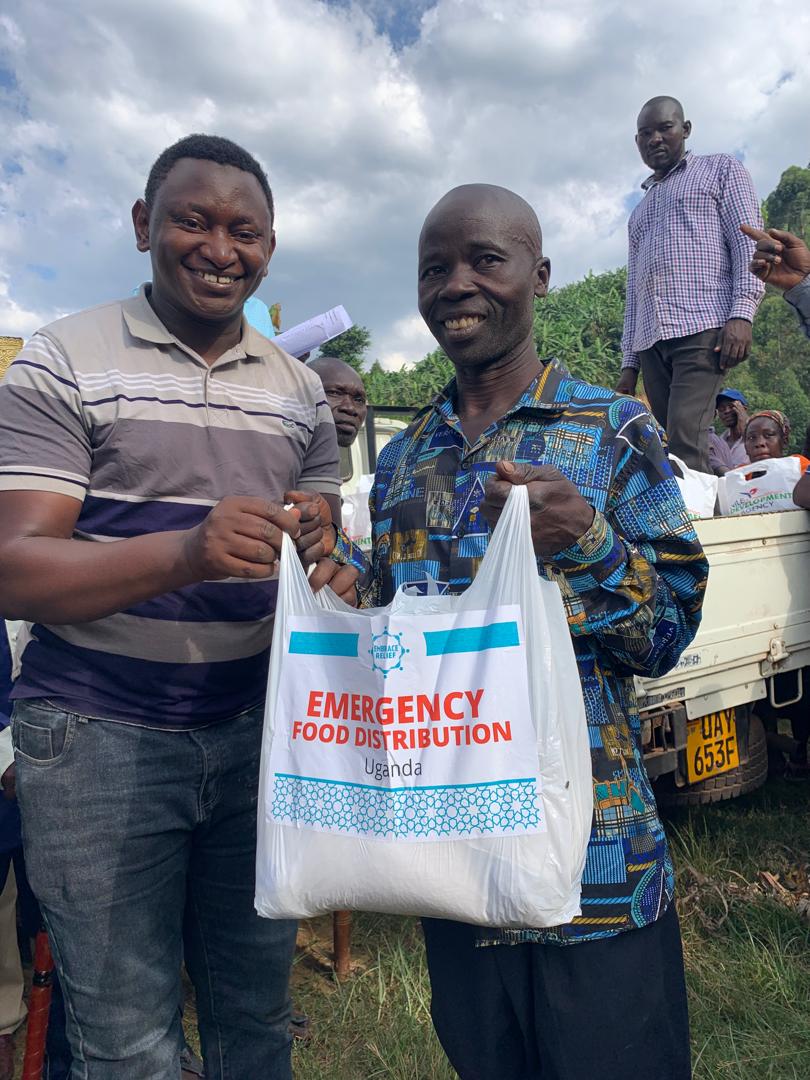
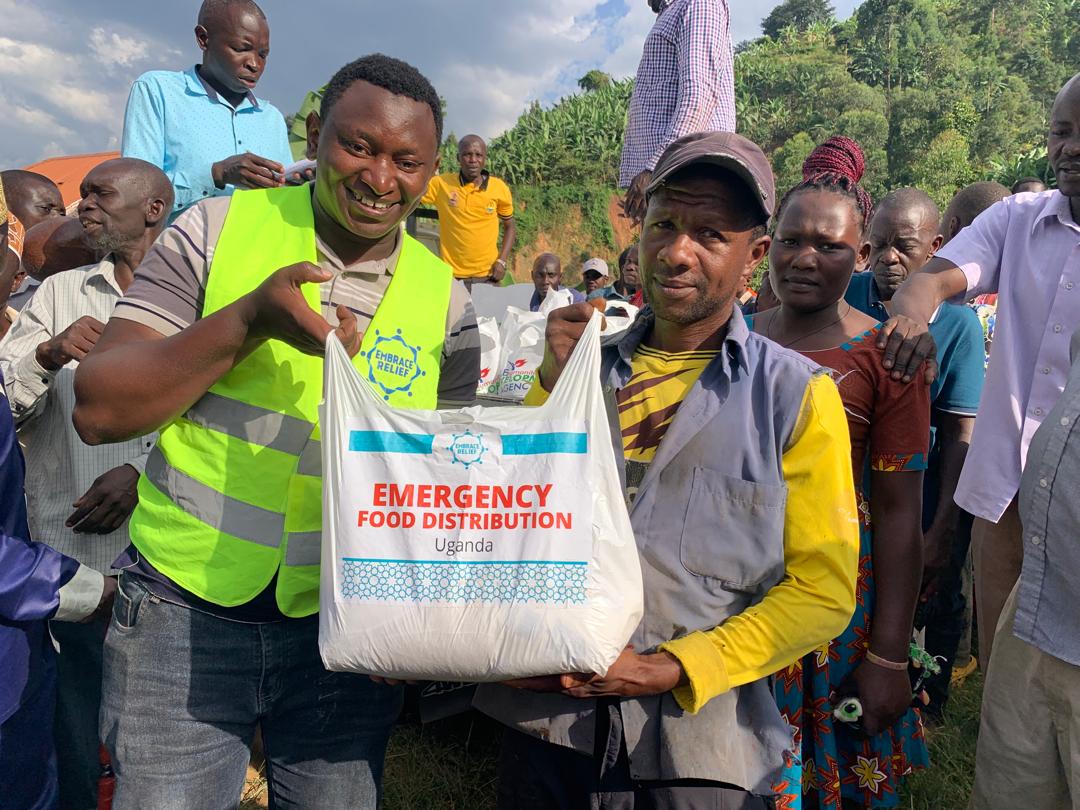
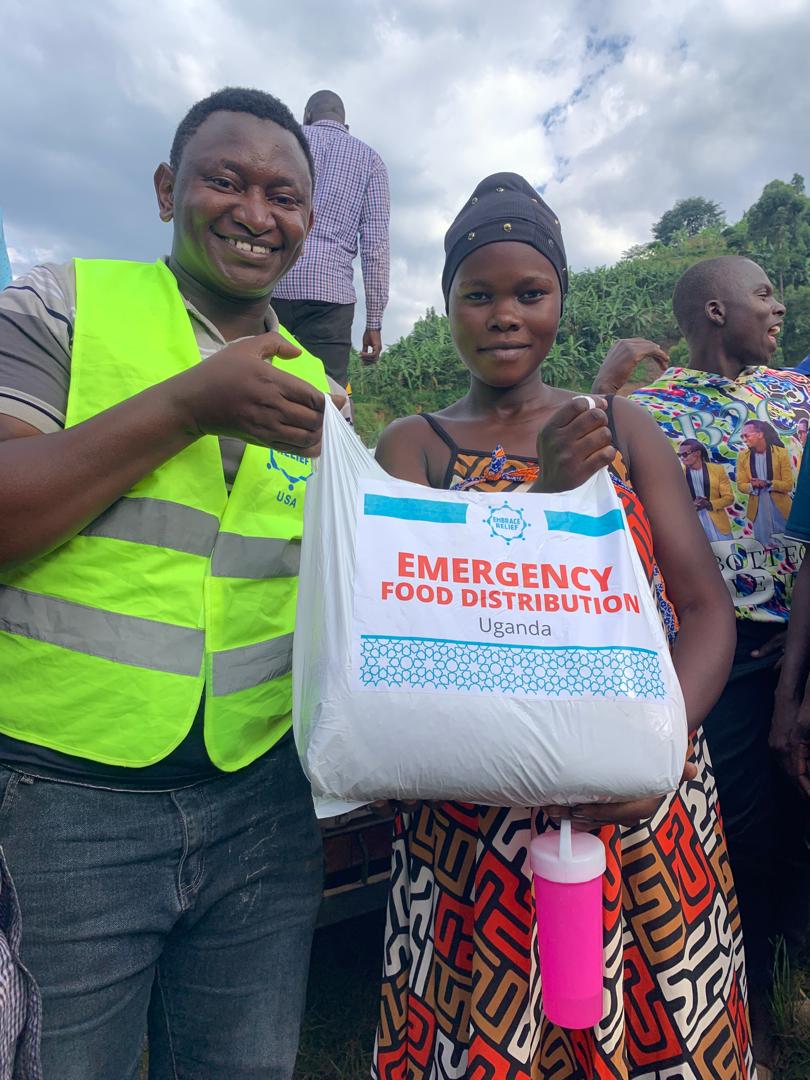
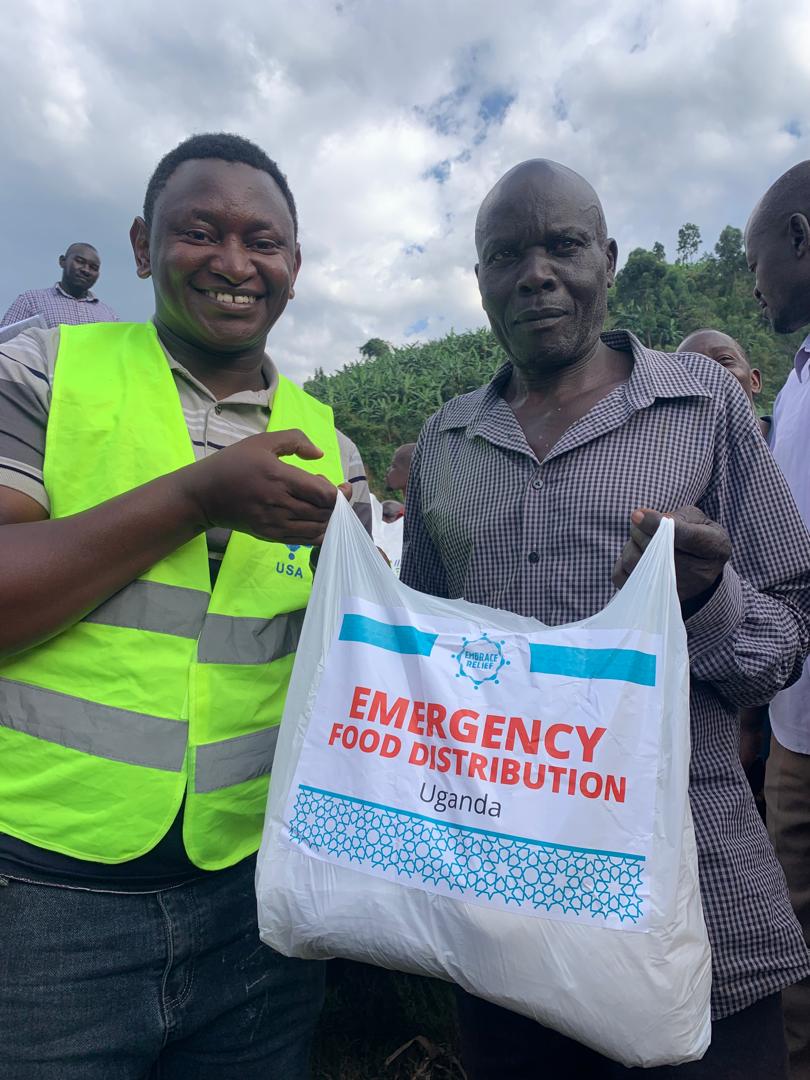
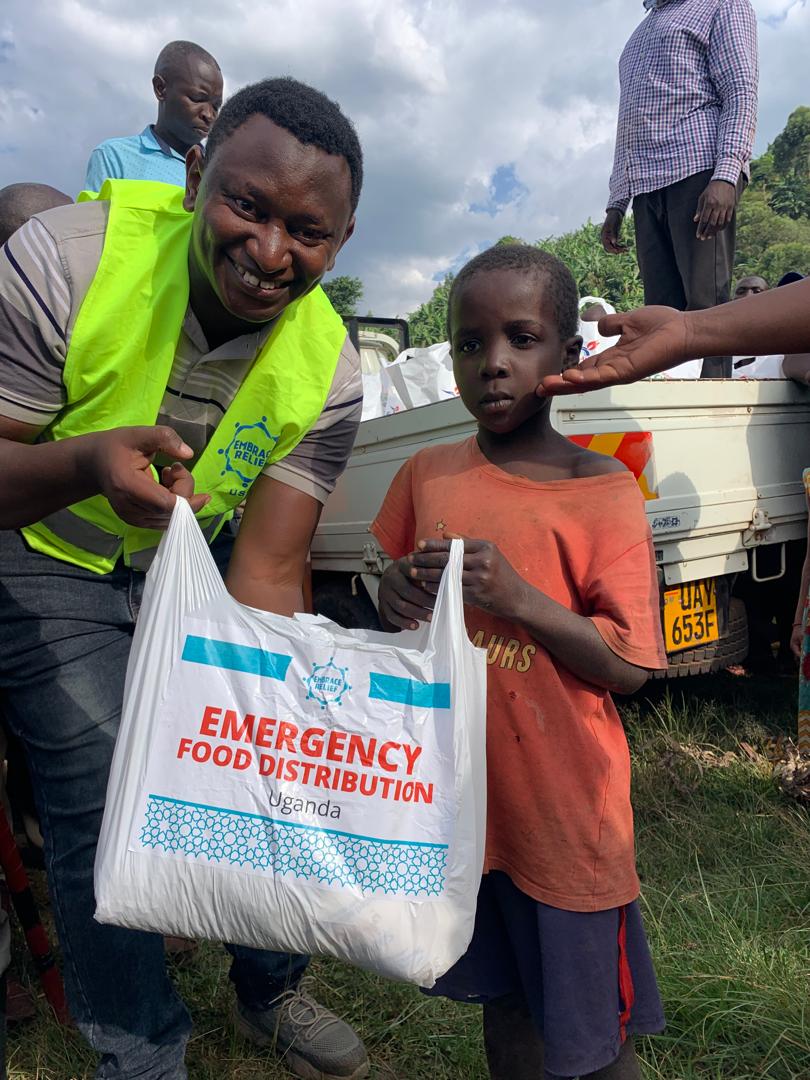
On Dec. 7, 2024, Embrace Relief provided vital support to victims of recent disasters in Sironko District, Uganda, Responding to the devastating landslides and flash floods that left hundreds in urgent need of assistance, our organization distributed over 100 food packages to affected families.

The disasters, which occurred on Nov. 27, 2024, resulted in significant destruction, including the loss of lives, homes, and livelihoods across multiple communities in Uganda. With over 600 individuals critically affected and in need of relief items, Embrace Relief’s intervention aimed to address the immediate food insecurity faced by those impacted.

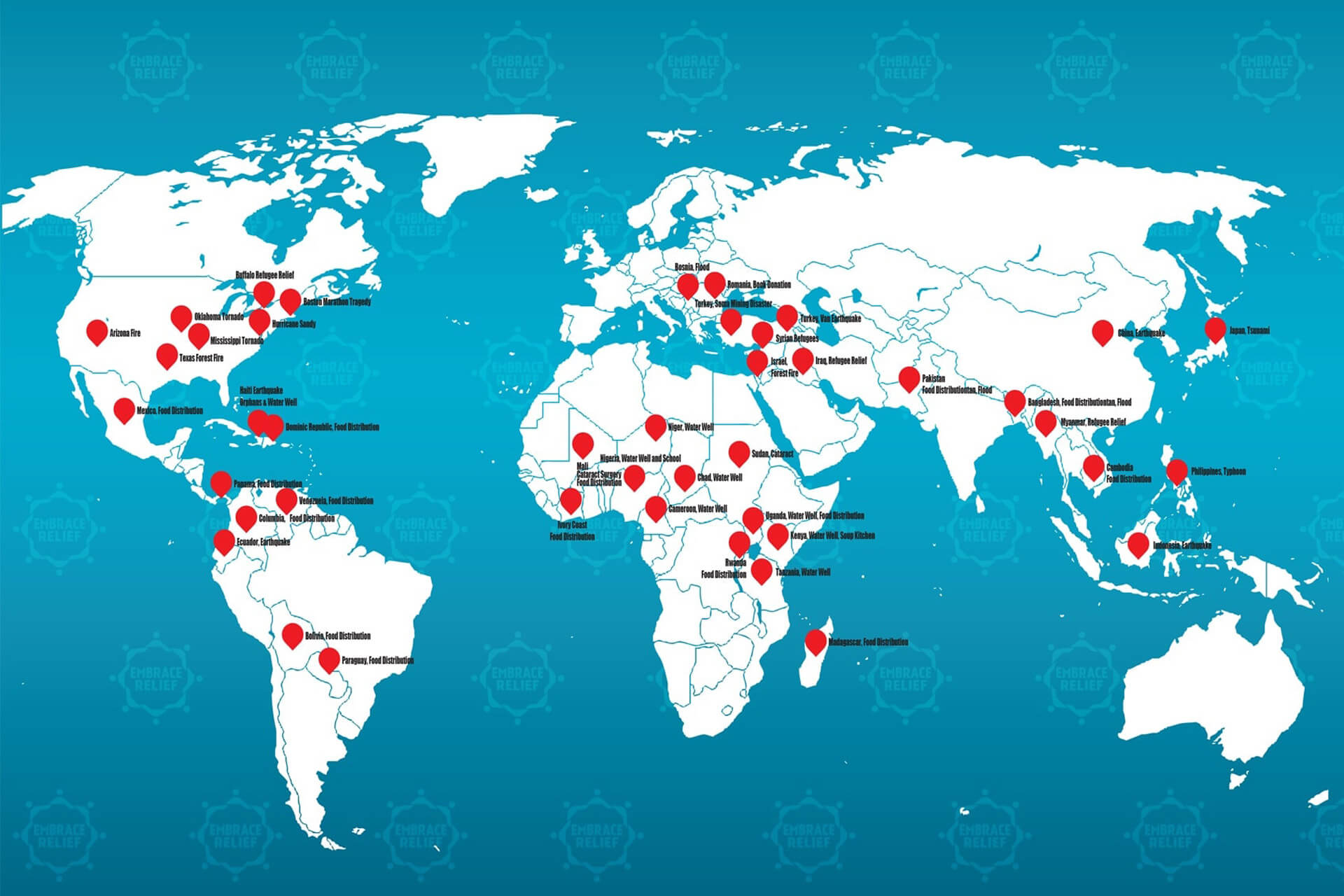
Our efforts are part of a larger commitment to providing humanitarian aid in times of crisis. Through the support of our donors and our trusted partner organizations in more than 50 countries, Embrace Relief is dedicated to supporting vulnerable communities and extending a helping hand to those in need, wherever they may be.

Flood Victims in Uganda Gallery

5 Creative Christmas Fundraising Ideas to Make a Big Impact

The holiday season is a time for giving, joy, and togetherness. It’s also the perfect opportunity to come together with friends, family, or your community to support causes close to your heart. Fundraising during Christmas not only spreads holiday cheer but also provides much-needed support to those in need. To help you get started, here are five creative Christmas fundraising ideas:

1. Host a Christmas Movie Night

Turn your living room, backyard, or community hall into a cozy movie theater. Screen classic Christmas movies and invite friends and neighbors to attend in exchange for a small donation. Offer festive treats like popcorn, hot cocoa, and candy canes for an extra touch of holiday magic.

2. Organize a Gift Wrapping Station

Spread some Christmas cheer while helping people save time! Set up a gift-wrapping station at your local mall, school, or community center. Charge a small fee per gift, and all proceeds can go to your fundraising goal. Make it extra festive with holiday music and decorations!

3. Sell Homemade Holiday Treats

Channel your inner baker and whip up Christmas cookies, gingerbread, and other festive goodies to sell at a holiday market, church event, or online. Pairing delicious treats with a great cause is a recipe for success.

4. Host a Christmas Charity Auction

Gather donations from local businesses, artists, or community members for a holiday-themed auction. Auction off items like gift baskets, handmade crafts, or tickets to events. Invite your community to bid and contribute to your fundraising project.

5. Create a Christmas-Themed Fun Run or Walk

Encourage participants to dress up as Santa, elves, or reindeer and organize a festive run or walk. Charge an entry fee and provide prizes for the best costumes or fastest finishers. It’s a great way to get active, have fun, and raise funds for your cause.

Fundraise with Purpose Through Embrace Relief’s Group Fundraising Program

While these ideas are a great starting point, why not take your holiday fundraising to the next level? With Embrace Relief’s Group Fundraising Program, you can create a fundraising project that not only supports a cause you care about but also allows you to see the direct impact of your efforts.

Here’s how it works:

  1. Choose Your Cause – Whether it’s building a water well, supporting education, providing healthcare, or feeding families, you can select a project close to your heart.
  2. Start Your Group Fundraiser – Bring together friends, family, or your community to fundraise collectively. Embrace Relief will provide the tools and support to help you succeed.
  3. See the Impact Firsthand – Once your project is funded, Embrace Relief offers you the opportunity to travel to the country where your project is implemented. Witness the difference you’ve made and connect with the community you’ve supported.

Why Fundraise with Embrace Relief?

When you choose Embrace Relief’s Group Fundraising Program, you’re not just raising money—you’re creating life-changing impacts for communities in need. From building sustainable water wells to sponsoring orphanages, your efforts directly improve lives. Plus, the opportunity to travel and witness the results of your hard work makes the experience even more meaningful.

Make This Christmas Count

This holiday season, let’s embrace the true spirit of giving. Whether you’re hosting a fun run, baking cookies, or starting a group fundraising project with Embrace Relief, your efforts will create lasting change for those in need.

Ready to get started? Visit our Group Fundraising Program and how you can make a difference this Christmas!

Together, we can spread holiday cheer across the globe.

How to Volunteer During Christmas: Make a Difference This Holiday Season

The Christmas season is a time for joy, gratitude, and giving back. It’s a perfect opportunity to extend kindness to those in need and make a meaningful impact. If you’re looking for ways to volunteer this Christmas, we have an incredible suggestion: combine your efforts with fundraising through Embrace Relief’s Group Fundraising Program, which offers a unique way to make a difference while experiencing firsthand the impact of your generosity.

Why Volunteer During Christmas?

Volunteering during the holiday season isn’t just about giving—it’s about sharing hope and joy with those who need it most. For many people worldwide, Christmas isn’t just a festive time but a time when support is critically needed. By dedicating your time and effort, you can be the reason someone smiles this season.

Embrace Relief’s Group Fundraising Program: Volunteer With Purpose

One of the most rewarding ways to volunteer this Christmas is by starting a fundraising project with Embrace Relief. Through our Group Fundraising Program, you can rally your family, friends, colleagues, or community to support a specific humanitarian cause—whether it’s providing clean water, supporting orphanages, or delivering food packages to families in need.

What makes this program even more special? It gives you the opportunity to travel to the country where your project will be implemented! You’ll witness firsthand the life-changing impact of your efforts, meet the communities you’ve helped, and see how your generosity has transformed lives.

How to Start Your Group Fundraising Project

  1. Choose a Cause: Pick a project that resonates with you, such as building a water well, supporting education programs, or providing disaster relief.
  2. Form Your Group: Gather your friends, family, or colleagues to join your fundraising mission.
  3. Set a Goal: Work with Embrace Relief to set a realistic fundraising target for your chosen project.
  4. Launch Your Campaign: Use Embrace Relief’s tools and resources to create a compelling fundraising page, and spread the word through social media, emails, and events.
  5. Make It a Reality: Once your goal is achieved, your project will be implemented. You’ll even have the chance to visit the site and meet the people whose lives you’ve changed!

Why Group Fundraising Matters

When you come together with others to raise funds, the impact multiplies. It’s not just about financial contributions but also about fostering a sense of community and shared purpose. Your group fundraising project becomes a symbol of collective goodwill, reminding everyone involved of the power of working together for a greater cause.

A Christmas Gift That Lasts a Lifetime

This holiday season, consider giving more than presents—give hope, opportunity, and change. Volunteering through Embrace Relief’s Group Fundraising Program lets you make a difference while creating unforgettable memories with those you love.

Whether you’re starting a water well project in Africa, supporting refugee families, or providing essential supplies to orphanages, your efforts will touch lives far beyond Christmas.

Ready to make this Christmas truly meaningful? Start your group fundraising project today with Embrace Relief and see how your generosity can change lives. Together, we can create a season of giving that resonates throughout the year.

Start Your Project Here

Zakat and Tax Benefits: Giving Back While Maximizing Your Impact

The act of giving is one of the most fulfilling aspects of life. For Muslims, zakat—the third pillar of Islam—is a beautiful manifestation of this principle. It’s a spiritual obligation, a means of purifying wealth, and an opportunity to uplift those in need. But did you know that in many countries, including the United States, your zakat contributions may also come with the added benefit of tax deductions?

At Embrace Relief, we believe in making every donation count, both for the donor and for the people we serve. With a wide range of impactful programs, from hunger relief to orphan care, we aim to ensure that your zakat reaches those who need it most while also allowing you to maximize the benefits of your generosity.

What Is Zakat?

Zakat is more than just a financial transaction; it is an act of worship that fosters a spirit of generosity and compassion. It requires Muslims to give 2.5% of their qualifying wealth each year to those in need. This sacred practice not only benefits the recipients but also purifies the giver’s wealth and strengthens the bonds within the community.

Zakat and Tax Benefits

In the United States, donations to qualified charitable organizations are often tax-deductible. Because Embrace Relief is a registered 501(c)(3) nonprofit organization, your zakat contributions to our programs can qualify as a deduction on your federal income taxes.

Here’s how you can benefit:

  1. Tax Deduction: Your zakat donations can lower your taxable income, potentially reducing the amount of taxes you owe.
  2. Double the Impact: By saving on taxes, you might have additional funds to contribute to charitable causes, further amplifying your impact.
  3. Hassle-Free Process: Embrace Relief provides receipts and documentation to ensure that your zakat donations are fully compliant with tax regulations.

Make Your Zakat Count with Embrace Relief

When you choose Embrace Relief for your zakat, you’re not just fulfilling a spiritual obligation; you’re transforming lives. Here are some of the ways your contributions can make a difference:

  • Hunger Relief: Help provide nutritious meals to families suffering from food insecurity. Your zakat can ensure that no one goes to bed hungry.
  • Orphan Care: Support vulnerable children by funding their education, healthcare, and daily needs. Your generosity gives them the chance to thrive.
  • Emergency Relief: Be there for communities affected by natural disasters or conflict, providing critical aid when they need it most.
  • Sustainable Development: Invest in long-term solutions, like water wells and vocational training programs, to empower people and foster self-sufficiency.

How to Donate Your Zakat

Donating your zakat to Embrace Relief is simple and secure. Visit our website, select a cause close to your heart, and rest assured that your contribution will be used effectively and transparently.

Give Generously, Receive Abundantly

Zakat is a blessing that ripples through lives, from the giver to the receiver and beyond. When you give your zakat to Embrace Relief, you’re not only fulfilling a spiritual duty but also participating in a legacy of compassion and positive change. With the added benefit of tax deductions, your generosity becomes even more impactful.

This year, let your zakat do more. Support hunger relief, orphan care, and other critical programs through Embrace Relief. Together, we can create a world where everyone has the opportunity to thrive.

Ready to give? Donate your zakat and make a difference.

Donate Your Zakat Online

$
Donate Now

Thoughtful gift ideas for friends and family this Eid

Eid is a time of joy, togetherness, and generosity, and giving thoughtful gifts to friends is a wonderful way to celebrate this festive occasion. Traditionally, Eid gifts often take the form of Eidi, cash given by family members to children as a gesture of love and blessings. However, when it comes to friends, selecting meaningful and creative presents can make the celebration even more special. If you’re looking for inspiration, here are five thoughtful Eid gift ideas that will make your friends feel cherished and appreciated.

1. Personalized Islamic Gifts

A personalized gift always adds a special touch. Consider Islamic-themed gifts like:

  • Custom Quran covers with their name embossed.
  • Engraved prayer mats or tasbeeh (prayer beads) for daily use.
  • A framed calligraphy piece featuring a verse from the Quran or their favorite Dua.

These gifts combine sentimentality with practicality and align with the spirit of Eid. Personalized gifts can be easily ordered online or created through local artisans, making them accessible and unique.

2. Sweet Treats and Desserts

Eid is synonymous with indulging in delicious food, and nothing says celebration like sweet treats. Some ideas include:

  • A box of premium dates, especially those stuffed with nuts or dipped in chocolate.
  • Traditional Eid sweets such as baklava, maamoul, or barfi, beautifully packaged for gifting.
  • Customized dessert boxes with cupcakes, cookies, or macarons that say “Eid Mubarak.”

Food gifts are not only delightful but also shareable, making them a hit during Eid gatherings.

3. Luxury Perfumes or Attars

Fragrance is an elegant and timeless gift. Perfumes and attars (alcohol-free oils) hold a special place in Islamic culture and are perfect for Eid. Consider:

  • Well-known Arabian oud-based perfumes for a traditional touch.
  • Subtle and refreshing citrus or floral fragrances for everyday use.
  • A gift set with miniature bottles, allowing your friends to try different scents.

To make the gift more personal, choose a scent you know your friend loves or surprise them with a high-quality, trending fragrance.

4. Gift Cards or Subscription Services

If you’re unsure about your friend’s preferences, gift cards are a flexible and practical choice. Consider options like:

  • Online retailers such as Amazon or Islamic shops for books and clothing.
  • Meal delivery services for a festive dinner during or after Eid.
  • Subscription services for apps like Quranic learning, audiobook platforms, or streaming services.

Gift cards let your friends choose what they need or enjoy, ensuring your gift is always appreciated.

5. Home Décor and Lifestyle Items

Elevate your friends’ homes with elegant and functional items, such as:

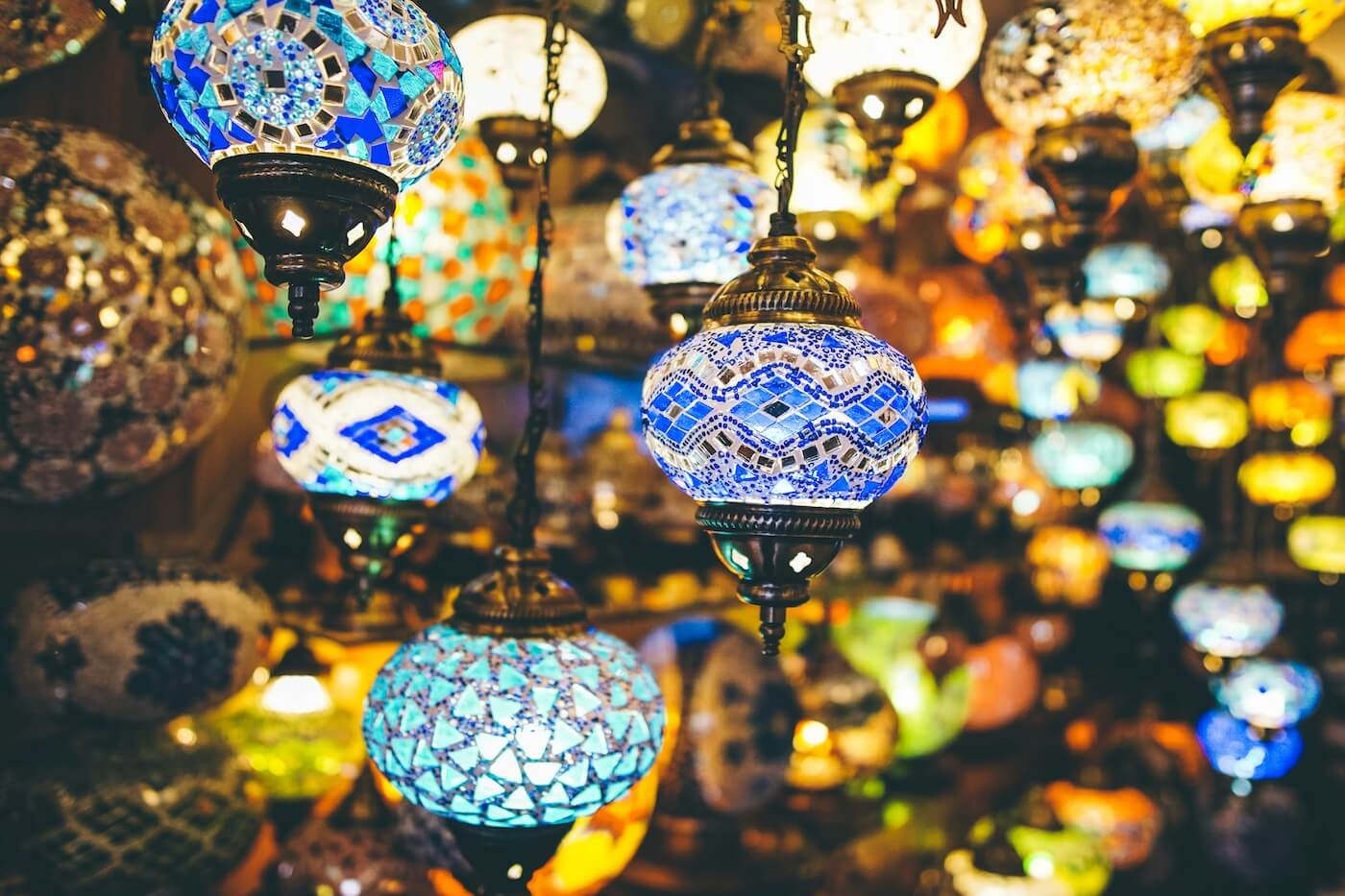
  • Decorative lanterns or fairy lights to create a festive ambiance.
  • Tableware sets or serving platters ideal for hosting Eid guests.
  • Scented candles or essential oil diffusers for a calming environment.

Gifting home décor items reflects thoughtfulness and adds a touch of Eid festivity to their living spaces.

6. A Charitable Donation in Their Name

Eid is a time for giving and helping those in need. Making a charitable donation in your friend’s name is a meaningful way to honor their values while spreading joy and support to others. Consider contributing to an organization that supports causes close to their heart, such as:

  • Providing basic necessities such as food or clothing.
  • Supporting education for orphans and children.
  • Delivering humanitarian aid such as medical supplies or disaster relief.

Thoughtful gestures like these not only celebrate the spirit of Eid, but also create a positive impact, reflecting the true essence of the holiday.

By choosing thoughtful and culturally significant gifts, you can make Eid even more memorable for your friends. These ideas ensure that your present is not only well-received but also adds to the joy of the celebration.

Make a Positive Impact With A Gift to Embrace Relief

If you are considering making a charitable donation this Eid, either for yourself or a friend, we might suggest that Embrace Relief offers you the perfect way to make a real difference in the lives of vulnerable people around the world!

With Embrace Relief, you can donate to any of our eight humanitarian relief programs, which work year-round in dozens of countries to provide much-needed aid for people who need it most.

And this Ramadan, Embrace Relief is focused on bringing nutritious food to those who don’t have enough to eat. Our International Hunger Relief: Ramadan 2025 campaign plans to deliver nutritious food packages – containing enough food to last a family of five for one week – to tens of thousands of people in nearly two dozen countries. But we need your support to do so!

During our 2024 Ramadan hunger relief campaign, thanks to the generosity of donors like you, Embrace Relief was able to distribute food to more than 68,000 people in 21 countries spanning 5 continents.

You can help Embrace Relief make an even greater impact in 2025 by clicking here, or by using the donation box below. A donation of as low as $35 will ensure that families will not have to worry about where their next meal will come from. Don’t delay – donate today, and help Embrace Relief share nutritious food with our friends around the globe!

What Does Halal Mean and What Foods Are Considered Halal?

Halal is an Arabic term meaning “permissible” or “lawful,” and it refers to anything that adheres to Islamic law, as outlined in the Quran. While the term can apply to many aspects of life, it is most commonly associated with food and drink. Halal dietary guidelines are fundamental to Muslim practices and have deep cultural and religious significance. Understanding what halal means and which foods fall under this category is crucial for those who observe these rules and those who wish to cater to halal dietary requirements.

The Meaning of Halal in Islamic Tradition

Halal food is prepared, processed, and consumed according to Islamic dietary laws, known as sharia. These laws are designed to ensure cleanliness, ethical treatment of animals, and adherence to spiritual principles. Foods that do not meet halal criteria are referred to as haram, meaning “forbidden.” In some cases, foods may fall into a gray area known as mushbooh if their halal status is uncertain.

What Foods Are Considered Halal?

Foods are classified as halal based on their ingredients, sourcing, and preparation methods. Here’s a breakdown of what is generally considered halal:

1. Meat and Poultry

For meat to be halal, it must meet the following conditions:

  • Animal type: Only certain animals are permissible, including cattle, sheep, goats, chickens, and fish. Pigs and carnivorous animals are strictly forbidden.
  • Method of slaughter: Animals must be slaughtered by a Muslim, who recites the name of Allah (Bismillah Allahu Akbar) during the process. The method ensures the animal is treated humanely, and its blood is fully drained.
  • Health condition: The animal must be healthy at the time of slaughter.

2. Seafood

Most seafood is considered halal in Islam, as long as it is fresh and free from contamination. However, some schools of Islamic thought differ on specific types, such as shellfish.

3. Fruits and Vegetables

All fruits and vegetables are halal by default, provided they are free from harmful additives, pesticides, or cross-contamination with non-halal substances, or do not cause intoxication of any kind.

4. Dairy Products

Dairy products like milk, cheese, and yogurt are halal as long as they do not contain any non-halal additives such as gelatin derived from pork or rennet from non-halal sources.

5. Grains and Plant-Based Foods

Staples like rice, bread, pasta, and legumes are halal, provided they don’t include forbidden ingredients or alcohol-based flavorings.

6. Beverages

Beverages must be free from alcohol to be considered halal. While water, juices, and teas are generally permissible, certain sodas or flavored drinks may need closer inspection due to the presence of alcohol-based additives.

Common Foods That Are Not Halal

While understanding halal foods is essential, it’s equally important to recognize what is explicitly forbidden. Some examples include:

  • Pork and its derivatives: This includes bacon, ham, and lard.
  • Alcohol: Both as a beverage and as an ingredient in food.
  • Improperly slaughtered animals: Any meat not slaughtered according to halal guidelines is considered haram.
  • Animal by-products: Gelatin or enzymes sourced from non-halal animals.

The Growing Popularity of Halal Foods

Halal food has become a global phenomenon, with an increasing number of halal-certified products available in mainstream markets. The demand for halal options is not limited to Muslim consumers; many non-Muslims prefer halal food for its focus on ethical sourcing and preparation.

For Muslims, consuming halal food is not merely a dietary choice but a fundamental aspect of faith and spirituality. For businesses and individuals, respecting halal requirements fosters inclusivity and ensures accessibility for diverse communities.

By understanding what halal means and the foods that are considered halal, you can make informed decisions, whether you are observing these dietary laws or catering to those who do. Whether it’s choosing ethically prepared meat or offering alcohol-free beverages, every step helps create a more inclusive and culturally aware environment.


Help provide nutritious food this Ramadan with Embrace Relief

For many millions of people around the world, however, finding adequate amounts of food is far from a certainty of daily life. Hundreds of millions around the world, including many Muslims, face chronic undernutrition. That’s why Embrace Relief works to provide nutritious food packages through our International Hunger Relief campaigns. In 2024, our International Hunger Relief campaigns reached more than 230,000 people in 24 countries, spanning 5 continents.

Because Embrace Relief distributes food in a diverse array of countries and communities, we put a high priority on ensuring that each food package meets the specific cultural, religious and dietary needs of the communities we support. For this reason, we are able to make a powerful impact and support vulnerable families wherever they live.

But we can’t continue this work without you. When you give to Embrace Relief’s International Hunger Relief: Ramadan 2025, you’re helping us create a better, healthier world. Just $35 can provide a family of five with enough food for a full week, so don’t delay! Donate today by clicking here, or by using the form below and help Embrace Relief share nutritious food with our friends around the globe.

What Does Haram Mean in Islam?

In Islam, the term haram holds significant weight and meaning. Derived from the Arabic root word “h-r-m,” haram refers to anything that is explicitly prohibited or forbidden by Islamic teachings. It stands in contrast to halal, which represents what is permissible or lawful. Understanding the concept of haram is essential for anyone seeking to comprehend Islamic ethics, law, and spirituality.

The Meaning of Haram

The word haram can be translated as “forbidden” or “sacred prohibition.” In the context of Islamic law (sharia), it refers to actions, behaviors, foods, or practices that are unequivocally prohibited by Allah in the Qur’an or through the sayings and actions of Prophet Muhammad (peace be upon him), known as hadith. Engaging in haram activities is considered a sin, and Muslims are urged to avoid them to maintain their spiritual purity and alignment with divine commandments.

Examples of Haram in Islam

  1. Food and Drink:
    • Pork and its derivatives.
    • Alcoholic beverages.
    • Animals that are not slaughtered according to Islamic guidelines.
  1. Financial Transactions:
    • Usury (riba), or earning interest, is strictly forbidden.
    • Gambling (maisir) is also considered haram.
  1. Moral and Ethical Behavior:
    • Theft, lying, and dishonesty.
    • Gossiping or slandering others.
    • Adultery and fornication.
  1. Clothing and Modesty:
    • Wearing clothing that reveals too much of the body or is overly provocative.
    • Using garments made of pure silk or adorned with gold for men.
  1. Harming Others:
    • Acts of violence, oppression, and injustice.
    • Consuming substances that harm the body, such as drugs.

The Spiritual Significance of Avoiding Haram

In Islam, life is a test, and adhering to what is halal (permissible) while avoiding what is haram is a key component of demonstrating obedience and devotion to Allah. The Qur’an repeatedly emphasizes the importance of obeying divine laws, as they are designed to ensure the well-being of individuals and society at large. For instance, Allah states in the Qur’an:

“And do not consume one another’s wealth unjustly or send it [in bribery] to the rulers in order that [they might aid] you to consume a portion of the wealth of the people in sin, while you know [it is unlawful].” (Qur’an 2:188)

Avoiding haram is not just about adherence to rules; it also reflects a Muslim’s inner commitment to ethical living and spiritual discipline. By refraining from prohibited actions, Muslims demonstrate their mindfulness of Allah’s presence and their desire to live in harmony with His will.

The Role of Intention (Niyyah)

Islam also places a strong emphasis on the intention (niyyah) behind an action. If a person unknowingly engages in a haram act, their accountability may differ from someone who does so knowingly and deliberately. This underscores the merciful nature of Allah and the emphasis Islam places on sincerity and conscious decision-making.

How to Avoid Haram

Avoiding haram requires knowledge, vigilance, and a commitment to following Islamic principles. Here are practical steps:

  1. Seek Knowledge: Study the Qur’an, hadith, and reliable Islamic scholarly works to understand what is prohibited.
  2. Consult Scholars: If unsure about a particular matter, seek guidance from knowledgeable and trustworthy Islamic scholars.
  3. Be Mindful: Reflect on your daily actions and choices to ensure they align with Islamic teachings.
  4. Surround Yourself with Supportive People: Engage with a community that encourages you to follow the straight path.

Understanding the concept of haram is fundamental to living a life that is pleasing to Allah and beneficial to oneself and others. By avoiding what is haram and striving to live within the boundaries of halal, Muslims can achieve a balanced, ethical, and spiritually fulfilling life. If you’re new to learning about Islam or seeking clarity on specific practices, remember that seeking knowledge is a continuous journey, and every step taken with sincerity is rewarded by Allah.

Help fulfill your spiritual duty by feeding people in need with Embrace Relief

Charitable giving to those less fortunate is one of the most important ways that Muslims can live a fulfilling life in accordance with the teachings of the Prophet. One of the best ways to spread kindness is to share one’s blessings with those who need it most. Embrace Relief provides the perfect opportunity to share your blessings by making a donation to our International Hunger Relief: Ramadan 2025 campaign.

Every dollar you donate will help us provide nutritious food packages to families in need across nearly two dozen countries around the globe – from Tanzania and Mali, to Yemen and Indonesia, to Greece and Brazil, or even amongst our neighbors here in the United States.

During our 2024 Ramadan hunger relief campaign, thanks to the generosity of donors like you, Embrace Relief was able to distribute food to more than 68,000 people in 21 countries spanning 5 continents. In 2025, we want to make an even greater impact – but we need your help to do it!

When you give to Embrace Relief this Ramadan, you will make a powerful difference in the life of a vulnerable family. Just $35 can provide a family of five with enough food for a full week, so don’t delay! Donate today by clicking here, or by using the form below and help Embrace Relief share nutritious food with our friends around the globe.

Who Should Fast During Ramadan?

Ramadan, the holy month of fasting in Islam, is a time for spiritual reflection, self-discipline, and acts of worship. For Muslims worldwide, fasting during Ramadan is mandatory, as it is one of the Five Pillars of Islam. However, there are certain exceptions under Islamic law. Understanding who should fast during Ramadan is essential for adhering to Islamic teachings while maintaining health and well-being. In this blog post, we’ll explore the key guidelines regarding fasting eligibility, exemptions, and responsibilities.

Who Is Obligated to Fast?

Fasting during Ramadan is obligatory for all Muslims who meet the following criteria:

  1. They have reached puberty. Children are not required to fast until they reach the age of puberty. However, many families encourage younger children to practice fasting for shorter periods, to develop good habits and to prepare them for the full fast later.
  2. They are mentally and physically capable. A person must be of sound mind and healthy enough to endure fasting. Elderly individuals or those with chronic illnesses that make fasting harmful are exempt. Instead, they can offer a fidya (charitable compensation) by feeding a needy person for each day of fasting missed.
  3. They are residents. Travelers, particularly those undertaking long or strenuous journeys, are temporarily exempt from fasting. However, they must make up for the missed days once their journey is over.
  4. They are not pregnant, nursing, or menstruating. Women in these conditions are exempt from fasting but are required to make up the missed days later, when they are able.

Any Muslim who does not meet any of the four above conditions is required to fast during Ramadan. However, young children, the elderly, the chronically ill, and pregnant, nursing or menstruating women may be excused from fasting.

Responsibilities and Spiritual Rewards

For those exempt from fasting, Islam provides alternate ways to participate in Ramadan’s spiritual rewards. Acts such as increased prayer, charitable giving, and reading the Quran can enrich the holy month. Additionally, those who make up their fasts or offer fidya fulfill their religious obligations while upholding the spirit of Ramadan.

Fasting during Ramadan is a profound act of worship, but it comes with flexibility and understanding for those who cannot observe it due to valid reasons. By adhering to these guidelines, Muslims ensure they honor their faith while prioritizing health and compassion. If you’re uncertain about your eligibility to fast, consulting a knowledgeable scholar or imam can provide clarity.

Remember, the essence of Ramadan lies not just in abstaining from food and drink but in nurturing a deep connection with Allah, practicing self-restraint, and spreading kindness.

This Ramadan, help feed people in need with Embrace Relief

One of the best ways to spread kindness is to share one’s blessings with those who need it most. During Ramadan 2025, Embrace Relief provides the perfect opportunity to share your blessings by making a donation to our International Hunger Relief campaign.

Every dollar you donate will help us provide nutritious food packages to families in need across nearly two dozen countries around the globe – from Tanzania and Mali, to Yemen and Indonesia, to Greece and Brazil, or even amongst our neighbors here in the United States.

During our 2024 International Hunger Relief: Ramadan campaign, thanks to the generosity of donors like you, Embrace Relief was able to distribute food to more than 68,000 people in 21 countries spanning 5 continents. In 2025, we want to make an even greater impact – but we need your help to do it!

When you give to Embrace Relief this Ramadan, you will make a powerful difference in the life of a vulnerable family. Just $35 can provide a family of five with enough food for a full week, so don’t delay! Donate today by clicking here, or by using the form below and help Embrace Relief share nutritious food with our friends around the globe.