



Recent

Hope for Uganda: Embrace Relief’s New Campaign to Support Orphaned Children

Summary

  • Support Embrace Relief’s Uganda Orphan Care Campaign, providing vulnerable children with education programs that promote early childhood development and break the cycle of poverty.
  • Ensure orphaned children have access to healthcare, including medical insurance for orphans, to protect their health and well-being.
  • Provide safe shelter and nutritious food, meeting the basic needs for orphans and fostering a stable, healthy environment.
  • Help improve living conditions through orphanage renovations and create a brighter future for vulnerable children in Uganda.

Uganda, a land of breathtaking landscapes and a vibrant cultural heritage, is also home to one of the most heartbreaking humanitarian challenges: the growing number of orphaned children. With a population of over 46 million, It is estimated that there are more than 2 million orphans and other vulnerable children in Uganda – one of the highest orphan rates in the world. These children, often left parentless due to poverty, disease, and conflict, face an uphill battle for survival.

The HIV/AIDS epidemic has played a significant role in this crisis, leaving countless children without parents or guardians. Additionally, poverty forces many families to abandon or relinquish their children, who end up in overcrowded orphanages or on the streets. The orphans in Uganda frequently experience poor education, malnutrition, and a lack of access to even the most basic healthcare.

Without intervention, these children are at risk of being trapped in a cycle of poverty and neglect. Early childhood development, a critical phase for learning and growth, is often neglected, leaving these vulnerable children with little to no chance of accessing quality education programs. Many orphanages, while providing a temporary safe haven, struggle with limited resources, preventing them from offering consistent support for orphaned children.

This is the harsh reality: millions of orphaned children in Uganda are growing up without the necessary tools to build a better future. They lack access to education, live in unsafe environments, and are deprived of the love, care, and stability that every child deserves.

How You Can Change Lives in Uganda

Despite the immense challenges, there is hope—and that hope begins with you. Every individual has the power to change the life of an orphaned child in Uganda. By supporting organizations that provide orphan care, you can offer these children a chance to break free from the cycle of poverty and build a brighter future.

When you sponsor an orphan, you provide more than just financial assistance. You provide access to education, health services, safe housing, and nutritious food—essential elements that every child needs to thrive. Education, in particular, is a powerful tool in transforming lives. Children who have access to quality education programs are more likely to succeed, secure employment, and become productive members of their communities.

Your contribution helps improve early childhood development by ensuring that children have access to age-appropriate learning opportunities. It also provides medical insurance for orphans, protecting them from preventable diseases and giving them a chance to grow up healthy and strong. In addition to meeting their basic needs for orphans, your support fosters emotional stability and a sense of belonging, which is just as crucial for their overall well-being.

Imagine the impact of your donation for education: a child who once faced a bleak future can now attend school, receive proper healthcare, and sleep in a safe home. By donating to orphanages or supporting child sponsorship programs, you become an advocate for children, helping to shape a future where every child has the opportunity to thrive.

Embrace Relief’s New Initiative: Uganda Orphan Care

In response to the urgent need for orphan support in Uganda, Embrace Relief has launched its Uganda Orphan Care Campaign. This new initiative is dedicated to improving the lives of orphaned children by providing comprehensive support in four key areas:

  • Education: The campaign prioritizes access to education by enrolling orphaned children in quality schools. By addressing the lack of education, Embrace Relief ensures these children have a chance to develop essential skills and knowledge that will empower them throughout their lives.
  • Healthcare: Medical insurance for orphans is a critical component of the campaign. Regular health check-ups, vaccinations, and access to medical care help protect these children from preventable diseases and ensure their physical well-being.
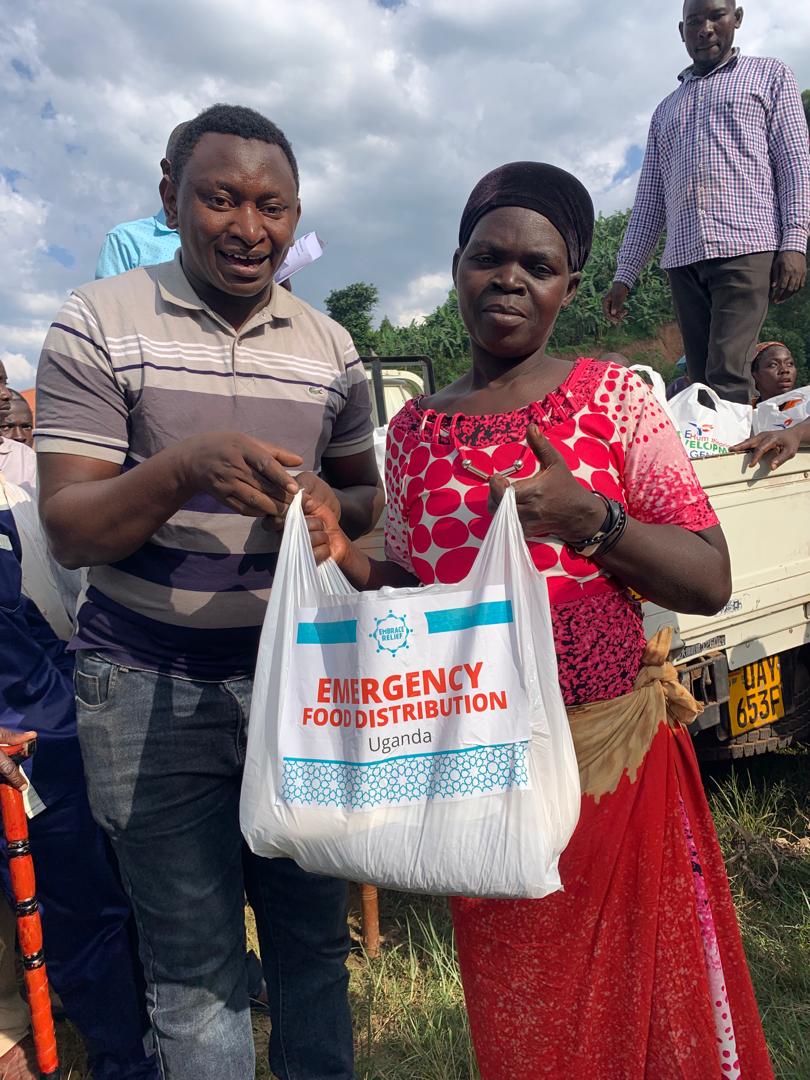
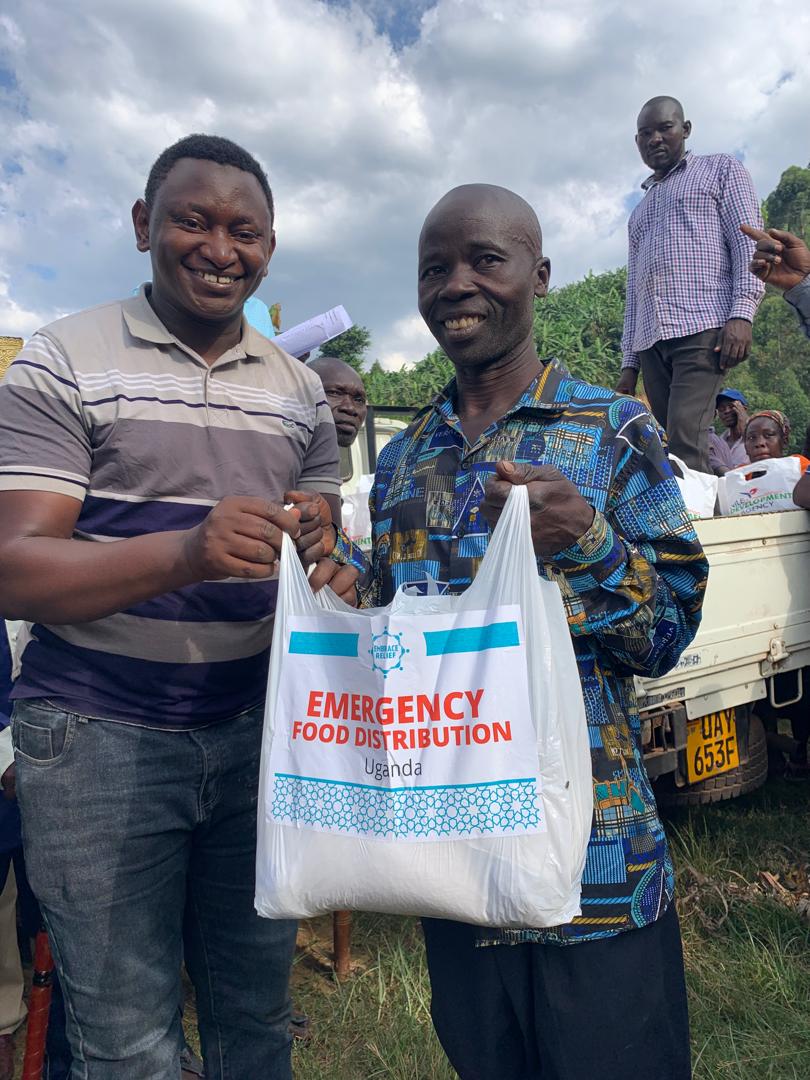
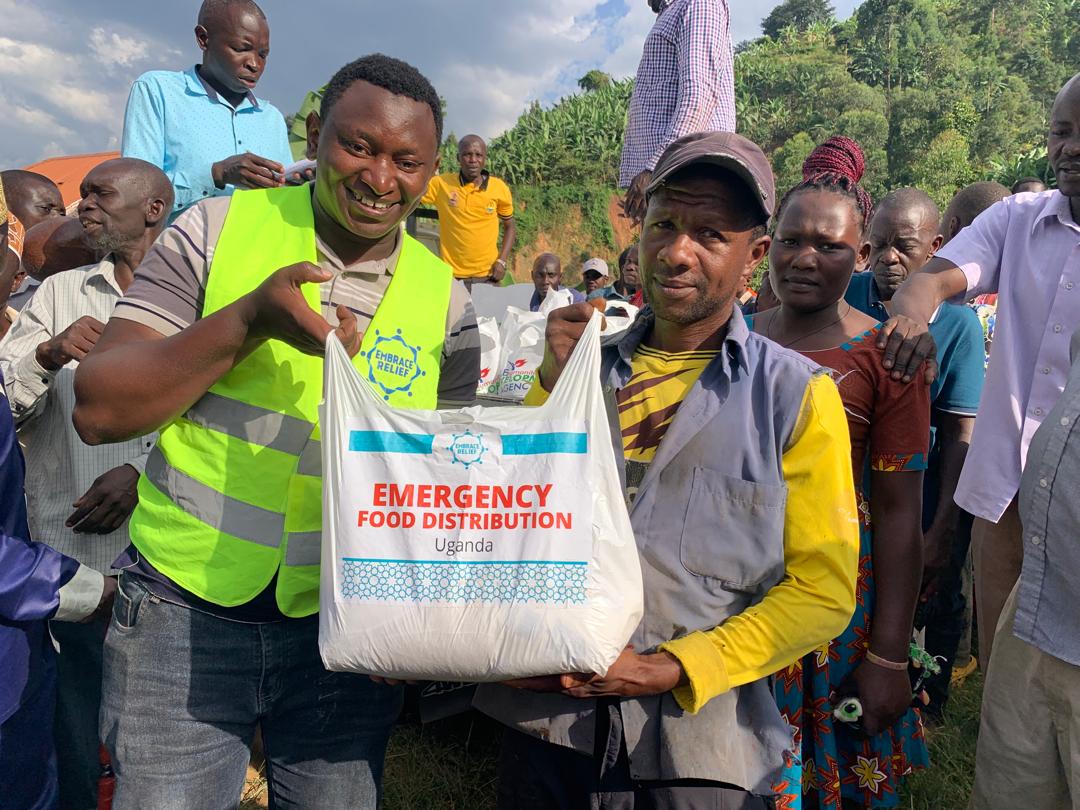
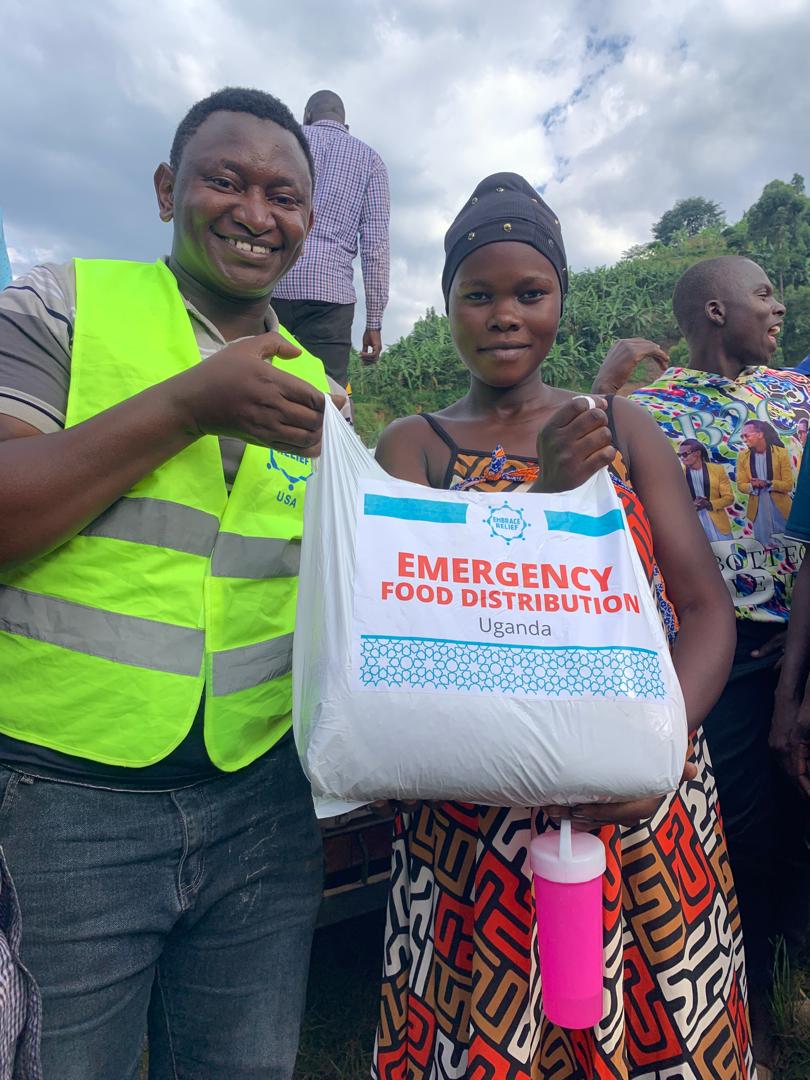
  • Shelter and Nutrition: Safe housing and nutritious meals are fundamental to a child’s growth and development. The campaign provides secure living environments and daily meals to promote health and stability.
  • Emotional and Social Support: Beyond meeting physical needs, Embrace Relief recognizes the importance of emotional well-being. The organization fosters a sense of community and belonging, helping children develop confidence and resilience.

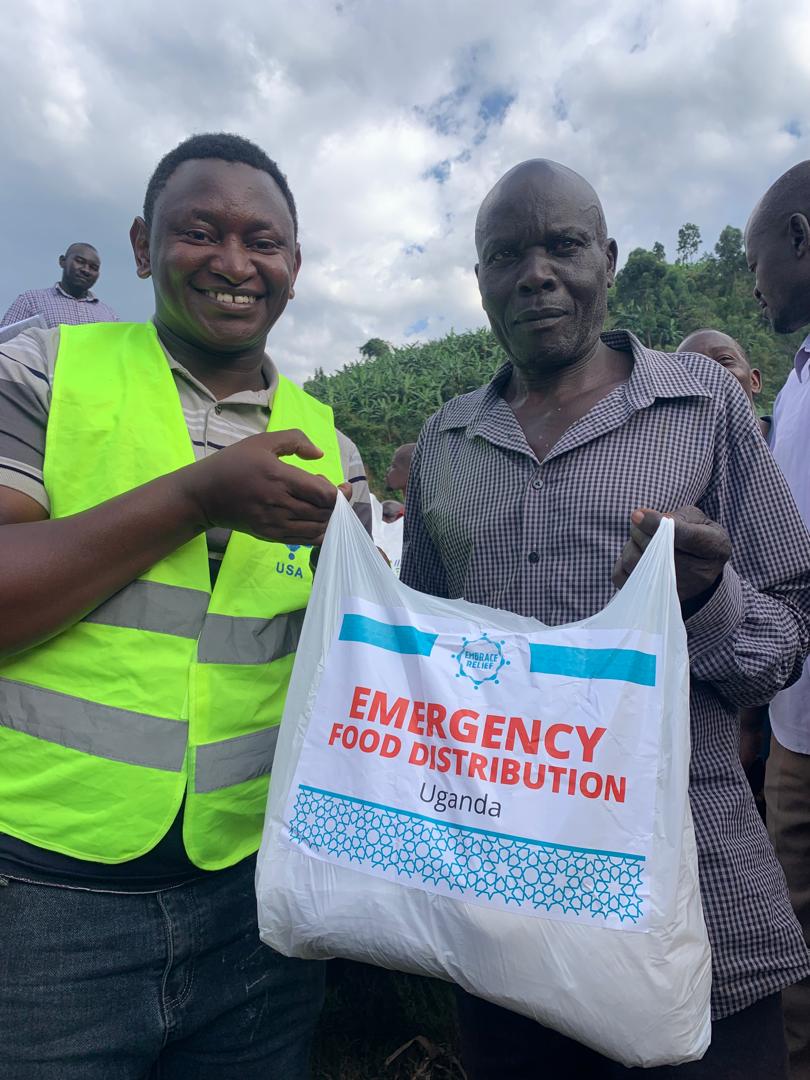
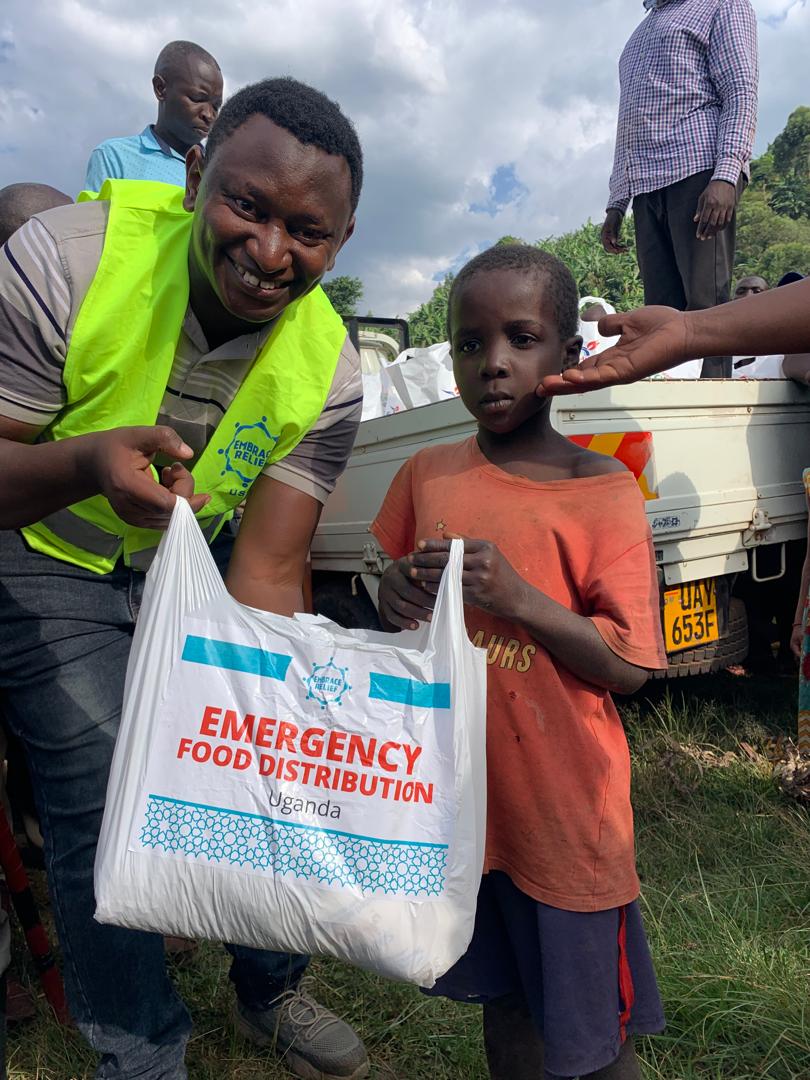
Currently, the Uganda Orphan Care Campaign is supporting 20 orphaned children, offering them a lifeline to a better future. But the need is far greater, and Embrace Relief aims to expand its reach, supporting more children and renovating orphanages to create safer, more nurturing environments.

Donate For Ramadan Children’s Fund

Embrace Relief aims to provide 550 orphaned children with daily iftar and suhoor meals during Ramadan 2025.

$
International Hunger Relief Children's Fund

When is Eid al-Fitr 2025?

Eid al-Fitr 2025 is expected to be observed on Sunday, March 30, 2025, depending on the sighting of the moon. This Islamic holiday marks the end of Ramadan, the holy month of fasting and spiritual reflection for Muslims worldwide. It is one of the world’s most widely celebrated holidays, often a day for great feasts, community and family gatherings, and local traditions dating back centuries in some cases.

Eid al-Fitr holds profound religious and cultural importance for Muslims. It is a day of gratitude, joy, and community, celebrating the completion of Ramadan—a month of fasting from dawn to sunset, increased prayer, and acts of charity.

The holiday represents a fresh start, as Muslims reflect on their spiritual growth during Ramadan and renew their commitment to their faith. The day is also an opportunity to express gratitude to Allah for providing strength throughout the month-long fast.

How Eid al-Fitr Relates to Ramadan

Ramadan, the ninth month of the Islamic lunar calendar, is observed as a time of fasting, prayer, and self-discipline. Fasting during Ramadan is one of the Five Pillars of Islam, a fundamental – and mandatory, for most Muslims – practice that fosters empathy for the less fortunate and a closer connection to God.

Eid al-Fitr signifies the conclusion of this sacred month. On this day, Muslims break their fasts with joyous feasts, family gatherings, and communal prayers. However, before celebrating, Muslims give a special form of charity called Zakat al-Fitr, ensuring that those in need can partake in the festivities.

How the Ramadan Calendar Works

The exact date of Eid al-Fitr varies each year because it is tied to the Islamic lunar calendar. Unlike the secular Gregorian (solar) calendar in use throughout most of the world, the Islamic calendar is based on lunar cycles, with each month beginning at the sighting of the new crescent moon. Ramadan spans 29 or 30 days, depending on the moon sighting, and its dates shift approximately 10 days earlier each year in the Gregorian calendar.

Similarly, the date of Eid al-Fitr depends on the sighting of the crescent moon. While modern astronomical calculations can estimate these dates, many Muslims still rely on traditional moon sighting methods to determine the start of Eid. This is why the exact date may vary by one day across different countries or communities.

Notable Eid al-Fitr Celebrations Around the World

Eid al-Fitr is celebrated with a variety of traditions that reflect the cultural diversity of the global Muslim community.

1. Morning Prayers

The day begins with a special congregational prayer, known as Salat al-Eid, performed at mosques or open prayer grounds. The sermon following the prayer focuses on themes of gratitude, community, and faith.

2. Family Gatherings and Feasts

Families come together to share festive meals featuring traditional dishes like biryani, kebabs, and sweets such as baklava, sheer khurma, or maamoul. It is a day of love, unity, and generosity.

3. Gifting and New Clothes

It is customary to wear new or best attire on Eid and exchange gifts, especially for children, who often receive Eidi (money or gifts from elders).

4. Charitable Acts

Zakat al-Fitr, a mandatory donation, is given before Eid prayers to support the needy, ensuring everyone can join in the celebrations.

5. Public Festivities

In many countries, Eid al-Fitr is marked by vibrant public events, such as parades, markets, and cultural performances. Cities like Dubai, Istanbul, and Jakarta host grand celebrations, attracting visitors worldwide.

Preparing for Eid al-Fitr 2025

As Muslims prepare for Eid al-Fitr 2025, they reflect on the spiritual lessons of Ramadan and look forward to a day of renewal and joy. From decorating homes to preparing elaborate meals, the days leading up to Eid are filled with excitement.

The time of Ramadan is also an exciting one for us here at Embrace Relief, as well. Each year during Ramadan, we serve nutritious meals to tens of thousands of people around the world as part of our International Hunger Relief: Ramadan campaign!

When we fast, we become acutely aware of the pain and discomfort caused by going without food. And sadly, millions of people around the world struggle to have enough food to eat throughout the year. So as we share our blessings with others during Ramadan, we urge you to consider the needs of our most vulnerable friends around the world. That’s why we’re asking you to give to our Ramadan 2025 hunger relief campaign.

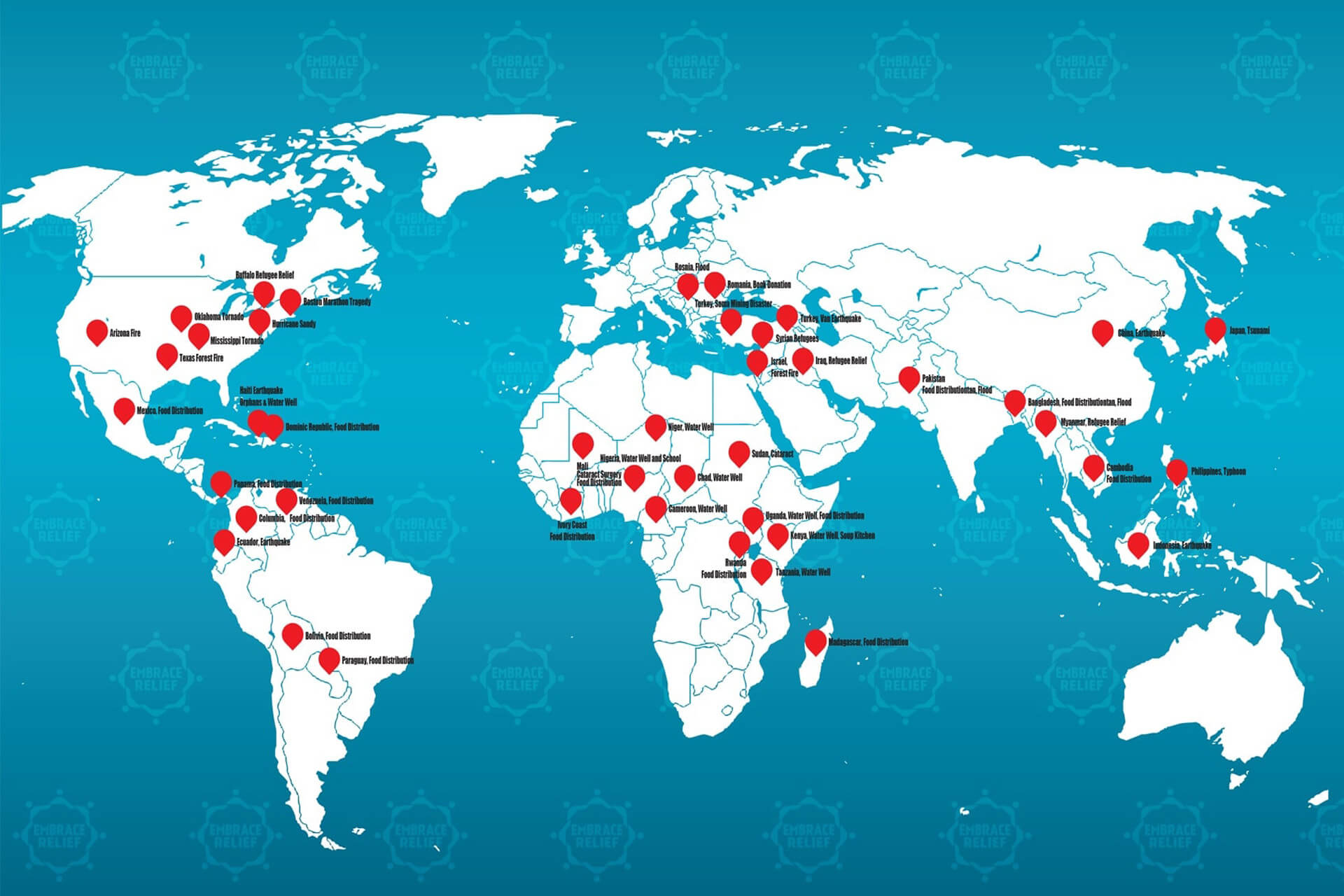
During Ramadan 2024, Embrace Relief provided nutritious food packages and meals to more than 165,000 people in 21 countries, each food package serving a family and community where it is most needed. We can only provide this aid because of the generosity of donors like you.

Donate today to our International Hunger Relief campaign and you can help vulnerable families on five continents. With just a few clicks, you can ensure that thousands of men, women and children around the world will go to bed on a full stomach.

Thank you for your support, and may Ramadan 2025 be a time of immense blessings, spiritual growth, and communal harmony for all.

When does Ramadan 2025 start?

Ramadan 2025 begins at sunset on Friday, February 28, and concludes at sunset on Saturday, March 29. The observance of Ramadan, the ninth month of the Islamic calendar, holds immense spiritual significance for Muslims worldwide. It is a time of fasting, prayer, reflection, and community, observed by over 1.9 billion Muslims across the globe.

To fully understand the timing and meaning of Ramadan, it’s essential to explore how its dates are determined and why it is considered such a sacred month.

How Are the Dates of Ramadan Determined?

Ramadan follows the Islamic lunar calendar, which is based on the phases of the moon. This is different from the 365-day Gregorian calendar used most commonly around the world, which is solar-based. The Islamic calendar consists of 12 lunar months, each lasting approximately 29 or 30 days. This means the Islamic year is about 10 to 12 days shorter than the Gregorian year. Consequently, the start and end dates of Ramadan shift each year, moving earlier by about 10 days annually.

The beginning of Ramadan is marked by the sighting of the crescent moon (hilal) following the new moon. Islamic scholars and community leaders often rely on local moon sightings or astronomical calculations to determine when Ramadan begins. This variability sometimes results in slight differences in the start date of Ramadan between regions.

Similarly, the end of Ramadan is determined by the sighting of the next crescent moon, signaling the arrival of the month of Shawwal and the celebration of Eid al-Fitr, a joyous festival marking the conclusion of fasting.

The Significance of Ramadan

Ramadan is one of the Five Pillars of Islam, making it a cornerstone of the Islamic faith. It commemorates the month in which the Qur’an, the holy book of Islam, was first revealed to the Prophet Muhammad (peace be upon him) by the angel Jibril (Gabriel). Muslims use this month as a time to grow closer to Allah (God) through acts of worship, including fasting, prayer, charity, and recitation of the Qur’an.

Fasting during Ramadan, known as sawm, is obligatory for all adult Muslims, with exceptions for those who are ill, traveling, pregnant, nursing, menstruating, or elderly. From dawn (fajr) until sunset (maghrib), Muslims abstain from food, drink, smoking, and other physical needs. The pre-dawn meal is called suhoor, while the meal to break the fast at sunset is known as iftar.

The spiritual goal of fasting is to develop taqwa, or heightened awareness of and closeness to Allah, by exercising discipline, gratitude, and empathy for those less fortunate.

Why Ramadan’s Dates Matter Globally

The shifting dates of Ramadan mean it is observed in different seasons across the decades, affecting the length of fasting hours, which vary based on geographic location and daylight. For instance, Muslims in northern regions with longer daylight hours may fast for up to 20 hours, while those in equatorial regions experience more consistent durations. Because Ramadan 2025 mostly falls within the month of March, around the time of the spring equinox, most Muslims in the northern hemisphere will have fewer hours of daylight than their counterparts in the southern hemisphere.

Understanding when Ramadan begins and ends each year is crucial for Muslims to prepare spiritually and practically. Communities worldwide organize special prayers, iftar gatherings, and charitable events during this holy month.

For Muslims and non-Muslims alike, understanding Ramadan’s significance fosters greater appreciation of its role in Islamic culture and its emphasis on self-discipline, compassion, and faith.

Make a powerful impact this Ramadan and support Embrace Relief’s International Hunger Relief!

The time of Ramadan is significant for us here at Embrace Relief, as well. It is a time where we all become acutely aware of the pain and discomfort caused by going without food. Therefore, it is the ideal time to recognize and support those who go hungry during the other months of the year. That’s why our International Hunger Relief: Ramadan 2025 campaign is so important, and why we’re asking for your support this year!

During Ramadan 2024, Embrace Relief provided nutritious food packages and meals to more than 165,000 people in 21 countries, each food package serving a family and community where it is most needed. We can only provide this aid because of the generosity of donors like you.

Donate today to our International Hunger Relief campaign and you can help vulnerable families on five continents. With just a few clicks, you can ensure that thousands of men, women and children around the world will go to bed on a full stomach.

Thank you for your support, and may Ramadan 2025 be a time of immense blessings, spiritual growth, and communal harmony for all.

Who Invented the Sewing Machine? The Story of Elias Howe and Its Legacy

Summary

  • Learn about Elias Howe, the inventor of the modern sewing machine, and his revolutionary impact.
  • Explore how sewing machines transformed the lives of women, fostering independence and creativity.
  • See how Embrace Relief’s K.E.E.N. program continues this legacy by empowering women through sewing.

The sewing machine is one of the greatest inventions in human history, revolutionizing how clothes are made and transforming industries and households alike. But who invented the sewing machine, and what inspired this remarkable innovation?

Elias Howe, an American inventor, is credited with creating the first practical sewing machine in 1846. Born into poverty, Howe was deeply affected by the struggles of his family and the limited resources available to them. While he worked as a journeyman machinist, his wife, Elizabeth, worked as a seamstress. Howe saw her sewing by hands for hours, and wanted to find a way to make this process easier for his wife. This fueled his determination to invent a machine that could automate the laborious task of hand-sewing.

Despite facing significant resistance and technical challenges, Howe’s perseverance led to the development of a machine that could stitch fabric quickly and accurately. His design incorporated a unique lockstitch mechanism that remained the standard for sewing machines for many years.

The sewing machine didn’t just change industries—it revolutionized the lives of women. Before its invention, sewing was an essential but labor-intensive task for women, especially in households. With the sewing machine, women could complete tasks faster, freeing up time for other pursuits.

For many women, sewing machines became a source of financial independence. During the Industrial Revolution, they provided women with opportunities to work in textile factories or start home-based businesses. These machines also unlocked creative expression, enabling women to design and produce garments that reflected personal and cultural styles. Even today, sewing machines symbolize empowerment and self-reliance, serving as tools for skill-building, entrepreneurship, and artistic expression.

How the K.E.E.N. Program Leverages the Power of Sewing Machines

How the K.E.E.N. Program Leverages the Power of Sewing Machines

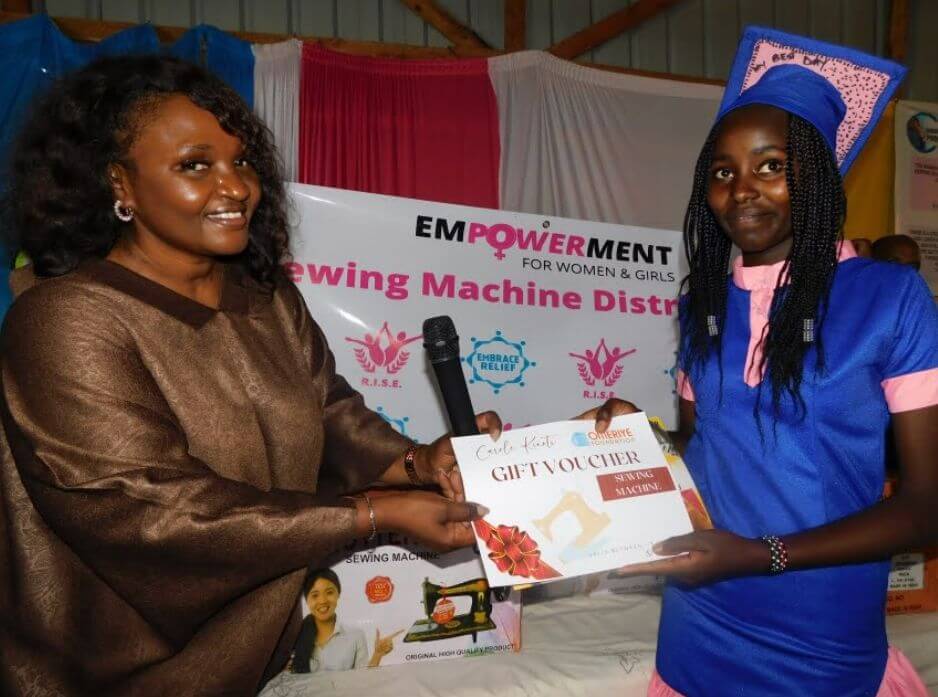
Embrace Relief’s K.E.E.N. (Kenya Entrepreneurial Empowerment Network) program continues this legacy by empowering women in Kenya through sewing. The program equips participants with sewing machines and comprehensive training in tailoring and entrepreneurship, enabling them to establish sustainable businesses.

Since its inception, the K.E.E.N. program has transformed the lives of 61 women. By teaching valuable skills and providing essential resources, it fosters financial independence, boosts confidence, and supports community development. Graduates of the program create garments, school uniforms, and other products, generating stable incomes to support their families.

A one-time donation of $110 provides a woman with the training and tools she needs to succeed, while $15 per month ensures the program can reach even more participants.

Your support is instrumental in helping women gain independence and reshape their futures. Empower women today by donating to the K.E.E.N. program. Together, we can stitch hope, opportunity, and success into the fabric of their lives.

For more information on Embrace Relief’s K.E.E.N. program, click here!
Donate for Women Empowerment

Donate For Women’s Empowerment

$
Donate Now

How Minecraft Education is Transforming Online Learning

Summary

  • Explore how Minecraft Education fosters creativity, teamwork, and problem-solving skills.
  • Learn about its effectiveness in boosting engagement and building digital literacy.
  • See how the L.E.A.R.N. program leverages online education to change lives.

What if education could be as engaging as your favorite video game? That’s exactly what Minecraft Education is accomplishing, turning traditional learning into an interactive, immersive experience that captivates students worldwide. Used in over 115 countries, this digital platform is reshaping how students learn by integrating project-based learning into a virtual world. The results are transformative, particularly in fostering engagement and essential skills like teamwork and problem-solving.

Studies underscore the platform’s impact. Research by New York University revealed that 89% of teachers using Minecraft Education observed increased student engagement, while 71% reported improvements in collaboration and critical thinking skills. These statistics are backed by a 2021 study from the International Journal of Child-Computer Interaction, which found that gamified learning environments like Minecraft improve students’ motivation and ability to tackle complex problems. For example, students can design sustainable cities, learn to code through its computer science curriculum, or even earn industry-recognized certifications. Such experiences prepare learners for an AI-powered economy, equipping them with skills to thrive in a competitive global workforce.

For schools in underserved areas, it can be a game-changer—students who once lacked access to quality education are now connecting with global learning communities. Programs like esports competitions and coding challenges further engage students, providing them with platforms to showcase their skills and compete on a global scale.

With Minecraft’s recent partnership to offer credentialing in computer science, students can now earn certifications that enhance their resumes and college applications. This makes Minecraft Education not just a tool for learning but a gateway to meaningful career opportunities in an AI-driven world.

Online Learning in Action: The L.E.A.R.N. Program

Online Learning in Action: The L.E.A.R.N. Program

While Minecraft Education exemplifies the potential of online learning, Embrace Relief’s L.E.A.R.N. (Learning and Education for Afghan girls’ Rights and Needs) program demonstrates how this potential translates into life-changing opportunities. L.E.A.R.N. provides Afghan girls with access to high school and college-level courses, helping them gain the skills needed to excel in today’s digital-first world.

Through the program, students study degrees like Computer Applications, enabling them to enter the IT workforce remotely. With 90% of IT jobs projected to allow remote work by 2025, according to a Global Workplace Analytics report, this training aligns perfectly with future opportunities.

For just $80 a month, you can sponsor a girl’s bachelor’s degree, covering tuition, mentorship, and a safe online learning environment. Your donation isn’t just about academics—it’s about empowering young women to break cycles of poverty, gain financial independence, and contribute to their communities.

Programs like L.E.A.R.N. show how innovative tools and accessible education can bridge gaps and create pathways to success. Whether it’s through platforms like Minecraft Education or life-changing initiatives like L.E.A.R.N., online education is more than a tool—it’s a catalyst for transformation.

For more information on the Embrace Relief L.E.A.R.N. program, click here.
Donate for Women Empowerment

Donate For Women’s Empowerment

$
Donate Now

Blankets of Care: How You Can Make Winter Easier for Orphaned Children

Summary

  • Orphaned children face extreme cold, lack of shelter, food, and education during winter.
  • Donate clothing, sponsor a child, support orphanage renovations, and fund education and medical care.
  • Embrace Relief helps orphaned children in Indonesia, Congo, Ghana, Colombia, and Uganda survive winter’s hardships.
  • Donate, sponsor, or contribute to give orphaned children a better future this winter.

Winter is often associated with joy, togetherness, and warmth for many, but for orphaned children, it brings a starkly different reality—one of immense struggle and hardship. These vulnerable children, lacking the comfort of a stable home or family support, face harsh conditions that put their health, safety, and overall well-being at risk. The absence of adequate shelter, warm clothing, and nutritious food leaves them particularly exposed to the unforgiving cold, making each night a daunting battle for survival. In countries with limited access to basic facilities and resources, these challenges are even more pronounced, amplifying their vulnerability during this already difficult season.

Embrace Relief’s Orphan Care program steps in to fill these gaps, working tirelessly to provide orphaned children with the care, resources, and support they need to endure and overcome the hardships of winter. Through dedicated efforts, they bring warmth and hope to children who need it most.

Hardships Faced by Orphaned Children in Winter

Winter amplifies the difficulties that orphaned children already endure, turning their daily struggles into life-threatening challenges. Without the protective shield of family support or reliable systems in place, they are left vulnerable to the elements and a host of other problems. This is especially true in regions where access to essential resources like proper housing, clothing, and healthcare is severely limited.

The biting cold of winter not only impacts their physical health but also worsens their emotional and psychological well-being. These harsh conditions can make survival an uphill battle, depriving orphaned children of basic needs and opportunities for growth. Below are some of the critical issues they face:

  • Lack of Shelter and Warmth: In countries with inadequate infrastructure, orphanages and shelters often lack proper insulation, heating, or even blankets to keep children warm during freezing nights. This leads to health problems, such as hypothermia or respiratory infections.
  • Inadequate Clothing: Many vulnerable children rely on second-hand or worn-out clothing, which is insufficient to protect them from the cold.
  • Poor Nutrition: Winter often limits access to nutritious food, exacerbating malnutrition and weakening the immune systems of these children.
  • Limited Access to Education: Harsh weather and a lack of facilities often prevent orphaned children from attending school, further impeding their early childhood development and access to education programs.

These challenges highlight the urgent need for intervention, especially in countries where basic needs for orphans remain unmet.

Ways to Support Orphaned Children This Winter

Even the smallest act of kindness can have a meaningful impact on the lives of orphaned children, especially during the harsh winter months. Here are some practical ways you can make a difference:

  • Donate Warm Clothing and Blankets: Participating in donation drives or directly contributing warm clothing, blankets, and shoes can protect children from the cold.
  • Sponsor an Orphan: Through child sponsorship programs, you can ensure a child has access to food, clothing, and shelter year-round.
  • Support Orphanage Renovations: Investing in improving orphanages—adding insulation, heating, or warm beds—can provide lasting relief.
  • Fund Access to Education: Donating for education ensures that orphaned children have access to schools, helping them break the cycle of poverty through early childhood education and skill development.
  • Provide Medical Insurance for Orphans: Contributing to health programs ensures that these children receive the care they need to survive the harsh conditions of winter.

By taking these steps, you not only provide warmth and comfort but also lay the foundation for a better future for orphaned children.

Ways to Support Orphaned Children This Winter

The Impact of Embrace Relief for Orphan children this winter

Embrace Relief’s Orphan Care program has been a beacon of hope for thousands of vulnerable children across the globe. Through its initiatives, Embrace Relief provides essential support in several countries like Indonesia, Congo, Ghana, Colombia, Uganda and Tanzania. Especially this winter Embrace relief support for these orphan children is a life saving experience .

Winter is a critical time to step up and support orphaned children who are most vulnerable during this season. Let’s ensure no child is left out in the cold. Visit our website today to donate to orphanages or sponsor an orphan, .

Together, we can be advocates for children and turn this winter into a season of care and compassion.

Donate For Ramadan Children’s Fund

Embrace Relief aims to provide 550 orphaned children with daily iftar and suhoor meals during Ramadan 2025.

$
International Hunger Relief Children's Fund

5 Early Signs of Cataracts You Shouldn’t Ignore

Cataracts are often described as a “silent thief” of vision, developing gradually and with subtle symptoms that are easy to overlook. Detecting cataracts early can significantly improve outcomes, as early intervention can help slow progression and, in many cases, restore vision through surgery. Here, we outline five early warning signs of cataracts you shouldn’t ignore and explain how Embrace Relief’s cataract program is helping people worldwide regain their sight.

1. Blurred or Cloudy Vision

Blurred vision is one of the earliest and most common signs of cataracts. You might feel like you’re looking through a foggy or frosted window, with details appearing less sharp. This symptom tends to start subtly, but it worsens over time as the cataract becomes denser.

Embrace Relief helps those affected by cataracts receive timely diagnosis and access to surgery, enabling them to regain clear vision and independence.

2. Sensitivity to Light and Glare

People with early-stage cataracts often experience heightened sensitivity to bright lights, particularly when outdoors or driving at night. Glare from headlights or sunlight may seem more intense, making it uncomfortable to navigate low-light situations. If you’re finding it increasingly difficult to tolerate bright lights or noticing glare more than usual, it may be a sign of early cataracts.

3. Difficulty Seeing at Night

Night vision can be especially challenging for those with cataracts. Low-light situations, such as evening gatherings or nighttime driving, may become difficult, with objects and surroundings appearing less defined. This symptom often progresses over time, eventually leading to a higher risk of falls or accidents.

By providing cataract surgeries, Embrace Relief helps individuals feel safe and confident navigating their environments, regardless of lighting conditions.

4. Colors Appear Faded or Yellowed

One lesser-known sign of cataracts is a gradual fading or yellowing of colors. You may notice that everyday colors don’t appear as vibrant, or they take on a yellowish tint. This change occurs because cataracts tend to filter out blue and violet light, making colors seem duller.

For those whose livelihoods or daily tasks rely on color perception, this symptom can be particularly challenging. Embrace Relief’s program restores the clarity and color in people’s vision, helping them return to their work and hobbies with full visual acuity.

5. Frequent Prescription Changes

If you find that you’re needing frequent adjustments to your eyeglass or contact lens prescription, it could be an early sign of cataracts. Unlike natural age-related vision changes, cataracts alter the way light enters the eye, causing refractive shifts that may make your vision feel unstable even with corrective lenses.

Embrace Relief’s cataract program offers surgeries that often reduce or eliminate the need for eyeglasses, improving patients’ quality of life by restoring their natural vision.

The Importance of Early Detection and Treatment

Cataracts often develop slowly, and many people ignore these early signs until their vision is significantly impaired. By recognizing these symptoms early and seeking professional eye care, you can help slow cataract progression or seek timely treatment. Cataract surgery is one of the most effective medical procedures, often resulting in nearly complete vision restoration.

Embrace Relief’s Cataract Program: Bringing Sight to Those in Need

In underserved regions such as Mali in West Africa, cataracts remain a leading cause of blindness simply because many people lack access to affordable treatment. Embrace Relief’s Cataract Program addresses this gap by providing free cataract surgeries to individuals who cannot afford them. To date, nearly 41,000 people in Mali have had their eyesight restored thanks to Embrace Relief and generous donors like you. By supporting this program, you’re helping individuals restore their vision, allowing them to work, learn, and fully participate in their communities.

How You Can Help

If you’re inspired to make a difference, consider these ways to support Embrace Relief’s cataract program:

  • Make a Donation: Every dollar helps fund surgeries for those in need.
  • Raise Awareness: Share this information with family and friends to spread the word.
  • Volunteer: Get involved by supporting Embrace Relief’s mission through local events or outreach efforts.

Final Thoughts

Cataracts are a treatable condition, but early detection is essential for optimal outcomes. By knowing the signs of cataracts, you can be proactive about your eye health or encourage others to seek care. Embrace Relief is dedicated to helping those who are unable to access cataract treatment, restoring not only their sight but also their hope for the future. Through your support, we can continue this life-changing work and help more people see the world with clarity and color.

How You Can Help: The Gift of Sight

A simple cataract surgery, which costs only $120, can transform a life. With your support, our Embrace Relief’s health clinics can provide these surgeries to those in need, giving them the gift of sight and the opportunity for a better future. Here’s how your donation can make a difference:

  • $120 Donation: Funds one complete cataract surgery, restoring sight to an individual in need.
  • $240 Donation: Supports two surgeries, doubling the impact.
  • $600 Donation: Helps five people regain their vision, enhancing their quality of life and ability to contribute to their communities.

Your donation can make a significant difference in the lives of those suffering from cataracts in Mali and Burkina Faso. For just $120, you can fund a cataract surgery and give someone the precious gift of sight.

Help us light up lives and drive away the darkness caused by cataracts. Donate now and be a part of this life-changing mission.

$

Eye Health Tips to Prevent Cataracts and Keep Your Vision Strong

Maintaining eye health is essential for a lifetime of clear vision. While some factors contributing to cataracts are beyond our control, like age and genetics, there are many ways to help prevent cataracts and keep your eyes healthy. Embrace Relief not only provides life-changing cataract surgeries but also promotes awareness of preventive care to help communities protect their vision. Here are some practical eye health tips to reduce your risk of cataracts and support good vision.

1. Wear Sunglasses to Protect Against UV Damage

Long-term exposure to the sun’s ultraviolet (UV) rays can increase the risk of cataracts. Wearing sunglasses with 100% UV protection shields your eyes from harmful rays, reducing the likelihood of cataract formation over time.

Choosing the Right Sunglasses

  • Look for glasses labeled with “100% UV protection” or “UV400.”
  • Wrap-around styles offer additional protection by blocking sunlight from the sides.
  • Embrace Relief encourages everyone to make UV protection a habit, especially in sunny regions where exposure is higher.

2. Eat a Nutrient-Rich Diet

A balanced diet rich in antioxidants, vitamins, and minerals can help protect your eyes from cataracts and other vision problems. Nutrients like vitamin C, vitamin E, and beta-carotene are known for their eye-health benefits.

Foods for Healthy Eyes

  • Leafy Greens: Spinach, kale, and collard greens are high in antioxidants that promote eye health.
  • Citrus Fruits: Oranges, lemons, and grapefruits provide vitamin C, which supports lens health.
  • Carrots and Sweet Potatoes: High in beta-carotene, these foods can help reduce the risk of cataracts.
  • Nuts and Seeds: Rich in vitamin E, almonds, sunflower seeds, and peanuts are great for eye protection.

Embrace Relief also works to make nutritional information accessible in underserved communities, helping people make dietary choices that benefit their eye health.

3. Avoid Smoking and Limit Alcohol Intake

Smoking and excessive alcohol consumption are major risk factors for cataracts and other vision problems. Smoking releases chemicals that can damage the eye’s lens, while excessive alcohol intake can increase oxidative stress in the body, speeding up cataract formation.

Benefits of Quitting Smoking

  • Reduces the risk of cataracts, macular degeneration, and other vision issues.
  • Protects your lungs, heart, and overall well-being, which are all essential for long-term health.

Through its outreach programs, Embrace Relief helps raise awareness about the importance of avoiding harmful habits for better eye and overall health.

4. Get Regular Eye Exams

Routine eye exams are one of the best ways to monitor eye health and catch any early signs of cataracts or other vision issues. Many eye conditions, including cataracts, progress slowly, so regular check-ups can help you stay ahead of problems and seek treatment early.

How Often to Get an Eye Exam

  • Under 40: Every 2-4 years
  • Ages 40-64: Every 2-3 years
  • Over 65: Every 1-2 years

In underserved communities, Embrace Relief works to make vision care accessible and affordable, providing individuals with vital eye health resources.

5. Practice Eye Safety in Hazardous Environments

If you work in environments where your eyes are exposed to dust, chemicals, or other hazards, wearing protective eyewear is essential. Physical injuries and exposure to harmful substances can contribute to cataracts and other eye issues over time.

Eye Safety Tips

  • Wear safety goggles when working with chemicals or tools.
  • Use face shields or protective glasses in dusty or debris-filled environments.
  • Encourage eye protection as a standard in workplaces where eye injuries are a risk.

Embrace Relief encourages both preventative care and protective measures, especially in occupational settings where injuries are more common.

6. Manage Health Conditions that Increase Cataract Risk

Conditions like diabetes, high blood pressure, and obesity can increase the risk of cataracts. Maintaining overall health through diet, exercise, and medical care can reduce the impact of these conditions on your vision.

Tips for Managing Health

  • Regular exercise and a balanced diet help regulate blood sugar and blood pressure levels.
  • Staying hydrated and managing stress contribute to overall health.
  • Regular medical check-ups for conditions like diabetes ensure you’re aware of any impact on your eye health.

Embrace Relief also promotes education on general health and wellness in the communities it serves, emphasizing the connection between overall health and eye health.

Embrace Relief’s Vision Care Initiatives: Helping Communities Protect Their Sight

Beyond cataract surgeries, Embrace Relief is committed to spreading awareness about eye health. In many underserved areas, access to information on preventive eye care is limited. Embrace Relief addresses this gap by providing resources, education, and support to help communities protect their vision and avoid preventable conditions like cataracts.

How You Can Support Embrace Relief’s Efforts

Embrace Relief’s Cure Cataract program operates primarily in Mali, West Africa, and has provided nearly 41,000 cataract surgeries for people in need since 2015. Embrace Relief’s mission is to ensure that no one suffers from preventable eyesight loss, even if they are unable to afford an eye surgery. By supporting the Cure Cataract program, you’re helping provide cataract surgeries and spread vital eye health information to those who need them. Here’s how you can get involved:

  • Donate: Contributions directly fund cataract surgeries and educational outreach programs. Click here to learn more!
  • Share Information: Spread awareness by sharing Embrace Relief’s resources on eye health.

Final Thoughts

Taking steps to protect your eye health can significantly reduce your risk of cataracts and preserve your vision for years to come. Embrace Relief’s initiatives empower individuals to care for their eyes and support those in need of treatment. By following these preventive tips and supporting global vision care efforts, we can help create a world where clear vision is accessible to everyone.

How You Can Help: The Gift of Sight

A simple cataract surgery, which costs only $120, can transform a life. With your support, our Embrace Relief’s health clinics can provide these surgeries to those in need, giving them the gift of sight and the opportunity for a better future. Here’s how your donation can make a difference:

  • $120 Donation: Funds one complete cataract surgery, restoring sight to an individual in need.
  • $240 Donation: Supports two surgeries, doubling the impact.
  • $600 Donation: Helps five people regain their vision, enhancing their quality of life and ability to contribute to their communities.

Your donation can make a significant difference in the lives of those suffering from cataracts in Mali and Burkina Faso. For just $120, you can fund a cataract surgery and give someone the precious gift of sight.

Help us light up lives and drive away the darkness caused by cataracts. Donate now and be a part of this life-changing mission.

$