Recent

How Long Do Cataracts Take to Cause Blindness?

Summary

  • Cataracts progress slowly but can cause complete blindness if untreated.
  • A 15-minute cataract surgery can fully restore vision.
  • Embrace Relief has performed 42,000+ free surgeries in Mali since 2013.
  • Donate $120 today to help someone in Mali regain their sight and independence.

Cataracts develop gradually over time, clouding the lens of the eye and leading to blurred or dim vision. They are one of the most common causes of vision loss worldwide especially among older adults. However, cataract-related blindness is preventable with early diagnosis and timely surgery.

While cataracts don’t cause sudden blindness, they progress slowly, sometimes over years. Without treatment, the clouding can become so dense that it completely blocks light from reaching the retina resulting in total loss of sight.

How Fast Do Cataracts Progress?

The rate of cataract progression varies widely depending on the cause and individual health factors.

  • Age-related cataracts may take several years, or even decades, to severely impact vision.
  • Congenital or secondary cataracts, caused by conditions like diabetes, injuries, or medication side effects, can progress much faster.
  • Environmental factors such as UV exposure, poor diet, and lack of eye care can accelerate the process.

In many developing regions, where medical care is limited, people often live for years with untreated cataracts until blindness becomes complete.

The Good News

Cataract-related blindness is not permanent. A simple 15-minute surgery can remove the cloudy lens and restore vision almost instantly.
The procedure is safe, effective, and affordable especially through charitable medical programs like Embrace Relief’s Cataract Program in Africa.

Free Cataract Surgeries in Africa: Restoring Vision and Hope

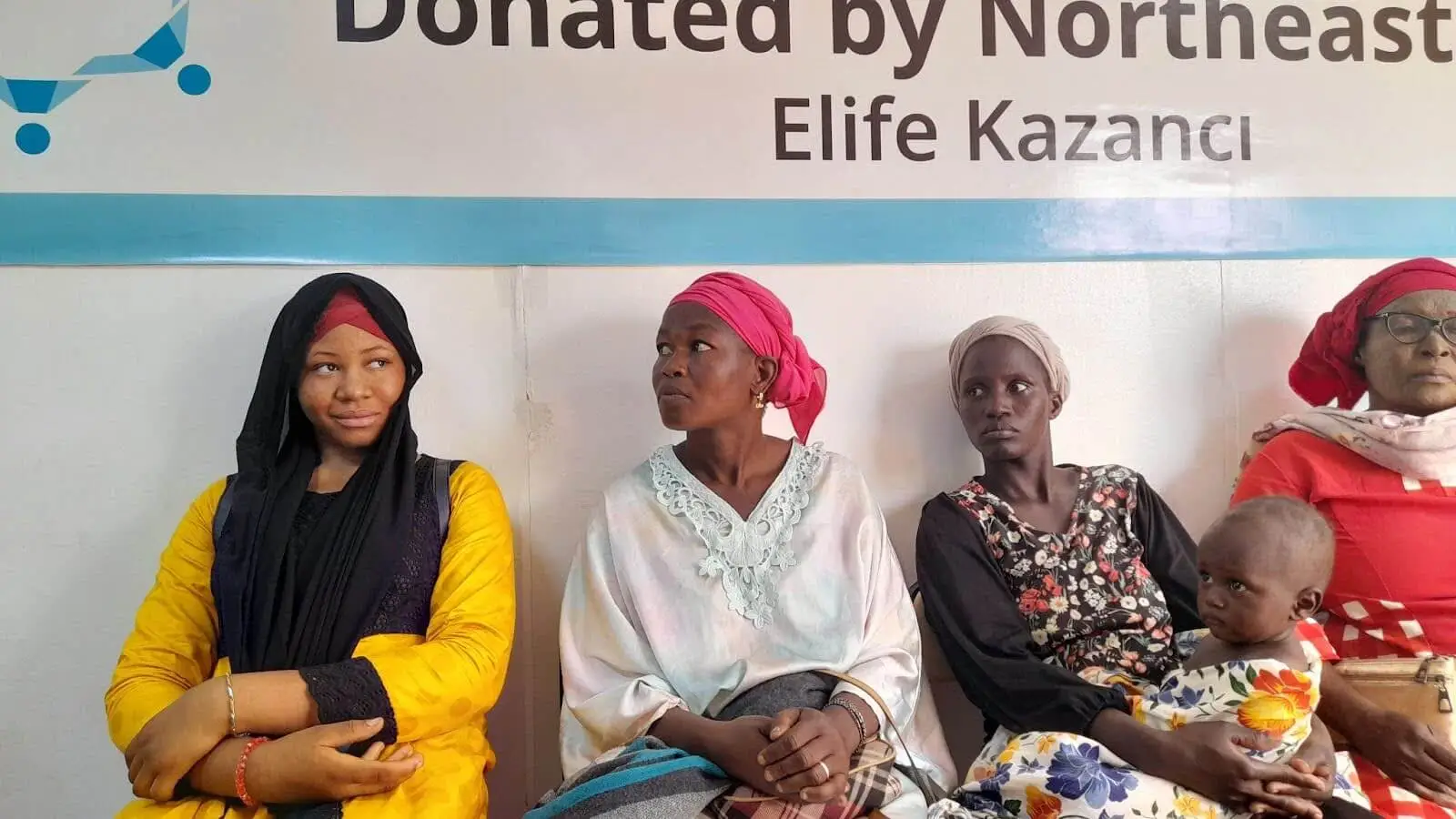
In many parts of Africa, especially in Mali, thousands of people live in darkness because they cannot afford cataract surgery. Lack of access to healthcare, poverty, and limited eye specialists make preventable blindness a growing crisis.

Since 2013, Embrace Relief’s Cataract Program in Africa has been transforming lives by providing free cataract surgeries to those in need. With over 42,000 surgeries performed, Embrace Relief has helped restore sight, independence, and dignity to individuals who had lost hope.

Through this charitable cataract donation program, Embrace Relief partners with local doctors and mobile clinics to reach remote villages offering not just surgeries, but also screening, post-operative care, and community education.

Each 15-minute cataract surgery costs only $120, yet it changes a life forever. By donating, you help bring light back to people’s eyes and futures across Mali and other regions of Africa.

Embrace Relief’s strategy ensures every patient receives comprehensive care:

  • Awareness & Screening: Identifying cataract cases through mobile clinics and community outreach.
  • 15-Minute Surgery: Performed by qualified ophthalmologists using modern techniques.
  • Post-Surgery Care: Follow-ups at days 1, 4, 7, 15, and 30 ensure full recovery.

This holistic approach removes barriers like cost, distance, and misinformation helping the most vulnerable regain their sight. With your help, Embrace Relief can close the gap between the thousands waiting for surgery and the limited resources available.

Join the Mission: Give the Gift of Sight

Cataracts may take years to cause blindness but it only takes minutes to cure them.
By donating to Embrace Relief’s Cataract Program, you’re helping people in Mali see again, work again, and live again.

Donate today — $120 changes a life forever.

How Does Foster Care Work in the USA?

Summary

  • Foster care in the U.S. provides safe, family-like homes for vulnerable children.
  • Orphaned children in America are cared for through fostering or adoption.
  • Millions of children worldwide still rely on orphanages for basic care and education.
  • Embrace Relief’s Orphan Care Program supports orphaned children across Africa and Asia with food, shelter, and education.

In the United States, foster care is a system designed to provide a safe, temporary home for children who cannot live with their biological families due to abuse, neglect, or unsafe living conditions. Its goal is to protect and nurture children while supporting families in resolving issues to reunite whenever possible.

When reunification isn’t possible, foster care helps children find a permanent, loving home through adoption — ensuring that every child has a chance at stability and belonging.

How the Foster Care System Works

When a child enters the foster care system, local child welfare agencies assess their situation and place them in a suitable foster home. Foster parents go through background checks, training, and ongoing support to ensure the child’s safety and well-being.

The main types of foster care placements include:

  • Kinship Care: Placement with relatives or family friends.
  • Traditional Foster Care: Placement with licensed foster parents.
  • Therapeutic or Specialized Care: For children with emotional or medical needs.
  • Group Homes or Residential Care: When individual placements are not available.

Throughout the process, social workers provide case management, resources, and regular home visits to ensure the child’s well-being. The ultimate goal remains long-term stability, whether through reunification with family or adoption into a permanent home.

Orphaned Children and Fostering in the USA

The concept of “orphanages” as we once knew them no longer exists in the United States. Instead, children without parents or a safe home are placed in the foster care system, where they can live in a family-like setting.

While orphaned children in the U.S. benefit from structured foster care programs, millions of children in developing countries still depend on community-based orphanages and orphan care programs for survival.

This global contrast emphasizes the importance of international orphan support, ensuring that every child — no matter where they are born — has access to safety, love, education, and opportunity.

The Importance of Emotional and Educational Support

Beyond food and shelter, emotional security and education are critical to a child’s healthy development. Foster children often face trauma, interrupted schooling, and feelings of isolation. Programs that focus on mental health, tutoring, and mentoring play a vital role in helping them rebuild trust and confidence.

Every act of kindness from volunteering to donating school supplies helps foster youth feel valued and supported.

Supporting Orphaned and Vulnerable Children Worldwide

While the U.S. has a structured foster care system, millions of orphaned and vulnerable children around the world still struggle without access to safe housing, food, education, or healthcare.

That’s why Embrace Relief’s Orphan Care Program provides comprehensive support for children in Africa and Asia, ensuring they grow up in safe environments with hope and opportunity.

Every child whether in the U.S. foster care system or an orphanage overseas deserves love, safety, and opportunity.You can be part of this change today.
Join Embrace Relief’s Orphan Care Program and give vulnerable children around the world a chance to thrive.

Fighting Water Pollution in the USA vs. Fighting for Clean Water in Africa

Summary

  • Water pollution in the U.S. sparks outrage and fear, but few truly face life without clean water.
  • Across Africa, millions still drink from contaminated rivers and ponds.
  • Embrace Relief’s Clean Water Initiative builds wells that bring life-changing access to safe drinking water.
  • Since 2013, over 1,100 wells have been built or restored in Chad, Nigeria, Kenya, Uganda, and Cameroon.
  • Each well serves entire communities, improving health, education, and opportunity for over one million people.
  • The fight for clean water isn’t just about pollution it’s about survival, dignity, and hope.

In the U.S, water pollution has become a national concern, frequently making headlines. From the lead-contaminated water crisis in Flint, Michigan, to devastating chemical spills in West Virginia, and the widespread contamination from PFAS, often called “forever chemicals” affecting dozens of states, Americans are increasingly questioning the safety of their most essential resource.

These incidents highlight not only the failures of outdated infrastructure but also the lack of consistent oversight and enforcement of environmental regulations.

Many families have turned to bottled water or expensive filtration systems, unsure whether the water flowing from their taps is truly safe to drink, this growing mistrust reflects a deeper environmental health issues, corporate responsibility, and the unequal burden pollution places on vulnerable communities.

We install filters, buy bottled water, and debate environmental policies. We fear contamination but we rarely face complete absence. This isn’t about having no water, but about whether the water we have is pure enough. A whole industry thrives on this fear, companies sell us filters that promise safety and purity, yet they also build dependency. Most filtration systems now operate on a kind of subscription model: cartridges and membranes must be replaced every few months, or else the guarantee of “clean water” expires.

What began as a solution to pollution has become a recurring purchase cycle, a ritual of maintenance that mirrors the broader commodification of basic needs. Even our efforts to protect ourselves from environmental decay are folded back into consumerism, cleanliness as a service, and purity on autopay.

We fear what’s in our glass.

Now imagine walking for miles every morning to collect a bucket of muddy water from a river shared with livestock. The sun beats you down, the path is uneven, your feet ache from yesterday’s trip. The water you bring home is brown and heavy with silt and bacteria, but it’s all you have. Drinking it might make you or your child sick, yet the choice isn’t between clean and dirty, but between dirty and none.

That’s the reality for millions across Africa. Here, water pollution doesn’t mean “unsafe tap water,” but the total absence of infrastructure, no pipes, no purification, and no reliable wells. It means hours lost fetching water instead of learning or working, and illnesses like cholera and dysentery that steal futures before they begin.

Water scarcity isn’t an inconvenience; it’s a quiet emergency that shapes every part of life.

Embrace Relief’s Clean Water Initiative: Turning Despair into Hope

Where most see an impossible challenge, Embrace Relief saw a mission.

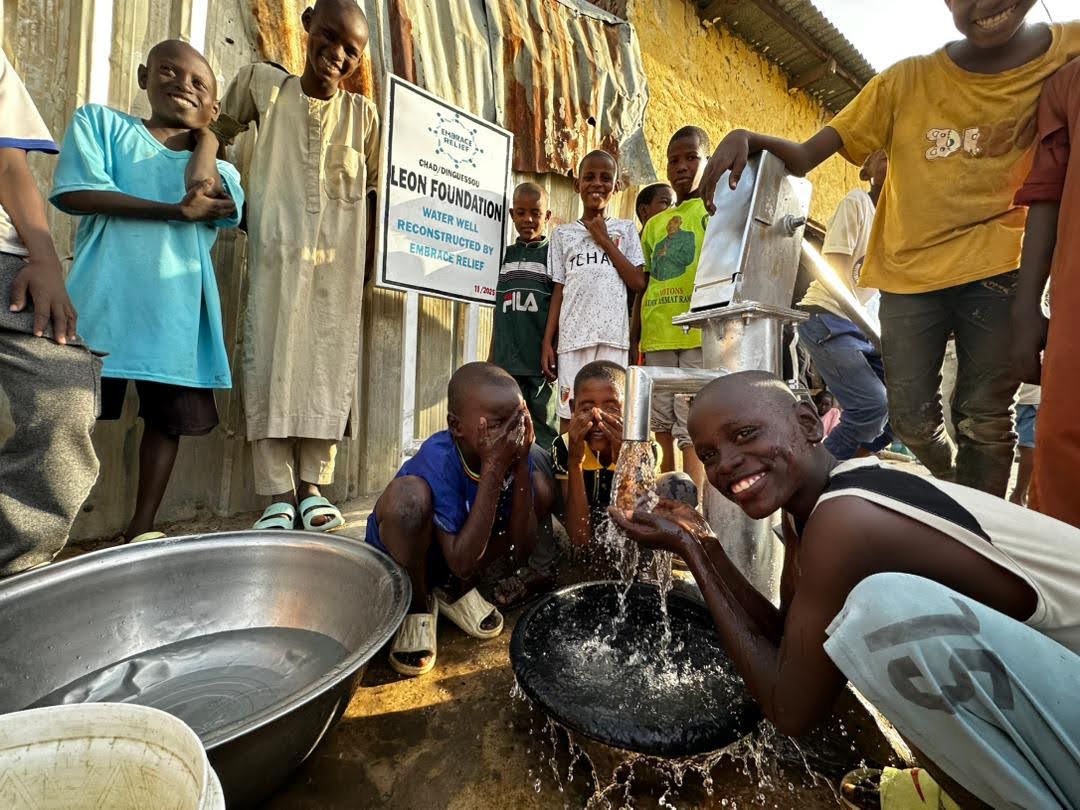
Since 2013, their Clean Water Initiative has been transforming life across Africa by building, restoring, and maintaining sustainable water wells in regions where clean water was once unimaginable.

These wells are more than holes in the ground, they are lifelines. Each one brings reliable, drinkable water directly to villages that once depended on dirty, dangerous sources.

With every new well, Embrace Relief is rewriting the story of what it means to live with dignity, health, and hope.

Every well is carefully planned, constructed, and maintained with local involvement. This ensures not just immediate access to clean water, but long-term sustainability.

Each well:

  • Provides safe drinking water for 1,000+ people daily.
  • It is built with durable, low-maintenance materials suited to local climates.
  • Comes with a five-year warranty and annual checkups to guarantee longevity.
  • Includes a dedication plaque, symbolizing the connection between donors and the communities they help.

These aren’t temporary solutions, they’re permanent transformations.

Clean water doesn’t just quench thirst, it ignites possibility. It restores health, brings children back to school, and gives families the strength to build a better tomorrow.

For more information on Embrace Relief’s Clean Water Initiative, click here!

Fun Ways to Involve Your Family in Holiday Giving

Summary

  • Create Meaningful Holiday Traditions That Give Back
  • Engage Children Through Hands-On Charitable Activities
  • Use Technology and Social Media to Amplify Your Giving Impact

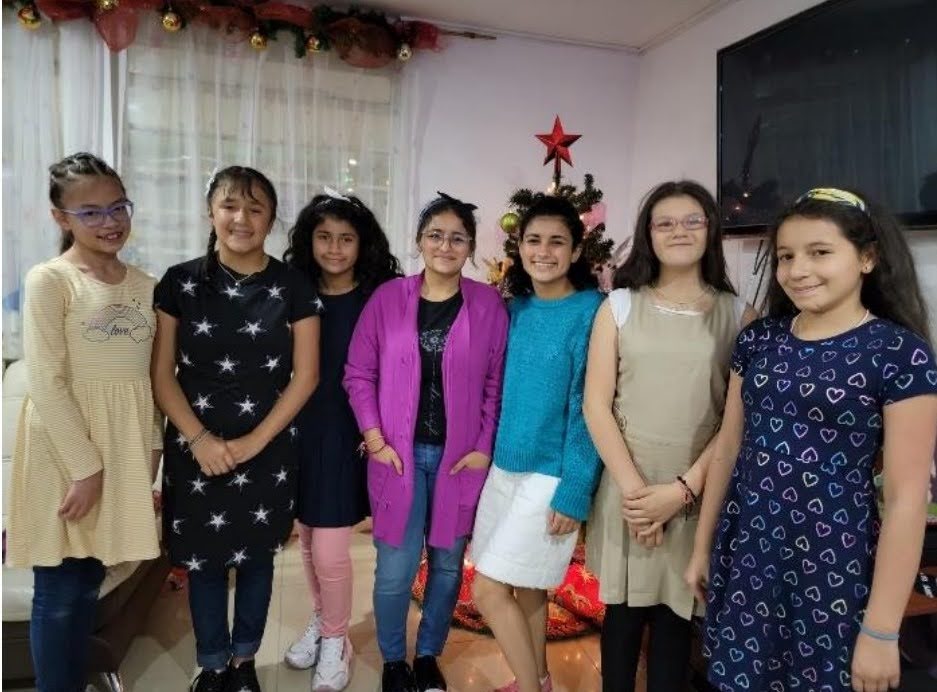
The holiday season gives families a perfect chance to teach kids about generosity while creating memories that matter. Through this blog we are guiding parents, grandparents, and caregivers who want to make giving back a fun part of their holiday traditions without the stress or overwhelm.

Our aim is to help you explore how to create meaningful holiday traditions that give back, turning your family’s celebration into something bigger than gift exchanges. You’ll discover hands-on charitable activities that get kids excited about helping others, plus simple ways to transform your regular holidays into acts of kindness that spread joy throughout your community.

Creating Meaningful Holiday Traditions

Holidays are about connection, reflection, and gratitude—and that makes them the perfect time to give back. Creating meaningful traditions as a family doesn’t have to be complicated. Start with small, intentional acts that make a lasting difference.

One beautiful way to give is through end of year giving. Many families use this time to support causes close to their hearts, such as clean water donation, cataract surgery sponsorship, or an orphan care program. Making this an annual tradition allows children to see the direct impact of generosity and understand that kindness can become a legacy.

Here are some simple ideas to start:

  • Dedicate one night during the holidays to talk about global challenges and choose one cause to support as a family.
  • Let each family member pick a charity and share why it’s meaningful to them.
  • Create a “giving jar” through the year, and at year’s end, donate the collected amount to your chosen cause.

By turning these actions into yearly habits, families not only help others but also strengthen their own bond through compassion and shared purpose.

Engaging Children Through Hands-On Charitable Activities

Children learn best through experience—and when giving becomes fun and interactive, it leaves a lifelong impression. Encourage your kids to participate in hands-on charitable activities that connect kindness with action.

Here are a few engaging ideas:

  • Host a mini fundraiser at home: Encourage kids to sell homemade crafts or baked goods, and donate the proceeds to a clean water donation project.
  • Create care packages together: Assemble hygiene kits, school supplies, or blankets for children in need—this helps them see how small efforts can make a big impact.
  • Sponsor a child or cataract surgery together: Show them real stories of lives changed through acts of giving. This brings the idea of compassion to life in a tangible way.

When children feel involved, they take pride in their contributions and develop empathy early on. By giving a hands-on experience, you’re helping them grow into compassionate adults who see giving not as an obligation but as a joyful act of humanity.

And by using digital sources or platforms, generosity can reach further than ever before. Families can use technology and social media to amplify their impact and inspire others to join their mission of kindness.

You can:

  • Share your family’s giving journey on social media to inspire your friends and community.
  • Set up a small online campaign to support year end donation drives for trusted organizations like Embrace Relief.
  • Use crowdfunding platforms to raise funds for a clean water donation or orphan care program.
  • Encourage older kids or teens to design simple awareness posts or videos that promote acts of kindness.

Technology helps your family’s story reach people around the world. Even a single post can inspire another family to take action—proving that small efforts, when shared, can lead to global change.

When giving becomes a family affair, the holidays transform from a season of receiving into a season of meaning. Whether it’s an end of year giving campaign, a cataract surgery sponsorship, or supporting an orphan care program, every act of kindness counts.

Visit Embrace Relief to explore how your year end donation can bring clean water to communities, restore sight through cataract surgery, and bring smiles to children through orphan care initiatives. Together, let’s make this holiday season one that truly gives back.

What Is the Best Thing to Donate to an Orphanage?

Summary

  • The best donation to an orphanage is education, a gift that lasts a lifetime.
  • Education empowers orphaned children to break the cycle of poverty.
  • Embrace Relief supports orphans in Africa with schooling, food, and care
  • You can change a child’s future by sponsoring their education today.

When people think about helping orphaned children, the first thought that often comes to mind is donating food, clothes, or toys. While these donations are always valuable and appreciated, the best thing to donate to an orphanage is something that lasts far longer, education and opportunity.

Education empowers orphaned and vulnerable children to break the cycle of poverty, build independence, and create brighter futures for themselves and their communities. Through Embrace Relief’s Orphan Care Program, you can transform a child’s life by supporting their education today.

Essential Donations for Orphanages

Orphanages and child-care centers around the world rely on donations to meet their daily needs. Some of the most important and impactful items you can donate include:

  • Nutritious food and clean water: To ensure healthy growth and prevent malnutrition.
  • Clothing and hygiene supplies: To maintain dignity, comfort, and good health.
  • Books, school supplies, and learning materials: To encourage learning and creativity.
  • Medical care and healthcare supplies: To protect children from preventable illnesses.
  • Financial support for education: To provide long-term, life-changing impact.

While food and clothing address immediate needs, education sponsorships create lasting impact. They empower orphaned children not just to survive — but to thrive.

Why Donating to Orphan Education Matters

Education gives children the tools to shape their own future. For orphaned children, who often grow up without family support, access to quality education is especially critical. It builds self-confidence, opens career opportunities, and helps them grow into independent, empowered adults.

Without education, many orphaned children face uncertain futures, limited job prospects, poverty, and continued vulnerability. By donating to orphan education, you’re giving a child not just knowledge — but hope, self-worth, and the chance to dream beyond survival.

Embrace Relief: Supporting Orphaned Children Through Education

Embrace Relief: Supporting Orphaned Children Through Education

At Embrace Relief, we believe that every child deserves love, care, and the opportunity to learn. Through our Orphan Care Program, we provide orphaned and vulnerable children with education, nutritious meals, safe housing, and healthcare across several African countries including Uganda, Kenya, the Democratic Republic of the Congo, and Ghana.

One inspiring example is Suhaib, a 16-year-old orphaned boy from Ghana. With the support of Embrace Relief’s donors, Suhaib is now attending school, studying hard, and pursuing his dream of becoming a pilot. His journey shows how education donations can truly transform lives giving hope, purpose, and a future to a child who once had none.

When you donate to education, you don’t just fund tuition — you’re investing in a child’s entire future.

Give the Gift of Education for orphaned children

The best donation you can make to an orphanage is one that builds a child’s future.

When you support Embrace Relief’s Orphan Care Program, your donation helps provide school fees, supplies, and other essentials that allow children like Suhaib to continue their education and reach their dreams.

Empower orphaned children with education, and be the reason they look forward to a brighter tomorrow. Donate Now to Embrace Relief’s Orphan Education Program

300 Free Cataract Surgeries for Kadiolo, Mali

Summary

  • 300 free cataract surgeries planned in Kadiolo, Mali, from October–December 2025.
  • $120 can restore sight and transform a person’s life forever.
  • Over 42,000 surgeries performed by Embrace Relief in Mali since 2013.
  • 15-minute surgery can bring back vision, dignity, and hope.

Imagine living in darkness — unable to see your loved ones, earn a living, or even walk safely through your village. For thousands in Mali, this isn’t imagination — it’s daily reality.

In the Kadiolo region, about 400 kilometers from Mali’s capital, Bamako, vision loss caused by cataracts is widespread. The area is home to over 345,000 people, including more than 50,000 adults aged 50 and above, the age group most at risk of cataract-related blindness.

Many residents live in remote rural communities with limited access to medical facilities or qualified ophthalmologists. As a result, what could be cured with a simple 15-minute cataract surgery often leads to years of unnecessary blindness.

For more than a decade, Embrace Relief has been at the forefront of this humanitarian fight — bringing sight back to those who thought they would never see again. Now, the organization is returning to Kadiolo in 2025 with one clear goal: restoring vision to 300 people before year’s end.

300 Free Cataract Surgeries A Mission of Hope

Between October and December 2025, Embrace Relief’s dedicated medical teams will conduct 300 free cataract surgeries in the Kadiolo Circle.

Each operation takes just 15 minutes but transforms a life forever. For many, blindness means the loss of independence, livelihood, and self-confidence. But with one successful surgery — and the generosity of donors — that same person can return to work, care for their family, and live with dignity.

Your $120 donation can give someone in Kadiolo a second chance at life — one filled with light, purpose, and freedom.

Embrace Relief Approach to Restoring Vision

To ensure every patient receives the best possible care, Embrace Relief’s Cataract Program in Kadiolo follows a four-step approach:

  • Awareness & Outreach (Days 1–7): Community engagement through local education and radio broadcasts encourages early diagnosis and dispels myths about cataract treatment.
  • Screening & Diagnosis (Days 10–20): Mobile health units visit villages, providing free eye exams and identifying patients in need of surgery.
  • Surgery (Days 21–30): Expert ophthalmologists perform safe, 15-minute cataract surgeries in mobile surgical units, ensuring accessibility even in remote areas.
  • Post-Surgery Follow-Up: Patients receive complimentary medicine, check-ups, and recovery counseling to ensure full recovery.

Each month between October and December, this process will bring new light to the lives of 100 patients, completing our goal of 300 surgeries by year’s end.

Why Kadiolo Circle?

Why Kadiolo Circle?

Kadiolo is a region with great need — and even greater potential. With its 345,000 residents, including over 50,000 seniors, the community faces a high risk of cataract-related blindness.

According to local data:

  • 1,604 people in Kadiolo live with severe visual impairment.
  • 927 cases are caused directly by untreated cataracts.

These are not statistics — they are lives. Each number represents a parent, grandparent, or worker who could regain sight with a single surgery.

Restoring sight in Kadiolo is not just possible — it’s urgent. Every $120 donation makes it happen. A farmer can return to the fields. A grandmother can see her grandchildren again. A child can finally look into their parent’s eyes without fear.

When you support this campaign, you’re not just donating money, you’re giving someone the ability to see their family again, return to work, and live with confidence.

Your generosity will help us reach our goal of $36,000, enough to fund 300 life-changing cataract surgeries in Mali.

By supporting Embrace Relief’s Free Cataract Surgery Campaign in Kadiolo, you’re becoming part of a mission that restores vision, dignity, and hope.

Year-End Giving: Restoring Sight, Restoring Lives

Summary

  • Cataracts blind thousands in rural Mali.
  • Embrace Relief’s Mobile Health Clinic bring surgery to remote villages.
  • Restored sight transforms families and communities.
  • Year-end giving makes this life-changing work possible.

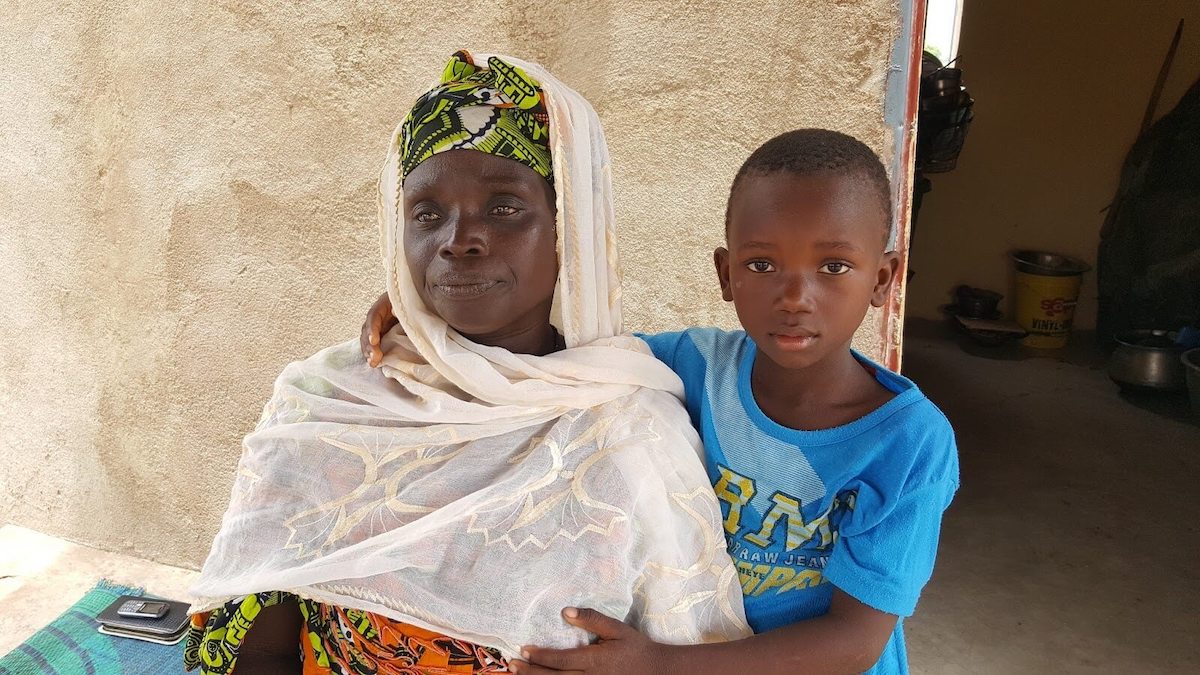
Thousands in rural Mali live with cataract blindness, unable to see their loved ones or work to support their families. Through Embrace Relief’s mobile health clinics, life-changing free cataract surgery is now reaching those remote villages that hospitals cannot serve — restoring sight, restoring lives, and restoring hope.

As the year comes to an end, many of us take time to reflect on the blessings we’ve received, the challenges we’ve overcome, and the ways we can give back. For thousands of people in Mali, however, the close of the year is just another day in darkness. Cataracts, a condition that clouds the eye’s lens, have taken away their ability to see. Cataracts blindness, though entirely treatable, locks people into cycles of poverty and dependence.

Imagine not being able to see your child’s face, till your fields, or move safely through your village. For people in rural Mali, this is a painful reality. Yet, thanks to Embrace Relief’s mobile cataract clinics, there is hope. With your support, we are not only restoring sight but also restoring dignity, independence, and opportunity.

The Challenge of Cataracts in Africa

Cataracts are the leading cause of blindness worldwide, and Africa bears a heavy burden. In Mali alone, tens of thousands of people are living without sight simply because they lack access to surgery. Cataracts do not discriminate; they affect mothers, fathers, grandparents, and even younger adults who need their vision to work and care for their families.

In rural areas, cataract blindness prevention faces major challenges. Hospitals are often located hundreds of kilometers away, and transportation is costly or nonexistent. For someone who is blind or nearly blind, making such a journey is nearly impossible. This is why so many people remain untreated, even though a short surgery could restore their vision completely.

Embrace Relief’s Mobile Health Clinic: Bringing Healing to Communities

Instead of asking patients to travel long distances, Embrace Relief brings the hospital directly to them. With the cooperation of local government officials, our mobile cataract clinic in Mali is designed to serve the most remote and underserved communities. Our process is both systematic and compassionate:

  • Selecting Communities – Working closely with local leaders, we identify areas where cataract blindness is widespread and access to care is nearly impossible.
  • Community Surveys – Our teams enter villages to meet families, explain the problem of cataracts, and build trust through education and awareness.
  • Screening – Villagers are examined for vision problems. Those diagnosed with cataracts are registered for treatment.
  • Surgery – Our mobile surgical units, equipped with everything needed for safe and effective procedures, allow us to perform surgeries right there in the community.

This community-centered approach ensures that the most vulnerable people, who would otherwise remain blind, receive the life-changing care they need.

Your Year-End Gift Can Restore Sight

At this time of year, many of us consider how we can make a meaningful impact. Supporting cataract surgery in Africa is one of the most powerful ways to change lives.

When you give, you are not just funding a medical procedure you are giving someone the gift of vision, independence, productivity, and dignity.

This year-end giving season, you have the opportunity to bring light back into their lives. Together, we can reach more villages, treat more patients, and continue to transform communities through sight.

Still or Sparkling? What Science Says About the Health Benefits of Carbonated Water

Summary

  • From sparkling to still, water comes in many forms. While carbonated water offers a fizzy twist, hydration ultimately depends on clean, accessible water. Embrace Relief is bridging the gap for millions by building sustainable water wells across Africa, bringing safe, life-changing water to those in need.

Is Carbonated Water Really Better Than Regular Water?

In today’s health-conscious world, people are always looking for better, more exciting ways to stay hydrated. For years, diet sodas were seen as a “healthier” alternative to regular soft drinks until we learned that artificial sweeteners and additives might not be as harmless as we thought.

Now, the latest hydration trend is carbonated water — a fizzy, sugar-free, and calorie-free option that promises refreshment without the guilt.

But this raises an important question: Is carbonated water actually better for you, or is regular water still the best way to hydrate?

Carbonated water, also known as sparkling water or seltzer, is simply water infused with carbon dioxide gas under pressure, giving it its signature bubbles. Some versions include added minerals or flavors, but most contain no sugar or calories. It provides the same hydration benefits as still water, and for many people, the fizz makes it more enjoyable which can help them drink more water overall.

When it comes to hydration and health, sparkling water vs still water makes little difference—both hydrate your body equally well. In fact, for many people, the fizz of sparkling water makes it more enjoyable, encouraging them to drink more and stay hydrated throughout the day.

While carbonated water is safe for most people, those with digestive sensitivities may experience slight bloating or gas. As with any drink, moderation is key.

Clean Water Is Health, That’s Where Embrace Relief comes in:

While some of us debate between sparkling or still water, millions of people around the world don’t have access to clean drinking water at all. In many parts of Africa, families are forced to drink from contaminated rivers or walk miles every day just to fill a jug of unsafe water.

Unsafe water leads to widespread illness and preventable deaths from diseases like cholera, typhoid, and diarrhea. Children miss school. Parents lose income. Hope dries up.

That’s why Embrace Relief is working to change this through its Clean Water Initiative — a program dedicated to building and maintaining water wells in remote African villages, bringing safe, sustainable water directly to the people who need it most.

Through its Clean Water Initiative, Embrace Relief builds and maintains water wells in remote African villages, bringing safe, healthy water directly to the people who need it most.

For just $3,500, one well can serve over 1,000 people, every single day.

Each well includes:

  • A five-year warranty
  • Annual maintenance checks
  • A custom dedication plaque
  • A full impact report with photos and updates

Since 2013, Embrace Relief has built or restored more than 1,100 wells across countries like Chad, Nigeria, Uganda, Kenya, and Cameroon, delivering clean water to over one million people.

These are not temporary fixes. They’re lifesaving infrastructure that:

  • Reduce waterborne diseases
  • Support farming and food security
  • Allow children to return to school
  • Free women from spending hours each day collecting water

When it comes to carbonated water vs regular water, the best choice depends on your preference — both can keep you hydrated and healthy. But what truly matters is having clean, safe water to drink at all.

While some enjoy the bubbles of sparkling water, others around the world are still fighting for their first sip of clean water. Through Embrace Relief’s Clean Water Initiative, you can help make that possible — one well, one community, and one life at a time.

For more information on Embrace Relief’s Clean Water Initiative, click here!