


Recent

From Orphaned Childhood to University Dreams: Bahati David’s Journey of Hope with Embrace Relief

Summary

  • Over 10 years of support for an orphaned child
  • From childhood hardship to higher education
  • Preparing for university in Computer Applications
  • Your support creates lifelong impact

Across the world, millions of orphaned children grow up facing uncertainty that no child should ever know. The loss of parents often brings with it hunger, lack of education, emotional trauma, and an uncertain future. In regions where resources are limited,especially across Africa,these challenges are even more severe. For many orphaned children, dreams of education and a successful future fade far too early.

Yet, when compassion is paired with commitment, lives can be transformed.

At Embrace Relief, the belief is clear: a child’s future should not be defined by loss, poverty, or circumstance. True change happens when children receive long-term support that nurtures education, health, confidence, and hope over many years.

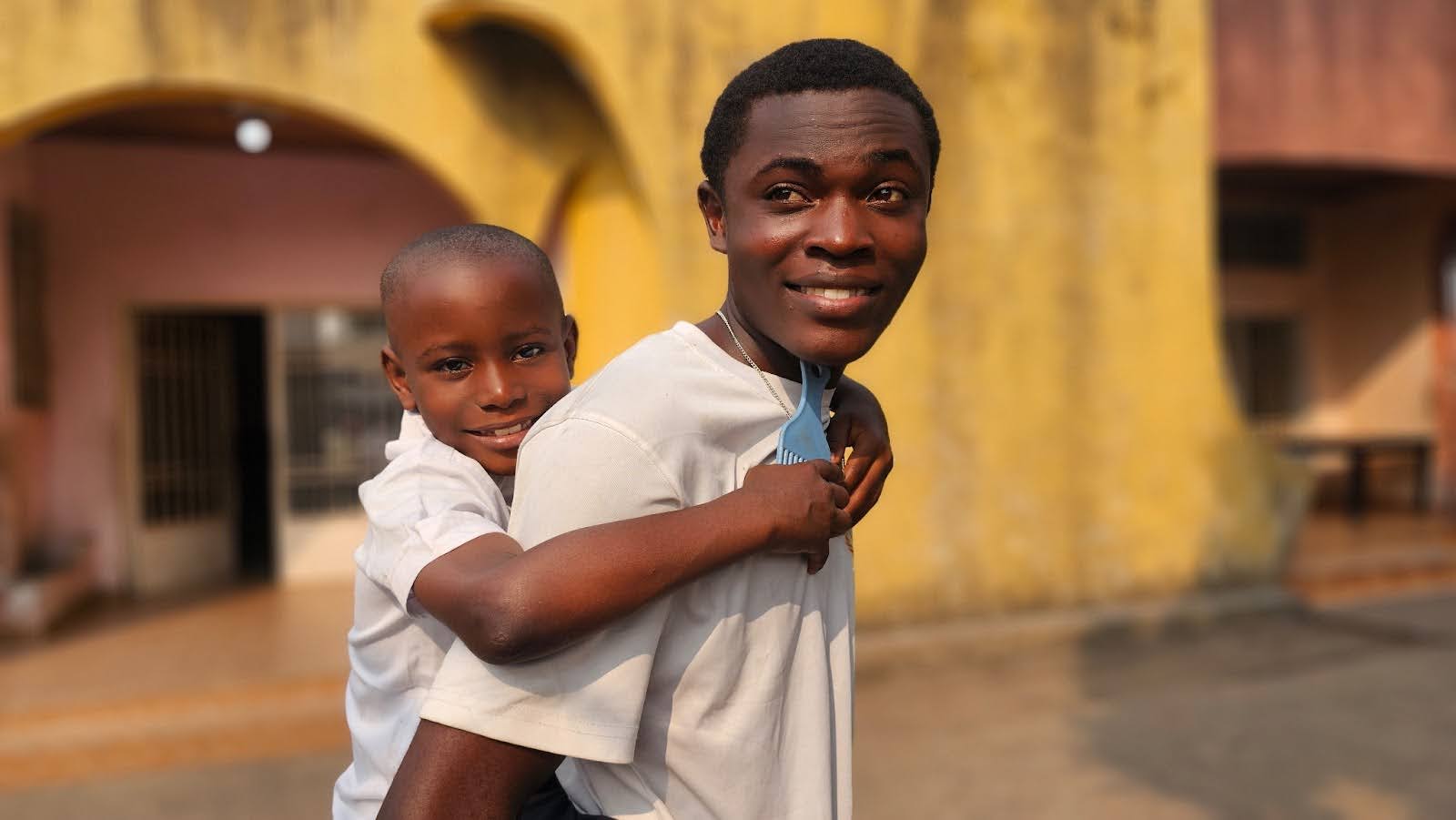
The story of Bahati David is a powerful example of this belief in action. His journey shows what is possible when an orphaned child is not abandoned after a single act of charity, but supported consistently on the long road toward success.

Bahati David: A Childhood Marked by Loss

Bahati David’s early life was shaped by hardship. Losing parental support at a young age left him vulnerable in an environment where survival often takes priority over education.

Like many orphaned children, his future once appeared uncertain and limited. Without access to stable schooling, proper care, and encouragement, Bahati faced the same risks that threaten millions of vulnerable children—school dropout, lifelong poverty, and lost potential.

But his story did not end there.

A Decade of Support That Changed Everything

More than ten years ago, Embrace Relief stepped into Bahati’s life, offering more than temporary assistance. What followed was a decade of consistent care, guidance, and belief in his potential.

Through Embrace Relief’s orphan support program, Bahati received:

  • Continuous access to education
  • School fees, uniforms, and learning materials
  • Basic needs including food and healthcare
  • Emotional support and encouragement to stay focused on his goals

This long-term commitment allowed Bahati to grow academically and personally. Instead of worrying about survival, he was able to focus on learning, developing skills, and dreaming of a brighter future.

Today, Bahati is in his final year of high school, a milestone that once seemed far out of reach.

Preparing for University: A Dream Within Reach

As Bahati approaches graduation, he stands at a life-changing moment. With continued support from Embrace Relief, he is preparing to begin university education, pursuing a degree in Computer Applications.

His passion for technology reflects more than personal ambition. Education in computer applications opens doors to innovation, problem-solving, and employment opportunities that can uplift families and communities.

For an orphaned child, reaching university is more than an academic achievement—it is a declaration of hope, resilience, and possibility. Embrace Relief continues to provide mentorship and support as Bahati prepares for higher education and the responsibilities of adulthood.

How Embrace Relief Supports Orphaned Children Toward Success

Bahati’s journey reflects Embrace Relief’s mission to provide holistic, long-term support for orphaned and vulnerable children around the world, with a strong focus on Africa.

A Pathway, Not a Handout

Embrace Relief believes that sustainable change requires more than short-term aid. Their programs are designed to walk with children through every stage of growth, offering:

  • Education sponsorship from primary school through higher education
  • Health and nutrition support to ensure physical well-being
  • Safe learning environments that foster confidence and stability
  • Mentorship and guidance that nurture leadership and purpose

This comprehensive approach ensures children are not left behind during critical moments of their development.

<

Why Long-Term Sponsorship Matters

Short-term charity can relieve immediate needs, but long-term sponsorship changes life trajectories.

Bahati’s success demonstrates the impact of sustained support. Because someone believed in him year after year, he stayed in school, developed confidence, and is now preparing for a professional future.

This is the difference between survival and success, and it is the difference donors make through consistent giving.

Bahati David’s journey is proof that hope, when nurtured over time, leads to transformation. But countless orphaned children are still waiting for their chance.

Your support can:

  • Keep a child in school
  • Help an orphaned student reach university
  • Provide stability, dignity, and opportunity
  • Turn hardship into lasting success

By supporting Embrace Relief’s orphan care programs, you become part of a child’s lifelong journey, from loss to learning, from struggle to success.

Stand with orphaned children. Invest in education. Help change a life one child at a time.

Together, we can ensure that no child’s future is defined by what they lost, but by what they are given the chance to become.

How to Sponsor a Free Cataract Surgery in Africa

Summary

  • Cataracts are a leading cause of preventable blindness across Africa
  • A $120 donation supports awareness, screenings, and one free cataract surgery in Mali
  • Cataract surgery restores vision, independence, and dignity in minutes
  • Embrace Relief has completed over 43,000 cataract surgeries in Africa

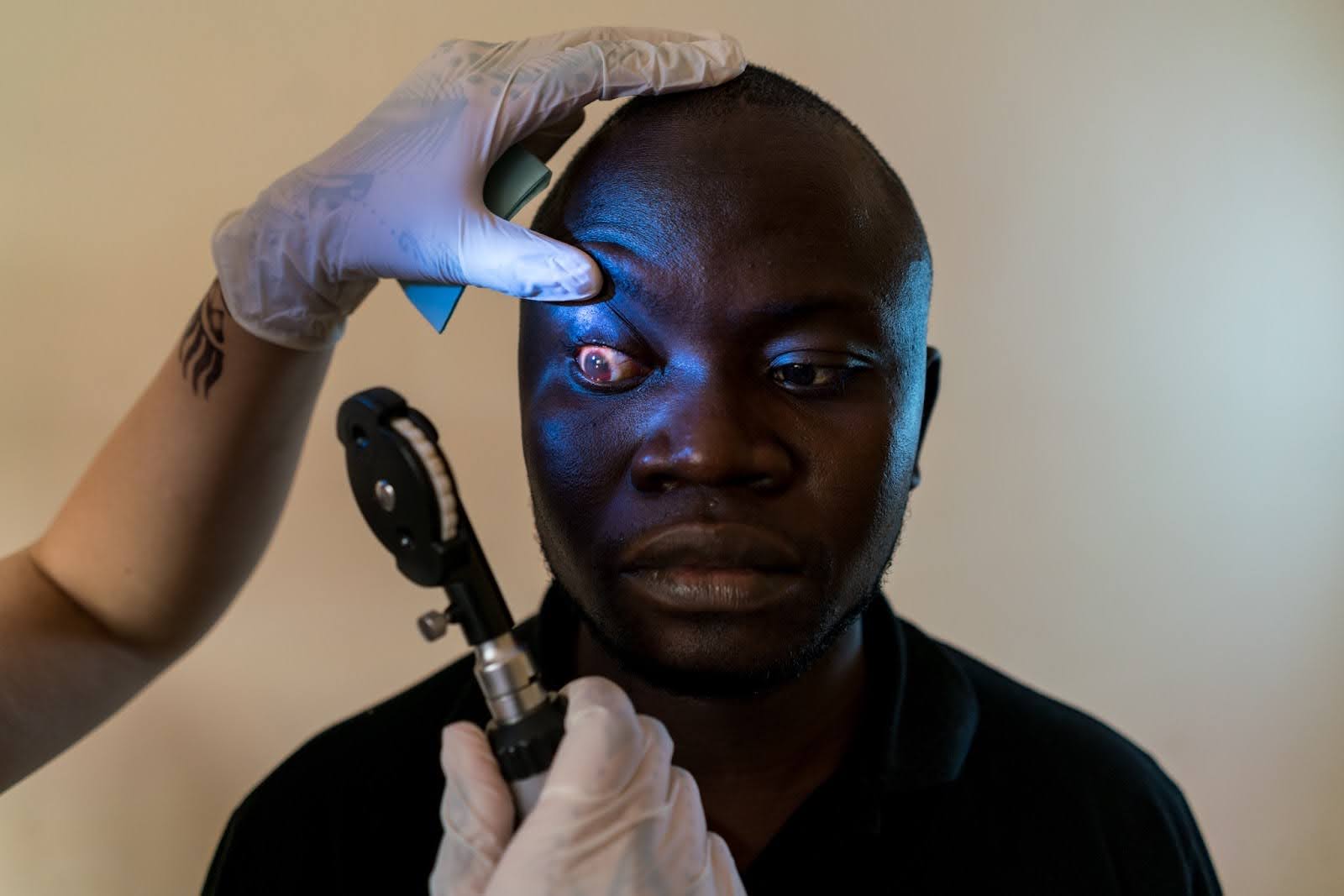
Across Africa, thousands of people are living with blindness caused by cataracts,a condition that is completely preventable and treatable. Cataracts remain one of the leading causes of avoidable blindness on the African continent, not because treatment does not exist, but because access to eye care services is extremely limited.

For people living in underserved African communities, losing sight often means losing independence, income, and dignity. Daily tasks such as walking safely, recognizing loved ones, or earning a living become impossible. Yet for many, restoring vision is achievable through a simple cataract operation.

The Need for Cataract Surgery in Africa

Cataracts occur when the eye’s natural lens becomes cloudy, gradually leading to vision loss and blindness. In many parts of Africa, people are unaware that their blindness can be cured. Limited healthcare facilities, lack of medical awareness, and poverty prevent individuals from accessing eye care services.

In rural regions especially, cataract patients often live for years without treatment. This not only affects individuals but places a heavy burden on families and communities. Expanding access to free cataract surgery in Africa is one of the most effective ways to reduce preventable blindness and improve quality of life.

Why Cataract Surgery Matters

Cataract surgery is one of the most successful and life-changing medical procedures available today. In a short procedure, patients can regain clear vision and return to normal life.

Restoring sight allows people to:

  • Return to work and support their families
  • Live independently without constant assistance
  • Reconnect socially and emotionally with their communities

For many patients in Africa, cataract surgery is not just medical treatment,it is a path out of isolation and poverty.

How You Can Sponsor a Cataract Surgery in Africa

Through Embrace Relief’s cataract surgery programs in Mali, Africa, donors can directly support sustainable and impactful eye care initiatives. A contribution of $120 helps fund an entire cycle of care, from awareness to treatment.

This support allows Embrace Relief to:

  • Conduct community awareness campaigns about cataract blindness in Africa
  • Screen approximately 15 people for eye conditions
  • Provide one free cataract surgery to a patient diagnosed with cataracts

This approach ensures that the most vulnerable individuals receive life-changing treatment at no cost.

Impact of Cataract Programs in Mali, Africa

Thanks to continued donor support, Embrace Relief has completed over 43,000 free cataract surgeries in Mali. These surgeries have restored sight to thousands of men and women who were once living in darkness.

Each operation represents more than restored vision,it represents renewed hope, dignity, and opportunity across African communities.

Help Restore Sight in Africa

Preventable blindness should not be a life sentence. Cataract surgery is safe, effective, and affordable when supported collectively.

By sponsoring a free cataract surgery in Africa, you are helping to:

  • Eliminate avoidable blindness
  • Strengthen families and communities
  • Support sustainable medical aid programs in Africa
Your donation can help someone see again,often for the first time in years.

How to Sponsor and Orphan in Africa

Summary

  • Millions of orphaned children in Africa need support for education, food, healthcare, and safe housing.
  • Orphan sponsorship provides long-term and short-term care to improve children’s lives.
  • Ramadan Iftar meals and holiday celebrations bring nourishment and joy to orphaned children.
  • A $1,800 yearly sponsorship through Embrace Relief ensures complete orphan care with regular updates.

Across Africa, millions of orphaned children face daily challenges such as food insecurity, lack of education, limited healthcare, and unsafe living conditions. Poverty, conflict, disease, and natural disasters have left many children without parental care or long-term support.

For compassionate individuals looking to sponsor an orphan in Africa, child sponsorship programs offer a powerful way to create lasting change and restore hope. Supporting orphaned children is more than a donation—it is a commitment to a child’s future, dignity, and well-being.

Why Sponsoring an Orphaned Child Matters

Orphan sponsorship directly impacts a child’s life by meeting their most essential needs. When you sponsor an orphaned child, you help provide:

  • Access to quality education
  • Nutritious daily meals
  • Medical care and health monitoring
  • Safe housing and protection
  • Emotional and social support

Well-structured orphan sponsorship programs focus on long-term development, ensuring children grow into healthy, educated, and independent adults.

Long-Term vs Short-Term Orphan Sponsorship Programs

Long-Term Orphan Sponsorship

Long-term sponsorship is designed to support a child throughout their developmental years. This type of sponsorship ensures stability and continuity in a child’s life by covering education, food, healthcare, and housing on a consistent basis.

Benefits of long-term orphan sponsorship:

  • Continuous education support
  • Stable access to food and healthcare
  • Emotional security and mentorship
  • Measurable progress over time

Short-Term Orphan Sponsorship

Short-term sponsorship focuses on immediate needs such as food aid, emergency healthcare, seasonal programs, or special occasions.

Examples of short-term support include:

  • Iftar meals during Ramadan
  • Holiday and celebration programs
  • Emergency relief for orphaned children

Both long-term and short-term sponsorships play a vital role in improving the lives of orphaned children.

Ramadan Children Fund: Providing Iftar Meals for Orphaned Children

During the holy month of Ramadan, Embrace Relief’s Ramadan Children Fund supports orphaned children by sponsoring nutritious Iftar meals across multiple countries. This initiative ensures that vulnerable children can break their fast with dignity and nourishment.

Countries Supported Through Ramadan Iftar Sponsorship

  • Ghana
  • Uganda
  • Congo
  • Kenya
  • Indonesia
  • Chad

Providing Iftar meals for orphaned children during Ramadan not only addresses hunger but also brings joy, inclusion, and a sense of community to children who often feel forgotten.

Christmas and Holiday Celebrations for Orphaned Children

Celebrations play a vital role in a child’s emotional and psychological well-being. Through holiday and celebration sponsorship programs, orphaned children are given the opportunity to experience happiness, gifts, festive meals, and communal joy.

Christmas and seasonal celebration sponsorships help:

  • Create positive childhood memories
  • Reduce feelings of isolation
  • Provide clothing, gifts, and special meals
  • Promote emotional healing and confidence

These programs remind orphaned children that they are valued and cared for.

Yearly Orphan Sponsorship Program: $1,800 That Changes a Life

With an annual contribution of $1,800, you can sponsor an orphaned child through the Embrace Relief Orphan Care Program. This comprehensive program ensures that each child receives holistic, long-term support.

What the Orphan Care Program Provides:

  • Education: School fees, uniforms, books, and learning materials
  • Food: Daily nutritious meals
  • Healthcare: Medical checkups, treatment, and health monitoring
  • Safe Home: Secure housing in a caring environment

This yearly orphan sponsorship empowers children with the tools they need to break the cycle of poverty.

Transparency and Communication With Sponsors

Embrace Relief values trust and accountability. Sponsors are kept informed and engaged through:

  • Regular child progress reports
  • Educational and health updates
  • Photos and written communication
  • Opportunities for online meetings
  • Physical visits to orphanages (where possible)

These updates allow sponsors to witness the real impact of their support and build a meaningful connection with the child they sponsor.

How You Can Make a Difference Today

Sponsoring an orphaned child is one of the most impactful ways to give. Whether you choose long-term sponsorship, Ramadan Iftar support, or celebration programs, your contribution directly transforms lives.

Join the Embrace Relief Orphan Care Sponsorship Program

By joining the Embrace Relief Orphan Care Sponsorship Program, you become a lifeline for a child in need—providing hope, stability, and opportunity for a brighter future.

Take action today. Sponsor an orphaned child and help build a future filled with education, health, and hope.

Cure Cataracts in Mali: One Year of Life-Changing Impact in 2025

Summary

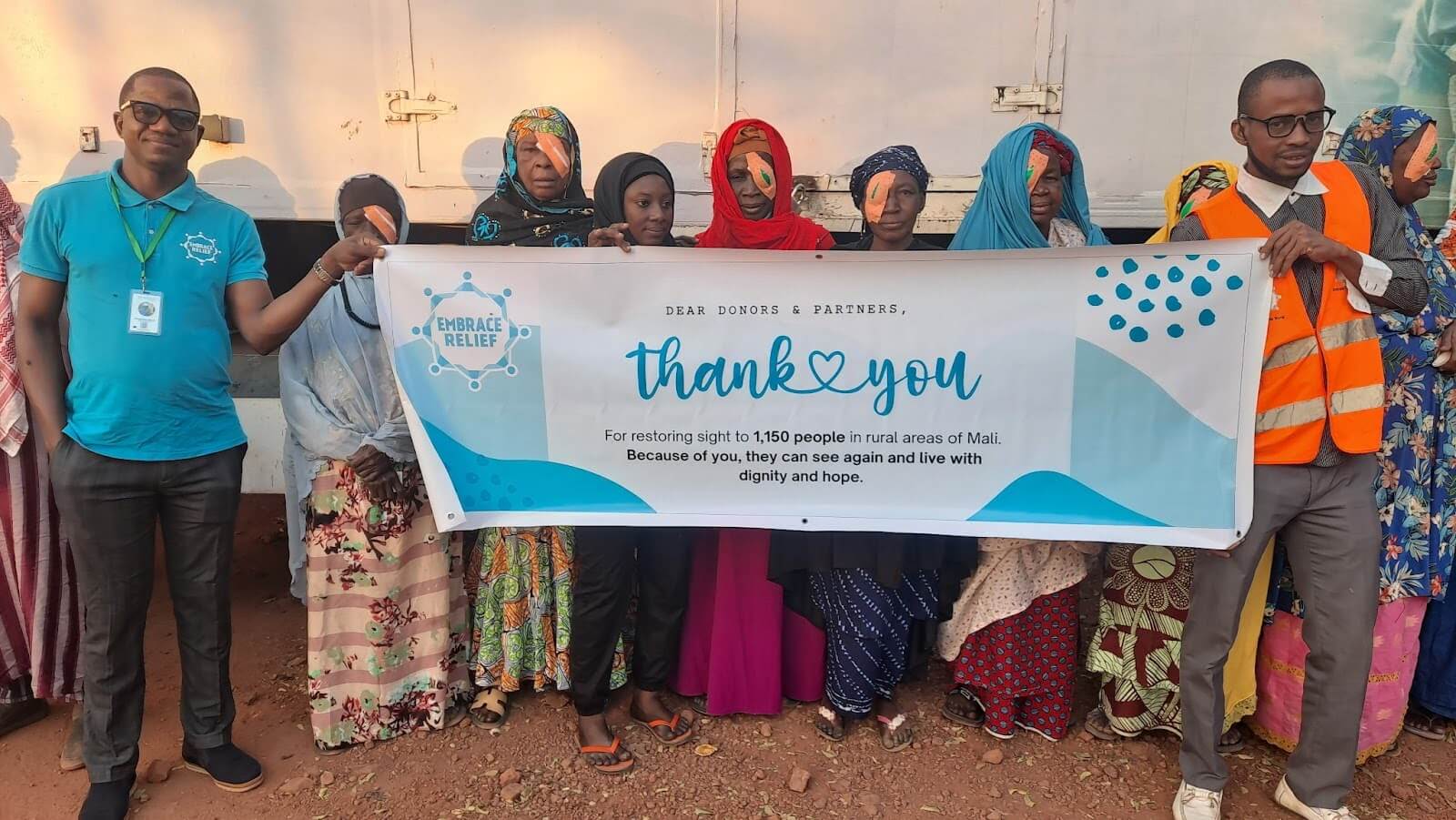
  • 1,150 free cataract surgeries performed in Mali in 2025, restoring sight and independence to vulnerable patients
  • 4,219 people screened across 20 rural and urban locations using a mobile clinic model
  • 96.3% vision improvement rate, exceeding World Health Organization quality standards
  • Targeting the most vulnerable, including elderly, women, and low-income communities lacking access to eye care

Cataracts are one of the leading causes of preventable blindness worldwide,and in Mali, they account for nearly 48% of all blindness cases. While cataract blindness can be cured through a simple surgical procedure, thousands of people across Mali continue to live in darkness due to poverty, distance, and lack of access to eye care.

In 2025, Embrace Relief launched a large-scale Free Cataract Screening and Surgery Program in Mali, marking a major step toward eliminating avoidable blindness in one of Africa’s most underserved countries. This blog highlights the results, impact, and lessons learned from one full year of cataract interventions.

Program Background: Why Cataract Care Is Urgent in Mali

Mali faces one of the highest burdens of blindness in Africa. Rural poverty, limited health infrastructure, and a severe shortage of ophthalmologists leave most cataract patients untreated.

While international health guidelines recommend 3,000–5,000 cataract surgeries per million people per year, Mali’s cataract surgery rate remains below 1,000, and more than half of people with operable cataracts receive no treatment at all.

Recognizing this urgent gap, Embrace Relief launched its cataract program in February 2025, alongside the establishment of its official country office in Mali. The program was designed to deliver free, accessible, and high-quality eye care to elderly individuals, women, and low-income households—particularly in rural and hard-to-reach communities.

2025 Cataract Program Goals

The program had two clear objectives for 2025:

  • Provide 3,600 free eye screenings to detect cataracts and other visual impairments
  • Perform 1,200 free cataract surgeries by December 2025

To achieve this, Embrace Relief implemented a monthly mobile clinic model, delivering approximately 400 consultations and 140 surgeries per month across multiple regions.

One Year of Results: Cataract Program Impact in 2025

Between April and December 2025, the cataract program achieved exceptional results, meeting or exceeding nearly all targets:

  • 36 screening sessions conducted (100% of target)
  • 4,219 patients screened (117% of target)
  • 1,172 cataract cases diagnosed (97.7% of target)
  • 1,150 successful cataract surgeries performed (95.8% of target)
  • 96.3% of patients reported improved vision after surgery

Services were delivered across 20 rural and urban locations, demonstrating the effectiveness of Embrace Relief’s mobile clinic approach in expanding access to eye care.

Reaching the Most Vulnerable Populations

Socio-economic surveys confirmed that the program successfully reached those most affected by poverty and exclusion:

  • 76.5% of patients had no formal education
  • 73% had unstable incomes
  • 91% lacked health insurance
  • 46% were unaware that cataracts are treatable

Nearly 70% of patients were living with severe vision loss or complete blindness before surgery, and over half had endured blindness for more than one year. Without mobile outreach, 73% reported they would not have accessed care at all.

These findings confirm that financial hardship and distance—not willingness,are the main barriers to cataract treatment in Mali.

Quality of Care and Surgical Outcomes

Post-operative results were assessed against WHO cataract surgery quality standards:

  • 87% achieved good visual acuity (≥ 6/18), exceeding the WHO minimum standard of 80%
  • 96% experienced improved vision
  • 88% reported no post-operative complications
  • 97.8% of patients were satisfied with their care

A small percentage experienced poor outcomes due to advanced disease or co-existing eye conditions, highlighting the need for earlier detection and improved refraction services. Future investments in biometric lens selection and refraction equipment are expected to further improve outcomes.

Impact Beyond Vision: Independence, Work, and Dignity

Restoring sight transformed lives far beyond medical outcomes:

  • 96% of patients returned to work
  • 93% regained independence within 30 days
  • 83% reported significant improvement in emotional well-being

Before surgery, 42% were fully dependent on others, and 21% struggled to move safely. After surgery, most patients resumed daily activities, regained livelihoods, and reconnected with their communities.

Looking Ahead: Cataract Care in 2026

In 2026, Embrace Relief Foundation plans to:

  • Deliver 1,800 cataract surgeries (150 per month)
  • Expand mobile outreach
  • Invest in clinical equipment and quality improvement
  • Construct a rural medical health center
  • Provide free medical care to internally displaced populations

The 2025 cataract program demonstrates that preventable blindness can be eliminated when care is free, mobile, and community-based. Through donor-supported cataract surgery, Embrace Relief,restored sight, independence, and dignity to over a thousand people in Mali,many of whom had lost hope of ever seeing again.

With continued support, this proven model can reach even more people and bring Mali closer to a future free from avoidable blindness.

Can Sadaqah Count as Your Zakat Payment?

As Ramadan approaches or the end of the year nears, many Muslims begin reflecting on their charitable responsibilities. Giving becomes more intentional, questions surface, and one common concern arises again and again: Can Sadaqah count as your Zakat payment?

At first glance, the two may seem similar. Both involve charity, generosity, and helping those in need. But while Sadaqah and Zakat are closely related, they are not the same—and understanding the difference is essential to fulfilling your obligations correctly.

In this blog, we’ll explain what Zakat and Sadaqah are, how they differ, when Sadaqah can or cannot count as Zakat, and how to give with clarity, confidence, and purpose.

Understanding Zakat: A Fixed Obligation

Zakat is not an optional charity. It is a mandatory act of worship and one of the core pillars of Islam. Every eligible Muslim is required to give Zakat once a year if their wealth exceeds a minimum threshold known as Nisab.

The purpose of Zakat is both spiritual and social. Spiritually, it purifies wealth and reminds believers that possessions are a trust, not ownership. Socially, it redistributes wealth to support those who are struggling.

Zakat is calculated at a fixed rate generally 2.5% on qualifying assets such as savings, investments, gold, silver, and business goods that have been held for a full lunar year.

Because Zakat is an obligation, it comes with specific rules about who can receive it, how it must be calculated, and when it must be paid.

What Is Sadaqah?

Sadaqah, on the other hand, is a voluntary charity. It is not bound by a minimum amount, a specific time, or a strict calculation.

Sadaqah can be given:

  • At any time
  • In any amount
  • To a wide range of causes
  • In many forms, including money, food, kindness, or service

Sadaqah reflects generosity from the heart. It can be spontaneous, ongoing, and deeply personal. Unlike Zakat, it is not restricted to certain recipients and does not require formal calculation.

This flexibility is what often causes confusion between Sadaqah and Zakat.

The Key Difference Between Zakat and Sadaqah

While both forms of giving are deeply valued, their intent and obligation are different.

Zakat is an act of duty.
Sadaqah is an act of choice.

Zakat must meet specific criteria.
Sadaqah has no formal conditions.

Zakat is owed annually by eligible individuals.
Sadaqah can be given anytime by anyone.

Because of these differences, Sadaqah does not automatically replace Zakat—even though both involve helping others.

So, Can Sadaqah Count as Zakat?

The short answer is: Only if certain conditions are met.

Sadaqah can count as Zakat only when:

  • You intend it as Zakat at the time of giving
  • The recipient is eligible to receive Zakat
  • The amount given fulfills your Zakat obligation</li>
  • The donation meets all Zakat rules

If these conditions are not met, then the donation remains Sadaqah and does not fulfill your Zakat duty, even if it was generous or given during Ramadan.

The Role of Intention (Niyyah)

One of the most important elements in answering this question is intention.

For a donation to count as Zakat, the intention must be clear at the time of giving. You cannot give Sadaqah first and later decide to count it as Zakat.

Intention transforms an action. Without the correct intention, a charitable act—no matter how meaningful remains voluntary charity and not an obligatory one.

This is why clarity before giving is essential.

Who Can Receive Zakat (and Why It Matters)

Zakat can only be given to specific categories of people defined in Islamic teachings. These generally include:

  • Those living in poverty
  • People struggling with debt
  • Individuals unable to meet basic needs
  • Certain humanitarian causes aligned with Zakat principles

Sadaqah, however, can be given to almost anyone including family members, friends, or community projects.

If you give Sadaqah to someone not eligible for Zakat, that donation cannot be reclassified as Zakat later.

Understanding the recipient is just as important as understanding the intention.

Common Situations That Cause Confusion

Many people assume their regular charitable habits automatically cover Zakat. This is where misunderstandings often occur.

For example:

  • Giving food to neighbors
  • Donating to general community projects
  • Supporting relatives financially
  • Contributing to causes without specifying intent

All of these are beautiful acts of Sadaqah but unless they were given with Zakat intention and to eligible recipients, they do not replace Zakat.

This doesn’t diminish their value; it simply means Zakat still needs to be paid separately.

Can You Give Sadaqah and Zakat Together?

Yes and this is often encouraged.

Many people choose to:

  • Pay their Zakat in full to eligible causes
  • Continue giving Sadaqah throughout the year

This approach ensures obligations are met while generosity remains ongoing.

Think of Zakat as the foundation and Sadaqah as the extension. One fulfills duty; the other reflects extra compassion.

Timing Matters: Zakat vs. Ongoing Charity

Zakat is due once your wealth has remained above the Nisab for a full lunar year. It should not be delayed unnecessarily.

Sadaqah has no deadline. It flows naturally throughout the year and often increases during Ramadan or times of crisis.

Giving Sadaqah regularly is highly recommended—but it should not replace timely Zakat payments.

Why This Distinction Is Important

Understanding whether Sadaqah can count as Zakat is not about legalism, it’s about fulfilling responsibility correctly.

Zakat is designed as a structured system of support for those most in need. Its guidelines ensure fairness, accountability, and consistency.

When Zakat is replaced incorrectly with Sadaqah, this system weakens, sometimes unintentionally leaving the most vulnerable unsupported.

Clarity protects both the giver and the recipient.

Giving with Confidence and Peace of Mind

Many charitable organizations now help donors clearly designate whether a donation is Zakat or Sadaqah. This transparency ensures funds are used appropriately and according to intention.

When giving:

  • Decide whether your donation is Zakat or Sadaqah
  • Clearly state your intention
  • Choose trusted platforms that respect both categories

This approach removes doubt and allows you to give with peace of mind.

A Practical Way to Think About It

A helpful way to remember the difference is this:

Zakat answers the question:
“What do I owe?”

Sadaqah answers the question:
“What more can I give?”

Both are acts of worship. Both are meaningful. But they serve different purposes and should not be confused.

Conclusion: Give Clearly, Give Correctly

So, can Sadaqah count as your Zakat payment?

Yes but only when it is given with the correct intention, to eligible recipients, and in accordance with Zakat rules.

Otherwise, it remains Sadaqah valuable, rewarded, and impactful but not a replacement for Zakat.

Understanding this distinction allows you to give with clarity, fulfill your obligations properly, and continue practicing generosity without confusion.

When charity is given with knowledge and intention, it brings not only relief to others but also peace to the heart of the giver.

Why Proper Nutrition Is Critical in Early Childhood Orphan Care

Summary

  • Proper nutrition supports healthy growth and brain development
  • Orphaned children face higher risks of hunger and malnutrition
  • Consistent meals improve immunity, learning, and emotional well-being
  • Hunger relief helps protect a child’s future and dignity

Early childhood is the most critical stage of human development. During these formative years, a child’s physical growth, brain development, immune strength, and emotional well-being depend heavily on proper nutrition.

For orphaned and vulnerable children, access to balanced, nutritious meals is often limited or inconsistent, placing them at serious risk of long-term health and developmental challenges.

Hunger in early childhood does not simply cause temporary discomfort — it can permanently affect learning ability, physical growth, and emotional stability. Ensuring proper nutrition in orphan care is not just about feeding children; it is about protecting their future.

The Impact of Malnutrition in Early Childhood

Malnutrition during early childhood can have long-lasting and often irreversible effects on a child’s physical, cognitive, and emotional development. When children do not receive adequate nutrition during these critical years, their bodies and minds are unable to develop as they should.

Orphaned children facing food insecurity are especially vulnerable to:

  • Stunted physical growth, limiting height, strength, and overall development
  • Weakened immune systems, making them more susceptible to infections and frequent illness
  • Delayed cognitive development, affecting memory, concentration, and learning ability
  • Emotional distress and behavioral challenges, often caused by chronic hunger and insecurity

Without consistent access to nutritious meals, children struggle to focus in learning environments, lack the energy to play and explore, and fall behind in key developmental milestones. For children without parental care or stable support systems, the effects of hunger are intensified, often leading to long-term disadvantages that extend well into adulthood.

Nutrition and Brain Development

The brain develops rapidly in early childhood. Essential nutrients such as proteins, vitamins, minerals, and healthy fats are vital for cognitive function, memory, and emotional regulation.

When children experience chronic hunger or poor nutrition, brain development can be impaired, leading to learning difficulties that last into adulthood. Proper meals during these years help children build the foundation needed for education, confidence, and independence.

Why Orphaned Children Face Greater Nutritional Risks

Orphaned children often rely entirely on external care systems for their most basic needs. Limited resources, unstable food supplies, and lack of nutritional diversity place them at much higher risk of undernourishment.

Without reliable access to healthy meals:

  • Growth milestones may be missed
  • Immunity remains weak
  • Learning and emotional development are compromised

Providing regular, balanced nutrition gives orphaned children the same opportunity for a healthy childhood as any other child.

Embrace Relief’s Orphan Care & Hunger Relief Program

Through its Orphan Care and Hunger Relief Program, Embrace Relief works to address food insecurity among orphaned children by providing consistent, nutritious meals in safe and caring environments.

The program focuses on:

  • Daily and monthly meal support
  • Nutritionally balanced food designed for early childhood development
  • Creating stable routines that promote physical and emotional security

By prioritizing nutrition, Embrace Relief helps ensure that orphaned children grow stronger, healthier, and more resilient.

Proper nutrition in early childhood can change the course of a life. Your support can help provide the meals orphaned children need to grow, learn, and thrive.

By supporting Embrace Relief’s Orphan Care Hunger Relief Program, you are not just feeding a child ,you are protecting their health, strengthening their future, and giving them hope.

Feed a child. Nourish a future. Make a lasting impact today.

From Darkness to Light: Massarna’s Journey to Sight

Summary

  • Free cataract surgery restoring sight and dignity
  • Mobile eye clinics reaching underserved communities
  • Preventable blindness treated through accessible care
  • Lives transformed through compassionate medical support

Preventable blindness continues to affect millions of people worldwide, especially in low-income and underserved communities. Cataracts are one of the leading causes of blindness, yet cataract surgery remains out of reach for many due to cost, distance, and lack of access to medical care.

For individuals living in poverty, vision loss often means losing independence, safety, and the ability to earn a living. Access to free eye care and cataract treatment can transform lives overnight.

This is the story of Massarna Diarra, a mother and small business owner whose life was changed through free cataract surgery provided by Embrace Relief in Mali.

Living With Cataracts: When Vision Slowly Disappears

Massarna’s vision loss began gradually. What started as a mild irritation developed into severe visual impairment. Faces became blurred, objects lost their shape, and daily tasks became increasingly difficult.

“Even from three meters away, I could no longer see people’s faces,” she recalls.

Despite her deteriorating eyesight, Massarna continued working as a clothes vendor, walking long distances daily to support her family. Like many people living with untreated cataracts, she pushed forward out of necessity.

The Physical and Emotional Toll of Vision Loss

As her cataracts worsened, Massarna’s blindness made everyday life dangerous. She was involved in multiple accidents, resulting in fractured limbs and long-term physical damage. Without access to affordable healthcare, her injuries healed poorly.

Eventually, her vision loss and physical limitations forced her to stop working entirely.

“I stayed at home doing nothing for nine months,” she says.
“My business had stopped completely.”

For people experiencing vision impairment, blindness often leads to social isolation, economic hardship, and emotional distress.

When Cataract Surgery Is Too Expensive Massarna sought help at a specialized eye hospital, where doctors confirmed she needed cataract surgery. However, the cost 80,000 FCFA per eye ,was impossible for her to afford.

“I kept the prescriptions at home for over a year,” she explains.
“I once went with very little money, and they sent me away.”

For many patients, the high cost of cataract surgery means permanent blindness,even though the condition is fully treatable.

Hope Through Free Eye Care

Everything changed when Massarna heard a radio announcement about a mobile cataract surgery campaign organized by Embrace Relief.

She went immediately.Doctors confirmed her cataracts could be treated, and she was enrolled in the program. The surgery was performed safely, quickly, and professionally.

“When the bandages were removed, I saw the world again,” she says.
“Before, I saw nothing. Now I can even count the stars in the sky.”

All services,eye screening, cataract surgery, medication, and follow-up care,were provided completely free of charge.

Embrace Relief’s Cataract Care Program in Mali

Through its Cataract Care Program, Embrace Relief Foundation provides free cataract surgeries and eye care services to people living in underserved regions. Using fully equipped mobile eye clinics, the program reaches individuals who would otherwise have no access to treatment.

By removing financial and geographic barriers, Embrace Relief helps prevent avoidable blindness and restores sight, dignity, and independence to those in need.

Programs like this demonstrate how medical charity work, free eye surgery, and community-based healthcare can create lasting impact.

A New Life With Restored Vision

Today, Massarna walks independently, recognizes faces, and has returned to selling clothes to support her family.

“Before, I couldn’t even recognize my daughter,” she says.
“Now I can see her clearly, even from far away.”

Her vision is restored. Her livelihood is back. Her confidence has returned.

“Without the Embrace Relief Foundation, I would still be blind,” she says.
“You gave me back my sight, my dignity, and my life.”

Massarna’s story is one of thousands. Preventable blindness continues to affect people who simply cannot afford care.

By supporting cataract surgery programs and free eye care initiatives, you can help restore vision, independence, and hope.

Join Embrace Relief,in the fight against preventable blindness.
Help bring light back into someone’s life ,one surgery at a time.

Making the Most of Ramadan When You Can’t Fast

For many Muslims, fasting during Ramadan is one of the most meaningful acts of worship. From dawn to sunset, the fast becomes a daily rhythm of discipline, reflection, and renewal. But what happens when you can’t fast?

Illness, pregnancy, breastfeeding, medical conditions, travel, or age can make fasting difficult or even harmful. For some, the inability to fast brings feelings of guilt, sadness, or a sense of missing out on the Ramadan experience.

Yet Ramadan is far more than abstaining from food and drink. Its essence lies in intention, faith, compassion, and self-control. Even when fasting isn’t possible, the spirit of Ramadan remains fully accessible.

This blog explores how to make the most of Ramadan when you can’t fast, offering reassurance, perspective, and meaningful ways to stay spiritually connected throughout the month.

Understanding Why Some People Can’t Fast

Islam recognizes that human ability varies. Fasting is a sacred obligation, but it is never meant to cause harm.

There are clear exemptions for those who cannot fast safely, including:

  • People with chronic or acute illnesses
  • Pregnant or breastfeeding women
  • Elderly individuals
  • Those taking essential medication
  • Travelers facing hardship

These exemptions are not loopholes; they are part of divine mercy. The purpose of fasting is spiritual growth not suffering.

Understanding this is the first step toward embracing Ramadan with peace rather than pressure.

Reframing What Ramadan Truly Is

When fasting becomes the sole focus of Ramadan, it’s easy to feel disconnected if you can’t participate physically. But fasting is only one expression of a much broader spiritual journey.

Ramadan is a month of:

  • Faith and mindfulness
  • Self-discipline beyond hunger
  • Compassion and generosity
  • Reflection and renewal

When you shift the lens from “What I can’t do” to “How else I can grow,” Ramadan opens up in new and meaningful ways.

Letting Go of Guilt and Comparison

One of the biggest emotional challenges for those who can’t fast is guilt.

You may compare yourself to others fasting effortlessly. You may feel disconnected during Iftar gatherings or communal conversations. But comparison often hides the deeper truth: devotion looks different for different people.

Your worth in Ramadan is not measured by hours without food. It is measured by sincerity, intention, and effort within your capacity.

Letting go of guilt allows you to experience Ramadan as a source of comfort, not conflict.

Staying Spiritually Connected Without Fasting

Even without fasting, there are countless ways to engage deeply with Ramadan.

Strengthening Your Relationship with Prayer

Prayer remains a powerful anchor throughout the month. Whether through obligatory prayers or additional voluntary prayers, moments of stillness and reflection nurture spiritual awareness.

You may find that prayer feels more intentional during Ramadan, even without fasting. Lean into that connection.

Engaging with the Quran

Ramadan is often called the “month of the Quran.” Reading, listening to, or reflecting on its meaning allows you to participate fully in the spiritual rhythm of the month.

You don’t need to complete a set amount or follow a strict schedule. Even a few verses read with focus and sincerity can be transformative.

Practicing Self-Control in Other Forms

Self-control is one of Ramadan’s core lessons and it extends far beyond food.

When you can’t fast, you can still practice restraint by:

  • Monitoring speech and avoiding gossip
  • Managing anger and impatience
  • Limiting distractions or unhealthy habits
  • Being mindful of time and intention

These forms of self-control often require just as much discipline as fasting and carry deep spiritual value.

Embracing Charity as a Central Act of Worship

Generosity takes on special meaning during Ramadan. Giving becomes a way to transform empathy into action.

You may not be fasting, but you can:

  • Support those who are fasting
  • Contribute to food distribution or Iftar programs
  • Help fund clean water, medical aid, or orphan care
  • Offer time, skills, or emotional support

Charity is not secondary to fasting it is one of Ramadan’s pillars. Through giving, you participate in the month’s spirit of compassion and care.

Finding Meaning in Supporting Others

For many who cannot fast, one of the most fulfilling experiences of Ramadan is supporting others who are observing the fast.

This might look like:

  • Preparing meals for fasting family members
  • Helping with household tasks during fasting hours
  • Creating a calm, supportive environment
  • Being present during Iftar and prayer times

Supporting others allows you to share in the collective experience of Ramadan even without fasting yourself.

Honoring Your Body Without Shame

Choosing not to fast when your health requires it is not a failure it is an act of responsibility.

Ramadan teaches balance. Caring for your body is part of honoring the life you’ve been given. Ignoring medical needs out of guilt contradicts the very values Ramadan promotes.

If you are unable to fast, nourishing yourself appropriately and responsibly is not breaking the spirit of Ramadan it is respecting it.

Using Ramadan as a Time for Emotional Healing

Ramadan often brings buried emotions to the surface. For those unable to fast, these feelings may be more pronounced.

This can be an opportunity rather than a setback.

You might use this time to:

  • Reflect on emotional well-being
  • Heal from burnout or stress
  • Strengthen gratitude and patience
  • Practice forgiveness toward yourself and others

Ramadan is not only about physical discipline; it is also about emotional clarity and growth.

Creating Personal Ramadan Goals That Fit You

Instead of measuring your Ramadan by fasting days, create goals aligned with what you can do.

These goals might include:

  • Consistent prayer
  • Daily reflection or journaling
  • Acts of kindness each day
  • Increased gratitude and mindfulness

Personal goals shift Ramadan from a checklist into a meaningful journey shaped by intention rather than limitation.

Staying Connected to the Community

Feeling isolated during Ramadan is common for those who can’t fast. Staying connected requires intention.

You might:

  • Join community prayers or lectures
  • Participate in charitable initiatives
  • Engage in conversations about reflection and faith
  • Attend gatherings without pressure to explain yourself

Ramadan is a communal month. Your presence matters whether you are fasting or not.

What Ramadan Teaches When You Can’t Fast

Ironically, not fasting can sometimes reveal deeper lessons.

It teaches:

  • Compassion for personal limits
  • Humility in dependence on divine mercy
  • Awareness that faith is not performance
  • Understanding that devotion has many forms

These lessons are as valuable as fasting itself and often remain long after Ramadan ends.

Why Your Ramadan Still Counts

Ramadan is not an exclusive experience reserved only for those who fast. It is an invitation open to everyone within their capacity.

Your prayers count.
Your intentions count.
Your kindness counts.

Faith is not diminished by circumstance. It is strengthened by sincerity.

Conclusion: Ramadan Is Bigger Than the Fast

Making the most of Ramadan when you can’t fast begins with understanding that the heart of the month lies beyond hunger.

Ramadan is about awareness, compassion, self-control, and connection. When fasting isn’t possible, these values remain fully within reach.

By letting go of guilt, embracing alternative forms of worship, and honoring your capacity, Ramadan can still become a month of growth, peace, and renewal.

Ramadan meets you where you are and offers you exactly what you need.