


Recent

How Much Water Should I Drink When It’s Hot Outside?

Summary

  • During the summer, drinking extra water while engaged in outdoor activity is critical to avoid dehydration and overheating. Learn how much extra water you should intake if you’re outdoors in the heat.
  • Learn about the most helpful beverages to drink during the hot summer months to keep your body balanced and hydrated.
  • Then, learn how Embrace Relief is helping hundreds of thousands of people in Africa get the water they need to stay healthy – and how you can help.

Staying Healthy and Hydrated in the Summer Heat

Staying hydrated is essential for maintaining optimal health, especially during the summer. In average temperatures, the average person should drink between 60 and 70 ounces of water (about eight glasses) in order to stay hydrated.

But it’s important to understand that when temperatures rise, our bodies lose more water through sweat, necessitating increased fluid intake. So how much water should you drink when it’s hot outside? Here’s a comprehensive guide to help you stay properly hydrated.

Understanding Your Hydration Needs

1. Your Activity Level Matters

Summer heat can affect many people who work outdoors or in non-air conditioned environments, or who are active and exercising outdoors outside of work. If this applies to you, then you should make sure to take precautions to ensure that your body stays healthy and hydrated.

A good rule of thumb for people who are active in hot weather is to drink approximately 8 ounces of fluid for every 15-20 minutes they are active. This will help you replace the fluid you are sweating out, maintaining the proper functioning of your body. Almost any kind of drink will be helpful, though to ensure your body’s peak performance in hot weather, try to include liquids that contain electrolytes, such as sports drinks like Gatorade, or coconut water. Drinks containing sodium, potassium, and other electrolytes can help maintain balance and prevent dehydration.

While your body’s thirst mechanism is usually a reliable indicator of your hydration needs, an active person in intense heat is losing fluid at a much higher rate than normal. So if you are working or exercising outdoors during the summer, don’t wait until you’re parched to take a sip – hydrate consistently.

2. Know What Your Body Needs

While “8 ounces per 20 minutes of outdoor activity” is a good rule of thumb for your hydration, it’s also important to understand that everyone’s body is different. You may sweat more or less than the average person; your diet may include more foods with higher water content (such as fruits, vegetables and melons) than others; if you are a young child or an older adult, you might be more susceptible to dehydration; likewise, if you are pregnant or have a medical condition like diabetes or kidney issues, you may need to hydrate more than the average person.

Moreover, the specific weather conditions matter, as well. Your body will produce more sweat in hotter temperatures, meaning you will need to up your hydration intake to replace that sweat. If the humidity is high, the moisture in the air will make it more difficult for your sweat to evaporate, and more hydration will be necessary to cool your body down.

Understanding your own body’s needs is critical for staying healthy during the hot summer months. Indicators like the color of your urine can help gauge hydration levels: pale yellow is a good sign, while darker urine indicates a need for more fluids.

3. Practical Hydration Tips for Hot Weather

  • Drink at regular intervals: Aim to drink water regularly throughout the day rather than consuming large amounts at once. Carry a reusable water bottle and take sips every 15-20 minutes.
  • Opt for Electrolyte-Rich Drinks: In terms of maintaining your hydration, there’s nothing wrong with drinking water (or decaffeinated tea and coffee, or fruit juice) throughout the day. But for best results, try to mix in drinks containing sodium, potassium and electrolytes to maintain balance. Studies show that these liquids, like sports drinks and coconut water, keep you better hydrated.
  • Avoid Excess Caffeine: Drinking an iced coffee on a hot day isn’t bad for your hydration by any means. But you may want to consider decaffeinated coffee to avoid caffeine’s diuretic effects – drinking lots of regular coffee will encourage your body to produce more urine, and you will need to replenish more fluids with other types of hydration.
  • Avoid Alcoholic Beverages: Like with caffeine, alcoholic beverages also have diuretic properties. Moreover, drinking alcohol also makes it more difficult for your body to maintain a healthy core temperature. It should be avoided if you are active outdoors in hot weather.
  • Eat Hydrating Foods: Fruits and vegetables like watermelon, cucumber, and strawberries have high water content and can contribute to your overall fluid intake. Incorporating these into your diet can help you stay hydrated.

By following these guidelines, you can maintain optimal hydration levels and keep your body functioning smoothly, even in the heat. Stay hydrated and enjoy your summer!

Build A Water Well With Embrace Relief and help our friends in Africa have the water they need

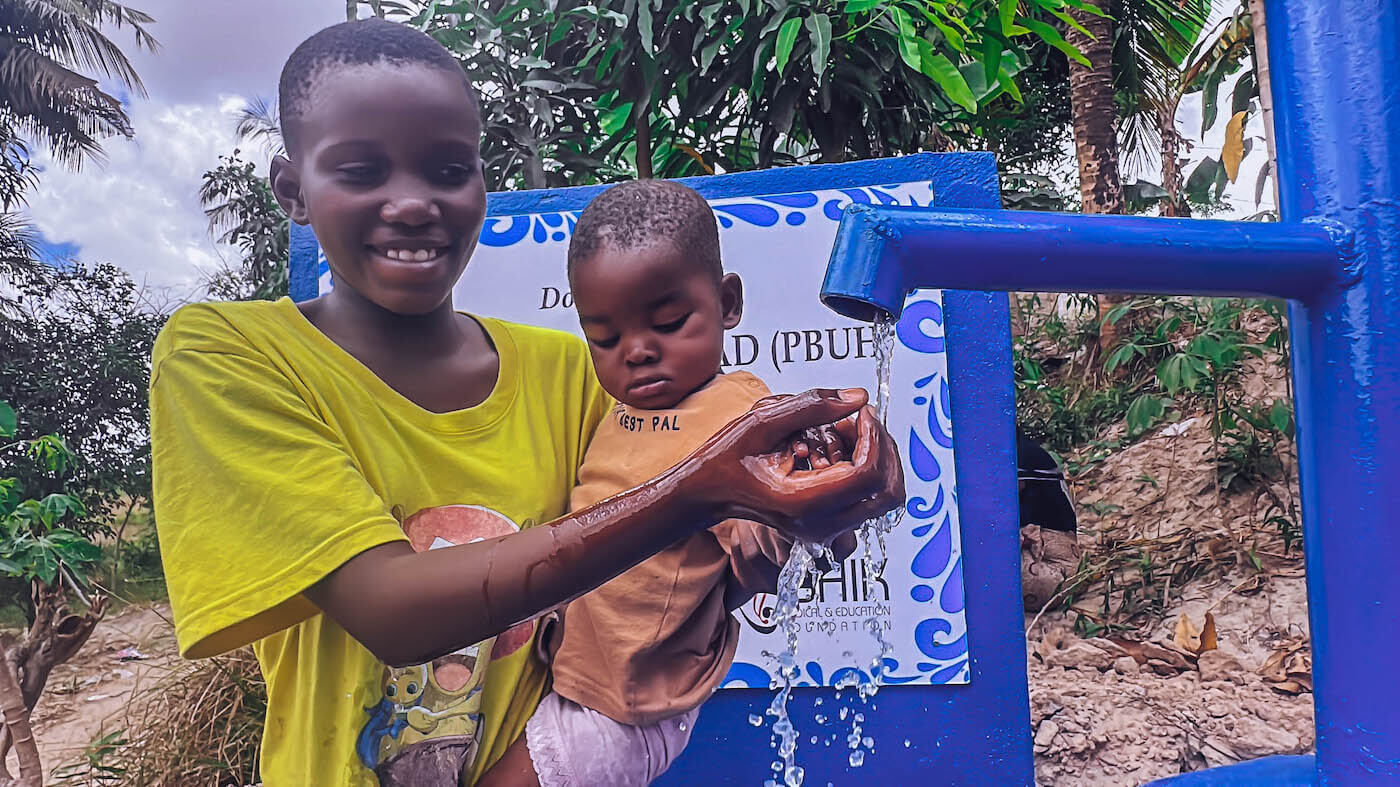
Having enough water to stay healthy and hydrated during the summer is critical for everyone, no matter where they live. But unfortunately, tens of millions of people in sub-Saharan Africa lack an adequate amount of clean, drinkable water to live safe, healthy lives.

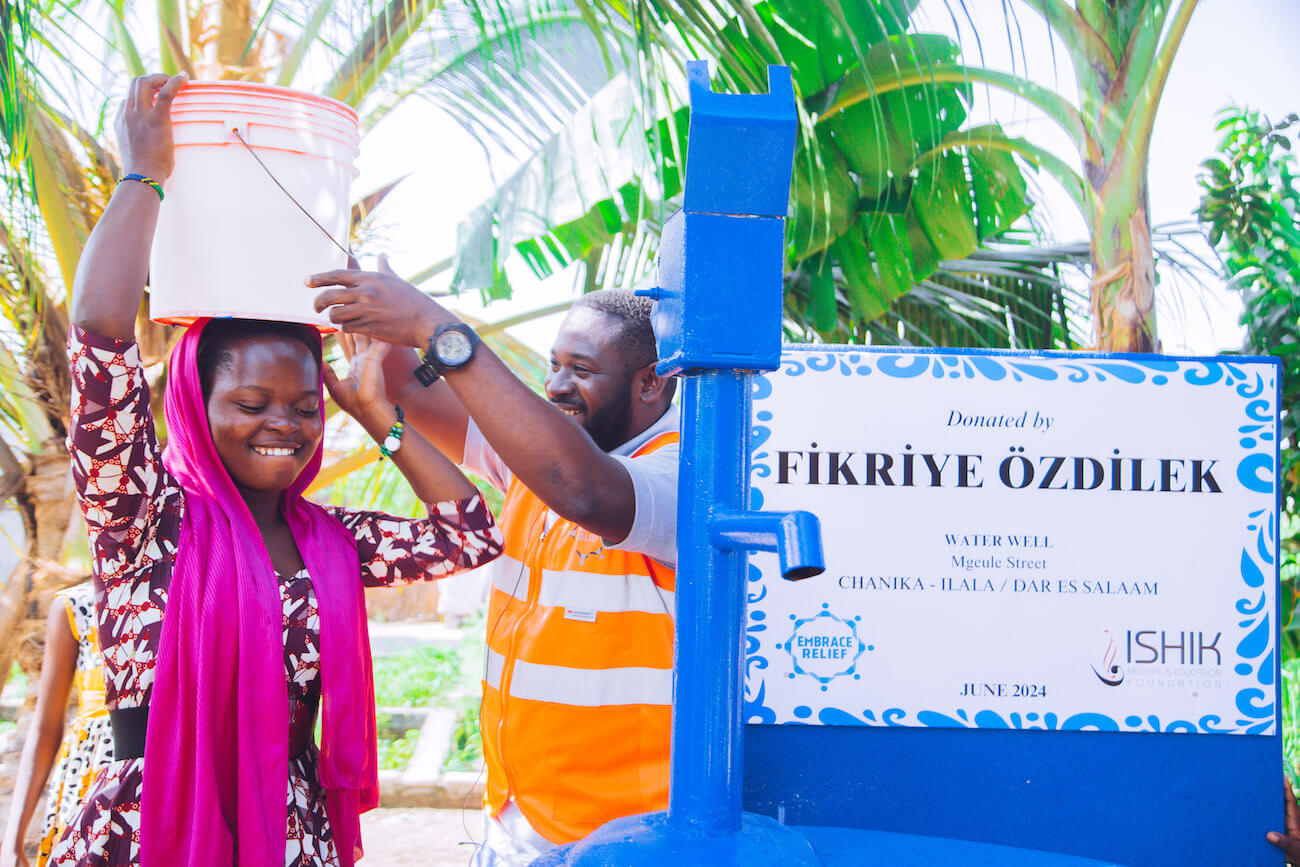
Embrace Relief is working to change that through our Clean Water Initiative, which builds water wells throughout the continent and makes a transformative impact on entire communities’ health, happiness, and prosperity.

To date, more than 900 Embrace Relief wells are providing more than 950,000 people in Africa with safe, clean drinking water. And it’s all thanks to the generosity of people like you, who are aiming to help those in need and leave a legacy for years to come.

Click here to learn more about how you can build and name your very own water well in Africa. Donation costs start as low as $1,500, but the impact that you will make will be priceless!

Home Sweet Home: Creating Safe Havens for Orphaned Children

Summary

  • Millions of children worldwide are homeless, facing significant challenges daily. UNICEF reports approximately 153 million orphaned children globally.
  • A safe home has critical positive impacts on the mental, physical, and social development of children, with long-lasting impacts into adulthood.
  • Help support orphaned children in need by helping Embrace Relief provide a safe place to live in our partner orphanages in the Republic of Congo, Ghana, and Indonesia.

Child homelessness and development

The plight of orphaned and homeless children is one of the most pressing issues of our time. Across the globe, millions of children are without a safe place to call home, facing unimaginable challenges every day. According to UNICEF, there are approximately 153 million orphaned children worldwide. Many of these children struggle to meet their basic needs, and their situation is often exacerbated by homelessness.

Children without a safe home often lack access to essential services such as healthcare, education, and proper nutrition, making it incredibly difficult for them to lead healthy and fulfilling lives.

In sub-Saharan Africa alone, there are around 52 million orphaned children, many of whom face the daily threat of homelessness. These children are not only deprived of basic necessities but also live in constant fear of exploitation, abuse, and neglect. According to a report by the Consortium for Street Children, homeless children are often subjected to violence and exploitation, with girls being particularly vulnerable to abuse and trafficking.

The Impact of Homelessness on Orphaned Children

Homelessness severely affects orphaned children’s health, both physically and emotionally. Without a stable home, these children lack a safe environment to grow and develop. The absence of a secure place impacts their health, education, and overall well-being, often leading to poor educational outcomes, chronic health issues, and emotional instability.

Physically, homeless orphaned children are more vulnerable to illnesses and malnutrition due to inadequate shelter and irregular meals. Exposure to harsh weather conditions and unsafe living environments further compromises their health.

Raise the Children with Embrace Relief

Benefits of Providing a Safe Home for Orphaned Children

Providing a safe and stable home environment is crucial for the growth and development of orphaned children. Here are some of the key benefits:

  • Stability and Security
    A safe home provides children with a sense of stability and security. Knowing they have a permanent place to stay allows them to focus on their education and personal development without the constant stress of instability.

  • Improved Health
    With stable housing, children have better access to healthcare services. Regular check-ups and a healthy living environment significantly improve their physical well-being and reduce the risk of chronic illnesses.

  • Better Education Opportunities
    A stable home environment supports better educational outcomes. Children can attend school regularly, complete their homework in a conducive environment, and focus on their studies without the distractions and stress of homelessness.

  • Emotional and Social Development
    Living in a safe home fosters emotional stability and social development. Children can form lasting relationships, participate in community activities, and develop a sense of belonging and self-worth.

  • Joyful Childhood Experience
    Having a safe home allows children to experience the joys of childhood, such as celebrating birthdays and holidays. These experiences create cherished memories and contribute to their emotional well-being.

Benefits of Providing a Safe Home for Orphaned Children

Help Embrace Relief provide safe homes for orphaned children

Embrace Relief, as part of its Raise the Children program, is acutely aware of the critical need for safe homes for orphaned children. Recognizing that a stable and nurturing environment is fundamental to a child’s well-being, Embrace Relief currently provides safe homes for orphaned children in the Republic of Congo, Ghana, and Indonesia.

Join us in this critical mission to give orphaned children the safe and loving homes they deserve. Be a part of this great initiative and make a lasting impact on their lives. Your support can help transform the future for these vulnerable children, providing them with the stability and care they need to thrive.

Donate Now and help Embrace Relief create a brighter, safer future for orphaned children around the world!

Donate For Ramadan Children’s Fund

Embrace Relief aims to provide 550 orphaned children with daily iftar and suhoor meals during Ramadan 2025.

$
International Hunger Relief Children's Fund

What Are The Different Types of Cataracts?

Summary

  • There are many potential causes of a cataract, but the three main types of cataract are nuclear, cortical, and posterior subcapsular.
  • The only way to treat a cataract is through cataract surgery which includes removing the cloudy lens and replacing it with an artificial one.
  • There are other causes of cataract such as age, chemicals, and eye trauma.

A cataract is a progressive eye disease that begins with cloudy or blurry vision, leading to complete blindness if not treated. Although 100% preventable and treatable, cataracts remain the leading cause of blindness worldwide, affecting millions of people every single day.

It’s important to maintain your eye health, to be aware of the signs and symptoms of cataracts, and know the different types of cataracts and what causes them, in order to protect your eyesight.

1. Nuclear Cataract

Nuclear cataracts are the most common type of cataracts, primarily affecting the center of the lens, known as the nucleus. Typically developing with age, these cataracts form deep in the central part of the lens and gradually increase, causing the lens to become yellow or brown. As they progress, nuclear cataracts can significantly impact both near and distance vision. They can alter the power of the natural lens, leading to more frequent changes in your glasses prescription.

The primary cause of nuclear cataracts is the natural aging process, where proteins within the eye’s lens break down and clump together, resulting in cloudiness and yellowing. Additional risk factors include diabetes, genetics, and smoking. Common symptoms include blurred or dim vision, glare, visual distortion, and changes in near or far-sightedness. The progression of nuclear cataracts varies depending on genetics, overall eye health, and lifestyle.

2. Cortical Cataract

Cortical cataracts develop on the lens cortex, the outer edge of the lens, and often start as whitish, wedge-like opacities that progress inward. They may cause halos around lights and begin at the edge of the lens, gradually moving towards the center in a spoke-like manner. This progression can lead to significant vision impairment, particularly affecting contrast and color perception, and can cause problems with night vision.

Cortical cataracts are commonly caused by factors such as diabetes, aging, and genetics. Symptoms include glare, difficulty with contrast and color perception, blurred vision, and night vision problems. Unlike other types of cataracts, cortical cataracts can develop quite quickly, often within a few months.

3. Posterior Subcapsular Cataract

Posterior subcapsular cataracts develop at the back of the lens, just beneath the lens capsule. These cataracts often progress faster than other types and can significantly impair vision, especially in bright light or during activities such as reading and driving at night. They may also cause halos or glare around lights.

Common causes and risk factors for posterior subcapsular cataracts include long-term use of steroid medications, diabetes, exposure to radiation, and extreme near-sightedness. Symptoms typically include blurred vision, difficulty with vision in bright light, and issues with night-time activities.

Other Types of Cataracts

  • Congenital Cataract
    Children can be born with cataracts or develop it very early in childhood.Congenital cataracts, also known as pediatric cataracts, can be hereditary, caused by an infection, or metabolic problems (e.g. malnutrition) during pregnancy. Early detection and treatment are imperative in cases of congenital cataract, in order to avoid subsequent vision problems like amblyopia (lazy eye).

  • Traumatic Cataract
    Trauma to the head or eye(s) can cause cataracts to form weeks or even years after the incident.

  • Radiation Cataract
    Extensive exposure to radiation, such as chemicals or cancer treatment, and ultraviolet (UV) rays can cause cataracts.

  • Age-Related Cataract
    Cataracts are more likely to form naturally as a person ages. However, a person is more prone to developing cataracts if they:

    • Smoke
    • Drink alcohol in excess
    • Have a family history of cataracts
    • Have diabetes
    • Have certain eye surgeries like for glaucoma or scarring from a previous cataract surgery
    • Take steroids from certain medications for arthritis or allergies
How You Can Help Those Suffering From Cataracts

How You Can Help Those Suffering From Cataracts

Although cataract surgery is one of the safest and most widespread surgeries worldwide, over 6 million people in sub-Saharan Africa — and up to 80% of the blind population in some countries — needlessly suffer from vision impairment due to cataracts. In many communities in countries such as Mali and Burkina Faso, access to basic and essential healthcare services, including ophthalmology, is severely limited. The primary causes of cataracts in sub-Saharan Africa include nuclear, congenital, traumatic, and radiation cataracts.

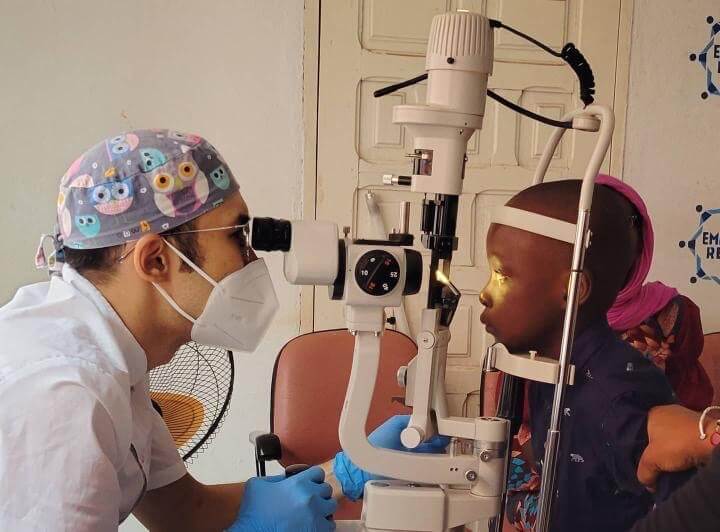
Embrace Relief is dedicated to addressing global health inequality by supporting clinics and hospitals with medical supplies and equipment, sponsoring cataract surgeries, and providing preventative health screenings.

To date, we’ve provided more than 40,000 cataract surgeries, free of charge, to people who otherwise might not be able to afford them. And with the click of a button, you can help us spread joy and positive change by donating $120 for 1 cataract surgery.

Donate today to Embrace Relief’s Cure Cataracts program. By giving the gift of sight, you’ll make a priceless, life-changing impact on a person in need.

How You Can Help: The Gift of Sight

A simple cataract surgery, which costs only $120, can transform a life. With your support, our Embrace Relief’s health clinics can provide these surgeries to those in need, giving them the gift of sight and the opportunity for a better future. Here’s how your donation can make a difference:

  • $120 Donation: Funds one complete cataract surgery, restoring sight to an individual in need.
  • $240 Donation: Supports two surgeries, doubling the impact.
  • $600 Donation: Helps five people regain their vision, enhancing their quality of life and ability to contribute to their communities.

Your donation can make a significant difference in the lives of those suffering from cataracts in Mali and Burkina Faso. For just $120, you can fund a cataract surgery and give someone the precious gift of sight.

Help us light up lives and drive away the darkness caused by cataracts. Donate now and be a part of this life-changing mission.

$

When Should I Pay Zakat?

Summary

  • If you are a Muslim who is obligated to pay Zakat each year, you may wonder when is the optimal time to pay your Zakat gift.
  • Though many people choose to pay their Zakat during religious observances like Ramadan, you may select any day (or dates) on the calendar that is convenient and fits within your financial plan.
  • Learn more about how to calculate your Zakat, and then make a life-changing impact by giving your Zakat with Embrace Relief today.

Zakat, one of the Five Pillars of Islam, is an obligatory form of charity that has a powerful impact on both individuals and communities. For those who are able to give Zakat, the gift acts as a purification of wealth, and a strengthening of one’s individual faith. Charitable Zakat giving also builds community bonds by supporting those who are less fortunate, and reminding others to aid those who need it most.

Understanding when to pay Zakat and the specifics of this obligation can sometimes be challenging. Here’s a comprehensive guide to help you determine the right time to pay your Zakat.

Zakat Payment Timing

Zakat is an annual payment of 2.5% of your qualifying wealth, if that wealth exceeds the threshold known as the “nisab.” The nisab is equivalent to the value of 3 U.S. ounces of gold or 21 U.S. ounces of silver. If you possess cash, assets, and investments, in excess of the nisab (as of July 2024, 3 ounces of gold is equal to about US$7,400), then you are liable to pay Zakat.

Want to learn how much Zakat you owe? Click here to use Embrace Relief’s Zakat Calculator.

The Zakat payment is calculated based on your wealth over the course of a lunar year, also known as a “hawl” or “haul.” The hawl begins when your wealth exceeds the nisab. After completing a full lunar year (a lunar year is equivalent to 355 days) with wealth exceeding the nisab, a Zakat payment is due.

Do I Need to Pay Zakat During Ramadan?

To simplify the process, many people choose a specific day each year to calculate and pay their Zakat. This date is often aligned with a significant Islamic observance, such as Ramadan, due to the increased spiritual rewards associated with giving during this time. However, it is not mandatory to pay Zakat during Ramadan.

The obligation to pay Zakat is tied to your personal Zakat year and due date, and not specifically to Ramadan. However, even if your Zakat year does not align with Ramadan, you may choose to pay Zakat earlier than required to take advantage of the blessings of the holy month.

Is It Mandatory to Pay Zakat All at Once?

Zakat should ideally be paid in one lump sum when it becomes due. However, Islam is a religion of ease, and if paying Zakat all at once poses a hardship, it is permissible to pay it in installments. The key is to ensure that the full amount is paid as soon as possible and within the Zakat year.

Here are a few tips to manage Zakat payments:

  • Set Aside Regularly: You can set aside a portion of your income regularly, such as monthly or quarterly, to ensure you have the full amount ready when Zakat is due.
  • Installments: If needed, you can distribute your Zakat payments over the year, but make sure to track your contributions carefully to ensure you meet your obligation.
Where Can I Give My Zakat?

Where Can I Give My Zakat?

Zakat should be given to eligible recipients as specified in the Quran. These include the poor, the needy, captives and debtors, in the cause of Allah, and stranded travelers.

Importantly, you can also donate Zakat to reputable charitable organizations, which use your Zakat to deliver direct material aid and critical services to those less fortunate. Organizations like Embrace Relief are committed to ensuring that your gift fulfills your religious obligation effectively and reaches those who most need it.

According to the Quran, Zakat should not be given to immediate family members, such as spouses, children, parents, grandparents or siblings. Other relatives may receive Zakat.

Give Your Zakat With Embrace Relief and Make A Powerful Impact

Paying Zakat is a fundamental aspect of a Muslim’s faith and practice. By understanding when to pay Zakat, whether it needs to be paid during Ramadan, the possibility of paying in installments, and how to calculate your Zakat obligation, you can fulfill this pillar of Islam with confidence and ease.

Here at Embrace Relief, we offer the perfect way to meet your obligation and make an impact on the lives of real people in need around the world.

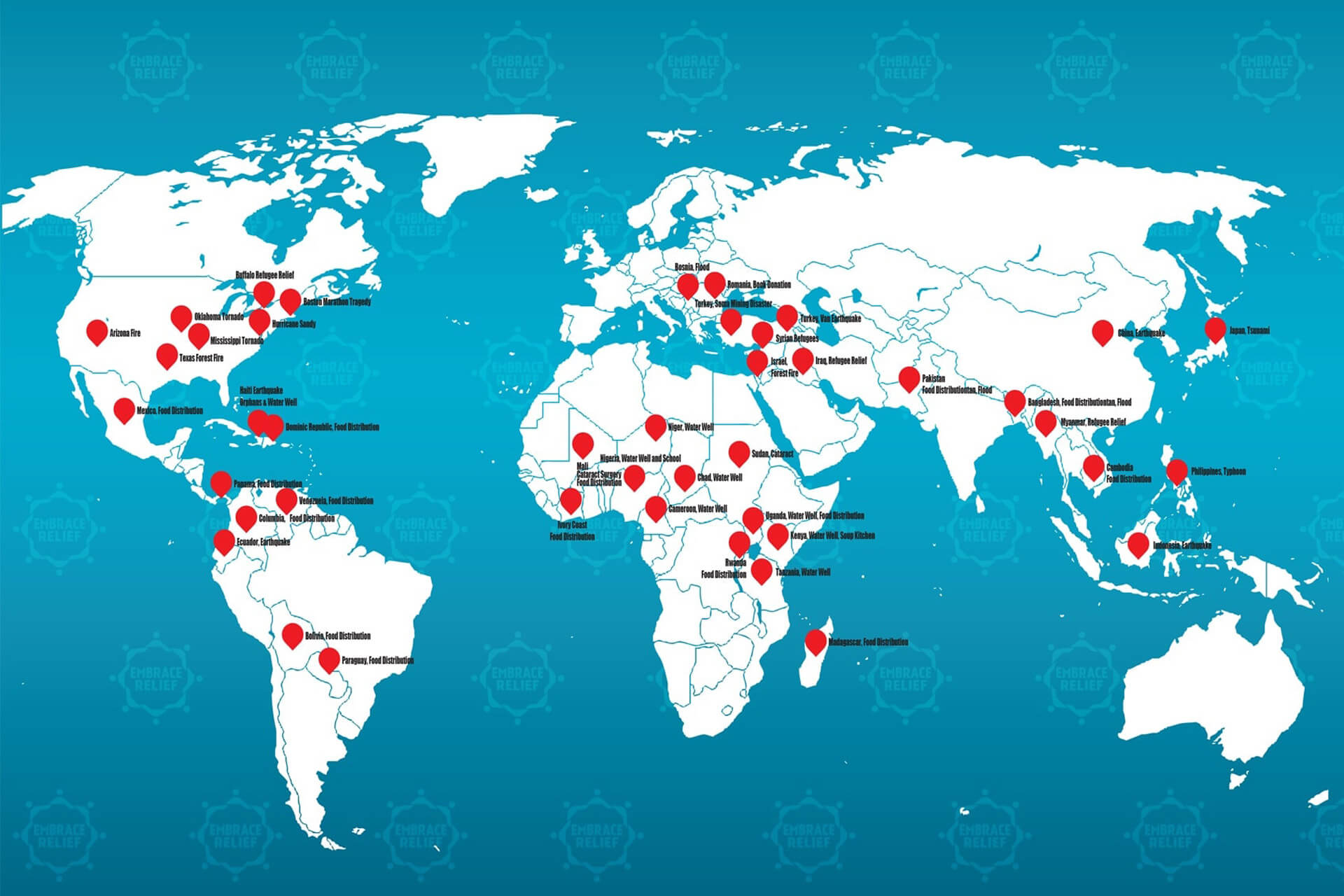
Since our founding in 2008, we have supported more than 7 million people in over 50 countries through our eight humanitarian aid programs. Whether we are building water wells in Africa, or distributing food packages across the globe, or supporting children living in orphanages, or providing free cataract surgeries to those in need, we continue to aim to make the world a happier, healthier, more prosperous place.

And that’s where you come in. If you are looking for the perfect way to make your Zakat donation count, use Embrace Relief’s free Zakat calculator and make a donation that will change lives for the better!

The Importance of Female Leadership in Education

Summary

  • Understand the importance of female leadership in educational settings
  • Learn about the transformative impact of Embrace Relief’s R.I.S.E. program
  • Discover how you can support and empower future female leaders

In the realm of education, leadership plays a pivotal role in shaping the future. Female leaders, in particular, bring unique perspectives and strengths that contribute to more inclusive, empathetic, and effective educational environments. Their influence extends beyond the classroom, impacting communities and society at large. Understanding the importance of female leadership in education is crucial as we strive to create a more equitable and prosperous world.

Female leaders in education serve as role models, inspiring young girls to pursue their dreams and break barriers. They demonstrate that women can excel in leadership roles, challenging traditional gender stereotypes and paving the way for future generations. Studies have shown that when women lead, there is a significant positive impact on students’ academic performance and overall well-being. Their presence fosters a more diverse and supportive environment where all students can thrive.

Moreover, female leaders often prioritize policies and practices that promote gender equality and inclusivity. They advocate for resources and support systems that address the unique challenges faced by female students, such as access to education, menstrual hygiene, and protection from gender-based violence. By championing these issues, female leaders create safer and more equitable learning spaces.

The impact of female leadership in education is profound. Here are a few key areas where female leaders make a difference:

  1. Role Models: Female leaders provide strong role models for young girls, showing them that they can aspire to leadership roles in any field.
  2. Inclusive Policies: They advocate for and implement policies that promote gender equality, inclusivity, and support for marginalized groups.
  3. Community Impact: Female leaders often extend their influence beyond the school, working to improve the broader community and address social issues.

By supporting and empowering female leaders in education, we are not just improving schools but also transforming communities and societies.

Embrace Relief's R.I.S.E. Program

Embrace Relief’s R.I.S.E. Program: Empowering Future Leaders

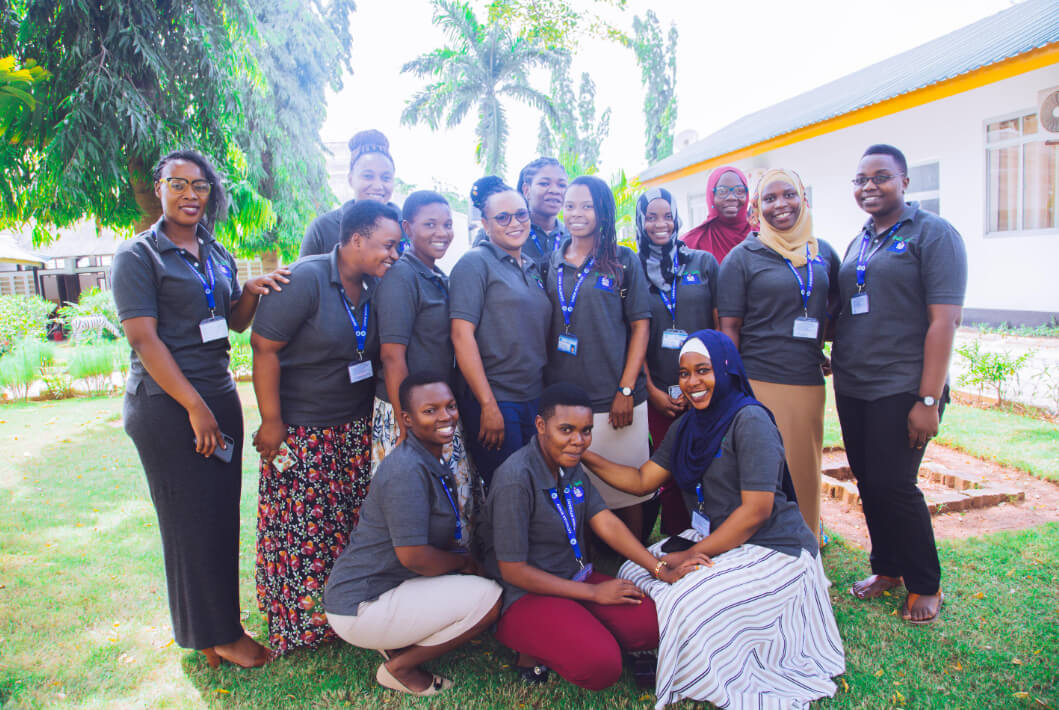
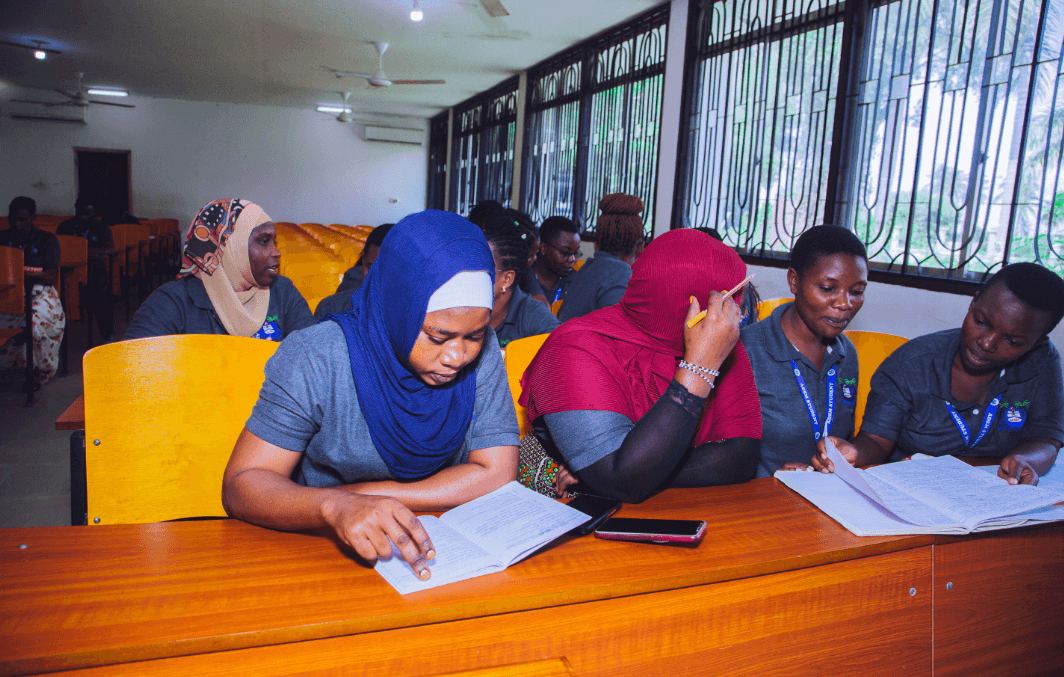
Embrace Relief’s R.I.S.E. (Reach, Inspire, Support, Educate) program is a shining example of how investing in female leadership can bring about significant change. Launched in Tanzania in 2021, R.I.S.E. provides scholarships to female teachers, enabling them to pursue advanced education in school administration and inspection.

The R.I.S.E. program has already made a considerable impact. Already, 48 women have had their lives changed, and we hope to have another class of 24 join this fall. By supporting R.I.S.E., you are investing in the education and empowerment of women who will go on to become influential leaders in their communities. For just $100 per month, you can cover the comprehensive costs of one student, ensuring they have the resources they need to succeed. Their scholarships cover tuition, study materials, meals, health insurance, transportation, and books.

Your support is crucial in continuing this transformative work. By donating to the R.I.S.E. program, you are helping to create a brighter future for women in Tanzania and beyond. Together, we can make a lasting impact. Help us empower the next generation of female leaders.

Donate For Women’s Empowerment

$
Donate Now

Is Sewing Hard? Exploring the Challenges and Rewards

Summary

  • Understand the learning process and challenges of sewing.
  • Learn about the rewards and benefits of mastering sewing.
  • Discover how Embrace Relief’s KEEN program empowers women in Kenya through sewing.

Sewing is a craft that has been practiced for centuries, and its allure remains strong today. Many people are drawn to the idea of creating their own clothes, home decor, or gifts, but they often wonder: is sewing hard? The answer depends on several factors, including one’s willingness to learn, practice, and overcome initial challenges. Let’s delve into the process of learning to sew, the difficulties one might encounter, and the immense rewards that come with mastering this timeless skill.

Learning to sew involves understanding the basics of using a sewing machine, selecting fabrics, and following patterns. For beginners, the sheer volume of new terms and techniques can seem overwhelming. Terms like “basting,” “hem,” and “seam allowance” become part of the new vocabulary. Additionally, getting comfortable with a sewing machine—learning to thread it, troubleshoot common issues, and maintain it—requires patience and practice.

Several common challenges come with learning to sew:

  1. Precision and Patience: Sewing requires a high level of precision. Cutting fabric accurately, stitching straight lines, and following detailed patterns can be difficult for beginners. Mistakes are common and can be frustrating, but they are also part of the learning process.
  2. Time and Practice: Like any new skill, sewing takes time to master. The first few projects may not turn out as expected, and it’s essential to keep practicing and not get discouraged by initial setbacks.
  3. Understanding Fabrics: Different fabrics behave differently when sewn. Some are slippery, others are stretchy, and each type requires specific techniques and adjustments. Gaining experience with various materials is crucial for becoming a proficient sewer.

Despite these challenges, the rewards of learning to sew are numerous. Sewing allows for endless creativity, enabling individuals to create unique clothing, accessories, and home decor items that reflect personal style and taste. It also encourages a sustainable lifestyle by promoting the making and mending of clothes, thus reducing waste and avoiding the fast fashion industry’s pitfalls. Economically, sewing can lead to significant savings over time, as individuals can create or repair their own items instead of purchasing new ones. Perhaps most importantly, completing a sewing project provides a tremendous sense of accomplishment. The ability to wear or use something made with one’s own hands is incredibly fulfilling and boosts confidence.

Embrace Relief’s K.E.E.N. program

Empowering Women through Sewing: The KEEN Program

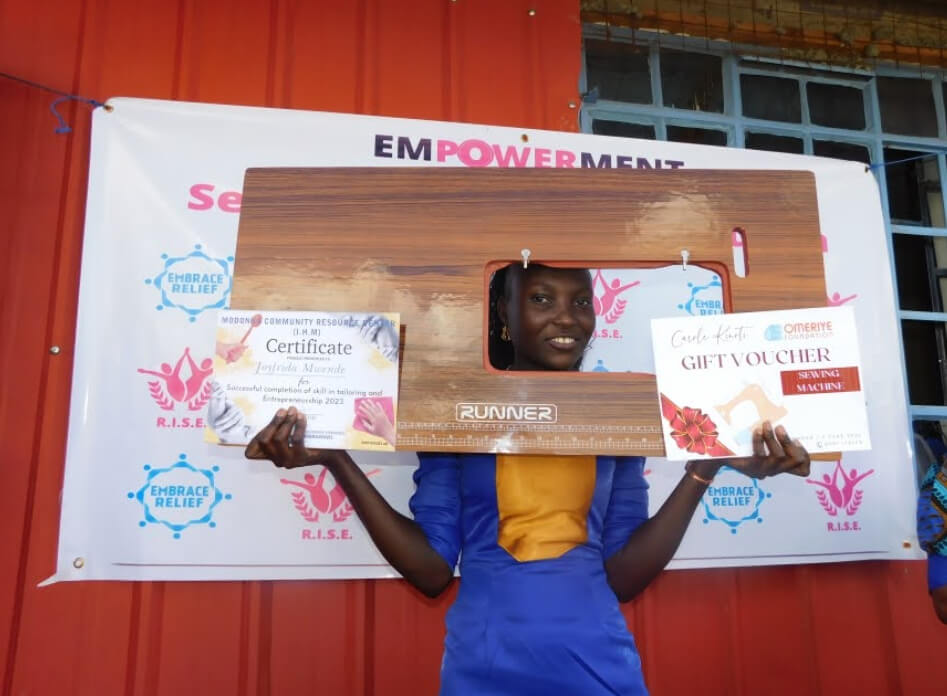
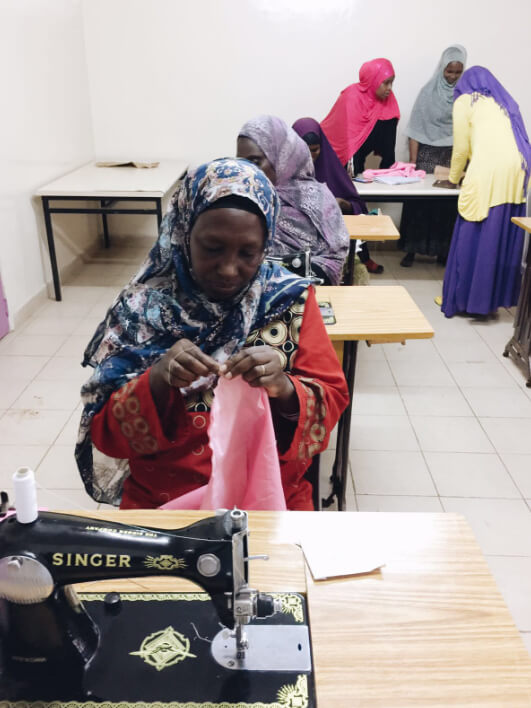
Embrace Relief’s KEEN (Knowledge, Education, Empowerment, and Networking) program leverages the power of sewing to empower women in Kenya. Through KEEN, women receive training in sewing and entrepreneurship, enabling them to build sustainable businesses and achieve economic independence. Just $110 can pay for a woman’s tuition and cover the cost of her sewing machine!

Since its inception, the KEEN program has transformed the lives of many women. By providing sewing machines, materials, and comprehensive training, KEEN equips women with the skills needed to start their own tailoring businesses. This not only improves their financial situation but also boosts their confidence and social standing within their communities.

One of the remarkable aspects of the KEEN program is its focus on real-world application. Graduates of the program have gone on to create successful businesses, making clothes, school uniforms, and other products in high demand. These enterprises provide a stable income, allowing women to support their families and contribute to their local economies.

Your support is crucial in continuing this transformative work. By donating to the KEEN program, you are helping to provide women with the tools and training they need to achieve economic independence. A donation of $15 per month can give these women in Kenya a new life. Together, we can make a lasting impact and empower more women to lead better lives.

Donate For Women’s Empowerment

$
Donate Now

Top 5 Food Trends For Summer 2024

As the summer of 2024 approaches, food enthusiasts are eagerly anticipating the latest trends that will shape their culinary experiences. This year, the spotlight is on sustainability, health, and innovative flavors. Here are the top 5 food trends to watch out for this summer:

1. Plant-Based Innovations

Plant-based diets continue to gain popularity, with more people exploring meat alternatives and plant-based recipes. This trend is driven by a desire for healthier eating and environmental sustainability. Expect to see creative plant-based dishes, from burgers to desserts, gracing menus and home kitchens.

2. Fermented Foods

Fermented foods like kimchi, kombucha, and sauerkraut are making a significant comeback. Known for their probiotic benefits, these foods aid digestion and promote gut health. This summer, try incorporating more fermented foods into your diet for a flavorful and healthy boost.

3. Global Flavors

Global cuisine continues to influence food trends, with diverse flavors from around the world gaining prominence. Expect to see dishes inspired by Middle Eastern, African, and Asian cuisines, bringing exotic spices and unique ingredients to your table.

4. Zero-Waste Cooking

Sustainability is a major focus, and zero-waste cooking is becoming increasingly important. Chefs and home cooks are finding innovative ways to use every part of an ingredient, reducing food waste and promoting environmental responsibility. This trend encourages creativity and resourcefulness in the kitchen.

5. Functional Foods

Functional foods that offer health benefits beyond basic nutrition are on the rise. Ingredients like turmeric, matcha, and adaptogenic herbs are being incorporated into everyday meals to boost immunity, reduce stress, and improve overall well-being. Look out for these superfoods in snacks, beverages, and main dishes.

Connecting Food Trends to the Crisis in Yemen

Connecting Food Trends to the Crisis in Yemen

While we enjoy these exciting food trends, it’s crucial to recognize that many people around the world continue to face severe food insecurity. Yemen is currently experiencing one of the worst humanitarian crises in the world, with millions of people suffering from hunger and malnutrition. The conflict in Yemen, ongoing since 2014, has devastated the country’s infrastructure, leading to widespread poverty and a dire need for food assistance.

Embrace Relief’s Yemen Food Distribution Campaign

Embrace Relief is dedicated to alleviating hunger in Yemen through our Yemen Food Distribution campaign. With just a $50 donation, we are able to provide essential food packages to Yemeni families in need that will last them a full week. This initiative is crucial in helping families survive during these challenging times. Each food package we distribute ensures that children and adults receive the necessary nutrition to sustain them.

How You Can Help

Your support is vital in making a difference. By donating to Embrace Relief’s Yemen Food Distribution campaign, you can help provide essential food supplies to those in desperate need. Every contribution, no matter the size, helps us deliver fresh bread daily to families who rely on this sustenance to survive.

Conclusion

As we embrace the exciting food trends of summer 2024, let’s also embrace the spirit of giving and compassion. By supporting Embrace Relief’s Yemen Food Distribution campaign, we can help alleviate hunger and provide hope to families in Yemen. Together, we can make a significant impact and ensure that everyone has access to the basic necessity of food.

Why Volunteer Abroad?

Volunteering abroad offers a unique opportunity for personal growth, cultural exchange, and making a meaningful impact on global communities. By stepping out of your comfort zone and immersing yourself in new environments, you not only contribute to important causes but also gain invaluable life experiences.

Benefits of Volunteering Abroad

Volunteering abroad presents numerous benefits, both for volunteers and the communities they serve:

  1. Personal Growth: Engaging in volunteer work in a foreign country pushes you to develop new skills, adapt to different situations, and gain a deeper understanding of global issues. It fosters empathy, resilience, and problem-solving abilities.
  2. Cultural Exchange: Living and working in another country allows you to experience new cultures, traditions, and ways of life firsthand. This cultural immersion broadens your perspective and promotes cross-cultural understanding and respect.
  3. Making a Difference: By contributing your time and skills, you can make a tangible impact on the lives of those in need. Whether it’s building schools, providing healthcare, or distributing food, your efforts can create lasting change.

Embrace Relief’s Group Fundraising Program

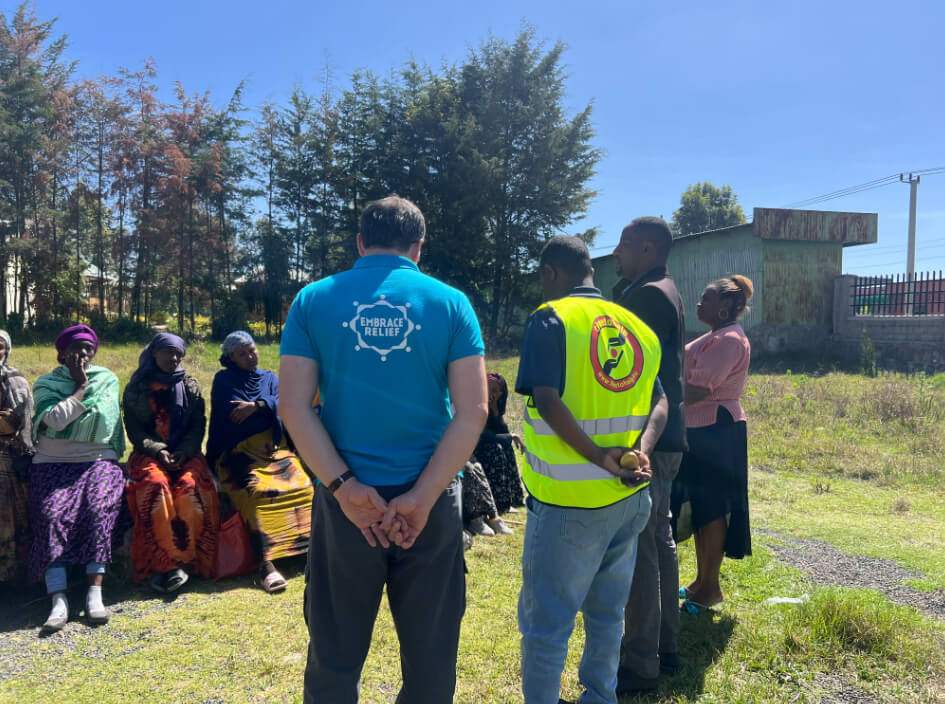
Embrace Relief’s Group Fundraising program offers a unique opportunity for individuals and groups to raise funds for humanitarian projects and travel to the locations where their donations are used. This immersive experience allows volunteers to see firsthand the impact of their contributions and engage with the local communities.

Through this program, Embrace Relief has organized numerous humanitarian trips to different parts of Africa, where volunteers have participated in various projects such as:

  • Distributing Food Packages: Volunteers help distribute essential food packages to orphanages, ensuring that vulnerable children have access to nutritious meals.
  • Renovating Infrastructure: Volunteers assist in renovating schools, providing safe and conducive learning environments for children.
  • Cultural Immersion: Volunteers have the chance to immerse themselves in the local culture, learning about traditions, languages, and customs directly from the community members.
Embrace Relief's Group Fundraising Program

How to Get Involved

To volunteer abroad with Embrace Relief, start by sending an application through our website. Here’s how you can get involved:

  1. Start a Group Fundraising Project: Gather a group of friends, family, or colleagues and initiate a fundraising project. The funds raised will support vital humanitarian projects in areas of need.
  2. Go on a Humanitarian Trip: Once your fundraising project is underway, go on a humanitarian trip with Embrace Relief. This opportunity allows you to travel to the project site, engage with the local community, and witness the impact of your contributions firsthand.
  3. Immerse Yourself in the Culture: During your trip, take the time to learn about and appreciate the local culture. Participate in community activities, try local foods, and build meaningful connections with the people you are helping.

Make a Difference with Embrace Relief

Volunteering abroad with Embrace Relief is a life-changing experience that combines the joy of helping others with the excitement of exploring new cultures. By joining our Group Fundraising program, you can make a significant impact on communities in need while gaining valuable life experiences.

Start your journey today by sending an application to start your group fundraising project with Embrace Relief. Together, we can create positive change and build a better world for all.

CLICK HERE