



Recent

Expanding Hope and Health: Building a Health Clinic in Burkina Faso

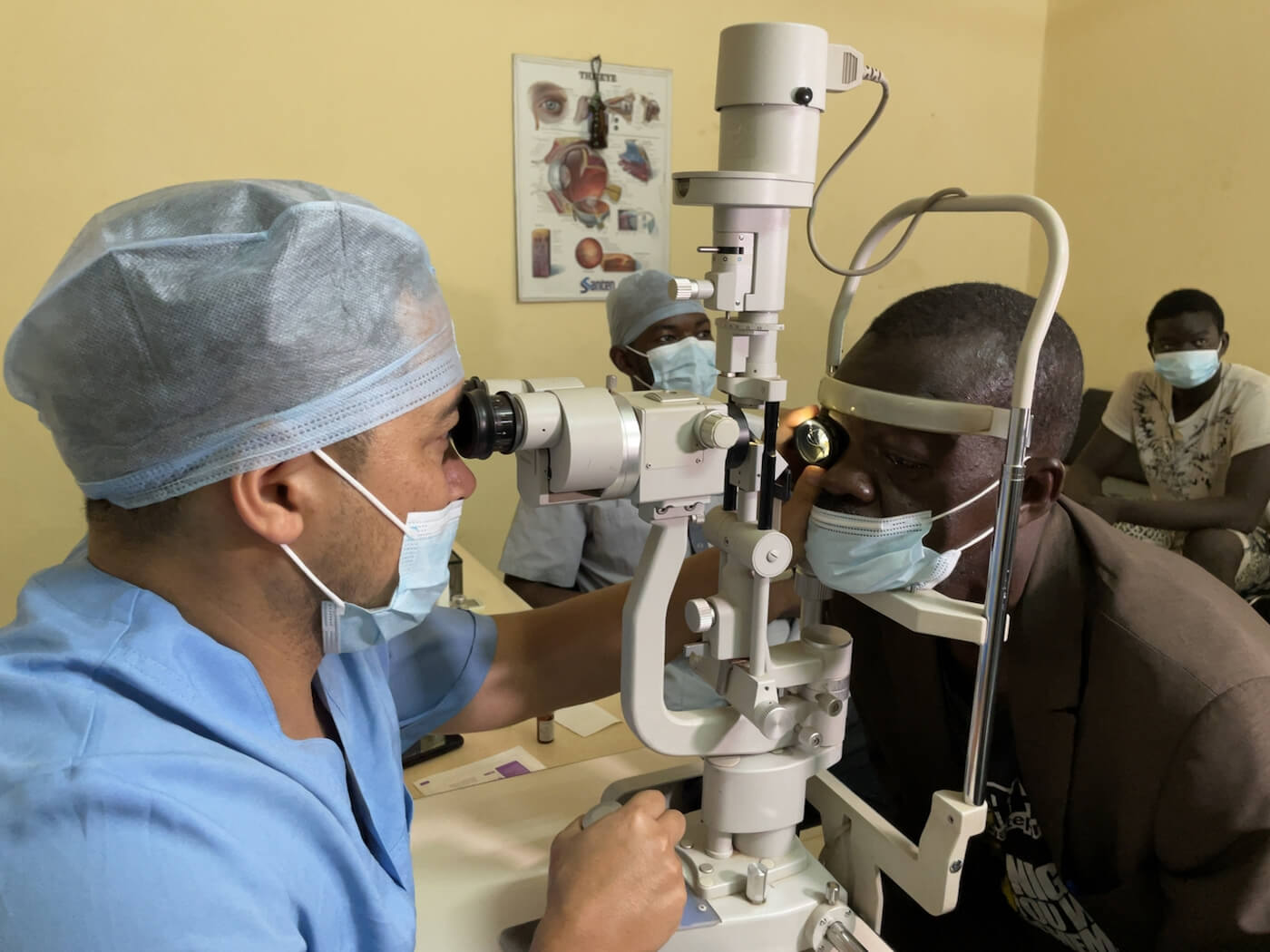
Embrace Relief is proud to announce the beginning of a new Health initiative in Burkina Faso, with the support of the country’s Ministry of Health and Public Hygiene, the Ministry of Youth and Sports, and various local, national, and international partners. Embrace Relief and its partners will construct a medical clinic in Bobo-Dioulasso, Burkina Faso’s second-largest city, through this project. This clinic will offer cost-effective services like ophthalmology – including cataract surgeries – and dentistry, and serve as a beacon of hope for the people of Burkina Faso. We believe that access to quality healthcare is a fundamental human right, and we are on a mission to make that a reality for the people of Burkina Faso.

Burkina Faso will join Mali as the second African country to receive a brick-and-mortar medical clinic courtesy of Embrace Relief and its partners. Embrace Relief supports three medical clinics in Mali’s capital city, Bamako, as well as two mobile health clinics, which have significantly impacted people there. In February 2024, Embrace Relief and its partners celebrated the 40,000th free cataract surgery conducted through the Mali initiative.

We are thrilled to start and share in the success of this program with you.

Why Burkina Faso?

Burkina Faso, located in West Africa, faces numerous healthcare challenges, including limited medical facilities, inadequate healthcare infrastructure, and a shortage of medical supplies, equipment and personnel. The country ranks among the lowest in healthcare access and quality worldwide, and the need for medical intervention is urgent. In fact, more than 65% of blindness cases in Burkina Faso are due to untreated cataracts – a 100% treatable condition – and only 1 in 4 Burkinabés are able to receive treatment.

Our Solution

With your help, we aim to…

  • Provide Access to Quality Healthcare: We want to ensure that every person in Burkina Faso can access essential medical services, regardless of their economic status or location.
  • Improve Healthcare Infrastructure: We plan to upgrade existing medical facilities and construct new ones to accommodate the population’s growing healthcare needs.
  • Locally Led Development: We will provide medical supplies and training to healthcare professionals in Burkina Faso, empowering them to deliver better care to their communities.
  • Promote Health Education: We aim to raise awareness about health and hygiene practices, disease prevention, and family planning to promote overall well-being.
Women Empowerment Education

How YOU can help…

Every contribution, no matter how big or small, brings us one step closer to achieving our goals. Here are some ways you can help:

Make a Donation: Your financial contributions can directly fund medical supplies, infrastructure improvements, and healthcare training programs.

  • $25 can provide essential medicines for a family for a month.
  • $100 can support a healthcare worker’s training program.
  • $500 can provide hygiene education and supplies to three families.
  • $1,000 can help maintain and equip a mobile clinic with vital medical supplies for one month.
  • $10,000 can construct a room in the clinic with exclusive naming rights.
Spread the Word: Share our cause on social media, with friends, and within your community to raise awareness about the healthcare crisis in Burkina Faso.

Volunteer: If you have medical expertise or can provide other forms of assistance, consider joining our volunteer team to make a hands-on impact.

Corporate Partnerships: If you represent a business or organization, explore partnership opportunities with us to make a significant and sustainable difference.

Remember, together, we can create a healthier and brighter future for the people of Burkina Faso. Click the donation link below to make a secure contribution and be a part of this life-changing initiative.

Every donation, no matter the amount, brings us one step closer to bringing healthcare to Burkina Faso.

Yemen: History, cultural heritage, and how you can help those affected by conflict

Summary

  • The country of Yemen boasts a long history, a unique and rich culture, and is located in one of the most important.
  • Yemen is also sadly the location of an ongoing, decade-long civil conflict that has devastated millions of people and left many without the basic necessities of life.
  • Donate to Embrace Relief’s “Breaking Bread With Yemen” program and help us provide much-needed food to families affected by the country’s ongoing civil conflict.

4 Facts to Know About Yemen

Yemen, located on the southern tip of the Arabian Peninsula, is a country with a rich tapestry of history, culture, and varied geography. Though the country has sadly been in the news recently most prominently due to its ongoing civil conflict, there is much more to understand about this vibrant, unique, and ancient land. Read on to learn more about the fascinating country of Yemen, and then how you can help provide much-needed aid to families suffering due to the conflict.

1. Rich Cultural Heritage

Yemen is a treasure trove of cultural heritage. It is home to some of the oldest civilizations in the world, with historical landmarks that date back thousands of years. The Yemeni culture is a blend of various influences, reflecting its history as a hub for trade and interaction between different civilizations.

One of the most prominent aspects of Yemeni culture is its architecture. The old city of Sana’a, a UNESCO World Heritage site, showcases stunning examples of ancient Yemeni architecture. Most of the existing ancient structures date back to the 7th through 11th centuries, a time period when Sana’a was one of the most important centers of early Islamic learning and activity. The city’s multi-story buildings, adorned with intricate gypsum decorations and stained-glass windows, reflect the ingenuity of Yemeni craftsmanship. Additionally, the historic city of Shibam, known as the “Manhattan of the Desert,” features tall mud-brick buildings that have stood for centuries.

Yemeni cuisine is another cultural gem, characterized by its use of fresh ingredients and bold flavors. Dishes like mandi (a spiced rice and meat dish) and saltah (a stew made with meat, vegetables, and fenugreek) are staples in Yemeni households. The traditional Yemeni coffee, brewed from locally grown beans, is renowned for its rich flavor and aromatic profile.

4 Facts to Know About Yemen

2. Diverse and Dramatic Geography

Yemen’s geography is as diverse as its culture. The country boasts a wide range of landscapes, from the arid deserts of the Rub al-Khali (Empty Quarter) to the lush highlands and the scenic coastlines along the Red Sea and the Arabian Sea.

The Yemeni highlands are particularly noteworthy, characterized by terraced fields that climb the steep mountainsides. These terraces, some of which date back over 2,000 years, are a testament to the ingenuity of Yemeni farmers who have cultivated these challenging landscapes for centuries. The highlands also host numerous villages and towns that offer breathtaking views and a glimpse into traditional Yemeni life.

In stark contrast to the highlands, the coastal plains of Yemen feature pristine beaches and rich marine biodiversity. Perhaps the most celebrated geographic location in Yemen is the Socotra Archipelago, a group of four islands off the southeast coast. Socotra is home to hundreds of species of flora and fauna found nowhere else on Earth, making it a paradise for nature enthusiasts. The islands are perhaps best known for their dragon trees, whose distinctive umbrella shape is instantly recognizable.

3. A Long, Complex History

Yemen’s location at the junction of the Red Sea, the Horn of Africa, and the Indian Ocean has made it a vital stop on trade routes for centuries, leading to high levels of wealth and power for the various civilizations who have called the land home.

The ancient kingdoms of Saba and Himyar and Hadhramaut were among the most powerful in the region, known for their advancements in agriculture, trade, and architecture.

The Sabaean Kingdom (1200 BC to 275 AD), famously associated with the Queen of Sheba, played a significant role in the incense trade, linking the Arabian Peninsula with Africa and the Indian subcontinent. The ruins of Marib, the ancient capital of Saba, still stand today, offering a glimpse into Yemen’s illustrious past.

Following the Sabaeans came the Himyarites, who became known for their advancements in agriculture, trade and architecture. Himyarite rulers initially worshipped the Arabian pantheon of gods before converting to Judaism in the fourth century AD, and then to Christianity in the sixth century.

With the coming of Islam to the Arabian peninsula in the 620s and 630s, Yemen’s geographic proximity to the holy cities of Mecca and Medina – and its role as a major trading post connecting the vast Indian Ocean – made the land one of the key areas for the spread of Islam into Africa, Asia, and the Indian subcontinent. It is said that the Prophet Muhammad himself commissioned the building of the Great Mosque of Sana’a, one of the first mosques in the Muslim world, and one that remains a significant religious site.

4. Modern conflict and how you can help the people of Yemen

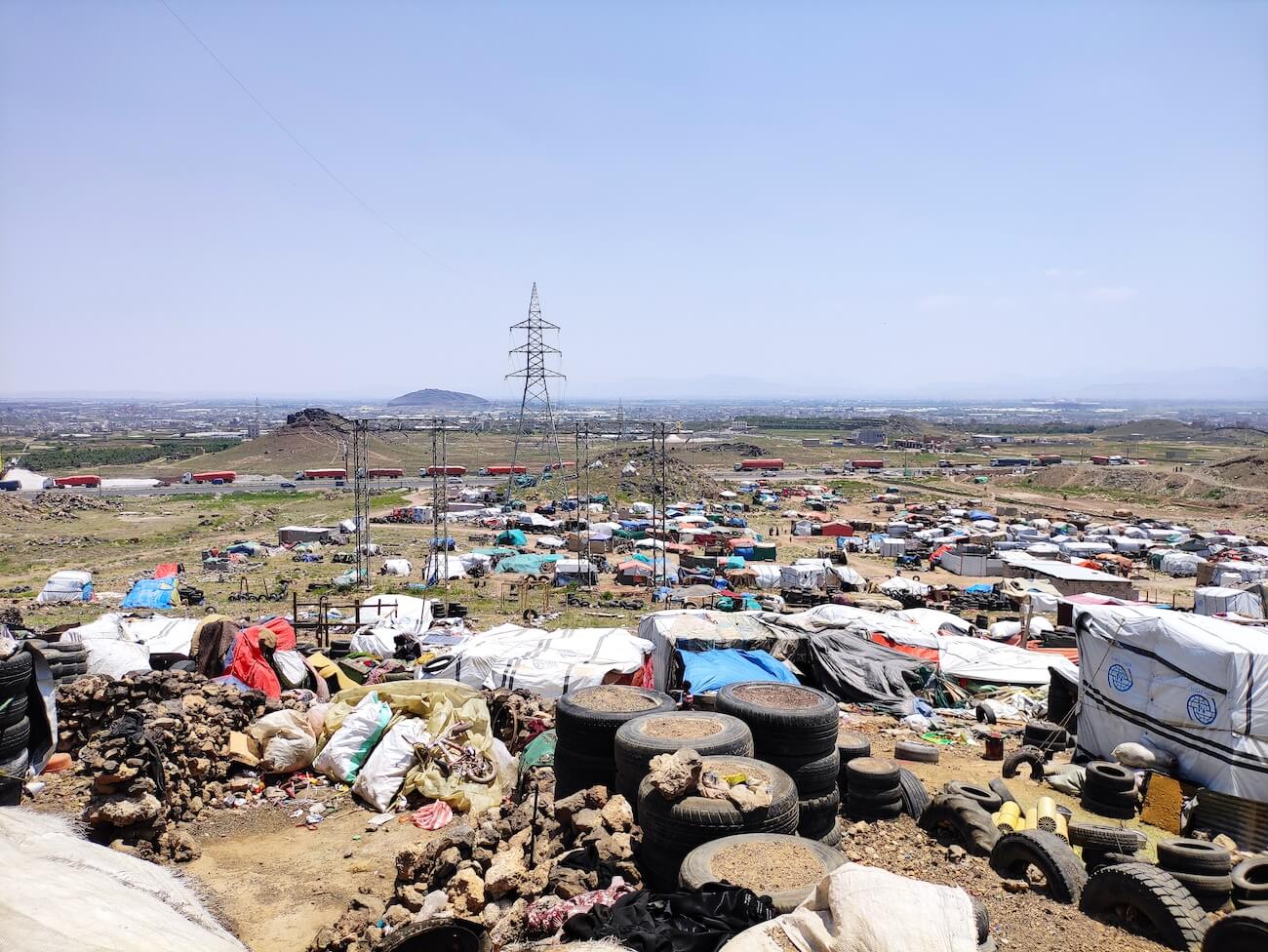
Since 2014, Yemen has been embroiled in a devastating civil conflict that has severely impacted the country and its people. This conflict has resulted in significant loss of life, displacement of millions, and a critical shortage of basic necessities such as food, clean water, and medical supplies. For much of the decade-long content, international organizations have described the situation in Yemen as one of the worst humanitarian crises in the world.

Despite the challenges, there are ongoing efforts by the international community to bring about peace and stability in Yemen. Negotiations and ceasefires have been attempted, though a lasting resolution remains elusive as of mid-2024. The resilience and spirit of the Yemeni people continue to shine through, even in the face of such adversity, a testament to the country’s remarkable culture, history, and tradition.

Similarly, there are many international aid organizations working diligently to provide the people of Yemen with the basic necessities, like bread, that they need to survive this ongoing ordeal.

Breaking bread with the people of Yemen

Breaking bread with the people of Yemen

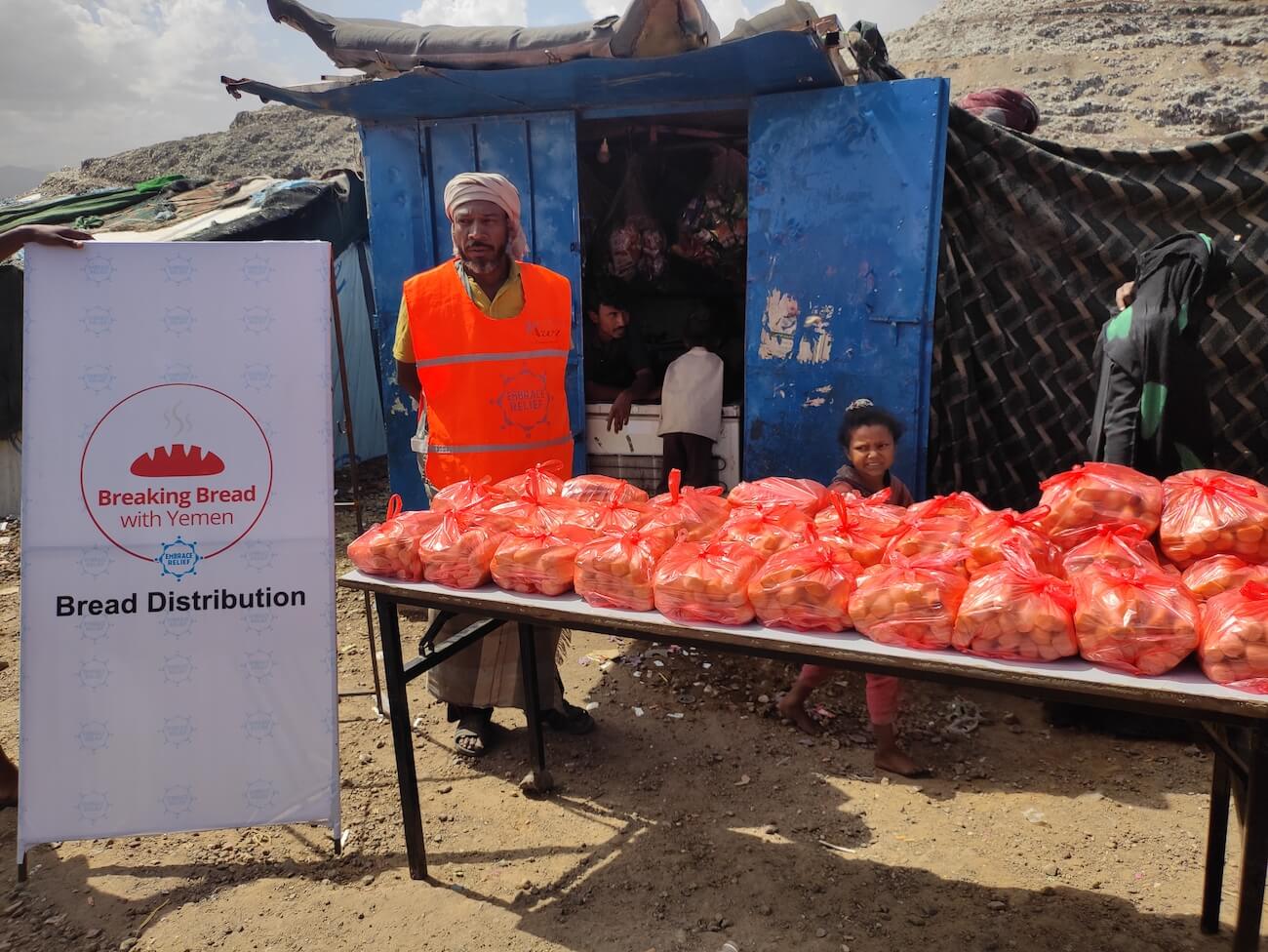
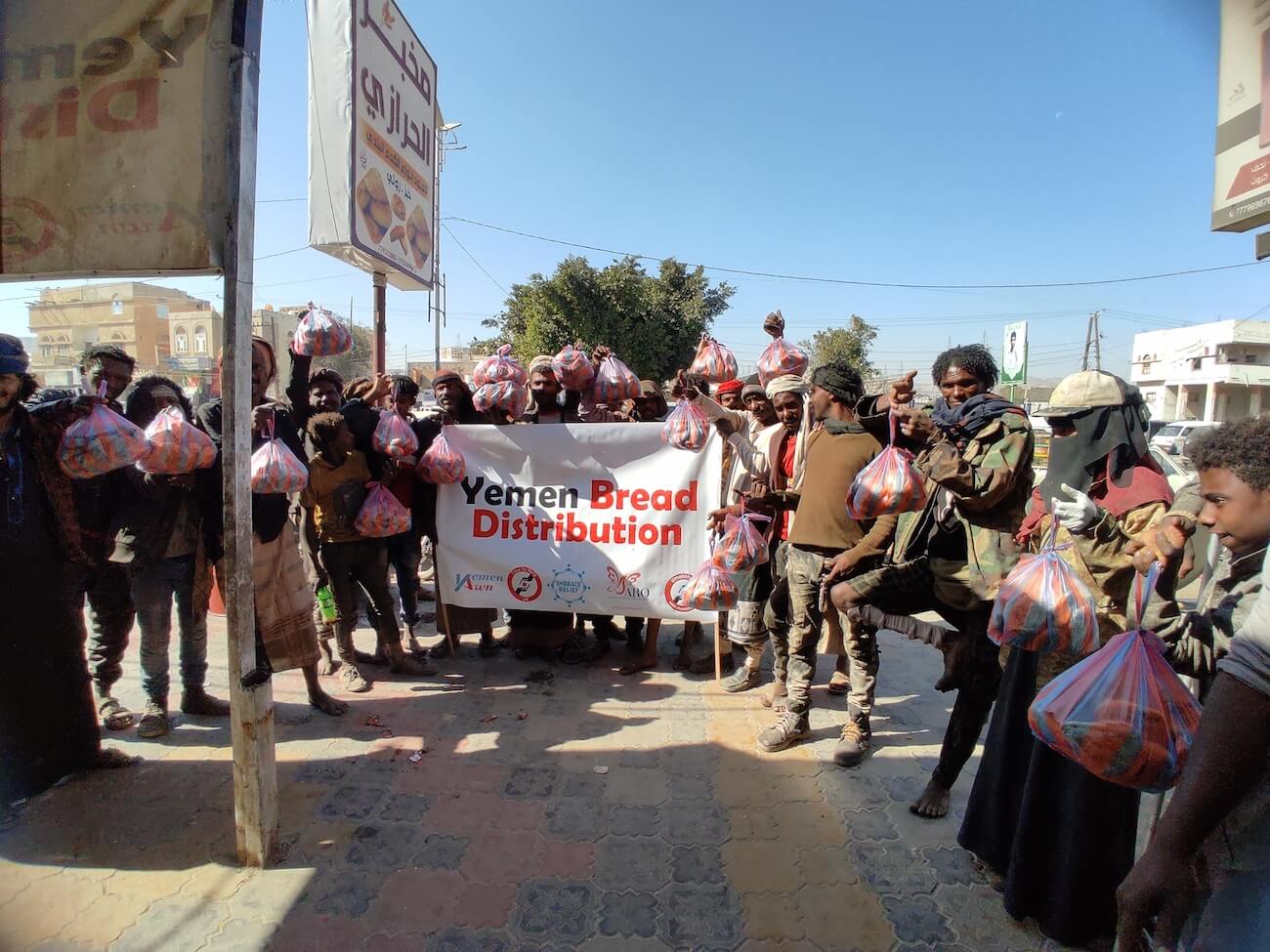
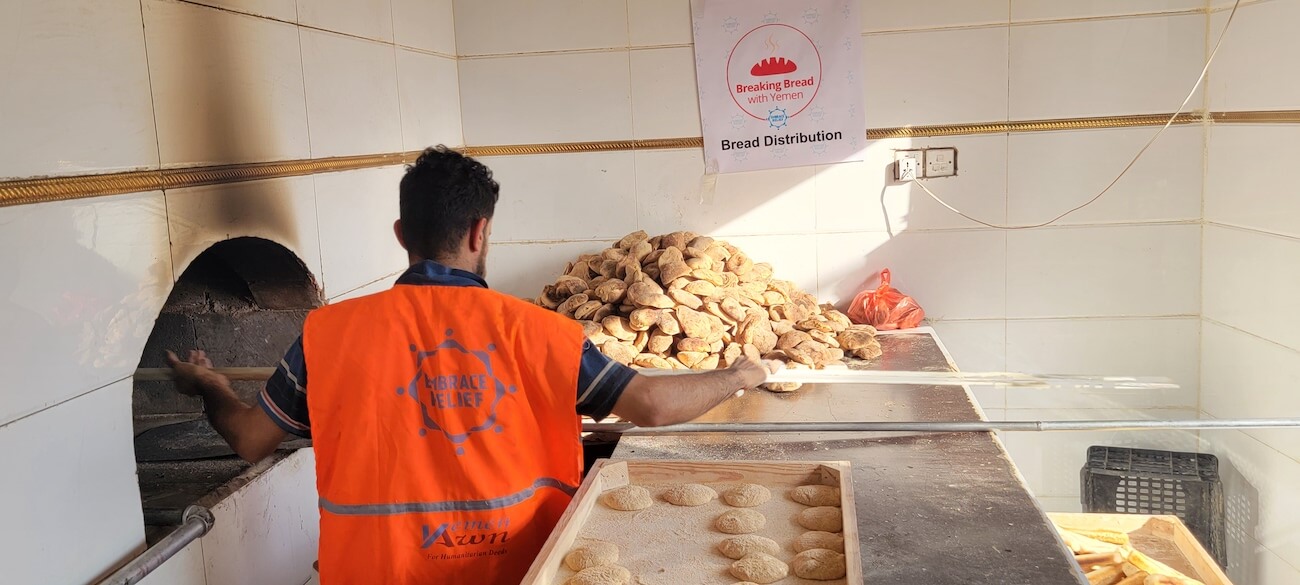
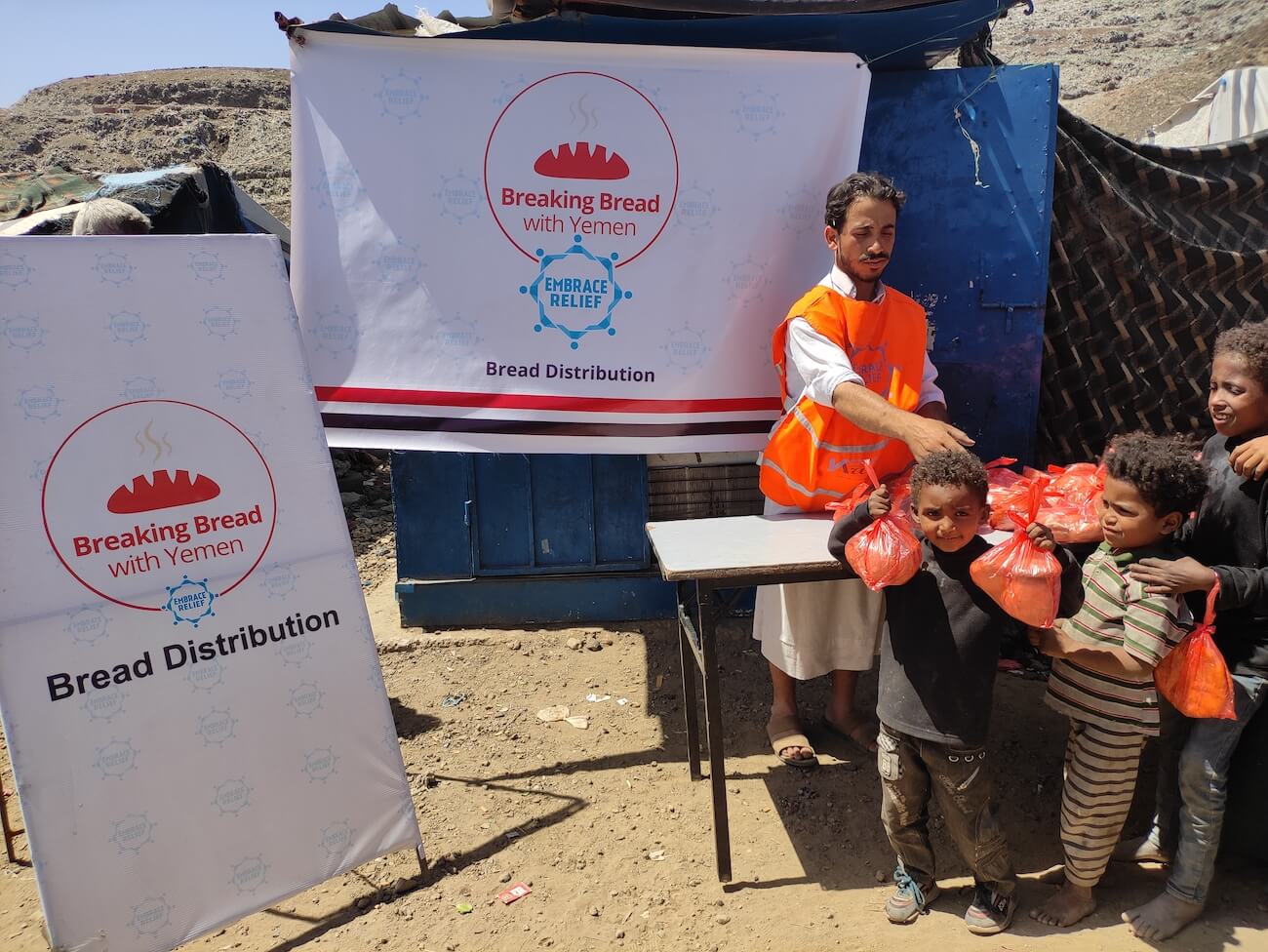
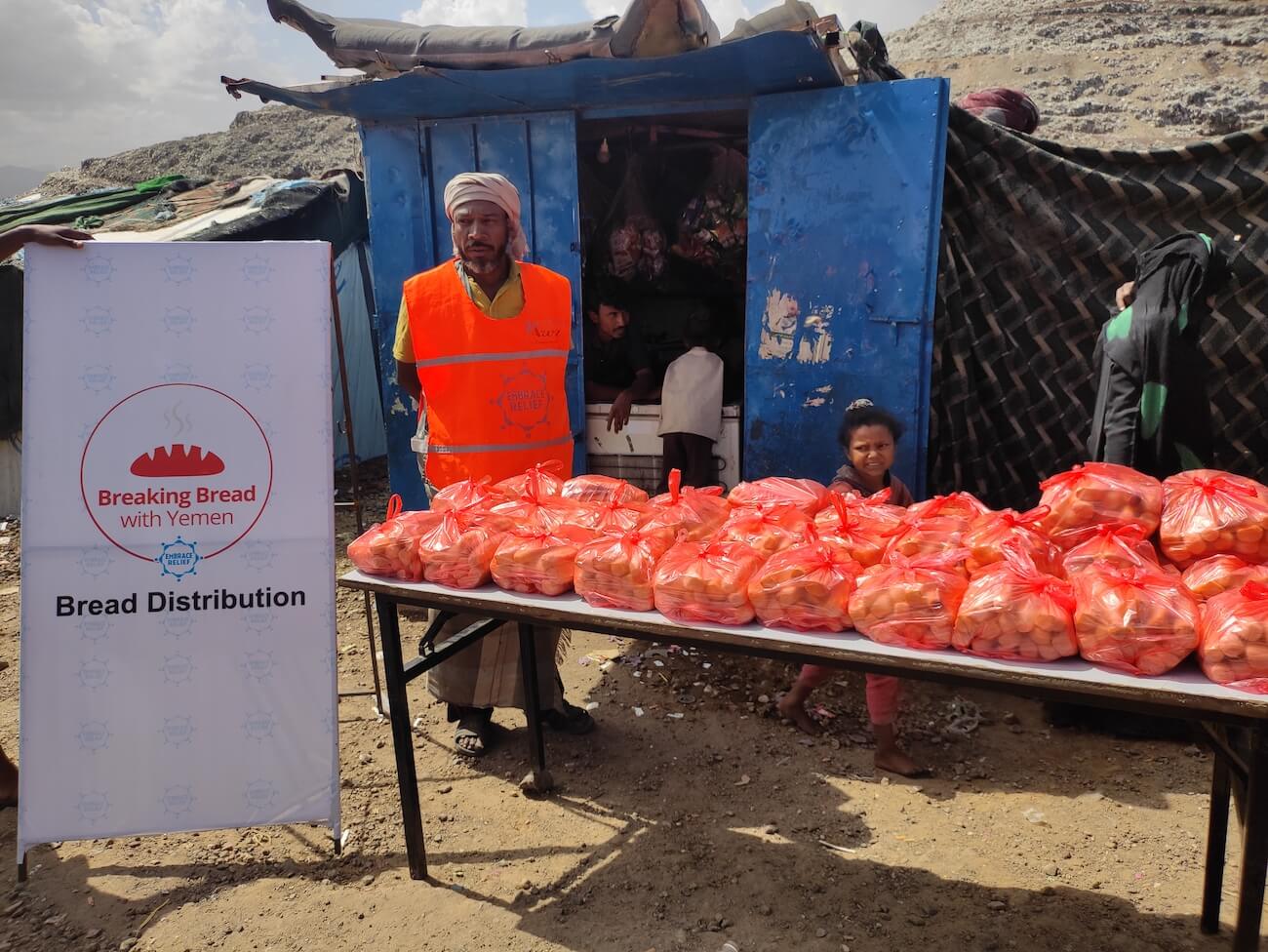
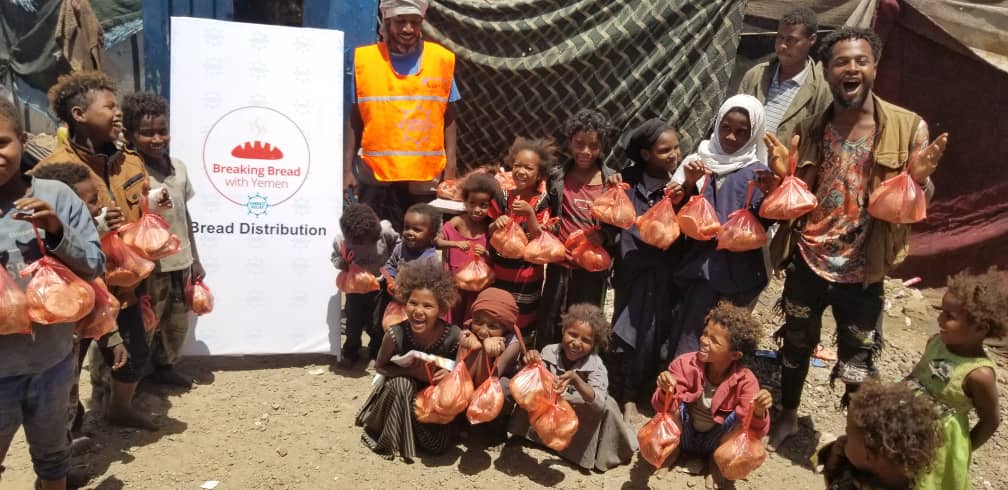
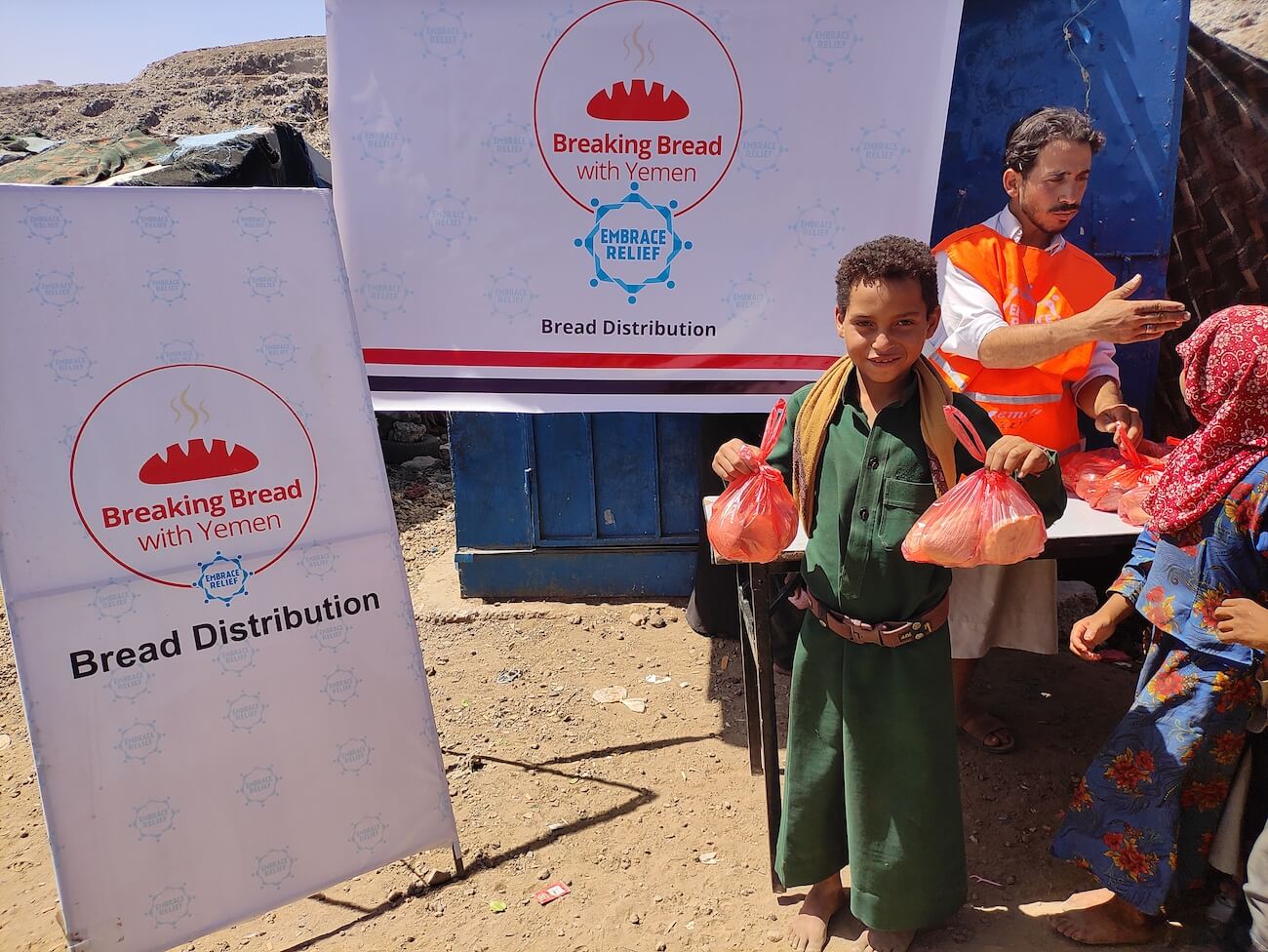
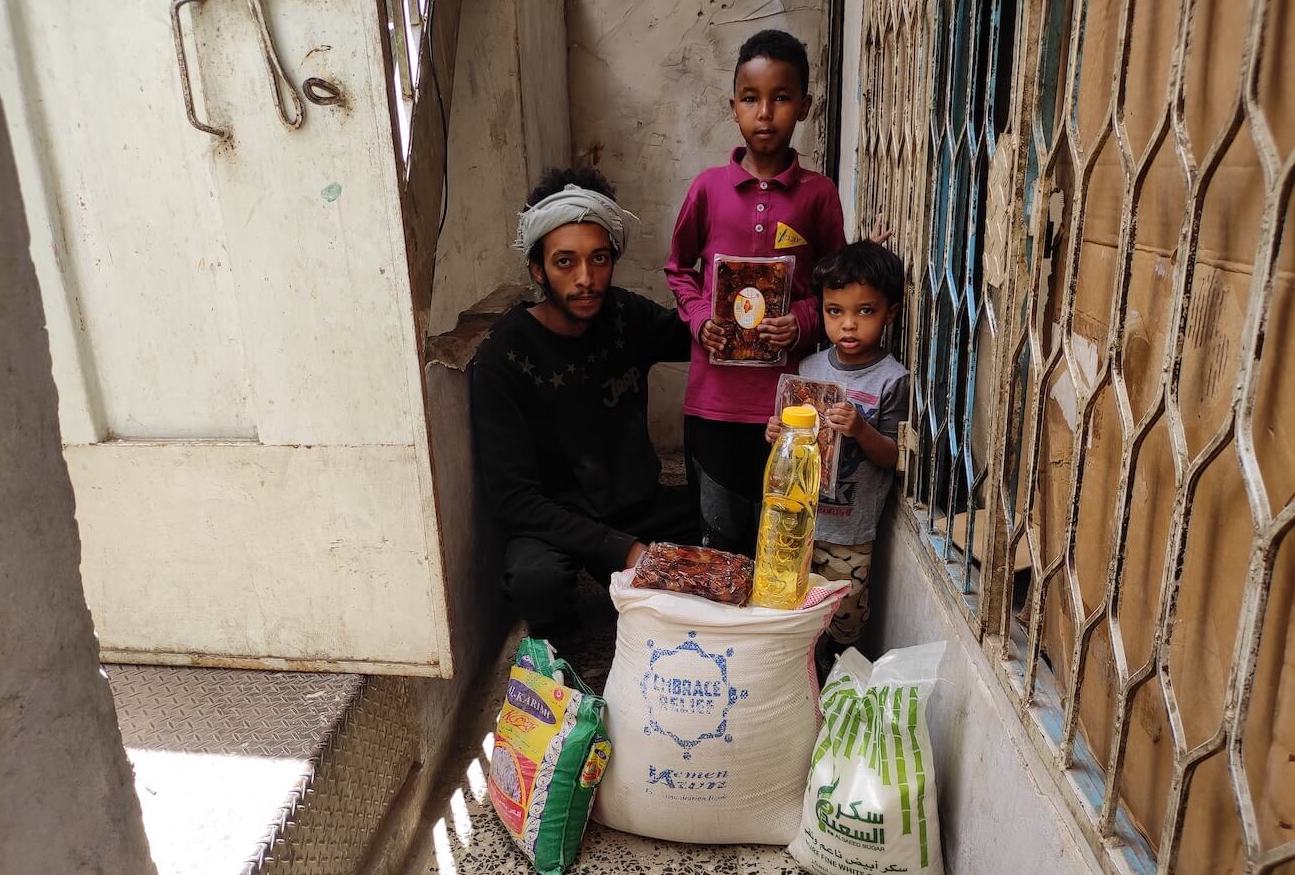
Embrace Relief is one such organization aiming to support the people of Yemen. Our “Breaking Bread With Yemen” program, in operation since 2021, has provided life-saving daily loaves of bread to hundreds of thousands of families in need. For many families who are living below the poverty line, or for those who have been displaced from their homes and forced to survive living in one of the country’s refugee camps, this program represents a critical lifeline.

Currently, the program is seeking to provide a daily bread distribution for all 50 families in the Al-Azrageen camp in Sana’a. But we can’t help these vulnerable families without your help.

A gift of just $50 will ensure that one family has enough bread to eat for one full month. Donate to Embrace Relief’s “Breaking Bread With Yemen” program using the donation box below, and help us give life-saving bread – and hope – to a family in need today!

Qurbani Cow, Goat, and More: How Your Donation Can Make a Difference

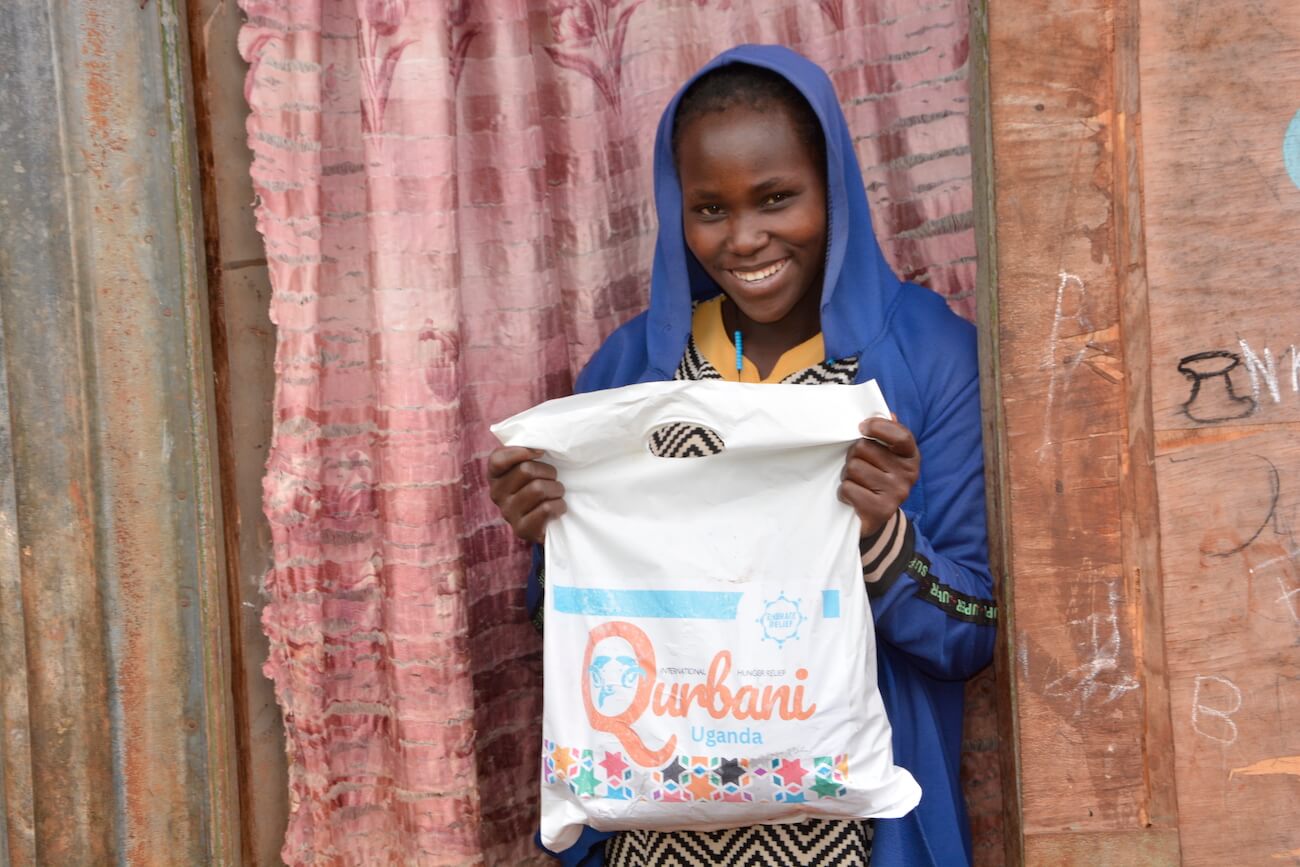
In the spirit of Eid al-Adha, Embrace Relief’s International Hunger Relief: Qurbani 2024 program offers you the opportunity to fulfill your religious obligations while helping those in need. By donating to our program, you can ensure that your Qurbani reaches the most vulnerable communities across the globe.

What is Qurbani?

Qurbani, or Udhiya, is the act of sacrificing an animal during Eid al-Adha to honor the willingness of Prophet Ibrahim to sacrifice his son in obedience to God. This tradition not only holds deep spiritual significance but also serves as a means to provide essential nutrition to those in need.

Why Choose Embrace Relief for Your Qurbani Donation?

  1. Transparency and Trust: We ensure that every donation is used effectively. From the careful selection of animals to the distribution of meat, Embrace Relief guarantees a transparent process.
  2. Global Reach: Our network spans multiple continents, allowing you to perform Qurbani in various locations including the United States, Africa, Asia, and the Middle East.
  3. Affordable Options: Embrace Relief offers various options to fit your budget, ensuring that everyone can participate in this charitable act.

Qurbani Prices and Locations

  • Africa: $110
  • Greece: $325
  • Yemen: $265
  • USA: $265
  • Where Most Needed: $110

Visit our donation page to view specific prices and make your donation.

Why Choose Embrace Relief for Your Qurbani Donation?

How to Donate

Donating through Embrace Relief is straightforward:

  1. Visit our donation page: Qurbani International Hunger Relief.
  2. Select your preferred location: Choose from Africa, Greece, Yemen, USA, or where most needed.
  3. Complete your donation: Our team will handle the purchase and distribution of the meat to those in need.

The Impact of Your Donation

Your Qurbani donation through Embrace Relief can provide essential nutrition to families who struggle with food insecurity. By participating in this program, you are extending a helping hand to those in desperate need of support, making a tangible difference in their lives.

The Impact of Your Donation

Join the Movement

Share this opportunity with your friends and family, and let’s work together to combat hunger. By choosing Embrace Relief, you are ensuring that your Qurbani reaches those who need it most, fostering hope and nourishment across the globe.

Empowering Afghan Girls: The LEARN Program’s Impact on Education and Hope

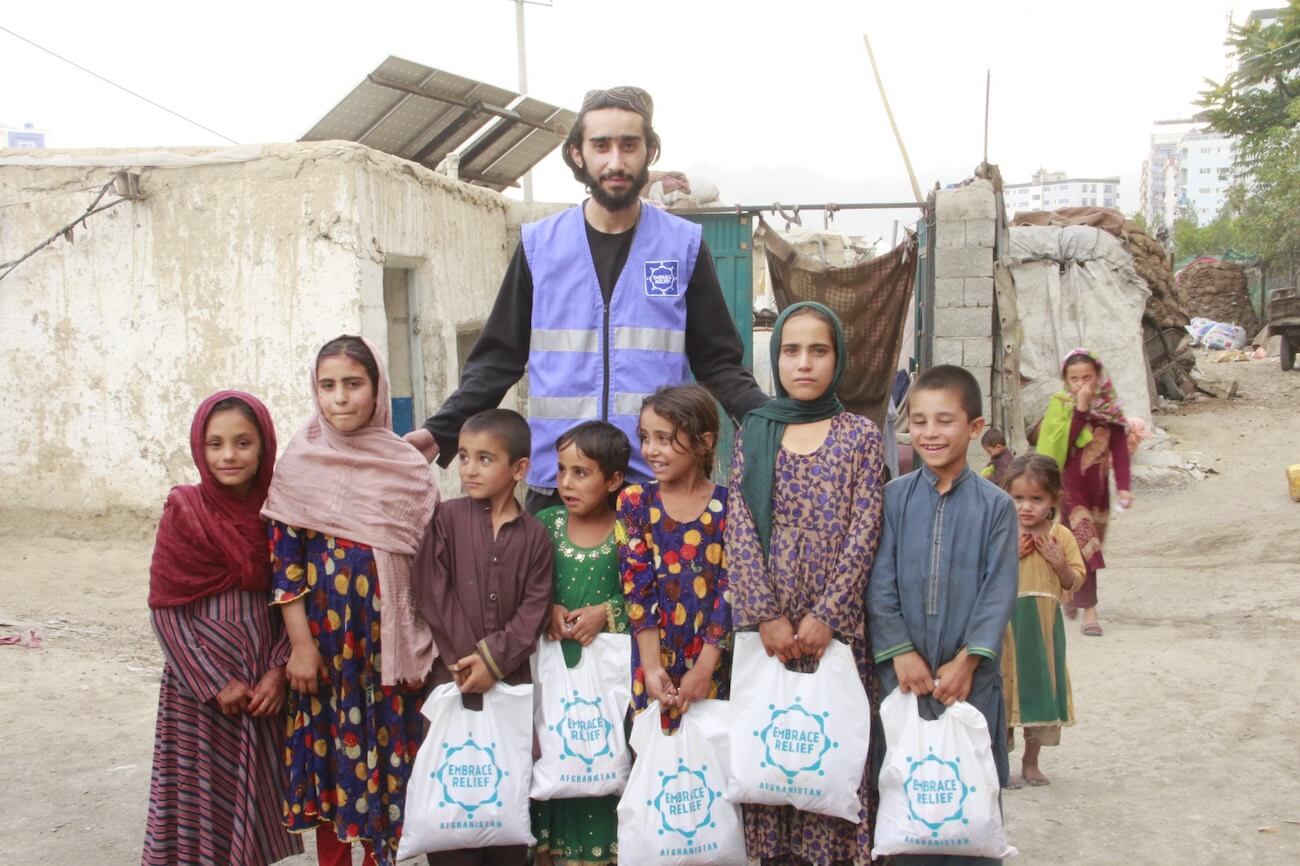
In a country where education for girls faces significant barriers, Embrace Relief’s LEARN program shines as a beacon of hope and empowerment. Muskan Ziayee, a 17-year-old student from Kabul, Afghanistan, and Mr. Munir Munir, a committed teacher, share their experiences and the transformative impact of this vital initiative.

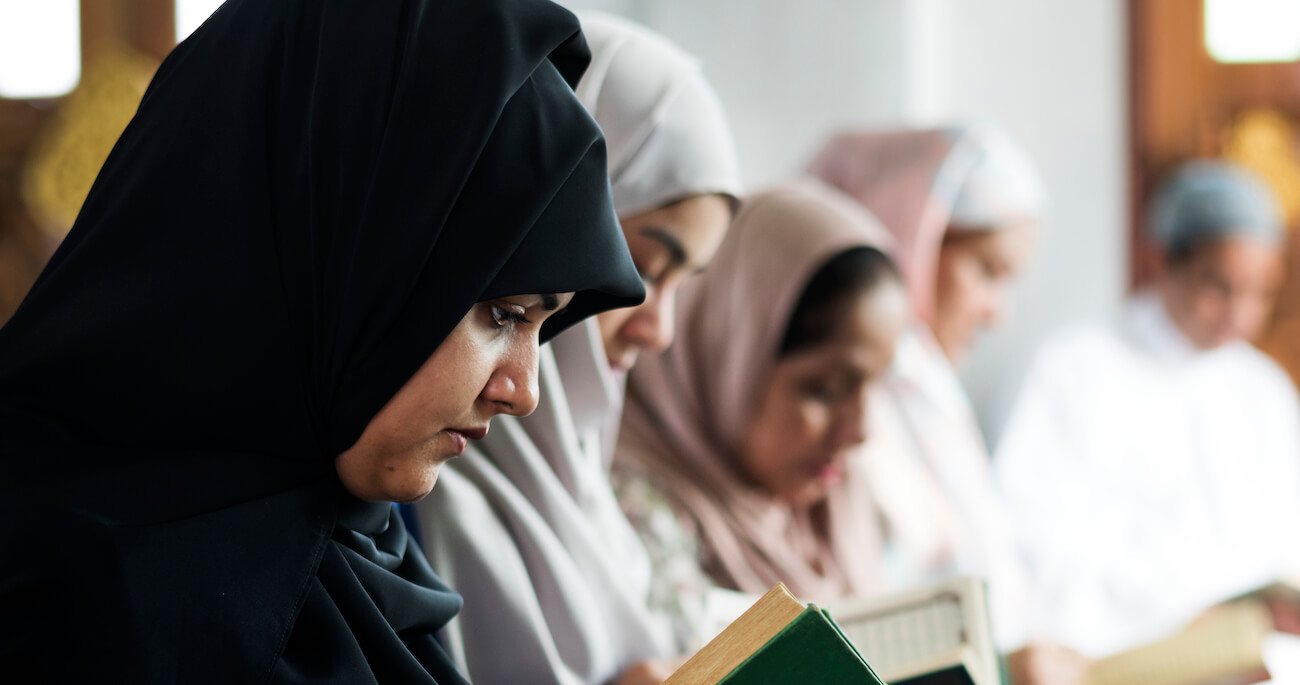
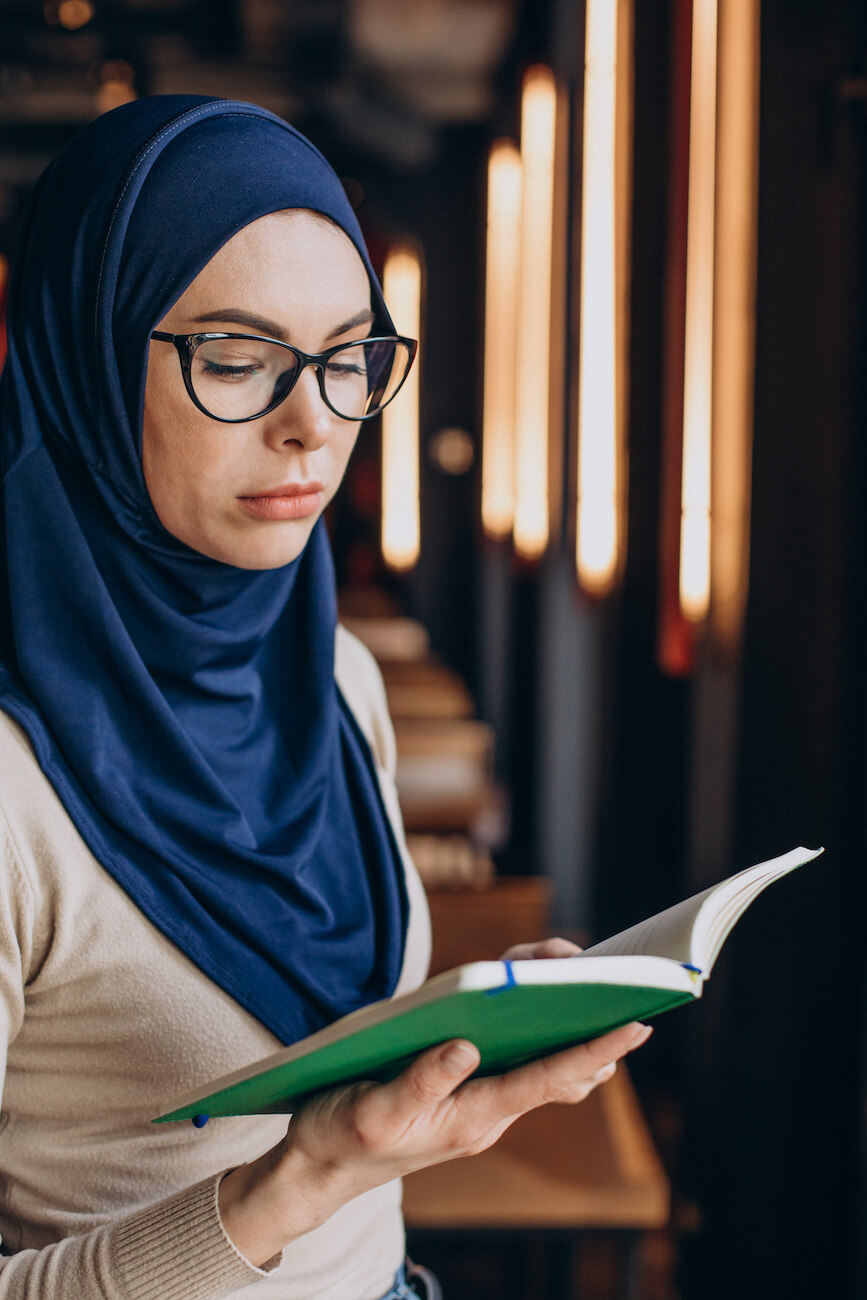
Muskan’s day begins at 4 a.m. with prayer and recitation of the Quran, followed by her online lessons from 5 to 10 a.m. She then dedicates her time to teaching English until 4 p.m., reads books, helps her mother with dinner, and studies until she sleeps at 9 p.m. This rigorous schedule reflects her dedication and the importance of education in her life.

Before joining the LEARN program, Muskan faced numerous challenges. Schools were closed for girls, and electricity issues further complicated access to education. Despite these obstacles, the LEARN program provided her with a structured, supportive learning environment, as well as a sense of autonomy and the confidence to pursue her dreams.

“The LEARN program really impacted my life in a good way. It’s like finding a new hope for studying and reaching my goals,” says Muskan. She highlights her ability to manage lessons at her own pace, learn new subjects like United States history, and receive continuous support from her school. “I can manage my lessons on my own pace.”

Muskan aspires to become a doctor and to build a hospital to serve the poor. She expresses profound gratitude to the donors of the LEARN program, acknowledging that their support has transformed her life and provided her with a clear path to achieving her goals.

“I am very lucky to find an opportunity to join the LEARN program,” she says, emphasising the critical role of education in her journey. “Since I joined the LEARN program, I can see a lot of changes in my life. Before joining, I did not have a certain study program to progress my lessons and I was confused about what to do. But now I am going ahead with a complete program and goal.”

The Dedication of Teachers in the LEARN Program

Mr. Munir, a biology teacher with over six years of experience, has been involved with the LEARN program for four months. His motivation stems from seeing Afghan girls struggling without schooling.

“Seeing them deprived of their right to education is the main reason that urges me to get involved in such learning programs,” he explains.
Mr. Munir describes the program’s positive impact on students’ lives, noting significant improvements in their attitudes and creativity.

“From the time they entered this program, a huge improvement can be noticed in their attitude such as becoming optimistic, organised, courageous, compassionate, and creative,” he says.

Women Empowerment Education

Despite challenges like internet access and adequate learning environments, Mr. Munir and his colleagues use innovative solutions to ensure the continuity of education. “We have trouble having access to the internet and a satisfactory place for teaching. I could overcome the problems by spinning through data bundles and Wi-Fi devices.”

His dedication to his students is evident in his commitment to providing extra classes and regular evaluations. “Their progress is evaluated every two weeks as well as extra classes are conducted for them in order to help them overcome learning challenges.” He observes that students in the LEARN program display remarkable confidence and a strong determination to achieve their academic goals. “The difference between the students having access to this program compared to the ones not having access can be easily noticed as they are confident in achieving their goals for a bright future,” he notes.

The program has not only improved their academic performance but also fostered a sense of optimism and resilience. “These programs could bring favourable impacts on their lives which assist them to endeavour more and stay positive on achieving their goals.”

The LEARN program’s success stories underscore the importance of education in empowering Afghan girls. Despite the difficult circumstances, the program provides a lifeline, offering hope and a pathway to a brighter future. Your support is crucial in continuing this mission and helping more girls like Muskan achieve their dreams.

Donate For Women’s Empowerment

$
Donate Now

Hunger in Sub-Saharan Africa, a Continuing Crisis

Summary

  • Sub-Saharan Africa is one of the regions of the world hardest hit by chronic hunger.
  • How does this hunger impact the lives of people in Africa, especially women and children?
  • Learn how you can make an impact on hunger in Africa by giving to Embrace Relief’s International Hunger Relief: Qurbani 2024 campaign.

Sub-Saharan Africa is facing a severe hunger crisis, a pressing issue that has reached alarming levels. According to the UN World Food Programme (WFP), millions of people in this region are grappling with food insecurity, malnutrition, and hunger, with dire consequences for individuals, communities, and economies. This crisis is exacerbated by various factors including conflict, climate change, economic instability, and the COVID-19 pandemic. Hunger statistics show that over 140 million people in this region are facing “acute” food insecurity – meaning the inability to consume adequate food to maintain a healthy body function – with many countries experiencing alarming levels of hunger.

Climate change has also played a significant role in worsening the hunger crisis. Erratic weather patterns, prolonged droughts, and devastating floods have destroyed crops, reduced harvests, and wiped out livestock. For example, in the Sahel region, recurrent droughts have severely affected agricultural productivity, leading to chronic food shortages.

The Impact of Hunger on Communities in Africa

Hunger and malnutrition have far-reaching effects on individuals and communities. For children, the impact is particularly devastating. Half of all deaths of children under the age of 5 are linked to malnutrition. Meanwhile, malnutrition during the first five years of a child’s life can cause irreversible physical and cognitive damage, hindering not only their physical growth, but also their ability to learn and perform in school. This is a key factor in perpetual cycles of poverty and underdevelopment. The World Health Organization estimates that approximately 38 percent of children in sub-Saharan Africa are stunted, meaning their height is significantly less than the average for their age. Stunting is linked closely with a lack of childhood nutrition.

For adults, prolonged hunger and malnutrition weaken the immune system, increasing vulnerability to diseases. In regions with high prevalence of diseases like HIV or waterborne diseases like cholera and typhoid, food insecurity further complicates these health challenges, as malnutrition can accelerate the progression of the disease and reduce the effectiveness of treatment. Communities facing chronic hunger often experience reduced economic productivity. Farmers, who make up a significant portion of the workforce in sub-Saharan Africa, are particularly affected. Without adequate nutrition, they lack the energy and strength to work their fields, leading to lower agricultural output and income. This creates a vicious cycle where food insecurity leads to decreased productivity, which in turn exacerbates hunger and poverty.

Opportunities for Youth Involvement in Food Security

Addressing the Hunger Crisis: A Long-Term Effort

Addressing the hunger crisis in sub-Saharan Africa requires a comprehensive and multifaceted approach that tackles both immediate needs and long-term solutions. Immediate relief efforts should focus on providing emergency food assistance to the most vulnerable populations. This includes distributing food supplies, implementing cash transfer programs, and ensuring that nutritional needs are met, particularly for children and pregnant women.

In the longer term, building resilience within communities is essential. Enhancing agricultural productivity is a critical component of this strategy. Farmers need access to improved seeds, modern farming equipment, and training on sustainable agricultural practices. Developing and promoting drought-resistant crops can help mitigate the impacts of climate change, which has significantly affected food production in the region.

Improving infrastructure, such as roads and storage facilities, is also crucial for reducing post-harvest losses and ensuring that food can be efficiently transported from farms to markets. Additionally, strengthening local markets and supply chains can help stabilize food prices and improve food availability.

Ensuring food access for children is paramount, as well. School feeding programs not only provide essential nutrition to children but also encourage attendance, contributing to human capital development. Empowering women through education and economic opportunities can have a significant impact, as women often play a central role in household food security.

Finally, fostering political stability and addressing conflicts are fundamental to creating an environment where long-term food security can be achieved. Collaborative efforts that involve local communities, governments, and international partners are necessary to implement these strategies effectively and ensure sustainable progress in combating hunger in sub-Saharan Africa.

How to Get Involved and Make a Difference

Give your Qurbani and help feed the hungry in Sub-Saharan Africa

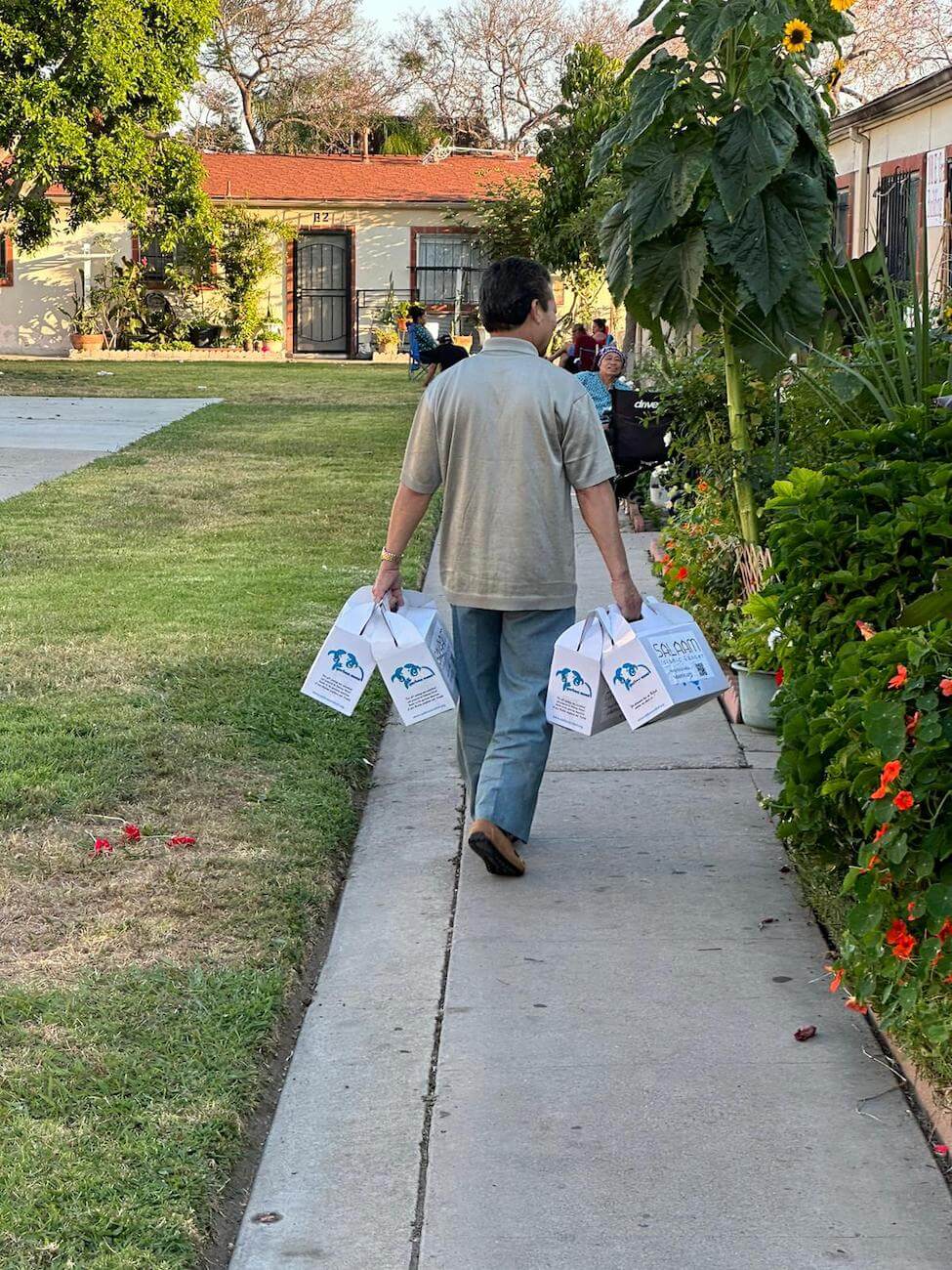
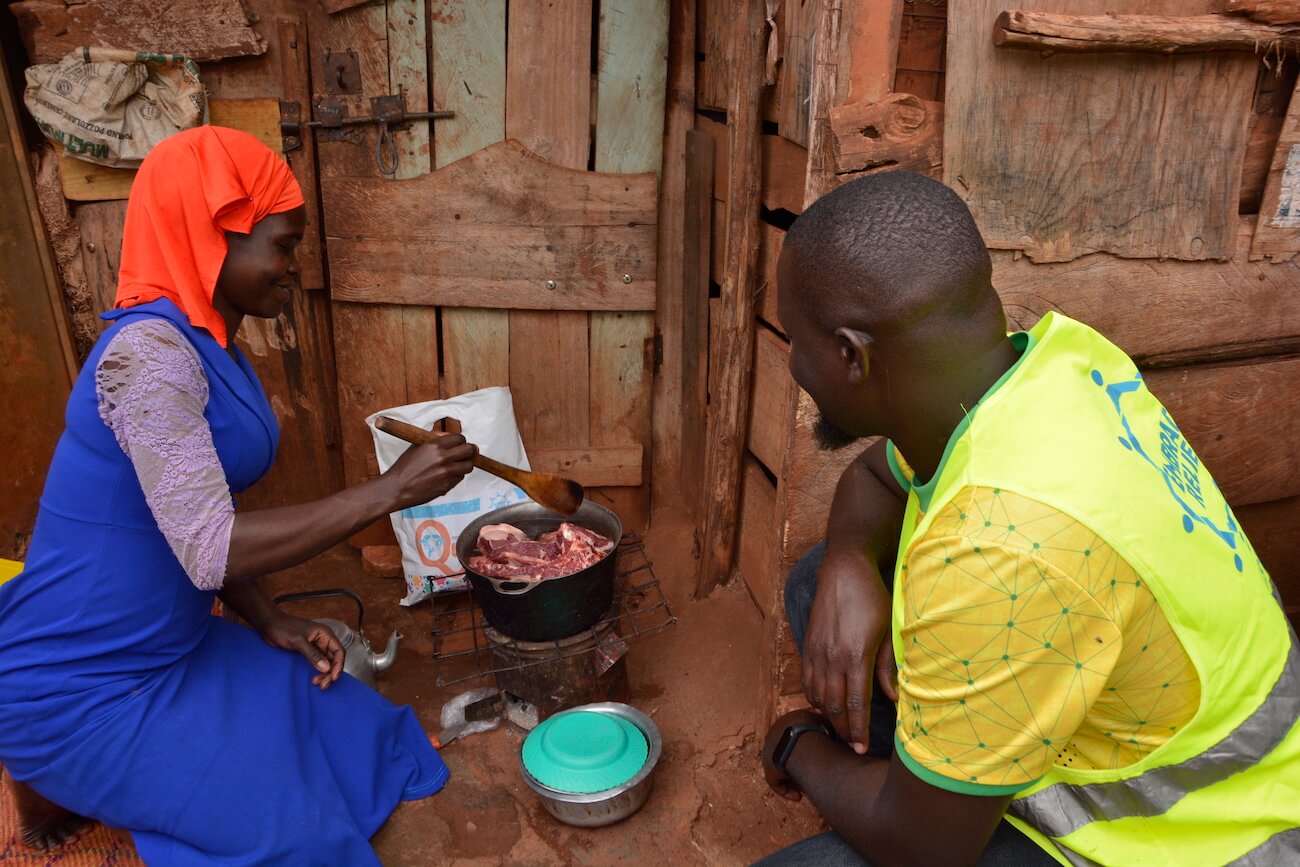
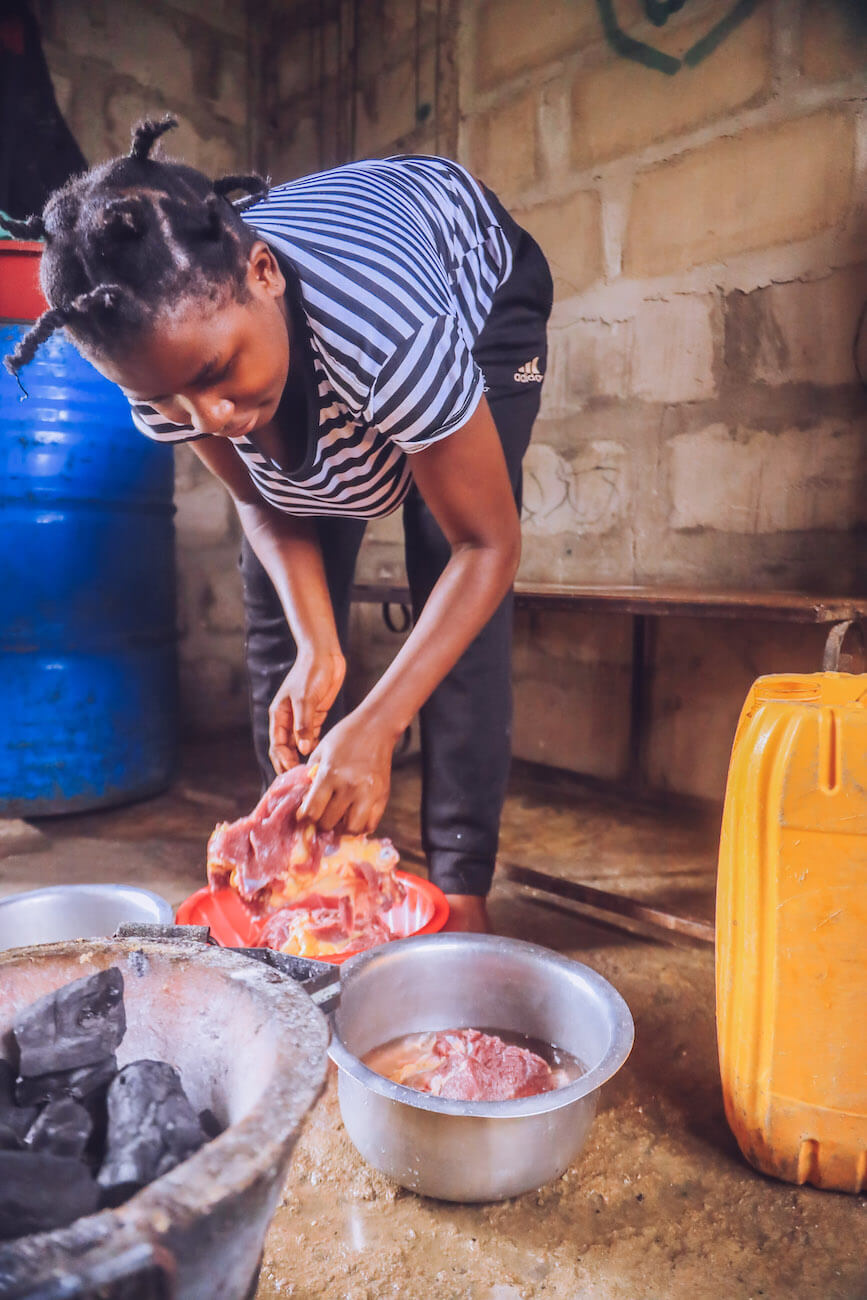
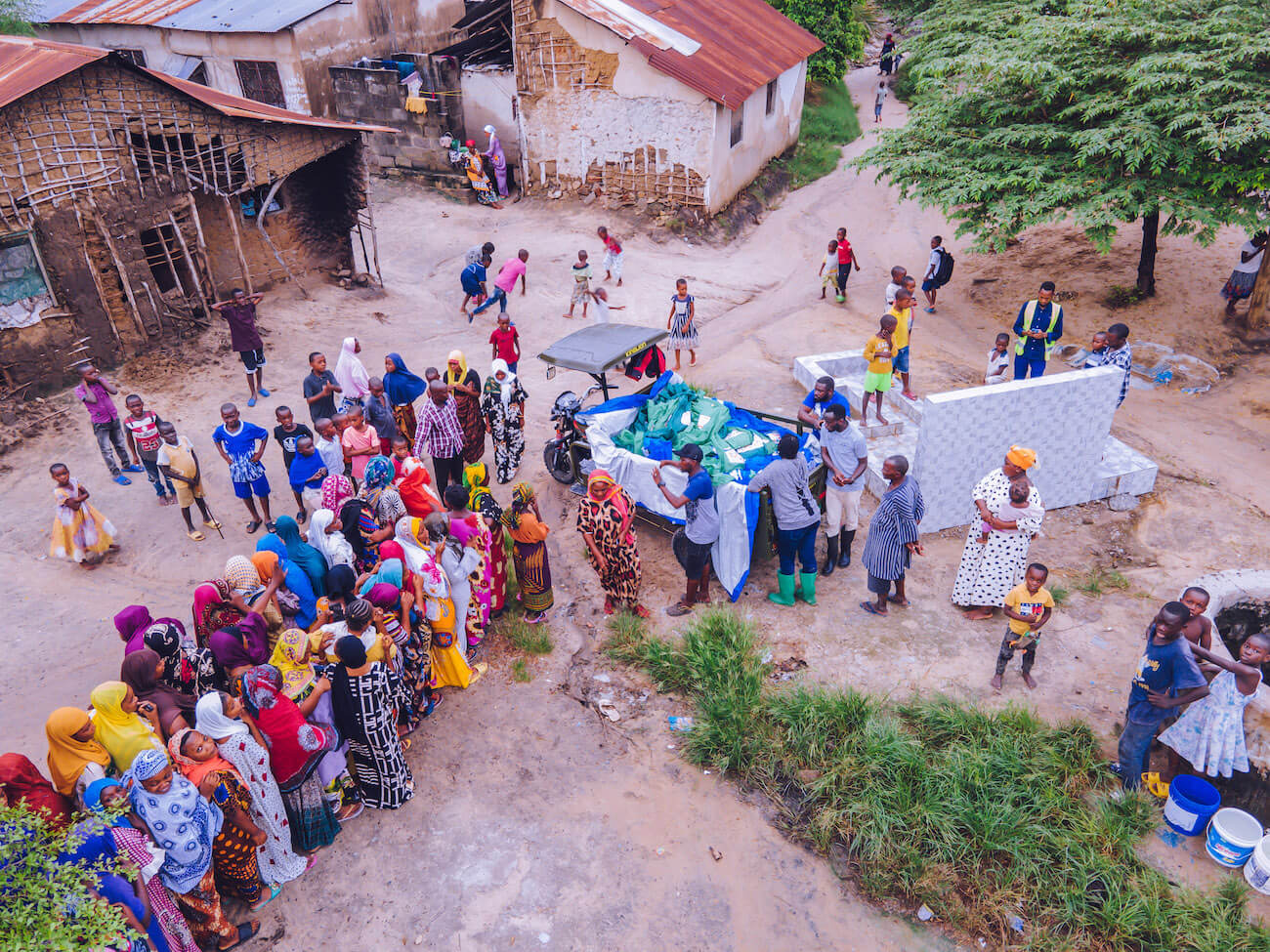
At Embrace Relief, we recognize the impact that can be made when food is delivered directly to those who need it. That’s why, as part of our International Hunger Relief: Qurbani 2024 campaign, we plan to deliver nutritious meat packages to families in several sub-Saharan African countries, including Tanzania, Uganda, Kenya, Mali, and Burkina Faso.

For each $110 Qurbani share you donate, you will provide enough meat to serve seven families for up to two weeks’ worth of meals. It is a special opportunity to create happiness and fulfillment in communities across sub-Saharan Africa.

In 2023, the generosity of donors like you allowed Embrace Relief to distribute Qurbani meat packages to more than 122,000 people in 19 countries across five continents. For the many families worldwide who struggle to afford nutritious food, this program represents a beacon of hope and support. We’re aiming to expand our impact in 2024 – but we can’t do it without your help.

Give your Qurbani today with Embrace Relief by using the donation box below, and help us deliver food and spread hope to our friends across Africa.

Feeding the Future: The Role of Youth in Global Food Security

Introduction to the Importance of Youth Engagement

Youth engagement in global food security is crucial for addressing the challenges of hunger and malnutrition. Young people bring fresh perspectives, innovative solutions, and the energy needed to drive sustainable agricultural practices and policies. Their involvement ensures the development of resilient food systems that can support a growing global population.

Opportunities for Youth Involvement in Food Security

There are numerous ways for youth to contribute to global food security:

  1. Agricultural Education and Training: Young people can pursue education in agricultural sciences, agribusiness, and sustainable farming practices.
  2. Innovation and Technology: Youth can lead the way in developing and implementing new technologies, such as precision farming, biotechnology, and digital platforms that enhance agricultural productivity.
  3. Advocacy and Policy: Engaging in advocacy and influencing policy decisions can help create a supportive environment for sustainable agriculture and food security initiatives.
  4. Community Projects: Participating in or leading community-based projects, such as urban farming, school gardens, and local food distribution networks, can have a direct impact on food security at the grassroots level.
Opportunities for Youth Involvement in Food Security

Challenges Faced by Young People in the Sector

Despite their potential, young people face several challenges in contributing to global food security:

  1. Limited Access to Resources: Many young people lack access to land, capital, and markets, which are essential for starting and maintaining agricultural enterprises.
  2. Lack of Training and Education: Inadequate training and education opportunities in agriculture and related fields can hinder youth involvement.
  3. Policy Barriers: Restrictive policies and regulations can limit opportunities for young people to innovate and engage in the agricultural sector.
  4. Social and Cultural Barriers: In some regions, societal norms and cultural expectations can discourage youth from pursuing careers in agriculture.

How to Get Involved and Make a Difference

Embrace Relief’s “Breaking Bread with Yemen” campaign provides an excellent opportunity for young people to make a tangible impact on global food security. This initiative focuses on distributing fresh bread daily to 50 families in the Al-Azrageen Camp in Sana’a, Yemen, helping to alleviate hunger and support vulnerable communities.

Donating to and spreading awareness for this cause can make an enormous impact on the lives of vulnerable families, and especially children, in a difficult situation in Yemen.

Ways to Get Involved:

  1. Fundraising: Organize fundraising events and campaigns to support the initiative.
  2. Advocacy and Awareness: Raise awareness about the food security crisis in Yemen and the importance of the campaign through social media, community events, and educational workshops.
  3. Volunteer: Offer your time and skills to support the campaign’s operations, logistics, and outreach efforts.
How to Get Involved and Make a Difference

Conclusion

Youth engagement in global food security is not only essential for addressing current challenges but also for ensuring a sustainable future. By getting involved in initiatives like Embrace Relief’s “Breaking Bread with Yemen” campaign, young people can play a pivotal role in alleviating hunger and supporting vulnerable populations. Together, we can feed the future and build a world where everyone has access to nutritious food.

What is the Impact of the Yemen Conflict on Children?

The ongoing conflict in Yemen has had catastrophic consequences for children, impacting their overall well-being in numerous ways:

  1. Health and Nutrition: Malnutrition is rampant, with millions of children suffering from acute malnutrition due to food shortages. The lack of access to clean water and medical services exacerbates their vulnerability to diseases.
  2. Education: The war has destroyed or damaged many schools, interrupting the education of millions of children. Displacement has further disrupted their schooling, leaving a generation at risk of illiteracy and undereducation.
  3. Psychological Impact: Constant exposure to violence, loss, and instability has led to widespread psychological trauma among children. Many experience symptoms of post-traumatic stress disorder (PTSD) and other mental health issues.

What is the Role of Embrace Relief’s “Breaking Bread with Yemen” Campaign?

To address the dire needs of Yemeni children, Embrace Relief has launched the “Breaking Bread with Yemen” campaign, which aims to provide fresh bread daily to 50 families in the Al-Azrageen Camp in the capital city, Sana’a. This initiative plays a crucial role in alleviating some of the hardships faced by these children:

  1. Nutritional Support: By ensuring a steady supply of fresh bread, the campaign helps combat malnutrition and provides essential calories that children need for their growth and development.
  2. Stability and Routine: Regular food distribution helps create a sense of stability and normalcy in the lives of children who have been uprooted by conflict. Knowing they will have something to eat each day can significantly reduce anxiety and stress.
  3. Community Resilience: Supporting families with daily bread not only nourishes children but also strengthens the overall resilience of the community. This support allows parents to focus on other critical needs, such as education and health care for their children.
What is the Role of Embrace Relief’s Breaking Bread with Yemen Campaign?

Why Your Support Matters

The “Breaking Bread with Yemen” campaign is a lifeline for many children in Yemen, providing them with the basic sustenance they need to survive and thrive. However, the success of this initiative depends on the generosity of donors. With just $50, you can provide fresh bread daily to a family for a whole month, making a tangible difference in their lives.

By supporting this campaign, you are directly contributing to the well-being of Yemeni children, offering them hope and a chance for a healthier future. Your donation can help alleviate hunger, promote stability, and foster resilience in one of the world’s most vulnerable populations.

Together, we can make a significant impact on the lives of these children and their families. Give your support to Embrace Relief’s “Breaking Bread with Yemen” campaign today and help us reach more families in need.

Why Your Support Matters

How You Can Help

The conflict in Yemen has left an indelible mark on the country’s children, affecting their health, education, and psychological well-being. Embrace Relief’s “Breaking Bread with Yemen” campaign is a beacon of hope in these challenging times, providing daily sustenance and stability to vulnerable families. Your support is crucial in continuing this vital work and ensuring that Yemeni children have the chance to lead healthier, happier lives.

Donate today and be part of this life-saving initiative.

The Impact of Climate Change on Yemen’s Humanitarian Crisis

Yemen, a country already ravaged by years of conflict, is now facing the devastating impacts of climate change. The exacerbation of environmental challenges has significantly worsened the humanitarian crisis, particularly with regard to hunger and poverty. In this context, Embrace Relief’s “Breaking Bread With Yemen” campaign, which provides daily fresh bread to 50 families in the Al-Azrageen Camp in the capital city Sana’a, plays a crucial role in alleviating some of these dire needs.

Climate Change and Its Effects on Yemen

Yemen’s geographical and socio-political landscape makes it particularly vulnerable to the adverse effects of climate change. The country is experiencing increasingly erratic weather patterns, including severe droughts and extreme temperatures, which are crippling an agricultural sector that has become more fragile due to a decade-long civil conflict. This sector is a primary source of livelihood for many Yemenis, and its decline has led to significant food insecurity and poverty.

  1. Water Scarcity: Yemen is one of the most water-scarce countries in the world. Climate change has intensified this scarcity, making water for drinking and irrigation even harder to come by. The reduced water availability is crippling agricultural productivity, leading to lower crop yields and exacerbating hunger.
  2. Food Insecurity: The combined effects of conflict and climate change have pushed millions into acute food insecurity. According to recent reports, nearly half of Yemen’s population is experiencing high levels of food insecurity, with many facing famine-like conditions.
  3. Economic Impact: The degradation of natural resources due to climate change has also led to economic decline. Farmers and herders, who depend on the environment for their livelihoods, are finding it increasingly difficult to sustain their families. This has led to higher levels of poverty, making it even harder for people to access basic necessities like food and water.
Climate Change and Its Effects on Yemen

Embrace Relief’s Breaking Bread Campaign

In the midst of these challenges, Embrace Relief’s Breaking Bread campaign offers a lifeline to many struggling families. By providing fresh bread daily to 50 families in the Al-Azrageen Camp in Sana’a, this campaign directly addresses the immediate needs of some of Yemen’s most vulnerable populations in the following ways:

  1. Nutritional Support: Bread is a staple food that provides essential calories and nutrients, helping to stave off hunger and malnutrition. For many families in Yemen, this daily bread distribution is often their only reliable source of food.
  2. Economic Relief: By receiving free bread, families can allocate their limited financial resources to other critical needs such as healthcare, education, and housing. This helps to alleviate the economic burden and provides a sense of stability and hope for the future.
  3. Community Impact: The campaign not only supports individual families but also strengthens community resilience. With one less worry about where their next meal will come from, communities can focus on rebuilding and supporting each other through these difficult times.

Why Your Support is Crucial

Supporting Embrace Relief’s Breaking Bread campaign is more than just a charitable act; it is a direct investment in the lives of people who are facing unimaginable hardships. Your donations ensure that these families receive the daily sustenance they need to survive and thrive.

  • Immediate Relief: Every $50 donation provides fresh bread to one family every day for a month. This immediate relief is crucial for survival and well-being.
  • Sustainable Impact: Continuous support helps create a sustainable program that can expand to reach even more families in need, ensuring long-term positive impacts on the community.
  • Humanitarian Responsibility: As global citizens, supporting such initiatives is part of our collective responsibility to help those in dire situations, particularly in regions severely affected by factors beyond their control.

By donating to the Breaking Bread campaign, you are not only helping to alleviate hunger but also contributing to a larger effort to combat the profound effects of climate change and conflict in Yemen. Let’s work together to provide hope and sustenance to those who need it most.

Why Your Support is Crucial

Donate today and help vulnerable families in Yemen

The intersection of climate change and conflict has created a severe humanitarian crisis in Yemen, with millions suffering from hunger and poverty. Embrace Relief’s Breaking Bread campaign offers a vital source of daily nutrition for families in the Al-Azrageen Camp, helping to mitigate some of the dire impacts of this crisis. Your support is essential in ensuring the success and expansion of this life-saving initiative. Together, we can make a significant difference in the lives of many vulnerable Yemenis.

Donate today to Embrace Relief’s Breaking Bread campaign at the link below and be a part of the solution in bringing relief and hope to Yemen.