


Recent

Unveiling the Path to Equality: A Journey Through the History of Women’s Right to Vote

Summary

  • Delve into the captivating history of women’s suffrage and the fight for equality, exploring milestones, challenges, and triumphs along the way.
  • Discover how initiatives like RISE, LEARN, KEEN, and SEED are instrumental in advancing women’s rights and empowerment globally.
  • Join us in championing gender equality and supporting women’s empowerment programs to create a more inclusive and equitable world.

Throughout history, the journey towards gender equality has been paved with resilience, determination, and unwavering commitment. One of the most pivotal milestones in this journey is the fight for women’s right to vote, a struggle that spans continents and generations. As we embark on a journey through time, let’s uncover the remarkable story of how women’s suffrage evolved from a distant dream into a hard-won reality.

The quest for women’s suffrage dates back centuries, with women around the world advocating for their right to participate in the democratic process. From the Seneca Falls Convention of 1848, where activists like Elizabeth Cady Stanton and Susan B. Anthony first called for women’s suffrage in the United States, to the suffragette movement in the United Kingdom led by Emmeline Pankhurst and her daughters, the fight for voting rights gained momentum across the globe.

Despite facing immense opposition and resistance from entrenched patriarchal systems, women persevered in their quest for equality. Their efforts bore fruit in the early 20th century, with countries like New Zealand, Australia, and Finland granting women the right to vote in the late 19th and early 20th centuries. In the United States, the ratification of the 19th Amendment in 1920 finally enshrined women’s suffrage into law, marking a watershed moment in the struggle for gender equality.

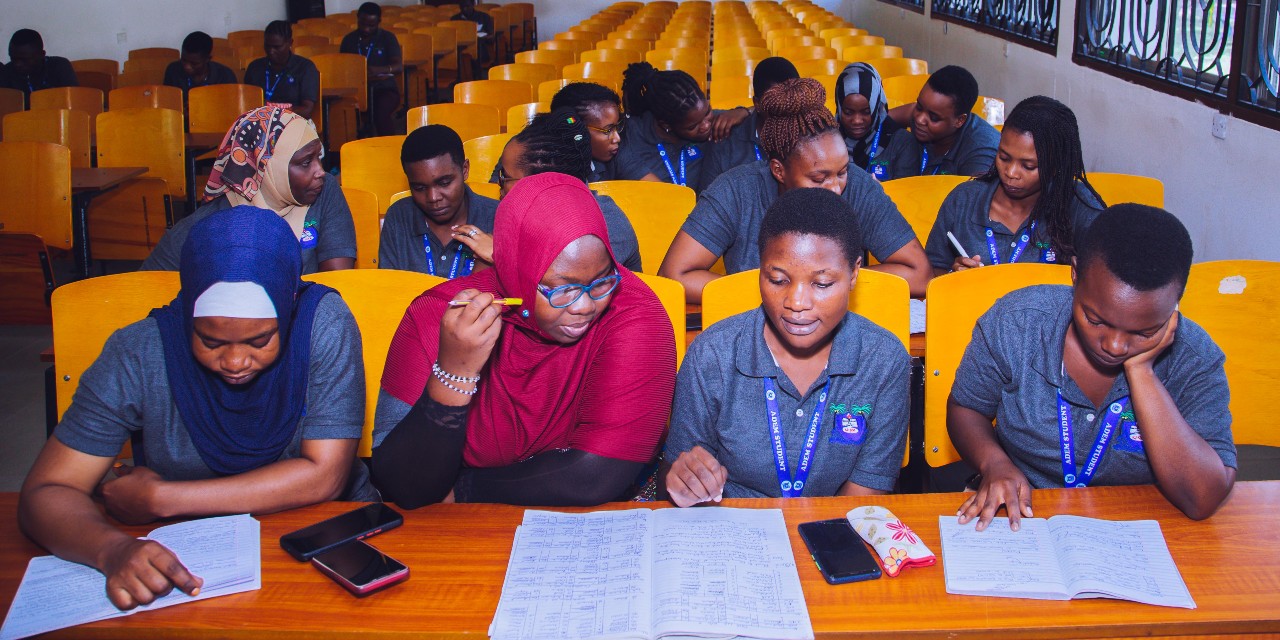
However, the fight for women’s rights is far from over. In many parts of the world, women continue to face barriers to political participation, economic empowerment, and social equality. Initiatives like RISE, LEARN, KEEN, and SEED play a crucial role in advancing women’s rights and empowerment globally, providing women with the tools, resources, and opportunities they need to thrive.
Women Empowerment Education

Empowering Women Through Education: The Role of RISE, LEARN, KEEN, and SEED

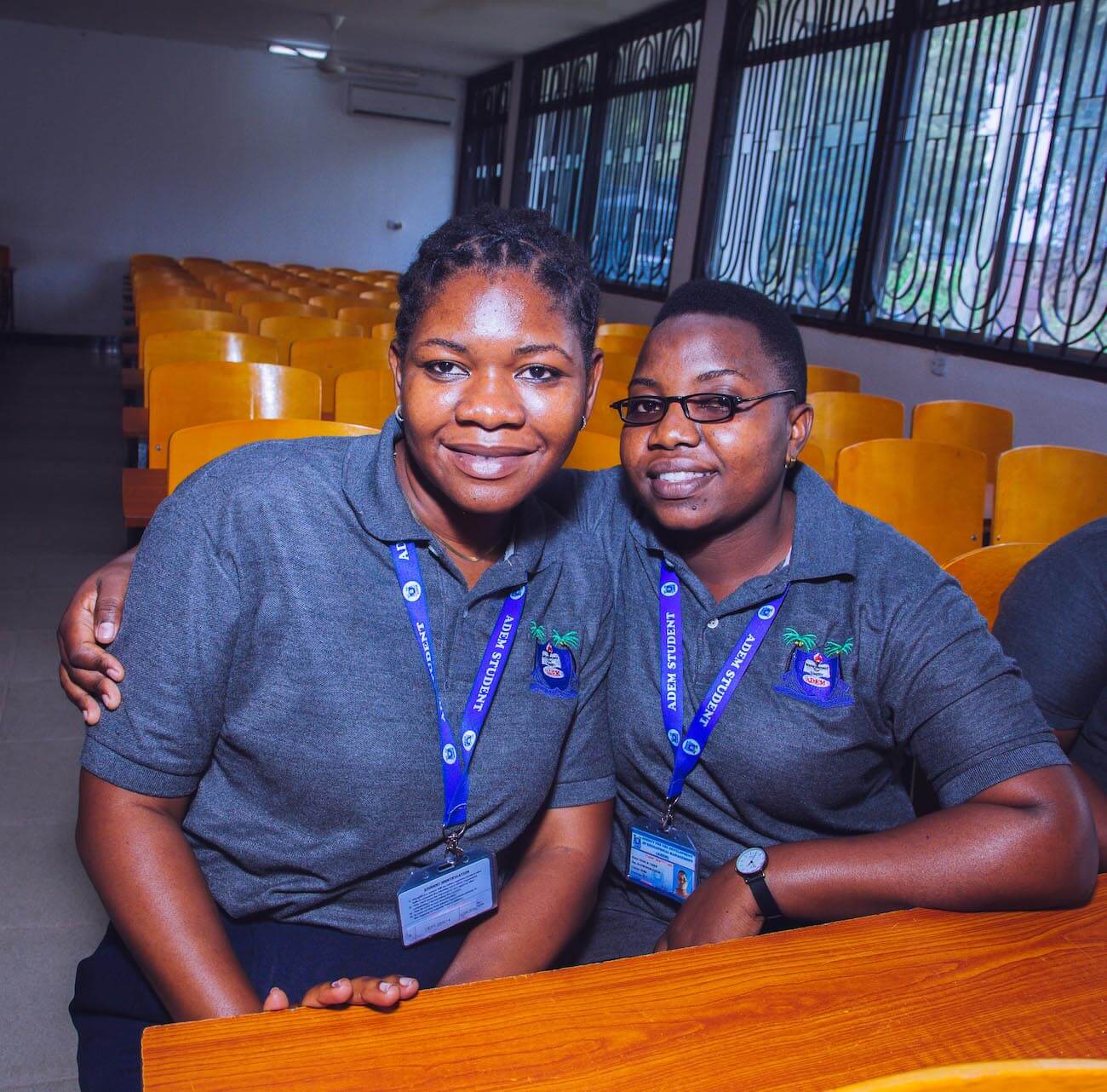
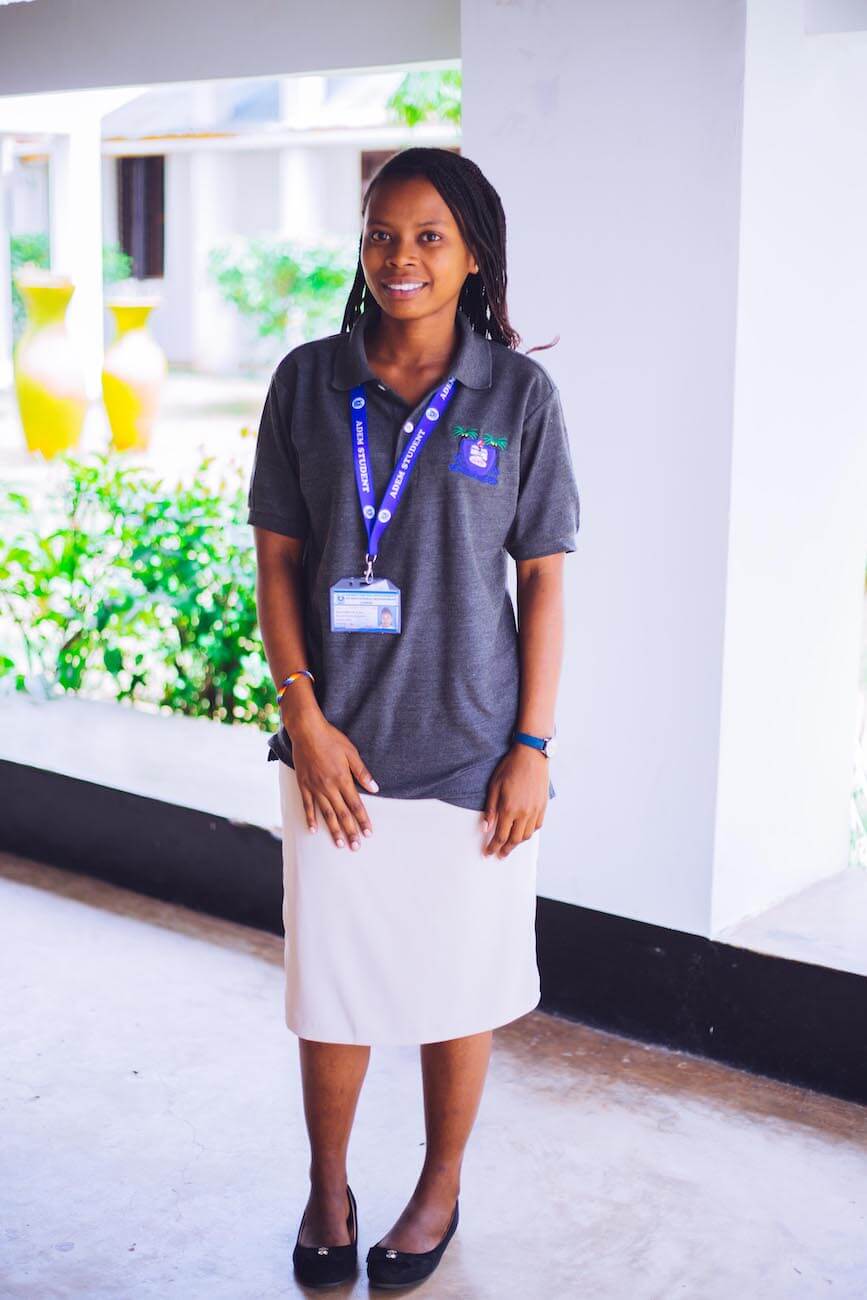
The Reach, Inspire, Support, Educate (RISE) program empowers women to become leaders in their communities, breaking down barriers to gender equality and fostering a culture of inclusivity and diversity. Through initiatives like Learning and Education for Afghan girls’ Rights and Needs (LEARN), women and girls gain access to quality education, enabling them to unlock their full potential and pursue their dreams.

The Kenya Entrepreneurial Empowerment Network (KEEN) equips women with the skills and knowledge they need to start and grow their businesses, promoting economic independence and financial empowerment. Meanwhile, the Sustainable Entrepreneurship through Eggs and Dairy (SEED) program provides women with the resources to engage in sustainable agricultural practices, ensuring food security and economic stability for themselves and their families.

As we reflect on the remarkable progress made in the fight for women’s rights, let us also recommit ourselves to the ongoing struggle for gender equality. By supporting initiatives like RISE, LEARN, KEEN, and SEED, we can empower women and girls to overcome barriers, shatter stereotypes, and achieve their full potential. Together, let’s build a future where every woman and girl can exercise her right to vote and participate fully in society.
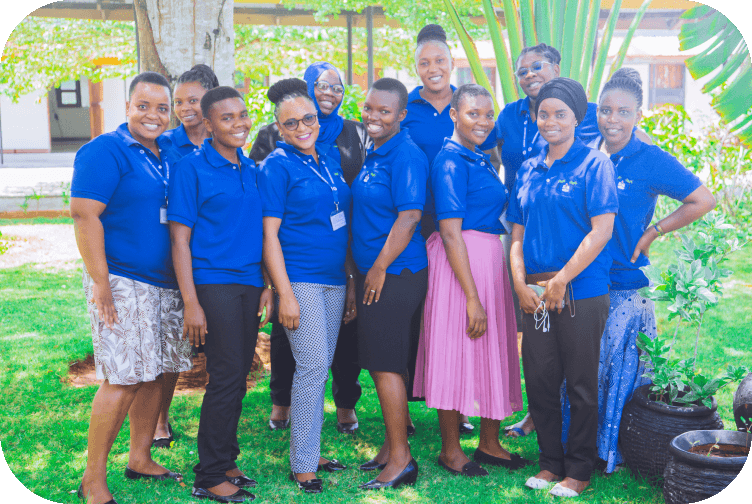
Empowering Women Through Education: The Role of RISE, LEARN, KEEN, and SEED

Donate For Women’s Empowerment

$
Donate Now

Understanding the Qurbani Dua: Meaning and Importance

Introduction

Qurbani, or the act of sacrifice during Eid al-Adha, stands as a pivotal practice in Islam, commemorating the profound obedience of Prophet Ibrahim (Abraham) to Allah’s command. As millions of Muslims around the world prepare for this holy act, the significance of the Qurbani dua (prayer) becomes paramount. This prayer is not just a ritual utterance but a profound communication with Allah, seeking His blessings and expressing gratitude for His bounties.

The Importance of Dua in Qurbani

In Islamic tradition, dua is more than just a prayer; it is a heartfelt conversation with Allah, a demonstration of utter dependence, and trust in His divine benevolence. During Qurbani, the dua embodies the intent behind the act of sacrifice. It is a moment to align oneself with the Sunnah (traditions) of Prophet Ibrahim and Prophet Muhammad, ensuring that the act of sacrifice is not merely physical but deeply spiritual.

The Qurbani Dua: Translation and Explanation

The dua recited during Qurbani is as follows:

Transliteration:
“Bismillah, Allahu Akbar, Allahumma Minka wa Ilayka”

Translation:
“In the name of Allah, Allah is the Greatest, O Allah this is from You and to You.”

This dua encapsulates total submission to Allah. Here’s a breakdown of its components:

  • Bismillah (In the name of Allah): This phrase sets the tone for the sacrificial act, marking it as a deed commenced in the name of Allah, dedicating every action that follows to His glory.
  • Allahu Akbar (Allah is the Greatest): A declaration of Allah’s greatness, reminding the believer that no matter the significance of their sacrifice, Allah’s majesty surpasses all.
  • Allahumma Minka wa Ilayka (O Allah, this is from You and to You): This acknowledges that all blessings originate from Allah, and to Him, they return. The sacrifice, therefore, is performed with what He has provided and is given back to Him in the form of obedience.
The Importance of Dua in Qurbani

How to Recite the Dua During Qurbani

Reciting the dua during Qurbani should be done with great reverence and mindfulness. Here are some guidelines to ensure it is performed correctly:

  1. Prepare Mentally and Spiritually: Before performing Qurbani, cleanse yourself physically and focus your intentions spiritually. Reflect on the purpose of the sacrifice and whom it is meant to serve.
  2. Recitation Timing: The dua should be recited right before the animal is sacrificed. It is crucial that the individual performing the sacrifice utters the prayer, though others present may recite it in their hearts.
  3. Maintain Sincerity: While reciting the dua, maintain a state of humility and sincerity. Remember that the act of sacrifice is a submission to Allah’s will, seeking His pleasure alone.
Give your Qurbani with Embrace Relief!

The Role of Dua in Enhancing Spiritual Connection

The Qurbani dua is more than a ritualistic utterance; it is an essential element that enhances the spiritual depth of the sacrifice. By reciting the dua, Muslims reaffirm their faith, obedience, and commitment to Allah. It is an expression of gratitude for His endless blessings and a plea for acceptance of the sacrifice made in His honor.

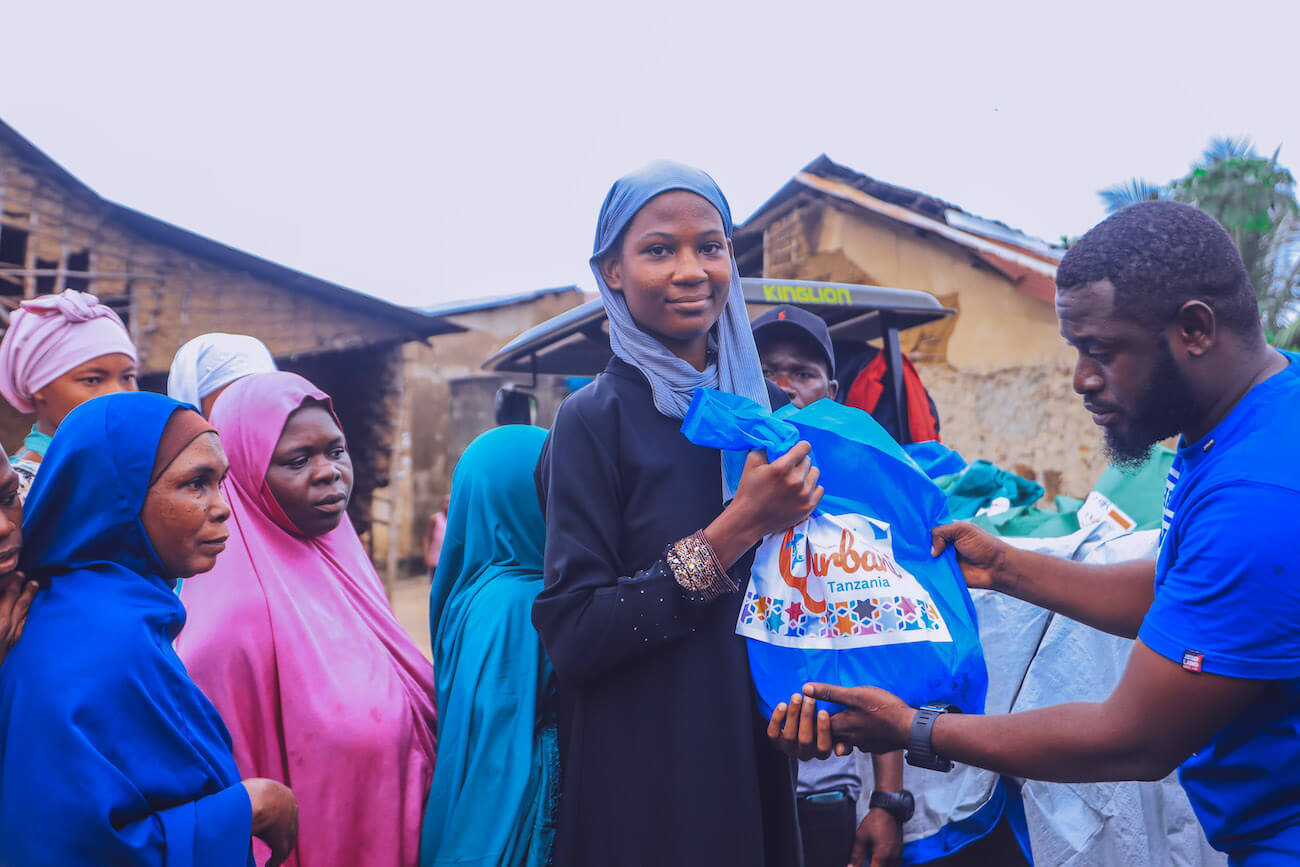
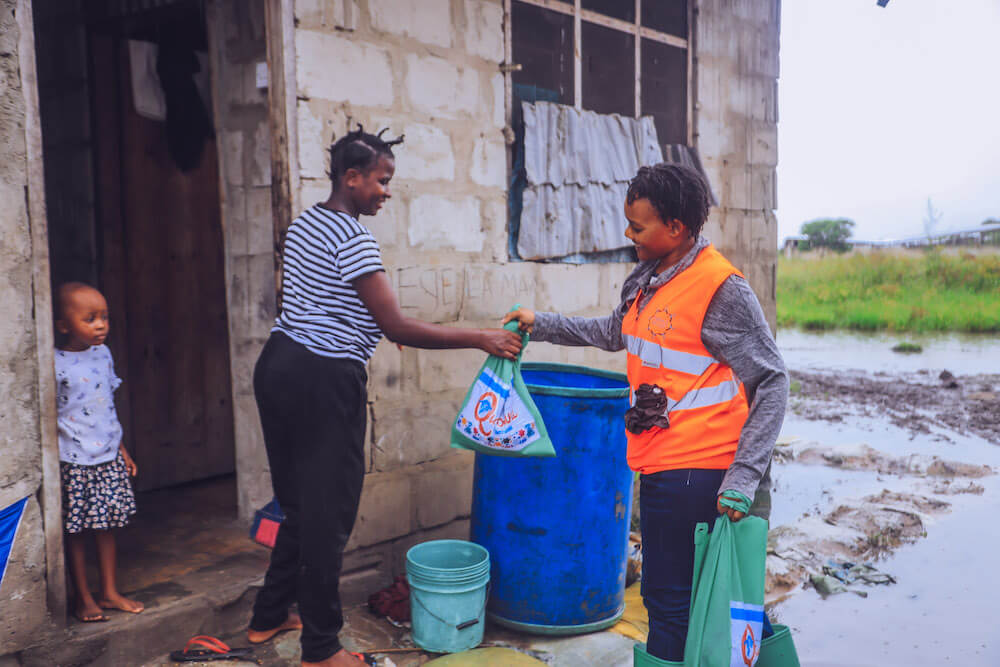
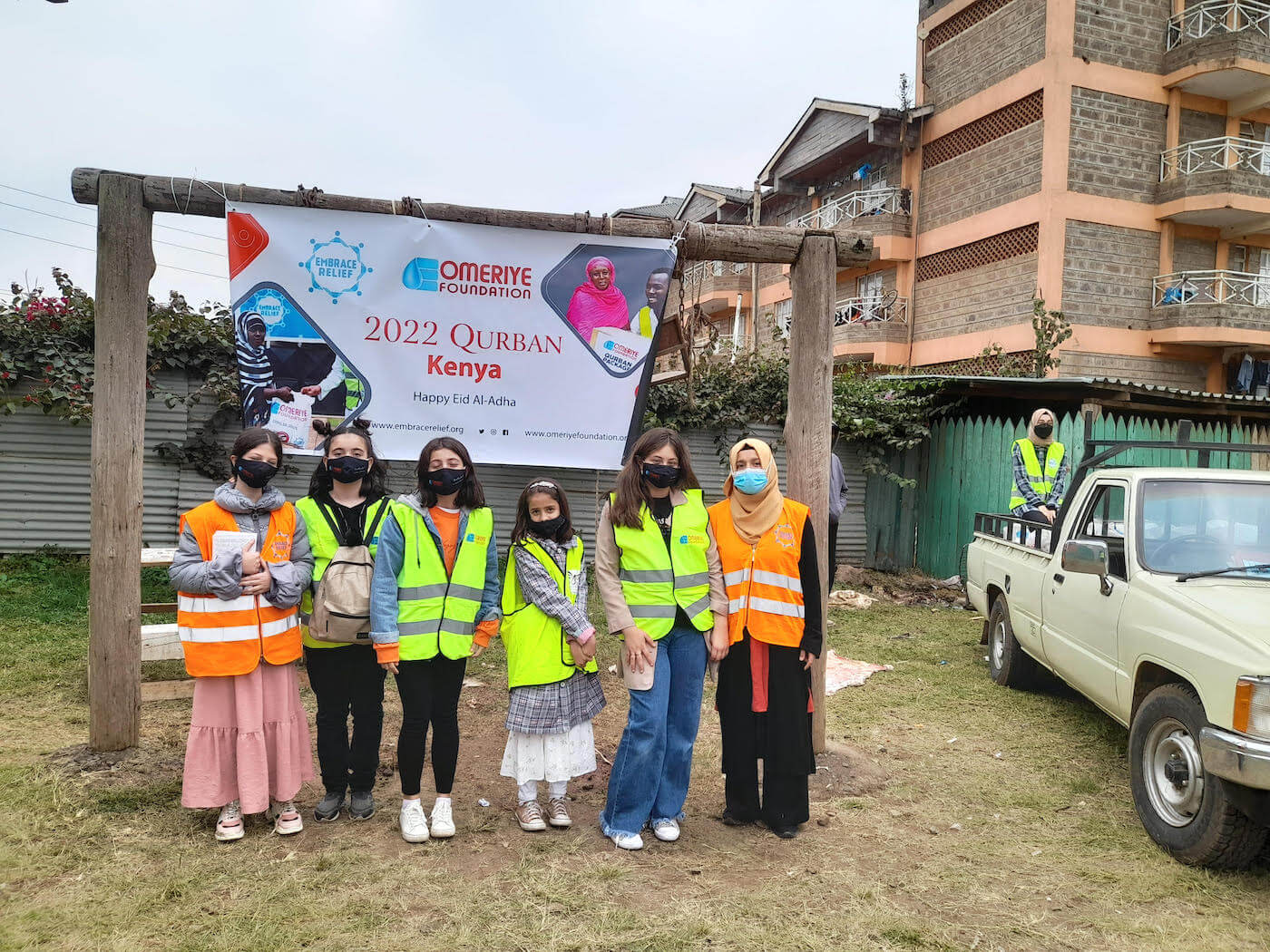
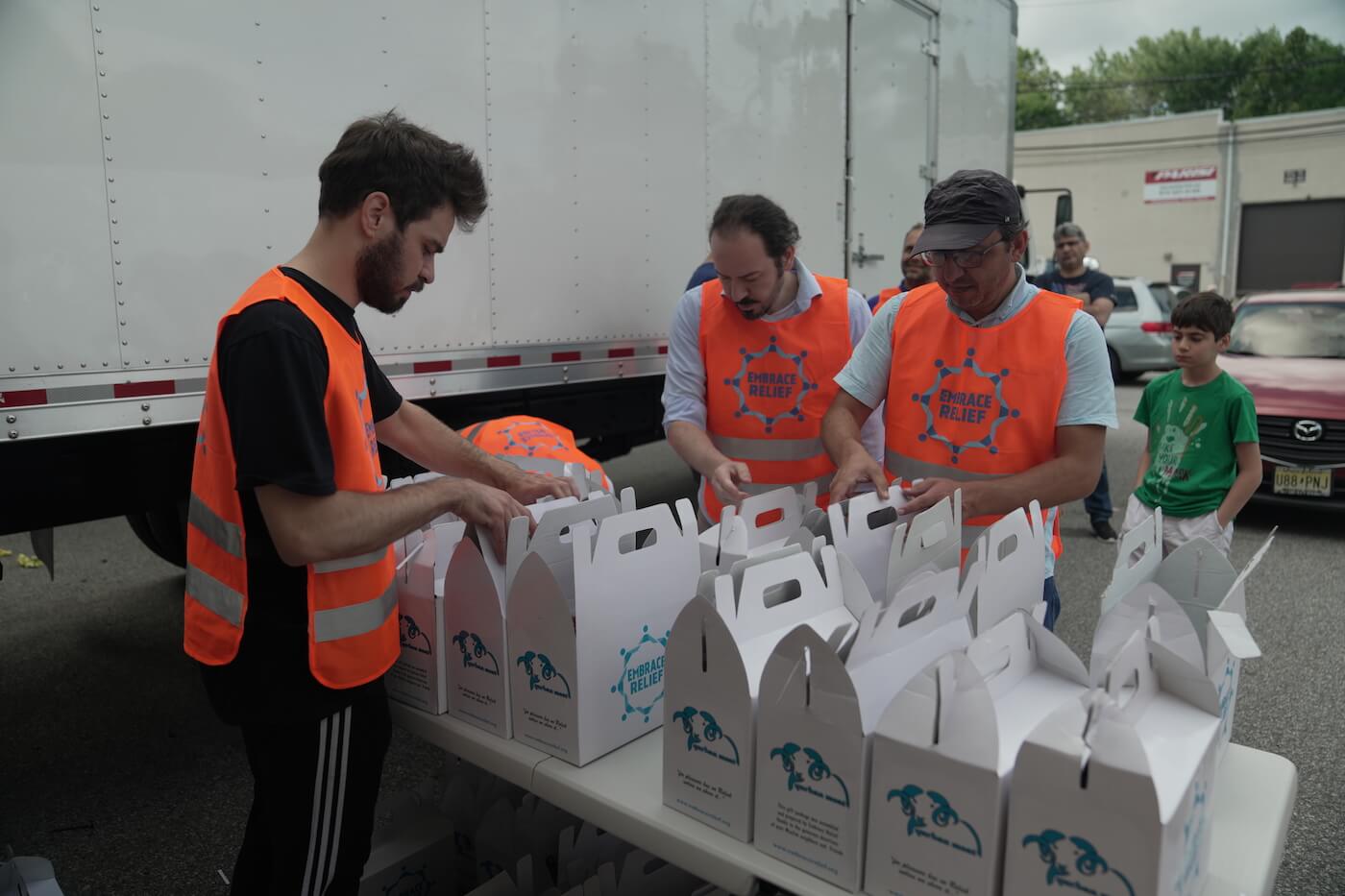
You can give your Qurbani with Embrace Relief and help those less fortunate, providing meat packages to families in need all around the world today. Donate today using the donation box below and help save lives!

Food Distribution in Yemen

Summary

  • Discover the dire humanitarian crisis in Yemen, where millions are in urgent need of assistance due to ongoing conflict.
  • Learn how Embrace Relief is partnering with local charities to provide essential food items to families affected by the crisis.
  • Take action today by joining the Breaking Bread with Yemen campaign and making a difference in the lives of those facing food insecurity and healthcare challenges.

For years now, Yemen, the poorest country in the Arab world, has been ravaged by a devastating civil war. Multiple factions and foreign powers are entangled in the conflict, leaving a trail of destruction in their wake. The humanitarian toll of this war is staggering, as of October 2023, 21.6 million Yemenis are dependent on humanitarian assistance, including 4.5 million internally displaced people (IDPs), and 71,800 refugees and asylum seekers.

The Humanitarian Crisis

  • A Man-Made Disaster: According to the UN, the situation in Yemen is one of the world’s worst man-made humanitarian disasters.
  • In Dire Need: two-thirds of the population—21.6 million people—are in need of humanitarian assistance.
  • Urgent Assistance: 11.3 million people are in acute need, requiring immediate assistance to survive.
  • Food Insecurity: More than 17 million people do not know where their next meal is coming from.
  • Children at Risk: 4.5 million children under the age of five are threatened by severe acute malnutrition.
  • Healthcare Crisis: With only 51% of the country’s health facilities fully functioning, 19.7 million people lack basic healthcare.
  • Cholera Outbreak: Yemen is struggling with the world’s largest cholera outbreak, resulting in more than 2.5 million suspected cases and 4,000 associated deaths since April 2017.
Key Strategies for Achieving Zero Hunger

Embrace Relief’s Response

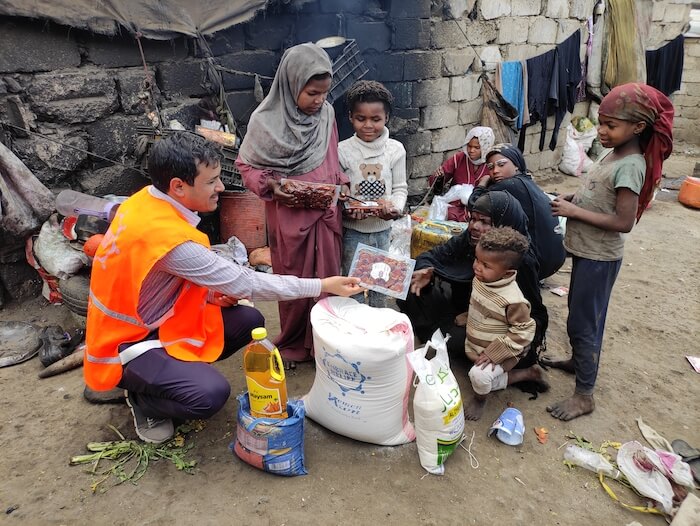
In partnership with a local Yemeni charity, Embrace Relief has been providing much-needed food items to those in need since 2021. Each relief pack contains the essential items:

  • 25 kg of wheat flour
  • 5 kg of rice
  • 5 kg of sugar
  • 2 liters of cooking oil

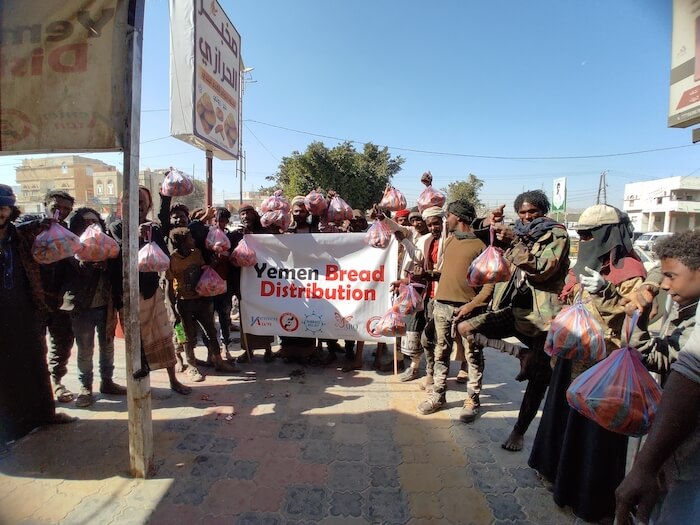
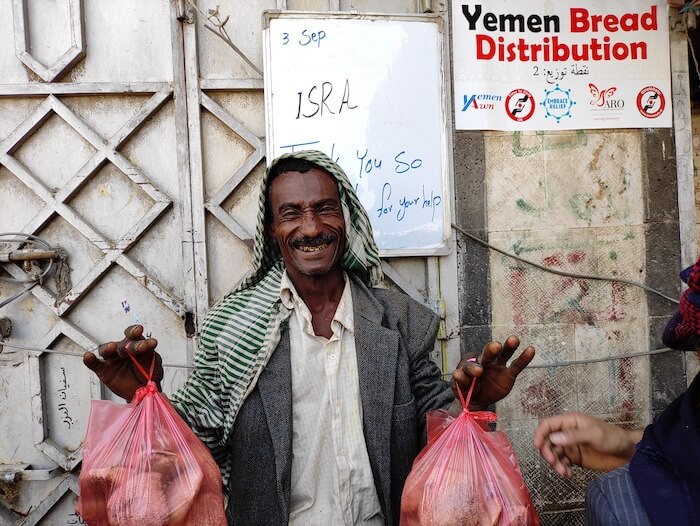
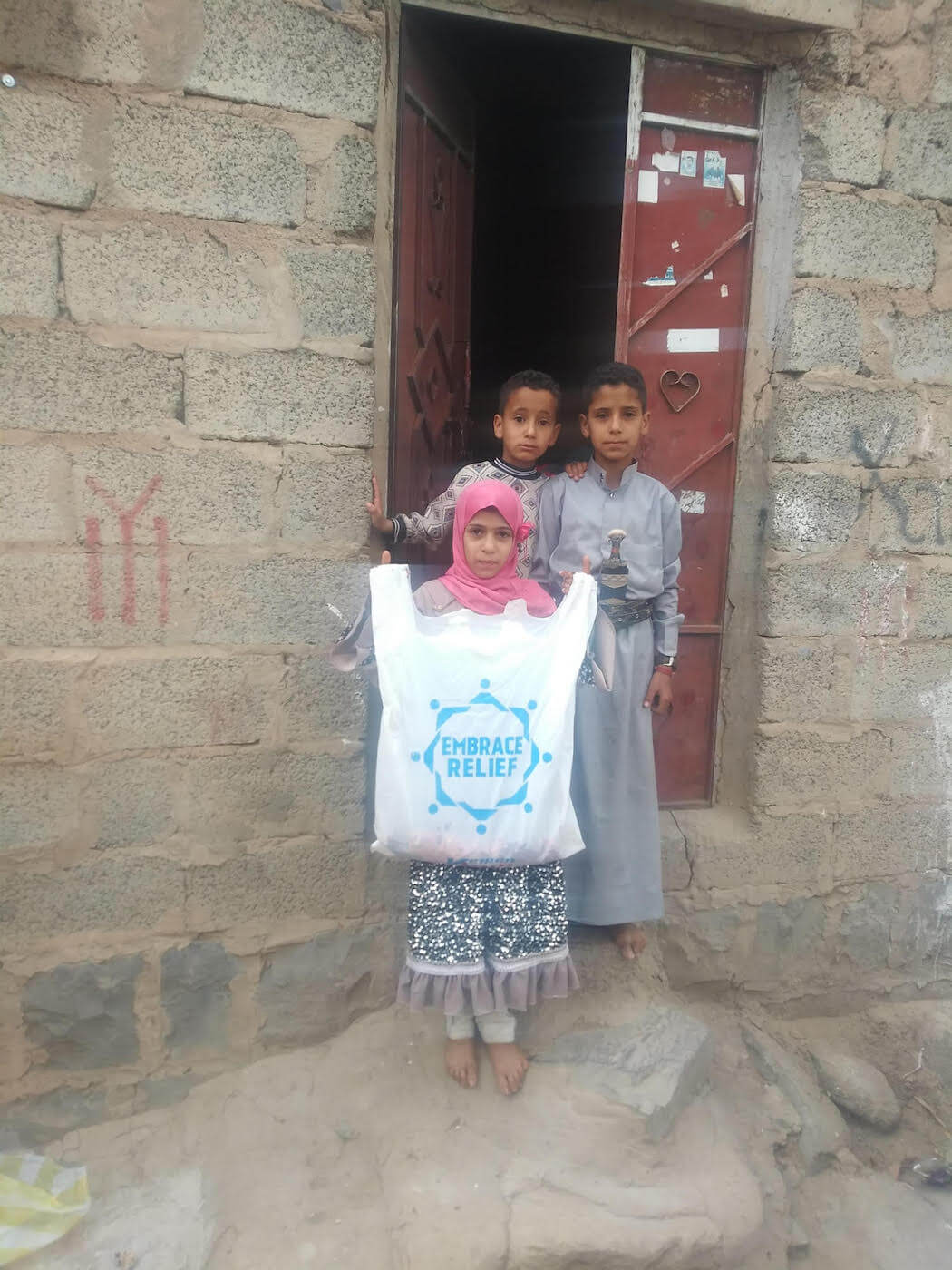
More than 300,000 people in and around the capital city of Sana’a and in the countryside of Taiz have already received these vital food items. Most have been delivered directly to the doors of those in need, while others have been picked up from our distribution center.

In addition, for this year, our goal is to provide fresh bread daily to 50 families residing in Al-Azrageen Camp, Sana’a, Yemen through our Breaking Bread with Yemen program.

Support Local Food Banks and Charities

Make a Difference Today

Your support can provide immediate relief to families struggling to survive in Yemen. Together, we can make a tangible impact on this crisis. Join Embrace Relief’s Breaking Bread with Yemen campaign and help us bring hope and sustenance to those in need. With just $50, you can provide daily fresh bread to a family in need for one full month.

Bergen Arts and Science Charter School’s Humanitarian Trip to Kenya

Summary

  • Bergen Arts and Science Charter School raised $10,000 for a humanitarian trip to Kenya with Embrace Relief.
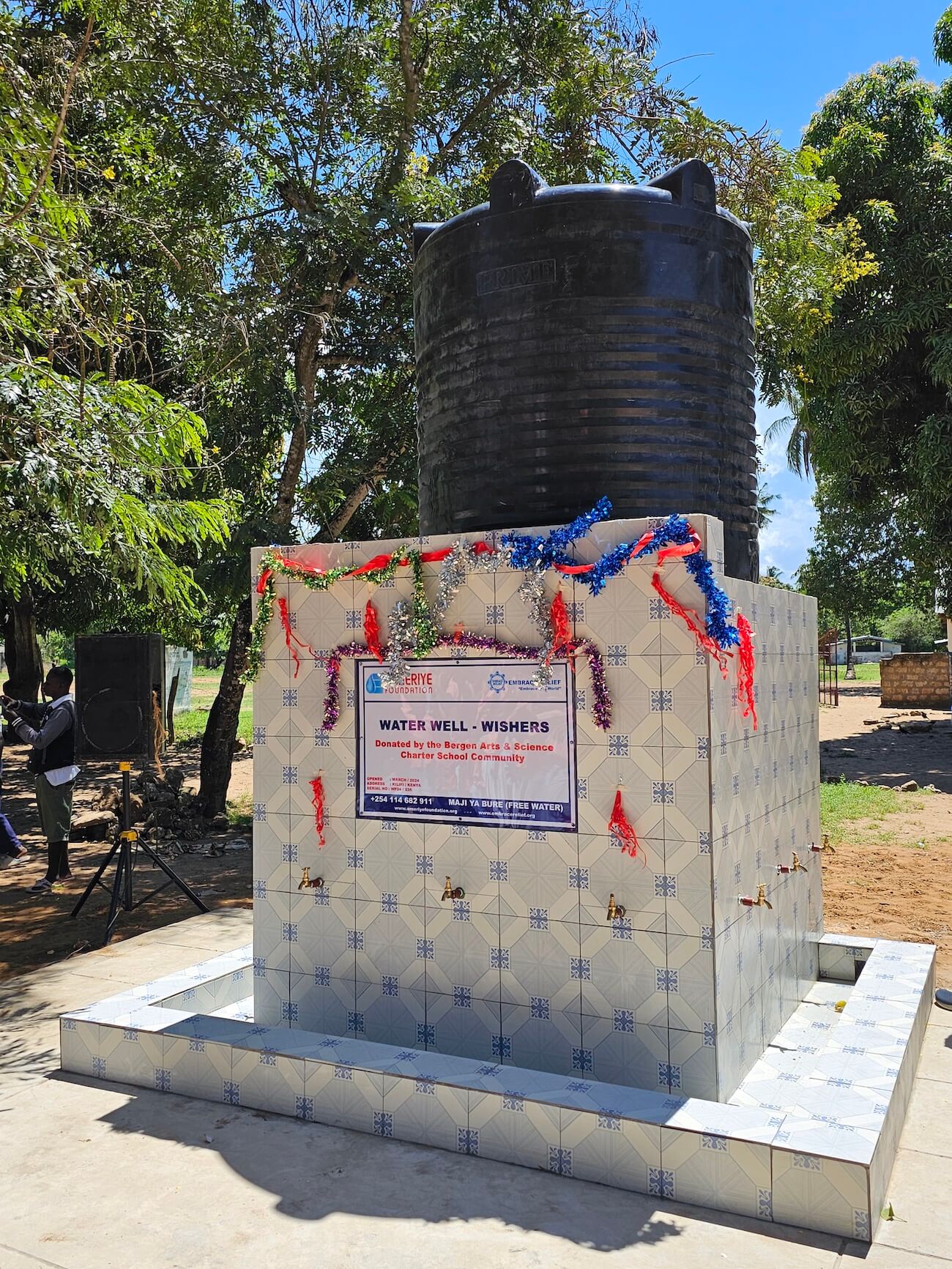
  • 20 students, teachers, and parents visited orphanages, helped decorate classrooms, and opened a water well.
  • Emotional moments included encounters with abandoned infants and bonding with Kenyan children through activities.
  • The trip was eye-opening, highlighting the luxuries taken for granted in America, such as clean water.
  • Embrace Relief’s Group Fundraising program aims to provide students with global service opportunities and a deeper understanding of community service.

In a journey of compassion and impact, Bergen Arts and Science Charter School, in collaboration with Embrace Relief, embarked on a life-changing humanitarian trip to Kenya. Their mission was not just to visit a distant land but to make a tangible difference in the lives of those in need. Through creating their group fundraising project, they raised an impressive $10,000, a testament to their commitment to creating positive change.

Fundraising for a Cause

The school’s efforts were nothing short of inspiring. Through dress-down days and selling raffle tickets within the school community, they rallied together to support their mission. The $10,000 donation wasn’t just a number; it represented hope, opportunity, and a brighter future for the communities they would touch in Kenya.

A Journey of Impact

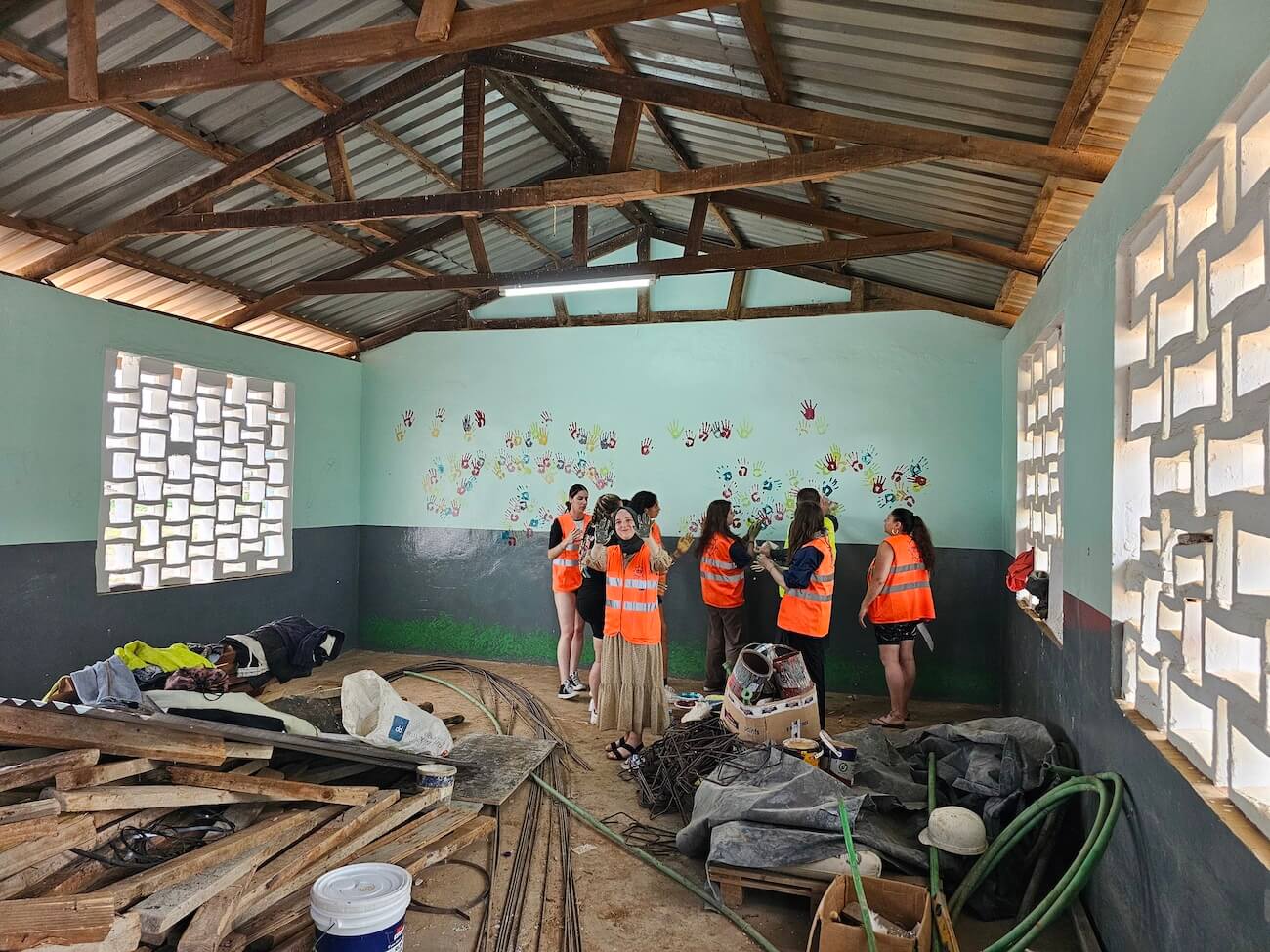
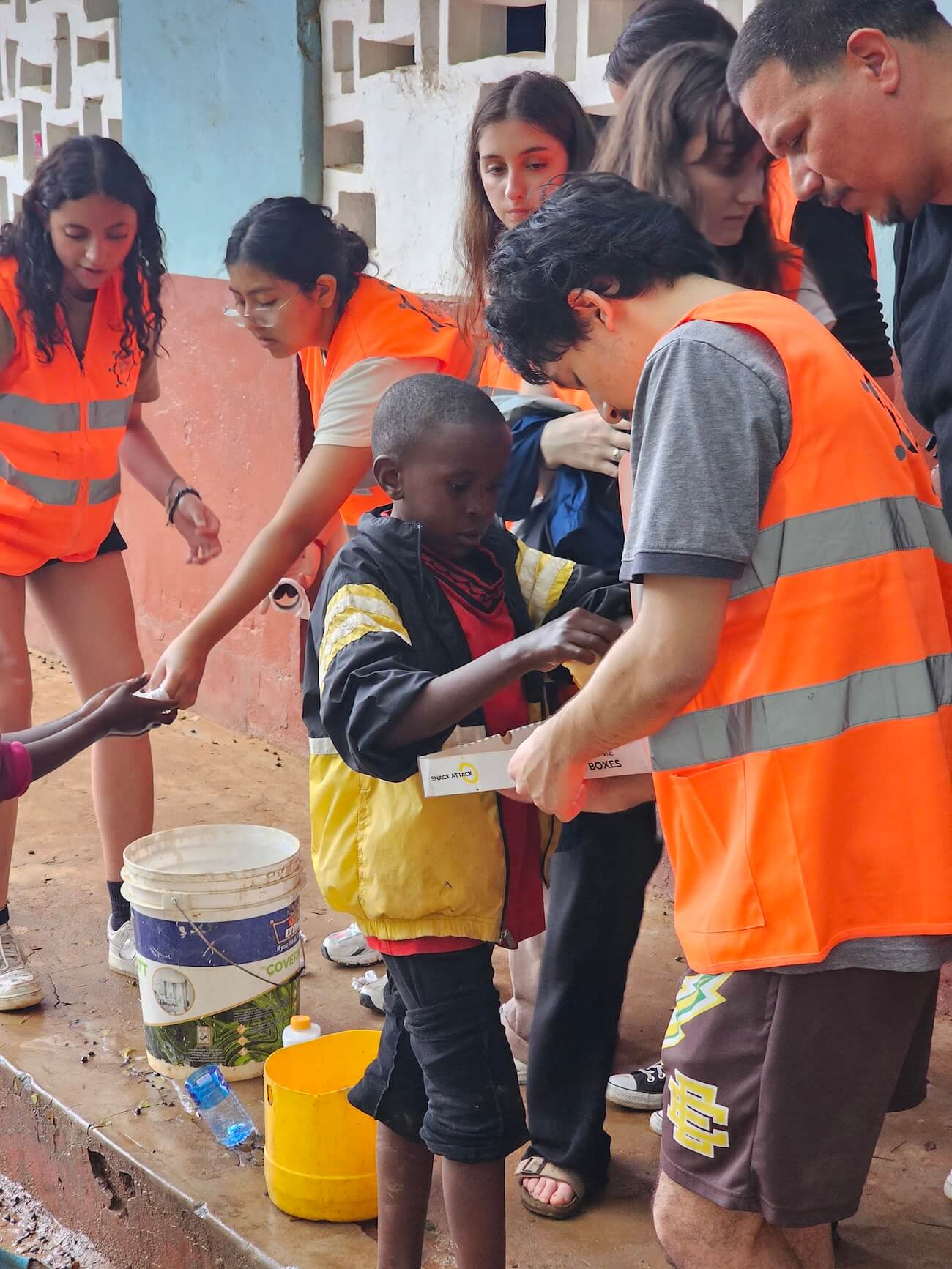
With a group of 20 students, teachers, and parents, the Bergen Arts and Science Charter School team ventured into Kenya ready to make a difference. Their itinerary included distributing food to orphanages, assisting in decorating public school classrooms, and a particularly impactful event – the inauguration of a water well in a public school. This well would provide clean, safe drinking water, a fundamental necessity that many of us often take for granted.

Emotional Moments and Eye-Opening Experiences

The trip was filled with emotional moments that left a lasting impact on everyone involved. One such moment was shared by Nick Castaneda, Grade 12, who recounted the heart-wrenching story of a 6-month-old baby in an orphanage. The baby had been abandoned by parents who fled the hospital after birth. This poignant moment reminded everyone of the stark realities faced by many in Kenya.

Despite the challenges, the students of Bergen Arts and Science Charter School found moments of connection and joy with the children they met. They played sports, danced, painted, and bonded with the kids. Through these interactions, they learned valuable lessons about resilience, gratitude, and the true meaning of happiness.

Embrace Relief Bergen Arts and Science Charter School's Humanitarian Trip to Kenya

Gratitude and Reflection

Upon their return, the students shared how the trip had changed their perspective. Julia Torok, Grade 11, expressed, “It’s an eye-opening experience. It’s very humbling and you’ll learn to cherish what you have because some of the things that we have in America such as water are luxuries that they don’t have.” Deven Ramos also reflected on the experience, “Just seeing the fact that such a necessity was barely even given to them just made me really grateful for everything my parents have given me.”

The Purpose Behind the Program

This transformative journey was made possible through the collaboration between Embrace Relief and the school’s Social Studies Teacher, Mr. Christopher Mileo. Embrace Relief’s Group Fundraising program aims to engage students with community service and provide them with a global perspective on serving communities, fulfilling their community service requirements, and creating future philanthropists.

Mr. Christopher Mileo emphasized the importance of this program, stating, “One of the biggest problems of volunteers I might think is that people don’t realize the impact they have. That’s my goal for this trip, to create the future philanthropists of the next generation.” The collaboration between Embrace Relief and Mr. Mileo was crucial for the trip’s success.

The Role of Embrace Relief

Mr. Mileo further added, “We couldn’t do this without Embrace Relief, that’s not possible. Without the help of Mr. Metin, it just doesn’t happen. Study after study shows, that if you want to create a community that is willing to donate, a community that focuses on community service, then you need to make sure that that community sees with their own eyes the difference that they can make with just small amounts of effort.”

Embrace Relief’s support went beyond financial contributions; they facilitated meaningful experiences that allowed students, teachers, and parents to witness firsthand the impact of their efforts. Through Embrace Relief’s logistical support and vision, the trip became a catalyst for understanding, gratitude, and a deeper sense of global citizenship.

Embrace Relief Bergen Arts and Science Charter School's Humanitarian Trip to Kenya

Conclusion: A Transformative Journey

The humanitarian trip to Kenya was more than just a visit; it was a transformative journey of compassion, learning, and gratitude. The students, teachers, and parents of Bergen Arts and Science Charter School not only contributed financial support but also their time, energy, and empathy. They returned home with hearts full of memories, minds enriched with new perspectives, and a renewed commitment to making a positive impact in the world.

As they continue to share their experiences and insights with their school community, they hope to inspire others to join them in their mission of kindness and generosity. The trip may have ended, but its ripple effects will continue to resonate within the hearts and minds of all those who participated, reminding them of the power they hold to create a brighter, more compassionate world for all.

To start your own Group Fundraising project, click here.

How to give your Qurbani to Africa and Yemen with Embrace Relief

Summary

  • Qurbani is a time of giving food to those living with hunger.
  • Fulfill your Qurbani 2024 obligations by donating to Embrace Relief’s International Hunger Relief campaign.
  • One Qurbani donation can feed up to eight families in a marginalized community, providing nutrition and hope for weeks and months to come.
Summary

At Embrace Relief, we understand the importance of fulfilling your obligations while making a positive impact on the lives of others. During Qurbani, people all around the world will be generously donating meat to people living with hunger. And thanks to Embrace Relief’s commitment to world hunger relief, we provide an opportunity for you to donate Qurbani in a meaningful and efficient manner. Join hands with us and donate Qurbani today! By doing so, you can ensure that your act of generosity benefits those in need.

Embrace Relief is a dedicated 501(c)(3) nonprofit organization committed to uplifting vulnerable communities and providing them with essential support. Our programs – which include alleviating hunger, providing clean water, aiding victims of natural disasters and refugees, and much more – strive to make a lasting impact on the lives of those in need. Your contribution plays a crucial role in achieving our mission.

Our International Hunger Relief: Qurbani 2024 campaign is designed to provide an outlet to maximize your positive impact. Embrace Relief is linked up with partner organizations spanning the globe, including impoverished areas of Africa and Yemen, where the need is great. A full Qurbani donation will provide enough food for eight families using only humanely slaughtered meat, and for many families in marginalized communities, your donation represents their only chance at obtaining meat all year.

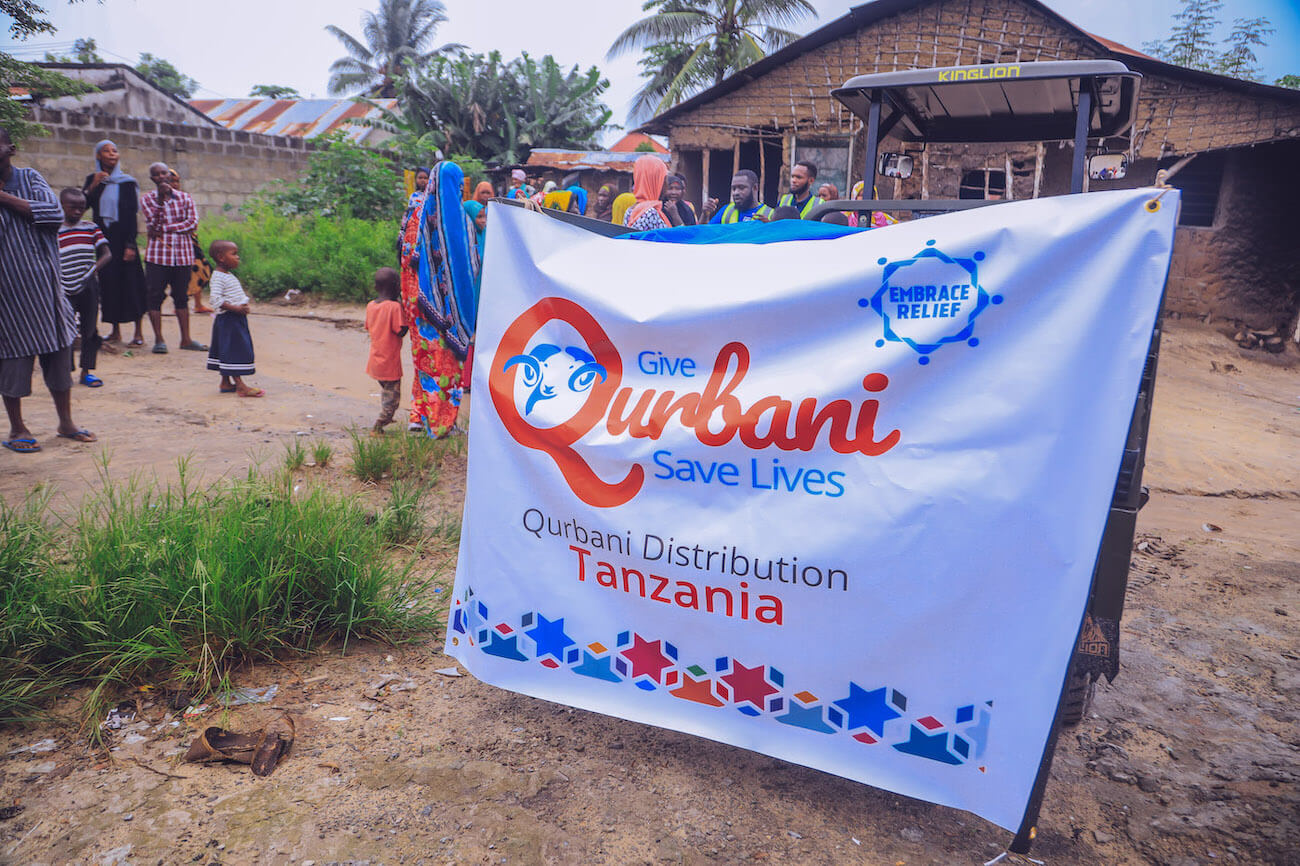
Our Qurbani campaign reached nearly 123,000 people in more than a dozen countries in 2023. With your help, we can continue to provide support and hope for vulnerable people in countries like Tanzania, Kenya, Uganda, Mali, Yemen, and more.

Fulfill your Qurbani 2024 obligations while making a tangible impact on the lives of those less fortunate. Give your Qurbani through Embrace Relief and be part of a global effort to alleviate poverty, promote development, and provide nourishment to those in need. Together, we can make a difference!

Africa Qurbani
Give Qurbani With Embrace Relief

In 2024, Qurbani will occur on June 16-19. During this time, sheep, goats, and cattle are humanely and hygienically sacrificed in adherence with common dietary restrictions. At this important time of year, join Embrace Relief and provide food for people in need in Africa (including the countries of Tanzania, Kenya, Uganda, Mali, Ethiopia, Burkina Faso, and Democratic Republic of Congo), as well as Yemen, Greece, and the United States, by donating to Embrace Relief’s International Hunger Relief: Qurbani 2024 campaign.

Embrace Relief panel discusses water, education and women’s empowerment at UN CSW68

The struggle for women’s empowerment and gender equality continues to make slow, steady progress around the world, but there is no doubt that much work remains to be done. In 2024, women worldwide continue to earn less income than their male peers; women are less represented in political and business leadership; women face barriers to education and career opportunities than men.

To overcome these challenges, individuals and organizations can take a number of actions in support of a fairer, more equal world for men and women. Centering women’s voices and ensuring that women are represented amongst the decision makers is a critical step in this direction. Meanwhile, simply acknowledging that the struggle for women’s empowerment is closely intertwined with other social issues creates powerful solidarity, and incentivizes action that achieves multiple goals benefitting disparate groups of people.

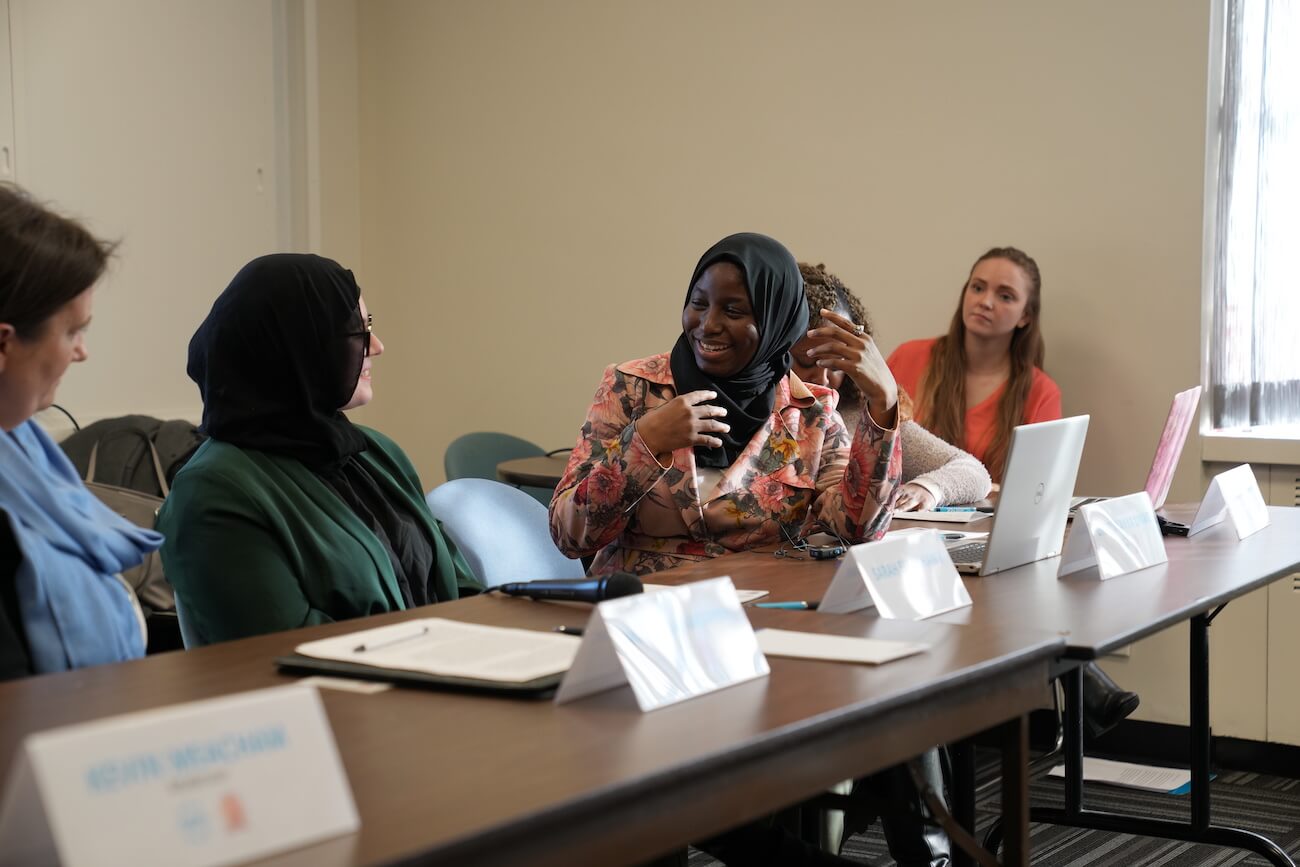
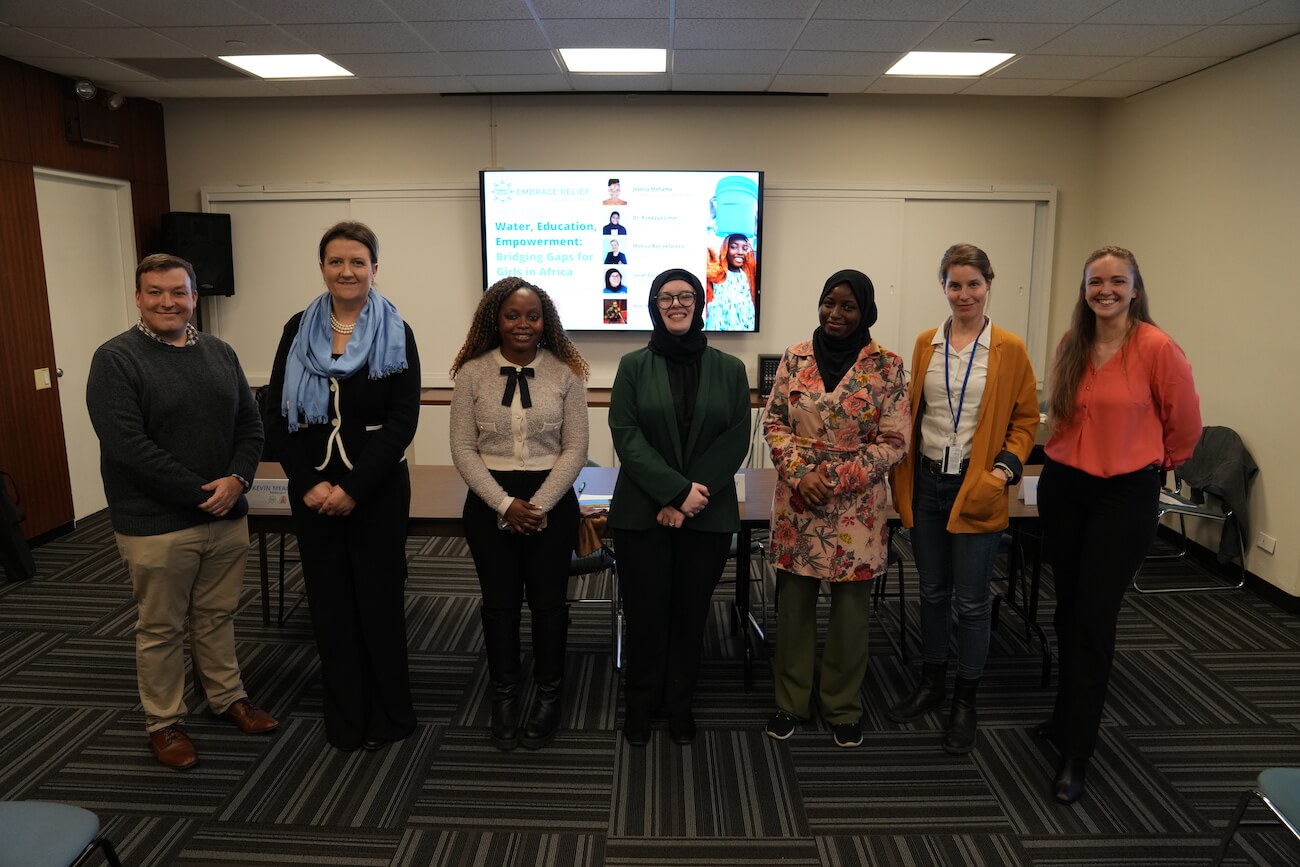
On March 21, 2024, Embrace Relief, in collaboration with the Journalists and Writers Foundation, aimed to accomplish both of these goals through a vibrant panel discussion, entitled “Water, Education, Empowerment: Bridging Gaps for Girls in Africa,” at the Church Center for the United Nations in New York. This event was held in parallel with the United Nations’ 68th Commission on the Status of Women (CSW), a two-week event in which stakeholders around the world came together to discuss solutions to the critical issues threatening the progress made towards a more equal world.

As part of the panel, Embrace Relief invited five accomplished women to share their thoughts, experiences and perspectives on related issues whose intersection has a significant impact on the advancement of women’s equality in Africa, namely universal access to clean water, promotion of girls’ education, and the eradication of poverty. Panel speakers included:

  • The Hon. Neema Lugangira, a Member of Parliament from Tanzania. Ms. Lugangira has created a successful, lengthy track record of championing reforms and development policies for her country, with a focus on nutrition, community health and digital inclusion.
  • Jessica Mshama, a youth ambassador and entrepreneur from Tanzania. Jessica is the founder of Assumption Digital Schools, as well as Nakua Na Taifa Langu, a nonprofit organization dedicated to nurturing the personal growth of young people in Tanzania.
  • Dr. Rukayya Umar, a computer science teacher in Greensboro, NC. Born in Nigeria, Rukayya earned a Ph.D. in computer science from Nile University, and has been published in a number of respected journals on topics including machine learning for disease classifications, and robotics.
  • Sarah Elsakhawy, the coordinator of Embrace Relief’s Women’s Empowerment programs. A graduate of Seton Hall University with a degree in Diplomacy and International Relations, Sarah has also previously served as Embrace Relief’s Clean Water Initiative program coordinator.
  • Monica Bajraktarevic, the Assistant Head of School at Pioneer Academy, an independent K-12 private school located in Wayne, NJ. In her seven years with the school, she has led the school’s Risk Management, Safety, Dean’s Office, Admissions and Marketing efforts. Monica is also a former member of New York City’s Council on High Schools, including serving as Budget Committee Chairman and Capital Plan Co-Chair from 2014-17.

This panel discussion represented Embrace Relief’s first time hosting an parallel event alongside a key United Nations initiative. Special thanks go to NGO CSW/NY, the organizer of dozens of panel discussions during the two-week conference, as well as the Journalists and Writers Foundation for their support in helping to hold this event.

Embrace Relief Panel Discussion

Invest in Water, Invest in Women

The Hon. Neema Lugangira, MP, opened the discussion highlighting positive investments and improvements made in Tanzania in recent years, including more than 1,600 water well projects completed over the past three years, benefitting more than 2,700 villages.

Lugangira noted that President Samia Suluhu Hassan, Tanzania’s first female president, has been heavily involved in creating positive change and development in the country through the funding of infrastructure such as water wells. These wells, she added, help to relieve much of the burden of water-fetching borne by women in Tanzania, freeing up critical time and energy for women to pursue education, join the workforce, or raise stronger families.

“When women are leaders, they know how to deal with community issues,” Lugangira said. “Especially social services that have a huge impact on girls and women … The more we are able to get women into education, into leadership positions, the more women will be able to focus on these social services. And we will be more able to end the vicious cycle of poverty.”

Crucially, Lugangira says, the Tanzanian government has committed to partnering closely with private organizations and nonprofits like Embrace Relief to achieve significant improvements at the community level.

Women’s Economic Empowerment Through Water

In her talk, Jessica Mshama shared a case study of Kongwa District, in the Dodoma region of Tanzania, to explore the links between clean water, education, and women’s empowerment. Clean water, Mshama noted, plays a critical role in development, touching every aspect of society, from public health to the economy to education. This role can be seen in rural Kongwa, where community members face a number of interlocking challenges as a result of water scarcity.

“When we talk about generating income in a woman’s life, we are talking about access to clean water in rural areas,” Mshama said. “They cannot grow what they want to grow in terms of agriculture. They cannot sell their product without enough water supply. If we really want to see change, we should also look to the areas where women live.”

She also noted the important role that access to clean water plays in education. Communities lacking clean water see lower levels of hygiene, which correlates strongly with lower attendance and graduation rates in school. The problem is particularly prevalent among teenage girls, who often lack material support for their menstrual health. Addressing the clean water issue can thus provide a powerful boost to girls in Africa.

Mshama closed by urging all stakeholders to recognize the intersectional nature of the clean water crisis. A world with universal access to clean water is a world where all people, everywhere, have greater opportunities for success and for controlling the course of their lives. It is, therefore, a crucial component of any strategy for global gender equality.

“The heart of the Sustainable Development Goals is pure access to water,” she said. “It integrates everything: economic empowerment, the assurance of quality education, the assurance of vibrant community, and strong markets that can be competitive in the world today.”

Seeing the Potential in Women

Dr. Rukayya Umar related a deeply personal account of her own journey, spotlighting the impact that singular choices can have on a young girl’s life and success. Dr. Umar grew up as the oldest of three sisters in a rural village in northern Nigeria, in a part of the country with particularly low literacy rates, especially for young girls, due to factors including poverty and sociocultural norms.

“You would see a lot of kids start going to school, and then stop,” she said. “And a lot of them, the reason they stop … we have our [cultural] beliefs, such as that a girl child might grow up to a certain age, and then it is time for her to get married. And then that is it.”

However, Dr. Umar’s life took a very different path thanks to her father, who worked alongside women in the country’s Ministry of Justice. Being in an environment with successful professional women, Rukayya’s father was convinced to let his daughters continue their education and pursue a fulfilling career of their own. Dr. Umar was sent to a boarding school, eventually passed her university entrance exams, and worked her way up to earn both a Ph.D. and Master’s degree in computer science.

Dr. Umar closed by incorporating her experiences into a list of recommendations for actions that can be taken to promote girls’ education and achievement. Among these are providing special support and mentorship for girls from a young age, increasing the proportion of female teachers, challenging cultural norms, and celebrating female role models.

“With the right support, and in the right environment, the girls in my community will get it right,” she said. “They will reach any target you set for them.”

A Long-Term Outlook

Sarah Elsakhawy presented several key Embrace Relief initiatives supporting the empowerment of women in Africa, which aim to create educated, entrepreneurial women in Tanzania, Kenya, Nigeria and Uganda.

These programs include:

  • The R.I.S.E. scholarship program, which supports female teachers in Tanzania seeking advanced degrees which will allow them to become administrators in the country’s school system
  • The S.E.E.D. entrepreneur program, which provides chickens and goats to women in Uganda, Nigeria and Kenya, enabling the beneficiaries to sell dairy products and eggs – a renewable resource that can provide the foundation for a thriving small agribusiness.
  • The K.E.E.N. education program, which provides comprehensive training for seamstresses in Kenya, as well as material support (in the form of a sewing machine) upon completion of the course, with the goal of encouraging the graduates to open their own small business.

Elsakhawy noted that Embrace Relief’s multi-faceted approach to empowering women offers short-term benefits for the current generation of women, while also working to create the conditions for a brighter future for the next generation.

“Whether it’s distributing food and supplies, or constructing wells, or through supporting an economic development program, we’re working to address the root causes of inequality so that in the future, fewer women are facing these problems,” she said.

Empowering Children Through Education

In her talk, Monica Bajraktarevic drew upon her background as an educator, as well as her firsthand experience of visiting Africa on humanitarian trips with her Pioneer Academy students, to stress the importance of education as a leveller for all.

Bajraktarevic noted the link between material barriers that millions of girls in Africa face, such as a lack of clean water, with lower rates of educational attainment. Only by addressing these challenges, she noted, can we create the conditions to allow young people in Africa to thrive.

“Education is the biggest difference among people,” she said. “Let’s empower our kids to study, reach their full potential and be as strong as they can be to make this world a better place for themselves and all of us.”

She described Pioneer Academy’s trip to Tanzania as “life-changing.” During their visit, the students helped to open a water well and visited an orphanage, where they provided food and mingled with the children. Bajraktarevic described joyous scenes as the students celebrated with their new friends.

She believes that the experience was beneficial for both parties; the children and community members in Tanzania seeing tangible improvements in their quality of life, and the Pioneer Academy students gaining empathy and an understanding of the role they can play in making the world a better place. Case in point, Bajraktarevic said that the trip inspired her son, currently a college student, to seek out a career path as a diplomat, where he can serve as an agent of change.

About Embrace Relief

Founded in 2008, Embrace Relief’s mission is to deliver research-based, sustainable solutions to achieve immediate and lasting improvements in situations of humanitarian emergency and improving the quality of life of individuals and communities enduring chronic hardships. Based in Fairfield, New Jersey, Embrace Relief operates eight humanitarian relief programs year-round and has provided aid to more than 7 million people in over 50 countries to date.

About the Journalists and Writers Foundation

The Journalists and Writers Foundation is an international civil society organization
dedicated to a culture of peace, human rights and sustainable development.
Based in New York, the JWF boasts more than 52 Global Partners (of which Embrace Relief is one) located in 27 different countries.

What is the significance of Qurbani?

Summary

  • Learn about the significance of Qurbani in Islam, and why it is a critical time for compassion, faith, and community.
  • Find out if you are obligated to give Qurbani this year, and learn about the requirements to make a valid Qurbani gift in 2024.
  • Then, learn how you can make your Qurbani donation through Embrace Relief, providing critical meat packages to people in need around the globe.

What is Qurbani?

For Muslims around the world, the observance of Qurbani (meaning “sacrifice” in Arabic) holds profound significance, symbolizing obedience, gratitude, and compassion. This sacred act commemorates Prophet Ibrahim’s willingness to sacrifice his son, Isma’il, as an act of obedience to God’s command. However, God, in his mercy, spared the life of Isma’il, instructing Ibrahim to instead sacrifice a ram. Ibrahim’s willingness to obey Allah is tested to its ultimate limit, and his faith is rewarded handsomely.

In keeping with this tradition, Muslims today sacrifice livestock as a symbol of their devotion to God. This act, known as Qurbani, takes place around the high holy day of Eid al-Adha (“Feast of Sacrifice”), which takes place over the 10th, 11th, and 12th days of the Islamic month of Dhul-Hijjah, following the completion of Hajj rituals. As part of Qurbani, the slaughter of animals including cattle, sheep, goats, and camels is typically followed by the distribution of their meat to less fortunate members of the community. By making this sacrifice, Muslims show their dedication to God, and their compassion for those in need.

Do I Owe Qurbani?

All adult Muslims who possess wealth and assets (minus liabilities) exceeding the nisab, and who have possessed this wealth for at least one year, are obliged to give Qurbani. The nisab is determined by the current value of 87.48 grams of gold; as of April 2024, this is equivalent to roughly $5,300. (This value also determines whether a person must pay Zakat; if you are obliged to pay any money for Zakat according to Embrace Relief’s Zakat calculator, you must give Qurbani.)

If a person is obliged to give Qurbani, there are a number of rules and regulations governing how they may do so. For those Muslims who perform Qurbani themselves, the following criteria are required in order to make a valid, acceptable sacrifice:

  • Which animals may be sacrificed for Qurbani? Permissible animals for sacrifice include sheep, goats, cattle, and camels. Animals must meet specific age criteria (for example, sheep and goats must be at least one year old) and must be in good health to be considered valid for Qurbani.
  • When do I give Qurbani? Qurbani should be performed during the designated days of Eid al-Adha, from the 10th to the 12th of Dhul-Hijjah on the Islamic calendar, following the Eid prayer. In 2024, the dates of Eid al-Adha correspond to June 16, June 17, and June 18.
  • How do I sacrifice an animal for Qurbani? The sacrifice must be performed by adhering to Islamic rituals, including invoking the name of Allah and following the Sunnah of Prophet Ibrahim. The slaughter must be performed humanely, with minimal pain and suffering.
  • Who receives the Qurbani meat? The meat from the Qurbani animal is divided into three equal parts: one for personal consumption, one for relatives and friends, and one for the needy.
Do I Owe Qurbani?

However, it is not always possible for Muslims around the world to take part in this sacrifice firsthand. Many opt to fulfill their Qurbani obligation via a monetary donation to a reputable charitable organization, which carries out the sacrifice and ensures that the meat will reach those who most need it.

To make the maximum impact with your Qurbani donation, It is important to select accredited charities with a history of transparency and a demonstrated track record of delivering aid to the people who need assistance the most.

Qurbani represents a sacred act of obedience, gratitude, and compassion in Islam. By adhering to the rules and regulations of Qurbani and donating through reputable nonprofit charities, Muslims can fulfill their religious obligation while contributing to the welfare of disadvantaged communities worldwide. This noble tradition exemplifies the spirit of sacrifice and solidarity, fostering empathy and compassion within the global Muslim community.

Give your Qurbani with Embrace Relief!

Give your Qurbani with Embrace Relief!

As Qurbani 2024 approaches, Embrace Relief stands ready to make another enormous impact in the lives of people living with hunger. We invite you to give your Qurbani by donating to Embrace Relief’s International Hunger Relief: Qurbani 2024 campaign! Each gift will provide enough meat for eight families, ensuring that your impact will be felt by entire communities.

In 2023, the generosity of donors like you allowed Embrace Relief to distribute Qurbani meat packages to more than 122,000 people in 19 countries across five continents. For the many families worldwide who struggle to afford nutritious food, this program represents a beacon of hope and support. We’re aiming to expand our impact in 2024 – but we can’t do it without your help.

Give your Qurbani today with Embrace Relief by using the donation box below. Let us mark Eid al-Adha 2024 by sharing our blessings with a family in need, spreading joy and goodwill to all.

When is Eid al-Adha 2024?

Summary

  • Eid al-Adha 2024 is expected to begin after sundown on Sunday, June 16.
  • Learn more about the meaning and the observance of this critical holiday for more than 1.5 billion Muslims.
  • Then, read on to find out how you can help ease the hunger of thousands of people around the world by supporting Embrace Relief’s Qurbani Hunger Relief campaign.

Eid al-Adha, also known as the Festival of Sacrifice, is a significant Islamic holiday celebrated by Muslims worldwide. It holds immense cultural and religious importance, commemorating the willingness of Prophet Ibrahim (Abraham) to sacrifice his son as an act of obedience to God. In this blog post, we’ll delve into the details of Eid al-Adha, exploring its meaning, rituals, and significance. First, however, we’ll answer the pressing question: When does Eid-al-Adha start in 2024?

Eid al-Adha 2024 start date

In 2024, Eid al-Adha is expected to begin after sundown on Sunday, June 16. Eid al-Adha is celebrated over the course of three days, meaning that the holiday would end on Tuesday, June 18. Muslims around the world eagerly anticipate this auspicious occasion, preparing for days of celebration, prayer, and reflection.

The exact dates of Eid al-Adha (similar to Eid al-Fitr, the celebration at the conclusion of the holy month of Ramadan) shift each year, because its observance is based on the lunar calendar. Eid al-Adha always takes place 10 days after the sighting of the new moon that begins the final month of an Islamic calendar year. In 2025, Eid al-Adha is expected to begin on June 6; in 2026, the commencement date is expected to be May 26.

It’s important to note that the expected start date of Eid al-Adha 2024, June 16, will not be confirmed until the new moon is sighted by human eyes according to local and regional traditions.

Embrace Relief Seed Program Two Goats

What is the meaning of Eid al-Adha?

Eid al-Adha falls on the 10th day of Dhu al-Hijjah, the twelfth and final month of the Islamic lunar calendar. It marks the end of the Hajj pilgrimage to Mecca, one of the Five Pillars of Islam, which all Muslims are obligated to undertake at least once in their lifetime if they are physically and financially able. This festival commemorates the ultimate act of obedience and submission to the will of Allah, as demonstrated by the Prophet Ibrahim.

The significance of Eid al-Adha lies in its historical and religious roots. According to Islamic tradition, Allah commanded the prophet Ibrahim in a dream to sacrifice his son, Ismail. Despite the profound love for his son, Ibrahim prepared to obey Allah’s command. However, at the last moment, Allah replaced Ismail with a ram, signifying that his sacrifice was accepted. This narrative symbolizes unwavering faith, obedience, and submission to the divine will.

Qurbani: A Community Ritual

Eid al-Adha is characterized by various rituals and practices observed by Muslims worldwide. The day typically begins with communal prayers, performed in mosques or open prayer grounds, where Muslims gather to offer prayers of gratitude and worship.

Following the prayers, Muslims participate in the symbolic act of sacrifice, where an animal, often a goat, sheep or cow, is slaughtered according to Islamic guidelines. This act is known as Qurbani. The meat from the sacrifice is then distributed among family, friends, and the less fortunate, emphasizing the values of generosity, compassion, and community.

Central to the spirit of Eid al-Adha is the emphasis on charity and compassion towards the less fortunate. Muslims are encouraged to share their blessings and abundance with those in need, ensuring that everyone can partake in the festivities and enjoy a hearty meal. This act of giving reflects the principles of social justice and solidarity within the Islamic faith, fostering a sense of unity and empathy within the community.

The SEED program exemplifies Embrace Relief's commitment to holistic community development

Help Embrace Relief Share Food During This Time of Community and Charity

Eid al-Adha serves as a poignant reminder of the values cherished in Islam – faith, sacrifice, and community. It’s a time for introspection, gratitude, and solidarity, as Muslims come together to commemorate the legacy of Prophet Ibrahim and reaffirm their commitment to serving humanity.

During this critical time of year, Embrace Relief invites you to embrace the spirit of Eid al-Adha by supporting our International Hunger Relief: Qurbani 2024 campaign. Your donation will enable Embrace Relief to provide meat packages to thousands of people in need around the world.

In 2023, Embrace Relief distributed meat to more than 122,000 people in 19 countries spanning 5 continents. For the many families worldwide who struggle to afford nutritious food, our Qurbani program was a beacon of hope and support. We’re aiming to expand our impact in 2024 – but we can’t do it without your help.

Give your Qurbani today with Embrace Relief by using the donation box below. Let us mark Eid al-Adha 2024 by sharing our blessings with a family in need, spreading joy and goodwill to all. Eid Mubarak!