


Recent

5 Iftar Ideas for Ramadan

Introduction

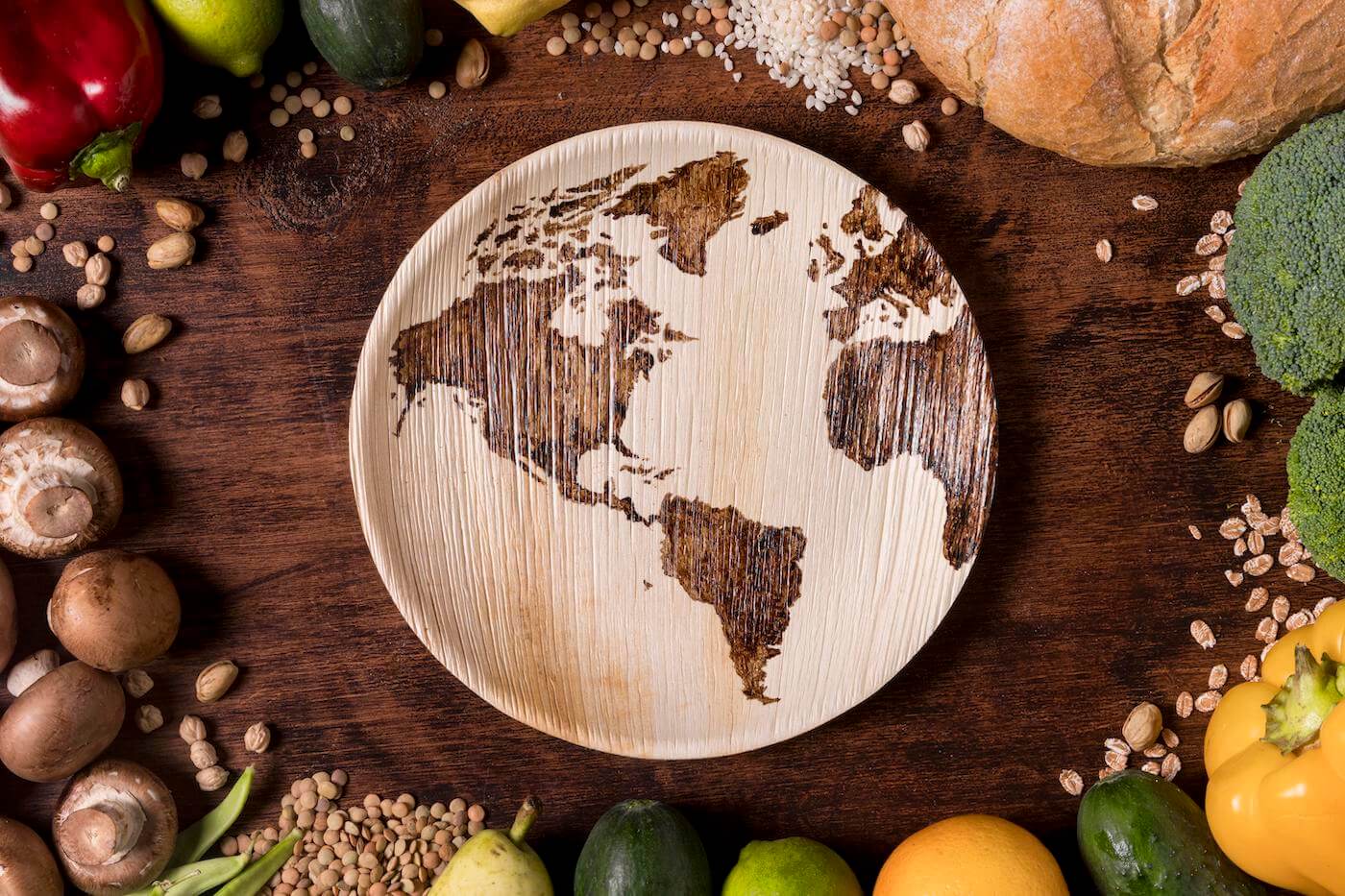
As the crescent moon heralds the arrival of Ramadan 2025, Muslims around the globe prepare for a month of spiritual rejuvenation. Central to this holy month is iftar, the meal to break the day’s fast. It’s a time not just for physical nourishment but for fostering community spirit and gratitude. This year, let’s explore iftar ideas that are not only delicious but also imbued with nutritional benefits, perfect for those observing the fast.

1. Traditional Iftar: A Nourishing Start

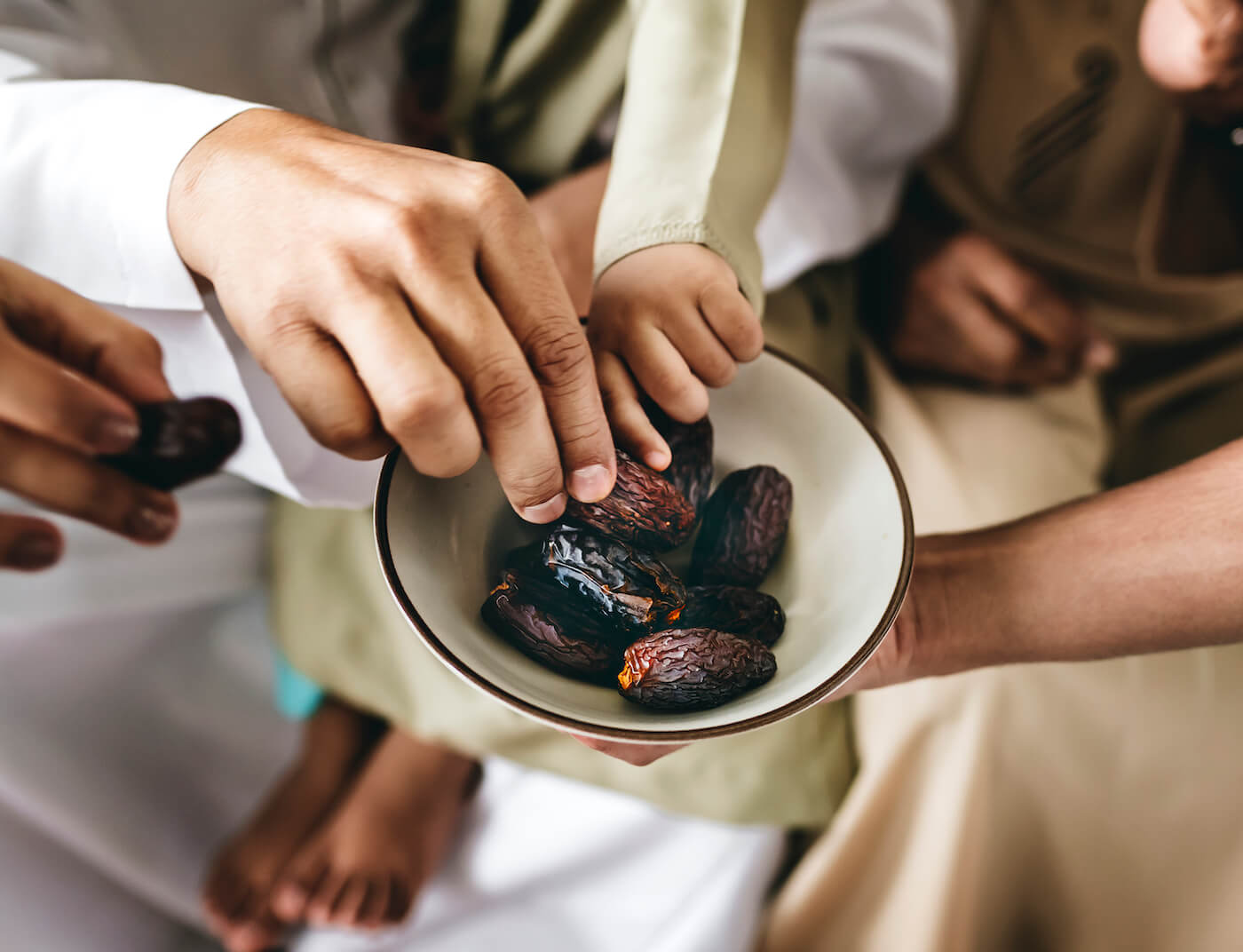
Begin your Iftar with dates, a nutrient powerhouse rich in natural sugars, fiber, and minerals, providing a quick energy boost. Accompany them with a glass of milk for a dose of protein and hydration. Follow this with harira, a Moroccan soup that’s a symphony of lentils, chickpeas, tomatoes, and fragrant spices like cinnamon and turmeric. This dish not only warms the soul: it is also packed with protein and fiber, aiding in digestion and keeping you full longer during your fast.

2. Healthy Iftar: Wholesome and Satisfying

A balanced iftar is key to maintaining good health during Ramadan. Opt for a dish like grilled chicken or salmon, seasoned with herbs and served alongside a nutritious, colorful salad of leafy greens, cherry tomatoes, cucumbers, and olives. This combination provides essential proteins, healthy fats, and antioxidants. Complement it with a side of lentil soup – a comforting dish that’s gentle on the stomach yet filling – to boost your energy levels for the night’s prayers.

5 Iftar Ideas for Ramadan 2024

3. Quick and Easy Iftar: Time-Saving Delights

For those with limited time, a one-pot vegetable-and-rice pilaf can be a lifesaver. Use brown rice for its whole-grain benefits, and throw in a mix of vegetables like carrots, peas, and bell peppers for a fiber-rich meal. Alternatively, a chicken stir-fry with a medley of quick-cooking vegetables like broccoli, snap peas, and mushrooms offers a perfect balance of protein and vitamins, keeping the meal nutritious yet convenient.

4. Kid-Friendly Iftar: Fun and Nutritious

Engaging children in Ramadan can be delightful with the right meal. Try mini chicken-and-cheese quesadillas, which are not only tasty, but also provide a good mix of protein and calcium. Pair them with fruit skewers dipped in yogurt, offering a fun and healthy dessert option. These easy-to-make meals are great for teaching kids about balanced eating during Ramadan.

5. International Iftar: Culinary Exploration

Bring the flavors of the Islamic world to your table with international dishes. Turkish Mercimek Köftesi, made from red lentils, bulgur, and herbs, is a light yet fulfilling option, rich in protein and fiber. Or explore Indonesian cuisine with Nasi Goreng, a flavorful fried rice dish that can be loaded with vegetables and lean protein, making it a balanced and satisfying meal.

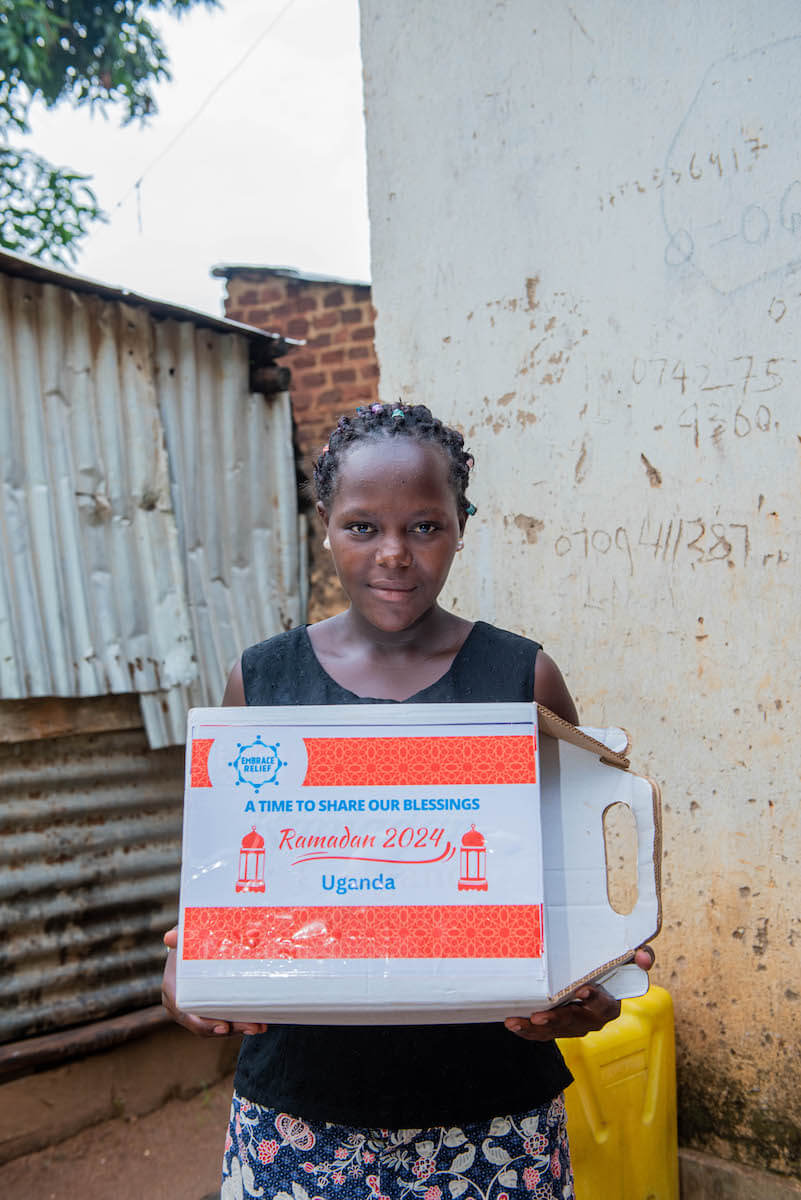
Embrace Relief Ramadan 2024: Celebrate with Taste and Purpose

Sharing Our Blessings

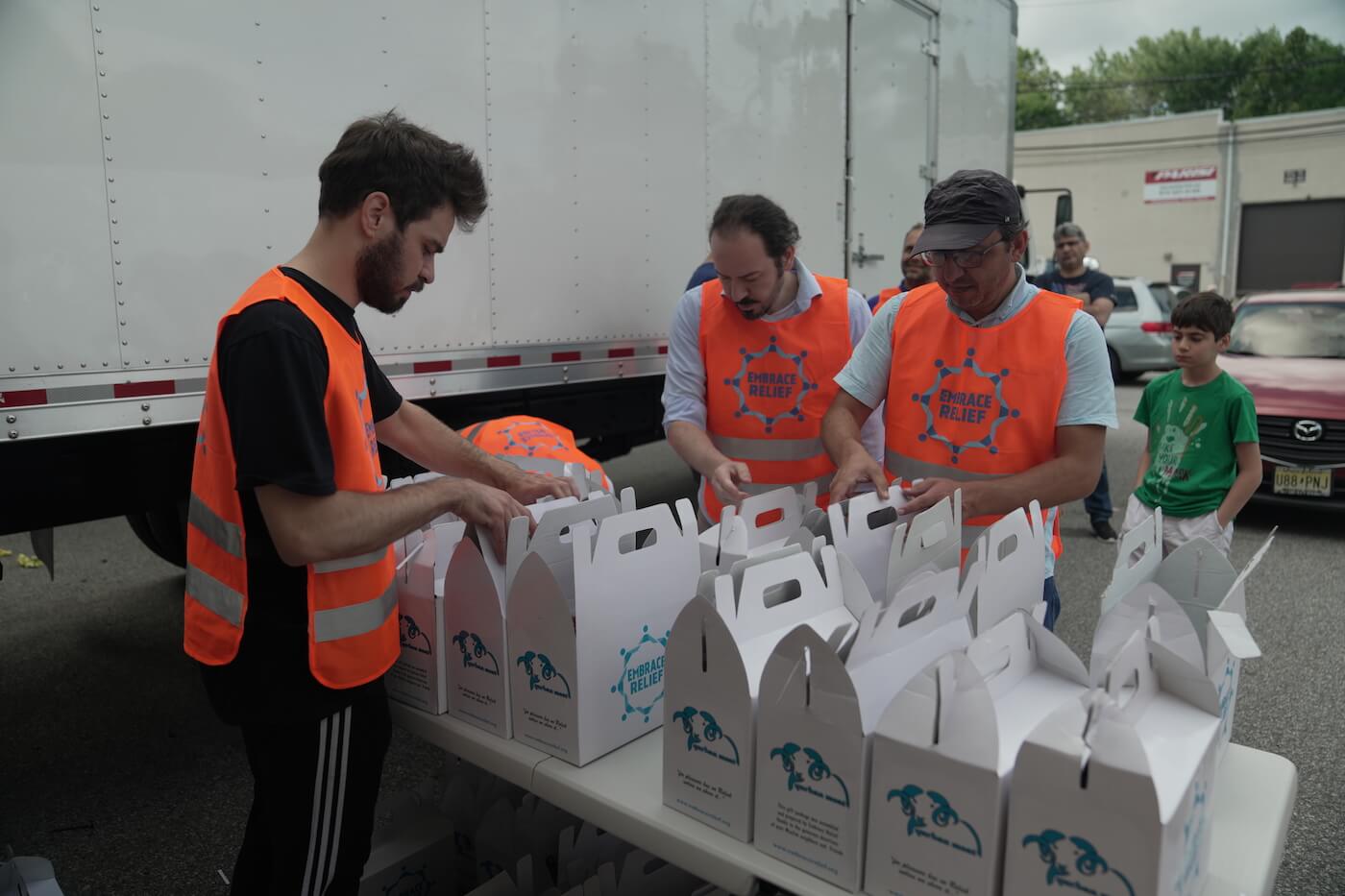
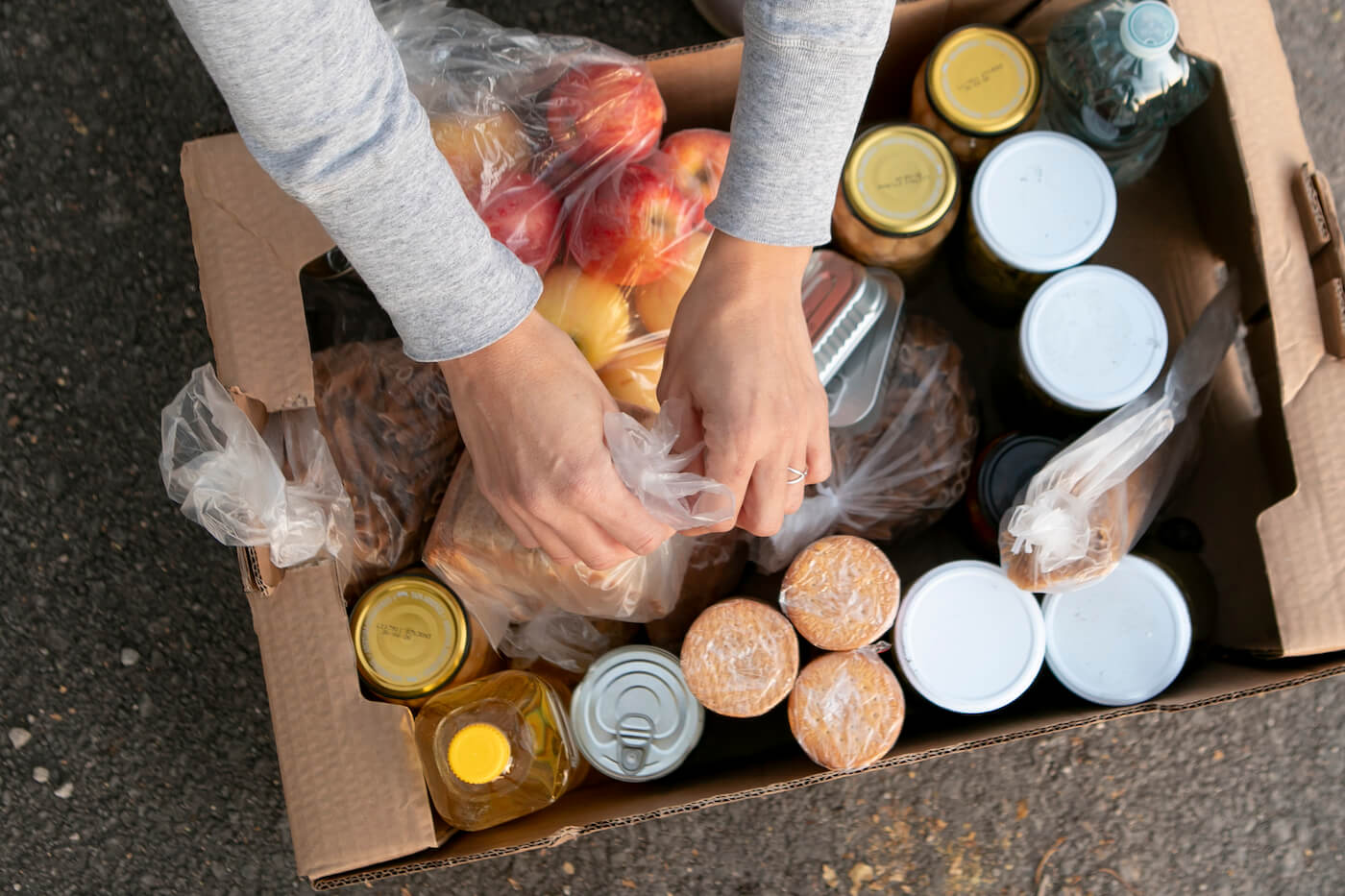
As we savor the variety and diversity of iftar meals, let’s also turn our thoughts to those in need. During this holy month, embrace the spirit of giving by supporting Embrace Relief’s International Hunger Relief: Ramadan 2025 campaign. Your donation will help us provide life-saving food packages to tens of thousands of people in over a dozen countries.

By sharing your blessings, you can provide essential iftar meals to underprivileged families, creating a world where all can experience the joy that comes with a satisfying, nourishing meal. Donate today using the box below!

First Class of Women Triumph: Celebrating Graduates of the R.I.S.E. Program

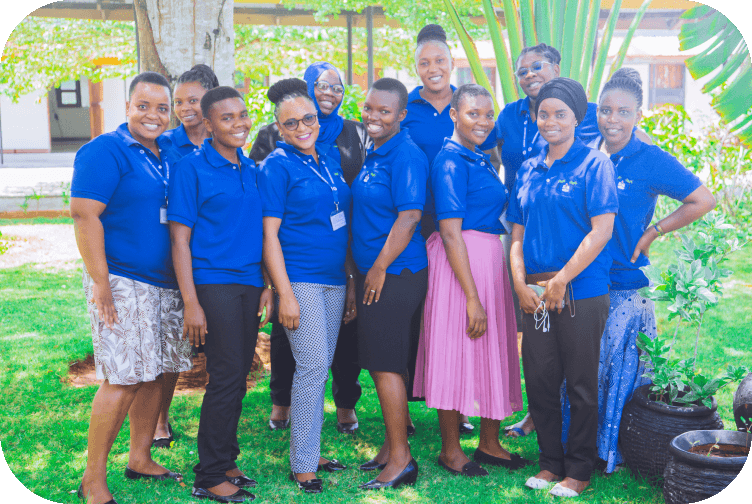
In a triumph of education and empowerment, 24 Tanzanian women have marked a significant milestone as the inaugural graduating class of Embrace Relief’s Reach, Inspire, Support, Engage (R.I.S.E.) program. Among these trail blazers are Madame Georgina Ikanyagwa and Ms. Domila Plasid, whose stories illuminate the transformative impact of educational opportunities on women in Tanzania.

From educators like Ester Joel and Adrofina G. Nemes to professionals such as Eurogia K. Deus and Grace N. Kiyota, the R.I.S.E. graduates represent a spectrum of talent and ambition. Their endeavors, whether in academia, public service, or vocational roles, underscore the program’s broader impact in fostering leadership and opportunity for women throughout the country. While these graduates chart their paths forward, their collective achievements stand as a testament to the enduring value of educational empowerment in shaping a brighter future for Tanzanian communities.

As Embrace Relief celebrates the achievements of Madame Georgina Ikanyagwa, Domila Plasid, and all R.I.S.E. graduates, the organization remains committed to expanding its impact. Before this program, the 24 women taught their own classrooms; now, they have the opportunity to help children across Tanzania. The second class of R.I.S.E. scholarship recipients has just finished their first semester, and Embrace Relief plans to support 24 more students to start in the fall of 2024. As R.I.S.E. generates more opportunities for women to achieve in higher education, it will create a snowball effect, filling more leadership roles each year and serving as role models for the next generation.

First Class of Women Triumph: Celebrating Graduates of the R.I.S.E. Program

Together, let us continue to champion the cause of women’s empowerment and create pathways to success for generations to come.

To learn more about the R.I.S.E. program and its impact on women’s education in Tanzania, or to make a donation in support of the program, click here. Join us in shaping a future where every woman has the opportunity to thrive and succeed.

Donate For Women’s Empowerment

$
Donate Now

Embrace Relief sponsors 40,000th cataract surgery in Mali

BAMAKO, MALI (Feb. 26)–Abdramane Karambé has been a farmer all his life. Growing up in the town of Badiangara, in central Mali, Abdramane learned the ins and outs of agriculture from his father – a gift that has provided him with steady, productive work and a dignified life.

But Abdramane, now age 64 and living on the outskirts of Mali’s capital city, Bamako, has recently had that life taken away from him. Seven years ago, he noticed he had impaired vision in one eye. His eyesight deteriorated as months passed, and soon his second eye was also afflicted. Abdramane was suffering from cataracts, a common eye disease that is the world’s leading cause of blindness. But like many other people of modest means in Mali, he had no way to afford the medical care that would restore his sight – until he came into contact with Embrace Relief.

On February 17, 2024, Dramane and Embrace Relief celebrated a milestone together, as he became the 40,000th person to receive a free cataract surgery through our clinic in Bamako, Mali.

“I’ve never experienced so much care like this. This is the first time,” he said. “I can only say thank you for what you have done for me. May God assist you and make your organization prosper. May God give you a long life so you may help more people like me.”

Meeting Medical Needs in Mali

Embrace Relief has been operating with local partners in Mali since 2013, when it inaugurated the Cure Cataract program. The 21 million people who populate this culturally vibrant West African country face significant challenges in their everyday lives, the result of Mali’s status as one of the world’s least-economically developed nations. A particularly challenging issue is the provision of adequate, affordable healthcare to Malians.

According to the UN, less than 10 percent of Mali’s population have accessible basic healthcare services. The country’s ratio of doctors to people is 1 to 10,000, one of the world’s lowest. More than a third of the population is located nine miles (or more) from the nearest medical clinic, and must journey to these clinics on foot. Exacerbating the problem, many of these clinics lack the capacity to address many medical issues because of a lack of funding, available staff, and proper equipment. As a result, even common conditions like cataracts – a clouding of the eye’s lens which can be fixed with a simple surgery – can go untreated. Cataracts are responsible for nearly half of Mali’s 2 million people living with impaired vision.

Embrace Relief’s Cure Cataract program seeks to address this desperate need in Mali. Funding from Embrace Relief donors supports three medical clinics spread out throughout Bamako. These clinics provide cataract surgeries and health checkups for those in need, in addition to other medical services like dentistry, pediatrics, and ear/nose/throat care. All treatments are provided free at point of service. Augmenting these clinics is a mobile health van, which can travel up to three hours outside of Bamako, bringing medicine to rural villages. Additionally, an 18-wheel “Mobile Health Clinic” truck, which can travel up to nine hours outside the capital city and has the capacity to perform cataract surgeries and dental operations.

A Life-Changing Surgery

In an interview conducted with Embrace Relief prior to his surgery, Abdramane explained how cataracts had caused him great difficulties in everyday life. After years of worsening vision, he said, he had become completely blind one month prior.

“Now, I don’t go anywhere,” he said. “I stay at home since I have become blind. This impairment has stopped me from working the farm and doing everything I want. In addition to stopping me from farming, I cannot teach children Qur’an anymore as well. It’s affected my social life, my whole life. It’s stopped me from going to my relatives’ house, friends, my brother and sisters’ [house].

When Abdramane learned about Embrace Relief’s clinic, he was overjoyed. He knew that this would be the solution that would restore his vision and give him his life back. He registered and was added to Embrace Relief’s free cataract surgery waiting list, and by February 17th, it was his turn. Dramane expressed his great excitement, and shared his genuine thanks with his trained volunteer doctor, as well as the Embrace Relief donors who made the day possible.

“Knowing that I will see again from Embrace Relief’s free cataract surgery makes me give thanks to God and Embrace Relief. I hope God assists them with their projects – that is all I can say.”

After his surgery was complete, Abdramane reported no pain or difficulties. On the day his doctor removed the bandages from his eyes, he announced an immediate improvement in his vision. Soon enough, life will return to normal for Abdramane, including a return to the farm work he loves.

“My vision has improved very much,” he told Embrace Relief, one week after his surgery. “I no longer rely on another’s guidance, I marveled at my ability to navigate to the bathroom unaided. The surgery had brought forth a transformation, freeing me from everyday dependency.”

Give the Gift of Sight Today!

Abdramane’s story is similar to so many other Malians over the past 10 years. Before he found Embrace Relief’s free medical clinic in Bamako, he faced an unforgiving world he could not see. But because one Embrace Relief donor, halfway around the world, decided to support the Cure Cataract program, Abdramane now has his life back. Rather than a dark, blurry future, Abdramane can return to his farm and provide for himself, his family, and his community.

This is the incredible impact that you can make with just one gift. But we can’t give the gift of sight without donors like you.

A total donation of $120 provides one life-changing cataract surgery, as well as 15 health checkups, giving people in Mali the opportunity to detect and treat illnesses and diseases early. With your help, we can add on to the incredible legacy of success stories like Abdramane’s for years to come.

Donate today using the donation box below and help Embrace Relief continue to give the gift of sight!

How You Can Help: The Gift of Sight

A simple cataract surgery, which costs only $120, can transform a life. With your support, our Embrace Relief’s health clinics can provide these surgeries to those in need, giving them the gift of sight and the opportunity for a better future. Here’s how your donation can make a difference:

  • $120 Donation: Funds one complete cataract surgery, restoring sight to an individual in need.
  • $240 Donation: Supports two surgeries, doubling the impact.
  • $600 Donation: Helps five people regain their vision, enhancing their quality of life and ability to contribute to their communities.

Your donation can make a significant difference in the lives of those suffering from cataracts in Mali and Burkina Faso. For just $120, you can fund a cataract surgery and give someone the precious gift of sight.

Help us light up lives and drive away the darkness caused by cataracts. Donate now and be a part of this life-changing mission.

$

Empowering Women Through Education: The Success of Embrace Relief’s R.I.S.E. Program

Summary

  • Embrace Relief’s R.I.S.E. Program empowers women in Tanzania through education and leadership training.
  • Meet Madame Georgina Ikanyagwa and Domila Plasid, two inspiring R.I.S.E. graduates who have transformed their lives and communities through the program.
  • Join us in supporting the R.I.S.E. program to empower more women through education and create a brighter future for all!

At Embrace Relief, we believe in the transformative power of education to uplift communities and create lasting change. One such initiative making a tangible impact is our Reach Inspire Support Educate (R.I.S.E.) Program, which empowers women in Tanzania through comprehensive education and leadership training. Today, we’re thrilled to share the inspiring success story of two out of the twenty-four remarkable R.I.S.E. graduates who are making a difference in their communities.

Madame Georgina Ikanyagwa, a dedicated teacher at Myamami Primary School, exemplifies the transformative impact of the R.I.S.E. program. Recognizing the evolving demands of the Tanzanian syllabus, Madame Georgina joined R.I.S.E. to enhance her skills, particularly in ICT (information and communication technology) studies. With the support of the scholarship, she not only pursued her studies but also maintained financial stability, enabling her to focus on her education while continuing to make a difference in her community. Assistance from R.I.S.E. has inspired her so much, Madame Georgina plans to start her own nonprofit organization to help children receive education.

Similarly, Ms. Domila Plasid, hailing from Dar es Salaam, embarked on her journey of career advancement through education with the R.I.S.E. program. Ms. Domila recognized the importance of upgrading her skills, particularly in management and classroom control, to prepare for future career opportunities. The scholarship provided her with much-needed financial support, alleviating stress and enabling her to excel academically. “Challenge was the college fee. But you give us the scholarship to take away the problem.”

The Success of Embrace Relief's R.I.S.E. Program

Let’s Give Women in Tanzania a Better Future Through Education

The success stories of Madame Georgina and Ms. Domila are a testament to the transformative power of education and the impact of initiatives like the R.I.S.E. program. As we celebrate their achievements, we invite you to join us in empowering more women through education. Your support can make a profound difference in the lives of aspiring learners, unlocking opportunities for personal and professional growth.

“There are young students, young learners, who are facing challenges, and [the program] can continue to help improve their life.” – Ms. Domila Plasid

Ms. Domila’s vision for the future revolves around contributing to the development and education of children and young learners, reflecting her dedication to empowering others through education. Are you ready to make a difference? Donate to R.I.S.E. today and help us empower more women through education. Together, we can create lasting change and build a better tomorrow for generations to come.

The Success of Embrace Relief's R.I.S.E. Program

Donate For Women’s Empowerment

$
Donate Now

Women are at Risk for Autoimmune Disorders: What Does This Mean for People with Limited Resources?

Summary

  • Autoimmune diseases disproportionately impact women due to genetic differences.
  • Women in Africa, who are already fighting gender inequalities, are at a higher health risk.
  • Read on to learn more about Embrace Relief’s S.E.E.D. program, which helps give women in Africa access to improved nutrition and a means of income.

In a groundbreaking study, researchers from Stanford University have uncovered a crucial piece of the puzzle surrounding autoimmune diseases and their disproportionate impact on women. The study, posted in the journal Cell, delves into the role of Xist, a vital RNA molecule, in triggering immune responses that predispose women to autoimmune disorders.

The findings explain the gender disparity that has puzzled those studying autoimmune disorders. Xist, crucial for regulating gene expression on the X chromosome in females, can lead to the production of antibodies that attack the body’s own tissues, driving autoimmune conditions. “This is like a completely different and novel explanation for female bias in immune disease,” said Howard Chang, the Stanford physician-scientist who spearheaded the study. This discovery underscores the urgent need to address women’s health challenges, particularly in regions where access to healthcare is limited.

In many parts of Africa, women face formidable barriers to healthcare, exacerbating the impact of autoimmune diseases. According to the World Health Organisation, women in Africa “are more likely to die from communicable diseases (e.g. HIV, tuberculosis, and malaria), maternal and perinatal conditions, and nutritional deficiencies, than women in other regions. Treatment costs often pose insurmountable obstacles, leaving many women without access to vital medical interventions. As a result, these conditions can have devastating consequences on their health and well-being, perpetuating a cycle of poverty and vulnerability. This new research emphasizes the need for holistic interventions that encompass economic empowerment, access to healthcare, and nutritional support.

However, amidst these challenges, there is hope. In regions where healthcare infrastructure is limited and treatment options are scarce, initiatives like Embrace Relief’s S.E.E.D. initiative offers a lifeline, empowering women with the resources and support they need to overcome adversity. By providing opportunities for sustainable entrepreneurship through eggs and dairy production, S.E.E.D. equips women with the means to generate income and improve their nutritional status.

Women are at Risk for Autoimmune Disorders

Empowering Women with Sustainable Entrepreneurship through Eggs and Dairy (S.E.E.D.)

Through S.E.E.D., women in Kenya, Ethiopia, Nigeria, Uganda, and Afghanistan are offered livestock and comprehensive training in animal husbandry and business management. These resources enable them to establish thriving enterprises, bolstering economic resilience within their communities. Not only do these ventures provide a source of income, but they also contribute to food security, enhancing overall health outcomes for the women and their families.

By tackling the underlying causes of women’s health challenges, S.E.E.D. becomes a vital player in breaking the poverty and disease cycle. It empowers women with economic opportunities, granting them the agency to manage their health and overall well-being effectively. Through S.E.E.D., Embrace Relief champions women’s autonomy and fosters a pathway to improved livelihoods and health outcomes.

What Does This Mean for People with Limited Resources?

The Stanford study serves as a timely reminder of the urgent need to prioritize women’s health and well-being. By harnessing the power of sustainable entrepreneurship, initiatives like SEED offer a pathway to women’s empowerment and resilience, transforming the lives of women and communities across Africa. As we strive to build a more just and equitable world, let us continue to support and champion initiatives that empower women, nurture communities, and create lasting change.

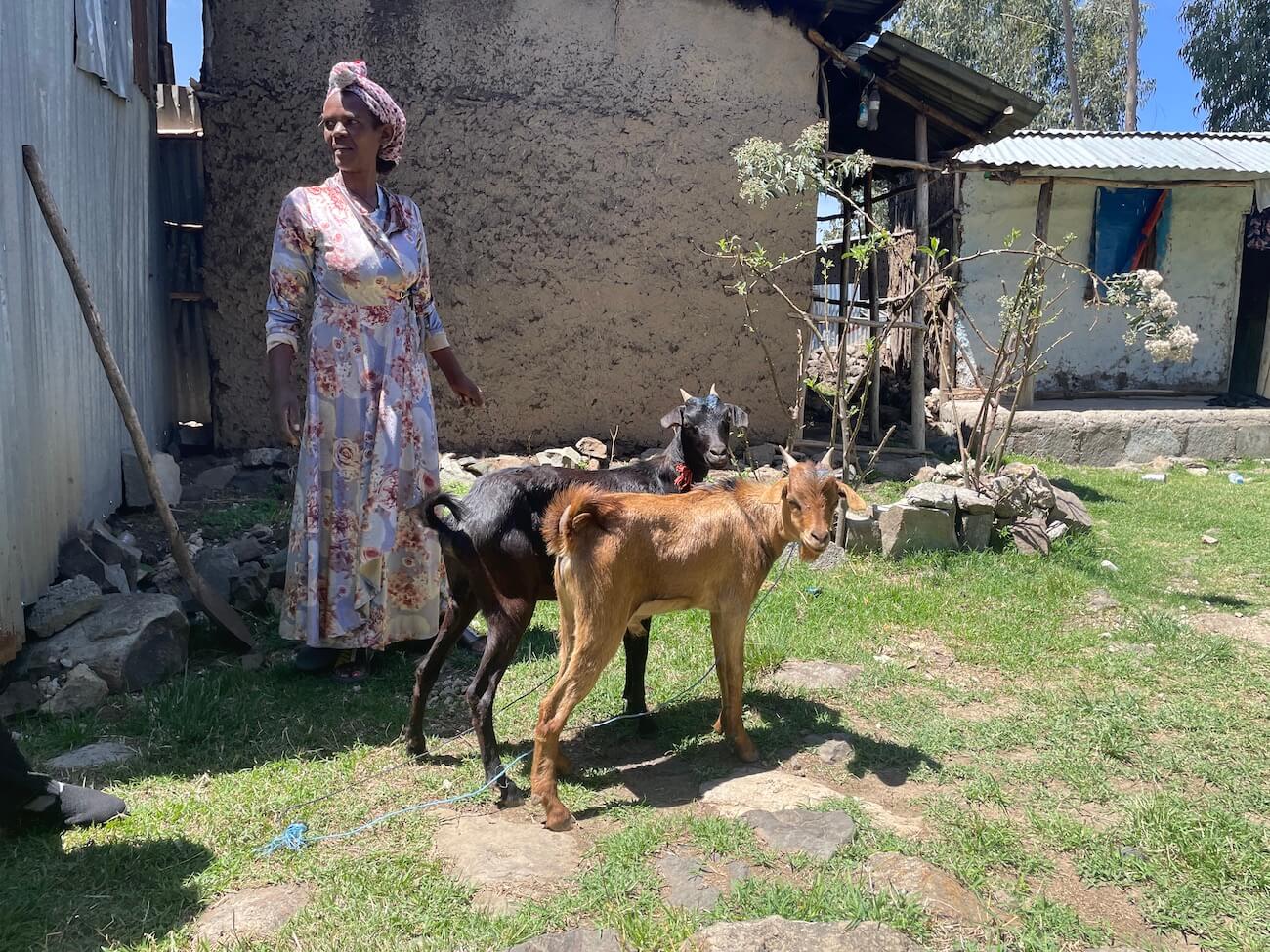
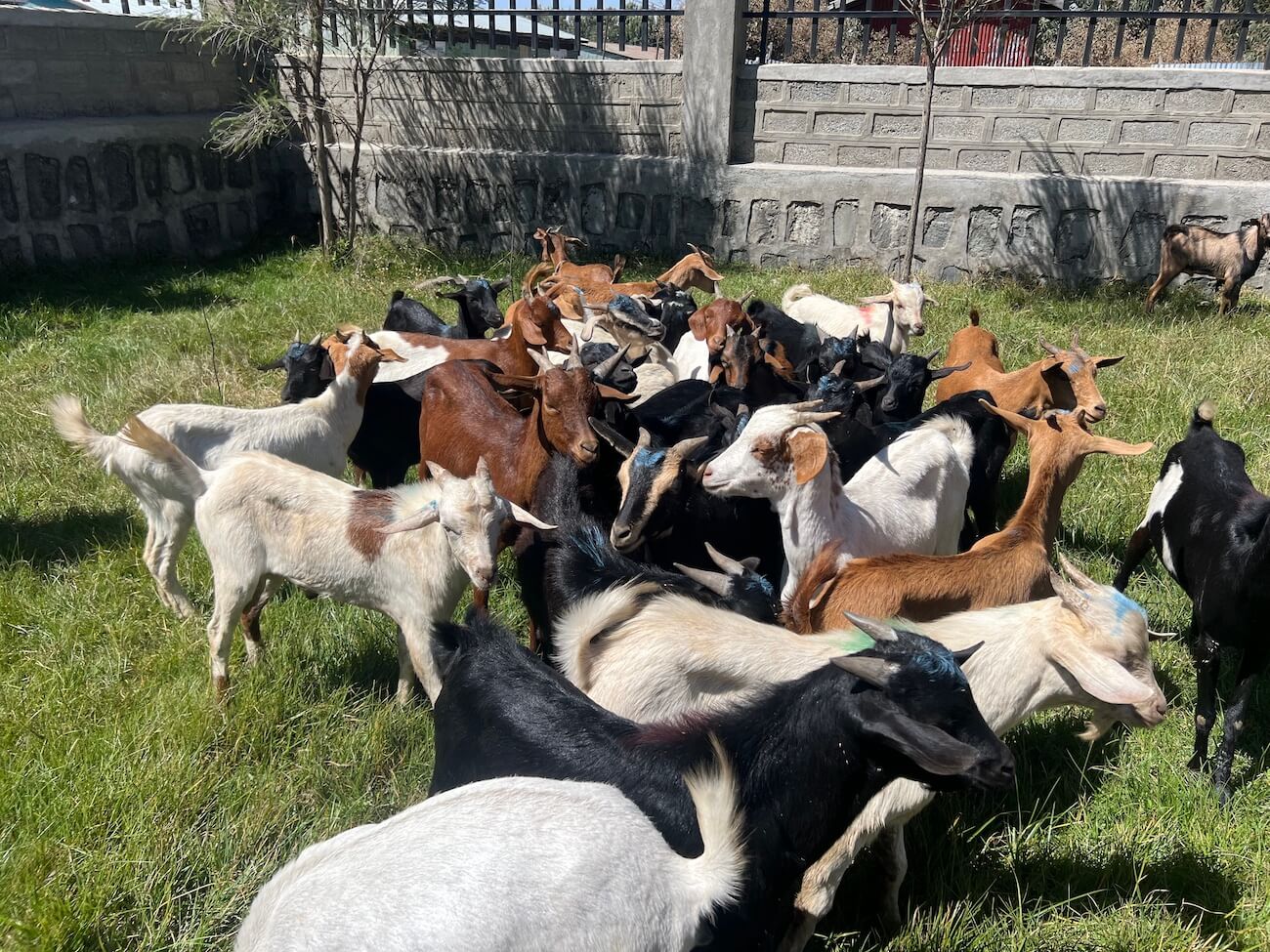
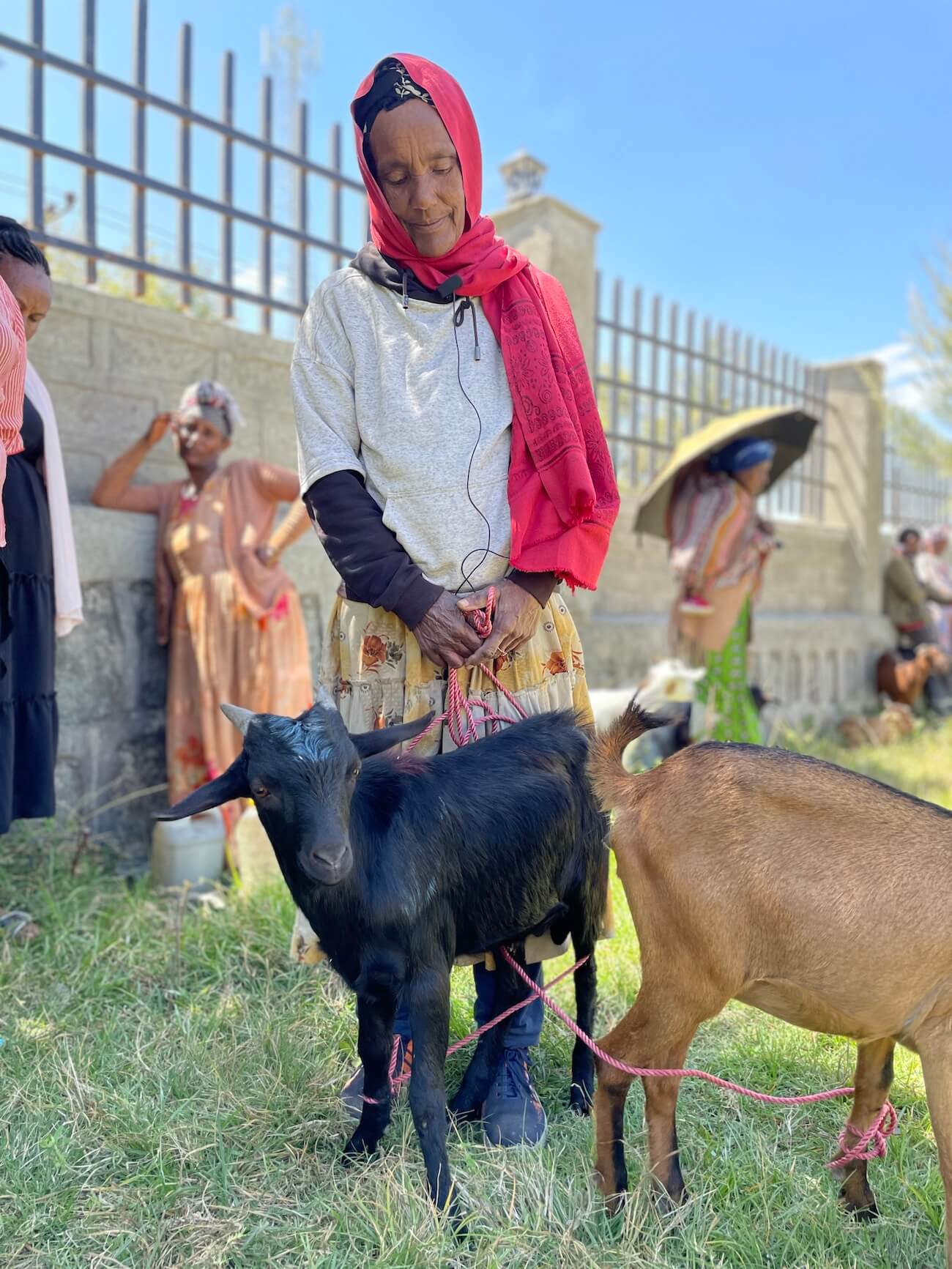
Together, we can create a future where every woman has the opportunity to thrive, flourish, and lead a life of dignity and purpose. Let us seize this opportunity to make a difference and create a better world for all, one S.E.E.D. at a time. Just $160 can provide a family with two goats, giving them the average monthly salary of a teacher!

For more information on the Embrace Relief S.E.E.D. program, click here.

Sustainable Entrepreneurship through Eggs and Dairy

Donate For S.E.E.D. Initiative

$
Donate Now

Ramadan 2025: Embracing the Spirit of Fasting and Community

Introduction to Ramadan 2025

As the moon ushers in Ramadan 2025, hearts and homes across the Muslim world are filled with a sense of anticipation and spiritual fervor. Ramadan, more than a period of fasting, is a sacred time for Muslims to seek closeness to Allah (SWT), engage in deep reflection, and strengthen community bonds. This holy month offers a unique blend of spiritual discipline and communal celebration, uniting Muslims globally in a shared experience of faith and devotion.

The Significance of Fasting

The essence of fasting in Ramadan goes beyond the physical act of abstaining from food and drink. It is a profound spiritual practice that teaches self-discipline, self-control, and empathy for those less fortunate. Fasting is not just a ritual; it is a journey towards spiritual purification and a means to attain Taqwa (God-consciousness). During this month, the question “Can you drink water during Ramadan?” becomes a reminder of the daily sacrifices made and the spiritual rewards gained. The discipline of fasting from dawn (Fajr) until sunset (Maghrib) is a testament to the strength and resilience of faith.

Ramadan Around the World

The beauty of Ramadan is magnified by the diverse ways it is observed around the world. In the Middle East, the sound of the evening cannon announces the breaking of the fast, while in Southeast Asia, vibrant bazaars come to life as families prepare for Iftar. In Western countries, communities come together in mosques and homes to share meals and prayers, creating a sense of belonging and unity. The phrases “Ramadan Mubarak” and “Ramadan Kareem” echo through the streets, as Muslims exchange greetings and well-wishes, reinforcing the spirit of brotherhood and peace.

Freedom is everything: A refugee in Greece tells her story

Health and Wellness During Ramadan

Maintaining health during Ramadan is as much a spiritual duty as it is a physical necessity. The pre-dawn meal, Suhoor, is a crucial time to nourish the body with foods that provide lasting energy. Iftar, the meal to break the fast, is an opportunity to replenish and hydrate, but also a time for moderation and gratitude. This balance is essential to sustain the physical and spiritual rigors of the month. Questions like “How long does Ramadan last?” and “How does Ramadan work?” reflect the curiosity and eagerness to embrace the month’s challenges and blessings fully.

Community and Charity in Ramadan

Charity, or Sadaqah, and Zakat (obligatory almsgiving) are pillars of Ramadan. This month amplifies the importance of helping those in need, fostering a sense of responsibility and compassion within the Muslim community. Mosques become hubs of charitable activities, and individual acts of kindness and generosity become more frequent. The spirit of giving in Ramadan extends beyond material aid; it is about offering time, effort, and prayers for the well-being of the entire Ummah (Muslim community).

Freedom is everything: A refugee in Greece tells her story

Preparing for Eid al-Fitr

As Ramadan concludes, the excitement for Eid al-Fitr sets in. This festival of breaking the fast is a joyous occasion marked by communal prayers, feasting, and social gatherings. It’s a time to dress in fine clothes, exchange gifts, and enjoy special meals with loved ones. Eid al-Fitr is not just a celebration of the end of fasting, but a thanksgiving for the strength to complete the blessed month and for all the spiritual gains achieved.

Conclusion: The Lasting Impact of Ramadan

The true beauty of Ramadan lies in its lasting impact on the soul and the community. It’s a time when the seeds of good deeds are sown and the fruits of patience and perseverance are harvested. As we eagerly await Ramadan 2025, let us prepare our hearts and minds to fully embrace this blessed month. Let it be a time of spiritual growth, community building, and a renewed commitment to our faith and values. Donate today to share food and save lives!

Zakat: The Third Pillar of Islam and How to Calculate & Donate Online

Zakat, one of the Five Pillars of Islam, is more than just a religious obligation; it’s a powerful tool for social change. But what is Zakat, and why is it so crucial in Islam? This comprehensive guide delves into the meaning of Zakat, its calculation, and its profound impact on both the giver and receiver.

What is Zakat?

Zakat is a form of almsgiving and a religious duty for all Muslims who meet the necessary criteria of wealth. It’s not just a charitable contribution but a mandatory act to purify one’s wealth and soul. The Zakat definition extends to both the spiritual and social realms of Islamic life, fostering a sense of community and responsibility.

The Importance of Zakat in Islam

As the third pillar, Zakat is fundamental in Islam. It is a divine commandment detailed in the Quran, emphasizing the importance of economic balance and social welfare. Zakat in Islam acts as a social safety net, ensuring that everyone, especially the needy and less fortunate, receives what they are rightfully due.

How to Calculate Zakat

Calculating Zakat can seem complex, but it’s made easier with tools like the Zakat calculator. The basic principle is to give a specific percentage (usually 2.5%) of your qualifying wealth. For accurate calculations, you can use the Embrace Relief Zakat Calculator.

Can I drink water during Ramadan?

Difference Between Zakat al-Fitr and Zakat al-Mal

Zakat, a fundamental pillar of Islam, manifests in two distinct forms: Zakat al-Fitr and Zakat al-Mal. Each serves a unique purpose and is calculated differently, yet both are essential in supporting those in need.

Zakat al-Fitr

  • Nature: Zakat al-Fitr is a fixed charitable donation required from every Muslim, regardless of their age or financial status, as long as they have the means above their basic needs.
  • Timing: It is given at the end of Ramadan, before the Eid al-Fitr prayers.
  • Purpose: The primary goal of Zakat al-Fitr is to purify those who fast from any minor indecencies and to provide for the poor, ensuring they can also celebrate the festival of Eid.
  • Amount: The amount is generally a fixed rate, equivalent to the cost of one meal, and is determined annually based on local living costs.

Zakat al-Mal

  • Nature: Zakat al-Mal is an obligatory payment calculated based on the accumulated wealth of a Muslim over a lunar year.
  • Timing: It can be paid at any time during the year, but many Muslims prefer to pay during Ramadan.
  • Calculation: The amount is typically 2.5% of a Muslim’s total savings and wealth, including cash, gold, silver, and business commodities, that exceed the minimum threshold (Nisab).
  • Purpose: Zakat al-Mal aims to redistribute wealth within the Muslim community, assisting the poor, the needy, and other specified categories in the Quran.

Both Zakat al-Fitr and Zakat al-Mal embody the Islamic principles of empathy, generosity, and social welfare. While Zakat al-Fitr is more about ensuring communal participation and happiness during Eid, Zakat al-Mal focuses on the broader redistribution of wealth and reducing economic disparities.

Can I drink water during Ramadan?

The Impact of Zakat

The impact of Zakat goes beyond mere financial aid; it’s about uplifting entire communities. By giving Zakat, Muslims fulfill a key Islamic tenet while contributing to the eradication of poverty, hunger, and inequality.

Frequently Asked Questions on Zakat

How much Zakat should I pay?

Typically, it’s 2.5% of your qualifying wealth. Use the Zakat Calculator for precise figures.

Who is eligible for Zakat?

Zakat is meant for specific categories of beneficiaries, including the poor, the needy, and those in debt. You may also give your Zakat to organizations which support people in these categories, such as Embrace Relief. Zakat may not be given to immediate relatives, including spouses, children, parents and grandparents.

Can Zakat be paid in kind?

Yes, Zakat can be given in the form of food, goods, or money.

Conclusion

Zakat is not just a pillar of Islam; it’s a testament to the faith’s commitment to social justice and community support. By understanding and fulfilling this duty, Muslims around the world contribute to a more equitable and compassionate society. Donate your Zakat today to Embrace Relief and make a difference in the lives of others!

‘Freedom is everything’: A refugee in Greece tells her story

Summary

  • In recent years, thousands of people in Turkey have fled their homes to escape unjust persecution and find freedom and a new start in Greece.
  • Read the story of Mugle, who was forced to make the most difficult decision of her life: leaving her life behind and fleeing her country while pregnant.
  • Learn how you can support Embrace Relief’s mission to provide housing, ensuring vulnerable refugees like Mugle can live safe lives as they pursue their freedom.

The day that Mugle and her husband learned she was pregnant with the couple’s first child should have been the happiest moment of their lives. Instead, it was the catalyst that spurred them to leave their homeland of Turkey in search of freedom.

The couple had been facing unjust persecution in the country for more than four years. Mugle’s husband, an accountant, had been jailed by authorities in 2016. Mugle herself would soon be a target of police, forcing her to take refuge in her own home for years. It was a time of profound loneliness. Mugle woke up every day facing the prospect of jail time, and ostracization from loved ones.

“My family didn’t want to talk to me,” she said. “My siblings didn’t want to talk to me. They were scared to talk to us. It’s such a terrifying feeling, not being able to talk to your family. It’s awful. You have to stand up to all of this alone and fight for your life.”

In 2020, Mugle and her husband discovered the joyous news that they were expecting a baby girl. She resolved, then and there, that there was no possibility that their daughter could ever safely grow up in Turkey. Knowing that further harassment awaited her if she stayed, she left her home and journeyed to the Meric River – the border between Turkey and Greece.

Becoming a refugee is one of the most difficult actions anyone can take. When Mugle made the dangerous crossing of the Meric, she left her entire life behind. She would be starting over, alone, in a country whose culture she did not share, whose language she did not speak. But she did so because it was her only chance at freedom.

There are thousands of refugees who have undergone experiences similar to Mugle’s. It is why Embrace Relief has pledged its support for these brave, freedom-seeking families in Greece, providing housing assistance, food, clothes, translators, educational services and legal aid. Mugle’s story is one of the Untold Stories of Refugees in Greece, and highlights the importance of community, solidarity, and material support for our most vulnerable friends.

Freedom is everything: A refugee in Greece tells her story

‘Without them, we would have so many more struggles’

Upon arriving in Greece, Mugle gave birth to a healthy baby girl. But, as was the case during the worst times in Turkey, she was alone. Her husband had traveled on to another country, hoping to be able to support the family. But she would discover that this refugee community, and its related aid organizations like Embrace Relief, was stronger than what she had left behind.

The critical support she – and thousands of people like her – have received has made it possible to live relatively normal lives. It has given her the stability she and her family need, and will eventually allow them to reunite and thrive in their permanent home.

“[The associations] make us feel like we are not alone,” she says, clutching her daughter while speaking to an Embrace Relief representative in her apartment. “We really appreciate all of your help and support. Without them, we would have so many more struggles. Greece does not offer anything to refugees, like financial support.”

She added that one of the things that brought her the most joy was seeing the faces of children after receiving food packages with treats. Their smiles, she says, demonstrate “the love that we feel from your hearts.”

Mugle, who has been in Greece for more than 2 years awaiting reunification with her husband, hopes that her story can inspire feelings of mercy, which she described as “the most important part of being a human being.” She is forever grateful for the mercy shown to her and her daughter by Embrace Relief and the refugee community at large in Greece. And she is hopeful that support will continue to pour in for those people who, like her, risked it all to be free.

“Freedom represents everything in life,” she said. “That is why I’m here. That is why I took the risk of death with my children to be here.”

Freedom is everything: A refugee in Greece tells her story

Donate today and support Refugees in Greece

Embrace Relief has supported thousands of refugees in Greece in recent years, providing much-needed financial assistance to families in their time of greatest need.

If you are inspired by the stories of brave women like Mugle, we ask you to consider donating to help these vulnerable families secure their freedom. Finding and paying for housing are by far the two biggest challenges for refugees in Greece, and your gift can ensure that families have a stable, safe living environment as they rebuild their lives.

Donate today using the box below and help us tell the Untold Stories of Refugees in Greece!

Donate For Untold Stories of Refugees in Greece

$
Donate Now