


Recent

Embrace USA Backpack Drive 2025 Provides 4,290 Students With Critical Supplies Prior To New School Year

FAIRFIELD, NJ (Sept. 8, 2025)—To address the needs of underprivileged students in anticipation of the start of a new school year, Embrace Relief and its network of local partners across the country successfully distributed 4,290 brand-new backpacks throughout the month of August.

The distribution events, part of Embrace Relief’s Embrace USA initiative providing critical services and support for communities in the U.S., were held across a period of four weeks, and activities involved 10 states: New Jersey, New York, Virginia, Texas, Illinois, North Carolina, Rhode Island, Pennsylvania, Maryland, and Georgia.

Each event provided school-aged children — ranging from kindergarten to high school — with a brand-new, high-quality backpack containing supplies such as notebooks, pens and pencils, helping to ensure that thousands of children from lower-income families could enter the new school year prepared.

A United Way study notes that nearly one in four U.S. students — more than 16 million children — come from families who struggle to afford basic classroom essentials like backpacks. When students lack the resources of their peers, they are at risk for falling behind academically, and also face significant challenges to their self-confidence.

Embrace Relief’s annual Backpack Drive seeks to address these needs by working with a nationwide network of school districts, municipal governments and education departments, religious organizations, and trusted community groups. Through these strong partnerships, Embrace Relief is able to ensure that each backpack finds a home with a child who needs it most, helping them begin the new year on equal footing with their peers—empowered, motivated, and ready to succeed.

“Our Backpack Drive is one of our most important events,” said Celil Yaka, Embrace Relief CEO. “Every child deserves the opportunity to achieve and learn in school, no matter their ability to afford the basic school supplies they need. The Backpack Drive is a powerful way to help students succeed and ease the burden on families in our communities.”

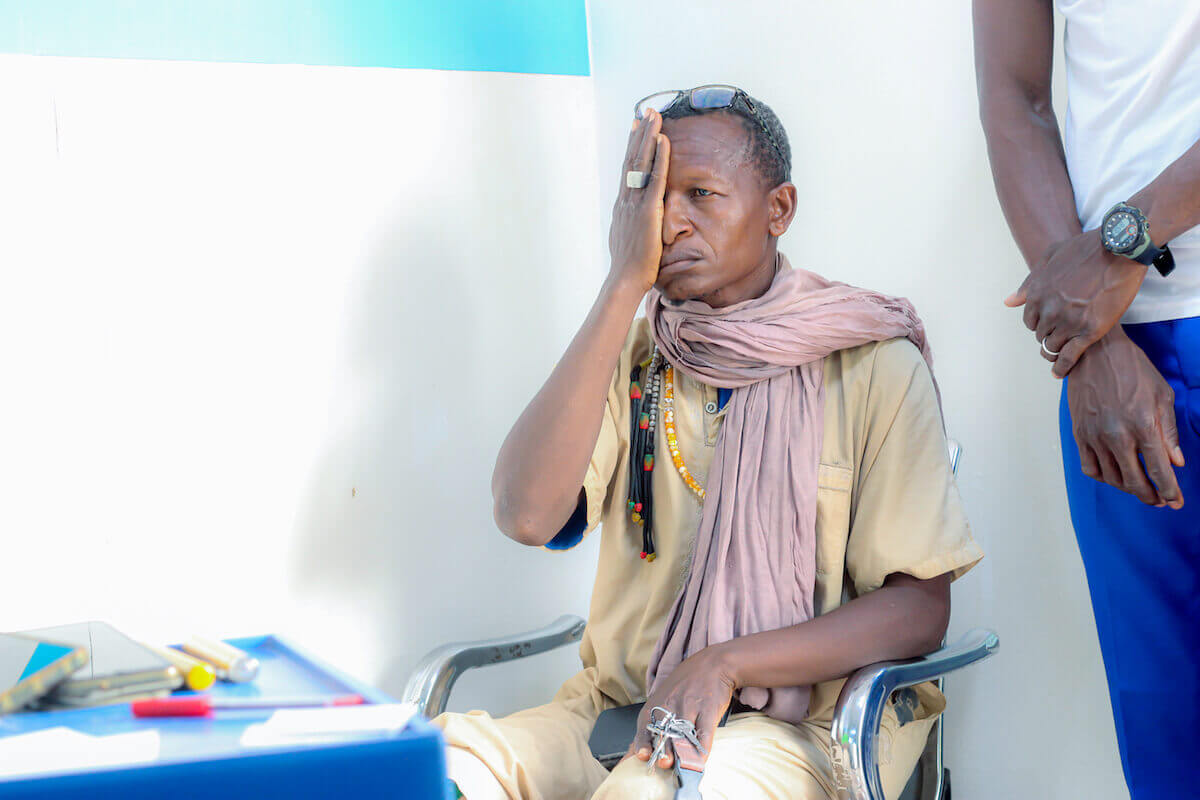
Cataracts in Mali: A Preventable Crisis with a Simple Solution

Embrace Relief wishes to thank all of its partners for helping to make Backpack Drive 2025 a success. To learn more about the Embrace USA initiative, or to support our efforts to provide critical material support and services to our closest neighbors, please visit our Embrace USA page here.

Donate For Embrace USA Backpack Drive

$
Donate Now

Give The Gift Of The Vision This Year-End : Cataract Surgery Changes Everything

Summary

  • Year-end giving can restore sight and transform lives through cataract surgery.
  • Embrace Relief travels to rural Mali to raise awareness, screen patients, perform surgeries, and provide post-surgery care.
  • Cataract surgery restores independence, dignity, and opportunities for children and adults.
  • Your donation this year-end helps bring light, hope, and a brighter future to those living in blindness.

For millions of people around the world, blindness is not a distant possibility—it is their daily reality. The most common cause is cataracts, a condition that clouds the lens of the eye and, left untreated, can lead to permanent blindness. Cataracts are easily treatable with a simple, safe surgery that restores vision in less than an hour. Yet in many parts of the world, access to this surgery is limited or impossible due to poverty, lack of healthcare infrastructure, and the high cost of treatment.

As the year draws to a close, we are reminded that the season of year-end giving is more than just tradition—it is an opportunity to change lives in powerful, lasting ways. For someone living with cataracts, your donation doesn’t just provide medical care. It restores their independence, their dignity, and their ability to see loved ones, work, and participate fully in life again.

This year-end, you have the chance to give more than a gift. You can give the gift of sight.

How Cataract Surgery Transforms Lives

Cataracts may be common, but their impact is devastating—especially for people in developing nations. Without treatment, cataracts can trap individuals in poverty, cutting them off from education, employment, and even daily tasks like cooking, walking safely, or caring for family. Children with cataracts often struggle in school or drop out entirely, while adults may lose their livelihoods and become dependent on others for survival.

But the solution is simple and life-changing: cataract surgery. In less than one hour, skilled doctors can remove the cloudy lens and restore clear vision. Patients who once lived in darkness walk out seeing the world again, with renewed hope and opportunity. For families, the ripple effect is enormous—restoring one person’s sight often means lifting an entire household out of hardship.

When you make a year-end donation for cataract surgery, you’re not only curing blindness; you’re giving someone back their future.

Embrace Relief’s Cataract Initiative in Mali

Embrace Relief’s Cataract Initiative in Mali

At Embrace Relief, we believe no one should live in darkness when the cure for blindness is within reach. That’s why our active cataract surgery initiative in Mali has been making a profound difference.

Our program is more than just surgery—it’s a full journey of care:

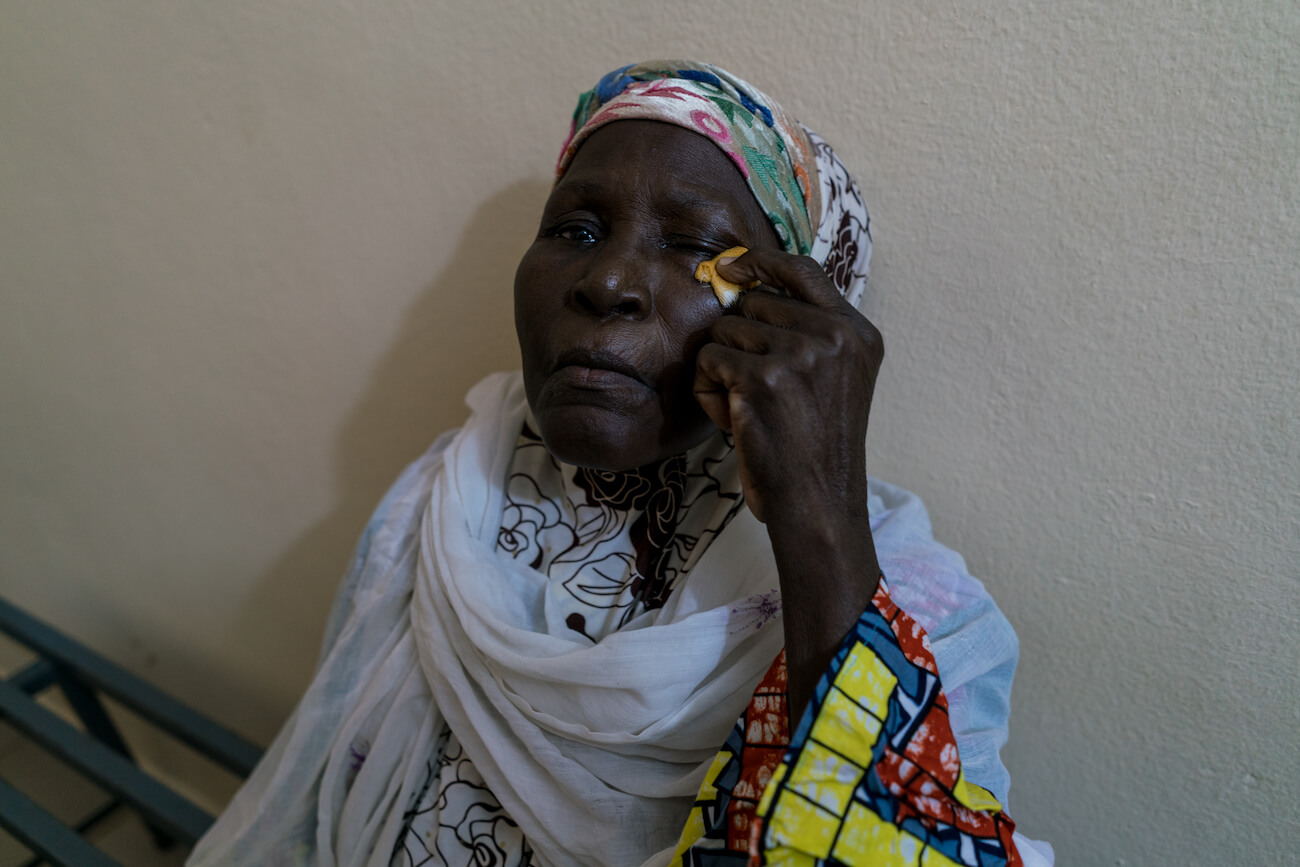
  • Cataract Awareness: In many rural areas of Mali, people are not aware that cataracts can be treated. Our teams travel to remote villages, spreading knowledge and helping people understand that blindness doesn’t have to be permanent.
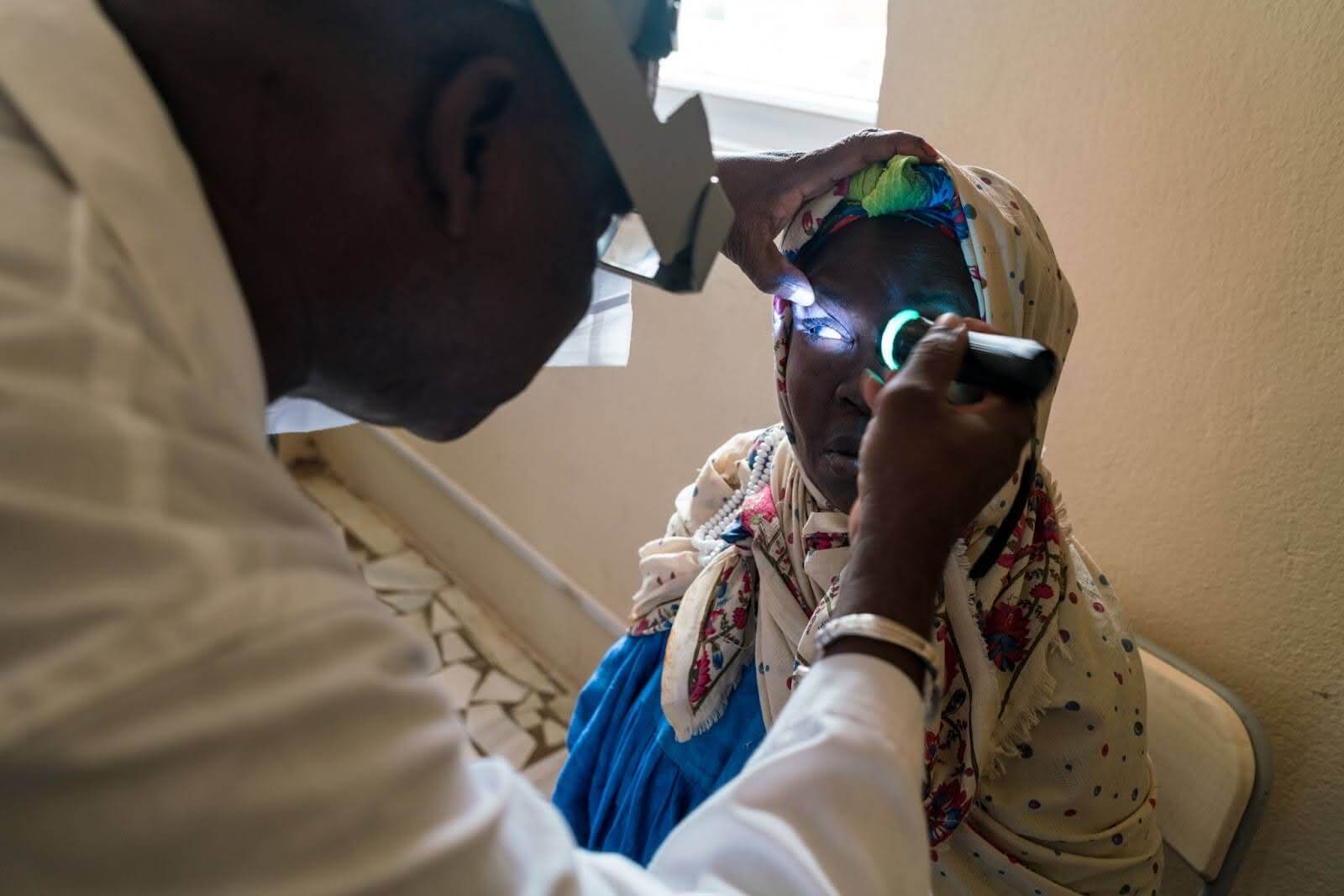
  • Cataract Screening: Patients are carefully examined by our medical teams to identify cataracts and prepare them for safe, effective treatment.
  • Cataract Surgery: Skilled doctors perform the life-changing cataract surgery, restoring clear vision in under an hour.
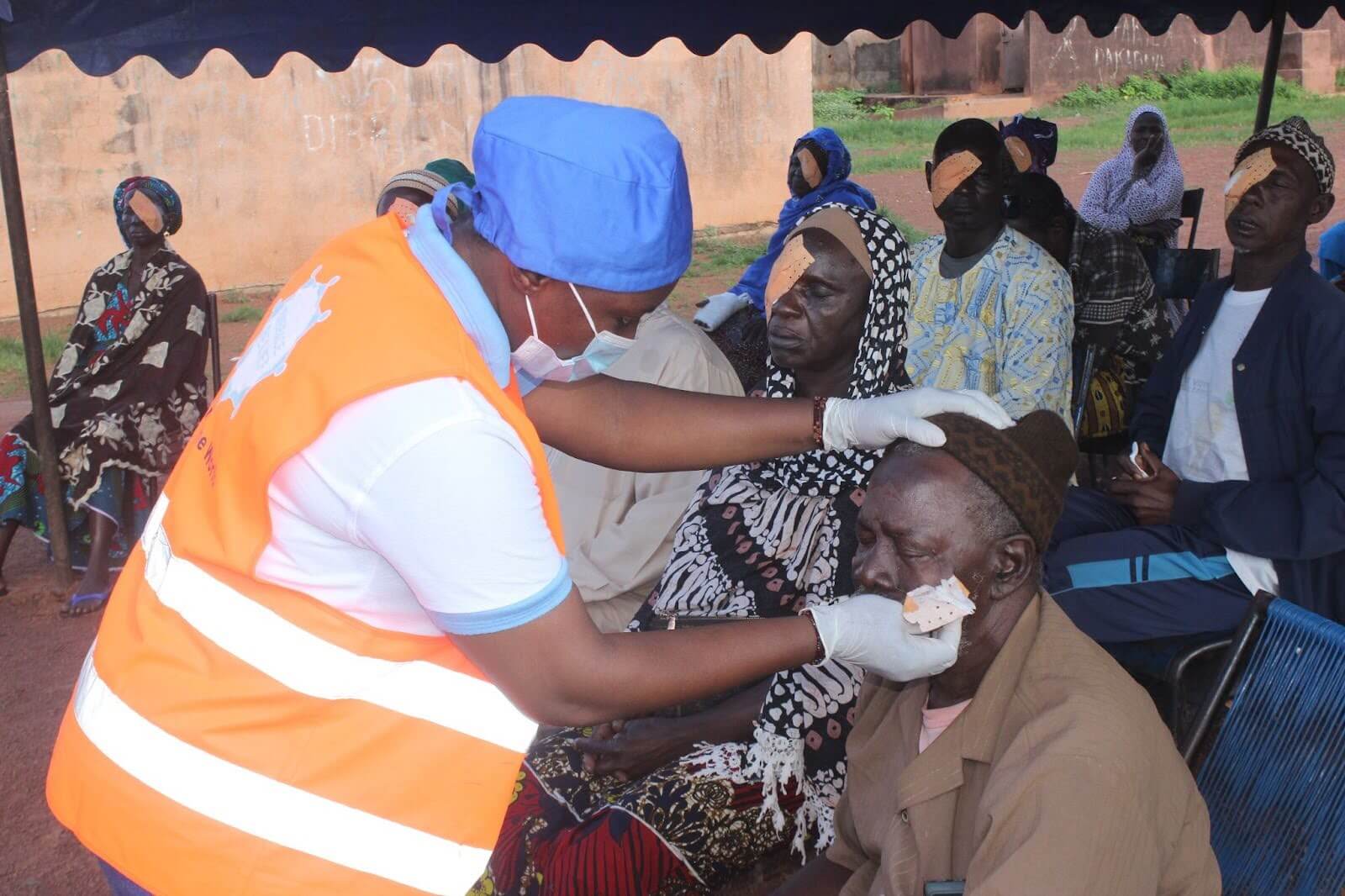
  • Post-surgery Care: Our work doesn’t end with the operation. We provide follow-up visits, medication, and ongoing support to ensure every patient heals fully and regains their sight.

By reaching deep into rural Mali, where healthcare is scarce and hope often feels out of reach, Embrace Relief is bringing light back to people who had resigned themselves to darkness. Every surgery costs only a fraction of what it would in wealthier nations, but its impact is immeasurable: people walk, work, study, and live again—independently and with dignity.

Closing the Year With Kindness: Give the Gift of Sight

As 2025 comes to an end, you have the chance to create a life-changing impact. With your year-end giving to Embrace Relief’s cataract initiative, you can restore sight, dignity, and hope to men, women, and children in Mali and beyond.

Your donation does more than cure blindness. It lifts families, strengthens communities, and creates a ripple effect of kindness that reaches far beyond one person.

We have an ambitious goal to provide 450 cataract surgeries between Sept. 15 and Dec. 31, 2025. So this holiday season, let’s work together to bring light where there was once darkness!

Make your year-end gift today. Give the gift of vision. For more information on Embrace Relief’s Cataracts Surgeries , click here!

Children’s Vision: 5 Myths That Keep Kids Out of School

Summary

  • Eye problems are on the rise globally, particularly among children.
  • Cataracts are increasingly affecting people under 40, accelerated by digital eye strain and UV exposure.
  • Embrace Relief is helping thousands in Mali overcome cataract blindness through free cataract surgeries.

Most of us take eyesight for granted until something goes wrong. For children, untreated vision problems don’t just make homework harder, they can keep kids out of school entirely, limit social development, and reduce future opportunities. Below are five common myths that stop families and communities from seeking care, why each myth is harmful, and what to do instead.

Myth 1 “Kids will outgrow vision problems”

Many vision problems, refractive errors (near- and farsightedness, astigmatism), amblyopia (lazy eye), and in some cases cataracts, do not simply go away. Early detection is crucial: when problems are found and treated early, children learn better, participate more, and avoid long-term vision loss.
What to do: Routine school or community screenings and prompt referrals to an eye clinic. Even simple corrective glasses can change a child’s school performance overnight.

Myth 2 “Squinting or sitting close to the TV is just a habit”

Squinting, frequent rubbing of the eyes, sitting very close to screens, or avoiding reading are common signs of poor vision. These behaviors often lead caregivers to blame laziness rather than look for an eye problem.
What to do: Treat these behaviors as a cue for screening. Local health workers and teachers can be trained to spot these signs and refer children for eye tests.

Myth 3 “Cataracts are only for older people, kids don’t get them”

While age-related cataracts are common in older adults, cataracts can and do affect children and young adults, especially in areas with limited access to care or where certain infections and nutritional issues are more prevalent. Pediatric cataracts are treatable, and timely surgery can restore sight and keep a child in school.

Myth 4 “Home remedies and eye drops will fix serious problems”

Home remedies can delay real care and, in some cases, cause harm. Serious conditions like cataracts, glaucoma, and severe refractive errors require professional diagnosis. Delays can mean permanent vision loss.
What to do: Provide clear, culturally appropriate messaging that explains which symptoms need urgent referral and which mild complaints can be managed conservatively. Provide a list of trusted local referral points.

Myth 5 “Wearing glasses will make my child’s eyesight worse”

Glasses correct refractive errors and improve learning; they do not weaken the eye. Refusing glasses because of stigma or misconception prevents children from seeing clearly in class and can risk lifelong disadvantages.
What to do: Pair spectacle distribution with education: normalize glasses by showing local role models, giving low-cost or free frames, and ensuring follow-up for repairs and replacements.

Cataracts in Mali: A Preventable Crisis with a Simple Solution

Cataracts in Mali: A Preventable Crisis with a Simple Solution:

While cataracts are easily treated in many countries, in Mali they often mean a lifetime of blindness, not because the cure doesn’t exist, but because people can’t access it. Rural communities may be hundreds of miles from an eye doctor; travel costs, lost wages, and lack of awareness keep people from seeking care.

That’s where Embrace Relief steps in.

We’ve launched a nationwide cataract surgery program in Mali that brings free, sight-restoring care directly to communities. Partnering with local doctors, health workers, and volunteers, our mobile surgical teams identify patients, perform surgeries, and provide post-operative care in the places people already live and work.

Our Impact So Far (program highlights):

  • Over 40,000 cataract surgeries completed.
  • Focused outreach in rural, underserved areas.
  • Restored sight for farmers, parents, elders, and children.
  • Each surgery takes about 15 minutes and costs roughly $120, a small amount with a lifetime of benefit.

Every child deserves the chance to read the chalkboard, play with friends, and dream big. But for thousands of kids, poor vision makes school impossible. Too often, families believe myths that keep children from getting help. The good news?

Most of these problems are easy to fix, sometimes with a simple surgery. And with your support, Embrace Relief can provide these life-changing surgeries for free to those who need them most.

Join us today and help a child see their future clearly.

For more information on Embrace Relief’s Cataracts Surgeries , click here!

The Journey of a Drop: From Source to Tap, Is Tap Water Safe and What Makes “Supreme Water” ?

Summary

  • Tap water is highly regulated and safe in most developed countries.
  • Bottled water, even premium “supreme” brands, isn’t always better and often comes with environmental costs.
  • Embrace Relief’s water well projects are transforming lives by bringing clean water to Africa.

When you fill a glass from your tap, that drop of water has already traveled an incredible journey through rivers, aquifers, reservoirs, and treatment plants. But the big question remains: is tap water safe to drink?

In most developed countries, the answer is yes. Tap water is heavily regulated, tested for bacteria, chemicals, and heavy metals before it ever reaches your home. Treatment processes like chlorination, ozonation, and UV light eliminate harmful pathogens, making tap water not just safe, but often healthier than you think.

Still, many people distrust tap water and turn to bottled water. This raises another question: what’s the difference between tap water and bottled water?

Tap Water vs Bottled Water: Which is Better?

  • Tap water: Regulated by strict government standards, cheap, environmentally friendly, and in many cases, just as clean (or cleaner) than bottled water.
  • Bottled water: Convenient, but often far less regulated. Studies show many brands are simply filtered tap water repackaged at a steep markup. A 2018 study even revealed that 93% of bottled water contains microplastics.

What Is “Supreme Water”?

Luxury brands like Evian, Voss, and Fiji market themselves as “supreme” bottled water. But what qualifies as supreme water?

  • It often comes from exotic sources like glaciers, volcanic springs, or artesian wells.
  • It may contain natural minerals that affect taste or texture.
  • Most importantly it’s branded as a luxury lifestyle product.

But the truth is, “supreme” water isn’t necessarily cleaner or safer than tap water. What you’re really paying for is branding, exclusivity, and convenience.

The Hidden Cost of Bottled Water

The bottled water industry is worth over $300 billion globally, but it comes at a huge environmental price:

  • 600+ billion plastic bottles are produced each year, less than 30% are recycled.
  • Producing one bottle consumes 2–3x the amount of water it actually contains.
  • By 2050, experts warn there could be more plastic than fish in the ocean.

So while fans at a football match might pay $4–$5 for a “supreme” bottle, the real question isn’t just about safety or taste, it’s about sustainability and access.

Because for millions of people around the world, the real luxury isn’t bottled water, it’s simply clean water.

The Most Valuable Water: How Embrace Relief Brings Clean Water to Africa

The Most Valuable Water: How Embrace Relief Brings Clean Water to Africa

In countries like Cameroon, Chad, Benin and Nigeria, families walk miles every day to collect water, often dirty, contaminated, and dangerous. Waterborne illnesses like cholera and typhoid kill thousands every year, especially children.

For these communities, the “most valuable water” isn’t bottled or branded, it’s clean, safe drinking water.

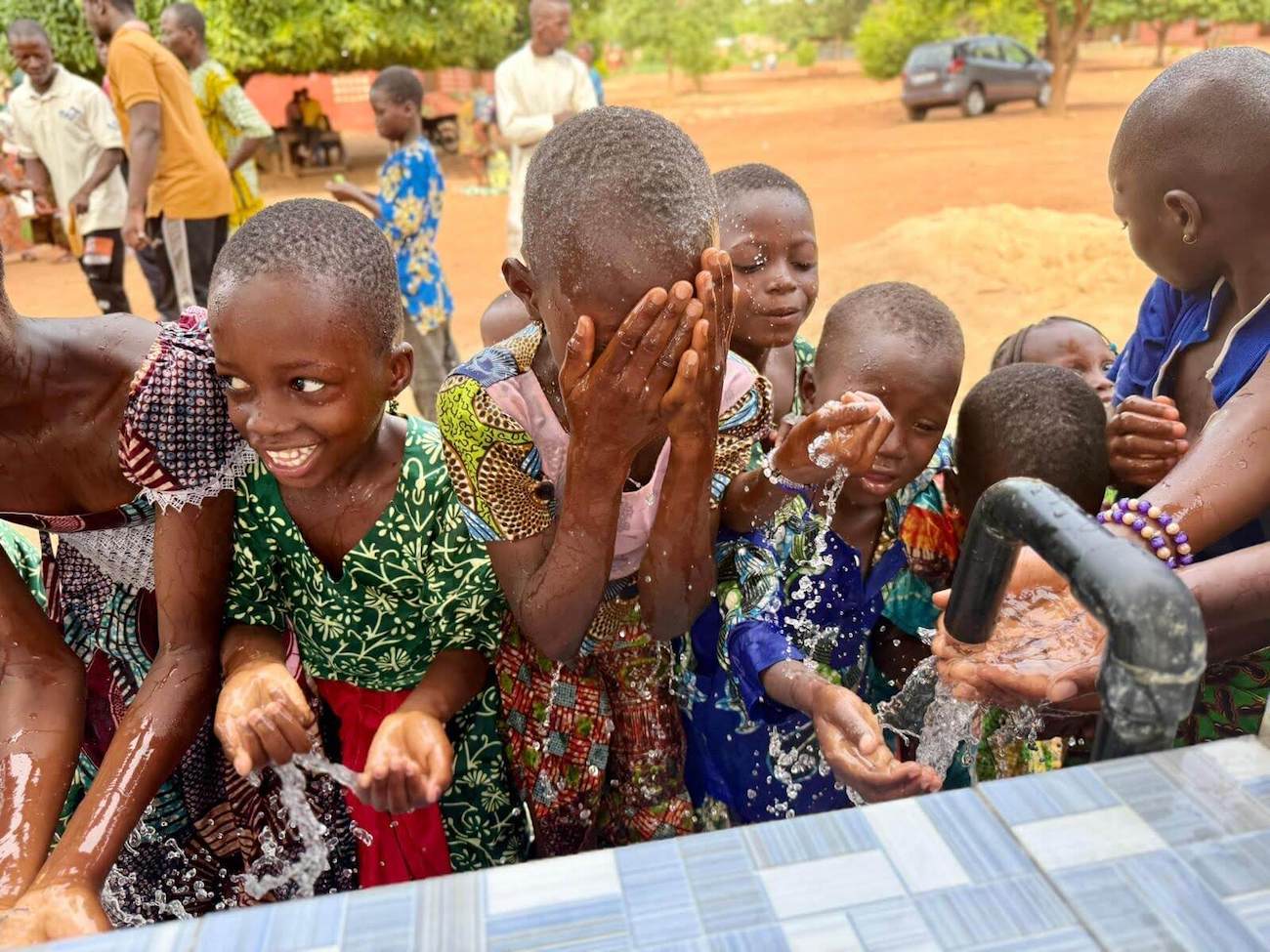
That’s why Embrace Relief launched its Clean Water Initiative, which has already:

  • Built or restored 1,500+ water wells
  • Provided clean water to 1.2 million people across Africa
  • Reduced waterborne diseases, boosted school attendance, and empowered women

How You Can Help

  • $3,500 builds a new well serving 1,000+ people.
  • $1,500 restores an existing well, bringing safe water back to an entire community.

Each project comes with a 5-year warranty, annual maintenance, a dedication plaque, and impact reports.

Since 2013, Embrace Relief has built or restored more than 1,500 wells across countries like Chad, Nigeria, Uganda, Kenya, and Cameroon, delivering clean water to over one million people.

For more information on Embrace Relief’s Clean Water Initiative, click here!

How to Take Care of Orphans and Vulnerable Children

Summary

  • Millions of orphaned children lack access to education, healthcare, and nutrition.
  • Community support and sponsorship programs give children stability and hope.
  • Embrace Relief provides food, education, medical care, and safe environments.
  • Your donations transform lives by creating opportunities for vulnerable children

Millions of orphaned and vulnerable children around the world face life without proper care, education, or healthcare. Many are victims of poverty, conflict, or disease, leaving them without parents, stability, or guidance. Without support, they grow up in unsafe environments with limited opportunities.

The lack of education, medical care, and nutritious meals makes them especially vulnerable to exploitation and lifelong poverty. But with orphan care donations and community support, this cycle can be broken and every child can have the chance to thrive.

The Role of Community Support in Caring for Orphaned Children

Taking care of orphans and vulnerable children requires more than just food and shelter,it requires a strong community of support. These children need mentors, caregivers, and safe environments where they can feel loved, valued, and guided toward a brighter future.

Community involvement is key. Whether through local organizations, volunteers, or sponsorship programs, providing consistent care and positive role models helps children build confidence and resilience. Emotional support is just as important as physical needs, giving children hope and a sense of belonging.

By coming together as a community, we can create an environment where every child has the opportunity to learn, grow, and thrive.

How Embrace Relief Empowers Orphans and Vulnerable Children

How Embrace Relief Empowers Orphans and Vulnerable Children

At Embrace Relief, our Orphan Care Program is designed to meet the most urgent needs of orphaned and vulnerable children worldwide. With the support of our donors and sponsors, we provide:

  • Education support through tuition and school supplies.
  • Nutritious food and clean water to improve health.
  • Medical care and insurance for long-term well-being.
  • Safe shelter and emotional support to give children stability.

By joining our child sponsorship program, you help us create lasting change for children in Africa, Asia, and beyond. Your donations ensure that no child is left without hope, education, or healthcare.

Your Donations Transform Lives

When you choose to support vulnerable children through Embrace Relief, you are giving them more than food, healthcare, or shelter.your giving them hope.

Support orphaned children with Embrace Relief today.

Water Prices Climbing in Soccer: $5 Bottles at the Stadium

Summary

  • Fans often pay premium prices for bottled water at football matches and events.
  • In parts of Africa, families walk miles daily just to access unsafe water.
  • Embrace Relief’s water well projects provide clean, safe water to millions across Africa.

When Real Madrid faced Osasuna at the Santiago Bernabéu, 80,000 fans filled the stands. The atmosphere was electric, chants echoing, flags waving, and bottled water in nearly every hand. At €4–€5 each, those bottles were as much a part of the stadium experience as the game itself. But behind the convenience lies a bigger story.

Globally, bottled water is a $300 billion industry, with sales surging at stadiums, airports, and festivals where fans have little choice but to pay inflated prices. Yet the true cost goes beyond money. More than 600 billion plastic bottles are produced every year, and less than 30% are recycled. Disposable bottles are now among the top five contributors to ocean pollution, and each one takes hundreds of years to break down. Even worse, producing a single bottle actually consumes 2–3 times more water than it holds, draining global resources even as it quenches thirst.

In Madrid, bottled water is an overpriced convenience. But in rural villages across Africa, clean water isn’t just costly, it’s unavailable. No matter how much money someone has, they can’t walk into a shop and buy safe, sealed water. Today, 2.2 billion people lack access to safe drinking water, and over 700 children die every day from waterborne illnesses.

That contrast is striking: in wealthy cities, water is abundant and treated as a luxury inside disposable plastic. In much of the world, water is scarce, and no bottle, no matter the price, can provide what isn’t there.

The irony is that bottled water is often marketed as the “purest” option, with brands like Evian, Fiji, and Voss turning hydration into a luxury lifestyle product. But research shows that in countries like Spain, the UK, and the U.S., tap water is usually just as safe, sometimes safer, than what’s inside the bottle. A 2018 study even found that 93% of bottled water samples contained microplastics, tiny particles that can accumulate in the body over time. So while fans may pay for the peace of mind of bottled water, they aren’t always getting what they think.

Meanwhile, the environmental cost keeps climbing. At the 2022 World Cup in Qatar, fans reportedly went through millions of single-use bottles in just one month. Multiply that across sporting events, concerts, and festivals worldwide, and the scale of waste is staggering. Experts warn that by 2050, there could be more plastic than fish in the ocean; a crisis fueled in part by our reliance on bottled water.

The bigger question is why so many people are still dependent on disposables. Convenience plays a huge role. In crowded stadiums or arenas, bottled water is quick, portable, and easy to sell in bulk. But new trends are challenging that model. Reusable bottles like Hydro Flask, Stanley, and Yeti are becoming status symbols, especially among younger fans who want sustainable options. Some arenas are even installing refill stations to encourage fans to bring their own bottles, cutting both costs and waste.

And yet, the divide remains. In some parts of the world, we’re debating between a €5 bottle of Evian or a refillable Stanley cup. In others, communities are still walking miles to collect water from unsafe rivers. The global clean water crisis isn’t just about scarcity, but about inequality. Until access to safe water is universal, the contrast between overpriced convenience and priceless necessity will remain one of the most striking disparities of our time.

The Most Valuable Water: A Lifeline for Millions in Africa

The Most Valuable Water: A Lifeline for Millions in Africa

In rural parts of Africa, including Cameroon, Chad, and Nigeria, families often walk miles each day to reach a water source. Too often, the water they find is contaminated with bacteria and parasites, leading to deadly illnesses like cholera and typhoid. For these families, the “most valuable water” isn’t sold in a bottle, it’s the clean, safe water that can mean the difference between life and death.

This is where Embrace Relief is making a difference. Through our Clean Water Initiative, we’ve built or restored more than 1,100 water wells across Africa, providing safe, reliable water to over 1.1 million people. Each well transforms an entire community by:

  • Reducing waterborne diseases
  • Helping children return to school instead of spending hours fetching water
  • Giving women time to work, learn, and lead
  • Supporting farming and food security

For as little as $3,500, you can fully fund a new well that serves more than 1,000 people. Or for $1,500, you can restore an existing well, bringing clean water back to life for an entire community. Every project comes with a five-year warranty, annual maintenance, dedication plaque, and impact reports, so donors can see the real change their gift provides.

$5 at the Bernabéu buys you one bottle of water. $5 toward Embrace Relief helps bring a lifetime of clean water to families in need.

Because in the end, the most expensive water is the one you drink without thinking but the most valuable water is the one that saves lives.

For more information on Embrace Relief’s Clean Water Initiative, click here!

Breaking Barriers: How Online Education is Empowering Afghan Girls

Summary

  • Afghan girls face major barriers to education due to conflict, poverty, and restrictions.
  • Online education offers a safe, flexible way for them to access quality learning.
  • Embrace Relief provides tech tools, internet access, and trained teachers to support this cause.
  • Donating to this program helps empower Afghan girls through education and opportunity.

For decades, Afghan girls have faced significant challenges in accessing education. Restrictions, poverty, and conflict have left millions without the chance to attend school, closing doors to opportunities that could change their lives. But through technology, hope remains alive. Online education for Afghan girls has become a powerful tool to overcome barriers, giving them a chance to learn safely and continue their journey toward a brighter future.

The Challenges Afghan Girls Face in Accessing Education

Afghan girls’ education is one of the most pressing humanitarian issues of our time. Many girls are barred from schools, lack safe environments for learning, or cannot afford basic resources like books and supplies. As a result, countless young women grow up without literacy skills, job opportunities, or the ability to pursue their dreams.

This cycle of inequality not only harms individual girls but also weakens entire communities. Without education, Afghan girls are denied the chance to contribute to society, provide for their families, and build stronger futures.

How Online Education Creates New Opportunities

Technology is breaking through barriers that once seemed impossible. Online education programs for Afghan girls provide safe, flexible, and accessible ways to learn. Through laptops, internet connections, and virtual classrooms, Afghan girls can:

  • Access high-quality teachers and learning materials.
  • Learn from home in a safe environment.
  • Gain literacy, STEM, and digital skills needed for the future.
  • Build confidence and prepare for higher education or careers.

With the right support, online education becomes more than lessonsit becomes a lifeline for Afghan girls determined to learn and succeed.

How Embrace Relief Supports Online Education for Afghan Girls

Embrace Relief is dedicated to providing Afghan girls with the tools and opportunities they need to learn. Through our L.E.A.R.N. Initiative to provide education for Afghan girls, we:

  • Provide laptops, tablets, and internet access to students.
  • Fund online classrooms and qualified teachers to ensure quality education.
  • Deliver curriculums in literacy, math, science, and technology tailored to their needs.
  • Create safe learning environments where girls can pursue education without barriers.

By investing in Afghan girls’ education today, we are empowering a generation of leaders, innovators, and changemakers for tomorrow.

Your Support Can Break Barriers

Every contribution makes a difference. By donating to online education programs for Afghan girls, you are directly giving them the chance to learn, grow, and dream of a better future.

Support Afghan Girls’ Online Education with Embrace Relief Today.

How Cataracts Affect Your Daily Life and How to Fix Them:

Summary

  • Cataracts cloud vision, making daily life frustrating and even dangerous.
  • Increasingly, younger people are being diagnosed due to UV exposure and lifestyle factors.
  • Embrace Relief provides free cataract surgeries in Mali, restoring sight and independence.

Most of us take our eyesight for granted, until something begins to change. For millions of people worldwide, that change comes slowly and subtly in the form of cataracts. This condition occurs when the natural lens of the eye becomes clouded, leading to progressively blurred or dim vision. In the early stages, cataracts may feel like a minor inconvenience; perhaps you notice you need brighter lighting to read, or you assume your eyeglass prescription is no longer strong enough. However, as the cloudiness thickens, the impact on daily life becomes far more disruptive.

People living with cataracts often describe their vision as if they are looking through frosted or fogged glass. Colors appear faded, and distinguishing between similar shades becomes increasingly difficult. Night vision suffers significantly, with halos, glare, or starbursts appearing around headlights and street lamps, making driving at night dangerous or even impossible. Sunlight may feel harsh and painfully bright, forcing people to avoid outdoor activities they once enjoyed.

The physical effects are often paired with emotional frustration. Eye strain and frequent headaches from constant squinting are common. Tasks that used to be second nature, such as reading a menu, threading a needle, or recognizing a friend’s face across a room, become time-consuming or unachievable. For many, this leads to a loss of independence, social withdrawal, and decreased quality of life.

Because cataracts develop gradually, some people delay seeking treatment until their vision is severely impaired. But early diagnosis is key to maintaining your lifestyle and safety. You should see an eye doctor promptly if you notice:

  • Vision that remains blurry or cloudy despite updated glasses or contact lenses.
  • Increasing difficulty driving at night due to glare or halos.
  • Trouble reading, watching TV, or recognizing faces even in good lighting.
  • Eye discomfort, headaches, or sudden changes in vision.

Fortunately, cataracts do not have to mean permanent vision loss. Modern cataract surgery is one of the safest and most frequently performed medical procedures worldwide. In a quick, outpatient surgery, often lasting less than 20 minutes, a surgeon removes the cloudy lens and replaces it with a clear artificial one. Most patients notice dramatically improved vision within a day, with colors appearing brighter, details sharper, and daily activities easier to enjoy again.

Left untreated, cataracts remain the leading cause of blindness globally, according to the World Health Organization. But with timely care, they are also one of the most curable causes of vision impairment. Whether you are experiencing the early signs or have been struggling for years, seeking professional evaluation can be life-changing; restoring not just your sight, but your confidence, independence, and joy in everyday moments.

Cataracts in Mali: A Preventable Crisis with a Simple Solution:

In wealthier countries, cataract surgery is routine. But in Mali, a lack of access to eye doctors means cataracts can leave someone blind for life. The problem isn’t that the surgery doesn’t exist, it’s that people can’t reach it or afford it.

In rural Mali, the nearest eye specialist may be hundreds of miles away. For many families, that’s an impossible journey. Without surgery, farmers can’t work, parents can’t care for their children, and elders lose their independence.

That’s where Embrace Relief comes in.

We’ve launched a nationwide cataract program that brings the surgery directly to those who need it most. Partnering with local doctors and volunteers, our mobile surgical teams travel to remote villages, identify patients, perform the surgery, and provide post-operative care all at no cost to the patient.

Our impact so far:

  • Over 40,000 cataract surgeries completed
  • Focused outreach in rural, underserved areas
  • Sight restored to farmers, teachers, grandparents, and more

Each surgery takes just 15 minutes and costs $120 – less than a pair of designer sunglasses – yet transforms someone’s life forever. A grandmother can see her grandkids’ faces again. A teacher can return to the classroom. A farmer can walk his fields without fear.

Restoring sight is one of the most powerful gifts you can give. And in Mali, that gift starts with a simple, life-changing surgery.

For more information on Embrace Relief’s Cataracts Surgeries , click here!