Recent

Gen Z Gives Back: The Future of Orphan Support Starts Online

Summary

  • Gen Z gives digitally – Using online tools to support orphaned children.
  • Transparency matters – Donors see exactly where their money goes.
  • Real impact – Donations fund education, healthcare, and shelter.
  • Global youth action – Gen Z raises funds and awareness worldwide.

In a connected world, one generation is proving that you don’t need to be wealthy or well-known to change lives. You just need a phone, a voice—and a heart for impact.Across the United States, young people are showing up for causes they care about. From food insecurity to climate change, Gen Z is driving a new era of digital activism, and orphan care is no exception. At Embrace Relief, we’ve seen firsthand how this generation’s energy and innovation are helping change the lives of orphaned children across Africa.

Here’s how Gen Z donors are making a difference—and why the future of global giving starts online.

A New Way to Give

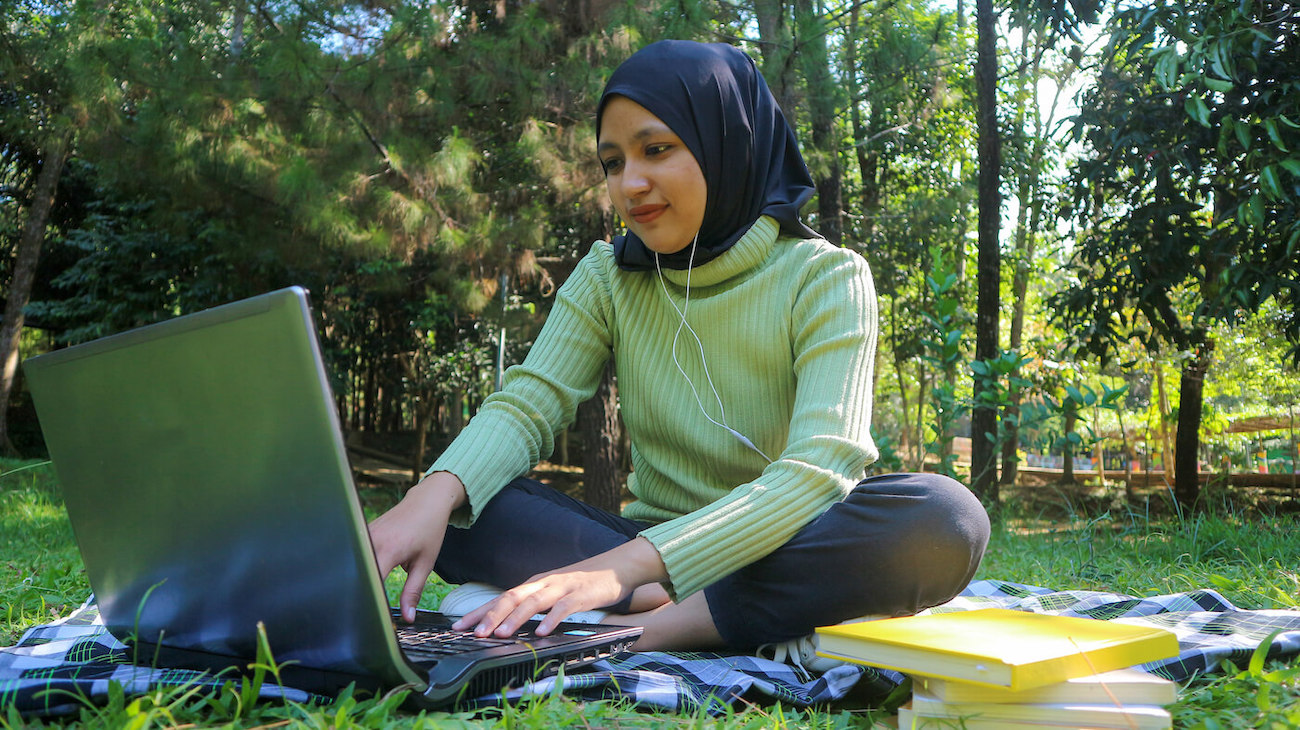
Unlike previous generations, Gen Z doesn’t wait for nonprofits to come to them. They search, share, and give in real time—using platforms like TikTok, Instagram, and GoFundMe to discover causes and inspire their friends to take action.

They value transparency and impact. They don’t just want to give—they want to know exactly who they’re helping and how.At Embrace Relief, we make that easy to see.

Real Children, Real Impact.

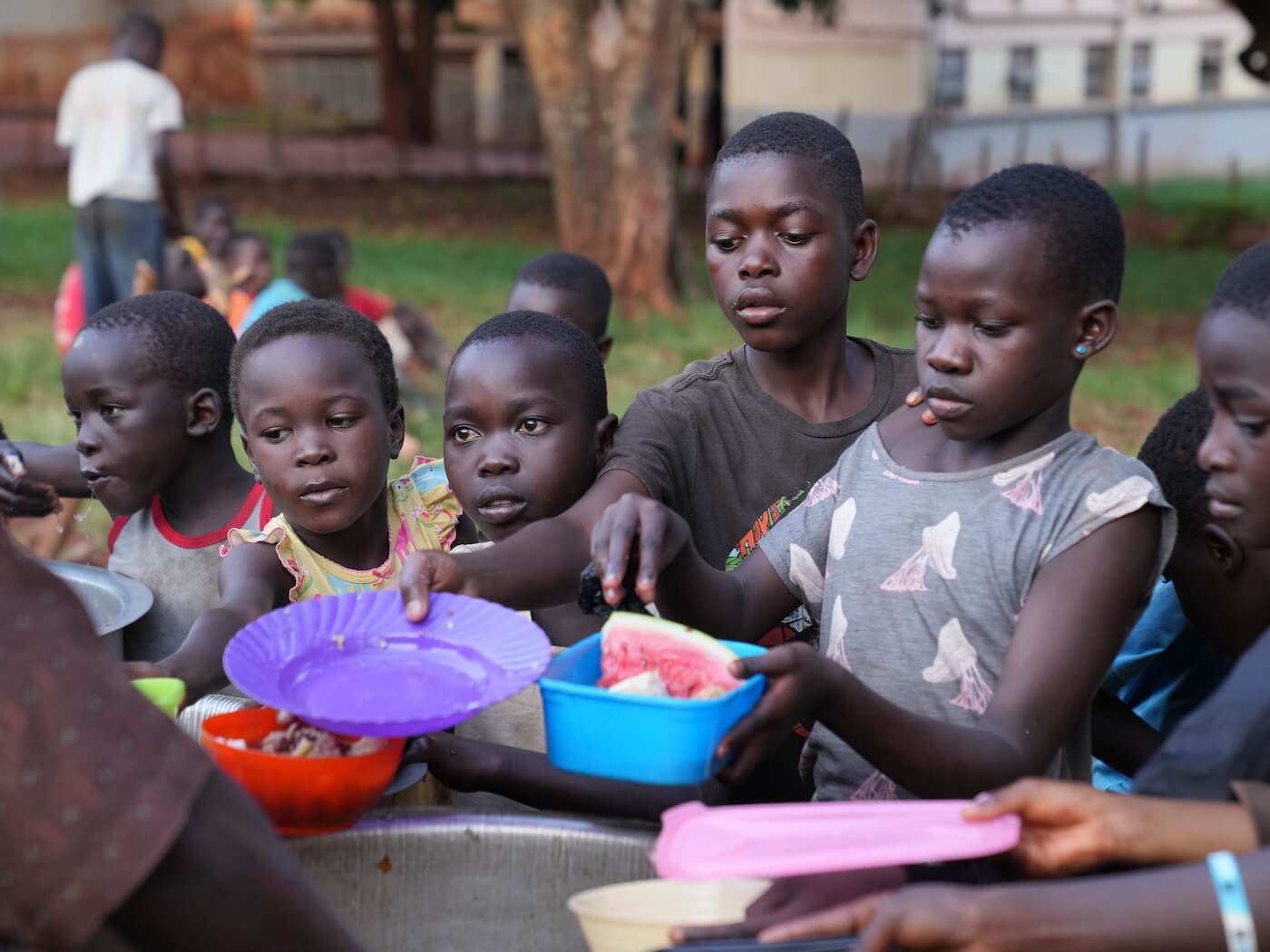
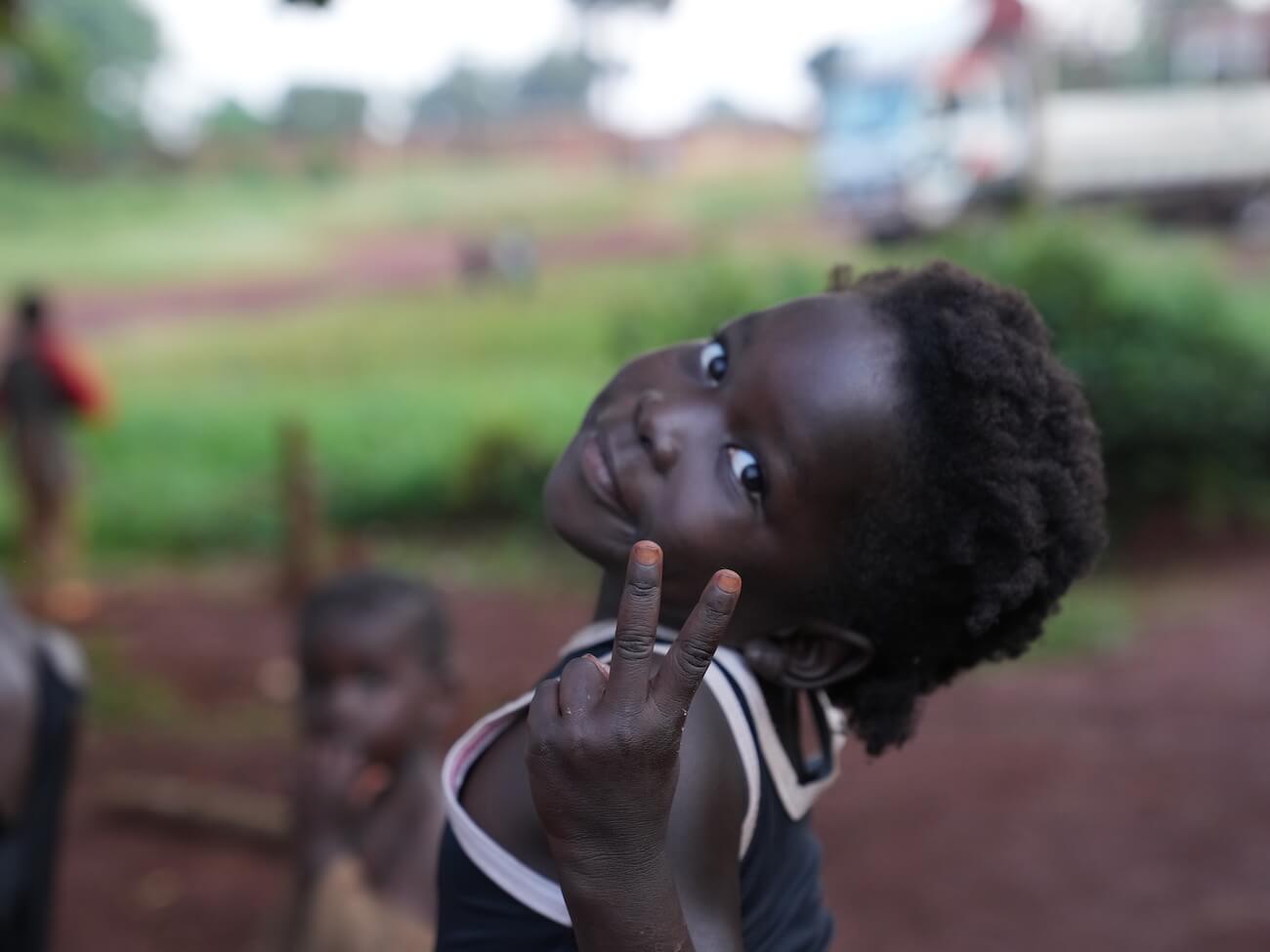
Young people from Gen Z are using the power of the internet to create real change — and they’re seeing the results. Through online platforms, they’re supporting orphaned children in Africa and getting direct updates on the difference they’re making.

From improved education and healthcare to safe housing, real stories and case studies show how their donations are transforming lives. What sets this movement apart is the transparency: detailed follow-ups reveal exactly how and where each contribution is spent, allowing Gen Z donors to stay connected, informed, and inspired by the impact of their giving.

A Generation That Cares

This generation believes in using their voice—and their platforms—for good. Whether it’s a birthday fundraiser, a viral video challenge, or a shared post, their actions ripple across the internet and the globe.

They’re not just raising money—they’re raising awareness.And every dollar they raise becomes food on the table, a book in a backpack, or a bed for a child who’s never had one.

Embrace Relief & Generation Z: Impacting Orphan Care in Africa and Asia

Embrace Relief & Generation Z: Impacting Orphan Care in Africa and Asia

Embrace Relief and Generation Z are coming together to make a powerful impact in the lives of orphaned children across Africa and Asia. Through accessible online platforms, Embrace Relief facilitates and empowers young people to donate, raise awareness, and actively support orphan care.

This partnership helps provide essential needs like education, healthcare, and safe shelter, while also offering transparent updates that show exactly how their contributions make a difference. Together, they are creating meaningful change and building a brighter future for vulnerable children around the world.

Help Us Build the Future—One Child at a Time

The challenges orphaned children face are real. But with the help of young changemakers like you we can make a difference.

You can make a difference starting today , Support orphaned children today

Algae Blooms & Clean Water: Why the Growing Crisis Should Concern Us All.

Summary

  • Algae blooms, fueled by climate change and pollution, are spreading rapidly and contaminating freshwater sources
  • Toxic blooms can make entire lakes and rivers unsafe for human use, leading to serious health risks and water shortages
  • Embrace Relief builds and maintains clean water wells in Africa, helping over a million people access safe drinking water

Algae blooms once a seasonal, localized issue have exploded into a global environmental emergency. Triggered by a mix of agricultural runoff, rising temperatures, and stagnant water, these blooms are spreading rapidly and choking freshwater ecosystems. In the U.S., more than 2,300 water bodies reported harmful algae outbreaks in 2023 alone. From lakes in the Midwest to rivers in Europe and reservoirs across Africa, the trend is clear: our water is under threat.

These blooms aren’t just an eyesore, they’re toxic. They can produce harmful compounds like microcystin and anatoxin, which are dangerous when ingested or even touched. Exposure has been linked to liver damage, neurological disorders, and severe gastrointestinal illness. In some cases, cities have had to shut off municipal water supplies for days at a time. In 2014, residents of Toledo, Ohio lost access to drinking water for three days due to a toxic bloom in Lake Erie.

Globally, the stakes are even higher. Climate change is supercharging the problem: warmer temperatures and extreme weather events accelerate bloom formation, especially in regions with limited water infrastructure. In low-income areas, where treatment systems are outdated or nonexistent, blooms can render entire water sources unusable for months.

The World Health Organization reports that more than 2 billion people still lack access to safely managed drinking water and algae blooms only worsen that divide. While wealthier countries have the tools to mitigate the damage, rural communities in Africa and other underserved regions face an impossible choice: risk drinking contaminated water or go without.

The bottom line? Clean water is no longer just a development issue, it’s an environmental one. And the growing spread of algae blooms is yet another reminder that access to safe water is fragile, unequal, and under urgent threat.

From Polluted Rivers to Reliable Wells: How Embrace Relief Is Delivering Clean Water Across Africa

From Polluted Rivers to Reliable Wells: How Embrace Relief Is Delivering Clean Water Across Africa.

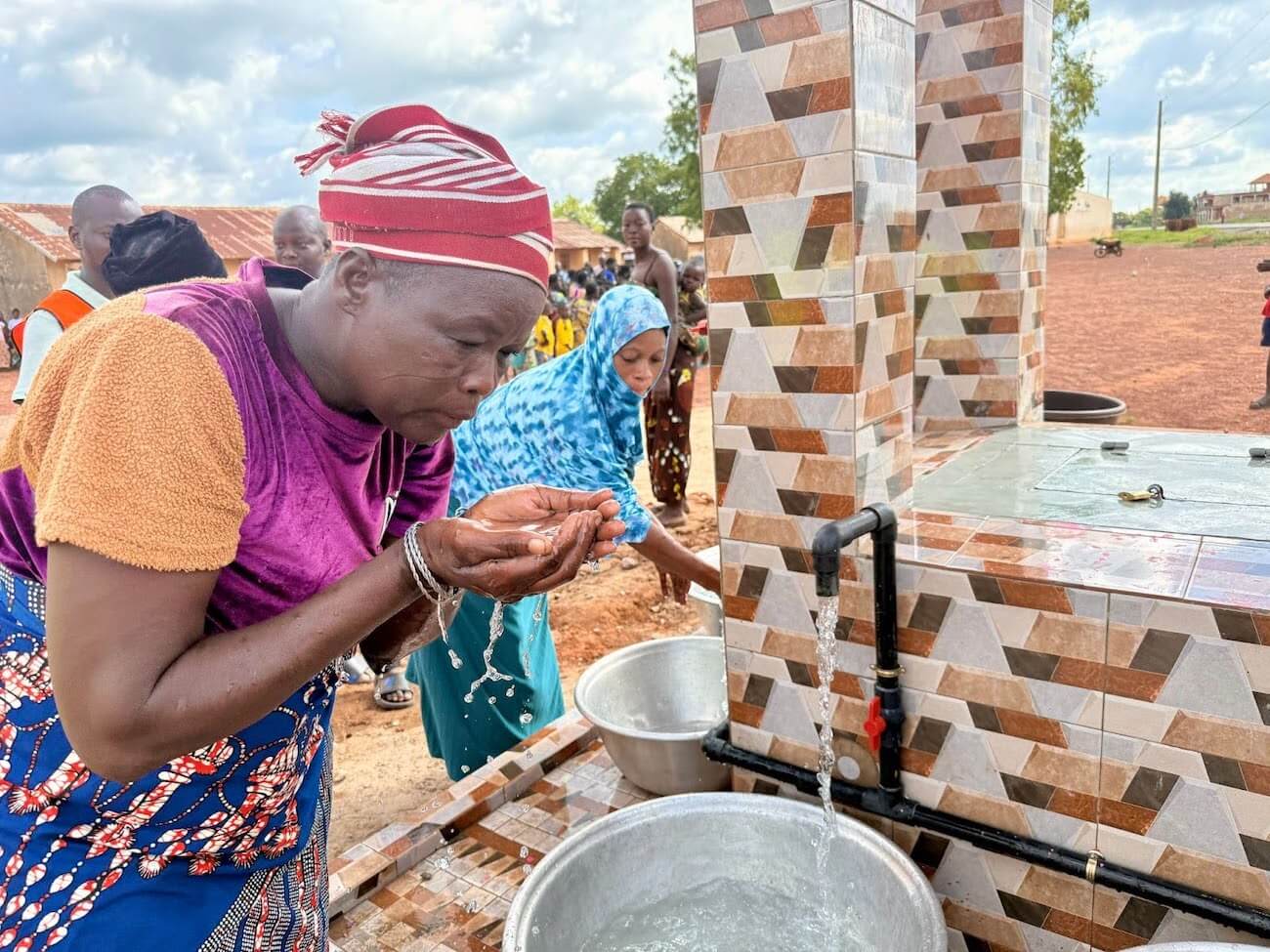
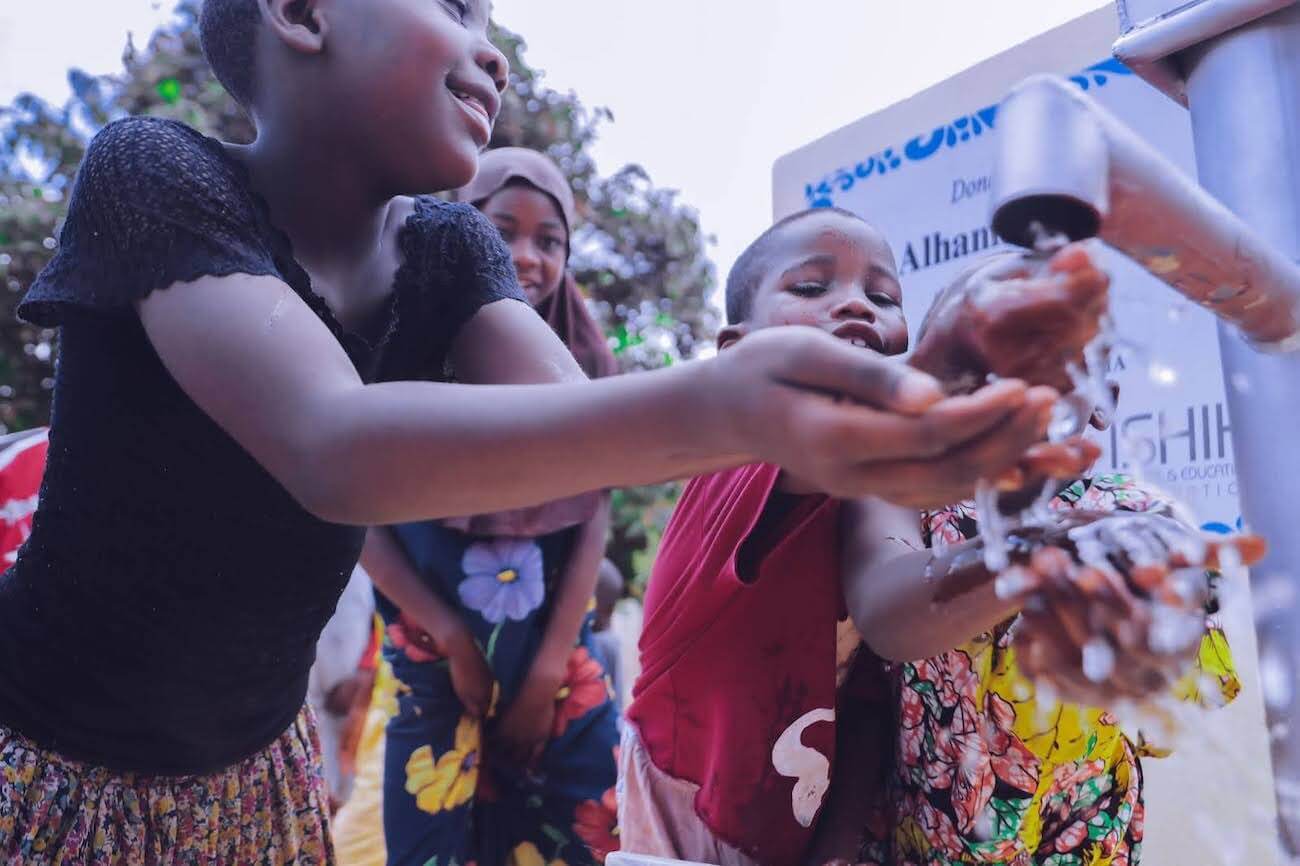
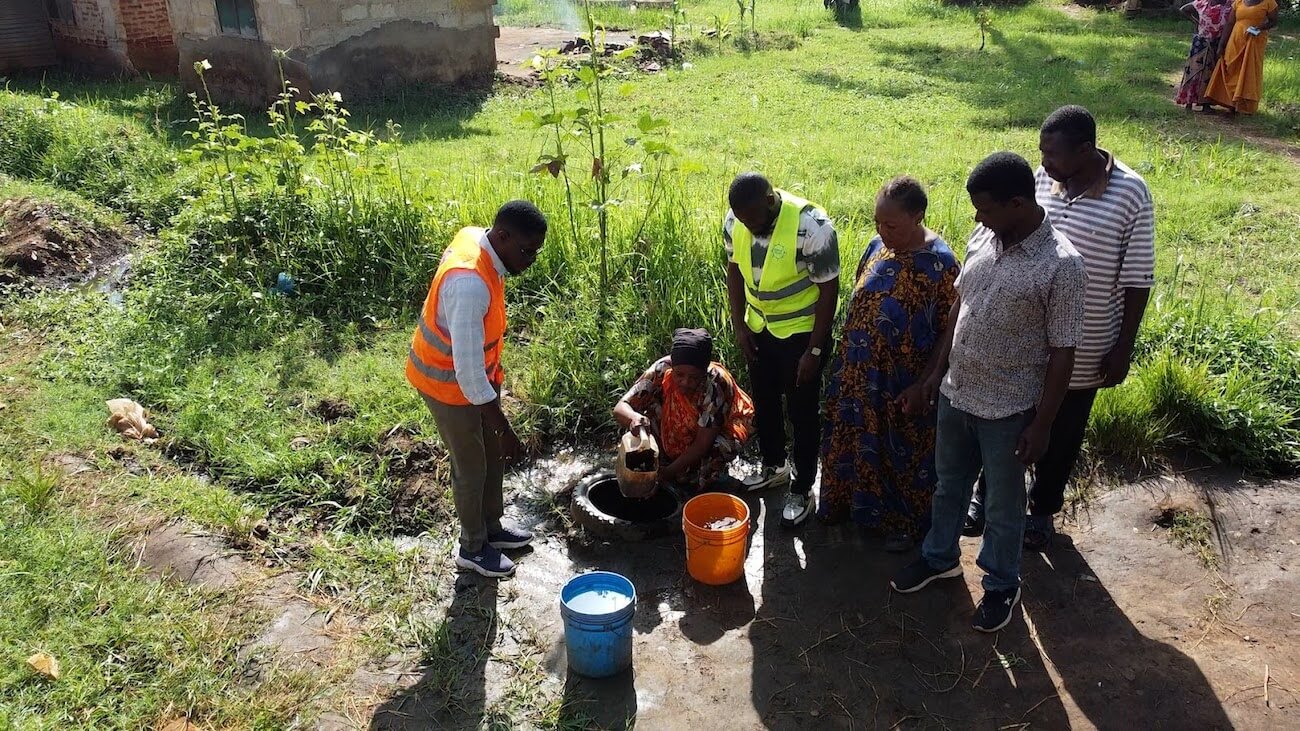
While governments and tech companies debate long-term environmental solutions, Embrace Relief is providing immediate, life-saving action. Through its Clean Water Initiative, Embrace Relief constructs and rehabilitates water wells in communities across Africa giving thousands of people access to clean, safe, and sustainable drinking water.

Each well, built for just $3,500, serves more than 1,000 people and is tailored to meet the region’s specific needs, with durable materials and locally sourced parts. These aren’t temporary fixes. Every well comes with a five-year warranty, annual maintenance checks, and community training to ensure long-term functionality. Donors also receive detailed impact reports, photos, and GPS coordinates showing the exact location of their well.

Since 2013, the program has built or restored over 1,100 wells, directly improving the lives of more than 1 million people in countries like Chad, Nigeria, Uganda, Kenya, and Cameroon. These wells don’t just quench thirst, they reduce disease, support agriculture, and help women and children reclaim hours each day once spent walking to distant water sources.

In a world where entire cities are threatened by environmental pollution, Embrace Relief is offering a model of resilience and compassion one well at a time. Whether you choose to sponsor a full well, contribute to a shared project, or simply spread the word, you can be part of a solution that’s tangible, scalable, and life-changing.

For more information on Embrace Relief’s Clean Water Initiative, click here!

Are Young Adults Facing an Unseen Epidemic of Cataracts?

Summary

  • Cataracts are increasingly affecting people under 40, accelerated by digital eye strain and UV exposure.
  • Early-onset cataracts often go undiagnosed until they become severe.
  • Embrace Relief is helping thousands in Mali overcome cataract blindness through free, high-impact surgeries.

Cataracts are typically associated with aging, but an increasing number of young adults and even teenagers are showing early signs of cataract development. Experts warn we may be facing a silent epidemic of early-onset cataracts, driven by a combination of excessive screen time, poor eye protection, and lifestyle habits that leave eyes vulnerable to long-term damage.

Digital eye strain is a major factor. According to the Vision Council, over 70% of U.S. adults experience digital eye strain from daily screen use, with Gen Z and Millennials logging more than 8 to 12 hours a day on phones, laptops, and tablets. While screens don’t directly cause cataracts, the eye fatigue, dryness, and reduced blinking they trigger can contribute to weakening the eye over time. Meanwhile, ultraviolet (UV) radiation, one of the most established risk factors for cataracts, continues to go under-addressed. The World Health Organization estimates that up to 20% of all cataracts may be caused or worsened by UV exposure, yet fewer than half of Americans wear sunglasses consistently.

Even when they do, many people under 40 rely on fashion sunglasses that don’t provide full UV400 protection. This leaves their eyes exposed to the very radiation that accelerates lens clouding. Recent research reflects these concerns: cataracts are now being diagnosed in patients as young as 35, and some eye clinics have reported a 15–20% increase in surgeries for patients under 50 over the past decade. Factors like UV damage, blue light exposure, pollution, and poor diet all contribute to this shift.

The consequences extend beyond vision. Vision impairment in young adults is increasingly linked to depression, anxiety, and social isolation. A study from the American Academy of Ophthalmology found that adults under 40 experiencing vision loss were 2.5 times more likely to suffer from clinical depression. The toll of untreated cataracts isn’t just physical, it affects mental health, independence, and quality of life.

Cataracts in Mali: A Preventable Crisis with a Simple Solution

Cataracts in Mali: A Preventable Crisis with a Simple Solution.

While young adults in developed countries face rising cataract risks due to lifestyle, millions of people in Mali are already living with complete cataract-induced blindness not because of age or behavior, but because of lack of access to health care.

In the U.S., a cloudy lens can be replaced with a quick, outpatient surgery. But in Mali, people especially in rural communities can live for years in total darkness simply because they cannot afford or reach a surgeon.

That’s where Embrace Relief comes in.

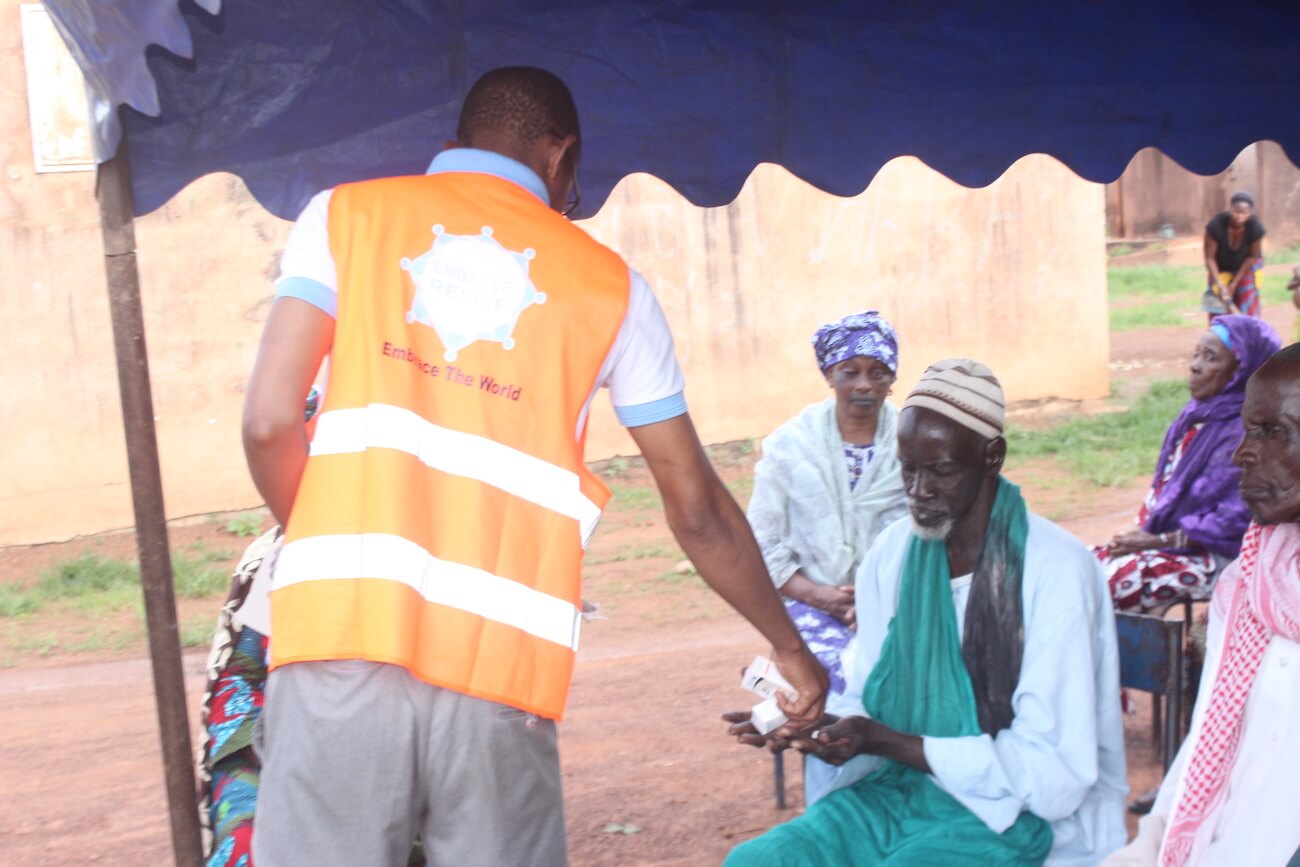
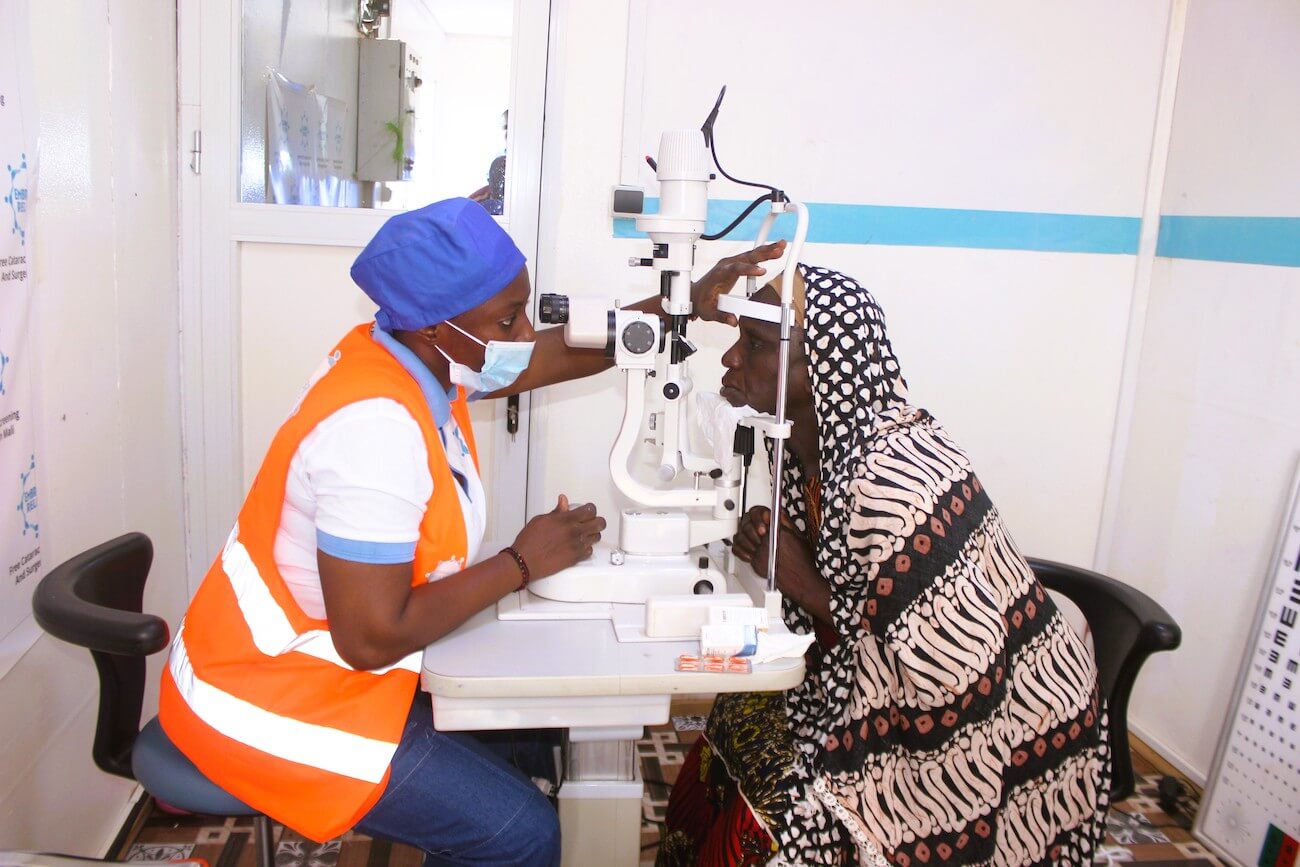
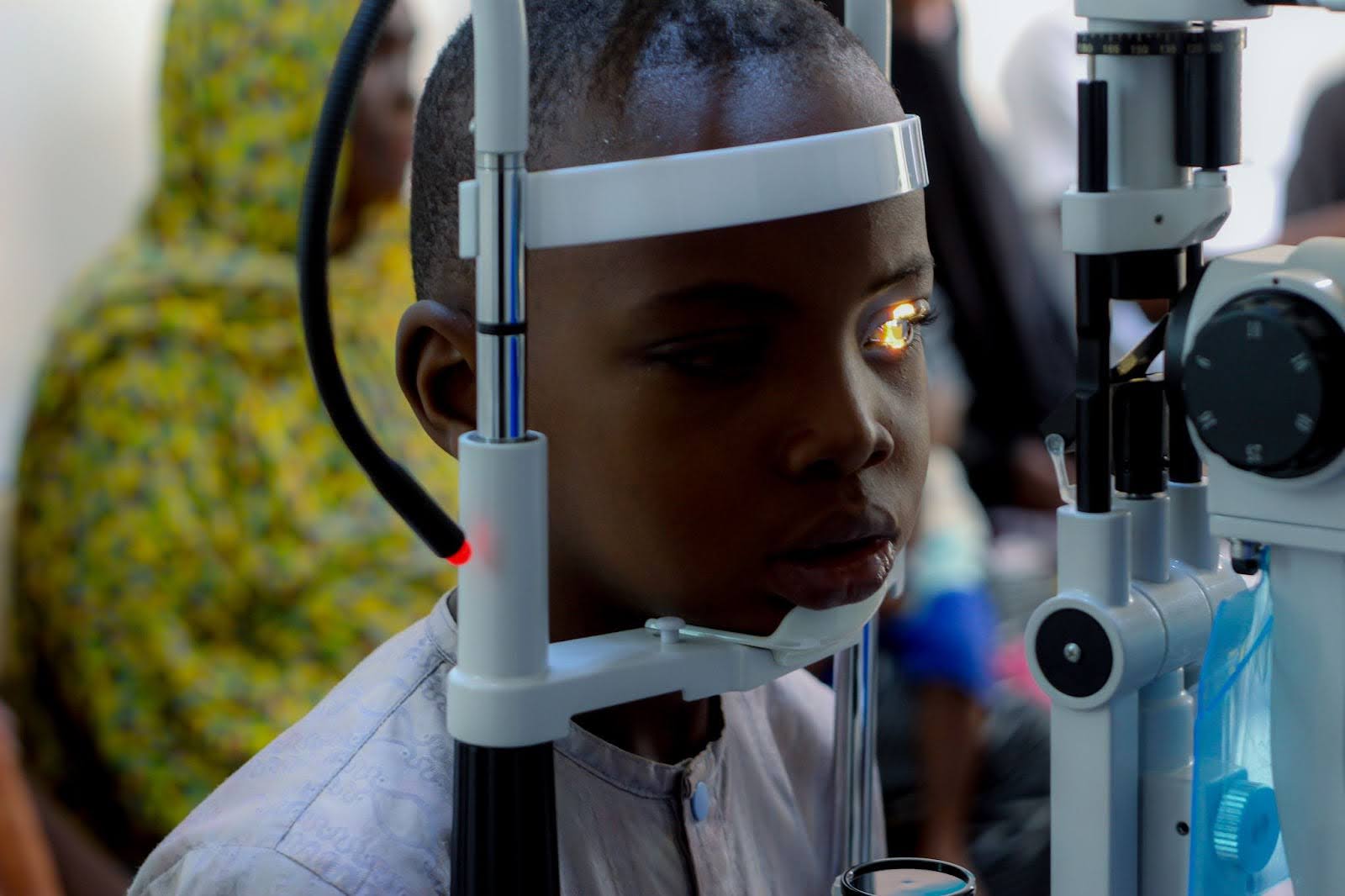
We’ve launched a comprehensive cataract program in Mali to bring free, sight-restoring surgeries to those who need them most. Our mobile medical teams partner with local clinics and community leaders to identify patients, and provide follow-up care completely free of charge.

Our impact so far:

  • Over 40,000 cataract surgeries completed to date
  • Operations conducted in rural and underserved regions
  • Priority given to elderly patients, farmers, and caretakers—those who depend most on their sight

Each surgery takes just 15 minutes. But the results? Life-changing. People who were once blind can now work again. Read. Cook. Care for their grandchildren. Rejoin their communities with dignity.

And here’s the best part: it only costs $120 to restore someone’s vision.

That’s less than a new pair of designer sunglasses. And yet, it’s enough to change someone’s world forever.

For more information on Embrace Relief’s Cataracts Surgeries , click here!

The Hidden Thirst of Technology: How AI Is Consuming Millions of Gallons of Water:

Summary

  • Large data centers powering AI tools can consume millions of gallons of water each year for cooling
  • Major companies like Google, Microsoft, and OpenAI use water to keep servers operating at safe temperatures
  • Embrace Relief provides clean, sustainable water access in African communities through affordable and long-lasting water wells

Artificial intelligence might seem like a purely digital phenomenon: invisible algorithms, text on screens, and answers that appear in seconds. But behind that seamless experience lies an energy-hungry, water-thirsty system of massive data centers working around the clock to keep our AI tools running.

To prevent servers from overheating, data centers use intensive cooling methods, often involving chilled water systems. Each time you ask a chatbot a question, generate an AI image, or stream a recommendation based on machine learning, you are likely using water. And the numbers are staggering.

A recent report revealed that training a single large AI model like GPT-4 can consume upwards of 700,000 liters of fresh water, primarily for cooling during the training phase. Microsoft’s data center near Des Moines, Iowa used nearly 360 million gallons of water in 2022 alone, a figure that’s growing as AI demand skyrockets. Microsoft reported that its data center in Des Moines, Iowa used nearly 360 million gallons of water in 2022 alone, up 34% from the previous year, largely due to growing AI-related workloads. In Arizona, another drought-stricken state, Google’s data centers are projected to consume over 450 million gallons annually by 2030 if trends continue.

This rising water usage is becoming a growing concern for sustainability experts, especially in regions already facing severe water stress, such as the American Southwest, India, and parts of Europe. Despite AI being marketed as efficient and futuristic, the carbon footprint and water footprint of AI are both intensifying.

Researchers from the University of California estimate that running 5 million AI queries, roughly equivalent to the number processed by ChatGPT in a few hours, could consume over 1 million liters of water indirectly, depending on the time of day and location of the data center. Global data center water consumption is forecasted to reach over 1.7 billion cubic meters annually by 2027, according to a report by International Data Corporation (IDC). That’s equivalent to 680,000 Olympic-size swimming pools.

These water needs are often invisible to the end user. AI is marketed as clean and efficient, but in reality, the cloud is grounded in infrastructure that must stay cool, even in drought-prone areas.

The environmental cost is not theoretical. As global temperatures rise and water scarcity grows, the energy and water demands of AI technology put increasing pressure on local water supplies. And while AI answers questions in milliseconds, many people around the world must walk for hours just to collect a single bucket of water.

That contrast between our most advanced technologies and the most basic human need is impossible to ignore.

From Algorithms to Action: How Embrace Relief Is Bringing Clean Water to Those in Need

From Algorithms to Action: How Embrace Relief Is Bringing Clean Water to Those in Need:

While tech giants race to reduce the environmental costs of artificial intelligence, organizations like Embrace Relief are tackling the global water crisis head-on by bringing clean, sustainable water directly to the people who need it most.

Through its Clean Water Initiative, Embrace Relief builds and restores water wells across Africa, providing safe, reliable drinking water to thousands of people in underserved communities. Each well costs just $3,500 to construct and serves over 1,000 people, using durable, region-specific materials designed for longevity and local conditions. Every well comes with a five-year warranty and annual maintenance visits to ensure long-term functionality. Donors receive a custom dedication, along with an impact report that includes photos and updates about the community they’ve helped.

Since 2013, Embrace Relief has built or restored more than 1,100 wells, improving the lives of over 1 million people in countries such as Chad, Nigeria, Tanzania, Kenya, Uganda, Cameroon, and Benin.

In a world where artificial intelligence can generate an answer in milliseconds, no one should have to walk hours just to find clean water. Embrace Relief is working to close that gap.

You can be part of that change. Whether you fund an entire water well, start a personal fundraiser, or share this mission with your community, every effort moves us closer to a world where clean water is a right, not a privilege.

For more information on Embrace Relief’s Clean Water Initiative, click here!

Supporting Orphaned Children in Africa: Akim’s Story of Hope and Transformation

Summary

  • Akim, a 15-year-old orphan from Congo, was helped by Embrace Relief.
  • They gave him a safe home, food, healthcare, and education.
  • Many orphaned children in Africa suffer without this kind of support.
  • Donating to Embrace Relief helps children like Akim build a better future.

Akim is a remarkable 15-year-old boy from the Republic of Congo whose life story reflects both the harsh realities faced by many orphaned children in Africa and the incredible power of compassionate support. At a very young age, Akim experienced the devastating loss of his parents, a tragedy that could have left him vulnerable and forgotten. Instead, his life took a different path through Embrace Relief and its donors.

For nearly a decade, Embrace Relief has been by Akim’s side, providing him with everything he needs to thrive — not just survive. From safe accommodation and nutritious food to medical insurance for orphans and education programs, Akim’s story is a testament to how consistent, holistic support can change lives. Today, Akim is a high school student with big dreams; he loves drawing and hopes to study computer science after graduation. His resilience and aspirations are inspiring, but they wouldn’t be possible without the foundation of care that Embrace Relief provides.

The Reality for Orphaned Children Like Akim

The situation for orphaned children across Africa is incredibly challenging. Many lose their parents due to diseases like HIV/AIDS, malaria, or conflicts that tear families apart. For children like Akim, the loss of parental support often leads to homelessness, malnutrition, poor education, and lack of education, along with exposure to exploitation such as child labor or trafficking.

Without intervention, these vulnerable children face a cycle of poverty and hopelessness. The core challenge is not only meeting their immediate needs but providing long-term solutions that give these children a chance to rebuild their lives. Simply offering shelter or food isn’t enough. They need healthcare to grow strong and well, access to education to break free from poverty, and a loving environment that nurtures their emotional wellbeing.

Embrace Relief’s Commitment: Empowering Orphaned Children to Thrive

Since 2015, Embrace Relief has been committed to supporting orphaned children in Africa, including Akim and hundreds of others. Through its Orphan Care Program, Embrace Relief provides critical resources and oversight to trusted local partners who directly care for children in need.

How You Can Make a Difference for Children Like Akim

Your generosity has the power to change lives. By donating to orphans through Embrace Relief’s Orphan Care Program, you provide support for orphaned children like Akim with essential resources that pave the way to a hopeful future.

Together, we can ensure that children growing up without parents don’t just survive but thrive, becoming the leaders, creators, and changemakers of tomorrow.

Donate today to be the reason a child like Akim can smile, learn, and dream — an orphan true story of transformation and hope.

The High Cost of Summer Fun: How Water Parks Are Wasting Millions of Gallons

Summary

  • Leading water parks in New York, New Jersey, and Connecticut collectively use tens of millions of gallons per season
  • Nationwide parks like Six Flags Hurricane Harbor and Disney’s Typhoon Lagoon consume between 3 and 10 million gallons annually
  • Embrace Relief helps communities in need across Africa access clean water with affordable, durable, and customizable wells

Every summer, families flock to water parks across the Tri-State area, such as Splish Splash in Long Island, Hurricane Harbor in New Jersey, and Raging Waters in Queens, to beat the heat. With wave pools, slides, splash pads, and lazy rivers, these parks draw crowds in the hundreds of thousands. But behind the laughter and cool-down lies a staggering environmental cost.

Water parks are often seen as water-savers compared to private pools. They recycle water continuously through filtration systems, using refill rates that range from a few dozen to several thousand gallons per day. That said, initial fills and top-offs add up fast.

Estimates show that large water parks can use between 125,000 and 160,000 gallons per day during peak operation. Even if only 2 to 5 percent of water is consumed each day due to evaporation, splash out, and maintenance, this translates to millions of gallons over a season. A major park can consume water equivalent to the daily water needs of 30 to 40 people every day.

In New York, city-wide water usage hovers near 1 billion gallons per day. Meanwhile, Splish Splash and Hurricane Harbor (some of the largest Tri-State area water parks) each hold between 1 and 3 million gallons. The top-off rates alone can total hundreds of thousands of gallons weekly.

Nationally, major parks are no exception. Six Flags Hurricane Harbor (Arlington, Texas) uses around 3 million gallons of water in its wave pools and attractions. Disney’s Typhoon Lagoon in Orlando welcomes nearly 2 million visitors annually and cycles through similar volumes. The country’s largest indoor water parks, such as American Dream’s DreamWorks Water Park (NJ), hold over 1.5 million gallons within their wave pools alone.

Even with top-tier filtration and some water recycling, annual water losses per park can reach 10 million gallons or more. While this may be marginal compared to public supply or irrigation, which consume hundreds of millions each day, it becomes harder to justify in regions facing droughts, rising water costs, and environmental strain.

Ultimately, every splash of fun has a hidden cost; not only for local water systems but also for the global water crisis.

From Water Parks to Water Wells: How You Can Make a Difference

From Water Parks to Water Wells: How You Can Make a Difference

Imagine redirecting the water wasted at a single water park toward clean, sustainable water sources for families in need. That’s what Embrace Relief’s Clean Water Initiative makes possible.

Each brand new deep-water well costs $3,500 and provides life-changing benefits:

  • Helps at least 1,000 people in need
  • Local, durable construction, built for the community
  • A customizable dedication, honoring you or someone special
  • An impact report with photos and updates, so you can track your well’s progress
  • A five-year warranty and annual maintenance to guarantee longevity

You can fund a well outright or start a personal fundraising webpage and raise funds over six months. When fully funded, your well will be built within 4 to 6 weeks, bringing clean drinking water in places like Chad, Cameroon, Nigeria, Tanzania, Kenya, Uganda, and now Benin.

Since 2013, Embrace Relief has built or repaired over 1,100 wells, giving more than 1 million people daily access to safe water. That’s a much better return than any splash pad.

For more information on Embrace Relief’s Clean Water Initiative, click here!

How Backpacks and School Supplies Empower Children

Summary

  • As of early 2025, more than 2 million children under the age of 18 live in New Jersey; 516,000+ of them are under the age of 5.
  • 13% of children under 18 are living in households at or below the federal poverty line of $32,150/year for a household of four.
  • New Jersey ranks #11 in the United States for the most residents under the age of 18
  • Backpacks and school supplies are essential tools for a successful school year, empowering children with not only the necessary tools but also confidence and pride.
  • Embrace Relief’s annual Backpack and School Supply Drive provides backpacks filled with supplies to more than 1,500 disadvantaged children.

Starting the First Day of School Right

For millions of children around the world, the first day of school brings excitement, hope, and a brand new backpack filled with school supplies to tackle the year ahead. However, for many families facing financial hardship, affording these essential items can be an overwhelming burden. The cost of notebooks, pencils, folders, crayons, and backpacks quickly adds up, and without them, children can feel unprepared and discouraged before they even enter the classroom.

A backpack is more than just a bag. It’s a symbol of readiness. It gives a child the confidence to participate, learn, and thrive. Access to basic school supplies plays a critical role in a child’s ability to succeed academically and emotionally. When students are equipped with the tools they need, they are more likely to attend school consistently, engage in classroom activities, and feel a sense of pride in their education.

That’s why back-to-school supply drives are so powerful: They level the playing field and give every child a fair chance at success.

Thousands of Disadvantaged N.J. Students Lack Essential Resources

With an 18-and-under population of 2,015,561, New Jersey ranks #11 in the United States for the largest number of residents under the age of 18. Of this massive population of children:

  • 13% — more than a quarter of a million — live in households below the federal poverty level, a benchmark that was set at $32,150 per year for a family of four as of early 2025.
  • 1 in 8 NJ children experiences food insecurity, meaning they may not know where their next meal is coming from.

These alarming statistics underscore the stark reality that tens of thousands of students across the state begin each school year at a disadvantage, not because of a lack of potential, but because of a lack of basic resources.

While New Jersey may be one of America’s most affluent states, there are still far too many families overwhelmed by rising costs of living, more limited local services, and resource-strapped school districts. The need within underserved communities is urgent and undeniable.

In many low-income households, families struggle to afford basic necessities, like school supplies, backpacks, food, clothing, and hygiene items. Without adequate support, these students are more likely to fall behind academically, experience chronic absenteeism, and suffer from low self-esteem. The lack of something as simple as a backpack or pencils can send a child the message that they are not ready, not equal, or not worthy.

This is the reality for far too many children in New Jersey. And while the state may be perceived as affluent overall, the need within its underserved communities is urgent and undeniable.

Embrace Relief’s Annual Backpack and School Supply Drive Empowers Students to Succeed

At Embrace Relief, we believe that every child deserves the opportunity to learn and grow, regardless of their economic circumstances. That’s why our annual Backpack and School Supply Drive focuses primarily on disadvantaged, low-income communities across New Jersey, where the need is profound and deeply felt.

Each year, thanks to the generosity of donors and volunteers, we distribute 1,500+ backpacks filled with essential supplies to schools and youth centers in high-need areas – from Newark to Wildwood and beyond. These donations go directly into the hands of students who need them most, offering not just physical tools for learning but also emotional support and encouragement.

A filled backpack can mean the difference between a child starting school feeling empowered or ashamed. It sends the message: You matter. Your education matters. You are not alone.

And the impact resonates beyond the first day of school. Children who receive supplies from Embrace Relief’s Backpack and School Supply Drives carry a sense of support and confidence with them all year long. Moreover, many parents express deep relief, saying that the assistance eased financial stress and allowed them to use those funds for food or doctors’ appointments.

You can be a part of this change in one or more of the following ways:

  • Gift a small donation of $25 to fill a backpack.
  • Volunteer a few hours of your time to help pack and distribute supplies.
  • Drop off to donate in-kind backpacks and school supplies.

Together, we can equip New Jersey’s youth with the tools and confidence to build a brighter future.

The Hidden Emergency: How Heat and Water Scarcity Are Threatening Lives Across Africa

Summary

  • Extreme heat and prolonged droughts are intensifying across Africa due to climate change
  • Millions lack access to safe clean drinking water making dehydration a daily threat
  • Embrace Relief is combatting the crisis by building and restoring sustainable water wells across the continent

Across vast stretches of Africa, a quiet emergency is unfolding; one that’s as invisible as it is deadly. While the headlines often focus on conflict and politics, another crisis is brewing beneath the surface: the collision between rising heat and water scarcity. This isn’t a seasonal issue. It’s a growing threat to life, health, and the future of entire communities.

As global temperatures climb, Africa finds itself on the frontlines of the climate crisis. According to the Intergovernmental Panel on Climate Change (IPCC), African countries are warming faster than the global average. Regions like the Sahel, East Africa, and the Horn of Africa are experiencing severe droughts, unpredictable rainfall, and relentless heatwaves that are changing life as we know it.

These environmental shifts are drying up rivers and streams that once sustained generations. Crops are withering in the fields. Livestock are dying of thirst. Groundwater levels are dropping. For many communities, the nearest reliable source of clean drinking water is disappearing, or already gone.

The result? Families must walk for hours in blistering heat just to fill a single bucket. Often, this water is collected from stagnant, contaminated ponds that are shared with animals. And for those living without access to clean water infrastructure, the dangers multiply. Children miss school because they’re out fetching water. Women carry the physical and emotional burden of survival. Every sip carries the risk of waterborne diseases like cholera, typhoid, and diarrhea.

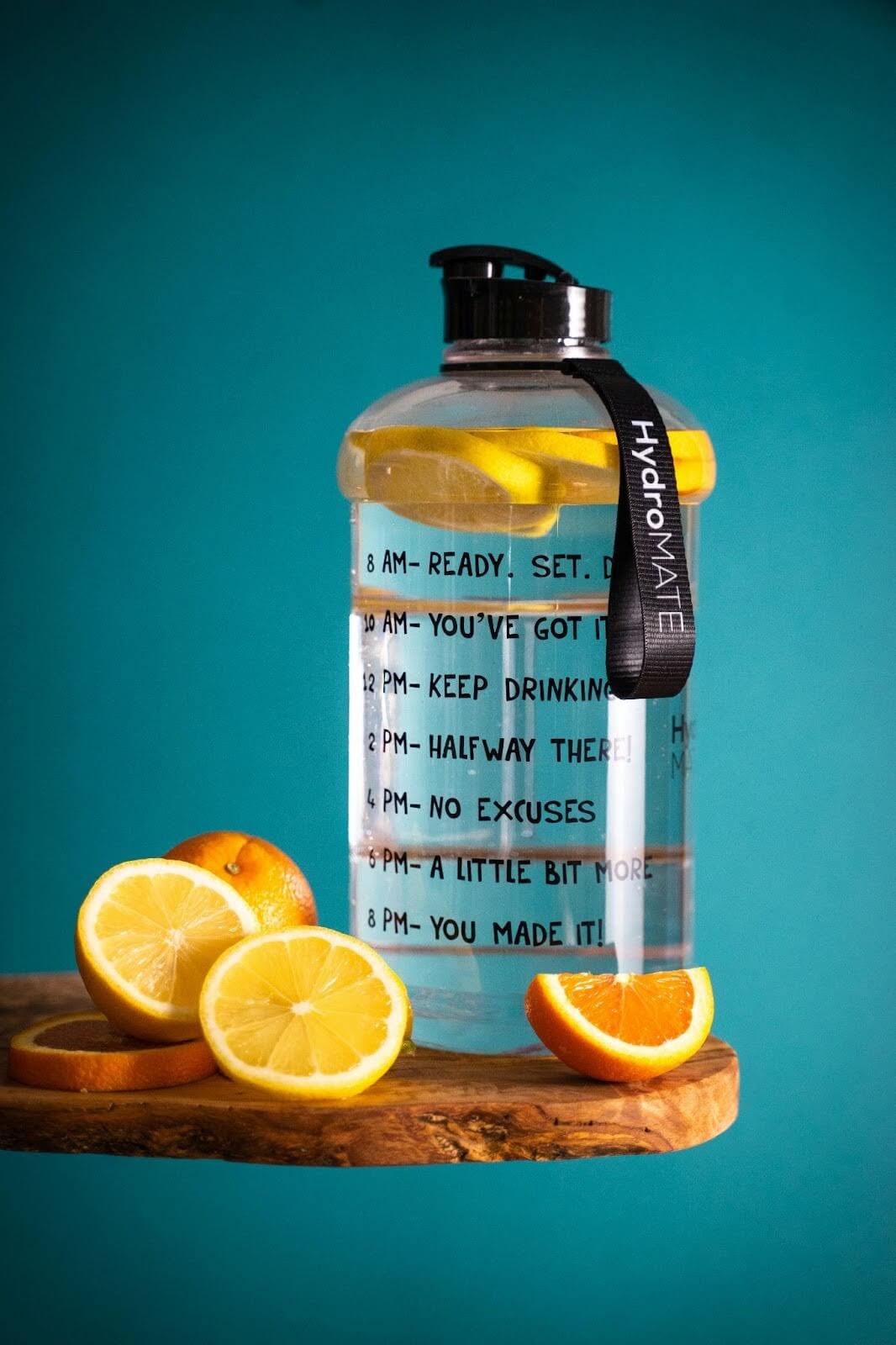
And this is happening in a world where we are told to drink 8 glasses of water a day. But what happens when there’s no water to drink? No faucet to turn on? No protection from a heatwave that won’t let up?

Extreme dehydration is more than discomfort; it can be fatal. As temperatures soar past 100 degrees Fahrenheit (38 degrees Celsius), the risk of heatstroke, kidney failure, and death increases sharply. The most vulnerable, young children, the elderly, and those with underlying health conditions, are often the first to suffer.

The United Nations warns that by 2030, half the world’s population could be living in water-stressed regions, with sub-Saharan Africa among the hardest hit. And while the world debates emissions targets and carbon taxes, the reality on the ground is urgent and deeply human: people need clean, reliable water to survive today.

This is not just an environmental issue. This is a human rights crisis. Access to clean water is not a luxury; it is a basic necessity, and it is slipping further out of reach for millions of people.

Bringing Relief to the Heat: Embrace Relief’s Clean Water Initiative

Bringing Relief to the Heat: Embrace Relief’s Clean Water Initiative

Embrace Relief is a humanitarian organization committed to bringing clean water to communities in need across Africa. Since 2013, the organization has worked on the ground to open brand new water wells and repair existing, nonfunctioning wells restoring water access where it had been lost.

To date, Embrace Relief has built and repaired over 1,100 water wells, helping more than 1,000,000 people gain reliable access to safe, clean water. Their work spans eight countries, including Chad, Cameroon, Nigeria, Tanzania, Kenya, Uganda, and Benin.

Each new well is constructed with durable materials and tailored to the unique needs of the local environment. In communities with broken or aging wells, Embrace Relief sends technical teams to restore functionality, giving life back to critical infrastructure that had fallen into disrepair.

The impact is immediate and lasting. Access to clean water reduces disease, keeps children in school, supports agriculture, and strengthens entire communities. By building new wells and reviving old ones, Embrace Relief is creating long-term solutions to one of Africa’s most urgent challenges.

By investing in sustainable water access, Embrace Relief is not just delivering water. It is delivering health, hope, and resilience to families across Africa facing the daily burden of water scarcity.

For more information on Embrace Relief’s Clean Water Initiative, click here!