


Recent

Orphan Care in Africa: How You Can Support Vulnerable Children Today

Summary

  • Support vulnerable and orphaned children in Africa with education, healthcare, and basic needs.
  • Join Embrace Relief’s child sponsorship and donate to orphanage education programs.
  • Help provide medical insurance, safe shelter, and community outreach for orphans.
  • Your charitable giving transforms lives and creates a brighter future for children in need.

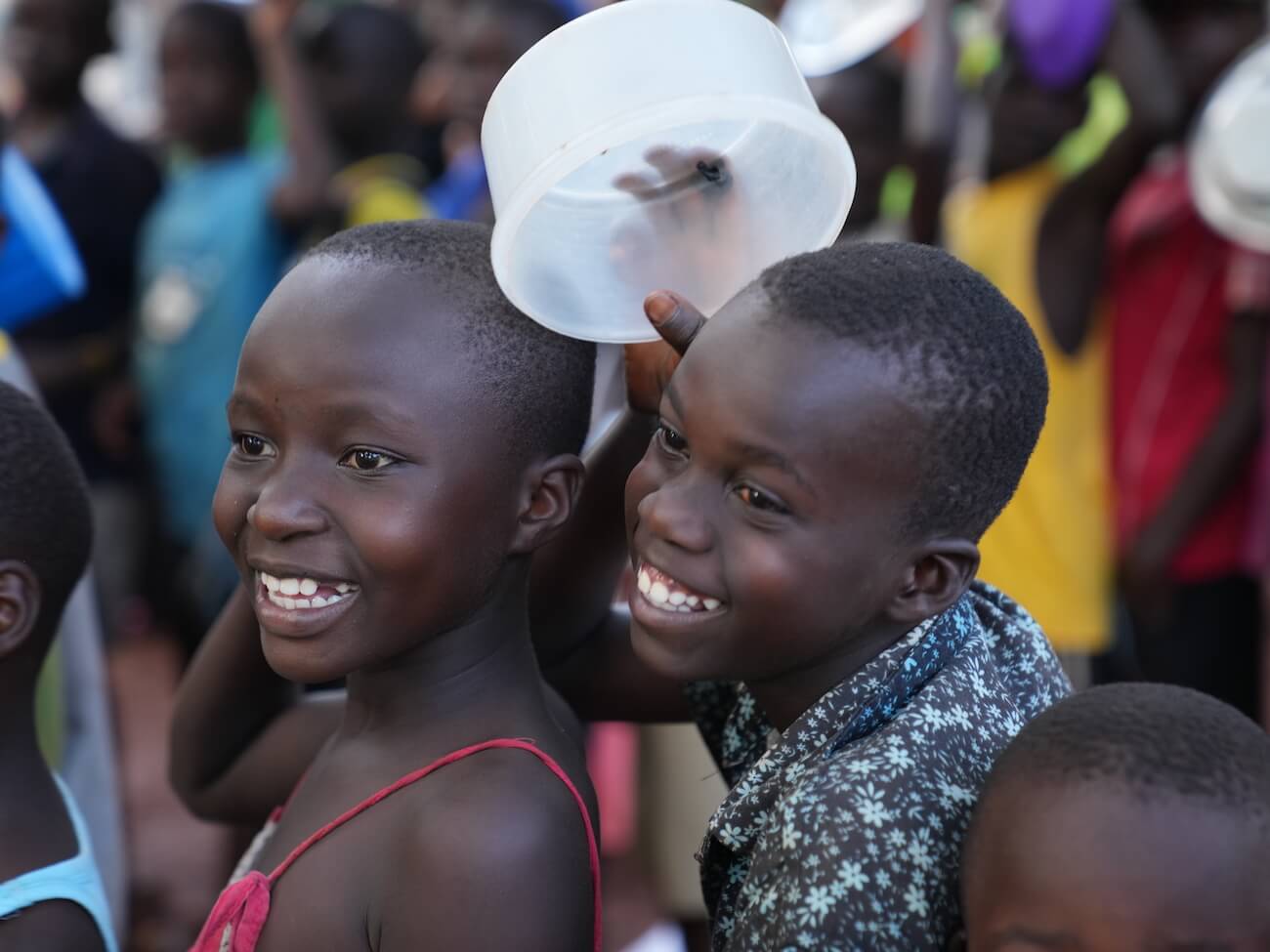
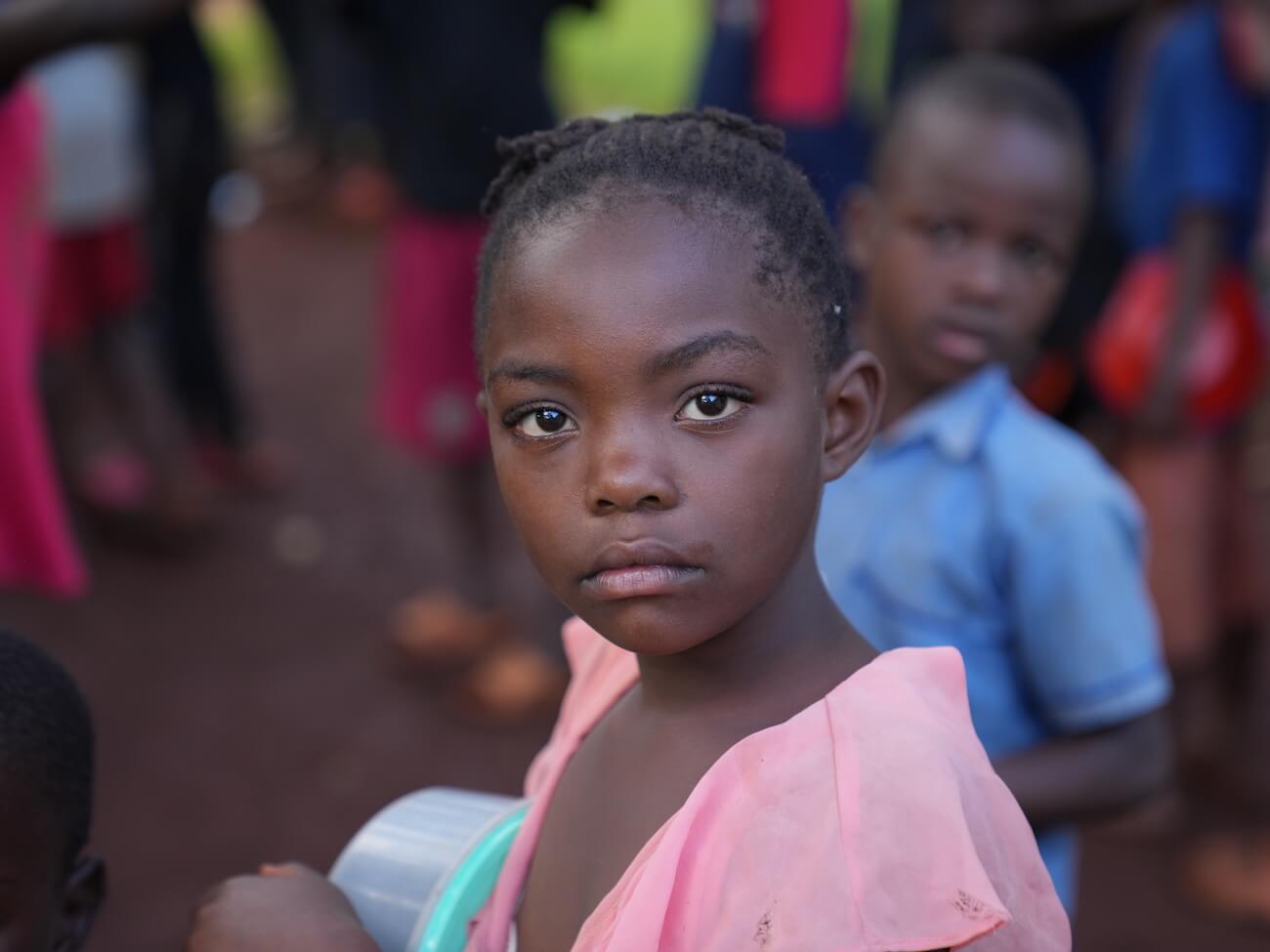
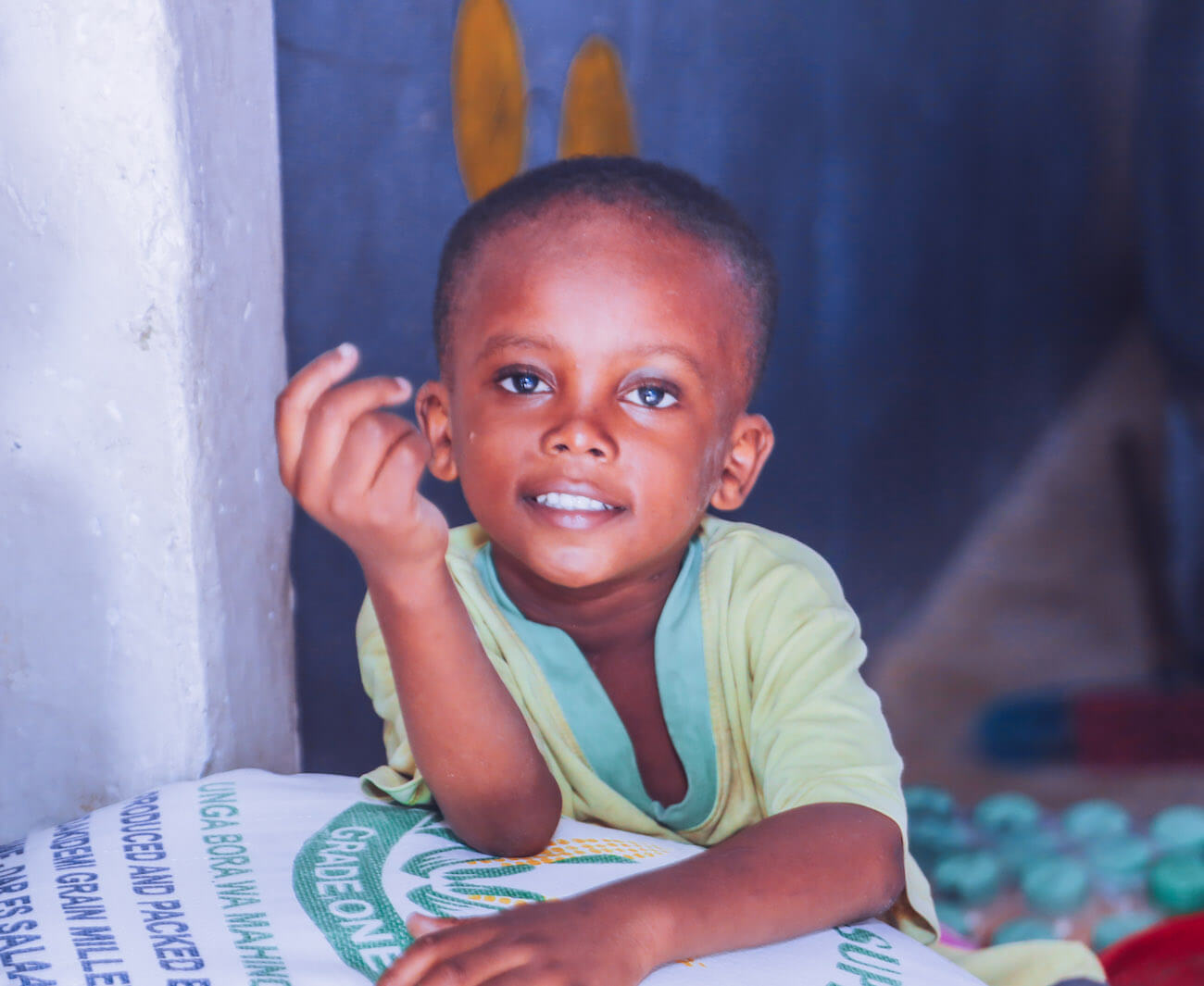
In many African countries, the orphan crisis remains one of the most heartbreaking humanitarian challenges. The orphans, often victims of disease, poverty, and conflict, are left without guidance, care, or access to even the most basic needs. Many live outside formal institutions, often in unstable environments without proper nutrition, healthcare, or education.

The absence of early childhood education and proper support systems leaves them vulnerable to exploitation and lifelong poverty. It’s a cycle fueled by poor education, lack of healthcare, and a shortage of community outreach programs.

Yet, there’s hope. And that hope begins with you through programs like Embrace Relief’s Orphan Care Program, which is committed to transforming lives.

Why Orphan Care Must Include Education and Healthcare

Access to education is not just a right, it’s a powerful tool to break the cycle of poverty. Unfortunately, for orphaned children in Africa, this tool is often out of reach. Many orphanages lack the infrastructure or funding to run proper education programs, and public schools often come with barriers like uniforms, supplies, and fees.

Without early childhood education or even basic literacy skills, these children are left behind. Their potential fades into survival, and the hope of a brighter future slips away.

How You Can Help Orphaned and Vulnerable Children

Make a lasting impact through child sponsorship and orphanage support. Your monthly gift can provide tuition, healthcare, and life-skills training to a vulnerable child. Or, help improve living conditions by funding orphanage renovations, classrooms, and access to clean water. Together, we can bring hope, stability, and a brighter future to children in need across Africa.

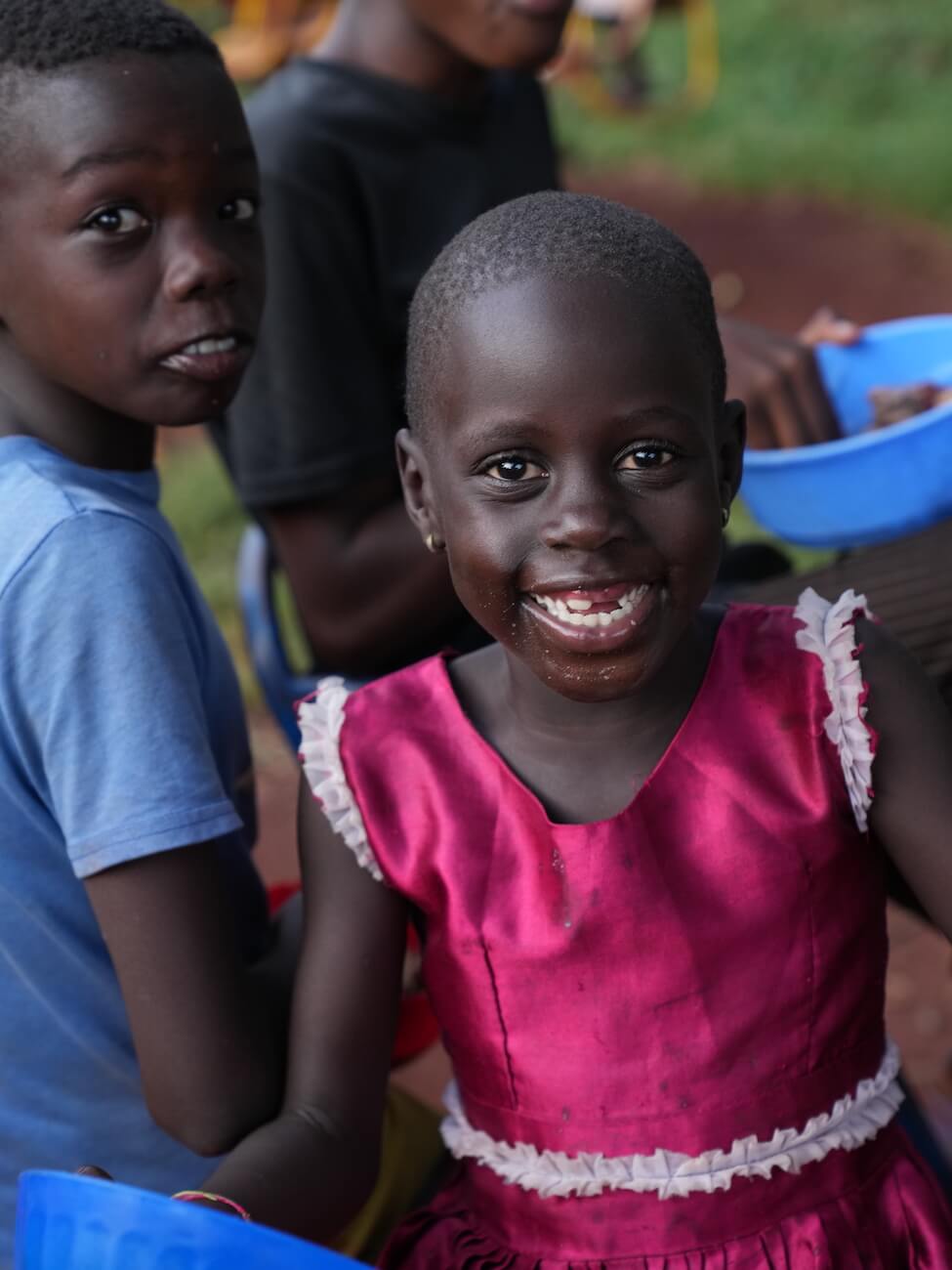
Child sponsorship: It is one of the most direct ways to impact a vulnerable child’s life. With just a monthly contribution, you can provide tuition and school supplies, medical care and nutritional meals, emotional support, and life-skills training.
Orphan Care in Africa: How You Can Support Vulnerable Children Today

How Embrace Relief Empowers Orphaned Children

Embrace Relief, through its dedicated Orphan Care program, supports the most vulnerable and orphaned children in Africa, Asia, and America. With the help of our generous orphan care donors and sponsors, we provide life-changing support through our child sponsorship initiatives delivering access to education, healthcare, nutrition, and safe living conditions. Together, we’re building a brighter, more hopeful future for children around the world.

Your charitable donations make a difference to orphaned children

Your sponsorship or donation today can provide education, healthcare, and a brighter future for a vulnerable child. Act now and support orphaned children with Embrace Relief.

Your charitable giving makes a real difference: give hope, give opportunity, give today.
Back to School, Back to Hope: How U.S. Donors Are Powering Education for Orphans in Africa

Summary

  • Millions of orphaned children in Africa lack access to basic education.
  • Education offers not just knowledge but hope, identity, and a safe space for vulnerable children.
  • U.S. donors can cover a child’s full education for just $65/month through Embrace Relief’s Orphan Care Program.
  • With every donation, we send a powerful message: You are seen, you are valued, and your future matters.

As children across the United States return to school in the fall—backpacks filled with new supplies and the excitement of learning ahead—millions of orphaned children in Africa face a different reality. These children wake up each day without access to the basic rights and resources we often take for granted: school uniforms, textbooks, writing supplies, and even a safe classroom. Instead of walking to school, many are forced into child labor, early marriage, or survival on the streets.

Education is not just an academic pathway—it is the most powerful tool we have to break the chains of poverty and give orphaned children the chance to build a better, more secure future. With the right support, these children can rise above their circumstances and become teachers, doctors, engineers, and leaders of tomorrow.

Education: The Great Equalizer

For orphaned children, education does more than teach math or reading—it provides a safe space, a sense of belonging, and a belief in a better future. A school uniform becomes more than clothing—it becomes an identity, a symbol that they matter. A pencil becomes a promise that their voice will be heard. A teacher becomes a mentor, guiding them through trauma and shaping their potential.

When you support the education of an orphaned child in Africa, you do more than send money—you send a message: You are not alone. Your future matters. Your contributions ensure that children are not left behind simply because they lost their parents or live in poverty. A monthly gift from a U.S. donor can cover the entire cost of schooling for one child—including tuition, uniforms, school supplies, and transportation for one year.

How Embrace Relief Is Making It Happen

At Embrace Relief, we believe that every child, regardless of where they’re born or what they’ve lost, deserves the opportunity to learn and grow. That’s why we’ve built a comprehensive education program specifically designed to meet the needs of orphaned children in Africa. We work hand-in-hand with trusted local organizations and caregivers in countries like Uganda, the Democratic Republic of Congo, and Ghana and Chad to deliver sustainable, long-term support.

For just $65 a month, you can keep a child enrolled in school year-round with the Embrace Relief Orphan care Program . This small amount, which might go unnoticed in a monthly budget in the U.S., can change the entire trajectory of a child’s life across the world.

Empower a Child’s Future: Sponsor Education Today

Together, we can transform the lives of orphaned children—one pencil, one classroom, one opportunity at a time.

Let’s make this school year count.

Together, we educate, we empower Orphaned children Together, we embrace relief.

Sponsor Education of Orphaned Children Now.

What Is the Healthiest Water to Drink? Here’s What Experts Recommend

Summary

  • From mineral content to filtration methods, the quality of drinking water varies greatly.
  • Embrace Relief is bridging that gap with sustainable water wells across Africa, providing safe, healthy water to over a million people.
  • You can support a cause that turns water into health, opportunity, and hope.

Walk into any store and you’ll find an overwhelming number of water choices: spring, purified, alkaline, distilled, mineral, even hydrogen-infused. But which one is actually the healthiest for your body?

The short answer:

Water that is clean, mineral-balanced, and free of contaminants is the best for your health. Here’s a breakdown of the healthiest types:

  1. Spring Water (Natural Mineral Water)
    Sourced from underground springs, this water typically contains beneficial minerals like calcium, magnesium, and potassium. It’s bottled at the source and tested for purity, making it one of the healthiest choices when verified by regulation.
  2. Purified Water
    This water has been filtered or processed to remove contaminants like bacteria, chemicals, and metals. It often comes from tap water but undergoes advanced purification methods like reverse osmosis or distillation.
  3. Alkaline Water
    With a higher pH level than regular water, alkaline water may help neutralize acid in the body. Some brands also infuse it with electrolytes for hydration. However, medical experts note that the health benefits are still debated.
  4. Mineral Water
    Bottled at a natural spring, mineral water must contain at least 250 parts per million of total dissolved solids (minerals). These additional minerals compared to spring water are added in, giving it a unique taste. It’s good for hydration and supports muscle and nerve function thanks to its mineral profile.
  5. Filtered Tap Water (with Home Filtration Systems)
    Using a reliable home filter (like carbon or reverse osmosis) can make your tap water safe and healthy. These systems remove chlorine, lead, and microplastics while preserving beneficial minerals.
  6. Distilled Water
    While extremely pure, distilled water lacks minerals, which can be a downside for long-term use. However, it’s excellent for detoxing or medical use when mineral balance is managed through diet.

What to Avoid:

  • Unfiltered tap water (in areas with poor infrastructure or contamination risks)
  • Plastic bottle-stored water (if exposed to heat or stored long-term)
  • “Raw” untreated water from natural sources, which can contain pathogens
Clean Water Is Health, That’s Why Embrace Relief Is Building Wells in Africa

Clean Water Is Health, That’s Why Embrace Relief Is Building Wells in Africa

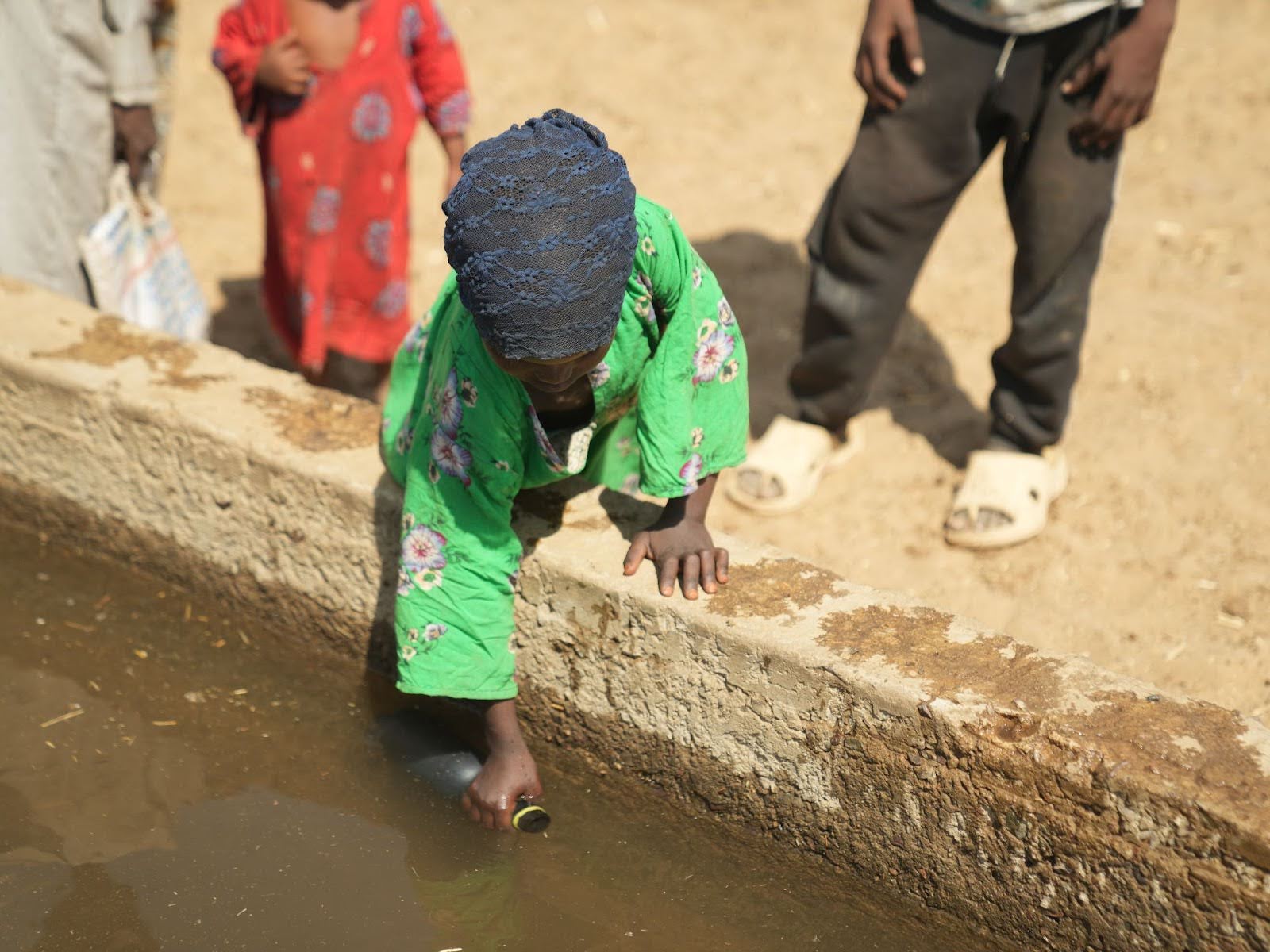
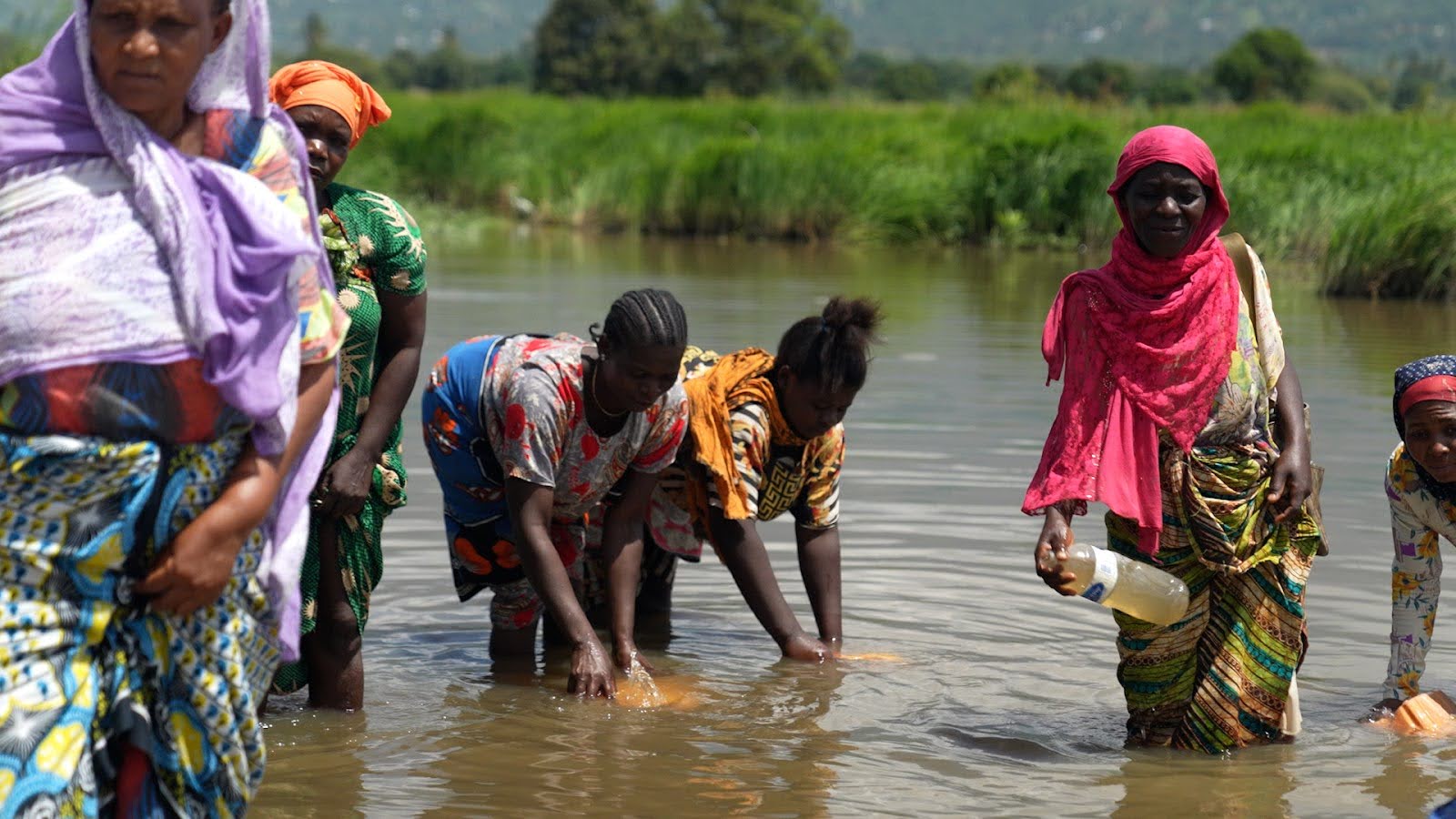
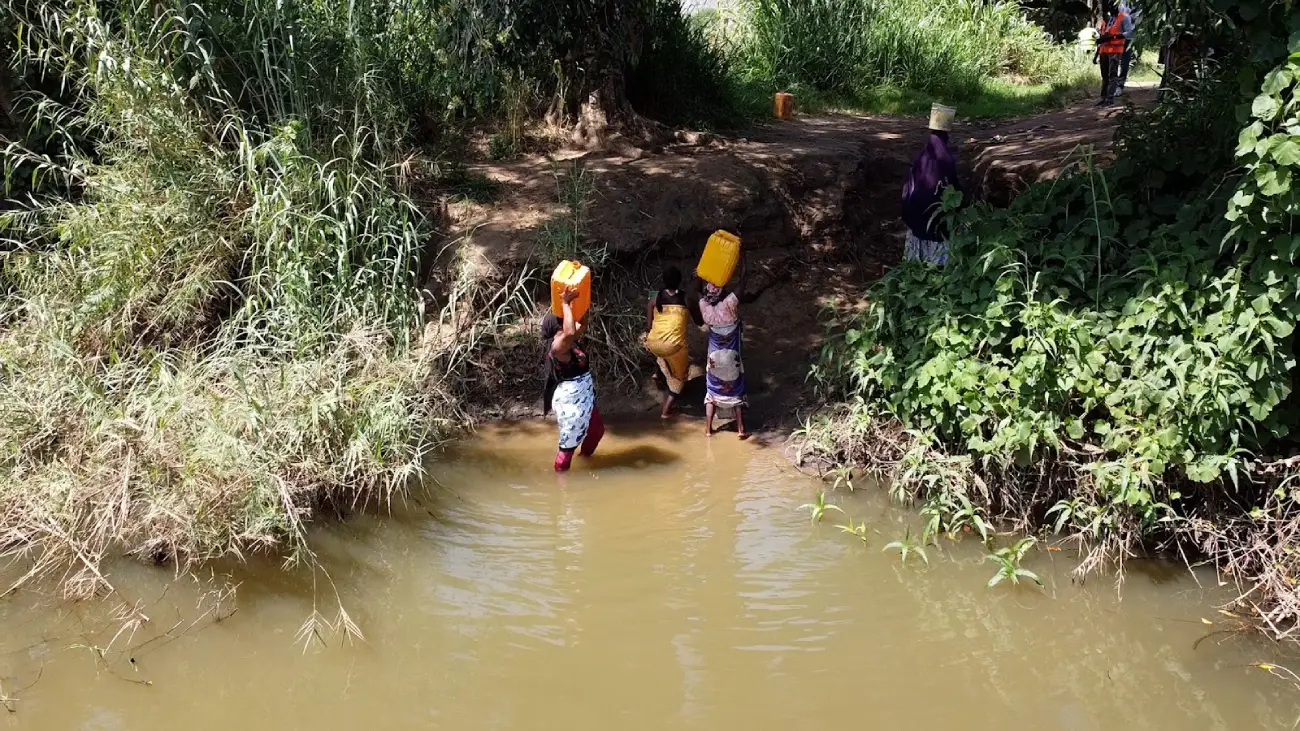
Choosing between mineral or alkaline water is a privilege. In many parts of the world, including across Africa, people aren’t debating between bottled or filtered they’re drinking from contaminated rivers or walking miles just to fill a jug.

Unsafe water leads to widespread illness and death from diseases like cholera, typhoid, and diarrhea. Children miss school. Parents lose income. Hope dries up.

Embrace Relief is changing that.

Through its Clean Water Initiative, Embrace Relief builds and maintains water wells in remote African villages, bringing safe, healthy water directly to the people who need it most.

For just $3,500, one well can serve over 1,000 people, every single day.

Each well includes:

  • A five-year warranty
  • Annual maintenance checks
  • A custom dedication plaque
  • A full impact report with photos and updates

Since 2013, Embrace Relief has built or restored more than 1,100 wells across countries like Chad, Nigeria, Uganda, Kenya, and Cameroon, delivering clean water to over one million people.

These are not temporary fixes. They’re lifesaving infrastructure that:

  • Reduce waterborne diseases
  • Support farming and food security
  • Allow children to return to school
  • Free women from spending hours each day collecting water
For more information on Embrace Relief’s Clean Water Initiative, click here!

Can Cataracts Clear Up On Their Own?

Summary

  • Cataracts are increasingly affecting people under 40, accelerated by digital eye strain and UV exposure.
  • Early-onset cataracts often go undiagnosed until they become severe.
  • Embrace Relief is helping thousands in Mali overcome cataract blindness through free cataract surgeries.

Many people wonder if cataracts, the cloudy patches on the eye’s lens that blocks vision, can heal naturally over time. Unfortunately, the answer is no. Cataracts do not resolve on their own, and without treatment, they only get worse. Though changes in lighting, eyeglasses, and lifestyle can temporarily manage symptoms, the only effective and lasting treatment for cataracts is surgery to remove the clouded lens and replace it with a clear artificial one.

This is especially concerning as cataracts are no longer just a problem of old age. Increasingly, people under 40 are developing early-onset cataract symptoms driven by a combination of digital eye strain, UV radiation, environmental toxins, and poor nutrition.

Digital eye strain is a growing concern. According to the Vision Council, over 70% of U.S. adults report symptoms from prolonged screen use. Blue light, dryness, and reduced blinking don’t directly cause cataracts, but they exacerbate overall eye fatigue and may accelerate lens aging. Meanwhile, ultraviolet (UV) exposure is a well-documented cause. Yet, most young adults rarely wear proper UV400 sunglasses, leaving their eyes vulnerable to cumulative sun damage.

Recent studies show cataracts being diagnosed in individuals as young as 35, with a 15–20% increase in surgeries for patients under 50 in the last decade. And the consequences go far beyond blurry vision, untreated cataracts can severely affect mental health, job performance, and social interaction. A report by the American Academy of Ophthalmology found that vision loss in adults under 40 triples the risk of depression.

In short, cataracts won’t clear up. But the good news is they can be treated if caught in time and if access to care exists.

Cataracts in Mali: A Preventable Crisis with a Simple Solution

Cataracts in Mali: A Preventable Crisis with a Simple Solution.

While cataracts are increasingly treatable in the U.S., for millions in Mali, cataracts still mean a lifetime of blindness. Not because the treatment doesn’t exist but because they can’t access it.

In rural Mali, there may be no eye doctors for hundreds of miles. Many people, especially older adults, go blind simply because they cannot afford or reach the surgery they need.

That’s where Embrace Relief comes in.

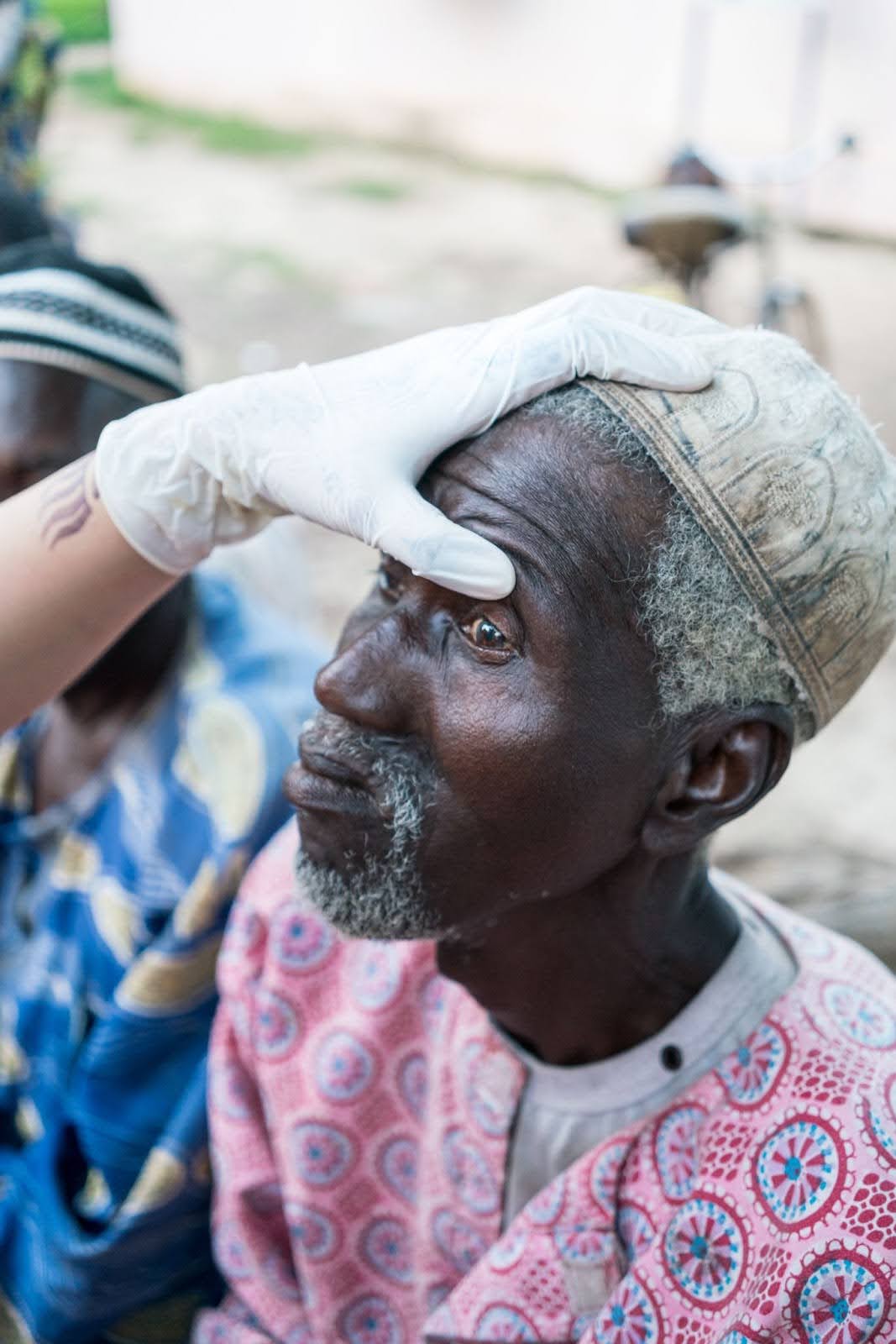
We’ve launched a high-impact cataract program across Mali to bring free, sight-restoring surgeries to those living in total darkness. Working alongside local partners, our mobile surgical teams identify patients, perform surgeries, and provide post-operative care entirely free of charge.

Our impact so far:

  • Over 40,000 cataract surgeries completed
  • Prioritizing underserved rural regions
  • Helping the elderly, parents, and community workers regain independence

Each operation lasts just 15 minutes but its effects last a lifetime. Farmers can return to their fields. Grandparents can see their grandchildren again. Blindness that seemed permanent is reversed in a single afternoon.

And the cost? Just $120 per surgery.

That’s less than what many people spend on a single pair of sunglasses. And yet it can give someone in Mali their life and vision back.

For more information on Embrace Relief’s Cataracts Surgeries , click here!

10 Ways to Clean Lake Water While Camping From Easiest to Most Advanced

Summary

  • From boiling to high-tech filters, campers have many options for cleaning lake water but billions worldwide don’t.
  • Embrace Relief is closing the gap, building durable water wells in Africa that provide safe, long-term access to clean drinking water.
  • You can make a difference by supporting a cause that brings water, health, and hope to underserved communities.

Summer camping trips bring us close to nature and sometimes far from clean water. If you’re relying on a lake or river for hydration, knowing how to purify water could literally save your life. Here are 10 methods to clean lake water, from simple DIY fixes to advanced systems used by survivalists and aid workers.

1. Boiling

The most basic method: bring your water to a rolling boil for at least one minute. This kills bacteria, viruses, and parasites but it doesn’t remove sediment or chemicals.

2. Filtration Straw (e.g. LifeStraw)

Compact and simple, filtration straws are lightweight, portable, and require no batteries. They can remove over 99% of bacteria and protozoa perfect for a quick sip on the trail.

3. Gravity Water Filters

Hang a bag, let gravity do the work. These filters can process several liters per hour and are ideal for groups. They typically remove bacteria, and some viruses.

4. Pump Filters

A bit more effort, but highly effective. These hand-pump systems filter water on-demand and can handle turbid (muddy) water with ease.

5. Chemical Tablets or Drops

Iodine or chlorine dioxide tablets are affordable and pack light. They take about 30 minutes to disinfect water, but taste and effectiveness against all parasites can vary.

6. UV Light Purifiers

Using UV light wands or pens (like the SteriPEN), this method zaps microbes in about 90 seconds. It’s fast and effective, but requires batteries and clear water.

7. DIY Solar Disinfection (SODIS)

In emergencies, place clear plastic bottles in direct sunlight for 6 hours. UV rays kill pathogens over time. It’s free and easy, but depends on weather and bottle quality.

8. Ceramic Filters

Great for base camps. These filters use porous ceramic to trap bacteria and sediment. They’re slow but effective and can last for years with proper care.

9. Distillation

Rare in the wild due to gear requirements, distillation removes everything from bacteria, viruses, heavy metals, and salts. Boil water, collect the steam, and condense it.

10. Multi-Stage Portable Purifiers (Survival-Grade)

These high-end systems combine filters, UV light, and carbon stages. They’re used by aid organizations and serious hikers alike. Expensive but highly reliable.

Whether you’re on a weekend backpacking trip or a multi-day wilderness journey, clean water is non-negotiable. The good news? You have options. The better news? You’re privileged to have them.

Safe Water Isn’t a Luxury Everywhere; That’s Why Embrace Relief Builds Water Wells in Africa

Safe Water Isn’t a Luxury Everywhere; That’s Why Embrace Relief Builds Water Wells in Africa

Out in the wild, you might choose between a filter straw or a UV purifier. But across Africa, millions don’t get a choice at all. Clean water is simply out of reach.

While campers invest in gear for hydration, entire communities are still drinking from contaminated ponds and rivers. Waterborne illnesses like cholera, dysentery, and typhoid claim lives every day, especially among children.

That’s where Embrace Relief steps in.

Through it’s Clean Water Initiative, Embrace Relief builds and maintains water wells in rural communities across Africa. For just $3,500, a single well can supply over 1,000 people with sustainable, safe drinking water every day.

Each water well comes with:

  • A five-year warranty
  • Annual maintenance checkups
  • A custom name on the well, honoring you or a loved one
  • An impact report with photos and project updates

Since 2013, Embrace Relief has built or restored over 1,100 wells in countries like Chad, Uganda, Nigeria, Kenya, and Cameroon, serving more than 1 million people.

These aren’t short-term solutions. These are lifelines. Wells reduce disease, support agriculture, and allow children to go to school instead of spending hours fetching water.

So the next time you pump water at a campsite or filter it from a mountain stream, remember: clean water is a privilege and a human right.

For more information on Embrace Relief’s Clean Water Initiative, click here!

Cataracts & Creativity: When Blur Inspires Art

Summary

  • Cataracts are increasingly affecting people under 40, accelerated by digital eye strain and UV exposure.
  • Early-onset cataracts often go undiagnosed until they become severe.
  • Embrace Relief is helping thousands in Mali overcome cataract blindness through free, high-impact surgeries.

Vision is the artist’s most vital tool, but when that tool falters, it can transform more than sight; it can transform style. Several legendary creatives have continued producing art through the haze of cataracts or visual impairment, turning limitations into innovation:

  • Claude Monet, late in life, struggled with cataracts that blurred details and cast his world in yellowish tones. His famous Water Lilies series exhibits muted colors and looser brushwork direct effects of his vision, not just an evolving of his style.
  • Edgar Degas, affected by retinal degeneration, saw details “washed out,” which led to softer edges and less precise strokes in his later works
  • Turkish painter Eşref Armağan, blind since birth, paints by touch using rope outlines and fingertips, he renders astonishingly accurate perspectives

These examples show how altered vision can reshape an artist’s palette, line, and creative process. But not every artist has access to the resources, surgeries, or support that allowed Monet and Degas to keep painting through their vision loss. For most people, especially in lower-income regions, cataracts aren’t a poetic transformation; they’re a barrier to daily life.

And today, the risk is growing beyond the elderly. More and more young adults under 40 are being diagnosed with early-onset cataracts, often triggered by a combination of chronic UV exposure, poor eye protection, and excessive screen time. Dubbed the “digital cataract generation” in emerging research, this trend highlights how modern lifestyles are accelerating what was once a disease of aging. While artists like Armağan teach us that creativity can thrive despite disability, the real conversation now is about prevention and access to care for those whose vision loss isn’t part of a legacy, but a preventable condition.

Cataracts in Mali: A Preventable Crisis with a Simple Solution

Cataract Blindness in Mali: Where Embrace Relief Takes Action

While vision impairment reshaped creative expression in some, in many parts of Africa cataracts rob people of sight and quality of life entirely.

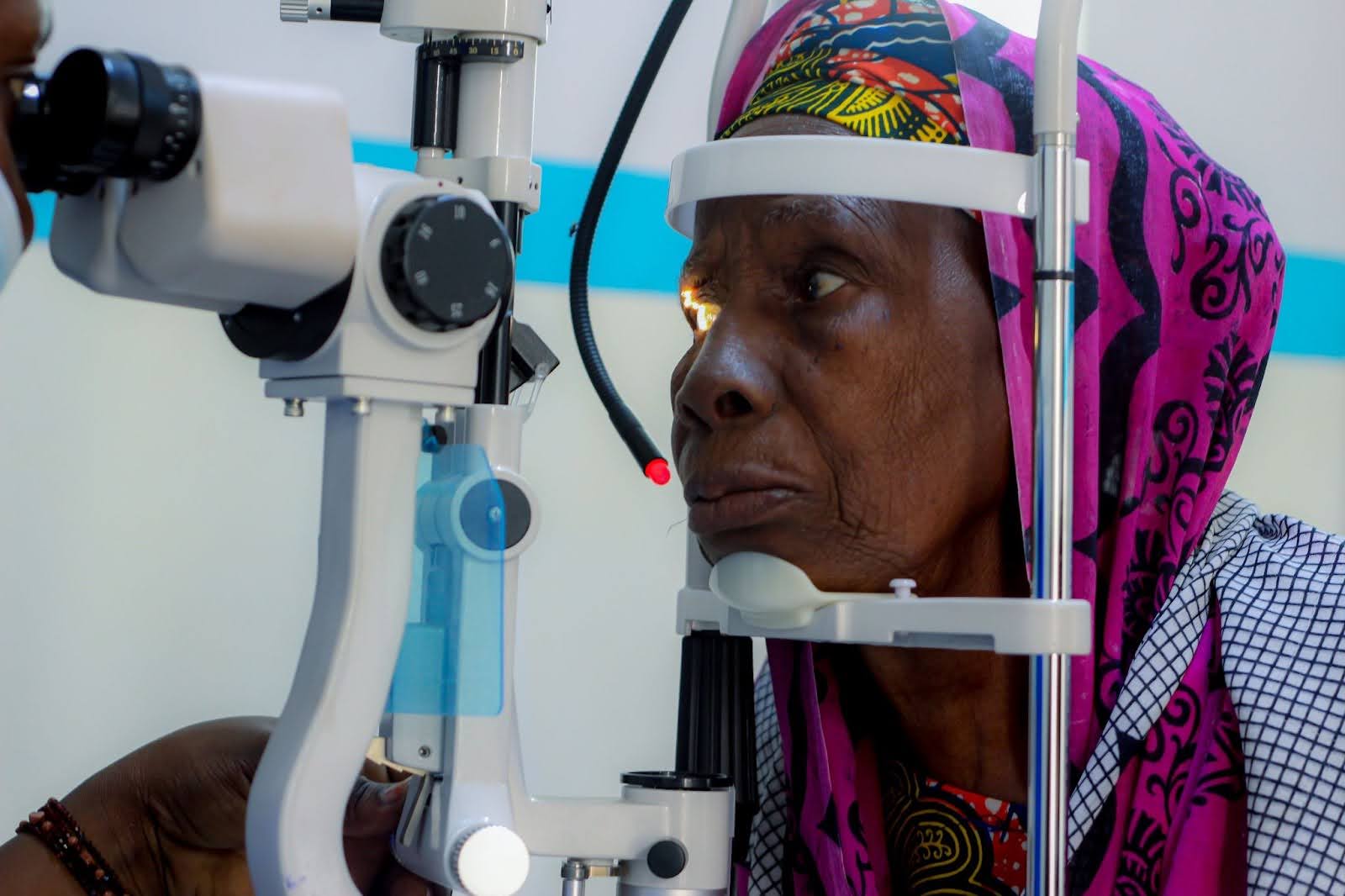
In Mali, millions endure complete blindness not due to choice or creativity, but due to lack of healthcare access. Since 2013, we’ve delivered over 43,500 free cataract surgeries in Mali, thanks to our dedicated local teams and global donors. Each surgery is performed by skilled doctors in our network of three permanent clinics in Bamako and mobile surgical units that reach remote villages up to 9 hours away.

Each surgery takes just 15 minutes. The cost? Only $120; less than the price of a pair of sunglasses or a single eye exam in the West.

But that $120 can change a life forever.

  • Children regain their sight and return to school.
  • Adults return to work and provide for their families.
  • Grandparents can see their grandchildren again- some for the very first time.

And it doesn’t stop there.

With each surgical mission, we also provide:

  • Free vision screenings in rural communities
  • Pre- and post-operative medical evaluations
  • Ongoing follow-up care to ensure long-term results
  • Health education on eye protection and prevention

So the next time you put on your sunglasses or glance away from your screen to rest your eyes, remember this:

The cost of protecting your vision might be a luxury. But restoring someone else’s sight? That’s $120 well spent.

For more information on Embrace Relief’s Cataracts Surgeries , click here!

Gen Z Gives Back: The Future of Orphan Support Starts Online

Summary

  • Gen Z gives digitally – Using online tools to support orphaned children.
  • Transparency matters – Donors see exactly where their money goes.
  • Real impact – Donations fund education, healthcare, and shelter.
  • Global youth action – Gen Z raises funds and awareness worldwide.

In a connected world, one generation is proving that you don’t need to be wealthy or well-known to change lives. You just need a phone, a voice—and a heart for impact.Across the United States, young people are showing up for causes they care about. From food insecurity to climate change, Gen Z is driving a new era of digital activism, and orphan care is no exception. At Embrace Relief, we’ve seen firsthand how this generation’s energy and innovation are helping change the lives of orphaned children across Africa.

Here’s how Gen Z donors are making a difference—and why the future of global giving starts online.

A New Way to Give

Unlike previous generations, Gen Z doesn’t wait for nonprofits to come to them. They search, share, and give in real time—using platforms like TikTok, Instagram, and GoFundMe to discover causes and inspire their friends to take action.

They value transparency and impact. They don’t just want to give—they want to know exactly who they’re helping and how.At Embrace Relief, we make that easy to see.

Real Children, Real Impact.

Young people from Gen Z are using the power of the internet to create real change — and they’re seeing the results. Through online platforms, they’re supporting orphaned children in Africa and getting direct updates on the difference they’re making.

From improved education and healthcare to safe housing, real stories and case studies show how their donations are transforming lives. What sets this movement apart is the transparency: detailed follow-ups reveal exactly how and where each contribution is spent, allowing Gen Z donors to stay connected, informed, and inspired by the impact of their giving.

A Generation That Cares

This generation believes in using their voice—and their platforms—for good. Whether it’s a birthday fundraiser, a viral video challenge, or a shared post, their actions ripple across the internet and the globe.

They’re not just raising money—they’re raising awareness.And every dollar they raise becomes food on the table, a book in a backpack, or a bed for a child who’s never had one.

Embrace Relief & Generation Z: Impacting Orphan Care in Africa and Asia

Embrace Relief & Generation Z: Impacting Orphan Care in Africa and Asia

Embrace Relief and Generation Z are coming together to make a powerful impact in the lives of orphaned children across Africa and Asia. Through accessible online platforms, Embrace Relief facilitates and empowers young people to donate, raise awareness, and actively support orphan care.

This partnership helps provide essential needs like education, healthcare, and safe shelter, while also offering transparent updates that show exactly how their contributions make a difference. Together, they are creating meaningful change and building a brighter future for vulnerable children around the world.

Help Us Build the Future—One Child at a Time

The challenges orphaned children face are real. But with the help of young changemakers like you we can make a difference.

You can make a difference starting today , Support orphaned children today

Algae Blooms & Clean Water: Why the Growing Crisis Should Concern Us All.

Summary

  • Algae blooms, fueled by climate change and pollution, are spreading rapidly and contaminating freshwater sources
  • Toxic blooms can make entire lakes and rivers unsafe for human use, leading to serious health risks and water shortages
  • Embrace Relief builds and maintains clean water wells in Africa, helping over a million people access safe drinking water

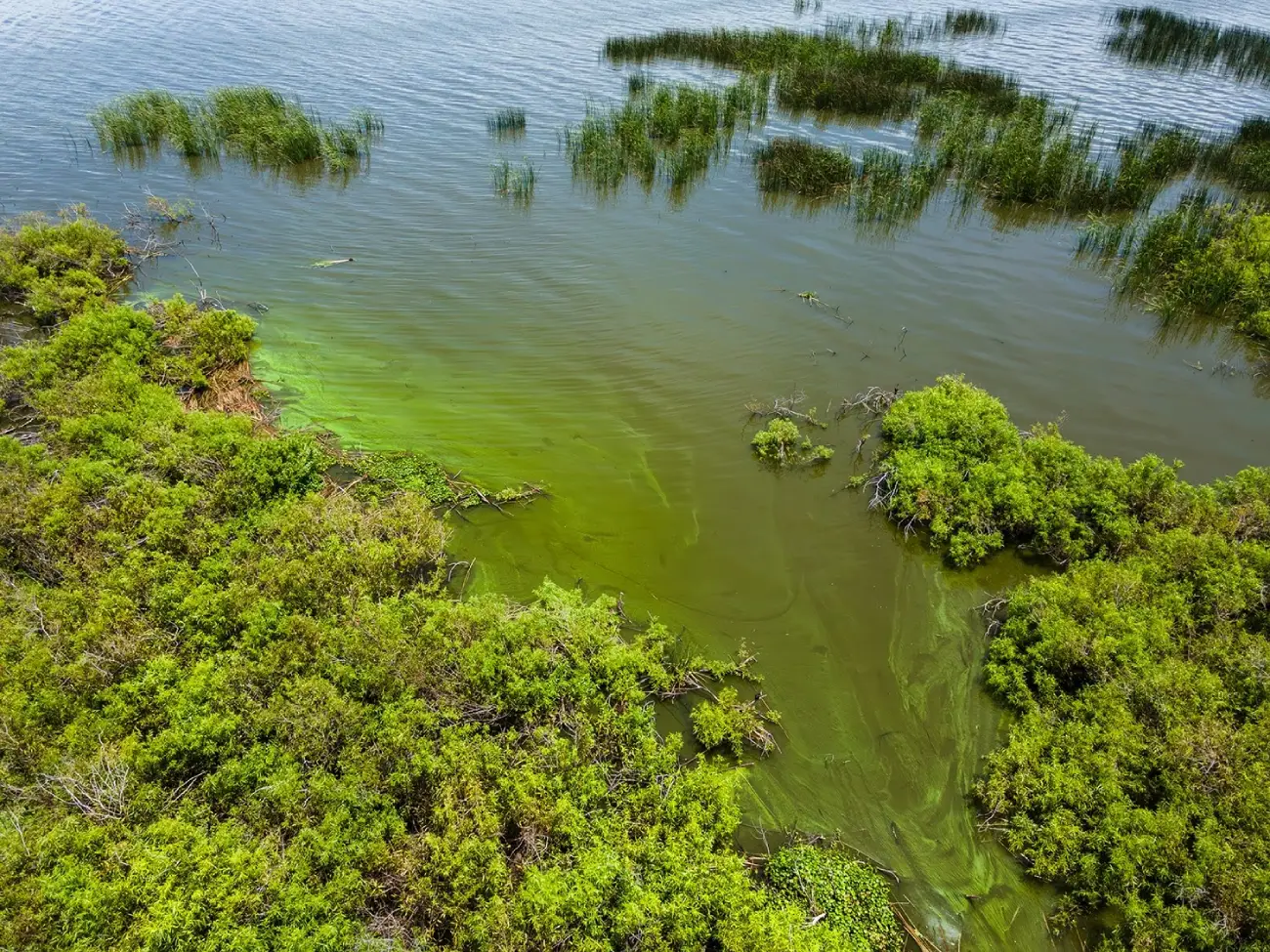
Algae blooms once a seasonal, localized issue have exploded into a global environmental emergency. Triggered by a mix of agricultural runoff, rising temperatures, and stagnant water, these blooms are spreading rapidly and choking freshwater ecosystems. In the U.S., more than 2,300 water bodies reported harmful algae outbreaks in 2023 alone. From lakes in the Midwest to rivers in Europe and reservoirs across Africa, the trend is clear: our water is under threat.

These blooms aren’t just an eyesore, they’re toxic. They can produce harmful compounds like microcystin and anatoxin, which are dangerous when ingested or even touched. Exposure has been linked to liver damage, neurological disorders, and severe gastrointestinal illness. In some cases, cities have had to shut off municipal water supplies for days at a time. In 2014, residents of Toledo, Ohio lost access to drinking water for three days due to a toxic bloom in Lake Erie.

Globally, the stakes are even higher. Climate change is supercharging the problem: warmer temperatures and extreme weather events accelerate bloom formation, especially in regions with limited water infrastructure. In low-income areas, where treatment systems are outdated or nonexistent, blooms can render entire water sources unusable for months.

The World Health Organization reports that more than 2 billion people still lack access to safely managed drinking water and algae blooms only worsen that divide. While wealthier countries have the tools to mitigate the damage, rural communities in Africa and other underserved regions face an impossible choice: risk drinking contaminated water or go without.

The bottom line? Clean water is no longer just a development issue, it’s an environmental one. And the growing spread of algae blooms is yet another reminder that access to safe water is fragile, unequal, and under urgent threat.

From Polluted Rivers to Reliable Wells: How Embrace Relief Is Delivering Clean Water Across Africa

From Polluted Rivers to Reliable Wells: How Embrace Relief Is Delivering Clean Water Across Africa.

While governments and tech companies debate long-term environmental solutions, Embrace Relief is providing immediate, life-saving action. Through its Clean Water Initiative, Embrace Relief constructs and rehabilitates water wells in communities across Africa giving thousands of people access to clean, safe, and sustainable drinking water.

Each well, built for just $3,500, serves more than 1,000 people and is tailored to meet the region’s specific needs, with durable materials and locally sourced parts. These aren’t temporary fixes. Every well comes with a five-year warranty, annual maintenance checks, and community training to ensure long-term functionality. Donors also receive detailed impact reports, photos, and GPS coordinates showing the exact location of their well.

Since 2013, the program has built or restored over 1,100 wells, directly improving the lives of more than 1 million people in countries like Chad, Nigeria, Uganda, Kenya, and Cameroon. These wells don’t just quench thirst, they reduce disease, support agriculture, and help women and children reclaim hours each day once spent walking to distant water sources.

In a world where entire cities are threatened by environmental pollution, Embrace Relief is offering a model of resilience and compassion one well at a time. Whether you choose to sponsor a full well, contribute to a shared project, or simply spread the word, you can be part of a solution that’s tangible, scalable, and life-changing.

For more information on Embrace Relief’s Clean Water Initiative, click here!