


Recent

Embrace Relief Provides 250 Baby Care Gift Bags at Orange City Township’s Community Baby Shower

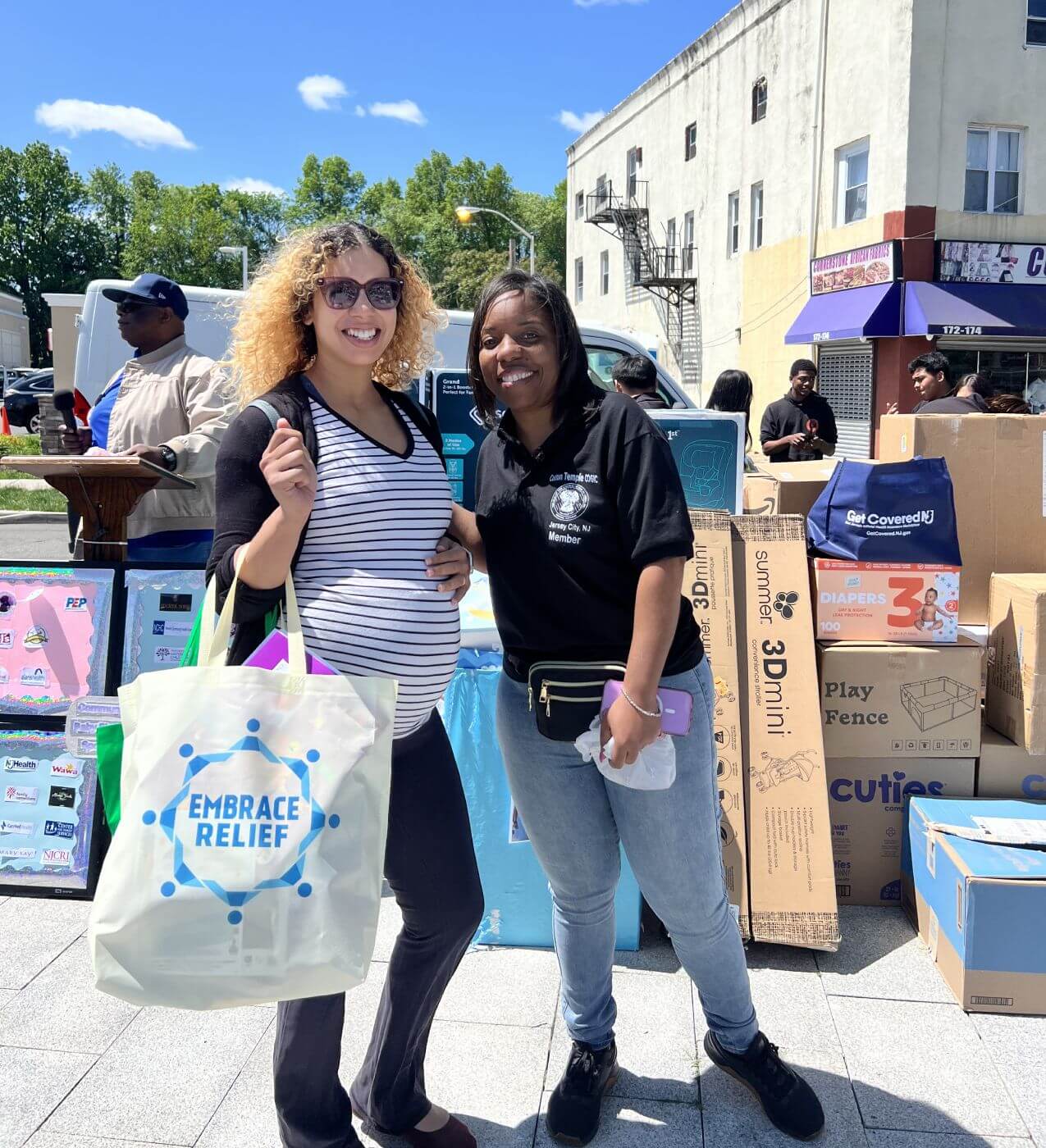
ORANGE, NJ — On May 10, 2025, Embrace Relief joined Orange City Township’s 2nd Annual Community Baby Shower to support expecting mothers facing financial hardship. As one of 15 vendors at the event, Embrace Relief proudly distributed 250 gift bags filled with essential baby items to local families in need.

Held under sunny skies and surrounded by smiles and laughter, the event brought the community together to uplift and empower new and expecting mothers. Embrace Relief’s gift bags included diapers, wipes, baby bottles, toys, playpens, baby monitors, healthcare kits, and nursing and breastfeeding supplies—everything needed to help families welcome their newborns with love, dignity, and care.

“Every mother deserves to feel supported during one of life’s most beautiful transitions,” said Kevin Meacham, Embrace USA Program Coordinator. “We’re honored to help bridge the gap for families in New Jersey who are struggling to afford the basic necessities their babies deserve.”

The event was a powerful reminder of the impact of community collaboration. Embrace Relief remains committed to supporting vulnerable populations by providing critical aid and compassionate care—locally and around the world.

Since its founding in 2008, Embrace Relief has built a global network of partnerships allowing us to provide critical humanitarian aid to vulnerable families and communities worldwide, including in the United States.

Launched in January 2025, Embrace USA is an initiative that brings this global approach home. Through this program, we are building and strengthening local partnerships to deliver essential resources — such as food distributions, clothing and school supply drives, and disaster response — and relief to U.S. families in need.
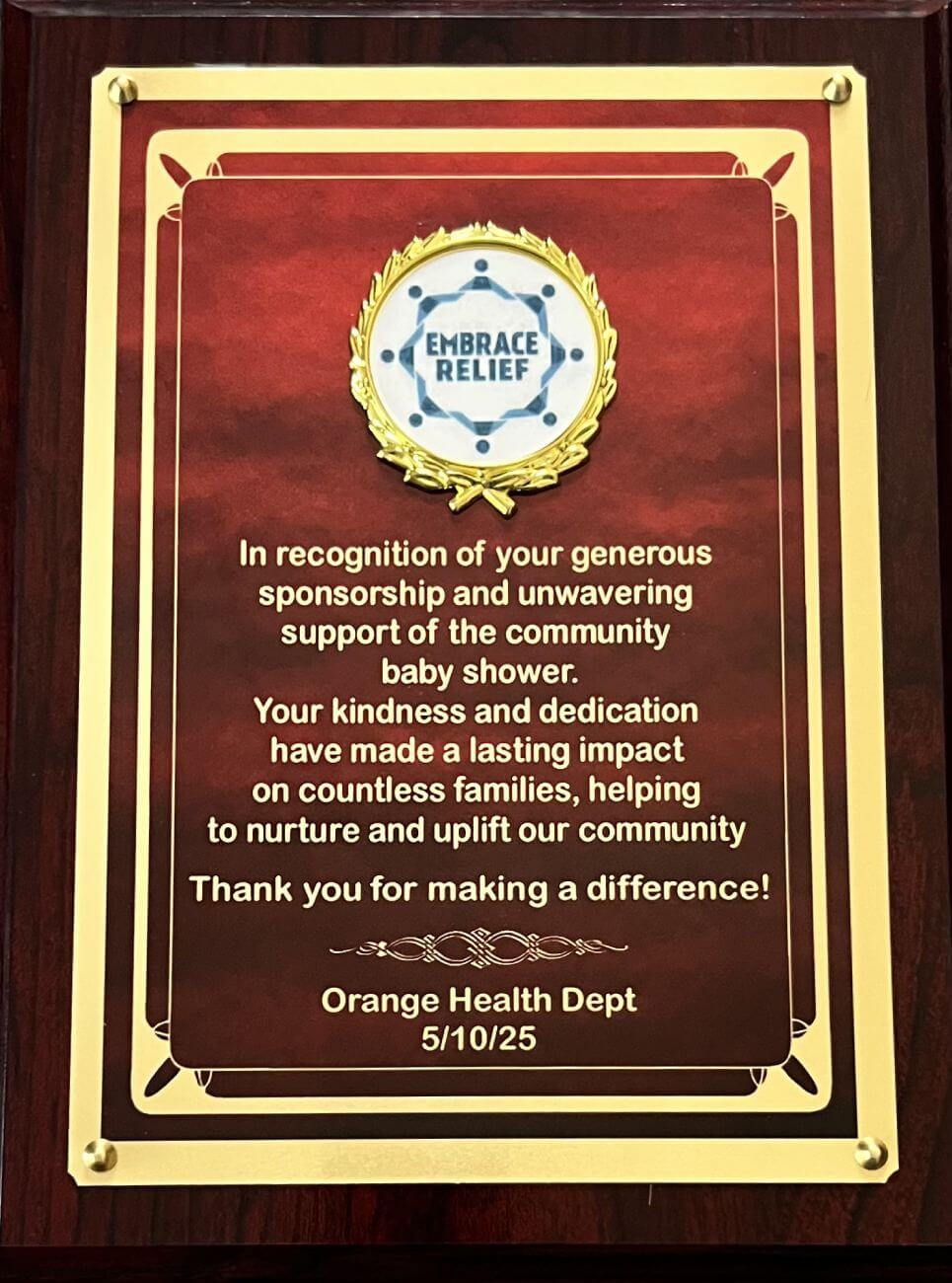
Orange Health Department Prize

About Embrace Relief

Embrace Relief is a 501(c)(3) nonprofit organization that delivers humanitarian aid and development programs to alleviate suffering and empower communities in the U.S. and abroad. Learn more at www.embracerelief.org.

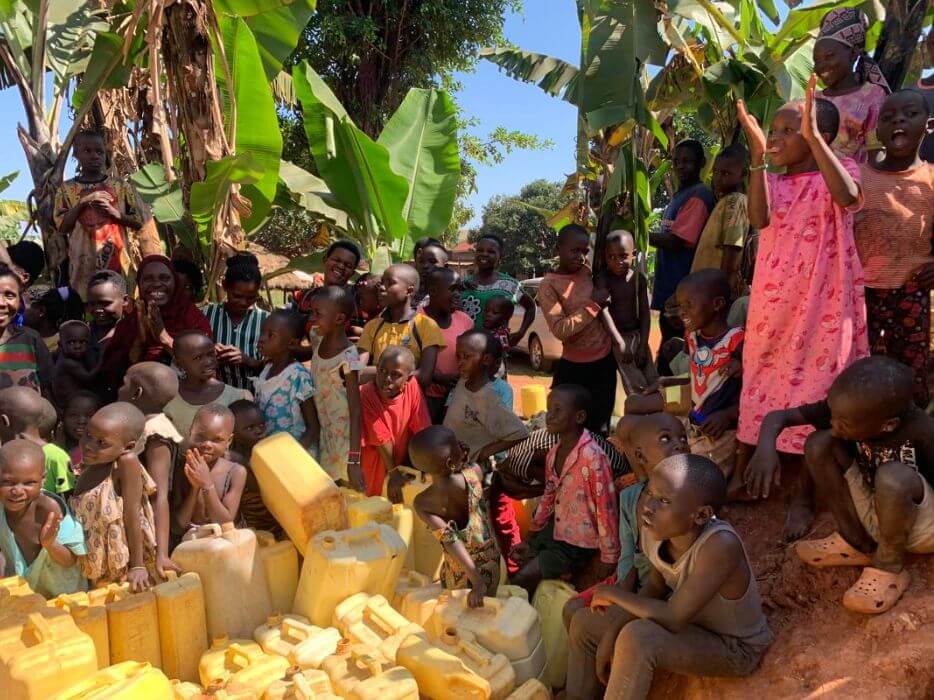
How Long Can You Survive Without Drinking Water?

Summary

  • The average person can survive just 3 days without water
  • Dehydration causes organ failure, cognitive decline, and death
  • Embrace Relief’s Clean Water Program restores access to safe water in Africa

Water is life. It is the most essential substance our bodies need to function, yet over two billion people worldwide still lack access to safe drinking water. This global water crisis is not just a public health issue. It is a matter of life and death.

So how long can you survive without drinking water? The answer might shock you. While most humans can go many days — and even weeks, in some conditions — without food, our bodies begin to shut down after just a few days without water. Understanding the effects of dehydration highlights how vital clean water access is for every community on Earth.

Survival experts often cite the “rule of threes” as a general guideline:

  • You can survive 3 minutes without air
  • 3 days without water
  • 3 weeks without food

This rule is not exact for everyone, but it underscores a critical truth. Water is non-negotiable. Without it, the body cannot regulate temperature, transport nutrients, or remove waste. It cannot survive.

The effects of dehydration begin almost immediately. Within 24 hours without water, your body starts to feel the consequences. These effects progress rapidly:

Day 1:

  • Dry mouth and thirst intensify
  • Urine becomes dark and infrequent
  • Fatigue and dizziness set in
  • Headaches may occur

Day 2:

  • Blood volume decreases
  • Body temperature rises
  • Cognitive function begins to decline
  • Muscles cramp and coordination suffers

Day 3 and Beyond:

  • Organs begin to shut down
  • Hallucinations and confusion worsen
  • Risk of coma and death becomes imminent

The average person cannot survive more than 3 to 5 days without water, although some rare cases have reported slightly longer survival depending on climate, physical activity, and individual health. But make no mistake: life without water is short and full of suffering.

For children, the elderly, and individuals with chronic illness, dehydration can become deadly even faster. In areas affected by drought, poverty, or poor infrastructure, communities often rely on unsafe water sources such as contaminated rivers or shallow, polluted wells. This leads not only to dehydration but also to deadly diseases like cholera, typhoid, and diarrhea, which claim thousands of lives every day.

Access to clean water is not just about hydration. It is about dignity, opportunity, and survival.

How Embrace Relief Is Bringing Clean Water to Africa

At Embrace Relief, we believe that no one should have to face the deadly effects of dehydration because they were born in the wrong place. That’s why we launched our Clean Water Program to bring long-term, sustainable water access to vulnerable communities across sub-Saharan Africa.

Since 2013, we have built and repaired hundreds of water wells in countries like Chad, Cameroon, and Nigeria. Each well provides clean, bacteria-free water to thousands of people. Every drop is a lifeline that reduces disease, improves education outcomes for children, and allows families to live with health and hope.

How Embrace Relief Is Bringing Clean Water to Africa

You can help end the global water crisis. Here’s how:

Option 1: Pay in Full
With a one-time donation of $3,500, you can fund the construction of a brand-new well, complete with:

  • A 5-year warranty
  • Annual maintenance checkups
  • A custom name on the well
  • Photos and an impact report
  • Wells are completed in just 4 to 6 weeks.

Option 2: Pay Over Time
Prefer to raise or contribute gradually? Start a well project with our support and pay over up to six months. Once fully funded, the well will be built in 4 to 6 weeks.

Both options give you the opportunity to directly save lives and bring clean water to a community in need.

Access to clean water is not a privilege. It is a right. By understanding how quickly the human body deteriorates without water, we recognize just how urgent this crisis is. Let’s work together to ensure that no child, no parent, no elder dies from thirst.

Your donation can be the difference between life and death. Be the reason a community drinks clean water tomorrow.

For more information on Embrace Relief’s Clean Water Initiative, click here!

AI-Powered Cheating: Is Technology Hurting Student Integrity?

Summary

  • Examine the rise of AI tools like ChatGPT in student assignments and the debate over academic integrity
  • Explore the pros and cons of AI in the classroom, from personalized tutoring to plagiarism risks
  • Learn how the L.E.A.R.N. program supports honest, skill-building education for Afghan girls

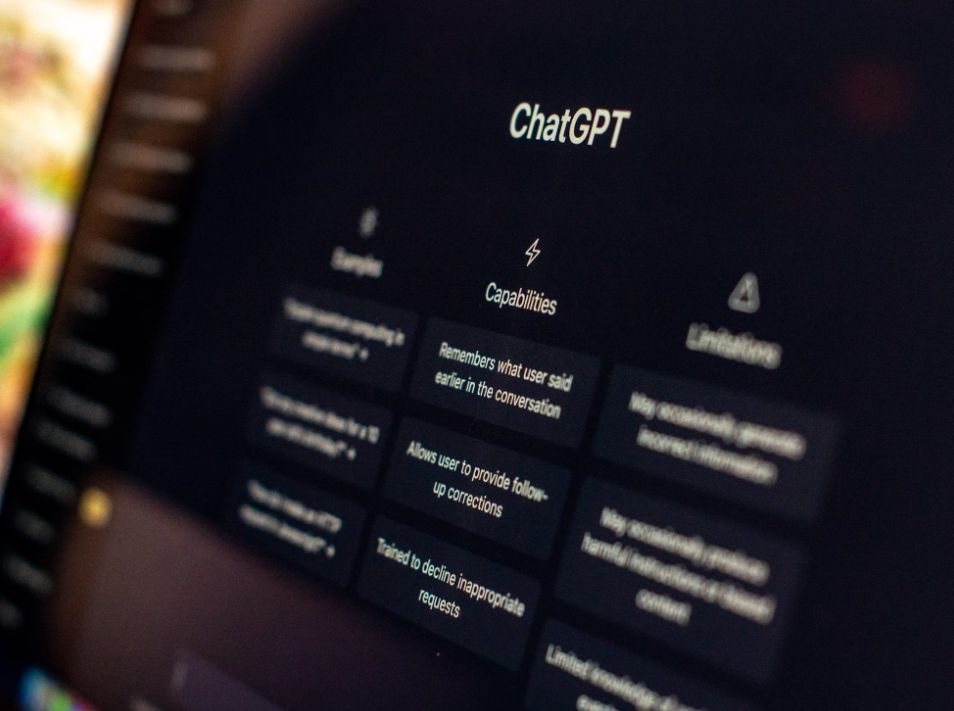
Artificial Intelligence is reshaping education at lightning speed, sparking both excitement and alarm. Tools like ChatGPT, Gemini, and Microsoft Copilot can now draft essays, debug code, and explain quantum physics in plain language. While these innovations unlock unprecedented learning support, they’re also fueling fiery debates: Is AI a lifeline for struggling students, or a cheat code undermining academic integrity?

A 2024 update to the Intelligent.com survey found that 43% of students admit to using AI for assignments, a 13% jump from 2023. Platforms like ChatGPT have become go-to “homework havens,” with students leveraging AI to write essays, solve problem sets, and even simulate exam answers. Students online will claim “I finished a 10-page paper in 20 minutes. Professors can’t tell the difference.” But can they?

Educators are split. Some, like Stanford’s Dr. Linda Cheng, praise AI as a “thought partner” for brainstorming and refining ideas. Others, however, warn of a “brain-offload epidemic.” As high school teacher Marcus Ruiz puts it: “When a student pastes a ChatGPT response into an essay, they’re not just cheating the system, they’re cheating themselves out of learning.”

AI’s potential to democratize education is undeniable. Tools like Khanmigo tutor students in calculus at 2 A.M., while speech-to-text generators empower dyslexic learners. A 2024 Gates Foundation study found that AI-driven personalized learning plans boosted math proficiency by 22% in low-income schools, closing gaps for marginalized students.

For international students, AI translators like DeepL break down language barriers, letting them focus on content mastery rather than syntax. “Before ChatGPT, I spent hours translating my thoughts,” says María Gómez, a Colombian college freshman. “Now I can articulate complex ideas confidently.”

As AI-generated work floods classrooms, educators are fighting back. Turnitin’s AI detector now flags 98% of ChatGPT text, while universities like Oxford and UCLA have overhauled honor codes to ban “unauthorized AI assistance.” Yet students keep innovating: TikTok tutorials teach how to humanize AI essays using tools like Undetectable.ai, while whisper networks share “AI-friendly” professors.

The stakes are high. A 2023 incident at the University of Texas made headlines when 12 engineering students failed after submitting AI-written lab reports. “They missed the point,” said Professor Eleanor Hart. “The assignment wasn’t about answers, it was about learning to think like engineers.”

The solution isn’t banning AI but reimagining education alongside it. Forward-thinking schools are:

  • Redesigning assessments: Prioritizing oral exams, in-class writing, and project-based work (e.g., “Compare ChatGPT’s essay on Shakespeare to your own analysis”).
  • Teaching AI literacy: Harvard’s new “Digital Ethics” module trains students to use AI transparently, citing AI contributions like peer reviews.
  • Leveraging AI for skill-building: Coding platforms like Replit use AI to debug student work, fostering problem-solving over copy-paste shortcuts.

As MIT’s Dr. Rajesh Singh notes, “The pencil didn’t kill critical thinking; bad teaching did. AI is just another tool. The real question is: Will we use it to automate plagiarism, or automate growth?”

The answer lies in the gray area between fear and innovation. Because whether we like it or not, AI isn’t just in classrooms to stay; it’s here to evolve. The challenge? Ensuring it elevates integrity instead of eroding it.

How the L.E.A.R.N. Program Promotes Ethical, Future-Ready Education

In a world where AI is becoming a staple in both classrooms and careers, digital literacy is more important than ever. That is why Embrace Relief’s L.E.A.R.N. (Learning and Education for Afghan girls’ Rights and Needs) program is preparing Afghan girls not only to use technology, but to do so with integrity and purpose.

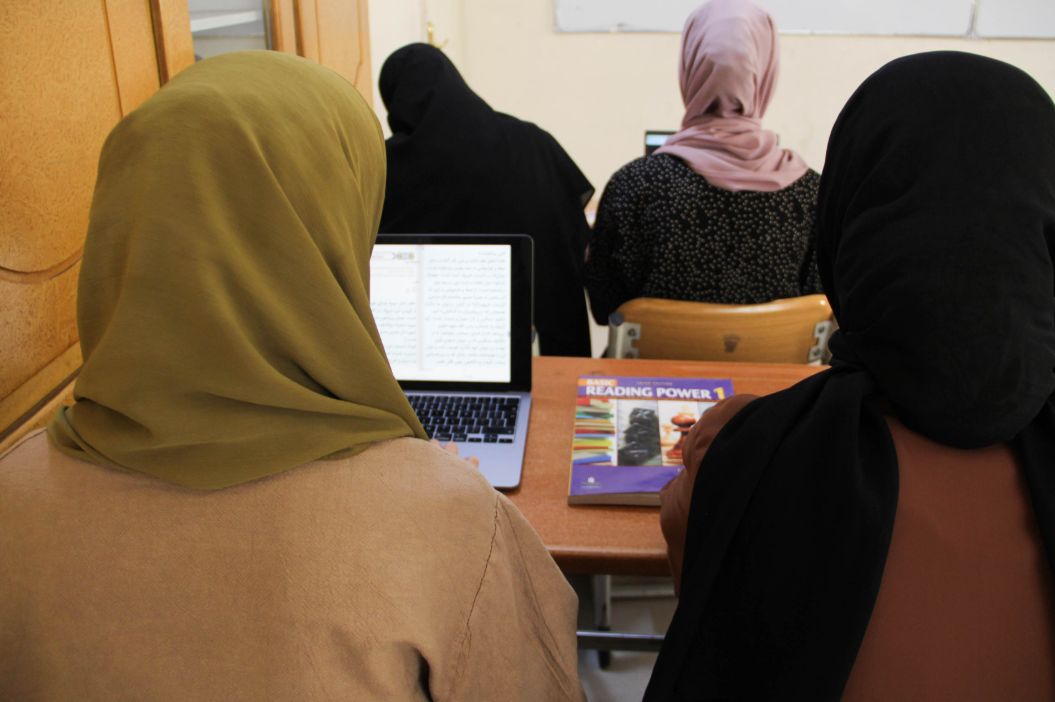
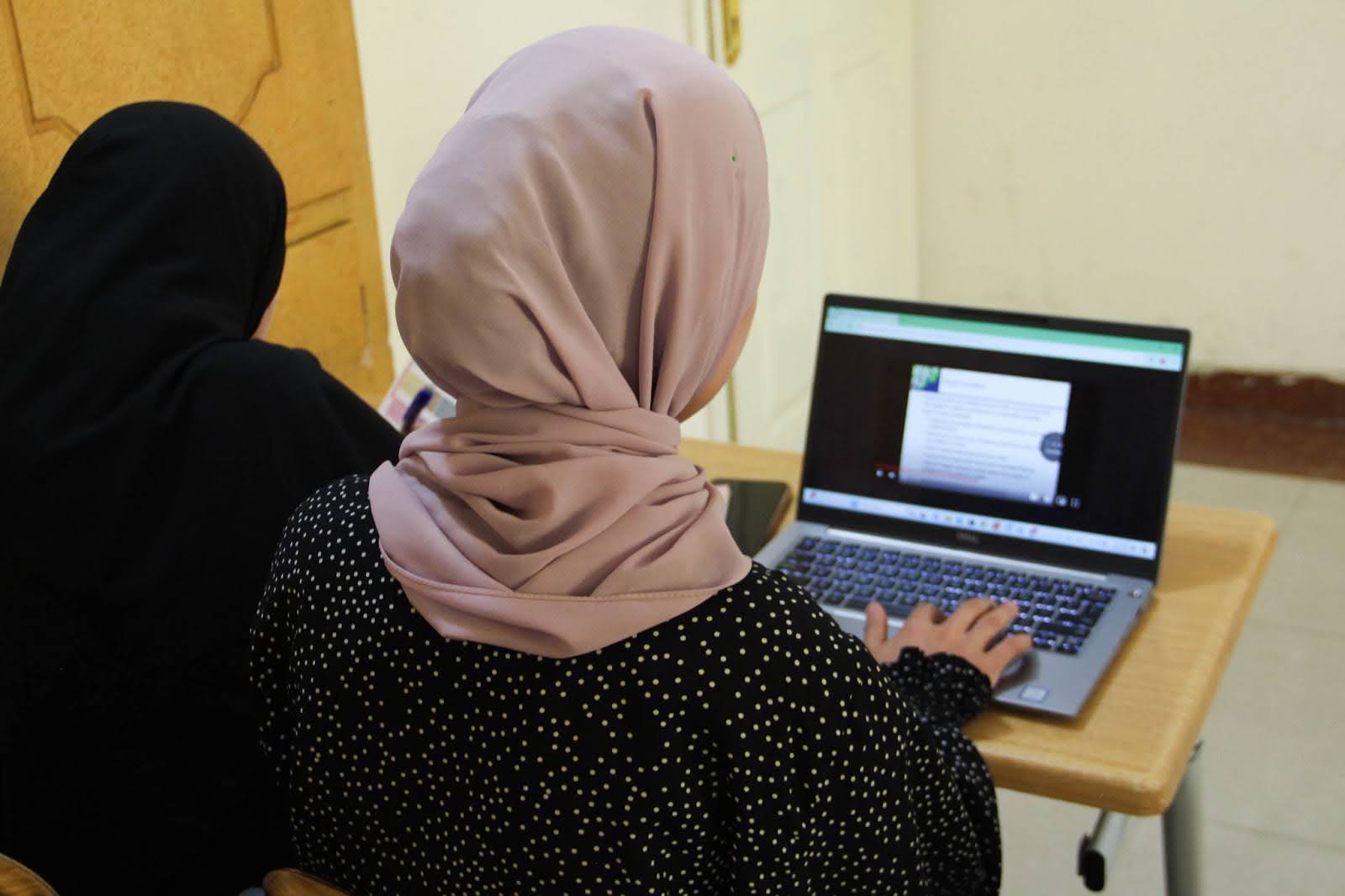
Through secure online platforms, students in the L.E.A.R.N. program gain access to high school and college-level courses in fields like English and Computer Applications. Instructors provide real-time feedback and mentorship, ensuring that learning is meaningful, skill-based, and honest. These young women are learning how to use technology as a tool, not a crutch.

How the L.E.A.R.N. Program Promotes Ethical, Future-Ready Education

In regions where access to quality education is scarce, L.E.A.R.N. offers more than just classes. It offers a path to empowerment. With 90 percent of IT jobs expected to allow remote work by 2025, the digital skills gained through L.E.A.R.N. are preparing students for a global workforce.

You can help make this future possible.

For just $80 per month, you can sponsor a girl’s bachelor’s degree, covering tuition, mentorship, and access to a secure online classroom. Your monthly donation helps bridge the gender gap in education, supports honest academic development, and builds stronger communities for the future.

Technology will continue to change how we learn. With your support, we can ensure it also changes who gets to learn, and how they do it—ethically, confidently, and with the skills they need to succeed.

For more information on the Embrace Relief L.E.A.R.N. program, click here.

Donate For Women’s Empowerment

$
Donate Now

How Much Does Cataract Surgery Cost Without Insurance?

Summary

  • Without insurance, cataract surgery in the U.S. can cost anywhere from $3,500 to $7,000 per eye
  • While Americans weigh high medical bills, millions worldwide go blind for lack of access
  • For just $120, Embrace Relief is curing cataracts and transforming lives in Mali.

In the United States, the price of clarity can come with a hefty price tag. Cataract surgery is an outpatient procedure that replaces a clouded lens with a clear artificial one, which typically costs between $3,500 to $7,000 per eye without insurance. The exact cost varies based on the surgeon, the clinic, and the type of intraocular lens (IOL) used.

Add in pre- and post-operative care, diagnostics, and optional premium lenses, and the bill can quickly escalate. For many uninsured or underinsured Americans, this is an impossible expense leaving them to live in a fog that slowly robs them of independence, mobility, and quality of life.

Cataracts are the leading cause of blindness worldwide and one of the most treatable. In the U.S., access exists, but affordability often doesn’t. As healthcare costs rise and out-of-pocket expenses balloon, even routine vision-saving procedures become luxury items for those without coverage.

While millions in the U.S. navigate a costly healthcare maze, others across the globe face a different crisis: total blindness from something that could be cured in 15 minutes.

How Embrace Relief is Helping Cure Cataracts in Mali?

In Mali, cataracts don’t just blur vision they halt lives. Thousands of people, especially in rural areas like Sikasso, go blind every year from a condition that is both entirely preventable and entirely curable. But without access to surgical care, many remain in darkness.

Embrace Relief’s Cure Cataracts program is changing that.

Embrace Relief’s Cure Cataracts program

By partnering with local medical teams, Embrace Relief brings free cataract surgeries to underserved communities restoring vision and restoring dignity. Each operation costs just $120 — a cost that also covers 15 medical screenings to identify patients in need of a surgery — and takes less than 20 minutes, yet the impact is lifelong.

In a region where healthcare infrastructure is limited, these surgeries mean everything. They allow mothers to see their children again, elders to walk safely without assistance, and workers to return to their livelihoods. What might cost thousands in the U.S. is being delivered at a fraction of the price and with a fraction of the delay in Mali.

Embrace Relief’s approach is sustainable, community-based, and driven by compassion. And as the world continues to debate the economics of healthcare, this program proves that saving sight doesn’t have to break the bank, it just has to matter.

For more information on Embrace Relief’s Cataracts Surgeries , click here!
How You Can Help: The Gift of Sight

A simple cataract surgery, which costs only $100, can transform a life. With your support, our Embrace Relief’s health clinics can provide these surgeries to those in need, giving them the gift of sight and the opportunity for a better future. Here’s how your donation can make a difference:

  • $120 Donation: Funds one complete cataract surgery, restoring sight to an individual in need.
  • $240 Donation: Supports two surgeries, doubling the impact.
  • $600 Donation: Helps five people regain their vision, enhancing their quality of life and ability to contribute to their communities.

Your donation can make a significant difference in the lives of those suffering from cataracts in Mali and Burkina Faso. For just $120, you can fund a cataract surgery and give someone the precious gift of sight.

Help us light up lives and drive away the darkness caused by cataracts. Donate now and be a part of this life-changing mission.

$

Virtual Reality in Classrooms: Gimmick or Game-Changer?

Summary

  • Discover how VR enhances student engagement, retention, and experiential learning in classrooms.
  • Examine both the benefits and challenges of integrating VR into education systems.
  • Learn how Embrace Relief’s L.E.A.R.N. program brings innovative, accessible education to Afghan girls in need.

Step aside, chalkboards and textbooks; classrooms today are donning headsets. With the rise of Virtual Reality (VR) in education, students are dissecting 3D organs, exploring ancient Rome, or walking on the surface of Mars, all without leaving their desks. The promise of VR in classrooms is bold: immersive, hands-on learning that boosts comprehension, engagement, and memory retention. But is this groundbreaking technology here to stay, or is it just an expensive distraction?

The global VR education market is expected to hit $32.9 billion by 2030, according to Grand View Research, and major platforms like Meta’s Quest for Education and Google Expeditions are helping schools implement virtual field trips, science labs, and historical recreations. This technology brings content to life in a way traditional methods can’t. A 2022 PwC study found that VR learners are 4x faster to train than in traditional classrooms and 1.5x more focused. Another study from the University of Maryland showed VR learners retained information nearly 10% better than those using conventional digital methods.

And students aren’t the only ones benefiting. VR enables teachers to simulate risky experiments or inaccessible environments, like exploring volcanoes or understanding nuclear reactions, with zero safety concerns. In fields like medicine, architecture, and engineering, VR has already become a cornerstone of training.

Still, there are challenges. VR headsets are expensive, require stable internet, and can lead to physical strain or motion sickness in some users. Schools in lower-income regions may struggle with implementation, further widening the digital divide. There’s also the risk of novelty: without proper curriculum integration, VR can become more entertainment than education.

But for the students who do have access, the impact is undeniable. VR can increase empathy (such as walking through a refugee camp simulation), improve engagement for students with learning differences, and offer a level of personalization that redefines what it means to “be present” in class.

How Embrace Relief’s L.E.A.R.N. Program Delivers Innovation Without the Headset

How Embrace Relief’s L.E.A.R.N. Program Delivers Innovation Without the Headset

While VR headsets may still be out of reach for many, digital innovation in education doesn’t require cutting-edge gear to make a difference. Embrace Relief’s L.E.A.R.N. (Learning and Education for Afghan girls’ Rights and Needs) program brings safe, remote access to high school and university-level education for girls in Afghanistan, offering something just as transformative as VR: opportunity.

Through mobile devices and secure internet access, students in the L.E.A.R.N. program take courses in fields like Computer Applications and English, equipping them with digital literacy and career-ready skills. In regions where traditional schooling is inaccessible, L.E.A.R.N. offers a life-changing path forward.

And the best part? You can support this transformation directly.

For just $80/month, you can sponsor a girl’s bachelor’s degree, covering tuition, mentorship, and access to a secure, online learning platform. These monthly donations help break the cycle of poverty, empower future leaders, and build a more equitable world, one student at a time.

Whether it’s through immersive VR simulations or secure digital classrooms, technology is changing how we learn, and who gets to learn. Let’s ensure that transformation reaches everyone.

For more information on the Embrace Relief L.E.A.R.N. program, click here.

Donate For Women’s Empowerment

$
Donate Now

The Rise of Designer Eye Care: Is Vision the New Status Symbol?

Summary

  • Premium vision care is booming from elective LASIK to cosmetic lens implants
  • Meanwhile, cataracts easily cured with a 15-minute surgery are leaving people in developing countries trapped in darkness
  • As some pay for perfect 20/20, Embrace Relief is restoring basic sight and dignity for just $120 a person

Sight used to be survival. Now, it’s a status symbol.

In luxury clinics and glossy magazine spreads, a new kind of vision is in focus: elective eye care that blends fashion, tech, and prestige. From laser-perfect LASIK to designer glasses and colored contact lenses, seeing clearly has become a lifestyle upgrade one that often comes with a designer price tag.

Take Lindberg or Cartier frames, retailing for thousands of dollars and worn more like jewelry than necessity. Or premium eye surgeries at boutique vision centers that promise customized 20/20 results with mood lighting and spa music. There’s even a booming market for cosmetic iris implants letting people “change” their eye color for the right price.

According to industry reports, the global eyewear market is expected to surpass $300 billion by 2030, driven by style-conscious consumers seeking personalization and status. Luxury eye care isn’t just about health anymore it’s about identity, influence, and Instagram.

Top-tier vision centers now offer retinal scans with AI diagnostics, vision enhancement plans, and surgical add-ons like multifocal lenses or blue-light filters, all tailored to your specific lifestyle. In fashion, eyewear is curated like runway looks: optical exclusivity meets aesthetic appeal.

But while the elite customize their sight, millions are slipping into total darkness due to conditions that are entirely treatable.

From Boutique Clinics to Blindness: Vision for All with Embrace Relief

As the world spends billions on laser surgeries, designer lenses, and boutique vision centers, millions of people are losing their sight simply because they can’t afford basic cataract surgery. At Embrace Relief, we believe clear vision should be a human right, not a luxury upgrade.

That’s why we launched the Cataract Surgery Program, bringing life-changing eye care to underserved communities in places like Sikasso, Mali, where hundreds are living in avoidable darkness. Cataracts are the leading cause of blindness worldwide but they can be cured in just 15 minutes with a simple procedure.

Each surgery costs only $120. That small amount restores more than sight; it restores independence, dignity, and hope. Parents can see their children again. Elders can walk safely. People can return to work and participate fully in their communities.

These surgeries leave a lasting impact. With local medical teams and sustainable care models, Embrace Relief ensures that these aren’t one-time fixes, but long-term transformations.

Compare $120 to the thousands spent on trend-driven eyewear or cosmetic lenses. The numbers and the impact speak volumes.

Sight shouldn’t be a status symbol. But restoring it can change a life forever.

For more information on Embrace Relief’s Cataracts Surgeries , click here!
How You Can Help: The Gift of Sight

A simple cataract surgery, which costs only $100, can transform a life. With your support, our Embrace Relief’s health clinics can provide these surgeries to those in need, giving them the gift of sight and the opportunity for a better future. Here’s how your donation can make a difference:

  • $120 Donation: Funds one complete cataract surgery, restoring sight to an individual in need.
  • $240 Donation: Supports two surgeries, doubling the impact.
  • $600 Donation: Helps five people regain their vision, enhancing their quality of life and ability to contribute to their communities.

Your donation can make a significant difference in the lives of those suffering from cataracts in Mali and Burkina Faso. For just $120, you can fund a cataract surgery and give someone the precious gift of sight.

Help us light up lives and drive away the darkness caused by cataracts. Donate now and be a part of this life-changing mission.

$

Why Embrace Relief Is the Best Place to Donate Your Qurbani in 2025

Donating your Qurbani is a sacred act of worship during Eid al-Adha, symbolizing devotion, generosity, and solidarity with those in need. In 2025, thousands of Muslims in the USA and worldwide will be searching for the most ethical, efficient, and compliant way to fulfill this obligation. Embrace Relief stands out as one of the most reliable and impactful choices.

As a global humanitarian organization with a proven track record, Embrace Relief ensures that every Qurbani donation is carried out in accordance with Islamic guidelines and reaches the most vulnerable communities around the world. From transparency to operational excellence, here’s why Embrace Relief is the best place to donate your Qurbani in 2025.

1. Full Compliance

Embrace Relief adheres strictly to Islamic principles throughout the Qurbani process. Every sacrifice is performed during the designated days of Eid al-Adha, with animals that meet the required age, health, and ethical standards. The organization works with its network of global partner organizations to ensure the proper recitation of takbeer and that all guidelines regarding the sacrifice of the animal are followed.

This commitment makes Embrace Relief a trustworthy platform for Muslims who want their Qurbani to be accepted in both practice and spirit.

2. Global Reach to Those in Real Need

One of the most compelling reasons to donate Qurbani through Embrace Relief is the direct impact on food-insecure families. Your donation goes far beyond a symbolic gesture. It delivers high-quality meat to regions where access to protein is rare and where Eid may be the only time of year people can enjoy such nourishment.

In 2024, Embrace Relief distributed meat packages to more than 180,000 people in 22 countries, reaching communities in need in sub-Saharan Africa, South Asia, the Middle East, South America, and beyond. Embrace Relief ensures that your Qurbani will serve those who need it most, including orphans, widows, refugees, and those living in poverty,

3. Transparent and Verified Process

Donors often wonder what happens after they give. Embrace Relief provides detailed documentation and, in many cases, post-distribution reports, ensuring full transparency in the Qurbani process. Each step—from selection of livestock to distribution of meat—is conducted by trusted local partners and overseen by Embrace Relief’s experienced field teams.

This transparency builds trust and reassures donors that their sacrifice is completed with integrity and accountability.

4. Easy and Secure Online Donations

In 2025, Embrace Relief continues to offer a seamless, user-friendly platform for online Qurbani donations. You may visit Embrace Relief’s Qurbani donation page, or simply use the donation box at the bottom of this article, in order to complete your donation.

With options to select your animal type, country of distribution, and payment method, the entire process takes only minutes. Whether you’re donating from the USA or internationally, your Qurbani can be processed quickly, securely, and with full confirmation.

This convenience is ideal for busy families and individuals looking to fulfill their obligation without logistical challenges.

5. Real Impact Backed by Experience

Embrace Relief has years of experience conducting Qurbani programs in some of the world’s most underserved communities. This long-standing expertise means that your donation is managed with efficiency, compassion, and precision. Their Qurbani programs are not just seasonal—they’re integrated into long-term hunger relief, health, and humanitarian support systems.

Every donation through Embrace Relief contributes to a wider mission of reducing food insecurity and promoting human dignity across the globe.

Final Thoughts

Choosing where to donate your Qurbani is a serious decision. It’s about fulfilling your religious duty while maximizing your positive impact. With its unwavering commitment to Islamic values, operational transparency, global humanitarian reach, and deep-rooted experience, Embrace Relief is the most reliable choice for Qurbani in 2025.

Make your sacrifice meaningful. Donate your Qurbani through Embrace Relief and help transform lives this Eid al-Adha!

Last-Minute Qurbani Donations: What You Need to Know Before Eid

As Eid al-Adha approaches, many Muslims rush to fulfill their obligation of giving Qurbani before the designated time runs out. Whether due to a busy schedule, travel, or unexpected delays, donating Qurbani at the last minute can still be valid and meaningful—if done correctly.

In 2025, Eid al-Adha is expected to begin on Friday, June 6, but the exact date will be confirmed by moon sighting. Regardless, Qurbani donations must be completed within the three-day period of Eid (10th to 12th of Dhal-Hijjah). If you’re considering a last-minute Qurbani donation, here’s everything you need to know to make sure your sacrifice is accepted and impactful.

Is Last-Minute Qurbani Still Accepted?

Yes, as long as your Qurbani is carried out before sunset on the 12th of Dhal-Hijjah, it is considered valid according to Islamic rulings. However, delays beyond this time are not permissible, and the obligation would no longer be fulfilled. Therefore, if you’re donating close to the deadline, it’s essential to choose a trustworthy organization that can guarantee timely sacrifice.

Why Timing Matters in Qurbani

According to Islamic tradition, Qurbani must take place after the Eid prayer on the first day and before sunset on the third day. Sacrificing before the Eid prayer is not valid. This is why last-minute donations can become problematic if not managed properly.

Choosing an experienced humanitarian organization like Embrace Relief ensures that your Qurbani is conducted within the correct Islamic timeframe, no matter how close to the deadline you donate.

How to Donate Qurbani at the Last Minute

Online donation platforms have made it easier to give Qurbani even on the day of Eid. With just a few clicks, you can:

  • Select your Qurbani type (goat, sheep, cow share)
  • Choose the region where your donation will be distributed
  • Pay securely and receive confirmation of your donation

However, not all organizations accept last-minute Qurbani, especially in regions with logistical challenges. That’s why choosing a platform like Embrace Relief, which has the infrastructure to manage and process Qurbani donations quickly, is critical.

Embrace Relief’s Commitment to Timely and Ethical Qurbani

Embrace Relief accepts Qurbani donations up until the valid deadline and ensures that its global network of partners carry out all sacrifices in strict accordance with Islamic rules. With a global distribution network, the organization manages large volumes of donations efficiently and delivers Qurbani meat to families in need across Africa, Asia, and the Middle East.

Each donation is tracked, processed, and confirmed with transparency, giving donors confidence that their act of worship is complete and meaningful.

What Happens If You Miss the Deadline?

If the Qurbani is not performed by the end of the 12th of Dhal-Hijjah, the religious obligation is missed, and the sacrifice must be made up in the form of charity. However, this does not carry the same spiritual reward as performing Qurbani within the correct timeframe.

To avoid this, make your donation early—even if it’s just hours before the cut-off time. With the right organization, even a last-minute Qurbani can reach its destination on time.

Final Thoughts

A last-minute Qurbani donation still holds the same spiritual weight—as long as it is completed before the deadline and follows Islamic guidelines. In 2025, you can fulfill this critical obligation quickly and effectively through Embrace Relief, a trusted charity known for timely execution and global impact.

Don’t let time run out. Donate your Qurbani today with Embrace Relief and ensure your sacrifice brings nourishment and hope to families in need this Eid al-Adha.