

Recent

Where to Donate Qurbani in the USA: A Complete 2025 Guide

Qurbani, also known as Udhiyah, is the sacred Islamic act of sacrificing livestock during Eid ul-Adha to commemorate the unwavering faith of Prophet Ibrahim (AS). For Muslims in the United States, fulfilling this obligation comes with the added task of finding a reliable and Shariah-compliant way to perform Qurbani, particularly when they are not directly involved in the slaughter. With 2025 approaching, many are asking: where can I donate my Qurbani in the USA and ensure it is done properly?

This guide will help you understand how to give your Qurbani in the United States in a manner that is religiously valid, ethically responsible, and impactful for families in need.

Understanding Qurbani in 2025

Qurbani is required for every adult Muslim who is financially able, and it must be performed after the Eid prayer on the 10th, 11th, or 12th of Dhul-Hijjah. The meat from the Qurbani sacrifice is distributed in three parts: one-third for the family, one-third for friends and relatives, and one-third for the poor and needy. In the USA, most Muslims choose to fulfill their obligation by donating to a certified Islamic charity that performs Qurbani on their behalf, either locally or abroad.

How to Donate Qurbani in the United States

Donating Qurbani in 2025 can be done through several methods. The most common way is by contributing to a nonprofit organization that handles the sacrifice, processing, and meat distribution according to Islamic principles. These organizations offer domestic and international Qurbani options, allowing you to choose where the meat is distributed.

Online donation portals make the process quick and efficient. Donors can select their Qurbani animal type (goat, sheep, cow share), preferred country of distribution, and even the type of community they wish to support (e.g., refugees, orphans, disaster-affected families).

Choosing the Right Qurbani Organization in the USA

When looking for where to donate Qurbani in the USA, it is essential to select an organization that is transparent, certified, and experienced. Look for those that:

  • Follow strict Shariah compliance standards for animal selection, slaughter, and timing
  • Provide detailed reports or confirmation of sacrifice
  • Offer international and local Qurbani options
  • Work with trusted local partners in the distribution regions

Embrace Relief is one such organization, known for its ethical, efficient, and far-reaching Qurbani distribution programs. Embrace Relief offers Qurbani donations to communities in need across Africa, Asia, the Middle East, and the United States, while also addressing hunger and poverty in under-resourced areas. With Embrace Relief, your Qurbani donation not only fulfills a religious obligation but also helps combat food insecurity and supports sustainable development goals.

Local vs. International Qurbani in 2025

In the United States, some donors prefer to perform Qurbani locally, ensuring that meat is distributed within their communities. Others choose international Qurbani options where the need is often greater, and the impact is more significant.

Local Qurbani may be costlier due to labor and regulatory factors, but it allows donors to be more directly involved. International Qurbani, on the other hand, is more affordable and reaches impoverished families who may only receive meat once a year. In either case, what matters most is ensuring the Qurbani is conducted in accordance with Islamic guidelines and reaches those in need.

When to Donate Qurbani in 2025

Qurbani donations typically open a few weeks before Eid ul-Adha. In 2025, Eid ul-Adha is expected to fall on Friday, June 6, depending on moon sighting. It’s important to make your donation early so the organization has time to carry out the sacrifice within the allotted days of Eid.

By planning ahead, you ensure that your Qurbani is accepted and that the meat reaches beneficiaries during the days of Eid, as required by Islamic tradition.

Final Thoughts

Qurbani is more than a religious duty—it’s an act of compassion, generosity, and global solidarity. Donating Qurbani in the USA in 2025 is easier than ever, thanks to trustworthy Islamic charities that uphold religious integrity and humanitarian ethics.

Whether you choose to donate locally or internationally, organizations like Embrace Relief make sure your Qurbani reaches those who need it most. As Eid ul-Adha 2025 approaches, take the opportunity to give with purpose and ensure your sacrifice changes lives.

Fulfill your Qurbani with confidence. Donate through Embrace Relief today.

Online Qurbani Donation: How to Give Safely and Impactfully

As technology makes charitable giving more accessible than ever, online Qurbani donations have become a preferred option for Muslims looking to fulfill their Eid ul-Adha obligation with ease and transparency. In 2025, thousands of donors will turn to the internet to give their Qurbani, but many still wonder—how can I donate online safely, and how do I know my sacrifice will truly benefit those in need?

This guide provides a comprehensive look at how to donate your Qurbani online in a way that is Shariah-compliant, secure, and impactful, ensuring that your act of worship is carried out with the dignity and care it deserves.

Why Choose An Online Qurbani Donation in 2025?

Donating Qurbani online is an efficient solution for those who may not have the resources, time, or access to perform the sacrifice themselves. Online platforms enable you to:

  • Select your Qurbani animal (sheep, goat, cow share) based on your preference and budget
  • Choose from a range of countries where your Qurbani meat can be distributed
  • Pay securely using verified digital payment methods
  • Receive confirmation of sacrifice and impact updates from the organization

With increasing global demand for food assistance, online Qurbani platforms also allow you to direct your donation to regions with the greatest need.

Key Considerations for Safe Online Qurbani

When giving your Qurbani online in 2025, choosing the right organization is essential. A legitimate and trusted Qurbani program should meet the following criteria:

  • Islamic compliance: The organization must perform sacrifices according to Islamic rules—during the correct days, with appropriate animals, and under ethical conditions.
  • Transparency: The organization should provide clear information on how animals are selected, where meat is distributed, and offer post-donation reports or updates.
  • Security: Ensure that the platform uses encrypted payment systems and does not store personal financial data.
  • Accountability: Look for organizations with a proven record, proper certifications, and public accountability.

How Embrace Relief Ensures a Safe and Effective Online Qurbani Experience

Embrace Relief is a globally recognized nonprofit organization that offers an exceptional online Qurbani donation experience. With its user-friendly platform, you can make your donation in minutes while choosing from multiple regions and price points.

Embrace Relief ensures that each Qurbani:

  • Is conducted during the days of Eid ul-Adha
  • Meets all Islamic and ethical guidelines for animal sacrifice
  • Is distributed to communities facing hunger and poverty, including orphans, refugees, and disaster-affected families
  • Includes confirmation and documentation for donor assurance

This level of transparency and professionalism makes Embrace Relief one of the safest and most trusted options for online Qurbani in 2025.

Timing and Planning Your Online Qurbani

In 2025, Eid ul-Adha is expected to fall on Friday, June 6, pending sighting of the moon. To ensure your Qurbani is accepted and carried out in time, it’s important to make your online donation before the Eid prayer on the first day of Eid.

Most organizations begin accepting Qurbani donations several weeks before Eid, so early planning is recommended. This gives the organization time to prepare, purchase animals, and coordinate slaughter and distribution.

Final Thoughts

Giving your Qurbani online in 2025 is not only convenient—it’s a powerful way to participate in a sacred tradition while extending help to some of the world’s most vulnerable populations. With the right organization, you can fulfill your religious duty with complete peace of mind, knowing your sacrifice is done properly and is truly changing lives.

Donate your Qurbani online through Embrace Relief in 2025 and make your worship matter—locally and globally.

When Is Qurbani in 2025? Dates, Deadlines, and Prayer Times

With Eid ul-Adha 2025 approaching, many Muslims are preparing to fulfill the sacred obligation of Qurbani. Whether you’re donating a sacrifice online or performing it yourself, it’s important to know the exact Qurbani dates, religious deadlines, and Eid prayer times in your area. For Muslims in the United States—including cities like New York, Los Angeles, Chicago, Houston, and states like New Jersey—staying informed ensures that the Qurbani is done correctly and within the permitted time frame.

When Does Eid ul-Adha 2025 Start?

In 2025, Eid ul-Adha is expected to begin on the evening of Thursday, June 5, with Eid prayer and Qurbani starting on the morning of Friday, June 6. These dates may vary slightly depending on moon sighting, so it’s always recommended to confirm with your local mosque or Islamic center.

The Qurbani window spans three days, starting after the Eid prayer on the 10th of Dhul-Hijjah and ending at sunset on the 12th of Dhul-Hijjah. This means Qurbani must be completed by Sunday, June 8, 2025.

Qurbani Deadlines in 2025

  • Start: Friday, June 6, 2025 — after Eid prayer
  • End: Sunday, June 8, 2025 — before Maghrib (sunset)

Performing Qurbani before the Eid prayer is not valid according to Islamic rulings. If you’re donating Qurbani through an organization like Embrace Relief, make sure to do so early so your sacrifice is carried out within the correct timeframe.

Eid ul-Adha 2025 Prayer Times in Major U.S. Cities

Below are the estimated Eid prayer times for key U.S. cities. Always check with your local mosque to confirm the exact schedule.

  • New York, NY – 6:20 AM to 7:30 AM
  • Los Angeles, CA – 7:00 AM to 8:00 AM
  • Chicago, IL – 6:15 AM to 7:15 AM
  • Houston, TX – 6:45 AM to 7:45 AM
  • Newark, NJ / New Brunswick, NJ – 6:20 AM to 7:30 AM (approx.)
  • Dallas, TX – 6:50 AM to 7:45 AM
  • Atlanta, GA – 6:40 AM to 7:30 AM
  • Detroit, MI – 6:15 AM to 7:15 AM

Prayer times may vary slightly between mosques and organizations depending on logistical considerations. Most centers offer multiple prayer slots to accommodate large gatherings.

Why Timing Matters for Qurbani

Qurbani is only valid if performed after the Eid prayer and within the three-day window of Eid ul-Adha. Missing this deadline means the obligation is no longer valid, and one would instead offer charity without receiving the full reward of Qurbani.

Organizations like Embrace Relief guarantee your Qurbani is conducted in full accordance with Islamic requirements. Donations made early ensure your sacrifice is scheduled and completed on time.

How Embrace Relief Helps You Fulfill Qurbani in Time

Embrace Relief offers a secure, Shariah-compliant way to donate your Qurbani online. With Qurbani programs across Africa, Asia, and the Middle East, your sacrifice is carried out promptly and reaches those in desperate need.

By choosing Embrace Relief:

  • You ensure your Qurbani is performed after Eid prayer
  • You support global hunger relief through meat distribution
  • You receive confirmation and peace of mind

Final Thoughts

Understanding when to perform Qurbani in 2025 is key to fulfilling this important act of worship. Mark your calendar, confirm prayer times in your city, and make your Qurbani donation early to avoid missing the deadline.

Donate your Qurbani through Embrace Relief and ensure your sacrifice is accepted and impactful this Eid ul-Adha.

5 Water Myths That Are Hurting the Planet

Summary

  • Learn which common water beliefs are damaging environmental and humanitarian progress.
  • Discover how false solutions, overconsumption, and misplaced trust are worsening the water crisis.
  • See how Embrace Relief is fighting these myths with real, lasting clean water solutions.

Water is life, but how we talk about it matters just as much as how we use it. As climate change accelerates and freshwater sources dry up or become contaminated, it’s more important than ever to act with clarity and purpose. Yet too many widely believed water myths are steering people, policies, and even well-meaning charities in the wrong direction.

Here are five dangerous clean water myths that are hurting the planet, and what we need to do instead.

1. The Planet Has Plenty of Water – We’ll Never Run Out

Yes, Earth is covered in water. But 97.5% is saltwater, and of the remaining 2.5%, most is trapped in glaciers or underground. That leaves less than 1% of all water accessible for human use. Believing water is endlessly available fuels overuse, waste, and pollution, undermining efforts to protect it.

This myth delays investments in clean water services, sustainability efforts, and infrastructure upgrades. Increases in the world’s population will require an increase in sustainable practices, not complacency.

2. Bottled Water Is Safer and Better for the Environment

The bottled water industry promotes convenience, but at what cost? Producing one plastic bottle takes up to 3 liters of water, and millions of these bottles end up in landfills and oceans each year. Worse, bottled water is less regulated than municipal water in many countries.

This myth creates an environmental crisis masked as a health solution. Trusting bottled water over real investment in clean drinking water access and clean water action diverts focus from systemic change.

3. Large-Scale Desalination Will Solve Global Water Scarcity

Desalination is energy-intensive, expensive, and ecologically damaging. The brine byproduct, a super-concentrated salt solution, gets dumped into oceans, harming marine life. Relying on desalination as a silver bullet for the clean water crisis stalls efforts to expand sustainable solutions like groundwater wells, filtration systems, and community-based infrastructure.

The truth? Desalination is a last resort, not a scalable fix for global clean water needs.

Sustainable Clean Water Solutions

4. Agricultural Water Use Isn’t a Big Deal

Agriculture accounts for 70% of global freshwater use, yet many assume this is efficient and necessary. In reality, much of this water is wasted through outdated irrigation systems, water-intensive crops in arid regions, and runoff pollution.

Ignoring agriculture’s role in the water crisis slows progress toward clean water and sanitation, especially in developing nations where water scarcity overlaps with food insecurity.

5. A “One-Time” Solution Is Enough

Building one well or installing one filter doesn’t guarantee sustainable access to clean water. Many water projects fail within a few years due to lack of maintenance, community training, or local engagement. Believing a one-time donation “fixes” the problem perpetuates a cycle of failed aid.

We need long-term solutions backed by ongoing support, smart engineering, and local ownership. That’s the only way to make clean water initiatives last.

Real Solutions, Real Impact: Embrace Relief’s Clean Water Initiative

Since 2013, Embrace Relief has been cutting through misinformation with action. Through our Clean Water Initiative, we’ve built and restored more than 1,000 deep-water wells, reaching over 1,000,000 people every single day with safe, clean drinking water.

These wells are designed for longevity, equipped with handpumps and installed deep into clean underground aquifers. We provide a five-year warranty and yearly maintenance, because we know that sustainable access isn’t a one-time fix, but a commitment.

Even better? With just $50 a month, you can give 15 people clean water for life. That’s not a myth; that’s measurable, life-changing impact.

Whether you’re passionate about climate justice, global health, or clean water law, your support helps turn water myths into water solutions.

For more information on Embrace Relief’s Clean Water Initiative, click here!
Supporting Mental Health in Virtual Learning Environments

Summary

  • Learn about the mental health challenges and solutions for students in virtual college environments.
  • Understand the critical role of support systems, flexibility, and empowerment in education.
  • Discover how Embrace Relief’s L.E.A.R.N. program is breaking barriers for Afghan girls in 2024 and beyond.

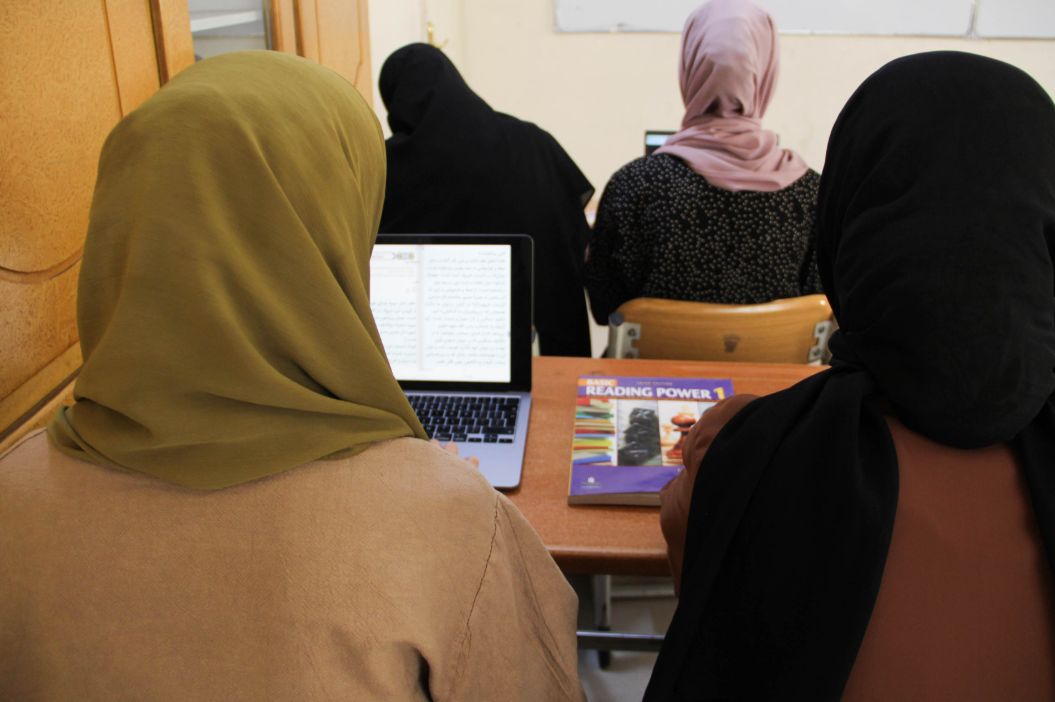
The digital transformation of education has brought opportunity, access, and innovation to students worldwide, but it has also come with a cost. As more students, particularly young women, turn to virtual learning, mental health challenges have become increasingly prevalent. From feelings of isolation to burnout, navigating college life through a screen isn’t easy.

Virtual college environments are uniquely demanding. The absence of in-person interaction can make students feel disconnected, while the pressure to manage schedules, workloads, and home responsibilities simultaneously can be overwhelming. For many women in college, especially those from underserved communities, these challenges are compounded by limited access to stable internet, safe study environments, and dedicated mental health resources.

But despite these obstacles, women across the globe continue to persevere. Women’s empowerment in 2024 is about more than just access; it’s about equity, opportunity, and well-being. From Sydney Sweeney’s recent callout of performative empowerment in Hollywood to women’s empowerment expos and workshops from Sacramento to Raleigh, NC, the conversation is evolving. It’s not enough to just enroll girls in school; we must support their success every step of the way, especially in virtual environments.

Sustainable Clean Water Solutions

Motivational quotes for women’s empowerment often talk about resilience and strength. But behind those words are real people who need supportive networks, access to mentorship, flexible resources, and mental health care to thrive in online education. Mental well-being must be a central pillar of any virtual learning program. This means prioritizing regular check-ins, offering virtual support groups, providing academic flexibility, and creating a culture where asking for help is seen as strength, not weakness.

Empowering Afghan Girls Through Virtual Learning: The L.E.A.R.N. Initiative

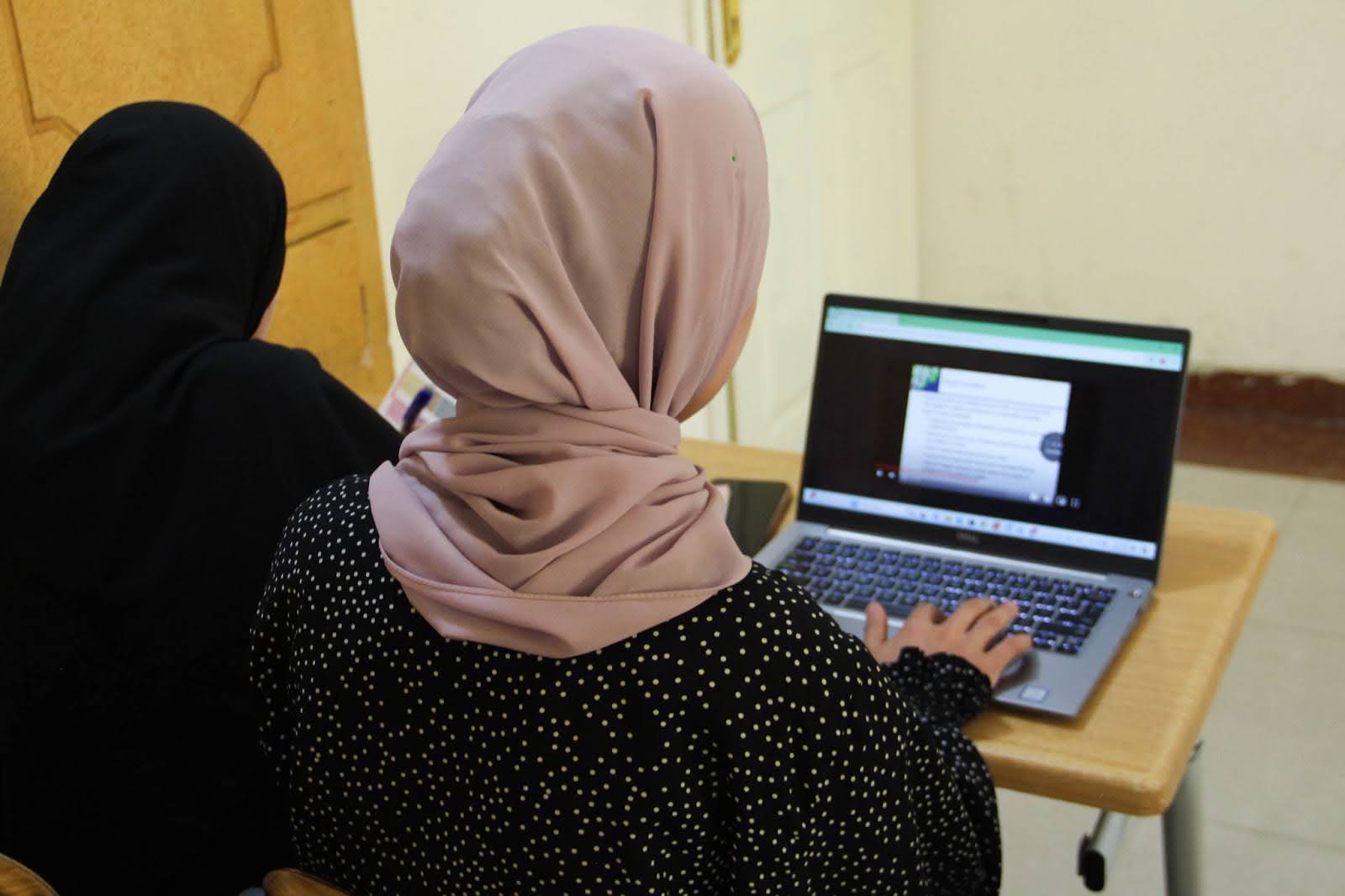
At Embrace Relief, we don’t just believe in education; we believe in education with support. That’s why we launched the L.E.A.R.N. (Learning and Education for Afghan girls’ Rights and Needs) Initiative to ensure high school and college-age Afghan girls have the opportunity to learn, grow, and succeed in the virtual classroom.

In a country where educational access for girls is under threat, L.E.A.R.N. is a lifeline. We provide more than just tuition. Each girl receives stable internet access, digital learning materials, and even mentorship programs to guide them on their academic journey. And because mental health and well-being are inseparable from academic success, our mentors help foster confidence, resilience, and community in every student.

Just $80 a month can cover tuition for a college student pursuing a Bachelor’s in English or Computer Applications. Through our university partnership, young women earn a bachelor’s degree in a field with real-world, virtual job market opportunities. Every day, they’re preparing for a future of economic independence and social impact.

Whether you’re looking for women’s empowerment events, inspiring initiatives to support, or new ways to uplift others, the L.E.A.R.N. program is the answer. Join us in breaking barriers, building futures, and supporting the next generation of Afghan women leaders.

For more information on the Embrace Relief L.E.A.R.N. program, click here.

Donate For Women’s Empowerment

$
Donate Now

How the Mobile Farmers’ Market is Tackling Food Insecurity in Vulnerable NJ Communities

Summary

  • 44+ million Americans, including 13+ million children, experience hunger every day.
  • Embrace USA’s Mobile Farmers Market travels to food deserts and low-income communities to distribute free fresh produce, social service resources, and other essential items at no cost.
  • The Mobile Farmers Market delivers more than food—it promotes dignity restoration, strengthens communities, and offers both immediate relief and long-term support to vulnerable populations.
  • This initiative is made possible with support from our partners: The American Red Cross, the Community Food Bank of New Jersey (CFBNJ), and local health agencies.

Although the United States produces enough food to feed all its citizens, food insecurity continues to plague vulnerable communities, leaving millions of individuals and families in need without access to nutritious food. According to Feeding America, over 44 million Americans, including 13 million children, live in households that struggle to put food on the table. In the face of inflation, rising grocery prices, and a growing number of food deserts, the challenge to access healthy meals has never been more dire.

That’s where Embrace Relief steps in—delivering hope and humanitarian aid to our neighbors through its Embrace USA program.

Embrace USA’s Mobile Farmers’ Market is an innovative, research-based program designed to break the cycle of hunger. This traveling market brings free, fresh produce, nonperishable foods, personal hygiene products, and vital social services information directly into under-resourced neighborhoods.

Simply put, the Mobile Market is a farmer’s-market-on-wheels designed to bring fresh, nutritious produce to marginalized families and individuals living in northern New Jersey. The Mobile Farmers Market is a renovated 20 x 7.5-foot bus equipped with shelves, lighting, air conditioning, heating, and two refrigerators/freezers installed to preserve freshness. This unique food distribution style allows us to directly distribute healthy fruits and vegetables to food deserts and underserved communities where people lack access to fresh produce and healthy food.

Check out this short video about the impact the Mobile Market has on our neighbors:

At every stop, community members receive:

  • Fresh fruits and vegetables
  • Canned goods, beans, pasta, soups, and more
  • Personal hygiene products like soap, toothbrushes, and sanitary supplies
  • Information on accessing SNAP, WIC, housing assistance, mental health programs, childcare services, and free health screenings

Finally, by working with partner agencies, local governments, and community partnerships, Embrace USA ensures that each distribution meets real, urgent needs. Partners such as the Community Food Bank of New Jersey, the American Red Cross, and local health departments ensure that those we serve receive information on available social resources, essential disaster safety, and emergency preparedness.

What sets this effort apart is that everything is completely free of charge. Each truckload of essential supplies is a symbol of solidarity—and a step toward sustainable solutions. This initiative doesn’t just alleviate hunger—it restores dignity, builds community resilience, and provides both immediate relief and long-term support.

Mobile Farmers Market

Donate For Mobile Farmers Market

$
Donate Now

Thank You to Our Partners

Blinded by Poverty: The Cataract Crisis in Sikasso

Summary

  • Cataracts are the leading cause of blindness in Sikasso, Mali, affecting over 7,800 people, many of whom are unable to access or afford surgery, leaving them in preventable darkness.
  • Contributing factors include aging, sun exposure, malnutrition, and lack of preventive care, which disproportionately affect rural and low-income communities in the region.
  • Embrace Relief’s Cataract Surgery Program partners with local medical teams to restore sight

Every day begins and ends with a miracle most of us rarely pause to appreciate: the sunrise and sunset. The warm smile of a loved one, these simple sights are part of what make life feel full. But for hundreds of people in Sikasso, Mali, those moments are fading memories.

In this vibrant region of southern Mali, cataracts are silently stealing vision from those who can’t afford to lose it. This preventable condition, one of the leading causes of blindness in the world, clouds the lens of the eye until it’s impossible to see. What begins as blurry vision becomes complete darkness.

The effects ripple through families and communities. Parents can no longer recognize their children’s faces. Elders are unable to move around their homes safely. People who once contributed fully to their families through work and support are suddenly isolated and dependent. It’s not just eyesight that’s lost. It’s freedom. It’s dignity. It’s the ability to live life on your own terms.

Cataracts in Sikasso are caused by a combination of factors, including aging, exposure to intense sunlight, poor nutrition, and limited access to preventive health care. For many in rural parts of the region, years of working under harsh sun without protection accelerate the development of cataracts. Malnutrition also plays a role, as a lack of essential vitamins, especially vitamin A, can contribute to the condition.

In communities across Sikasso, it’s estimated that more than 7,800 people are living in darkness due to untreated cataracts, according to recent research by Sightsavers. Cataracts account for nearly 58% of all blindness in the region. These aren’t just statistics. They’re neighbors, parents, grandparents, and children whose lives are paused in darkness, waiting for a solution they cannot afford.

Access to eye care in the region is extremely limited. Clinics are few and far between, and the cost of surgery is far beyond the reach of most residents. The effective cataract surgical coverage rate in Sikasso is only 32.5%, meaning that the majority of people with cataracts do not receive surgery; or if they do, it may not be successful. Traditional methods like couching are sometimes used but are far less effective and often lead to complications. Without proper support, many are left to endure permanent blindness from a condition that’s entirely treatable.

Bringing Light Back with Embrace Relief

Bringing Light Back with Embrace Relief

That’s why Embrace Relief is stepping in. Through our Cataract Surgery Program, we collaborate with trusted local medical partners in Mali to provide high-quality cataract surgeries to those in need. To date, we’ve performed over 40,500 cataract surgeries with generous donors just like you. A $120 donation — covering the cost of one cataract surgery as well as 15 health screenings — has the power to restore sight and transform lives, helping the people of Sikasso see the world again. You can even donate in someone’s honor or memory and receive a Cataract Surgery Certificate featuring the name of the person whose surgery you sponsored.

The impact of restoring vision is far-reaching. For children, it means avoiding developmental delays in motor, cognitive, and social skills. It means staying in school and thriving academically. For adults, restored vision leads to increased independence, improved mental health, and the ability to work again, breaking cycles of poverty and social isolation.

It’s a gift that literally changes someone’s world.

For more information on Embrace Relief’s Cataract Program, click here!
How You Can Help: The Gift of Sight

A simple cataract surgery, which costs only $100, can transform a life. With your support, our Embrace Relief’s health clinics can provide these surgeries to those in need, giving them the gift of sight and the opportunity for a better future. Here’s how your donation can make a difference:

  • $120 Donation: Funds one complete cataract surgery, restoring sight to an individual in need.
  • $240 Donation: Supports two surgeries, doubling the impact.
  • $600 Donation: Helps five people regain their vision, enhancing their quality of life and ability to contribute to their communities.

Your donation can make a significant difference in the lives of those suffering from cataracts in Mali and Burkina Faso. For just $120, you can fund a cataract surgery and give someone the precious gift of sight.

Help us light up lives and drive away the darkness caused by cataracts. Donate now and be a part of this life-changing mission.

$

Essential Supplies Every Family Needs After an Emergency

Photo Credit by Mathurin Napoly/Unsplash

Summary

  • Discover the must-have items every family should include in a disaster-ready emergency go-bag.
  • Get practical tips for staying safe, hydrated, and connected during unexpected crises.
  • Learn how you can support Embrace USA’s efforts to help families recover after disaster strikes.

When disaster strikes, families often have only moments to act. Whether it’s a natural disaster, a power outage, or an evacuation order, having a pre-packed emergency supply bag—often called a “go-bag”—can make a crucial difference in ensuring your family’s safety and comfort in the hours and days that follow. Preparing a small, easily portable bag for each family member can save precious time and reduce panic when faced with the unexpected.

The first priority in any emergency is access to clean water. Each go-bag should contain at least one liter of bottled water, and ideally a compact water purification method, such as purification tablets or a lightweight filter straw. This ensures your family has a way to stay hydrated if access to clean water is cut off.

Food is the next essential. Pack high-energy, non-perishable snacks that require no preparation—think protein bars, trail mix, dried fruits, or vacuum-sealed meals. Include enough food to last at least 24–72 hours, depending on the nature of the emergency and how long help might take to arrive.

A basic first-aid kit is also essential. It should include adhesive bandages, antiseptic wipes, pain relievers, tweezers, medical tape, and any necessary prescription medications your family depends on. If you have children or elderly family members, be sure their specific medical needs are also covered.

In addition to physical needs, don’t underestimate the importance of communication and documentation. Each bag should have a list of emergency contacts, copies of important documents (IDs, insurance information, prescriptions), and a small amount of cash in small bills. A backup power source—like a solar or crank-powered phone charger—can help keep mobile phones usable if the power grid is down.

To stay informed, include a hand-crank or battery-powered radio with extra batteries. This can be a lifeline for receiving news and updates when cell service is spotty or unavailable.

Basic hygiene items are another must. Toothbrush, toothpaste, hand sanitizer, feminine hygiene products, and moist towelettes can make a world of difference in maintaining comfort and dignity during a crisis.

Also consider packing a flashlight or headlamp for each family member. Emergencies often come with power outages, and reliable light can prevent injuries and help maintain calm in dark or unfamiliar surroundings.

Every go-bag should include a multi-tool or utility knife, duct tape, and a whistle. These versatile items can help in numerous emergency scenarios—from building shelter to signaling for help.

For clothing, pack a change of weather-appropriate attire, including underwear and socks. A lightweight rain poncho and a space blanket (or emergency thermal blanket) are helpful additions that take up little space but offer warmth and protection.

Finally, include comfort items, especially for children. A small toy, coloring book, or familiar blanket can offer immense emotional reassurance in a stressful situation.

Store your go-bags in an easily accessible place in your home, such as near the front door or in a coat closet. Revisit and refresh their contents every six months, checking expiration dates and adjusting for seasonal changes or new family needs.

Emergencies can be unpredictable, but your preparation doesn’t have to be. With a well-packed emergency bag, your family will be better equipped to face whatever challenges arise with resilience and peace of mind.

When Disaster Strikes, Embrace USA Can Help

Preparing for a natural disaster is one of the most important steps you can take to keep your family safe. But when disaster strikes, even the most prepared families may still need support.

That’s why Embrace USA’s Disaster Relief programs are so vital. Whether it’s hurricanes in North Carolina or Florida, tornadoes in Mississippi, or wildfires in California, we’re committed to stepping in and providing immediate relief to communities in crisis.

When you donate to Embrace USA, you’re helping us deliver critical supplies — including food, water, clothing, blankets, first aid kits, and more — directly to those affected. We also work closely with trusted local and national partners like the American Red Cross to extend our reach and impact.

Donate today and help Embrace USA stay ready to respond to disasters across the country. With your support, we can continue protecting and supporting families when they need it most.

Donate For Embrace USA

$
Donate Now