



Recent

AI Tutors: Revolutionizing Education or Raising Concerns?

Summary

  • Explore how AI tutors are revolutionizing personalized learning and accessibility.
  • Learn about the concerns surrounding AI-driven education, including accuracy and human interaction.
  • See how the L.E.A.R.N. program empowers Afghan girls through online education.

Imagine having a tutor available 24/7, ready to provide instant feedback, personalized lessons, and adaptive learning experiences. AI tutors are doing just that, offering students a cost-effective way to enhance their education. These intelligent learning systems can analyze a student’s strengths and weaknesses, adjusting lesson plans in real time to optimize their learning. Whether it’s chatbots helping with homework or AI-powered platforms guiding students through complex subjects, artificial intelligence is becoming a powerful tool in education.

The appeal of AI tutors is clear—accessibility and affordability. Many students, especially in underserved communities, struggle to afford private tutoring. AI platforms offer a scalable solution, allowing students worldwide to access personalized education at a fraction of the cost. In fact, a 2023 study from the EdTech Research Group found that students using AI-assisted tutoring improved their test scores by an average of 20%, showcasing the potential of this technology in boosting academic success.

Beyond accessibility, AI-powered tutors can help students stay engaged by providing interactive and adaptive learning experiences. With features like gamified lessons, real-time performance tracking, and speech recognition for language learning, AI is redefining the way students absorb information. But despite these benefits, AI tutoring comes with significant challenges that cannot be ignored.

While AI tutors offer impressive benefits, they also raise important concerns. Accuracy remains a critical issue. AI-generated responses are not always correct, and without human oversight, students may develop misunderstandings. Moreover, AI lacks emotional intelligence, an essential element in education. Teachers don’t just provide knowledge; they inspire, mentor, and create dynamic learning environments that encourage curiosity and collaboration. AI, no matter how advanced, cannot replace the human connection that fosters deep learning.

Another concern is over-reliance on AI. While these platforms can enhance learning, students may become too dependent on automated assistance, potentially weakening their critical thinking and problem-solving skills. Ethical considerations also come into play, particularly regarding data privacy. AI-driven education platforms collect vast amounts of student data, raising questions about security and the potential misuse of personal information.

Experts suggest that AI should complement, rather than replace, traditional teaching methods. A hybrid approach, where AI supports educators rather than substitutes them, may be the most effective way to maximize its benefits while mitigating its drawbacks.
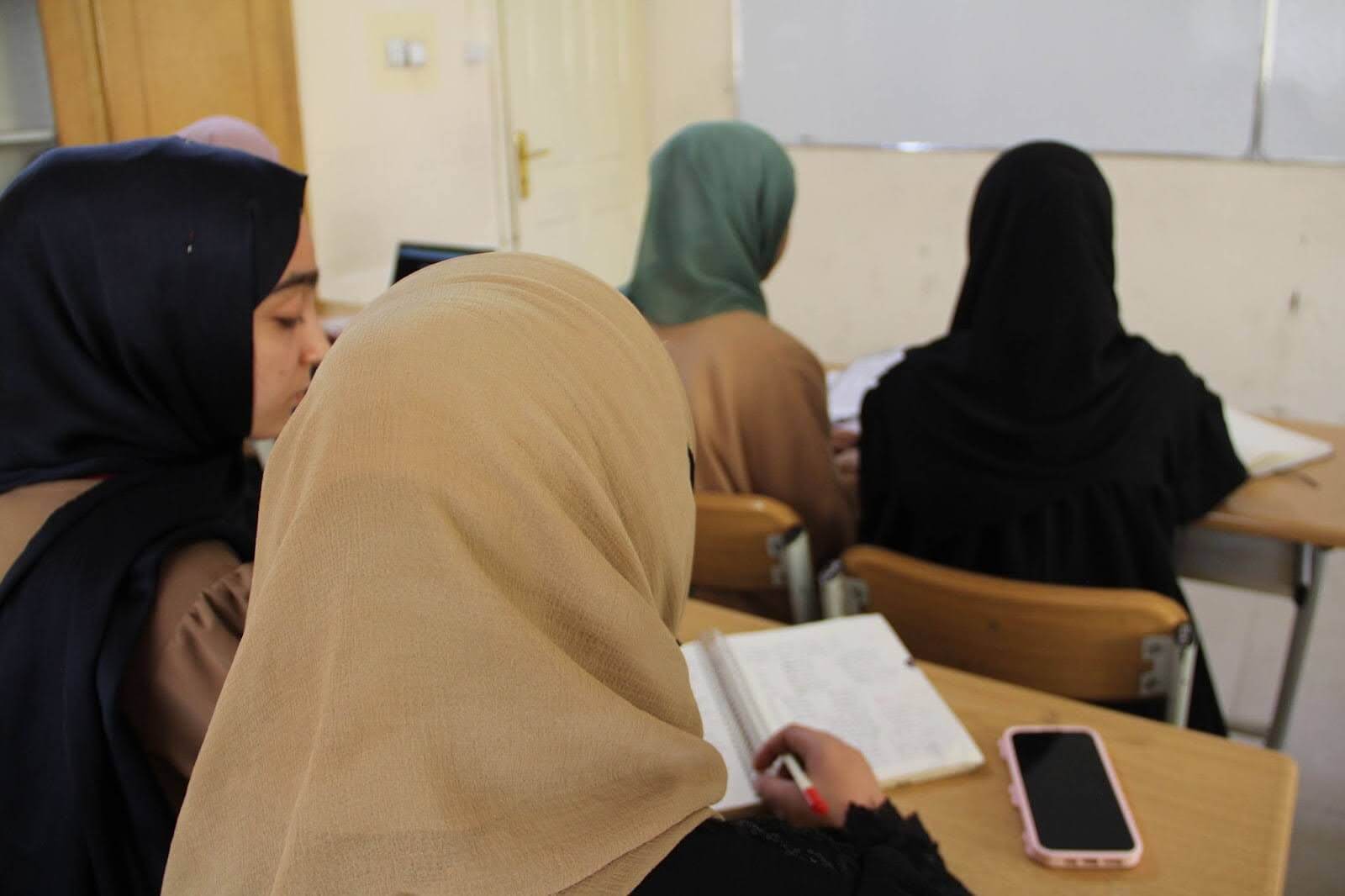
Online Learning in Action: The L.E.A.R.N. Program

Online Learning in Action: The L.E.A.R.N. Program

While AI tutors showcase the potential of technology in education, Embrace Relief’s L.E.A.R.N. (Learning and Education for Afghan girls’ Rights and Needs) program demonstrates how online learning can create real opportunities for students in need. L.E.A.R.N. provides Afghan girls with access to high school and college-level courses, allowing them to gain critical skills in a rapidly evolving digital landscape.

Through the program, students study fields like Computer Applications, preparing them for remote work in the tech industry. With 90% of IT jobs expected to allow remote work by 2025, according to Global Workplace Analytics, this training is opening doors to financial independence and career stability.

For just $80 a month, you can sponsor a girl’s education, covering tuition, mentorship, and a secure online learning environment. Your support doesn’t just fund an education—it empowers young women to break barriers, build futures, and contribute to their communities.

Programs like L.E.A.R.N. prove that technology, when used correctly, can be a force for good in education. Whether through AI-driven tutoring or online education initiatives, digital learning has the power to transform lives.

For more information on the Embrace Relief L.E.A.R.N. program, click here.
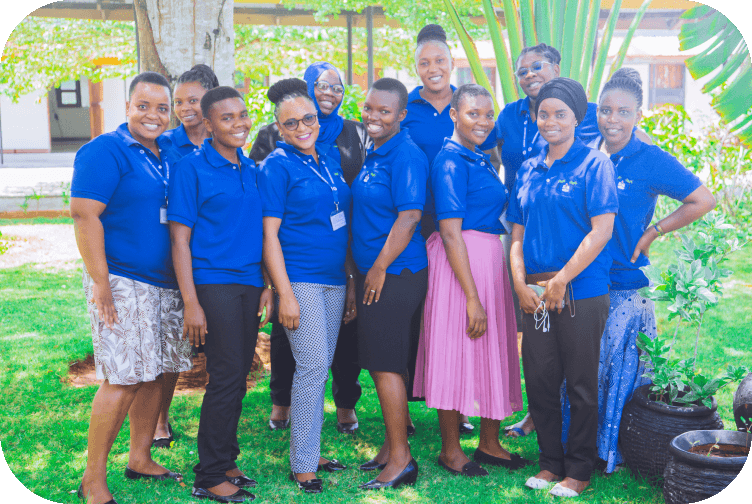

Donate For Women’s Empowerment

$
Donate Now

Understanding the Surge in Naturalization Rates: What It Means for Aspiring Citizens

Summary

  • USCIS reports a 12% rise in naturalization applications, reflecting shifting immigration patterns and policy changes.
  • Increased demand means longer processing times and the need for thorough preparation.
  • Programs like Embrace Relief’s Pathway to Citizenship offer essential guidance to help applicants succeed.

Over the past year, the United States Citizenship and Immigration Services (USCIS) has reported a significant rise in naturalization applications, with a 12% increase compared to pre-pandemic levels. This surge signals a growing interest among lawful permanent residents (LPRs) in securing U.S. citizenship, but it also presents new challenges for aspiring citizens. With processing times stretching and demand rising, understanding the reasons behind this trend is crucial for those planning their own naturalization journey.

Several factors are driving this increase in applications. First, pandemic-related delays created a backlog, and many green card holders who postponed their applications are now moving forward. Second, recent shifts in immigration policy, including streamlined processing efforts and expanded eligibility under certain programs, have encouraged more applicants to take action. Additionally, upcoming elections and concerns about potential policy changes have motivated many permanent residents to secure their citizenship now, ensuring they have a voice in shaping the country’s future.

The economic landscape is another major contributor to this rise in applications. Becoming a U.S. citizen opens doors to better job opportunities, access to federal benefits, and greater economic security. With the labor market evolving and many industries facing worker shortages, LPRs see naturalization as a path to stability and career advancement.

However, this increase in demand has also resulted in longer wait times and additional hurdles. Naturalization processing times vary by region, but many applicants now face months-long delays. Additionally, the interview and test remain key challenges for non-native English speakers, making preparation more important than ever.

Preparing for the Naturalization Process with Embrace Relief

Preparing for the Naturalization Process with Embrace Relief

With the naturalization process becoming more competitive and time-sensitive, proper preparation is essential. That’s where Embrace Relief’s Pathway to Citizenship program comes in. Designed to help green card holders navigate the process with confidence, this eight-week program provides English language training, U.S. civics education, and USCIS test preparation.

Our virtual classes ensure accessibility for all learners, offering interactive lessons and practice exams to help applicants master interview questions and civics topics. By building language skills and reinforcing key knowledge areas, the Pathway to Citizenship program equips aspiring citizens with the tools they need to succeed in their naturalization journey.

Now is the time to take the next step toward U.S. citizenship. Whether you’re just beginning the process or need extra guidance, Embrace Relief is here to support you every step of the way!

For more information on Embrace Relief’s Pathway to Citizenship program, click here!

Donate For Ramadan 2025

Embrace Relief aims to provide 100,000 people with nutritious food during our International Hunger Relief: Ramadan 2025 campaign.

$

Mastering the U.S. Citizenship Interview: Tips, Common Questions, and How to Prepare

Summary

  • Understand the structure of the USCIS naturalization interview and what to expect.
  • Learn the most commonly asked questions and how to answer them confidently.
  • Get expert preparation tips and discover how Embrace Relief’s Pathway to Citizenship Program can help you succeed.

Becoming a U.S. citizen is an exciting and life-changing milestone, but the naturalization interview can feel overwhelming for many applicants. As the final step in the citizenship process, this interview assesses both English proficiency and knowledge of U.S. civics. While it may seem intimidating, the good news is that with proper preparation and the right resources, you can approach the interview with confidence and increase your chances of success.

What to Expect in the USCIS Naturalization Interview

The naturalization interview typically consists of several key components. First, the USCIS officer will verify your identity and have you take an oath to provide truthful answers. Then, they will review your N-400 application, asking questions about your personal background, residency, and travel history to confirm the information you previously provided. This part of the interview is also an opportunity for the officer to evaluate your ability to understand and respond in English.

In addition to reviewing your application, the officer will administer an English language proficiency test and a civics test. The English test includes speaking, reading, and writing exercises, ensuring you can effectively communicate in the language. For the civics portion, you will be asked up to ten questions about U.S. history and government, drawn from a set list of 100 possible questions. To pass, you must correctly answer at least six. Once all parts of the interview are complete, the USCIS officer will inform you of the next steps, which could include approval, a request for additional documentation, or a follow-up interview.

Common Questions in the Citizenship Interview

Although interview questions vary, applicants should be prepared to answer a range of inquiries about their personal history, legal background, and moral character. Questions often include details such as your full legal name, past international travel, and tax filing history. For the English test, you may be asked to read or write a simple sentence aloud. The civics portion includes questions like “What are the first ten amendments to the Constitution called?” or “Who was the first President of the United States?” Reviewing these topics in advance can help ensure you’re ready to answer confidently.

How to Prepare for the Citizenship Interview

Thorough preparation is the key to passing the naturalization interview. One of the most effective ways to get ready is by studying the USCIS list of 100 possible civics questions and practicing your responses out loud. Strengthening your English skills is equally important, as the ability to clearly communicate in spoken and written English is a requirement. Reviewing your N-400 application in detail will help you provide consistent answers during the interview, while taking practice tests can simulate the real experience and reduce anxiety. Above all, staying calm, focused, and confident on the day of your interview will help you present yourself in the best possible light.

Embrace Relief’s Pathway to Citizenship Program: Your Key to Success

Embrace Relief’s Pathway to Citizenship Program: Your Key to Success

Preparing for the USCIS naturalization interview can be challenging, but you don’t have to do it alone. Embrace Relief’s Pathway to Citizenship Program is designed to help green card holders develop the language skills, civics knowledge, and confidence needed to pass the interview and become U.S. citizens.

This eight-week program offers live, interactive online classes focused on strengthening English proficiency and understanding U.S. history and government. Participants receive personalized instruction, access to practice interviews, and additional resources to help them feel fully prepared for their big day. With flexible virtual learning, students can join from anywhere, making it easier than ever to fit the program into their busy schedules.

To secure a spot in the program, applicants must submit a $50 refundable registration fee, which will be returned upon successful completion of the course. Space is limited, so early registration is encouraged.

Mastering the USCIS naturalization interview is an important step toward achieving the American Dream. With the right preparation and support, you can confidently take this step toward citizenship. Embrace Relief is here to guide you every step of the way.

For more information on Embrace Relief’s Pathway to Citizenship program, click here!

Donate For Ramadan 2025

Embrace Relief aims to provide 100,000 people with nutritious food during our International Hunger Relief: Ramadan 2025 campaign.

$

Texas Faces Escalating Drought: Challenges and Innovative Responses

Summary

  • Examine the current drought situation in Texas and its impact on water resources.
  • Discover the proactive measures Texas is taking to manage and conserve water.
  • Learn how Embrace Relief is providing clean water solutions to communities worldwide facing similar challenges.

As of February 2025, Texas is grappling with severe drought conditions affecting over 42% of the state. Governor Greg Abbott has renewed the drought disaster proclamation, emphasizing the urgency of the situation.

The drought has led to alarmingly low water levels in key reservoirs, including Canyon Lake and Medina Lake. This decline poses significant challenges for both municipal water supplies and recreational activities. The Hill Country and Central Texas regions, renowned for their rivers and swimming spots, are experiencing some of the lowest water levels in decades. The Comal, Guadalupe, and San Marcos rivers have recorded drastically reduced flows, with some areas approaching historic lows.

In response to the escalating crisis, Texas is implementing innovative water management strategies to combat water scarcity.

Aquifer Storage and Recovery (ASR) Systems

Central Texas utilities are increasingly adopting Aquifer Storage and Recovery (ASR) systems. This method involves injecting water into underground aquifers during periods of abundance and retrieving it during droughts. ASR offers a sustainable solution by reducing evaporation losses and providing a reliable water source during dry spells. Cities like San Antonio, Kerrville, and El Paso have pioneered ASR systems, storing significant amounts of water in formations like the Carrizo-Wilcox Aquifer.

Eco-Friendly Water Conservation Measures

Addressing aging and leaking water infrastructure is another critical focus. Texas has lost over 88 billion gallons of water due to such issues. Identifying and repairing leaks could save enough water to meet the annual needs of cities like Austin, Fort Worth, El Paso, Laredo, and Lubbock combined. Governor Abbott has emphasized the necessity of repairing pipes to conserve billions of gallons annually.

One Water Approach

The “One Water” approach is gaining traction in Texas. This holistic water management strategy promotes the sustainable and integrated use of all water sources—surface water, groundwater, stormwater, and wastewater. By encouraging collaboration and innovative thinking, the One Water approach aims to create resilient and sustainable water systems for communities across the state.

Community Engagement and Future Outlook

Community Engagement and Future Outlook

Community involvement and proactive planning are essential in addressing the drought crisis. Residents are encouraged to participate in water conservation efforts and support infrastructure improvements. With warmer temperatures projected in the coming months, the persistence of drought conditions remains a concern. Collaborative efforts between government entities, local communities, and organizations are crucial in developing sustainable solutions to ensure a secure water future for Texas.

Embrace Relief’s Global Clean Water Initiatives

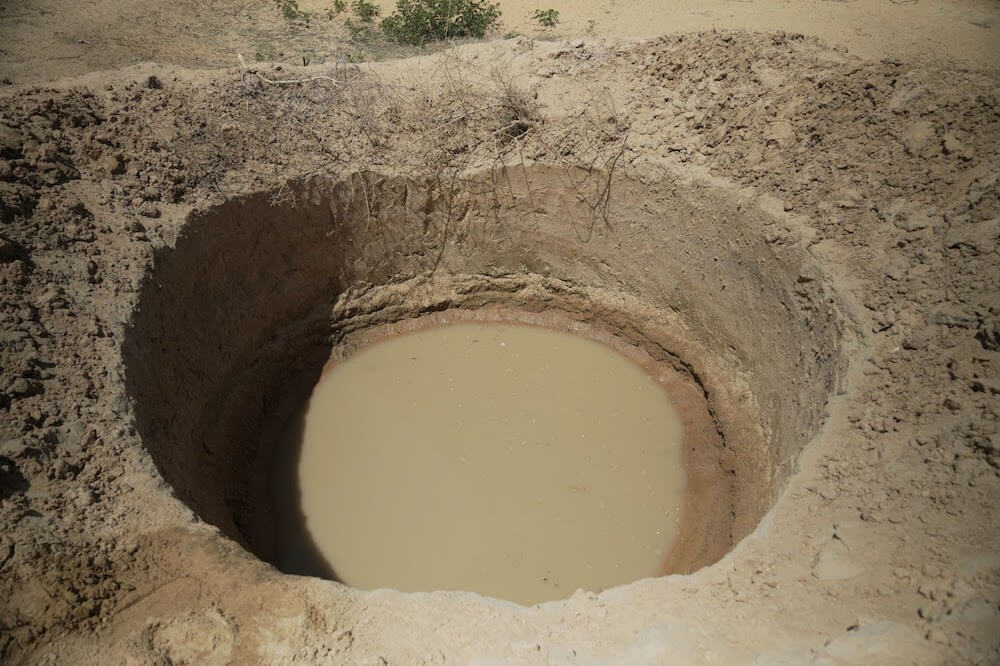
While Texas employs advanced technologies and policies to combat water scarcity, many communities worldwide lack the resources to implement such measures. In regions across Africa and Asia, millions face daily challenges in accessing clean and safe drinking water.

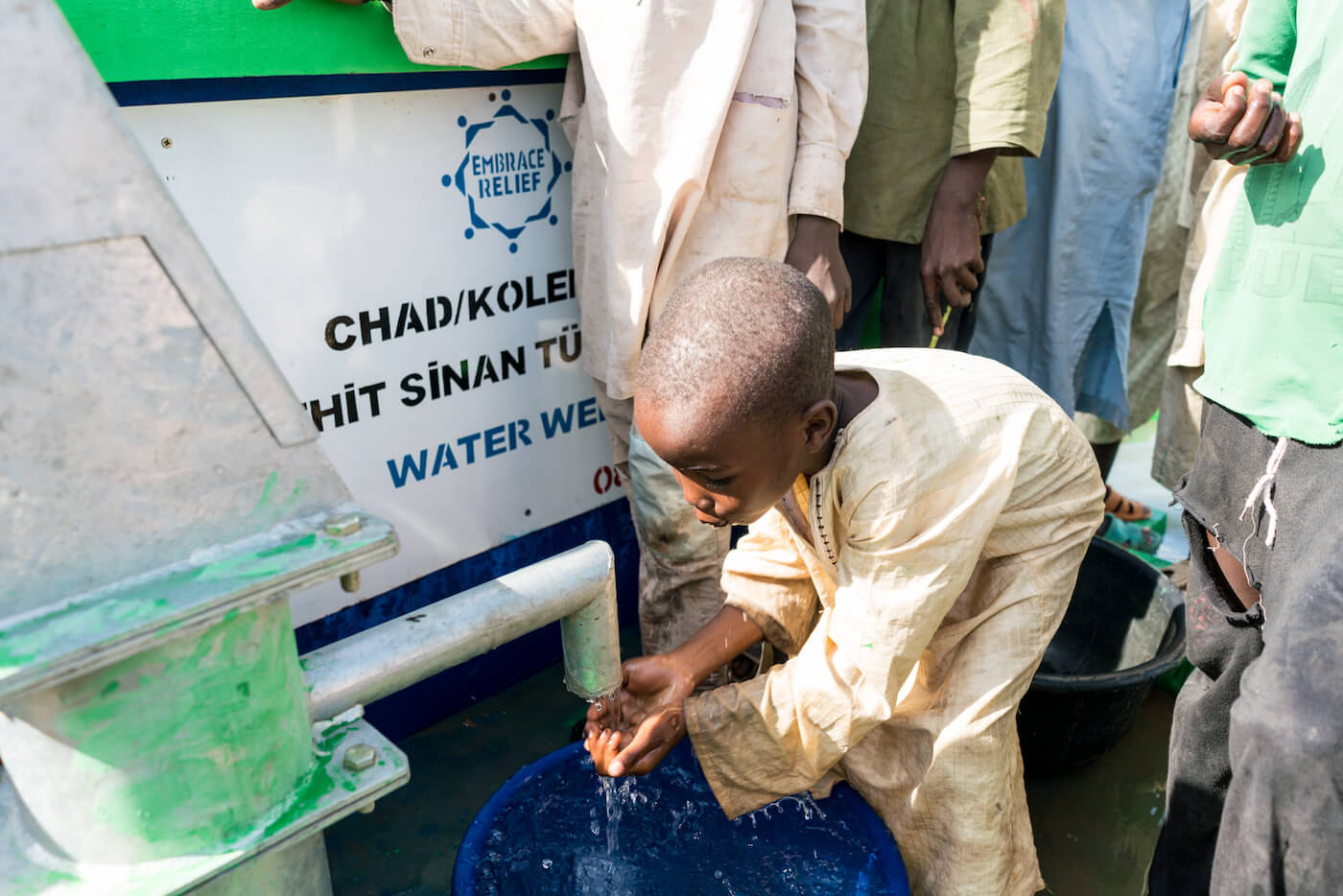
Embrace Relief is dedicated to bridging this gap by constructing sustainable water wells in underserved communities. To date, Embrace Relief has built over 1,000 water wells, providing more than 1,000,000 people with access to clean water.

How You Can Help:

  • Build a New Water Well: A donation of $3,500 covers the full construction and maintenance cost of a new water well, transforming an entire community’s access to clean water.
  • Repair an Existing Well: With a $1,500 donation, you can fully reconstruct a well, providing a fresh start and the promise of a brighter future for a community.
  • Monthly Support: For just $22 a month, you can provide 1,000 people with access to fresh drinking water, ensuring ongoing support for communities in need.

Your generosity can make a profound impact, bringing health, hope, and opportunity to those who need it most. Join Embrace Relief in our mission to combat global water scarcity and transform lives through the gift of clean water.

For more information on Embrace Relief’s Clean Water Initiative, click here!

10 Surprising Signs You’re Not Drinking Enough Water

Summary

  • Learn 10 unexpected symptoms of dehydration and how they affect your body.
  • Discover the importance of staying hydrated for overall health and well-being.
  • Support Embrace Relief’s mission to bring clean water to communities worldwide through monthly donations.

We all know that drinking enough water is essential for staying healthy, but did you know that dehydration can sneak up on you without any warning? It’s not just about feeling thirsty—dehydration can cause a host of unexpected symptoms that can impact your daily life. From fatigue to joint pain, your body may be sending you signals that it needs more water. Here are 10 surprising signs you might not be drinking enough water:

1. Bad Breath

When you’re dehydrated, your body produces less saliva, which has natural antibacterial properties. This can lead to an overgrowth of bacteria in your mouth, causing bad breath. If you find yourself constantly reaching for mints or gum, consider increasing your water intake instead.

2. Muscle Cramps

Ever experienced muscle cramps during exercise or at night? Dehydration could be the culprit. When you don’t drink enough water, your body’s electrolyte balance is thrown off, leading to painful muscle spasms and cramps. Staying hydrated helps maintain the necessary balance of sodium, potassium, and calcium, preventing those uncomfortable muscle contractions.

3. Headaches and Migraines

Your brain is about 75% water, so even mild dehydration can cause headaches or migraines. When you’re dehydrated, your brain temporarily shrinks from fluid loss, causing it to pull away from the skull, triggering pain. If you suffer from frequent headaches, try drinking more water before reaching for painkillers.

4. Sugar Cravings

Are you craving sweets more than usual? It could be a sign of dehydration. When you’re low on fluids, your body has a harder time releasing glycogen (stored glucose) into the bloodstream, leading to cravings for sugary snacks. Drinking water can help your body access those energy reserves and curb cravings.

5. Dry Skin and Chapped Lips

Your skin is the largest organ in your body, and it needs water to stay hydrated and supple. If you’re constantly applying moisturizer or lip balm, it might be because you’re dehydrated. Drinking enough water keeps your skin hydrated from the inside out, giving you a healthy, glowing complexion.

6. Digestive Issues

Water plays a crucial role in digestion, helping to break down food and move it through your digestive system. Dehydration can lead to bloating, constipation, and other uncomfortable digestive issues. Drinking enough water keeps things moving smoothly and supports nutrient absorption.

7. Fatigue and Low Energy

Feeling tired and sluggish? Dehydration slows down blood circulation, which means less oxygen and nutrients are delivered to your muscles and organs. This can lead to fatigue and decreased energy levels. If you find yourself reaching for caffeine or energy drinks, try hydrating with water first.

8. Difficulty Concentrating

Dehydration affects cognitive functions, including memory, focus, and alertness. Studies show that even mild dehydration can impair your ability to concentrate and make decisions. Staying hydrated keeps your brain functioning at its best, improving productivity and mental clarity.

9. Joint Pain and Stiffness

Water acts as a lubricant for your joints, helping to cushion them and prevent friction. When you’re dehydrated, this lubrication decreases, leading to joint pain and stiffness. Drinking enough water supports joint health and flexibility, especially if you have an active lifestyle.

10. Dark Urine

One of the most obvious signs of dehydration is dark yellow or amber-colored urine. Healthy hydration levels produce pale yellow urine. If you notice your urine is consistently dark, it’s a clear signal to increase your water intake.

Staying hydrated isn’t just about quenching your thirst—it’s about maintaining your overall health and well-being. Water supports vital bodily functions, including regulating body temperature, flushing out toxins, and transporting nutrients. Yet, despite its importance, studies show that nearly 75% of Americans are chronically dehydrated.

The good news is that preventing dehydration is simple: drink water consistently throughout the day. Carry a reusable water bottle, set reminders on your phone, and include hydrating foods like fruits and vegetables in your diet. By staying mindful of your water intake, you can avoid these surprising dehydration symptoms and improve your health, energy levels, and quality of life.

Embrace Relief’s Clean Water Initiative: Bringing Hope and Health to Communities in Need

Embrace Relief’s Clean Water Initiative: Bringing Hope and Health to Communities in Need

While staying hydrated is crucial for your health, millions of people worldwide face a different reality and don’t have access to clean drinking water. At Embrace Relief, we are dedicated to changing that. Our Clean Water Initiative builds sustainable water wells in communities where safe water is scarce, transforming lives and empowering future generations.

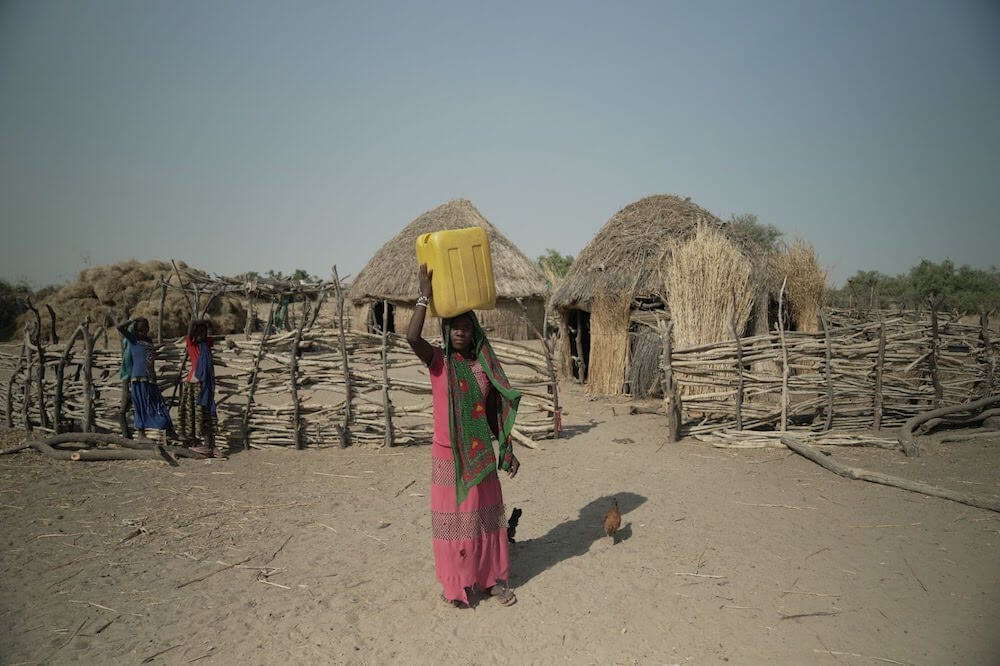
In places like Chad, Cameroon, Nigeria, Tanzania, Kenya, and Pakistan, residents must walk miles to access clean water, often from unsafe sources that put them at risk for waterborne diseases. But with your support, we’ve been able to build water wells that provide safe drinking water to over 1,000 people per well every day. These wells bring hope, health, and opportunity to communities that need it the most.

For just $22 a month, you can provide 1,000 people with access to fresh drinking water every single month. Your monthly donation helps us build and maintain water wells, ensuring that communities continue to have access to this life-saving resource. And with our guaranteed five-year warranty, you can trust that your support will make a lasting impact.

Your generosity doesn’t just bring water- it brings life. It enables children to go to school instead of walking long distances for water. It empowers women to pursue education and employment. It allows families to grow food, build better futures, and live healthier lives.

Join Embrace Relief’s Clean Water Initiative today and help us change lives, one drop at a time. Together, we can create a world where everyone has access to the life-changing power of clean water.

For more information on Embrace Relief’s Clean Water Initiative, click here!

How Immigration Policies Shape America’s Job Market

Summary

  • Explore how immigration policies influence labor markets, including job opportunities and wage dynamics.
  • Understand the challenges immigrants face and the economic benefits they bring.
  • Learn how Embrace Relief’s Pathway to Citizenship Program empowers immigrants to thrive in the U.S. economy.

Immigration policies significantly influence the U.S. labor market, affecting job availability, wage levels, and economic growth. These policies determine who can work in the U.S., how long they can stay, and the industries they can enter, impacting both employers and employees nationwide.

Supply and Demand in the Workforce:

Immigration policies directly impact the supply and demand of labor. For example, restrictive policies can lead to labor shortages in key industries such as agriculture, construction, and healthcare, where immigrants make up a significant portion of the workforce. Conversely, more flexible immigration policies can help fill labor gaps, promote innovation, and boost productivity by bringing diverse skills into the economy.

Wages and Job Opportunities:

The effect of immigration on wages and job opportunities is complex and varies by industry and region. In some sectors, immigrants complement the native workforce by filling roles that are difficult to staff, helping businesses grow and creating more job opportunities. However, in industries with high competition for low-skilled jobs, an influx of immigrant workers can lead to wage suppression. Balancing these dynamics requires well-crafted policies that protect workers’ rights while supporting economic growth.

Economic Growth and Innovation:

Immigrants contribute to economic growth not just as workers but also as consumers and entrepreneurs. Studies show that immigrant-owned businesses create jobs and stimulate local economies. Moreover, high-skilled immigrants, particularly in technology and STEM fields, play a crucial role in driving innovation and maintaining the U.S.’s competitive edge globally. Therefore, immigration policies that attract and retain talent are essential for sustained economic growth.

Challenges for Immigrants in the Labor Market:

Navigating the U.S. labor market is often challenging for immigrants due to language barriers, lack of recognition of foreign credentials, and complex legal requirements. These obstacles can limit their employment opportunities and earning potential, impacting their economic integration and upward mobility.

Embrace Relief's Pathway to Citizenship Program: Building Economic Empowerment

Embrace Relief’s Pathway to Citizenship Program: Building Economic Empowerment

Embrace Relief’s Pathway to Citizenship Program is designed to empower immigrants to succeed in the U.S. economy by supporting them through the naturalization process. The program provides comprehensive resources, including:

  • English Language Classes: Tailored for all proficiency levels, these classes enhance communication skills crucial for the naturalization interview and effective workplace integration.
  • Civics Education: Participants gain a thorough understanding of U.S. history, government structure, and citizens’ rights and responsibilities, fostering informed and engaged community members.
  • Flexible Virtual Classes: Live, interactive sessions held twice a week provide convenience, with additional resources like practice tests and recorded sessions for flexible review.

By helping green card holders become U.S. citizens, the Pathway to Citizenship Program opens doors to better job opportunities, higher wages, and greater economic stability. U.S. citizenship provides access to a wider range of jobs, legal protections, and public benefits, enabling immigrants to fully participate in and contribute to the economy.

With just a small monthly donation, you can support Embrace Relief’s mission to empower immigrants, strengthen communities, and promote economic prosperity. Your contribution helps provide essential educational resources, fostering a more inclusive and thriving society.

For more information on Embrace Relief’s Pathway to Citizenship program, click here!

Donate For Ramadan 2025

Embrace Relief aims to provide 100,000 people with nutritious food during our International Hunger Relief: Ramadan 2025 campaign.

$

Clean Water and Fasting: The Importance of Hydration During Ramadan

Why Hydration Matters During Ramadan

Fasting during Ramadan is a deeply spiritual practice, requiring abstinence from food and drink from dawn until sunset. While the focus is often on food, staying hydrated is equally crucial for maintaining health and energy levels throughout the day. Proper hydration supports digestion, keeps you alert, and prevents fatigue, making it a vital component of a successful fast.

At Embrace Relief, we understand the importance of clean water not only for hydration during Ramadan but also as a critical resource for millions of people worldwide. Through our clean water initiatives, we strive to ensure that every person has access to safe drinking water, especially during this sacred month.

Tips for Staying Hydrated While Fasting

1. Hydrate Strategically Between Iftar and Suhoor

Maximizing your water intake during the hours you can eat and drink is essential. Aim to drink 8-10 cups of water in small, consistent amounts between iftar (breaking the fast) and suhoor (pre-dawn meal).

2. Choose Hydrating Foods

  • Fruits and Vegetables: Watermelon, cucumber, and oranges are excellent choices for their high water content.
  • Soups and Broths: Including soups in your iftar menu is a flavorful way to replenish fluids.
  • Yogurt: This versatile food provides hydration, protein, and probiotics to support digestion.

3. Avoid Dehydrating Beverages

Limit caffeinated drinks like coffee, tea, and soda, as they can dehydrate your body. Instead, opt for herbal teas or infused water with mint and lemon for added flavor.

4. Monitor Signs of Dehydration

During fasting, pay attention to signs like dry mouth, dizziness, or fatigue, which may indicate dehydration. Proper hydration before fasting begins can help you avoid these symptoms.

The Global Water Crisis: A Ramadan Perspective

While many of us have the luxury of clean, drinkable water, millions of people worldwide face daily challenges accessing this basic necessity. During Ramadan, the lack of clean water becomes even more pronounced, as families struggle to stay hydrated while fasting.

The Impact of Water Scarcity

In regions with limited water access, families often rely on unsafe sources, leading to waterborne diseases and long-term health issues. Women and children often bear the burden of fetching water, walking miles each day and losing valuable time for education or work.

Embrace Relief’s Clean Water Initiatives

To address these challenges, Embrace Relief builds water wells in communities where access to clean water is limited or non-existent. These wells provide a sustainable solution, delivering safe drinking water to hundreds of families and improving health, education, and economic opportunities.

How Clean Water Empowers Communities During Ramadan

Access to clean water transforms lives in countless ways, particularly during Ramadan:

  • Supporting Fasting Families: Families can focus on their spiritual practices without worrying about water scarcity.
  • Enhancing Nutrition: Clean water enables better food preparation, supporting healthier meals for suhoor and iftar.
  • Improving Health: Safe drinking water reduces the prevalence of illnesses, helping individuals observe fasting more comfortably.

How You Can Help This Ramadan

This Ramadan, you can make a meaningful difference by supporting Embrace Relief’s clean water projects. Here’s how:

  • Donate to Build a Water Well: Your contribution can fund the construction of a well, bringing safe drinking water to an entire community.
  • Spread Awareness: Share the importance of clean water access with your friends and family, encouraging them to contribute.
  • Make It a Sadaqah Jariyah: Building a water well is a continuous charity (Sadaqah Jariyah), offering ongoing rewards for you and lasting benefits for the recipients.

Clean Water for a Healthier Ramadan

Water is essential for life, and during Ramadan, it becomes even more significant as families strive to stay healthy while fasting. At Embrace Relief, we are committed to providing this vital resource to those who need it most, ensuring that every sip contributes to a better future.

This Ramadan, let’s honor the sacred act of fasting by sharing the gift of clean water. Together, we can create lasting change and bring hope to communities worldwide.

The Meaning of Zakat: Transforming Lives This Ramadan

What Is Zakat?

Zakat is one of the Five Pillars of Islam, a fundamental act of worship and a powerful expression of compassion. It involves giving a portion of one’s wealth to those in need, purifying one’s earnings, and ensuring that resources are distributed to support the less fortunate.

During Ramadan, the importance of Zakat becomes even more pronounced. Muslims are encouraged to reflect on their blessings and contribute to causes that uplift vulnerable communities. This sacred practice is not just an act of charity but also a means of fostering equality, solidarity, and hope.

At Embrace Relief, we witness the transformative power of Zakat every day. From providing food to families to building water wells in underserved regions, your contributions have a profound impact on the lives of those in need.

How Zakat Supports Communities in Need

Addressing Hunger Through Zakat

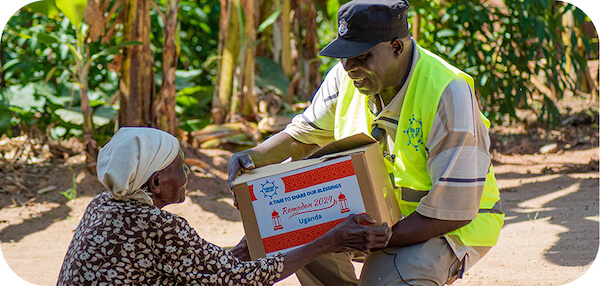
Hunger remains a pressing issue for millions of people worldwide. Through Zakat contributions, Embrace Relief distributes food packages to families struggling to make ends meet. These packages include essentials like rice, lentils, flour, and oil, ensuring that families have enough to sustain themselves during Ramadan and beyond.

Providing Clean Water

Clean water is a basic necessity that many communities lack. Your Zakat can fund the construction of water wells, bringing safe drinking water to areas where access is limited. Each well serves hundreds of people, improving health, hygiene, and overall quality of life.

Supporting Orphan Care

Orphaned children often face extreme challenges, from lack of education to inadequate nutrition. Zakat donations help Embrace Relief provide shelter, education, and health care to orphaned children, giving them a chance for a brighter future.

The Spiritual Rewards of Giving Zakat in Ramadan

Giving Zakat during Ramadan holds special spiritual significance. It is believed that good deeds performed during this holy month are multiplied in reward. By fulfilling your obligation of Zakat, you not only purify your wealth but also strengthen your connection to Allah and contribute to a better world.

The Prophet Muhammad (PBUH) said:
“The believer’s shade on the Day of Resurrection will be his charity.” (Tirmidhi)

This reminder underscores the eternal benefits of giving, inspiring Muslims to give generously during Ramadan.

How to Calculate Your Zakat

Zakat is calculated as 2.5% of your total wealth, including savings, investments, gold, and other assets. Here’s a simple guide to help you calculate your Zakat:

  1. Determine Your Net Worth: Add up all your assets, including cash, savings, gold, and properties (excluding personal use items like your primary home or car).
  2. Deduct Liabilities: Subtract debts and obligations.
  3. Calculate 2.5%: Multiply the result by 0.025 to determine your Zakat amount.

Embrace Relief provides a simple Zakat calculator on our website to make this process easier for you.

Why Choose Embrace Relief for Your Zakat?

Embrace Relief is committed to using your Zakat contributions in the most impactful ways. Here’s how your generosity is transformed into meaningful change:

  • Transparency: We ensure that your donations are used for the intended purpose, with detailed reporting on the outcomes.
  • Global Reach: Our programs extend to over 50 countries, addressing critical needs like hunger, water access, education, and disaster relief.
  • Sadaqah Jariyah Opportunities: Projects like water wells and orphan care offer ongoing benefits, making your Zakat a continuous charity.

Join Us in Transforming Lives This Ramadan

This Ramadan, your Zakat can be a lifeline for families facing hunger, thirst, and hardship. By partnering with Embrace Relief, you can make a difference in the lives of those who need it most.

Your contributions:

  • Fill empty plates with nourishing meals.
  • Bring clean water to thirsty communities.
  • Offer education and care to orphaned children.

Zakat as a Catalyst for Change

Zakat is more than just an obligation—it is an opportunity to create lasting change. During Ramadan, the act of giving becomes a profound way to align your spiritual goals with meaningful impact.

At Embrace Relief, we are honored to serve as a bridge between your generosity and the communities who rely on it. Together, we can make this Ramadan a time of transformation, hope, and unity for all.

Donate For Ramadan Children’s Fund

Embrace Relief aims to provide 550 orphaned children with daily iftar and suhoor meals during Ramadan 2025.

$
International Hunger Relief Children's Fund