

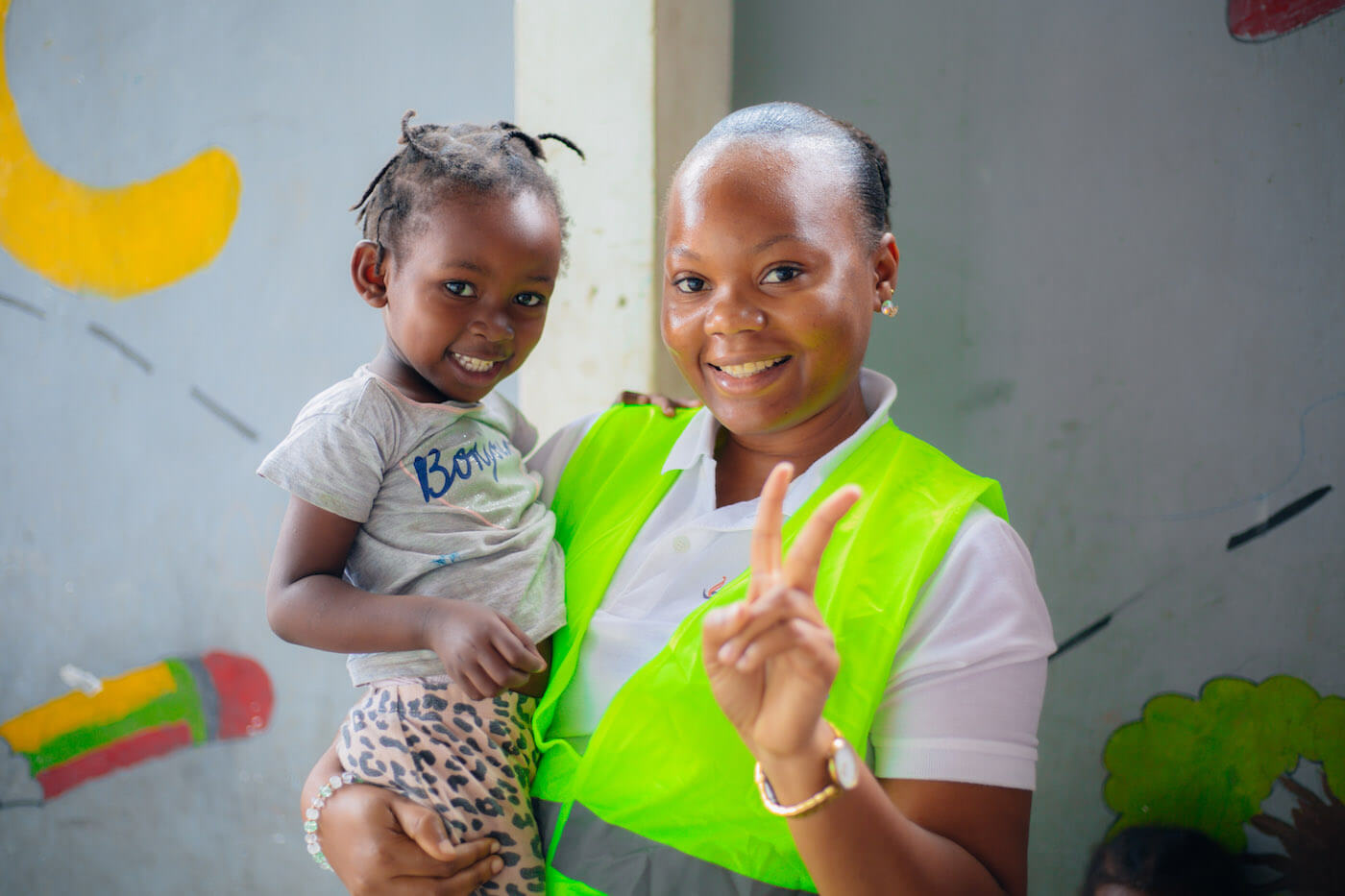
Recent

The Impact of Clean Water in Orphanages: A Vital Need for Vulnerable Orphaned Children

Summary

  • Many underdeveloped regions, especially in rural areas, lack access to clean water, leading to widespread poverty and health issues. Orphaned children, living in overcrowded orphanages, are particularly vulnerable due to this lack of basic necessities like clean water and education.
  • The majority of orphaned children live in underdeveloped nations like Sub-Saharan Africa and Latin America.
  • Contaminated water leads to severe health risks like cholera and typhoid for orphaned children. Frequent illness prevents them from accessing education, proper nutrition, and emotional care, severely impacting their development and future opportunities.
  • Embrace Relief provides clean water to orphanages in countries like Indonesia, Congo, and Tanzania, improving the health, hygiene, and educational prospects of orphaned children.

The Problem of Accessing Clean Water in Underdeveloped Countries

In many underdeveloped and developing countries, access to clean water is a daily struggle. This issue is most severe in rural areas and urban slums, where infrastructure is lacking, and natural water sources are often contaminated. Without proper sanitation, communities are forced to rely on unsafe water for drinking, cooking, and bathing.

This lack of clean water contributes to a cycle of poverty and poor health, making it difficult for children, in particular, to thrive. Orphaned children, who often live in overcrowded, underfunded orphanages, are among the most vulnerable to the harmful effects of contaminated water. Children’s place in society is often undermined by lack of access to basic necessities, including clean water and education.

Orphaned Children: A Majority Live in Underdeveloped Countries

Orphaned children are disproportionately affected by the clean water crisis, especially in underdeveloped nations. Regions like Sub-Saharan Africa, South Asia, and Latin America. These are areas where access to clean water is already limited, and resources in orphanages are often overstretched.

Orphanages in these regions are typically overcrowded and underfunded, leaving little room for addressing the water crisis. The lack of access to clean water in these facilities exacerbates health problems and prevents children from growing up in safe, healthy environments. This negatively affects their early childhood education, and development, limiting access to education programs that could improve their futures.

The Consequences of Unclean Water for Orphaned Children: Disease and Suffering

For orphaned children, the consequences of drinking or using contaminated water are dire. Unclean water is a breeding ground for waterborne diseases such as cholera, typhoid, dysentery, and diarrhea. These diseases are especially dangerous for children, whose immune systems are still developing.

In orphanages with limited medical resources, these illnesses can quickly spread, leading to outbreaks that are difficult to control. When children fall sick, they miss out on education, proper nutrition, and emotional care, further impacting their early childhood development. The lack of clean water in orphanages also highlights the need for orphan true stories of survival and resilience, as these children battle against preventable diseases. Moreover, the poor living conditions and lack of education due to frequent illnesses prevent children from reaching their full potential.
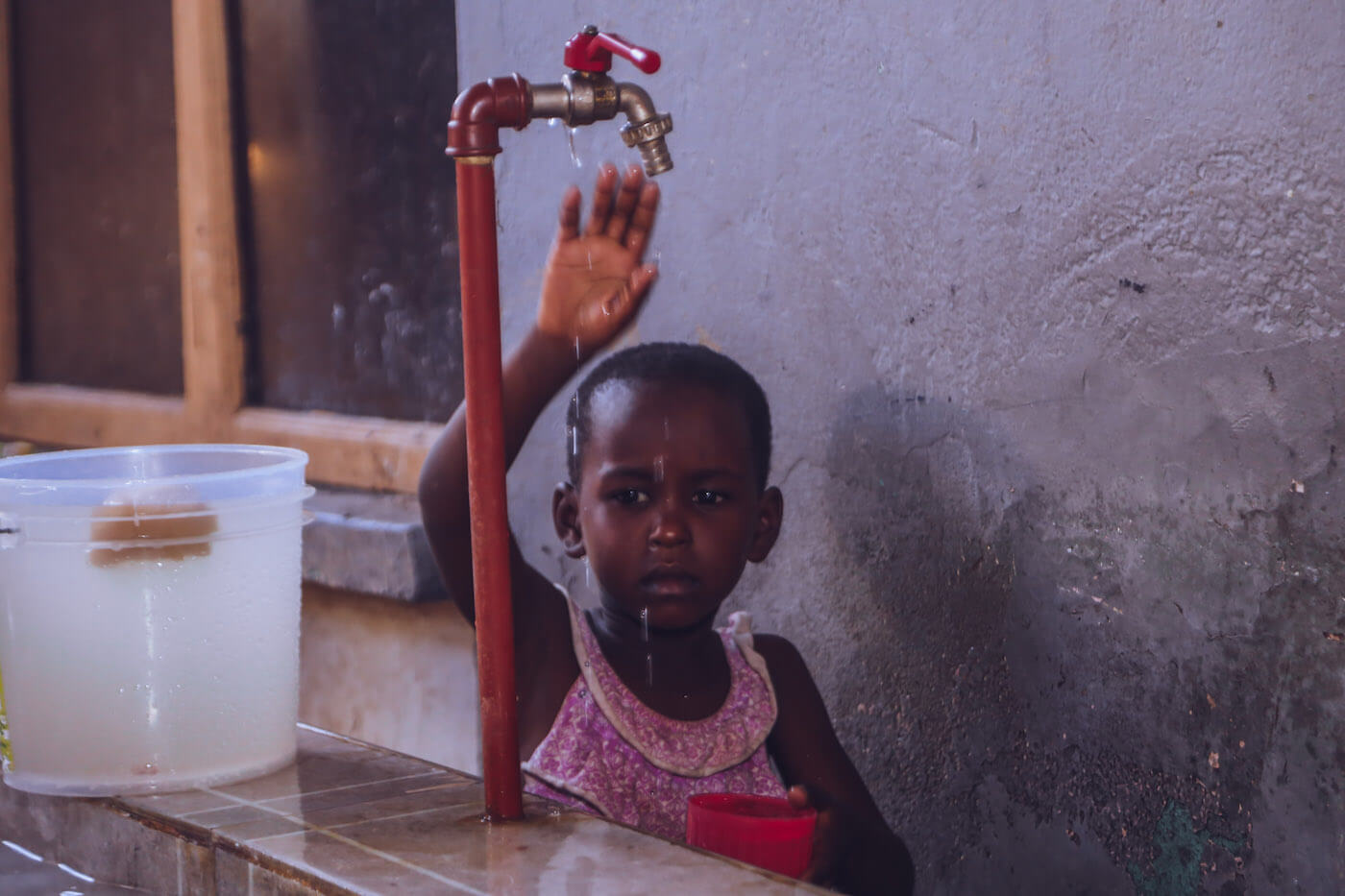
Orphaned Children: A Majority Live in Underdeveloped Countries

The Benefits of Clean Water for Orphaned Children

Access to clean water has transformative benefits for orphaned children and the institutions that care for them. Clean water ensures better health by reducing the risk of waterborne diseases, which in turn leads to fewer medical emergencies and hospital visits. Healthy children can attend school regularly, receive proper nutrition, and participate in the social activities that are essential for their emotional well-being.

Additionally, clean water supports proper hygiene and sanitation practices in orphanages. With access to clean water, children can bathe regularly, keep their living spaces clean, and prevent the spread of infections. This contributes to a more dignified and healthier environment, where children can grow, learn, and play in safety. Furthermore, clean water in orphanages supports early childhood education and education programs, giving children the opportunity to focus on learning and development rather than battling preventable illnesses.

How Embrace Relief Provides Clean Water in Orphanages

Embrace Relief, as part of its Orphan Care Program , has recognized the critical need for clean water in orphanages, particularly in countries where orphaned children are at high risk due to a lack of resources. Through its Clean Water Initiative, Embrace Relief has provided clean and sustainable water sources to orphanages in Indonesia, Congo, Colombia, Ghana, and Tanzania. This not only addresses the basic needs for orphans but also improves medical insurance for orphans by reducing their health risks.

In places like Ghana and Tanzania, where water scarcity and contamination are particularly severe, these water projects have been lifesaving. By ensuring access to clean water, Embrace Relief has helped orphaned children avoid preventable diseases, attend school regularly, and live with dignity. Access to clean water also allows orphanages to focus more on providing education and early childhood development, creating brighter futures for these vulnerable children.

Clean water is a basic human right, and no child should suffer from preventable diseases caused by unsafe drinking water. Embrace Relief’s efforts in providing clean water to orphanages in Indonesia, Congo, Colombia, Ghana, and Tanzania have transformed the lives of countless children, but more still needs to be done.

You can make a difference today by supporting the Embrace Relief Orphan Care Program. With your donation, more orphanages can receive clean water, and more children can live healthier, happier lives. Whether it’s funding a new well or supporting existing water projects, your contribution will have a lasting impact on the poor education situation many orphans face due to health issues.

Join Embrace Relief in their mission to provide clean water, education, and hope to orphaned children worldwide. Every drop of clean water brings a chance for a brighter future.

Donate today to the Orphan Care Program and change an orphaned child’s life forever!

Donate For Ramadan Children’s Fund

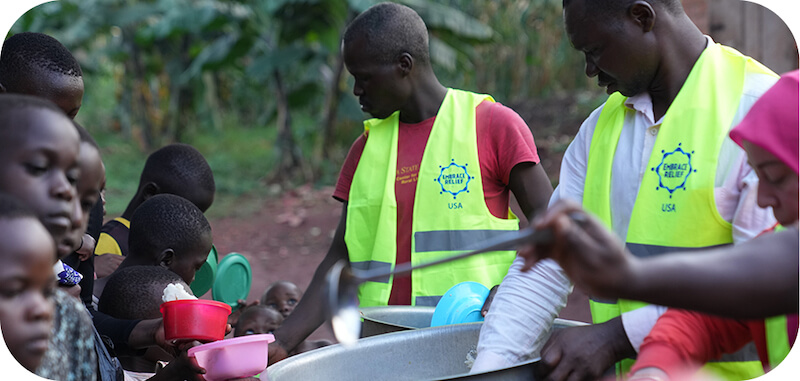
Embrace Relief aims to provide 550 orphaned children with daily iftar and suhoor meals during Ramadan 2025.
$
International Hunger Relief Children's Fund

3 Key Challenges to Accessing Healthcare in Africa

Summary

  • Sub-Saharan Africa faces three main challenges in healthcare: inadequate human resources, insufficient budgetary allocation, and poor leadership/management.
  • Solutions such as public-private partnerships, increased budget allocation, and workforce training can help improve outcomes.
  • Embrace Relief is contributing to global health security and healthcare access by providing financial and physical support to countries worldwide.

“Global health” has become a popular and widely used phrase to describe a multidisciplinary approach to improving health and equity for all humans. To address global health, researchers, politicians, academics, and public and private sectors must work together to put systems and infrastructure in place to accommodate the rapidly growing population and changing medical needs. However, this task has proven difficult with the failure of current healthcare access and infrastructure, especially in under-developed regions, like most of sub-Saharan Africa.

According to a recent study done by the National Institute of Health, the three main challenges facing healthcare in sub-Saharan Africa are 1) Inadequate human resources (workforce), 2) Inadequate budgetary allocation to health (finances), and 3) Poor leadership and management.

Let’s dive deeper into these critical issues and discuss their implications:

1. Low Healthcare Workforce Participation

For decades, a lack of trained healthcare professionals has put a significant strain on the service and delivery of healthcare. Firstly, there just aren’t enough medical professionals to address all of the needs of the population. For the medical professionals that exist are rarely given training on how to operate and maintain advanced medical technology, leaving equipment to fall into disrepair.

Furthermore, rapid urbanization and population growth have increased medical demand beyond the typically addressed communicable diseases such as AIDS and malaria. Financial, physical, and human resources need to be funneled into addressing emerging noncommunicable diseases such as hypertension, cardiovascular disease, cancer, and diabetes, which are increasingly being found among the African middle class.

2. Inadequate National Health Budgets

Inadequate financing of health in African countries is a major challenge, although even the wealthiest countries on the continent are finding it difficult to keep up with rising medical costs, especially in the face of global inflation and economic downturns.

Most African countries reportedly allocate less than 10% of their gross domestic product (GDP) to healthcare. With over 429 million people on the continent living in extreme poverty – meaning their income is less than $2.15 per day – investment in healthcare and medical infrastructure remains extremely limited.

On April 27, 2001, the African Union (AU) governments adopted the Abuja Declaration, committing to allocate at least 15% of their national budgets to healthcare improvement. However, a recent analysis of data spanning two decades revealed that by 2021, the most recent year with available data, only two of the AU’s 55 member countries — Cabo Verde and South Africa — had met this target.

Embrace Relief’s Impact on Women’s Empowerment

3. Poor Leadership and Management

Another pressing issue regarding Africa’s health systems is overall poor leadership and management. Lacking and inefficient resource management, poor integration of healthcare programs, and corruption have significantly impacted all levels of healthcare access.

All countries face issues with corruption to some extent; however, for healthcare professionals living near the poverty line in less socio-economically advanced countries, the promise of enriching oneself through corrupt means is tempting. In health systems, this can take the form of medical staff selling drugs that should be free, theft for personal use, accepting bribes to approve untested drugs, or diversion of medicines, supplies, and equipment. These activities divert financial and physical resources away from health care delivery, directly impacting patient services and outcomes.

The implications of these are that poor leadership could lead to increased healthcare costs, reduced efficiency and effectiveness, dissatisfaction among staff and ultimately resulting in lower patient satisfaction and poor health outcomes

Solutions

Africa’s underdeveloped healthcare systems require bold and innovative approaches to overcome the current challenges in service delivery. Leading solutions, according to the National Health Institute, include training and capacity building for health workers, increase budgetary allocation to health, and advocacy for political support and commitment. Addressing issues related to human resources, budget allocation, and management is crucial, as these areas hold the key to achieving improved health outcomes and should be given the highest priority.

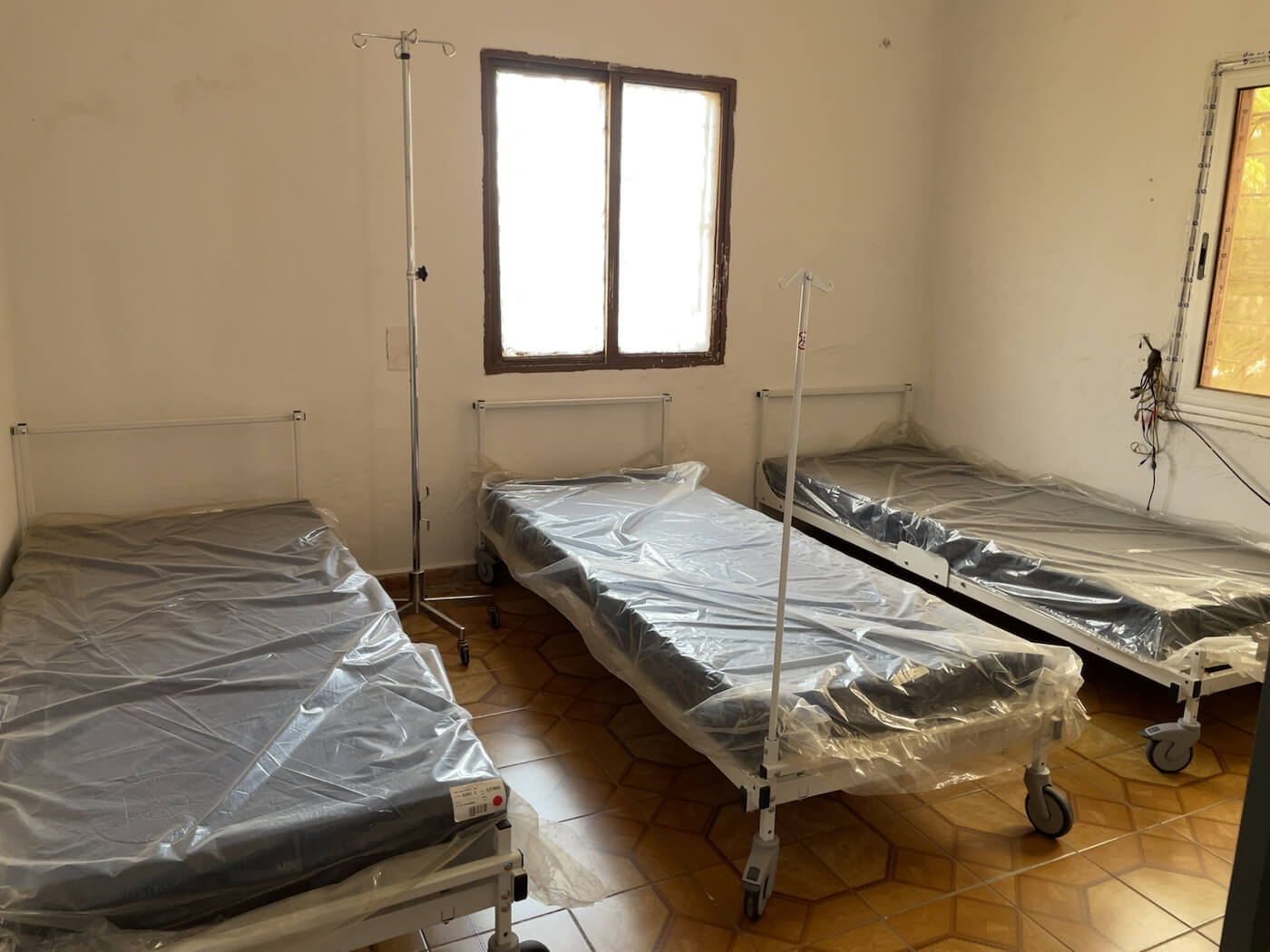
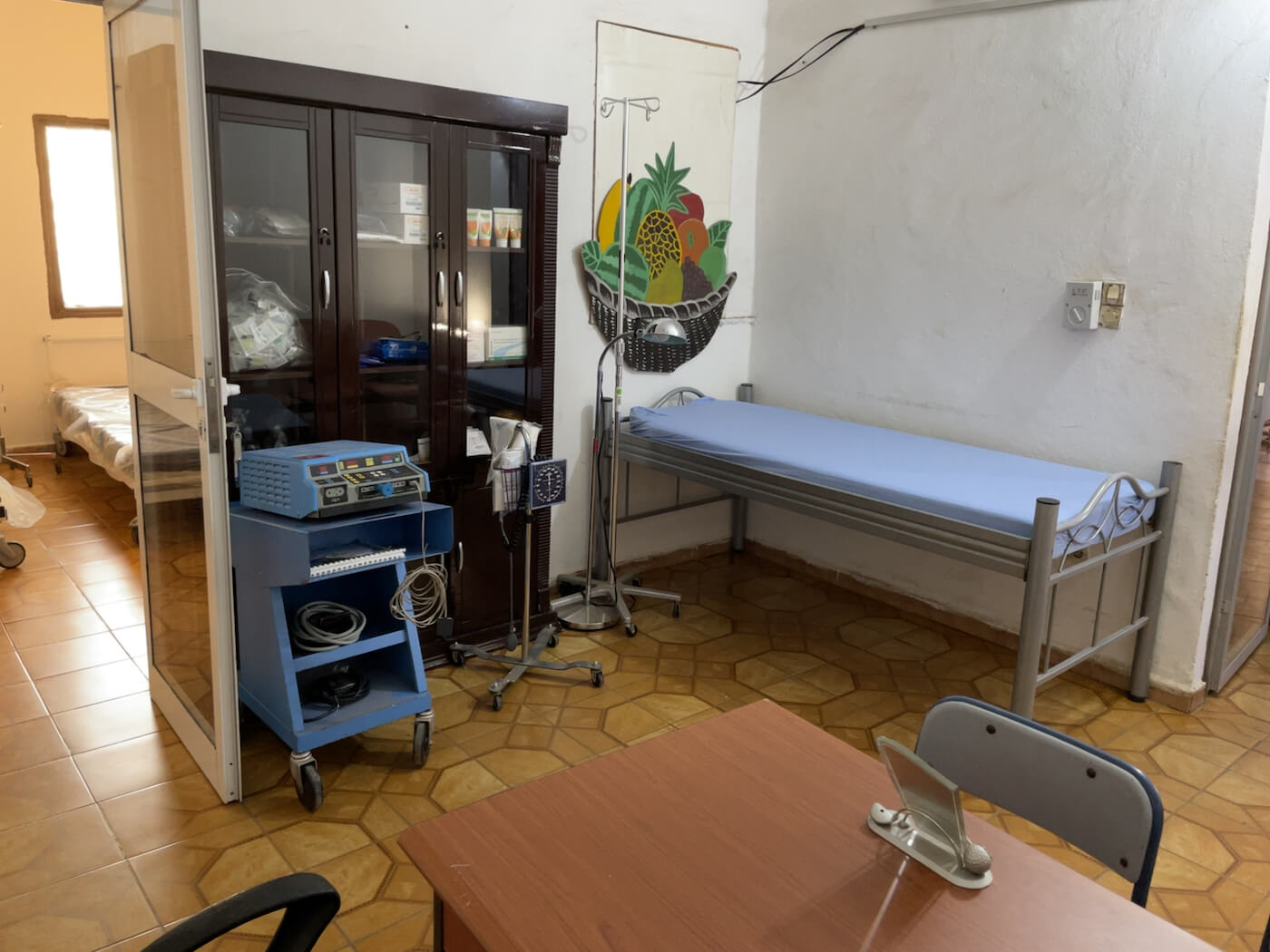
Embrace Relief actively addresses global health inequality in regions like sub-Saharan Africa, where health and medical infrastructure and services are scarce. We achieve this mission through multi-sectoral partnerships to provide financial and physical support to clinics and hospitals, facilitate the acquisition of medical supplies and equipment, and distribute essential medicines like anti-inflammatories and antibiotics, which can significantly curb deadly outcomes.

However, to address such an undertaking, creative and innovative solutions are necessary , such as Embrace Relief’s Mobile Health Clinics, which bring free health and medical services to communities in the most remote regions of the world.

By donating to Embrace Relief’s Health program, you will directly contribute to building and securing global health and equity for all!

Donate For Women’s Empowerment

$
Donate Now

Back-to-School Tips for Teachers: Kick Off the Year with Confidence!

Summary

  • Explore fun and effective back-to-school tips for teachers to help set the tone for a successful year.
  • Discover creative ways to engage students and build a positive classroom environment.
  • Learn how Embrace Relief’s R.I.S.E. program supports female educators in Tanzania, empowering them to become leaders in education.

As the new school year approaches, teachers everywhere are gearing up to make the most of the first days back in the classroom. Whether you’re a seasoned educator or new to the teaching world, having a few fresh ideas and tips can set the tone for a successful and engaging school year. From classroom organization to creative student engagement strategies, these back-to-school tips will help you start the year on a high note!

1. Create a Welcoming Classroom Environment

A welcoming classroom sets the stage for a positive learning experience. Use bright, cheerful decorations, and consider creating a comfortable reading nook or a dedicated space for students to share their thoughts and achievements. Studies show that a visually stimulating and organized classroom can boost students’ motivation and engagement from day one.

2. Get to Know Your Students with Icebreakers

Icebreakers aren’t just for students to get to know each other—they’re for teachers too! Kick off the year with fun activities that help you learn about your students’ interests, strengths, and goals. Consider activities like “Two Truths and a Lie” or a simple “Find Someone Who…” scavenger hunt to break the ice and create a sense of community.

3. Set Clear Expectations and Classroom Rules Early On

Setting clear expectations and classroom rules at the beginning of the school year is crucial for establishing a respectful and productive classroom environment. Collaborate with your students to create these rules, so they feel a sense of ownership and accountability. Clear guidelines help reduce behavioral issues and create a positive atmosphere where learning can thrive.

4. Incorporate Technology to Enhance Learning

In today’s digital age, integrating technology into the classroom is more important than ever. Utilize educational apps, online quizzes, or interactive whiteboards to make lessons more engaging and interactive. Platforms like Kahoot! and Quizlet make learning fun and allow you to assess student understanding in real time.

Embrace Relief’s Impact on Women’s Empowerment

5. Plan Engaging Lessons with a Variety of Activities

Variety is the spice of life, and it’s also key to keeping your students engaged! Mix up your teaching methods with group projects, hands-on activities, and multimedia presentations. Incorporating different types of learning experiences caters to diverse learning styles and keeps students excited about the material.

Empowering Educators: The R.I.S.E. Program in Tanzania

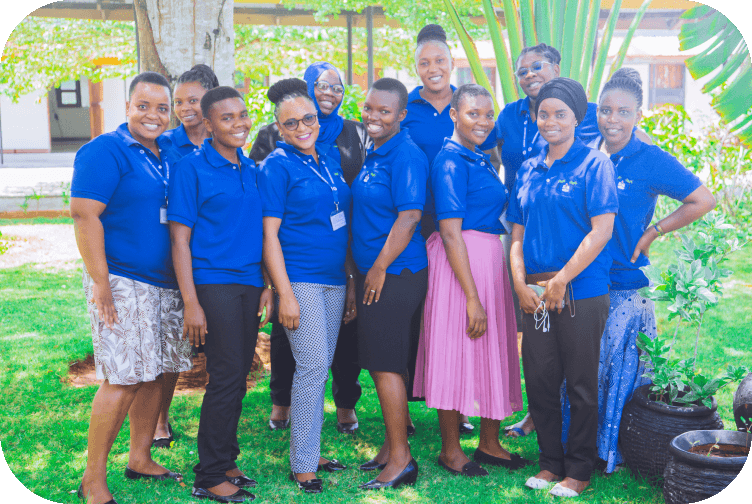
As we prepare for another school year, it’s important to remember that access to quality education and strong educational leadership is not universal. In Tanzania, many young women aspire to become educators and leaders but face significant barriers. Embrace Relief’s R.I.S.E. (Reach, Inspire, Support, Educate) program addresses these challenges by providing scholarships and vocational training to female teachers, empowering them to take on leadership roles in their schools and communities.

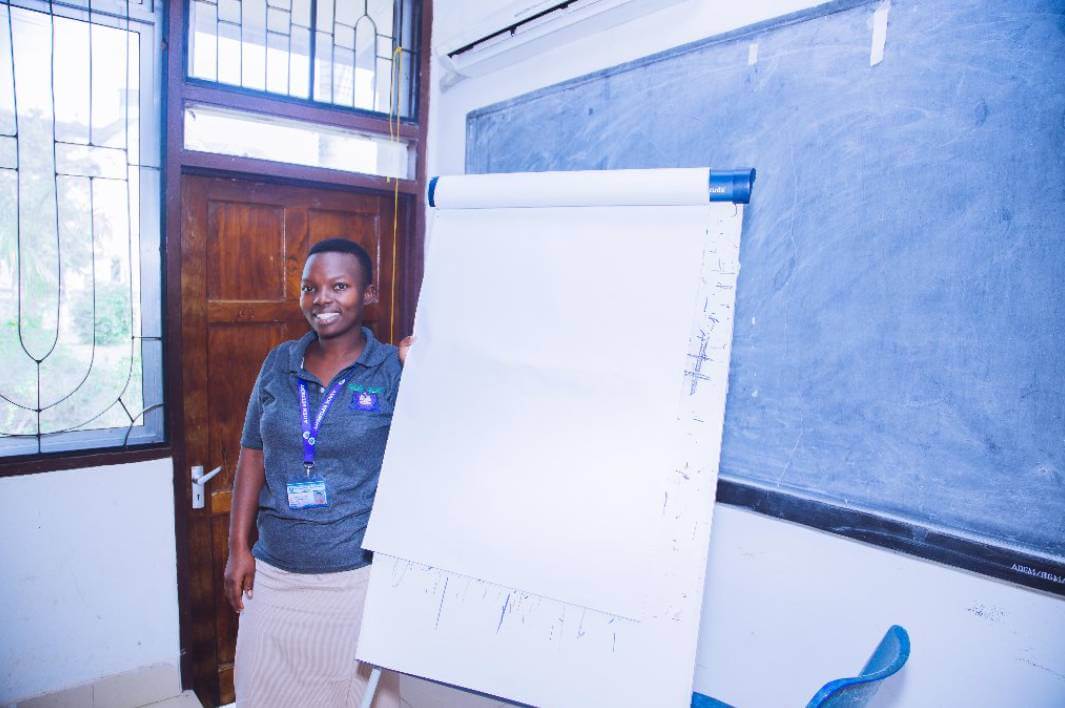
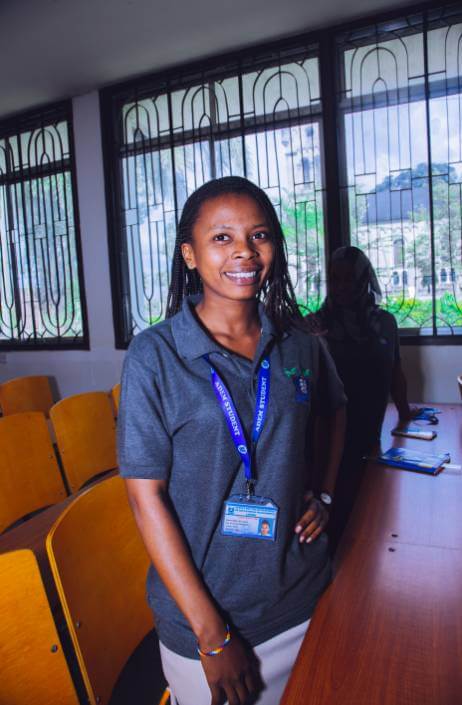
The R.I.S.E. program offers participants the opportunity to earn diplomas in Education Management and Administration or School Quality Assurance from ADEM in Tanzania. These women are not only improving their own lives but are also becoming role models for the next generation of students, particularly girls who look up to them as examples of what they can achieve.

By supporting the R.I.S.E. program, you can help empower more women in Tanzania to pursue their dreams of becoming educators and leaders. For just $100 per month, your donation covers tuition, study materials, meals, health insurance, transportation, and books for one student. Together, we can make a lasting impact on education and gender equality in Tanzania.

Join us in supporting female educators and help us create a brighter future for students and teachers alike.

Donate For Women’s Empowerment

$
Donate Now

Top Female-Run Companies Making Waves in 2024

Summary

  • Discover leading female-run companies that are driving change and setting new standards in their industries in 2024.
  • Learn about their impact on business, technology, and sustainability.
  • Find out how you can support women’s empowerment initiatives through Embrace Relief.

As we continue to progress toward gender equality in the business world, 2024 is proving to be a landmark year for female-run companies. From tech startups to established firms, women leaders are making a significant impact, breaking barriers, and setting new standards in their respective industries. Here, we highlight some of the top female-run companies that are making waves in 2024.

1. Canva – Melanie Perkins

Founded by Melanie Perkins, Canva has revolutionized the design industry by making graphic design accessible to everyone. Perkins’ vision of an easy-to-use design platform has grown Canva into a $26 billion company, with over 100 million users worldwide. Under her leadership, Canva continues to innovate with new AI-driven design tools and features that cater to a diverse user base, from students to professionals. Perkins is a strong advocate for diversity and inclusion, not only within her company but also in the broader tech community.

2. The Honest Company – Jessica Alba

Founded by actress Jessica Alba, The Honest Company focuses on providing safe, effective, and eco-friendly baby, personal care, and cleaning products. Alba’s commitment to transparency and sustainability has propelled the company to become a household name, reaching over $300 million in annual revenue. In 2024, The Honest Company expanded its product line to include more eco-friendly packaging options, reflecting its ongoing commitment to environmental responsibility.

3. Glossier – Emily Weiss

Emily Weiss founded Glossier with the mission to change the beauty industry by prioritizing customer feedback and community engagement. Known for its minimalist approach and cruelty-free products, Glossier has disrupted traditional beauty norms and built a cult following. In 2024, Weiss led Glossier through a significant digital transformation, enhancing their e-commerce platform and expanding their product range to meet the needs of a diverse customer base.

Embrace Relief’s Impact on Women’s Empowerment

4. Bumble – Whitney Wolfe Herd

Whitney Wolfe Herd founded Bumble as a dating app that empowers women by allowing them to make the first move. Since its launch, Bumble has grown into a social networking platform with over 100 million users, including connections for friends and professional networking. In 2024, Wolfe Herd continues to push boundaries with initiatives aimed at combating online harassment and promoting safer digital spaces for women. Bumble’s commitment to ethical tech and user well-being sets it apart as a leader in the industry.

5. Rent the Runway – Jennifer Hyman

Jennifer Hyman co-founded Rent the Runway with the vision of democratizing fashion and making high-end clothing accessible through rentals. The company has since expanded to include a subscription model that allows users to rent everyday clothing, reducing fashion waste and promoting sustainable consumption. In 2024, Hyman continues to lead the charge in circular fashion, launching new initiatives aimed at reducing the environmental impact of the fashion industry.

These companies are more than just successful businesses; they are driving forces for change in their industries and beyond. Female-led companies not only bring diverse perspectives to the table but also prioritize inclusivity, sustainability, and community engagement, setting examples for others to follow.

Embrace Relief’s Impact on Women’s Empowerment

At Embrace Relief, our commitment to women’s empowerment goes beyond mere support; it’s about creating sustainable change by equipping women with the education, training, and resources they need to thrive. Through our innovative programs—R.I.S.E., L.E.A.R.N., K.E.E.N., and S.E.E.D.—we address the diverse challenges women face worldwide, from economic barriers to limited access to leadership opportunities. Each of these initiatives is carefully crafted to foster economic independence, enhance leadership skills, and expand educational access, empowering women to break free from cycles of poverty and discrimination.

Our R.I.S.E. program invests in the future of female educators in Tanzania, supporting them to become leaders in their communities. The L.E.A.R.N. program opens doors for Afghan girls, providing access to high school and college education from the safety of their home. K.E.E.N. focuses on entrepreneurial training in Kenya, helping women start their own businesses and achieve financial independence. S.E.E.D. empowers women in multiple countries through sustainable farming, providing livestock and training that transform lives and foster self-reliance.

By supporting Embrace Relief, you are not just making a donation—you are investing in the dreams and futures of women around the globe. Your contribution helps build a world where women have the tools to succeed, the confidence to lead, and the opportunity to create lasting change for themselves, their families, and their communities. Join us in this mission to empower women and make a tangible impact. Together, we can create a more just and equitable future for all.

Donate For Women’s Empowerment

$
Donate Now

Understanding Zakat Collection and Distribution Systems: A Path to Impactful Giving

In today’s world, where humanitarian needs are ever-present and evolving, the principles of zakat offer a timeless and profound solution for alleviating poverty and hardship. While the concept of zakat is well understood, the collection and distribution systems play a critical role in ensuring its effectiveness and reaching those who need it most.

How Zakat Collection Systems Work

Zakat is a mandatory form of almsgiving in Islam, calculated as 2.5% of one’s wealth, and it must be distributed to eligible recipients, such as the poor, the needy, and those in debt. The collection systems for zakat have evolved over time, from being collected by state authorities in early Islamic societies to modern-day charitable organizations and NGOs.

In contemporary settings, organizations like Embrace Relief have established efficient and transparent zakat collection systems to facilitate the process for donors. These systems ensure that your zakat is calculated correctly and allocated to projects that make a genuine difference. At Embrace Relief, we prioritize transparency and accountability, offering our donors peace of mind knowing their zakat is managed responsibly.

The Importance of Efficient Zakat Distribution Systems

The effectiveness of zakat largely depends on how well it is distributed to the intended beneficiaries. In today’s interconnected world, zakat distribution is more than just providing financial aid; it’s about creating sustainable impact. Embrace Relief’s distribution system focuses on addressing both immediate needs and long-term solutions. Our programs are designed to uplift communities by providing access to essential resources like clean water, healthcare, food, and education.

Here’s a closer look at some of the critical causes you can support by giving your zakat to Embrace Relief:

  1. Clean Water Initiatives: Access to clean water is a basic human right, yet millions of people worldwide lack this essential resource. Through your zakat, Embrace Relief builds wells and water purification systems in remote villages, providing safe drinking water and improving community health.
  2. Health-Cataract Program: Treatable conditions, such as cataracts, leave millions visually impaired due to a lack of access to affordable medical care. Your zakat can help fund cataract surgeries for those who cannot afford them, restoring their sight and, consequently, their independence and quality of life.
  3. Hunger Relief: Hunger remains one of the most pressing issues facing our world today. Embrace Relief’s hunger relief programs provide essential food supplies to vulnerable families, particularly in regions affected by conflict, natural disasters, or economic hardship. Your zakat can help ensure that no child goes to bed hungry.
  4. Raise the Children: Investing in the future generation is one of the most impactful ways to use zakat. Our “Raise the Children” program supports the education and well-being of orphaned and disadvantaged children, giving them a chance to break the cycle of poverty and build a brighter future.
Group Fundraising with Embrace Relief

Why Give Your Zakat Through Embrace Relief?

When you choose to give your zakat through Embrace Relief, you’re not just fulfilling a religious obligation; you’re making a strategic choice to invest in sustainable change. Embrace Relief ensures that every dollar of zakat collected is used to its fullest potential, directly benefiting those in need and empowering communities to thrive.

By aligning your zakat with our targeted programs, you are supporting holistic approaches that address both the symptoms and root causes of poverty. Whether it’s funding clean water initiatives, health programs, hunger relief, or educational support, your zakat is a lifeline that brings hope, dignity, and opportunity to those who need it most.

Conclusion

In a time when our global community faces immense challenges, the power of zakat is more critical than ever. It serves as a reminder that we are all interconnected and have a shared responsibility to support one another. By giving your zakat through Embrace Relief, you are part of a movement that goes beyond charity – it is about making a lasting impact.

We invite you to join us in this mission. Your zakat can be the catalyst for change, bringing light and hope to those in darkness. Together, we can build a world where everyone has the chance to lead a healthy, safe, and fulfilling life.

Give Your Zakat To Embrace Relief

Donate Your Zakat Online

$
Donate Now

5 Creative School Fundraising Ideas to Make a Difference

Fundraising for schools is a fantastic way to engage students, parents, and the community in supporting meaningful causes. Whether you’re looking to fund a school project, help those in need, or provide students with unique learning experiences, there are countless creative ways to raise funds. Below are five school fundraising ideas that not only promote teamwork and creativity but also make a significant impact.

1. Charity Walk or Fun Run

Organize a charity walk or fun run around your school or local park. Participants can gather sponsorships from family, friends, and local businesses to support a good cause. Not only is this a healthy activity that promotes fitness, but it also brings the community together for a shared purpose. You can add fun elements like themed costumes, color runs, or obstacle courses to make the event even more engaging!

2. School Talent Show

A talent show is a classic fundraising idea that allows students to showcase their unique talents, whether it’s singing, dancing, magic tricks, or comedy. Sell tickets for entry, and consider having a panel of teachers or local celebrities judge the acts. You can also offer concessions or host a raffle during the event to raise even more funds. This is a fantastic way for students to develop confidence and for families to get involved in the school community.

3. Bake Sale or International Food Fair

Food always brings people together! Host a bake sale with homemade goodies or organize an international food fair where families from different cultural backgrounds can share dishes from their heritage. Sell these delicious foods at the event and use the proceeds to support your cause. This is a great way to celebrate diversity within the school community while raising funds.

4. Recycling Drive and Crafts Sale

Encourage students to bring in recyclable items like plastic bottles, cans, and paper. Partner with a local recycling center to turn these items into cash. Additionally, students can create crafts using recycled materials and sell them at a crafts fair. This fundraiser not only raises money but also educates students about the importance of recycling and environmental sustainability.

5. Group Fundraising with Embrace Relief

One of the most impactful fundraising ideas is partnering with a reputable nonprofit organization like Embrace Relief through their Group Fundraising Program. This program allows schools to create their own fundraising project to support various humanitarian causes—such as building water wells, providing healthcare, or supporting education in underserved communities. The best part? Participants have the opportunity to travel to the country where their project is implemented and see firsthand the positive impact their efforts are making!

Group Fundraising with Embrace Relief

Why Choose Embrace Relief’s Group Fundraising Program?

Embrace Relief offers a unique approach to school fundraising that goes beyond just raising money—it provides a life-changing experience for students and participants. Here’s how it works:

  • Choose Your Cause: Schools can select from a variety of projects, such as clean water initiatives, health programs, disaster relief, refugee support, and more.
  • Create a Group Fundraising Page: With Embrace Relief’s easy-to-use platform, your school can create a personalized fundraising page that tells your story, sets your fundraising goals, and tracks progress.
  • Raise Funds and Awareness: Use social media, events, and community engagement to rally support for your cause. Embrace Relief provides resources and guidance to help you reach your fundraising goals.
  • Travel and Witness the Impact: Once your fundraising goal is met, Embrace Relief offers the unique opportunity for a group of participants to travel to the country where their project will be implemented. This immersive experience allows students to connect with the community, see the tangible impact of their work, and understand the power of giving back.

How to Get Started with Embrace Relief’s Group Fundraising Program

  1. Visit the Embrace Relief Website: Go to the Embrace Relief Group Fundraising page.
  2. Select a Project: Choose a cause that resonates with your school and community.
  3. Create Your Fundraising Page: Set up a personalized page for your school’s fundraising campaign.
  4. Promote and Fundraise: Share your page with friends, family, and community members to start raising funds.
  5. Reach Your Goal and Plan Your Trip: Once your goal is achieved, coordinate with Embrace Relief to plan a life-changing trip to the country where your project will come to life!

Get started today!

School fundraising is a powerful way to teach students about community, empathy, and global citizenship. By choosing innovative and meaningful fundraising ideas like those mentioned above, schools can raise funds and awareness for important causes, foster a sense of responsibility, and create unforgettable experiences for their students. Partnering with Embrace Relief’s Group Fundraising Program is not just a fundraising effort—it’s a journey of learning, compassion, and making a difference in the world. 🌍

Ready to start your group fundraising journey? APPLY HERE!

When Is Thanksgiving 2025 in the United States?

Thanksgiving in the United States is a beloved national holiday filled with tradition, family gatherings, and a celebration of gratitude. In 2025, the Thanksgiving date is Thursday, Nov. 27th. Each year, millions of Americans come together on this day to enjoy a hearty feast with their families, watch football, and reflect on the blessings in their lives.

Unlike holidays with fixed calendar dates, like Christmas on Dec. 25 or New Year’s Day on Jan. 1, Thanksgiving has a floating date. For most of America’s history, the holiday has been celebrated near the end of November. Since 1939, the country has observed the Thanksgiving holiday on the fourth Thursday of November.

This means that the earliest date for Thanksgiving is Nov. 22, while the latest is Nov. 28.

This floating date often leads people to wonder why Thanksgiving in the U.S. is held on the fourth Thursday of November and how this particular scheduling tradition came to be. The history behind Thanksgiving’s date, like the holiday itself, is rooted in both colonial history and modern political decision-making.

Thanksgiving’s Early History

The tradition of a late-autumn community feast to give thanks for bountiful harvests predates the founding of the modern United States by centuries. The practice was central to many indigenous tribes in North America long before their first encounters with Europeans. The fabled “First Thanksgiving” of 1621, which brought together approximately 50 English colonists and 90 Wampanoag natives in what is now Plymouth, Massachusetts, established such a tradition among the burgeoning population of European settlers.

During 17th and 18th centuries, as the English settlements turned into full-fledged colonies, and then eventually into an independent United States of America, the thanksgiving feast became an important tradition for many communities. However, there was not yet any designated Thanksgiving Day, as most celebrations were tied to the local harvest time.

It wasn’t until George Washington In 1789, just months after being sworn in as the United States’ first president, that the first national proclamation of Thanksgiving was made. This proclamation designated Nov. 26 (a Thursday) of that year as a day of public thanksgiving and prayer. Washington’s declaration was aimed at giving thanks for the new U.S. Constitution and the peaceful establishment of the nation’s government. However, this would not become an annual tradition. For the next 75 years, it remained up to state and local governments to select the date for the thanksgiving feast.

Thanksgiving’s Early History

Abraham Lincoln The Establishment of a National Thanksgiving Day

It wasn’t until 1863, in the midst of the U.S. Civil War, that Thanksgiving became an official national holiday with a regularly scheduled date. A proclamation from President Abraham Lincoln called for all Americans to give thanks on the last Thursday of November each year, part of an attempt to unite the country and acknowledge the sacrifices made by Union troops in the war.

Lincoln’s decision was largely influenced by the persistent efforts of Sarah Josepha Hale, a prominent writer and editor who had been campaigning for a national Thanksgiving holiday for decades. Her lobbying helped solidify the idea of a unified day of thanks across the country.

Franklin D. Roosevelt and the Date Debate

The last Thursday in November remained the date of Thanksgiving for decades following Lincoln’s proclamation. However, during the Great Depression in the late 1930s, a controversy arose over the holiday’s date. In 1939, retailers pressured President Franklin D. Roosevelt to move Thanksgiving up by one week to extend the holiday shopping season and stimulate the economy. That year, Thanksgiving was scheduled to occur on Nov. 30 – the fifth Thursday of November – and desperate retailers feared they would lose out on critical sales before Christmas.

Roosevelt agreed and moved Thanksgiving to Nov. 23, the fourth Thursday of November, sparking widespread debate. While some states followed Roosevelt’s lead and celebrated the holiday on the earlier date, others stuck with the traditional last Thursday, creating confusion and division. This led to two Thanksgiving celebrations in some parts of the country that year, with people humorously referring to the new date as “Franksgiving.”

A Permanent Date

Two years after the “Franksgiving” controversy, the U.S. Congress passed a joint resolution officially setting Thanksgiving on the fourth Thursday of November, ending the dispute once and for all. This compromise aimed to appease both traditionalists and those who favored an extended holiday shopping season. Since then, Thanksgiving has been celebrated consistently on this date, creating a fixed yet flexible tradition that allows for a slightly different celebration date each year.

In conclusion, Thanksgiving 2025 will be on November 27th, and the reason we celebrate it on the fourth Thursday of November is rooted in both historical decisions and modern economic considerations. What began as a colonial harvest celebration evolved into a national holiday, shaped by presidential proclamations and political compromises that continue to influence the way Americans observe this cherished holiday today.

Share Your Blessings This Year With Embrace Relief’s Year-End Giving section

While the modern history of Thanksgiving is closely intertwined with commercial interests and holiday shopping, the heart of the holiday remains the sharing of blessings with those less fortunate.

This Thanksgiving, if you are looking for a gift that will make a real impact on the lives of people in need, you can do so with a gift to Embrace Relief’s Year-End Giving campaign!

This year, Embrace Relief is offering you the choice of three critical humanitarian programs to support:

  • Clean Water, in which your donation will help build water wells in Africa;
  • Cataracts, in which your donation will provide a free surgery to restore a person’s sight; and
  • Orphan Care, in which your donation will provide basic necessities for orphaned children.

During this time of giving and charity, support Embrace Relief’s Year-End Giving campaign using the donation box below. No donation amount is too small, and you can be sure that the recipients of your generosity will be offering you thanks this holiday season.

3 Ways to Make A
Life-Saving Impact

As the year draws to a close, your generosity can light the way for someone in need.

Year End Giving Logo

6 Challenges Threatening Global Health Security

Summary

  • The spread of infectious diseases like COVID-19 and malaria is increasing due to globalization, climate change, and urbanization, making future pandemics more likely.
  • Antimicrobial resistance is rising as bacteria and viruses evolve, driven by the overuse of antibiotics, making it harder to treat infections like tuberculosis and pneumonia.
  • Noncommunicable diseases, such as heart disease, cancer, and diabetes, now account for the majority of global deaths, with unhealthy diets and sedentary lifestyles contributing to their growth.
  • Climate change is intensifying health risks through extreme weather, heat waves, and shifts in disease patterns, disproportionately affecting vulnerable populations.
  • Millions of people worldwide suffer from hunger and lack access to safe drinking water, leading to malnutrition and disease, especially in regions facing water scarcity and poor sanitation.
  • Natural and man-made disasters displace millions, creating refugee populations that face immediate and long-term health challenges, including poor sanitation, malnutrition, and mental health issues.

Global health security involves safeguarding populations worldwide from health threats, whether stemming from natural causes or human activities. In our interconnected world, these challenges transcend borders and impact everyone. Here, we examine six major challenges to global health security, their implications, and strategies to address them.

1. Infectious Diseases

The emergence and spread of new infectious diseases is one of the most significant threats to global health security. Throughout history, diseases like the Black Plague, smallpox, and more recently, COVID-19 have shown how rapidly infectious diseases can devastate societies. With increasing global mobility, the risk of new pandemics is expected to grow, putting populations across the world at risk.

Globalization, urbanization, and climate change are accelerating the spread of infectious diseases. For example, changing climate patterns are expanding the habitats of disease-carrying mosquitoes, contributing to the rise in diseases like malaria, dengue, and Zika. In the face of these threats, investment in research, surveillance, and rapid-response systems is crucial to prevent future pandemics.

2. Antimicrobial Resistance

Antimicrobial resistance (AMR) is the rapidly emerging phenomenon where bacteria, viruses, fungi, and parasites evolve to resist the effects of medications, including antibiotics. This resistance is becoming a critical threat to global health security, making it harder to treat certain diseases and leading to longer hospital stays, higher medical costs, and increased mortality rates.

Overuse and misuse of antibiotics in humans, animals, and agriculture are driving this resistance, rendering previously treatable infections, such as tuberculosis and pneumonia, more difficult—and sometimes impossible—to cure. Without global efforts to reduce antibiotic use and promote the development of new drugs, AMR could turn into the next silent pandemic.

3. Noncommunicable Diseases

Noncommunicable diseases (NCDs) like cardiovascular diseases, cancer, chronic respiratory diseases, and diabetes are now the leading cause of death worldwide. Unlike infectious diseases, NCDs are not transmitted from person to person, yet they account for more than 70% of global deaths annually. Cardiovascular diseases, particularly stroke and ischemic heart disease, are the most prevalent, affecting both high- and low-income countries.

Factors such as unhealthy diets, lack of physical activity, and tobacco and alcohol use have increased the prevalence of NCDs. Low-income countries often face double burdens, struggling with both infectious diseases and rising rates of NCDs. To address this, it is essential to promote preventive healthcare, improve access to treatments, and raise awareness of healthy lifestyle choices on a global scale.

4. Climate Change

Climate change is not just an environmental crisis but a major public health threat. Rising global temperatures, extreme weather events, and sea-level rise are already profoundly impacting health. For example, extreme heat waves lead to increased mortality and droughts that severely affect global food supply chains, while floods and hurricanes can cause injuries, death, and outbreaks of waterborne diseases.

Moreover, climate change is causing shifts in the geographic distribution of diseases like malaria, as warmer temperatures create ideal breeding conditions for mosquitoes. Additionally, food security is being undermined as extreme weather events disrupt agriculture and humanitarian activities. As climate change continues to worsen, it will exacerbate existing health inequities, particularly in vulnerable and low-income communities.

5. Access to Food and Safe Water

Access to sufficient food and safe drinking water is a fundamental human right, yet millions of people around the world lack it. Hunger, malnutrition, and unsafe drinking water contribute to weakened immune systems, making individuals more susceptible to disease and exacerbating global health challenges. The impact of access to clean water on health is clear throughout Nigera, where more than 66 million people do not have access to water and 151,700+ children die annually from water-related diseases, the highest rate of any country. In Nigeria, contaminated water and poor hygiene practices account for 88% of the country’s diseases, most of which are preventable.

Food insecurity and water scarcity are worsened by climate change, population growth, and political instability. Poor sanitation and unsafe water contribute to the spread of diseases like cholera, typhoid, and dysentery. Ensuring access to nutritious food and clean water is essential not only for improving global health security but also for enabling sustainable development and economic growth in disadvantaged regions.

6. Natural and Man-Made Disasters

Both natural and man-made disasters—such as earthquakes, floods, armed conflict, and terrorist attacks—pose immediate and long-term threats to global health security. These disasters can cause mass displacement, leaving refugees in dire need of healthcare, clean water, food, and shelter. Refugee populations often suffer from poor sanitation, malnutrition, and overcrowding, all of which increase the risk of infectious disease outbreaks, such as in the Ouaddai provide of Chad, where Sudanese refugees and Chadian returnees are facing a Hepatitis E outbreak.

Additionally, the mental health toll on populations affected by disasters is immense. Prolonged conflict and displacement can lead to trauma, depression, and anxiety. Responding to these crises requires coordinated international efforts, from emergency response teams to long-term rebuilding and rehabilitation of healthcare systems.

At Embrace Relief, we’re taking strides to strengthen global health security

The challenges facing global health security are vast, but they are not insurmountable. By working together, we can protect vulnerable populations, prevent disease outbreaks, and build stronger, more resilient health systems.

Embrace Relief is taking strides alongside local, regional, and international partners to strengthen global health security worldwide. We achieve our mission by supporting public health and medical facilities financially and physically by covering surgical operation costs and facilitating the acquisition of medical supplies, equipment, and medicines.

Strengthening its dedication to global health security, Embrace Relief constructs and restores water wells, provides food to millions of acutely and chronically malnourished people each year, and supports vulnerable populations, including women, children, and refugees.

We invite you to join us in our mission to improve global health security through the provision of clean water, nutritious food, healthcare, and education. Your generous donation to a cause you feel passionate about will help us deliver these essential services to the world’s most vulnerable people in economically disadvantaged countries.

How You Can Help: The Gift of Sight

A simple cataract surgery, which costs only $120, can transform a life. With your support, our Embrace Relief’s health clinics can provide these surgeries to those in need, giving them the gift of sight and the opportunity for a better future. Here’s how your donation can make a difference:

  • $120 Donation: Funds one complete cataract surgery, restoring sight to an individual in need.
  • $240 Donation: Supports two surgeries, doubling the impact.
  • $600 Donation: Helps five people regain their vision, enhancing their quality of life and ability to contribute to their communities.

Your donation can make a significant difference in the lives of those suffering from cataracts in Mali and Burkina Faso. For just $120, you can fund a cataract surgery and give someone the precious gift of sight.

Help us light up lives and drive away the darkness caused by cataracts. Donate now and be a part of this life-changing mission.

$