
Recent

Empower Lives This Ramadan: Donate to Build Water Wells in Africa

Summary

  • Ramadan 2024 is coming soon, and this represents a time of sacrifice and charity towards others.
  • This is the time of year when we all come together to give what we can, in order to provide people with basic needs like food and clean water.
  • In this spirit, learn how you can make an impact this Ramadan by supporting Embrace Relief’s clean water well programs in Africa.

The month of Ramadan is a time of reflection, prayer, and charity, and holds profound significance for billions of people in nearly every country around the world. With Ramadan 2024 set to commence after sundown on Sunday, March 10, now is the perfect time to embrace the spirit of compassion and generosity. There are all sorts of ways we, as individuals, can make a meaningful impact in the lives of those in need. One way you can embody the essence of charity during this blessed time is to give clean water to the people of Africa through Embrace Relief!

Access to clean water is a basic human need, yet more than 300 million people in sub-Saharan Africa live constantly with water scarcity. In countless villages and towns, people have lived for years with their only sources of drinking water coming from unprotected rivers, lakes, ponds, or simple holes in the ground filled with rainwater. This water often contains human, animal and industrial waste, and poses immense challenges to the lives and livelihoods of all.

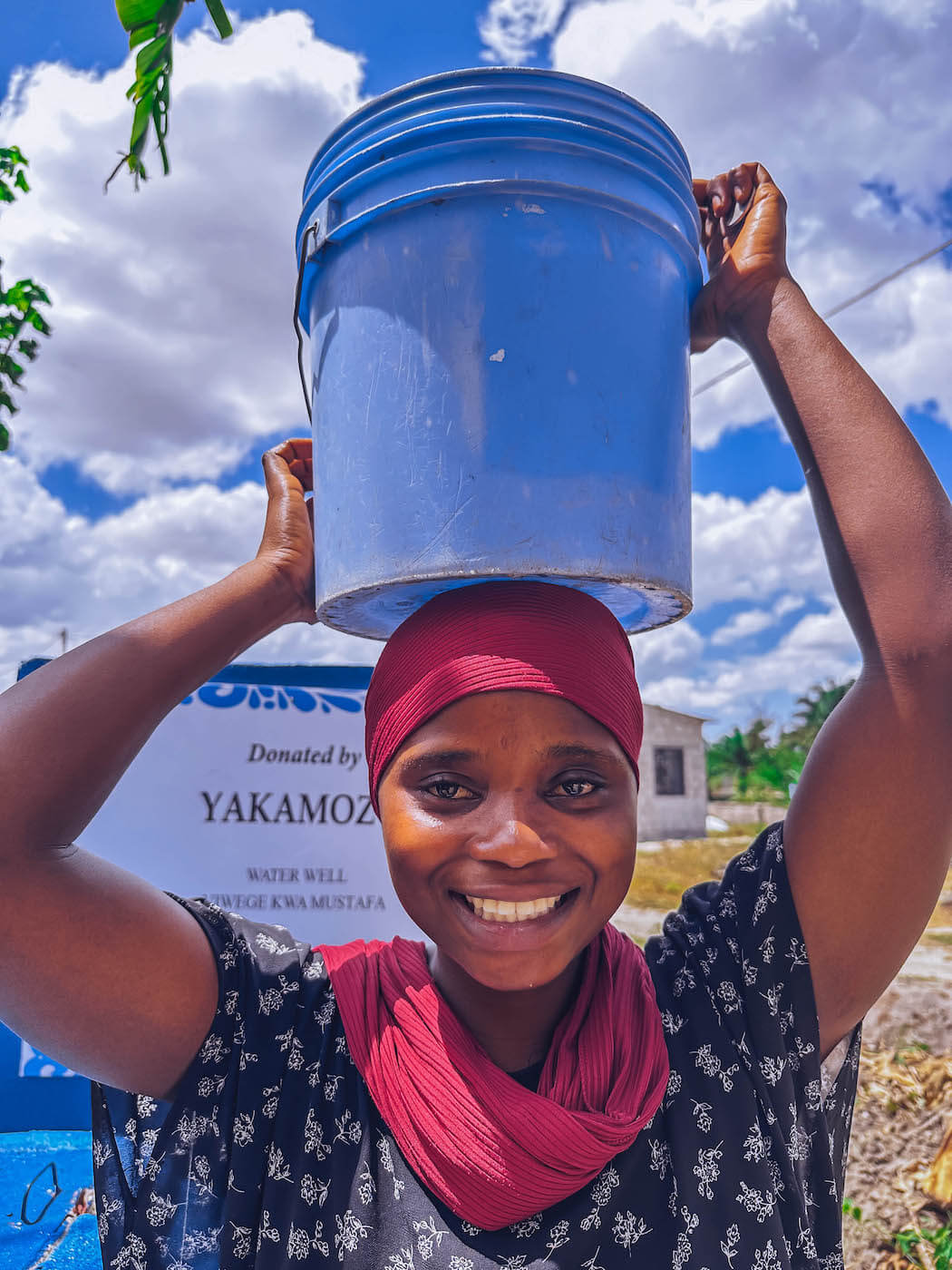
Drinking unprotected water puts millions of people at risk for harmful waterborne diseases like cholera, dysentery, and diarrhea. These diseases especially affect children; waterborne diseases are the fourth-leading cause of death in children under 5 worldwide. When water is not plentiful, farmers are unable to grow enough food to sustain their communities and sell to others, increasing hunger and depressing the local economy. Women and girls must spend hours each day walking to these imperfect sources of water, gathering water and carrying it back to sustain their families. This often results in physical injuries, and the time-consuming responsibility leads to higher rates of girls dropping out of school, and prevents women from taking care of their families or entering the workforce.

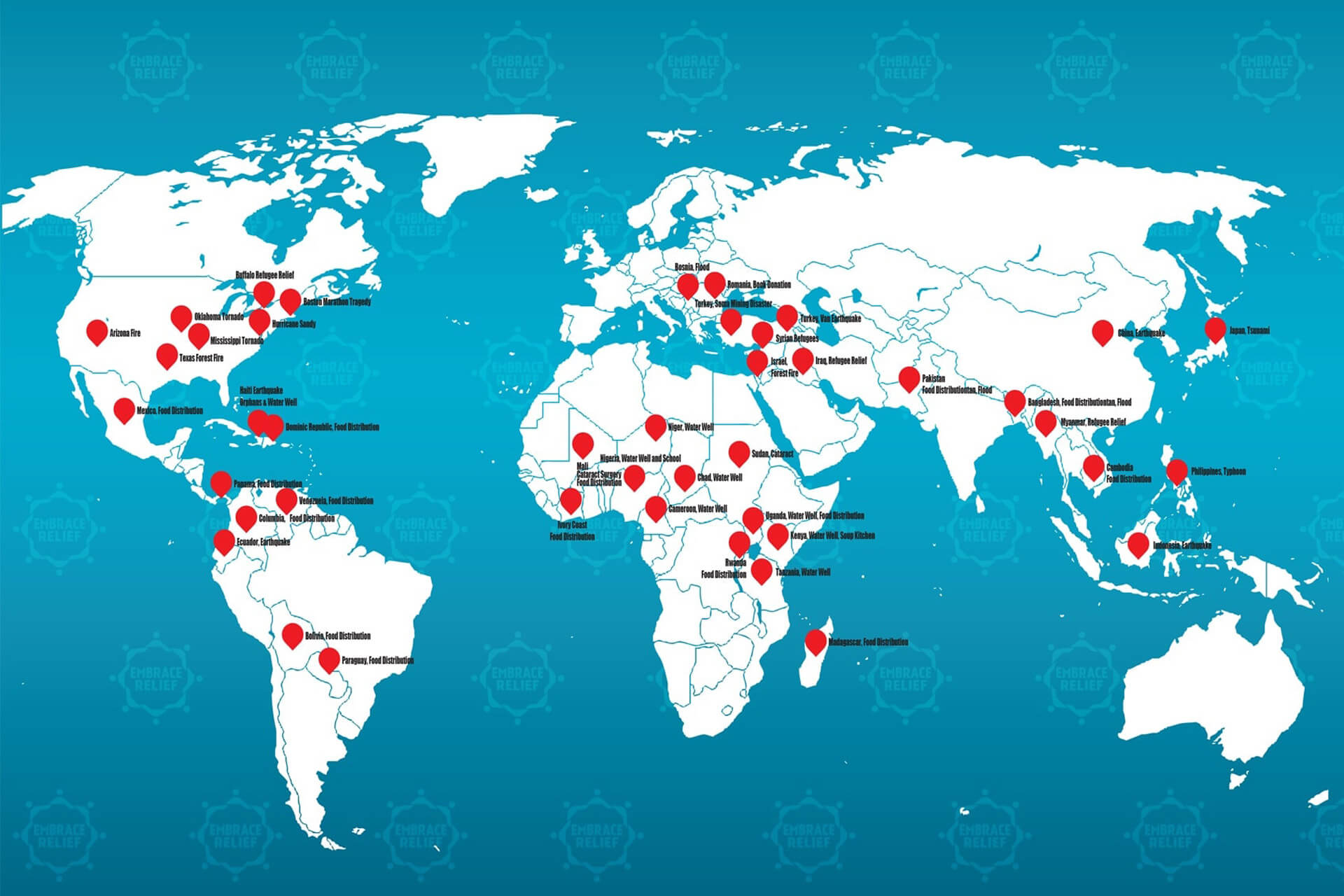
The solution to these issues is clear: there are vast amounts of clean water in sub-Saharan Africa. However, it is mostly found below ground, and must be access by pipes drilled into the ground. This is too expensive of a project for most small, rural communities in developing countries like Chad, Cameroon, Nigeria, Tanzania, Uganda and Kenya. But with the help of organizations like Embrace Relief, generous donors like you can help us transform lives this Ramadan, by ensuring access to safe and sustainable water!
Empower Lives This Ramadan: Donate to Build Water Wells in Africa

Leave a Legacy of Hope this Ramadan

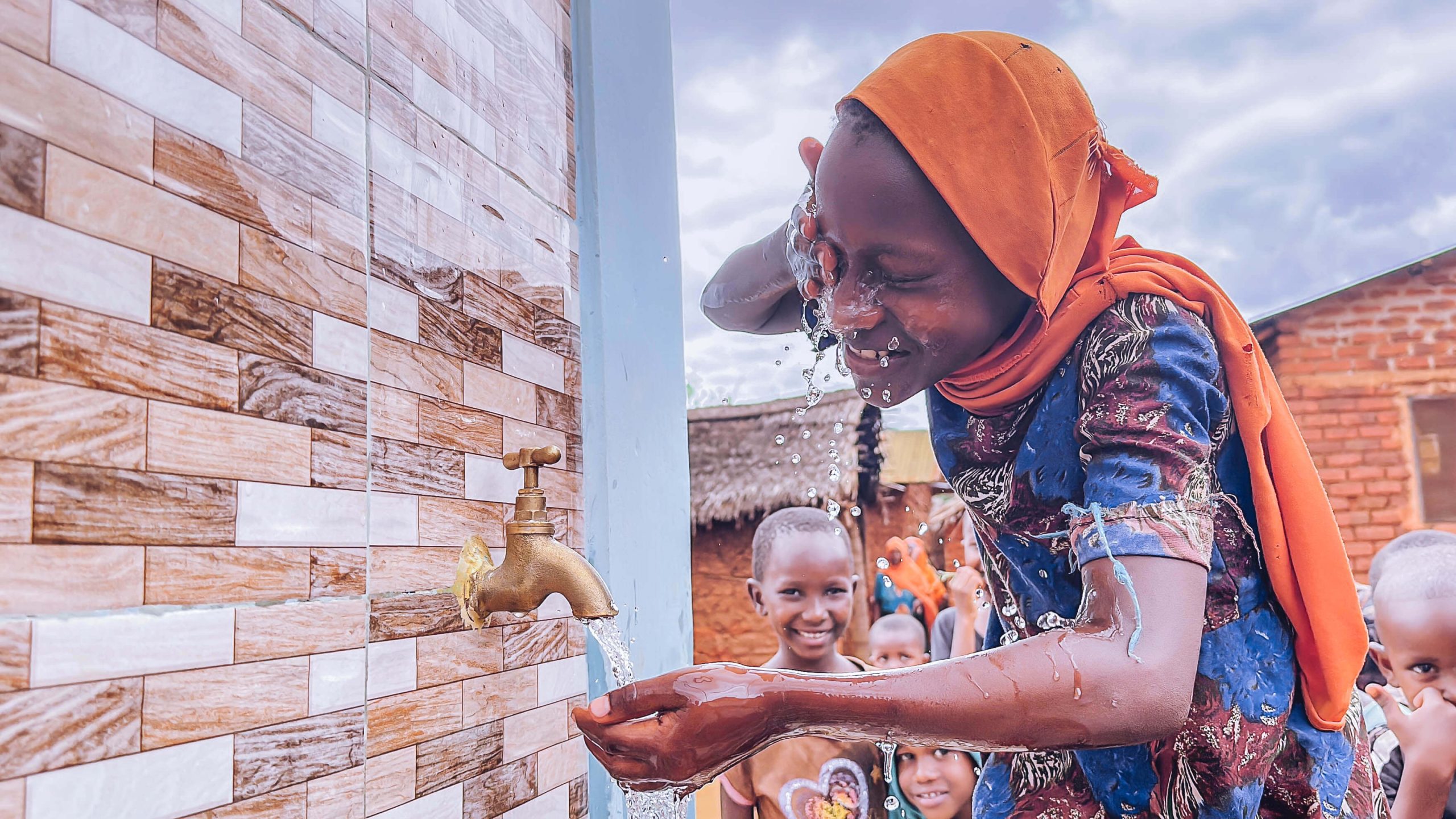
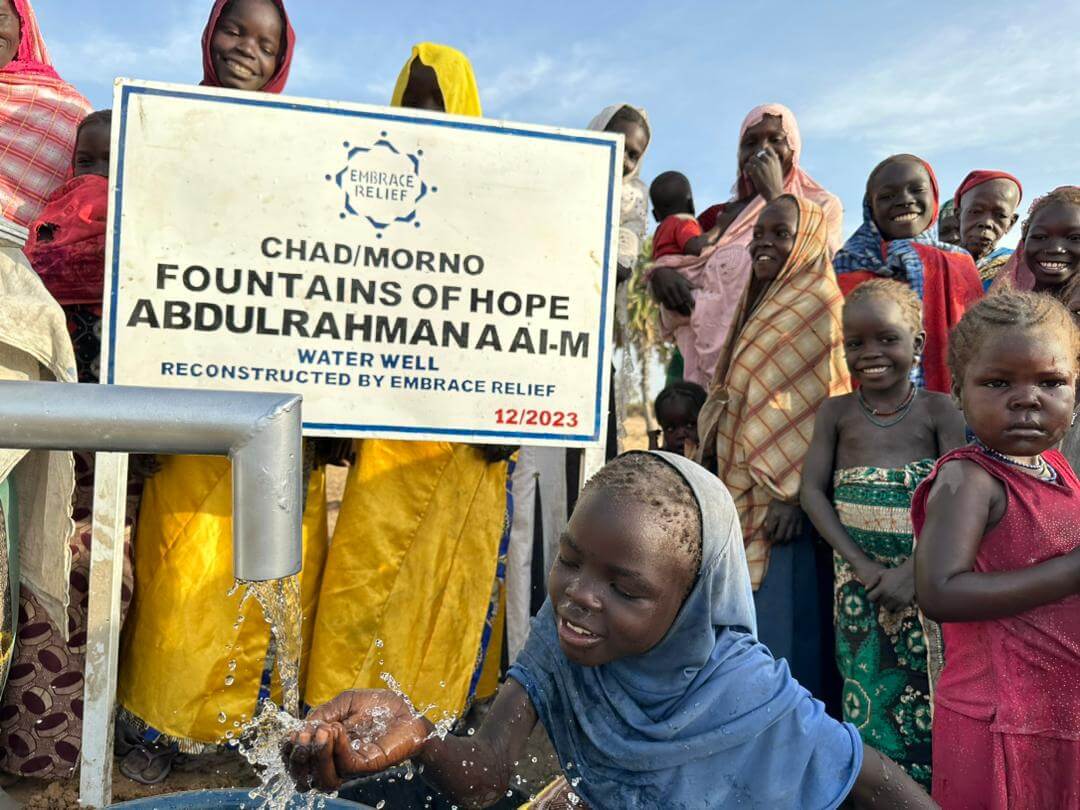
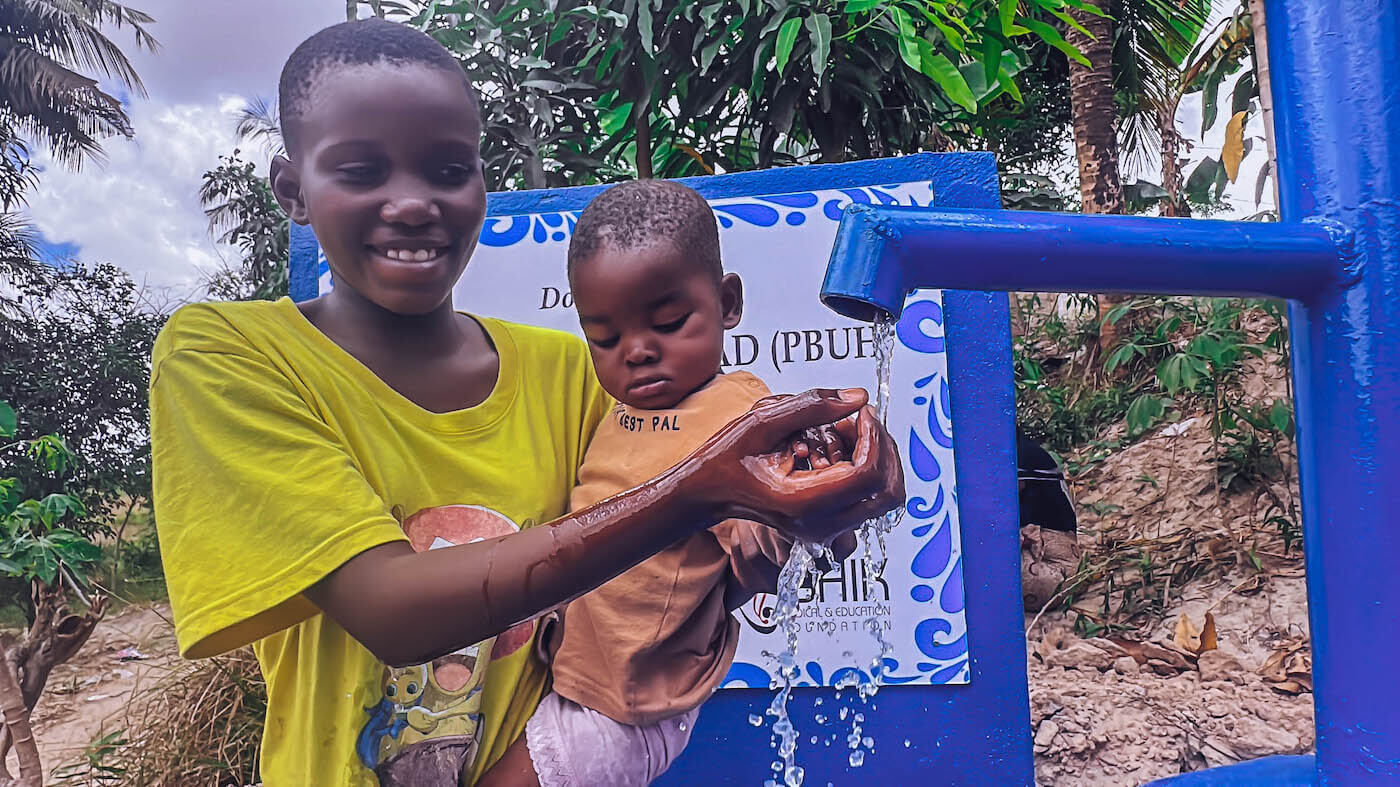
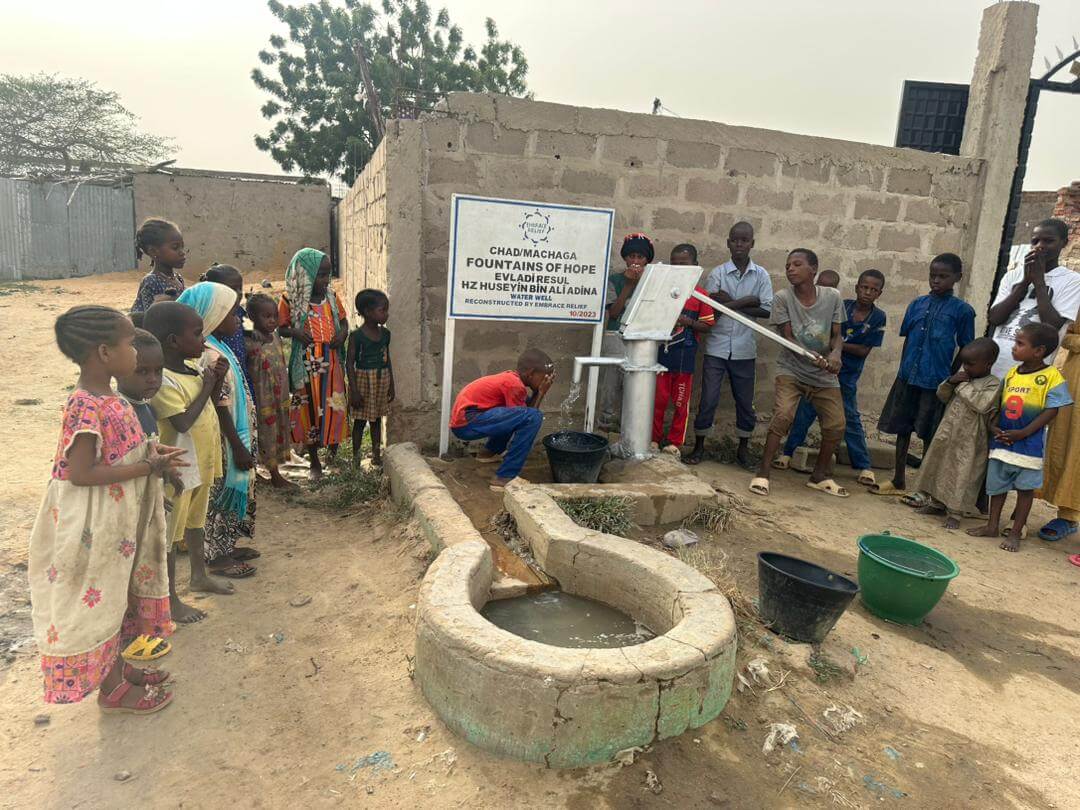
Since 2013, Embrace Relief has embarked on an ambitious program of building new water wells and reconstructing abandoned wells in Africa. To date, we have built or reconstructed more than 850 wells, providing clean water to nearly 1 million people! In every community where we’ve worked, we have seen the joy and the immense progress brought on by each new water well. People live longer, healthier lives. Children are more likely to finish their education. Villages begin to develop and grow on their own thanks to the prosperity and abundance brought by their well. A water well doesn’t just provide this crucial basic need: it empowers a community to thrive.

This Ramadan, seize the opportunity to embody the spirit of giving by contributing to Embrace Relief’s Clean Water Initiative. The principles of Ramadan – empathy, solidarity, and selflessness – resonate profoundly with this program. Each donation, no matter its size, creates a ripple effect of positive change, purifying your wealth while uplifting those less fortunate.

Imagine the impact of your generosity — a single newly-built well costs just $3,500, and a reconstructed Fountain of Hope costs $1,300. Each Embrace Relief well serves approximately 1,000 people every single day, for years to come. Your gift gives sustainable life to an entire community, and when added to the gifts of those who have donated before, we are creating a long-term legacy of hope and transformation.
Empower Lives This Ramadan: Donate to Build Water Wells in Africa

As you engage in acts of worship and reflection during Ramadan, consider the immense blessings in extending a helping hand to those in need. Donate to Embrace Relief’s Clean Water Initiative using the donation box below and become a beacon of hope for communities striving for a better tomorrow.

Your charity during Ramadan holds the power to transform lives and uplift communities. Act today and be a part of this noble cause!

How To Calculate Your Zakat

Summary

  • Muslims around the world will soon be fulfilling their Zakat obligations, donating a portion of their wealth to those most in need.
  • Use this guide to find out exactly what possessions and holdings count towards your Zakat obligation, and if your personal wealth meets the Zakat threshold.
  • Use Embrace Relief’s easy, free Zakat calculator to determine what you owe.
  • Then, we invite you to make your Zakat donation right here in support of one of Embrace Relief’s eight international humanitarian programs.

Zakat, one of the Five Pillars of Islam, is a fundamental practice that emphasizes charity and generosity. Every Muslim adult of sound mind, who holds assets above a certain threshold, is obligated to give a portion of their wealth to those in need. Zakat is not just a form of charity; it is a compulsory act of worship and a means of purifying one’s wealth; the word Zakat itself is Arabic for “that which purifies.”

Calculating Zakat requires each person to do a thorough accounting of their income, assets and liabilities. If one’s total wealth (income plus assets minus liabilities) is greater than or equal to the Nisab, the minimum threshold for Zakat eligibility, then paying Zakat is obligatory. As of December 2023, the value of Nisab, based on the standard of 3 ounces of gold, is approximately $6,100.

If one owes Zakat in a given year, they must give 2.5% of their total wealth to poor people, or to organizations who work with the poor. Most Muslims make their Zakat donation during the month of Ramadan, but it can be done at any time of year, as long as it is given each lunar year. Donating Zakat serves as a reminder of the interconnectedness of the Muslim community and the importance of helping those less fortunate.

How do I determine my Zakat obligation for 2024?

Zakat is calculated on various forms of wealth, including savings, investments, gold, silver, and business profits. However, not all forms of wealth are subject to Zakat. Personal items such as a primary residence, clothing, and personal vehicles are exempt. Additionally, only surplus wealth, after deducting necessary expenses, is considered for Zakat calculation.

Here is a five-step process that will help you determine your Zakat obligation. We recommend using Embrace Relief’s free Zakat calculator as you progress through each step:

Determine Eligible Assets: dentify all assets that are subject to Zakat. Begin by identifying all cash on hand, including money in bank accounts, savings, and any other liquid assets. Any interest earned on savings should also be included. Next, determine the current market value of all gold and silver you own in any form, such as jewelry or coins. Then, calculate the current market value of any investments you have made, including stocks, bonds, mutual funds, or other tradable assets. Finally, if you own or part-own a business, add the value of your inventory, equipment and property.

How To Calculate Your Zakat

2) Deduct Liabilities: Calculate the amount of any outstanding debts or financial obligations you owe, and subtract this total from the total value of assets from step 1. Debts and obligations can include personal loans, mortgages, and business-related debts; it also includes personal bills – such as rent, utilities, insurance, medical bills, federal and state taxes, and others – that you owe prior to the Zakat due date.

3) Calculate your Zakat: After subtracting your liabilities from your assets, if the remaining total is equal to or exceeds the Nisab ($6,100 as of December 2023), then you must give Zakat. Multiply your remaining total by 2.5% to reveal the amount you owe – or use our Zakat calculator.

4) When to give your Zakat: While Zakat is an annual obligation that can be made at any time, it is recommended to give it during the month of Ramadan. Many Muslims choose to distribute their Zakat during this blessed month, as it holds spiritual significance and provides an opportunity for increased spiritual reward.

5) Where to give your Zakat: The Quran specifies that Zakat must be donated to one of eight specific groups of people: “for the poor and the needy and those who are in charge thereof, those whose hearts are to be reconciled, and to free those in bondage, and to help those burdened with debt, and for expenditure in the Way of Allah and for the wayfarer” (Al-Tawbah, 9:60). To put this another way, you may give directly to poor people in need, or you may give to a registered, reputable charity organization that distributes aid to the poor.

How To Calculate Your Zakat

Give your Zakat with Embrace Relief in 2024

Once you have calculated your obligation, we humbly ask you to consider giving your Zakat to Embrace Relief. We are an international humanitarian nonprofit charity with a 15-year track record of providing aid to the most vulnerable communities in the world. Our eight humanitarian programs have supported more than 7 million people since 2008 by providing food, water, disaster relief, healthcare, education, shelter and more in dozens of countries.

Paying Zakat is a sacred obligation, a fundamental pillar of Islamic faith that fosters compassion and solidarity within our communities. At Embrace Relief, we deeply understand the sanctity of this duty and the significance of your financial contribution. We assure you that your Zakat will be handled with utmost care, transparency, and responsibility, and that every penny you give will be directed towards aiding people most in need.

Click here to learn more about Embrace Relief’s dedicated programs that continue to help people every single day. Click here to use our free Zakat calculator and donate.

Your generosity will empower Embrace Relief to continue to make a meaningful impact in the lives of those less fortunate, as we continue to support communities and provide life-saving assistance where it’s needed most.

Donate Your Zakat Online

$
Donate Now

Build a water well in Africa? Why you don’t need to be Mr. Beast to help others

Summary

  • A recent viral video by YouTube sensation Mr. Beast showcased the building of 100 water wells in Africa, which provided clean water to tens of thousands of people.
  • Mr. Beast’s video spotlighted one of the world’s biggest humanitarian crises, with millions throughout Africa suffering because they lack an accessible, safe source of drinking water.
  • Read on to learn about how you can be a hero like Mr. Beast and deliver clean water to thousands of people in need in Africa with Embrace Relief.

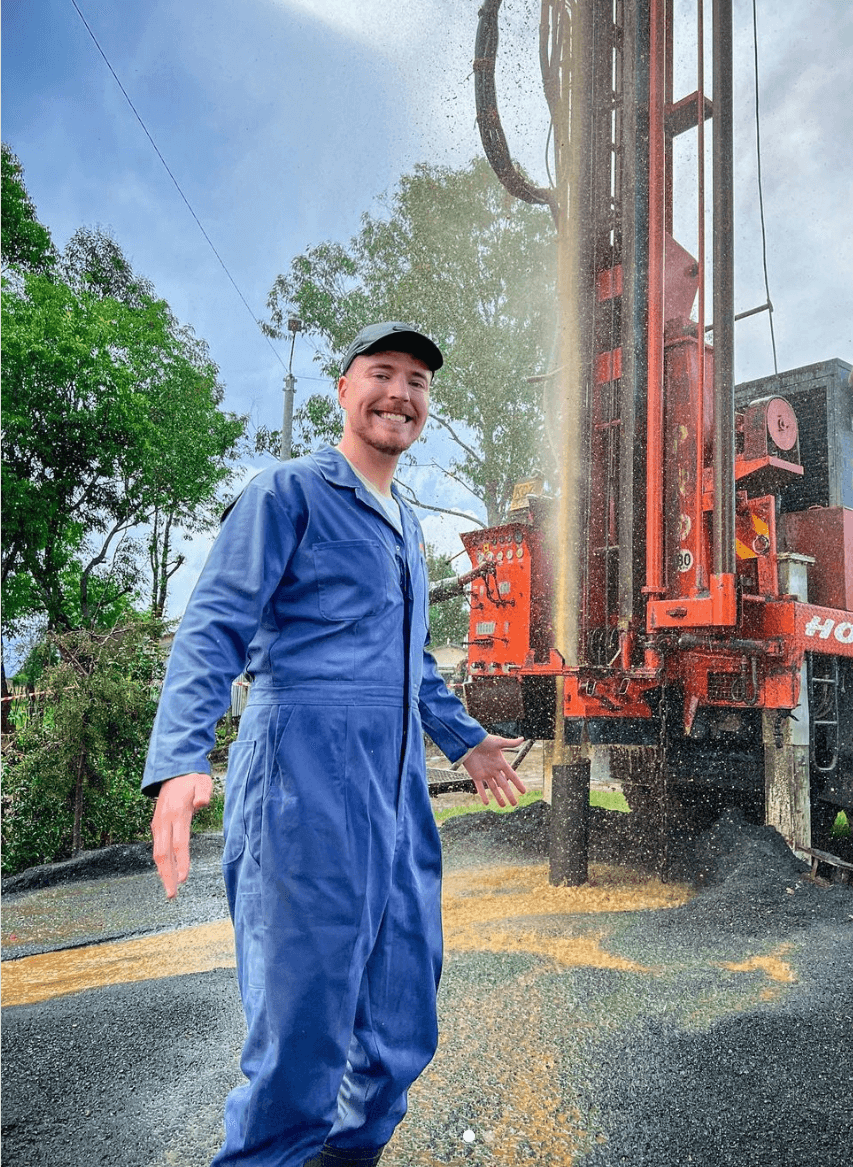
In a world where influencers often make headlines for controversial reasons, it’s refreshing to see someone use their platform to make a truly impactful change in the world. Recently, the YouTube star Mr. Beast shared a video showcasing a project in which he funded the construction of 100 water wells in Africa. Mr. Beast’s remarkable act of generosity will not only benefit tens of thousands of people for years to come: it is also shedding light on the critical issue of water scarcity in many parts of Africa.

We take clean water for granted here in the United States, where the nearest source of clean water is typically no further away than the nearest kitchen sink or refrigerator. This is not so for more than 200 million people in sub-Saharan Africa. Untold numbers of people in this part of the world, especially in rural communities, subsist on water gathered from nearby lakes, rivers, ponds, or simply from holes in the ground that collect rainwater. These water sources are unprotected from contaminants, including human, animal and industrial waste. Because of this, sub-Saharan Africa suffers some of the highest rates of waterborne diseases – including diarrhea, cholera, typhoid and dysentery – in the world. Studies show a lack of clean water is linked closely with high child mortality rates, shorter life spans, lower school graduation rates, less food production, and less prosperous local economies.

The good news: building water wells can virtually eliminate all of these problems!

Unfortunately, building a well takes lots of hard work, heavy machinery and money: things that are often in short supply in less-prosperous areas of the world like Kenya, Tanzania, Cameroon and Chad. But it’s an investment with a truly inspirational impact! With a reliable water source, individuals can improve their health, sanitation, and overall quality of life. Children – especially young girls – can attend school regularly instead of spending hours fetching water, and communities can focus on agricultural production and economic activities, fostering growth and development.

Build a water well in Africa? Why you don’t need to be Mr. Beast to help others

With Embrace Relief, You Can Be A Clean Water Hero Too

Mr. Beast’s wonderful initiative will have a profoundly positive impact on hundreds of communities for generations to come, and we celebrate his generosity. But we also want you to know that you don’t need millions of YouTube subscribers to change lives in Africa: you can support Embrace Relief!

Embrace Relief has brought clean water to more than 850,000 people in Chad, Cameroon, Nigeria, Tanzania, Kenya and Uganda since 2013 through two programs responsible for more than 850 wells: our Clean Water Initiative, which builds new wells, and our Fountains of Hope project, which restores abandoned and broken wells. Click the links to learn all about the lives we’ve touched and the impact we’ve made.

If you’d like to make a difference like Mr. Beast, you can by donating to support these two excellent programs! Any donation amount will make a real difference in people’s lives. But if you are looking to make the biggest impact, you can build and name your own water well with a donation of:

  • $3,500 for a new water well
  • $1,500 for a reconstructed water well

Additionally, all wells (new and restored) come with a guaranteed five-year warranty covering all maintenance and part replacement.

Build a water well in Africa? Why you don’t need to be Mr. Beast to help others

By contributing to Embrace Relief’s clean water cause, you’re joining the mission to bring clean and safe water to the people who most need it. Your donation will transform entire communities, bringing hope, health, and economic development.

Just like Mr. Beast, you have the power to change lives and make a tangible difference in the world – and all it takes are just a few clicks right on this page! Join Embrace Relief and be a part of our journey to make clean water a reality for all!

When does Ramadan 2024 start and end?

Summary

  • Have you ever wondered why Ramadan 2024 starts on a different date than it did in 2023?
  • This guide will explain why the start and end dates of Ramadan shift each year, and detail the significance of the holy month.
  • Then, learn how you can exemplify the charitable, giving spirit of Ramadan by supporting Embrace Relief’s International Hunger Relief: Ramadan 2024 food distribution program.

Ramadan 2024 will be upon us before we know it. Muslims around the world eagerly anticipate the arrival of this sacred month, marked by fasting, prayer, reflection, and community. If you’re wondering about the timing of Ramadan in 2024, let’s delve into the specifics and the significance of this holiest month in Islam:

When is Ramadan 2024?

In 2024, Ramadan is expected to begin at sunset on Sunday, March 10. Ramadan 2024 will conclude with the Eid al-Fitr holiday, which begins at sunset on Tuesday, April 9. Ramadan’s start and end dates can vary slightly depending on location, based on the sightings of the moon and local customs.

Why is it so difficult to know when Ramadan starts? Because the start and end dates of Ramadan shift each year. Each occurrence of Ramadan is determined by the Islamic calendar, which is based on the lunar cycle, unlike the Gregorian calendar used in the United States. Because the lunar cycle is a bit shorter (about 29.5 days) compared to the typical 30- or 31-day Gregorian month, Ramadan’s start date moves forward in the secular calendar each year by roughly 11 days. For example, in 2025, Ramadan is expected to start on February 28.

Ramadan: A Time of Discipline and Growth

Ramadan holds immense spiritual significance for Muslims globally. During this month, Muslims commemorate the first revelation of the Quran to Prophet Muhammad by fasting from dawn until sunset. Fasting during Ramadan is one of the Five Pillars of Islam and serves as a means of self-discipline, empathy for the less fortunate, and spiritual growth.

The days of Ramadan are characterized by increased worship, including the performance of special nightly prayers known as Taraweeh, recitation of the Quran, acts of charity (Zakat), and heightened devotion to prayer and reflection. The pre-dawn meal, Suhoor, and the evening meal to break the fast, Iftar, become special communal moments for families and communities.

When does Ramadan 2024 start and end

Muslims worldwide celebrate Ramadan with diverse traditions and cultural practices. Each region infuses its unique customs into the observance of this holy month. Ramadan’s spirit fosters unity, empathy, and generosity among believers, transcending geographical boundaries.

Make your Ramadan count by donating to Embrace Relief’s International Hunger Relief!

Here at Embrace Relief, we have our own Ramadan tradition, as this time of year is home to one of our annual International Hunger Relief campaigns.

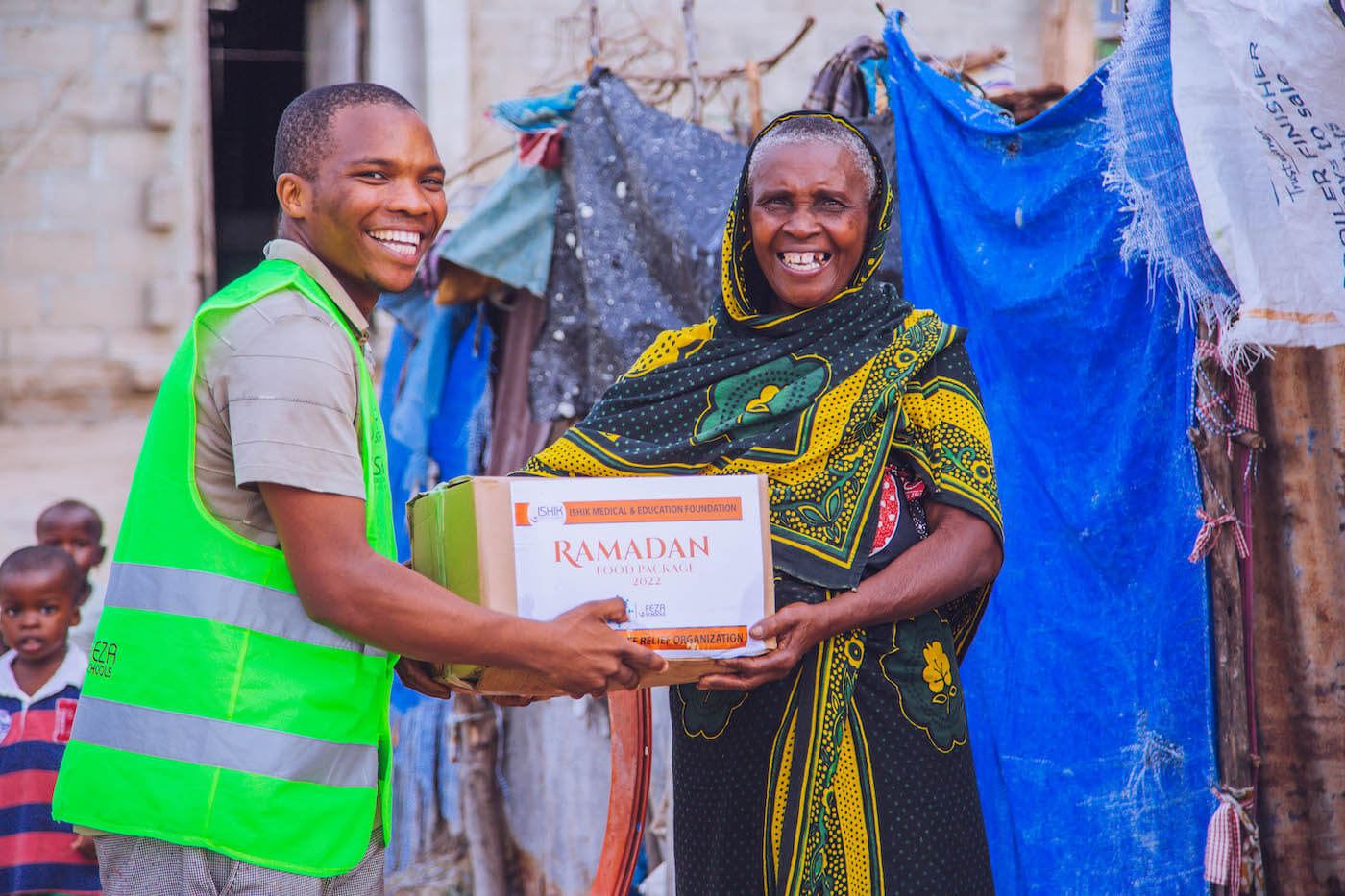
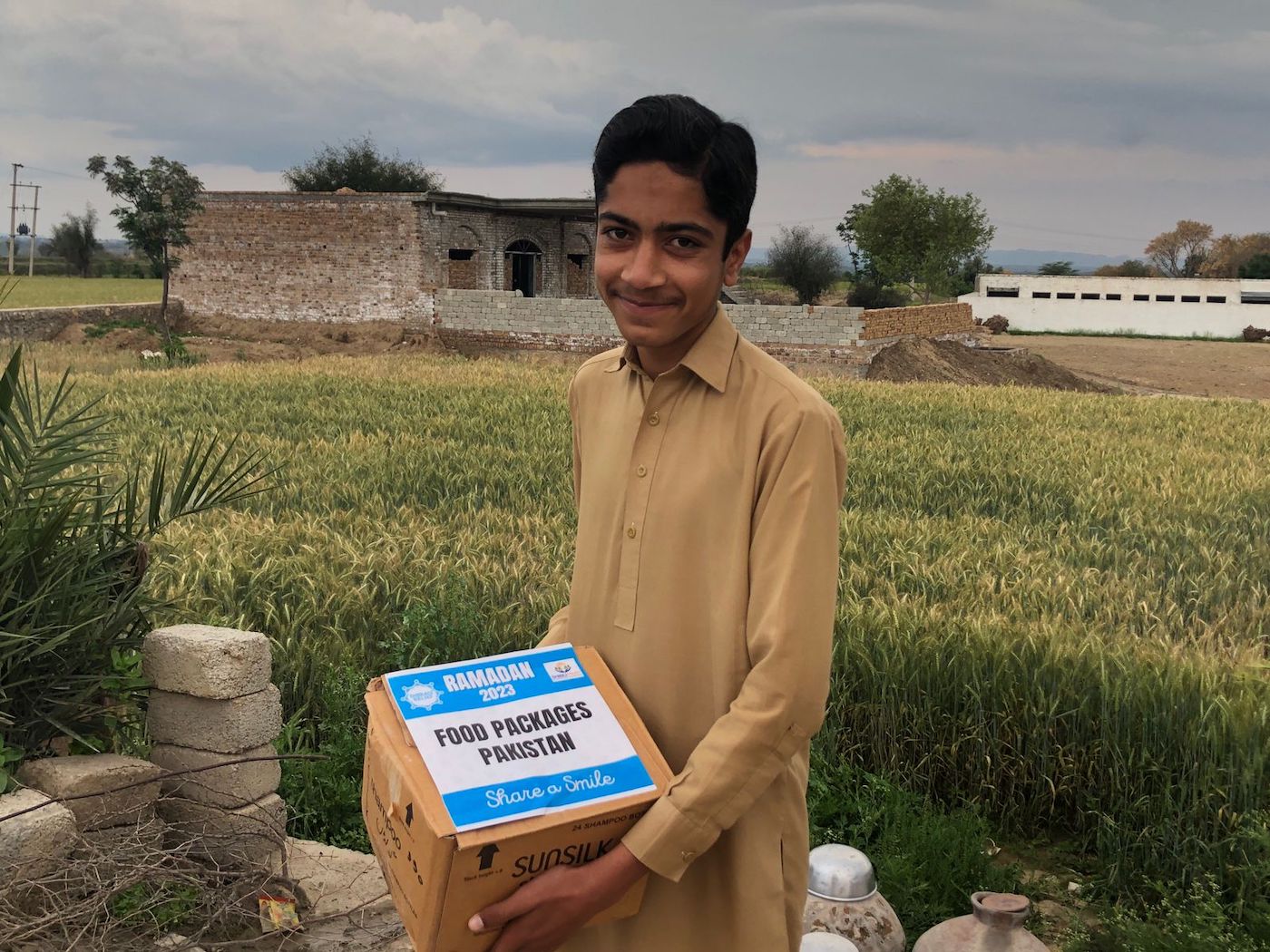
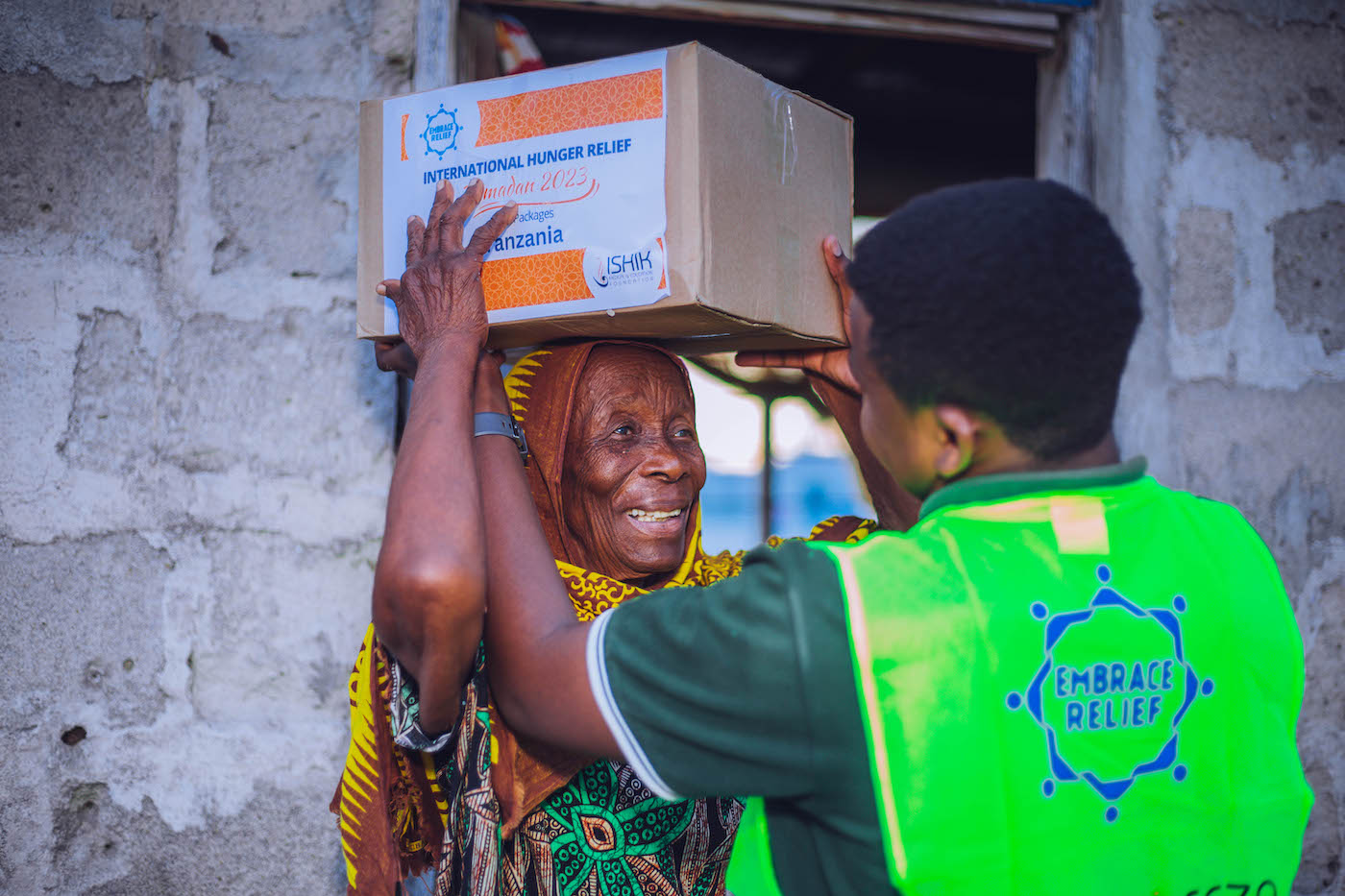
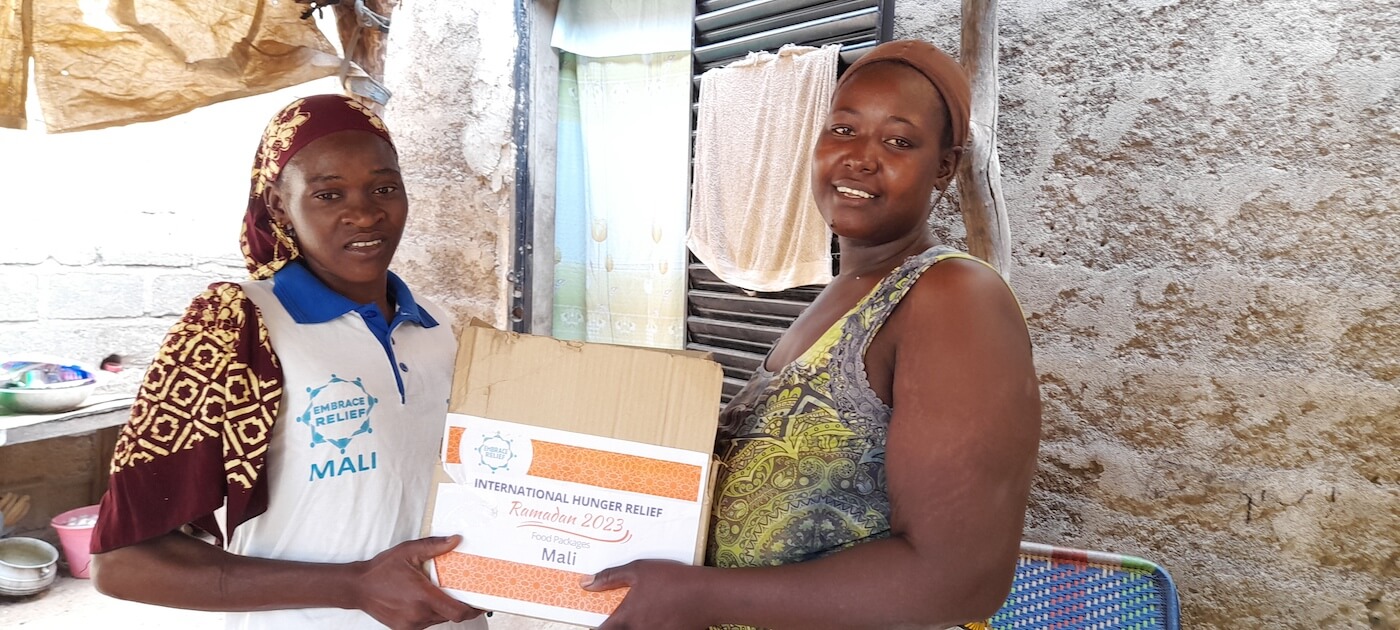
Thanks to the generosity of donors like you during this time of charity and giving Embrace Relief has been able to deliver nutritious food packages and meals to nearly 100,000 people in over 15 countries over our last three International Hunger Relief: Ramadan campaigns. We aim to reach even more families in need during Ramadan 2024, but we can’t do it alone!

When does Ramadan 2024 start and end?

We believe that Ramadan is a time to share our blessings and food with people most in need, whether they live in the United States, Africa, Yemen, or as refugees in Greece. You can support this cause by donating right now to our International Hunger Relief: Ramadan campaign in the box below. With just a few clicks, you can ensure that children around the world will go to bed on a full stomach.

May this upcoming Ramadan be a time of immense blessings, spiritual growth, and communal harmony for all.

The UN Sustainable Development Goals: The 5 P’s of a Sustainable Future

Summary

  • The UN Sustainable Development Goals (SDGs) and Agenda 2030 are broad frameworks for global cooperation towards making the world a more equitable, safer, and healthier place for future generations.
  • Importantly, the 17 SDGs are not isolated from one another. We can see how they interact when we think about the “5 P’s” of sustainable development.
  • Learn more about what the “5 P’s” are and how they can inspire us to collective action to meet humanity’s biggest challenges.

The United Nations Sustainable Development Goals (SDGs) serve as a blueprint for a better and more sustainable future for all. This blueprint can be sprawling and challenging to understand, as it includes 17 Goals and hundreds of measurable targets to determine progress.

But it is perhaps easier to understand how the SDGs work together when we think about the “Five P’s” of sustainable development: People, Planet, Prosperity, Peace, and Partnerships. Each “P” represents an overall theme that is fundamental when considering how we can make progress towards a more prosperous, healthier, and happier world, and each “P” is represented by multiple SDGs. In this way, we can see how closely related and interlocked each SDG is in achieving the outcomes envisioned by the UN’s Agenda 2030.

So, what are the “5 P’s”?

People:

At the core of the SDGs are the people, emphasizing the importance of social inclusion, equality, and human rights for all. This is the impetus for the SDGs which call for the eradication of poverty and hunger, the promotion of good health and well-being for all, and the achievement of quality education, gender equality, and access to clean water and sanitation. These goals work in tandem to create a world where everyone, regardless of their background or circumstances, can live a dignified life.

People-focused initiatives include reducing inequality within and among countries, promoting decent work and economic growth, ensuring access to affordable and clean energy, and fostering sustainable cities and communities. By prioritizing people, the SDGs aim to leave no one behind, uplifting the most vulnerable populations and empowering individuals to contribute meaningfully to society.

Planet:

The second “P” aspect underscores the urgency to protect our natural environment and address climate change. This is the impetus for SDGs calling for responsible consumption and production, climate action, conservation of biodiversity, sustainable management of forests and oceans, and efforts to combat desertification and land degradation. Preserving the planet’s resources and ecosystems is critical for current and future generations’ well-being.

Goals related to the planet focus on ensuring sustainable consumption patterns, taking urgent action to combat climate change and its impacts, protecting and restoring ecosystems, promoting sustainable use of marine resources, and conserving biodiversity. By safeguarding the planet, the SDGs aim to ensure a healthy and resilient environment that can sustain life.

The UN Sustainable Development Goals: The 5 P’s of a Sustainable Future

Prosperity

The third “P” encompasses economic growth, without compromising social and environmental sustainability. This is the impetus for inclusive and sustainable economic development that benefits everyone. This includes ensuring access to affordable and clean energy, promoting industrial innovation and infrastructure, fostering innovation and sustainable industrialization, and reducing inequalities within and among countries.

SDGs related to prosperity involve ending poverty in all its forms, promoting sustained, inclusive, and sustainable economic growth, ensuring sustainable consumption and production patterns, and building resilient infrastructure. Achieving prosperity under the SDGs means generating wealth and opportunities while preserving the planet’s resources for future generations.

Peace:

The fourth “P” is a prerequisite for sustainable development. It goes beyond the absence of conflict and encompasses building peaceful, just, and inclusive societies. This is the impetus for promoting peaceful and inclusive societies for sustainable development, providing access to justice for all, and building effective, accountable, and inclusive institutions at all levels.

Goals related to peace aim to reduce violence, end abuse, exploitation, trafficking, and all forms of violence against children. They also focus on promoting the rule of law at the national and international levels and ensuring responsive, inclusive, participatory, and representative decision-making at all levels. Peace is essential for fostering social cohesion, stability, and sustainable development.

Partnerships:

The fifth “P” is fundamental to achieving the SDGs. Collaboration among governments, business leaders, civil society organizations, academics, and other stakeholders is crucial for mobilizing resources, sharing knowledge, and implementing effective strategies. Each of the SDGs represents a complex challenge that will require global solidarity to overcome.

The significance of partnerships is enshrined in SDG 17. This goal encourages multi-stakeholder partnerships that mobilize and share knowledge, expertise, technology, and financial resources to support the achievement of the SDGs. Partnerships enable collective action, innovation, and the exchange of best practices, facilitating progress towards sustainable development.

The UN Sustainable Development Goals: The 5 P’s of a Sustainable Future

Conclusion

The “5 Ps” of the UN Sustainable Development Goals – People, Planet, Prosperity, Peace, and Partnerships – represent the foundation of Agenda 2030, an aspirational plan to build a more equal, more just, more sustainable and more prosperous world for future generations.

The “5 P” framework is helpful for understanding how each of the SDGs are intertwined together: meeting each goal will assist in achieving the others. They are a guide to a better world, which we can only manifest only through a comprehensive approach that incorporates each “P” into our collective actions.

Here at Embrace Relief, we strongly support the UN Sustainable Development Goals and Agenda 2030. As an accredited 501(c)(3) humanitarian relief organization, we have developed eight programs that address humanity’s greatest challenges, with an eye towards being part of the solution for a more sustainable future.

Click here to learn more about each of our eight humanitarian aid programs, or click here to learn about the role Embrace Relief plays in advancing the UN SDGs.

How long can you go without food?

Summary

  • Our bodies can continue to operate after long periods of not eating, though at a diminished capacity. But for how long?
  • Learn about our body’s response to severe hunger, including how our organs cope with a lack of fuel to maintain their function – at least temporarily.
  • Then, learn how you can help thousands in conflict-stricken Yemen avoid the suffering of starvation by providing them with nutritious food.

The human body is resilient, but when it comes to a lack of food, even it has its limits.

We of course need a steady supply of calories from the food we eat in order to function. And our bodies are self-regulating, if we listen to them. When we go long stretches of time without eating, our stomach alerts us with a grumble, and our brain signals that we are hungry.

But what happens when we ignore those signals? And how long can we go without food before causing serious damage?

You can suffer serious health issues if you go too long without eating (or if you consume a less-than-adequate amount of food over a long-enough period of time), up to and including death. The time frame for these health issues varies based on your age, sex, body mass, water intake, and your environment. It’s believed that the average healthy person can survive approximately three weeks without eating, with more or less time depending on the above factors.

What happens when I don’t eat for a long time?

When you don’t eat for long periods of time, your body is not getting the energy it needs to keep your organs functioning properly. Normally, your body converts the food you eat into glucose, which provides energy. Once you’ve gone without eating long enough, your body begins looking for other sources it can burn:

  • After eight hours or so without eating, your body will begin to break down the glucose stored in your liver and muscles (glycogen) to fuel organ function.
  • After your body has used up all of its glycogen – usually 24 hours after the process begins – it will begin to use the fat stored in your body for energy. This is when health issues can begin to get really serious, including significant and dangerous weight loss, decreased brain function, and dizziness and fatigue.
  • It may take days or weeks to burn through all of the fat stored in your body, depending on your body’s composition. But once your body has used up all of the fat, its only remaining source of fuel is muscle. This last stage of starvation sees muscles beginning to wither, causing grave and potentially irreversible damage to your heart (which is, of course, a muscle) and organs.

Starvation is a terrible ailment, breaking our regular organ functions and destroying our bodies from within. Obviously, going days or weeks without eating will cause starvation. But many around the world also suffer from long-term starvation, as they consume enough calories to survive, but not enough to keep the body functioning properly.

Especially in poorer and less-developed countries, millions of people – especially children – are dangerously underweight because they are undernourished. A calorie deficit can add up over months and years, leading to chronic health problems and shorter life spans.

In a world where we have more than enough food for every person on Earth, there is no reason for anyone to ever have to face this grim situation. Indeed, we all have a responsibility to ensure that our neighbors have enough to eat.

Help Embrace Relief provide food to people in need!

That spirit, and that commitment to easing hunger wherever it exists on the planet is one of the foundations of our work here at Embrace Relief. Hunger Relief is one of our flagship programs, and over the past decade we have shown our dedication by providing foot to vulnerable communities in more than 40 countries.

Right now, we are focused on the country of Yemen, where a conflict ongoing since 2014 has forced many people to flee their homes, and created conditions ripe for famine. As a result, nearly half of the country’s population of 33 million is undernourished and at risk for the long-term starvation we discussed earlier in this article.

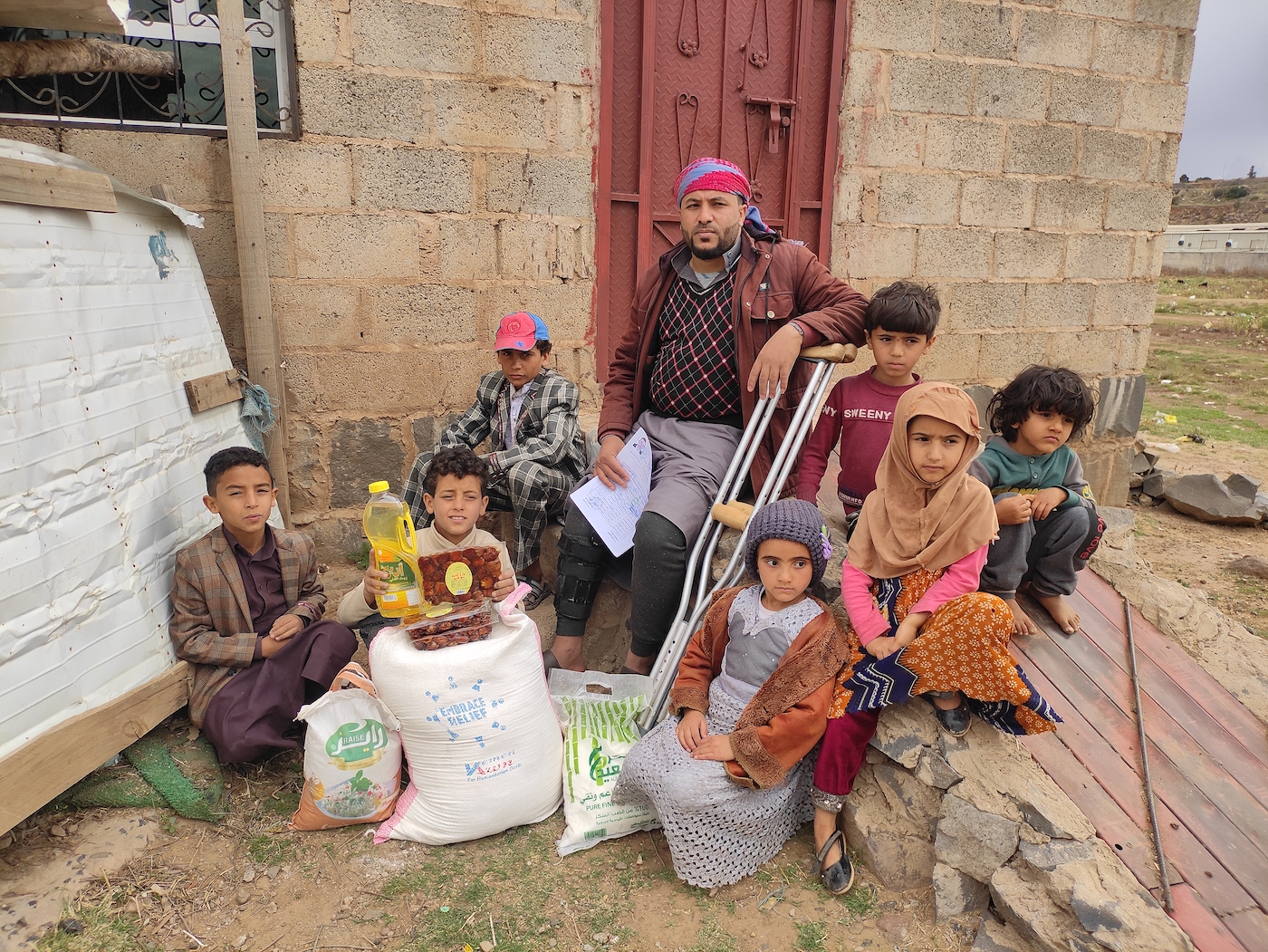
To help the people of Yemen, Embrace Relief is providing food packages to families in need. These food packages will provide up to two weeks’ worth of nutritious, healthy food for a family of six. They will go a long way towards reversing the worst effects of long-term hunger.

But we need the generous support of people like you to make this happen!

How long can you go without food?

Donate to our Ramadan 2024 campaign by using the field below and help us bring much-needed staple foods like pasta, beans, rice, lentils, and more to those in need. Every dollar makes a difference, and a gift of just $50 will help one more family go to bed on a full stomach.

Donate to Embrace Relief today and let’s work together to ease world hunger!

How To Make Your Own Bread: A Step-by-Step Recipe

Summary

  • Learn how to make your own homemade bread with our easy-to-follow recipe.
  • Then, learn about how you can support Embrace Relief as we aim to share bread with people in Yemen this holiday season.

Bread: The Universal Food

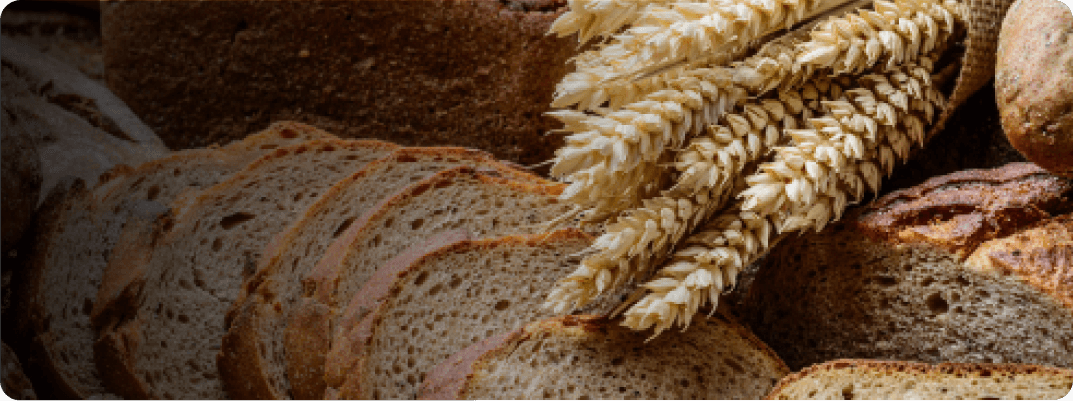
Bread is a food for all occasions, seasons, and times of day. From toast at breakfast to sandwiches for lunch, and as an accompaniment for soups and salads during dinner, it adapts to various culinary contexts. It can star in celebratory feasts, like the stuffing we eat at Thanksgiving or as the foundation of a burger at a summer barbecue.

You can find good bread almost anywhere, but there’s something special about crafting your own. Baking homemade bread is a fun, simple and delicious task that can be done by just about anyone, just about anywhere. But what if I’m a beginner at baking? How do I make my own bread? Even if you’re just learning, simply follow our recipe below and soon you’ll have created a special, delicious loaf of bread of your own.

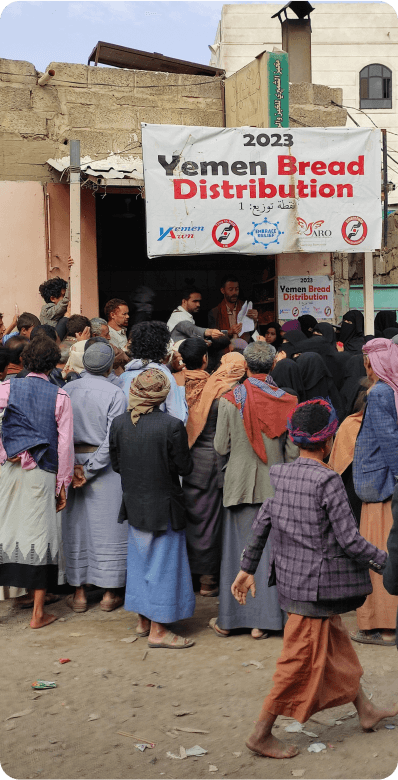
Before we begin, we would also like to ask you to help Embrace Relief share bread with others in need around the globe. At the end of this piece, we’ll tell you about our Breaking Bread With Yemen campaign, which is providing fresh bread to tens of thousands of Yemenis who are struggling due to the decade-long conflict there. You can donate to support this wonderful cause by clicking the red button below:

or you can read on to the end to learn more. But first, let’s bake some delicious bread!

Homemade Bread Recipe for Beginners

Total Time: 3-4 hours

Preparation Time: 15 minutes

Rising Time: 2-2.5 hours

Baking Time: 30-35 minutes

Ingredients:

  • 4 cups all-purpose flour
  • 1 tablespoons active dry yeast
  • 2 teaspoons sugar
  • 1 1/2 teaspoons salt
  • 1 1/2 cups warm water (about 110°F or 43°C)
    • Note: If your water is too hot, it will kill the yeast and result in dense, flat bread.
  • 2 tablespoons vegetable oil

Equipment:

  • Large mixing bowl
  • Large kneading bowl
  • Wooden spoon or spatula
  • Clean kitchen towel
  • Plastic wrap
  • 9×5-inch loaf pan
Water Wells SDG

Instructions:

1. Gather your supplies

Before you begin, make sure you have all the above ingredients and equipment ready

2. Active the yeast

In the large bowl, dissolve the sugar in the warm water. Once dissolved, stir in the yeast. Let it stand for about 5-10 minutes, until the mixture becomes frothy.

3. Combine ingredients

Once the mixture is frothy, add the salt and oil into the large bowl. Begin by adding 3 cups of flour and mix with the spatula or spoon to combine. Mix in more flour, one cup at a time, until the dough pulls away from the side of the bowl. You may not need to use all 6 cups of flour; once the dough pulls away, you have completed this step.

4. Knead the dough

Place the dough on a lightly floured surface, and knead with your hands for approximately 7-10 minutes. This involves folding the dough in half, pushing it down with the heel of your hand, and turning it a quarter turn. Once the dough is smooth and elastic, and only slightly sticky, you have completed this step.

5. First rise

Form the dough into a ball and place it in a lightly oiled bowl. Cover the bowl with a clean kitchen towel or plastic wrap. Allow the dough to rise for about 60-90 minutes in a warm, draft-free place. It should double in size. During the last 15-20 minutes of this process, preheat your oven to 375°F (190°C).

6. Shape the dough

Punch down the risen dough to release any air bubbles, and knead for 1 minute on a lightly floured surface. Shape the dough into a loaf that is roughly the same width as your loaf pan.

7. Second Rise:

Place the shaped dough into a greased 9×5-inch loaf pan. Cover the pan with the towel or plastic wrap again and let the dough rise for another 30-45 minutes. The top of the bread should be about 1 inch above the pan.

8. Bake the Bread:

Remove the cover and place the loaf pan in the preheated oven. Bake for 30-35 minutes, or until the bread is golden brown and sounds hollow when tapped on the bottom.

9. Enjoy!

Carefully remove the bread from the pan and let it cool on a wire rack for at least 30 minutes. Once cooled, slice and enjoy your homemade, handmade bread with whatever spreads or toppings you prefer.

Embrace Relief Water Wells Embrace Relief Water Wells

Share your bread with our friends in Yemen!

The pleasant scent and delicious taste of a fresh loaf of bread is a reminder of the abundance we share, especially during the holiday season. What if you could share your bread with those less fortunate?

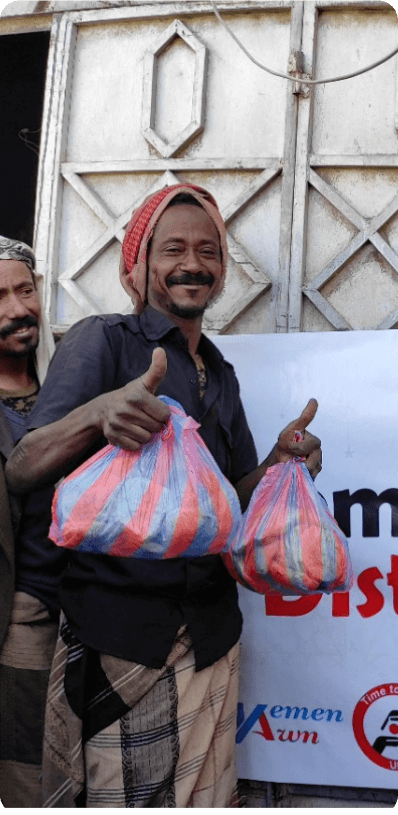
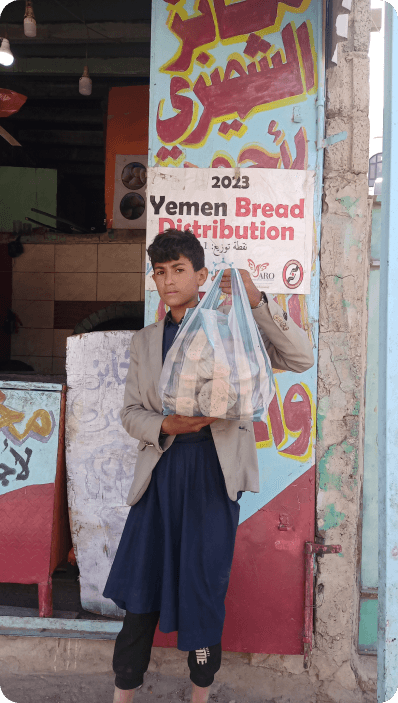
Now, you can, thanks to Embrace Relief’s Breaking Bread With Yemen campaign. This campaign is raising money to support the operation of bakeries in Yemen’s capital city, Sanaa, which is supplying freshly baked bread – just like the bread you’re making today – to more than 100 families every single day.

The conflict in Yemen is nearing the end of its 10th year, and the resulting humanitarian crisis continues to affect most of the country. An estimated 17 million people, more than half of the Yemeni population, are food-insecure and at risk of severe short- and long-term effects of hunger and malnourishment. Additionally, more than 2.2 million children are unable to meet their nutritional needs on a daily basis, which puts them at risk for stunted physical, mental and emotional development.

Embrace Relief’s bread distribution program is doing its part to ensure that the people of Yemen receive the food they need for as long as the crisis continues. But we can’t do it without you.

Donate today to our Breaking Bread With Yemen campaign in the donation box below. Every dollar matters – just $100 will feed a Yemeni family for an entire month. This holiday season, give the gift of bread to a family in need!

Group Fundraising: NJ students working to aid people in need in Kenya

It can be difficult for people in the United States to grasp what life is like without clean water, because it can be found everywhere here. Chris Mileo, a history teacher at Bergen Arts & Science Charter High School in Hackensack, NJ, said that he only gained a true understanding during a humanitarian trip to Africa early in his teaching career. He and his group visited a public school and spent the day laughing, singing and engaging with the children. As his group departed, they left bottles of water on a table for the children to take, and Mileo recalled seeing the children sprint to grab the water as fast as they could.

“It was a really heartbreaking thing, because you understood how precious that water was for those kids,” Mileo said. “Water is the genesis of life, the genesis of everything. And that moment really made a huge impact on me.”

Today, Mileo is an advisor and the coordinator of Pathway to College (PTC), an extracurricular program with more than 40 students at Bergen Charter, designed to enhance students’ preparation for life after high school. An important part of Pathway to College’s mission, Mileo said, is exposing students to life beyond their northern New Jersey bubble, and instilling values of service and humanitarianism.

“Our goal is to try and develop what I call ‘Renaissance men’ and ‘Renaissance women’, who are thoughtful, generous, and really have a deep understanding of the world,” Mileo said. “A big part of that is having them experience all kinds of global perspectives, and understanding that we are all human beings.”

This fall, PTC is teaming up with Embrace Relief in support of this mission. The group has launched a Group Fundraiser project, with a goal of $10,000, for several important humanitarian projects that will aid children in Kenya. The group aims to reach this fundraising goal in early 2024, after which PTC students are planning to visit Kenya, providing a once-in-a-lifetime opportunity to see firsthand the impact their work will have.

“I’m definitely looking forward to seeing the faces of the people we’re helping,” said Hugo, an 11th-grader and PTC member. “I thought the project was interesting when I first heard about it, but being able to have that experience of being in Kenya makes it even more exciting.”

Group Fundraising: NJ students working to aid people in need in Kenya

PTC’s fundraising efforts will target three key areas of need for people in Kenya: hunger, clean water, and education:

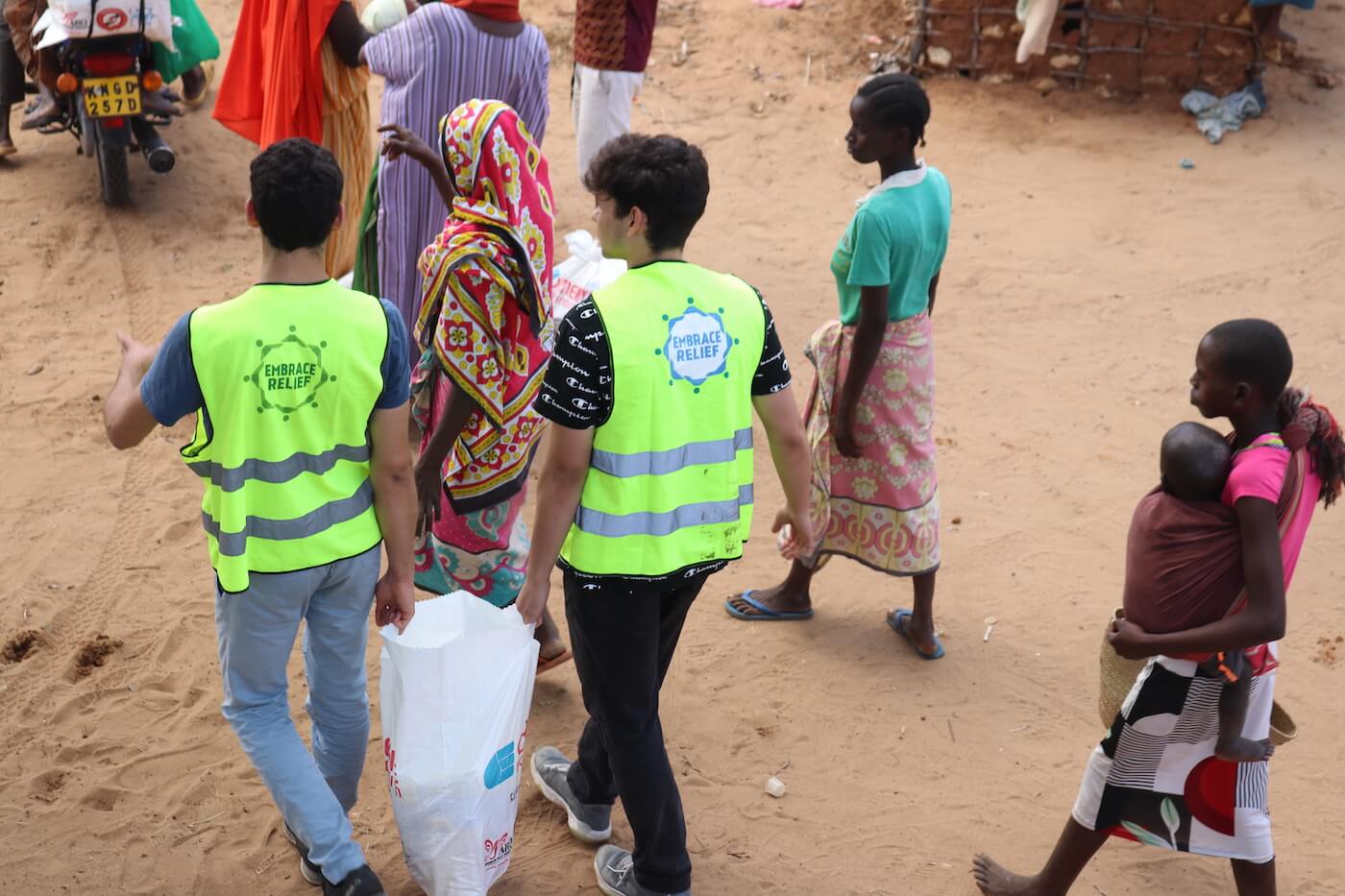
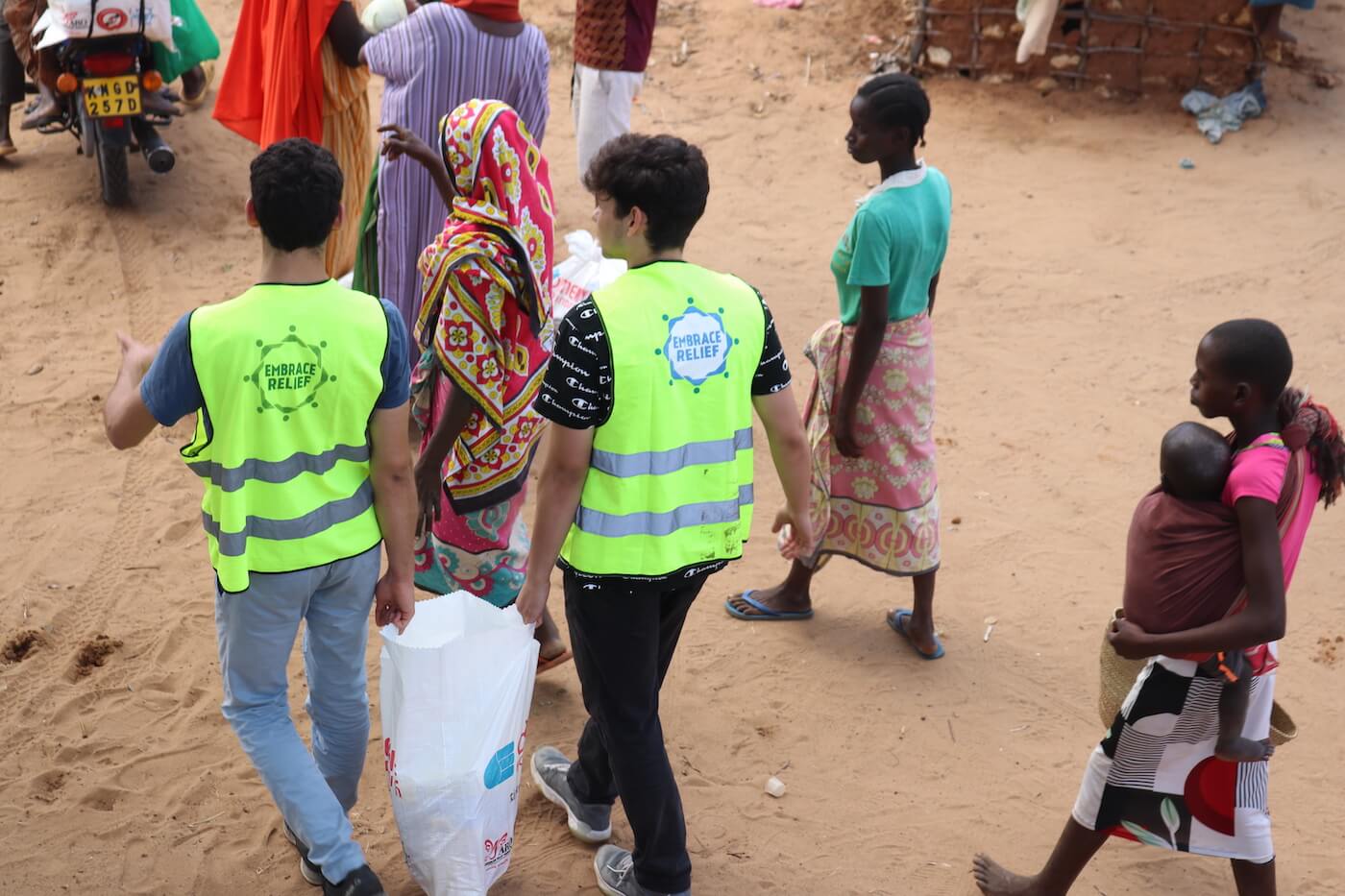
  • First, the students will take part in two different food package distributions, one of which will aid people in need in Nairobi, Kenya’s capital city. From there, they will travel on to the city of Mombasa, where they will deliver food packages to children at a local orphanage.
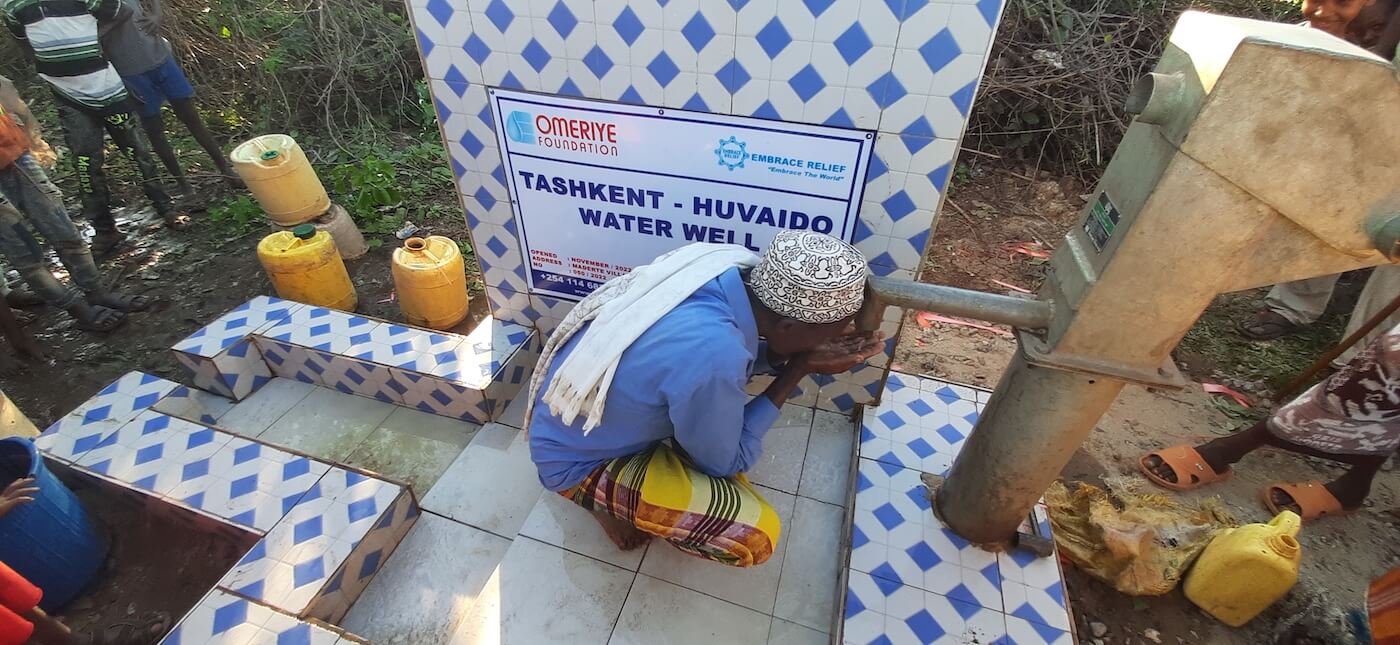
  • Next, money raised by PTC will pay for the construction of a new water well that will serve villages just outside of Mombasa, providing life-saving clean drinking water to the community for years to come.
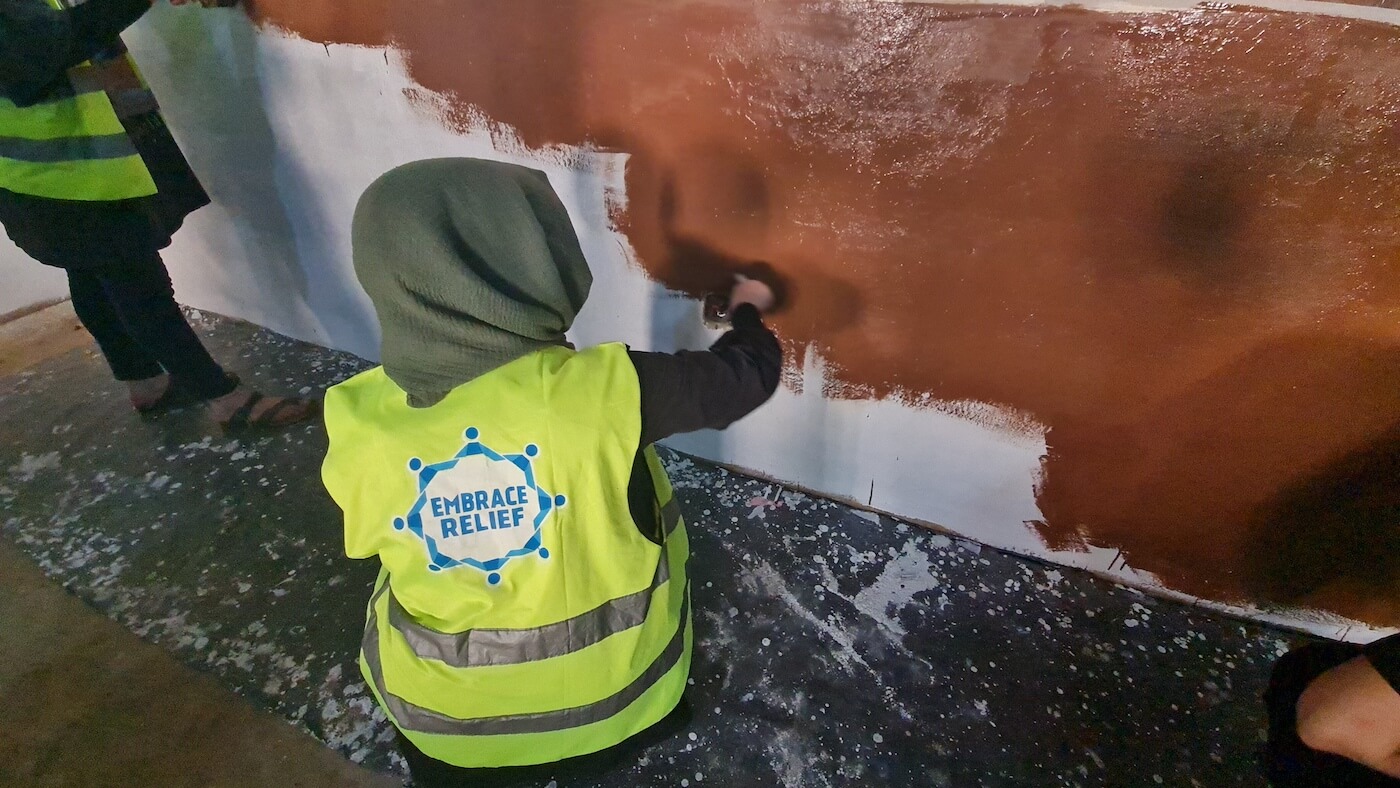
  • Finally, the fundraiser will cover the costs of renovations at a public school near Mombasa, including the painting of walls and the replacement of doors.

Each aspect of PTC’s project will make an important contribution to the lives of the people of Kenya, but providing clean drinking water will have the longest-lasting effects. The water well they build will reduce the spread of waterborne diseases, will allow villagers to grow more food for their communities, and will save precious time for the women and girls who collect water each day. And like all water wells built in partnership with Embrace Relief, it will come with a five-year guaranteed warranty covering all maintenance and upkeep.

“It’s such a little thing, clean water, that we take for granted here,” said Matthew, an 11th-grade student in PTC. “To be able to share it with people who don’t have it, and to know that I can make a difference for the greater good, that’s really something I’m looking forward to.”

Group Fundraising: NJ students working to aid people in need in Kenya

Opportunities for growth

Embrace Relief Group Fundraisers are a unique way for any school group, community group, or business to make a humanitarian impact. They are open-ended projects They can help instill important skills including teamwork, goal-oriented planning, and determination. For the students at Bergen Charter, who are planning their fundraising strategy to reach their $10,000 goal, this project will be a learning experience of its own.

“It’s a huge goal, but our group is very determined,” said Makayle, an 11th-grade PTC member. “We work well together, and we have a lot of people who have different ideas. This is a very diverse group, and so there are some people who have ideas that I might not think of, and I might have some ideas they might not. It’s a good thing.”

Helping people in need is its own reward, but Group Fundraisers also offer students like Makayle other tangible benefits as well. Performing volunteer charity work with a 501(c)(3) nonprofit like Embrace Relief can set a students’ college application or resume apart, because it demonstrates initiative, dedication, and ability to follow through on your goals. Additionally, teens and young adults who volunteer for Embrace Relief are also eligible for recognition through the Presidents’ Award for Volunteer Service and the Congressional Award.

But ultimately, the joy of a Group Fundraiser is in the knowledge that our actions can have a profound impact on people we haven’t yet met. For Mileo and his students at Bergen Charter, they know their planning and effort will soon pay off. And when it does, they will have made the lives of thousands of people happier, healthier, and safer than before.

“I believe that God gave us life to discover who we are and to help others,” said Arei, an 11th-grader and PTC member. “It’s the only way we can grow as people, and as a community.”

To support Bergen Charter Pathway To College’s “Empathy in Action” Kenya Relief fundraiser, click here.

To learn more about Group Fundraising opportunities with Embrace Relief, and how you can start one for your school, company, or community group, click here.

Group Fundraising: NJ students working to aid people in need in Kenya

About Embrace Relief

Founded in 2008, Embrace Relief’s mission is to deliver research-based, sustainable solutions to achieve immediate and lasting improvements in situations of humanitarian emergency and improving the quality of life of individuals and communities enduring chronic hardships. Based in Fairfield, New Jersey, Embrace Relief operates eight humanitarian relief programs year-round and has provided aid to people in more than 50 countries to date.

About Pathway to College (PTC)

“Pathway to College” is an extracurricular program offered by schools, including Bergen Arts & Science Charter, to students in grades 7-12 designed to enhance students’ preparation for life after middle and high school. At Bergen Charter, the PTC club is currently composed of more than 40 students, led by six teacher-advisors.

PTC provides a unique opportunity for the students by establishing a long term interactive advisor-student relationship, creating an environment for high achieving students to develop academic, social, leadership and teamwork skills. The program encourages activities such as academic competitions, team building, college trips, and guest speakers.