


Recent

Embrace Relief’s “Fountains of Hope” wins third place at Pioneers in SDG Awards

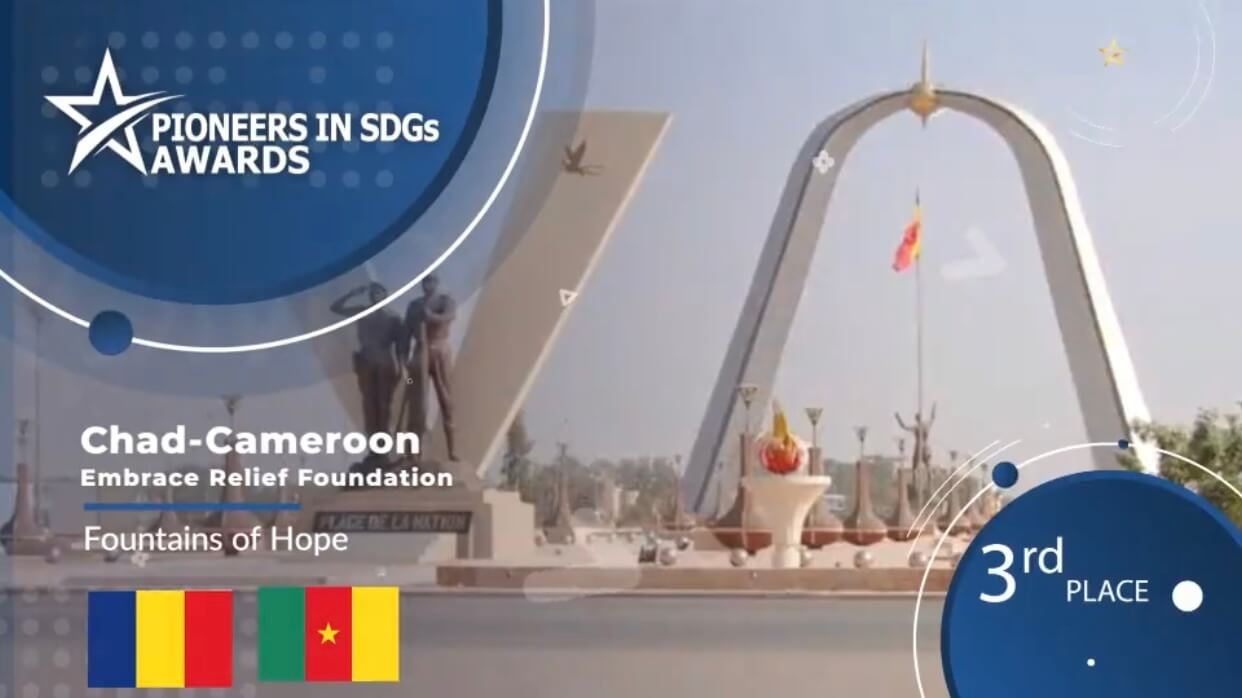
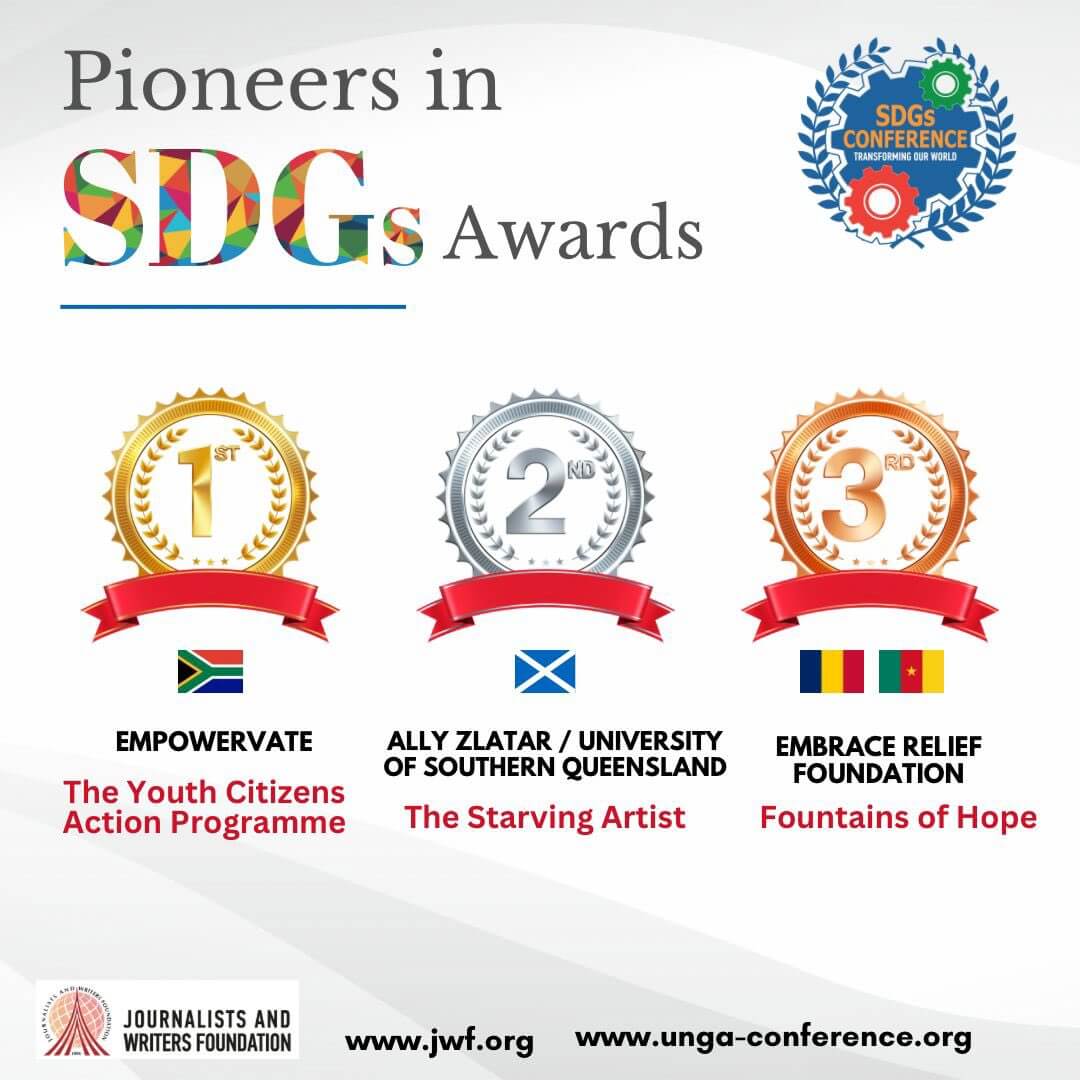
(Sept. 27, 2023) – Embrace Relief is pleased to announce that its “Fountains of Hope” project, which has reconstructed more than 170 abandoned water wells in the African countries of Chad, Cameroon and Nigeria, has been awarded third place out of 64 entrants in the fifth annual Pioneers in SDGs Awards, sponsored by the Journalists and Writers Foundation.

The honor was announced at a virtual awards ceremony held over Zoom on Wednesday, Sept. 27, and includes a $500 cash prize that will support Fountains of Hope.

“Embrace Relief Foundation has demonstrated, through their project, exceptional commitment to addressing critical global challenges,” said Dr. Rajendran Govender, a Pioneers in SDGs Awards jury member and master of ceremonies, in presenting the award. “Fountains of Hope stands as a shining example of how dedicated individuals and organizations can drive positive change. It embodies the spirit of [the United Nations] Sustainable Development Goals, by providing clean and accessible water sources, a fundamental necessity for health and well-being, to underserved communities.”

The Pioneers in SDGs Awards celebrate organizations and individuals who steadfastly advance sustainable peace, development, and the preservation of a culture rooted in peace, human rights, and sustainable development. This year’s 64 nominated projects came from more than 50 countries across five continents, and each project’s achievements represent tangible progress towards achieving the 17 UN SDGs.
Embrace Relief's SDG Awars

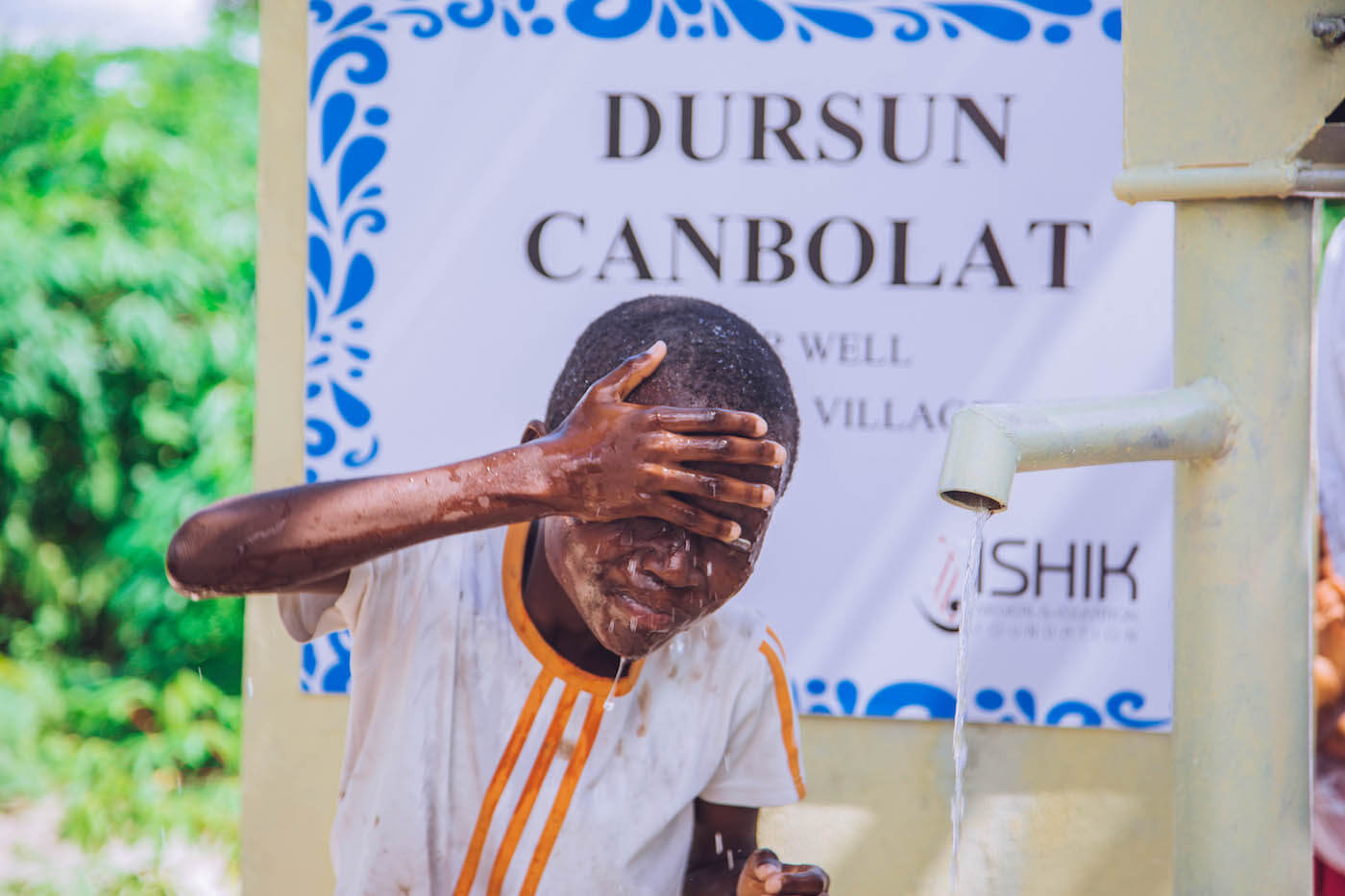
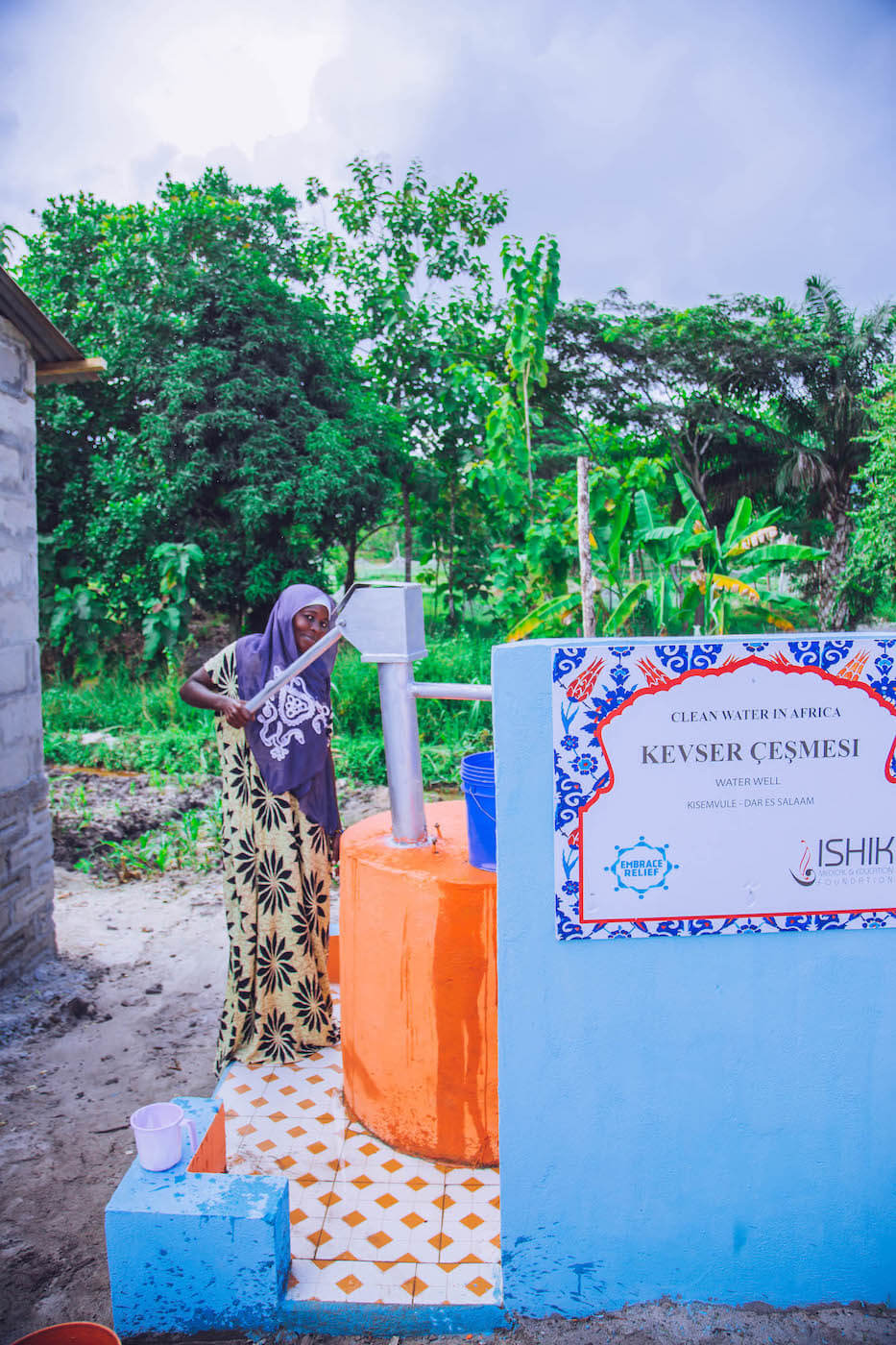
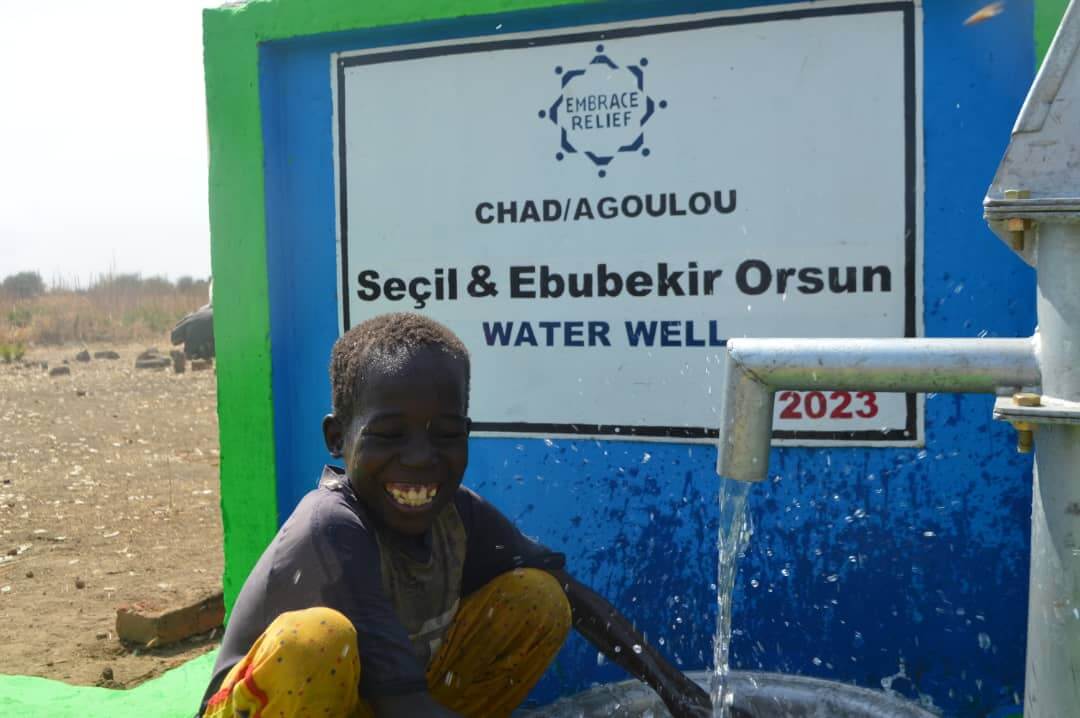
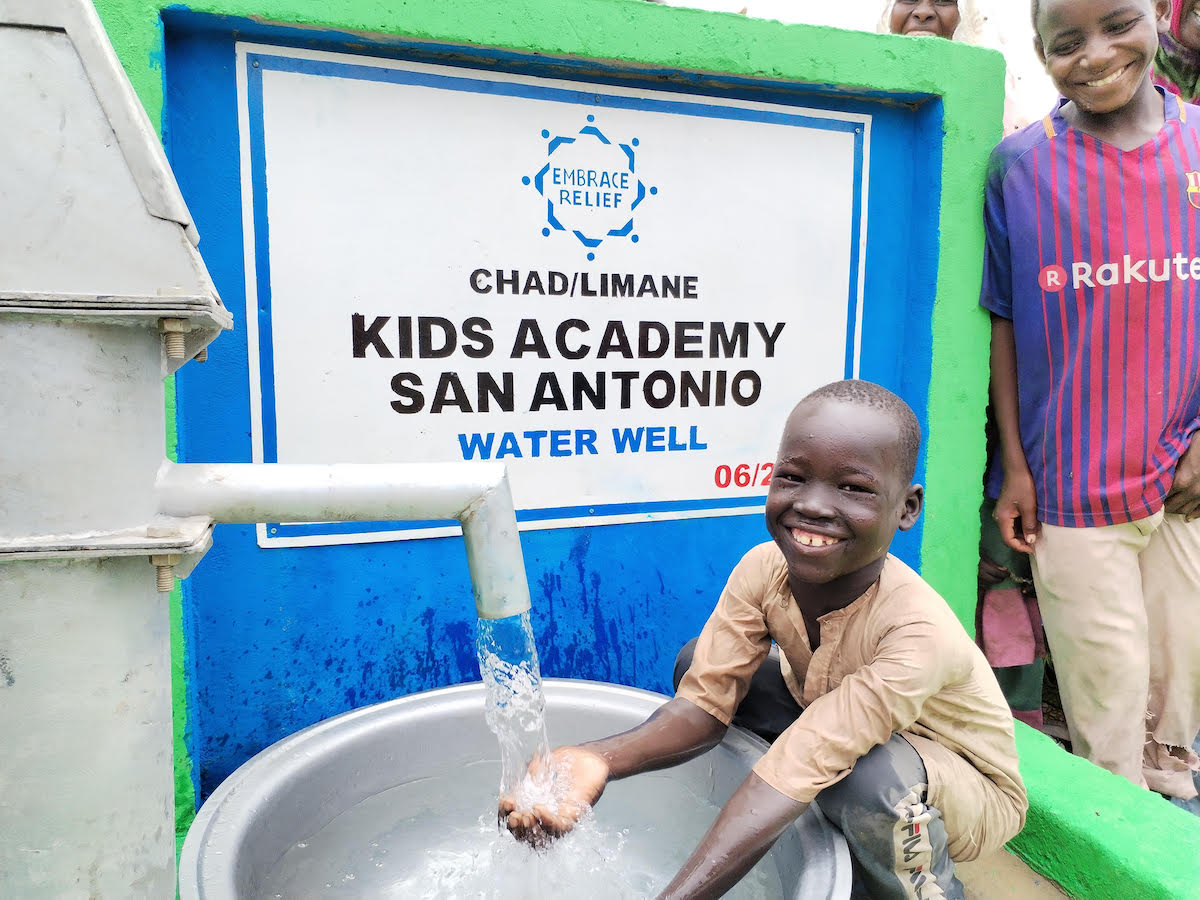
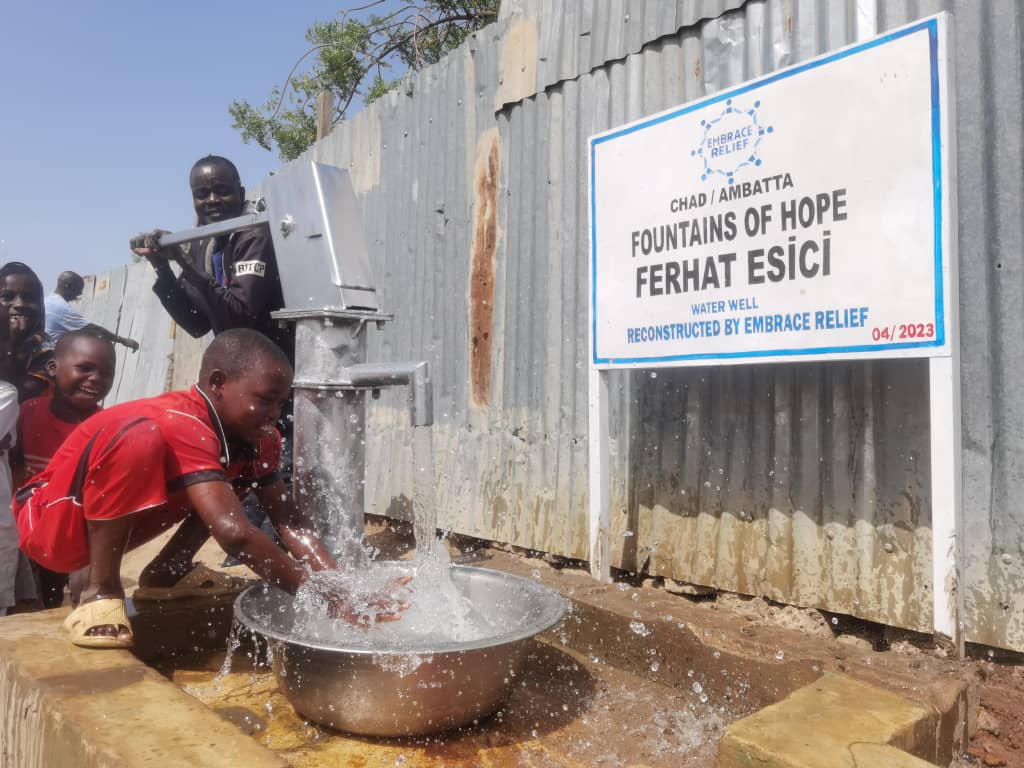
Embrace Relief’s nominated project, Fountains of Hope, was created in 2021 to address the critical water scarcity crisis in central Africa, where as many as 60 percent of water wells in the region are broken or abandoned at any given time. The heart of Fountains of Hope is the restoration of these broken wells, which provides the same quantity and quality of water as a new well, but requires significantly less cost and manpower. To date, 170,000 people continue to benefit from Fountains of Hope.

“On behalf of everyone at Embrace Relief, we are profoundly honored to receive this recognition,” said Kevin Meacham, Embrace Relief content development specialist, who accepted the award. “We are proud of the impact Fountains of Hope has made, and we are thankful to the JWF and the jury for recognizing this progress.”

Fountains of Hope addresses several of the UN SDGs, including:

SDG 6 (Clean Water), by providing an accessible, reliable, and safe water supply to communities that previously had relied upon untreated, unprotected and unreliable sources of water.

SDG 3 (Good Health and Well-being), by reducing significantly the prevalence of waterborne diseases like cholera, typhoid, and dysentery, which disproportionately affect people living in water-scarce areas like those in Chad, Cameroon and Nigeria.

SDG 2 (Zero Hunger), by enhancing agricultural production and promoting an increased quantity and variety of crop production, allowing communities to ease and, in some cases eliminate entirely, local hunger.

SDG 5 (Gender Equality), by reducing the time and effort required for women and girls to fetch water each day, and providing opportunities for them to complete their education, join the workforce or start a business, or take care of their families.

For more information on Fountains of Hope, or to donate in support of the program, visit Embrace Relief’s website.
Water Wells SDG

3rd Place Pioneers in SDGs Awards: Embrace Relief’s Fountains of Hope Project

About the Pioneers in SDGs Awards

The Pioneers in SDG Awards, organized by the Journalists and Writers Foundation, celebrate innovative and imaginative projects that contribute to the attainment of the United Nations’ Sustainable Development Goals (SDGs). The unwavering altruism, philanthropy, dedication, and commitment exhibited by Pioneers in SDGs nominees and award-winners are instrumental in cultivating a better world for all.

About the Journalists and Writers Foundation

The Journalists and Writers Foundation is an international civil society organization dedicated to a culture of peace, human rights and sustainable development. Based in New York, the JWF boasts more than 52 Global Partners (of which Embrace Relief is one) located in 27 different countries.

About Embrace Relief

Founded in 2008, Embrace Relief’s mission is to deliver research-based, sustainable solutions to achieve immediate and lasting improvements in situations of humanitarian emergency and improving the quality of life of individuals and communities enduring chronic hardships. Based in Fairfield, New Jersey, Embrace Relief operates eight humanitarian relief programs year-round and has provided aid to people in more than 50 countries to date.
Halfway to the Global Goals: Challenges ahead, but hope persists

In 2015, the United Nations adopted its 17 Sustainable Development Goals as a blueprint for humanity’s long-term, sustainable peace, happiness, and prosperity by 2030. Our current year, 2023, marks the midway point of this timeline and provides us all with a chance to step back and evaluate our progress toward achieving these goals. Unfortunately, an honest examination of this progress reveals that the world still has a long way to go.

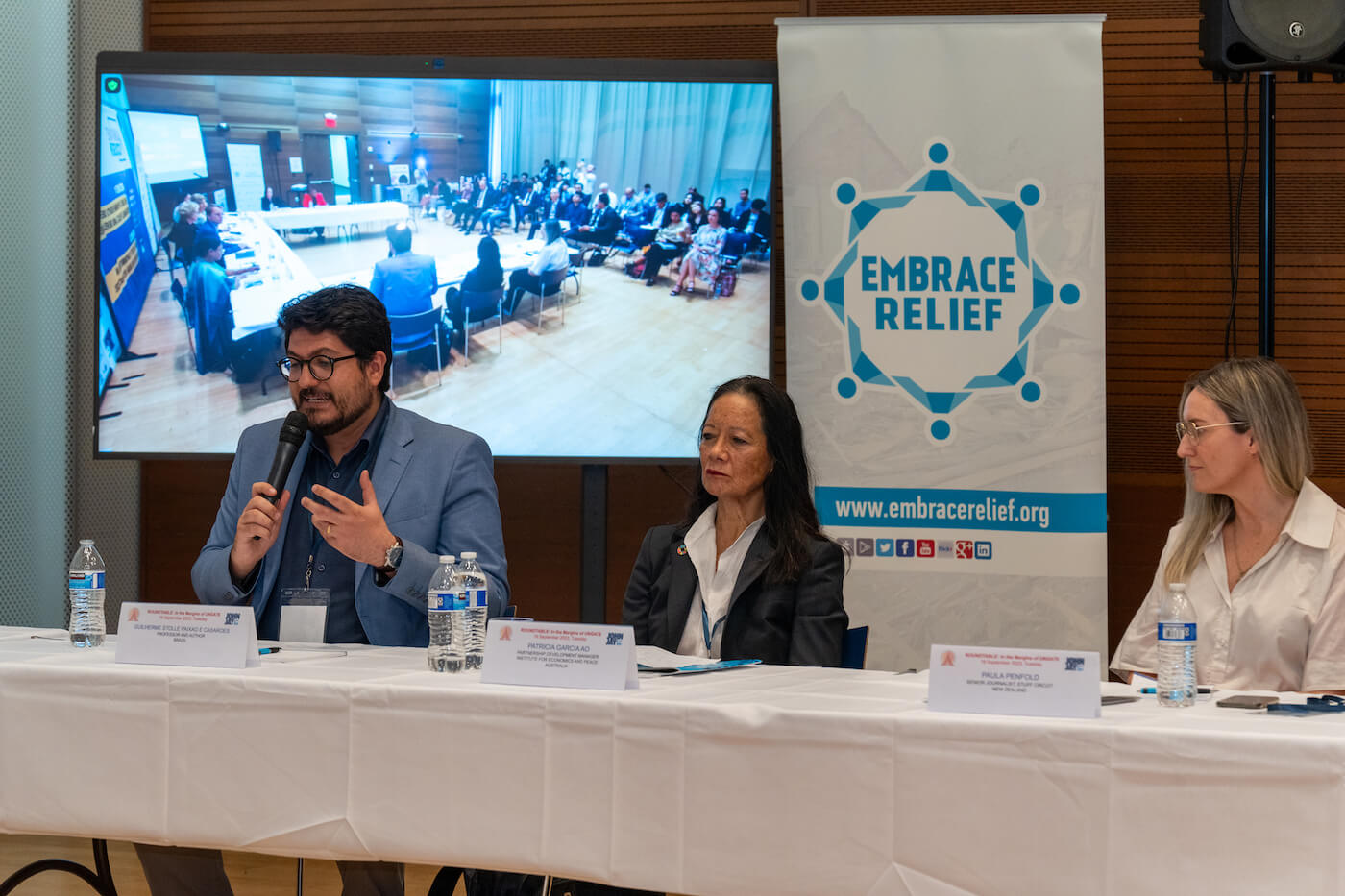
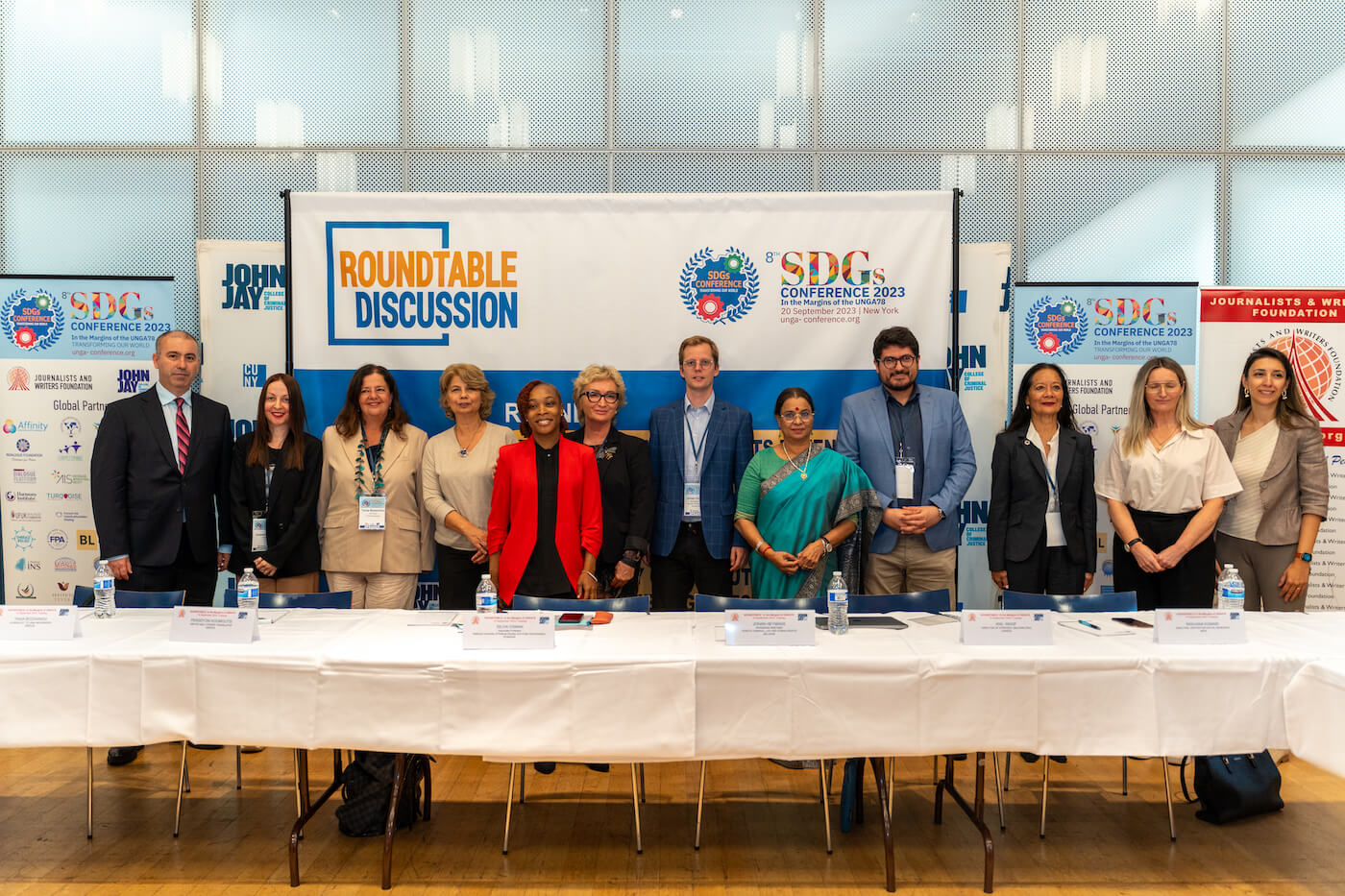
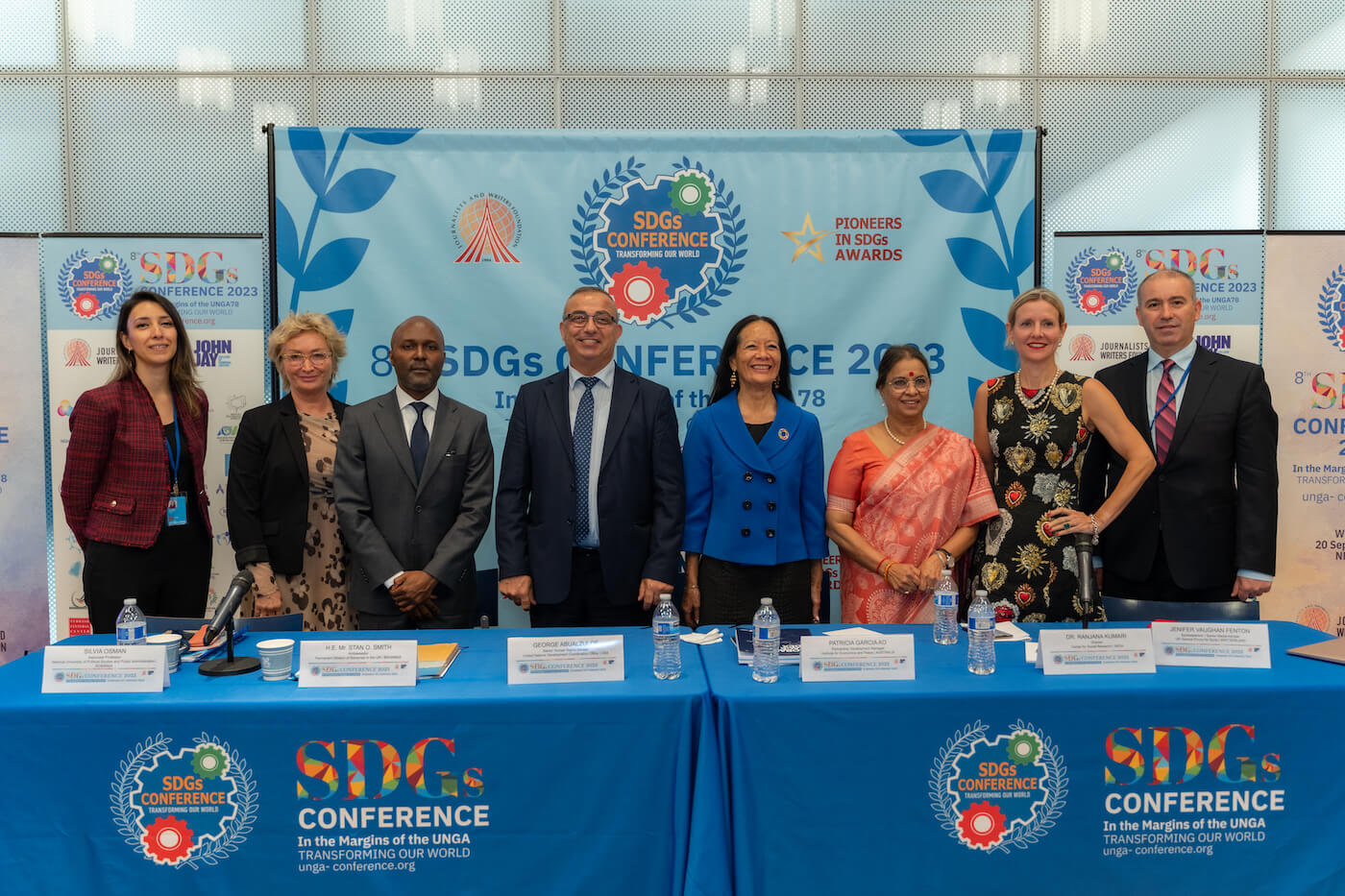
Taking stock of the past seven years of global development and exploring ways to build momentum for the next seven were the key themes of the SDGs Conference 2023, a two-day event featuring discussions with notable diplomats, academics, journalists, and civil society leaders. The Journalists and Writers Foundation organized the conference, held Sept. 19-20 at John Jay College of Criminal Justice in New York, in the margins of the 78th UN General Assembly. Embrace Relief is a proud global partner of the Journalists and Writers Foundation and was a presenting partner for this event.

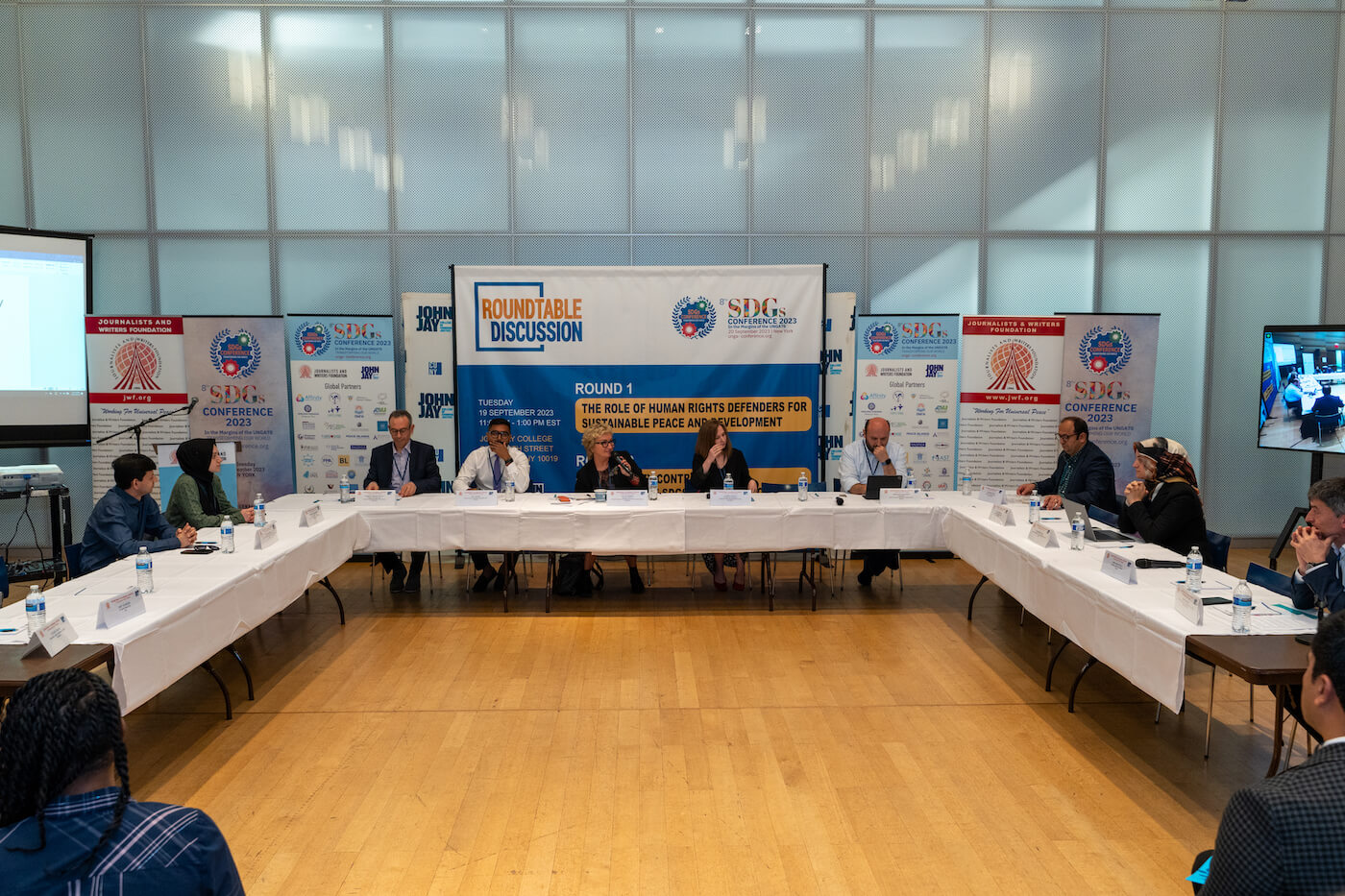
The conference featured a two-part roundtable discussion on Sept. 19, followed by three-panel discussions on Sept. 20, each one focused on a different aspect of the challenges that must be overcome in order to keep the promise of the SDGs.

Halfway to the Global Goals: Challenges ahead, but hope persists

The State of the SDGs

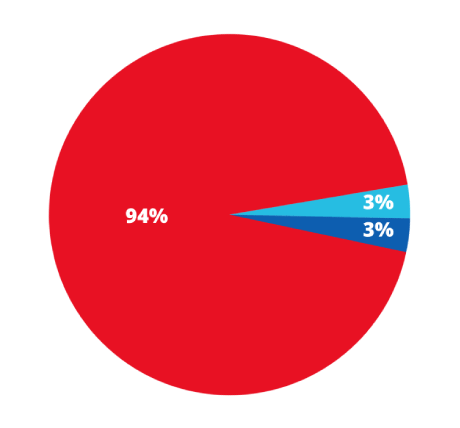
Journalists and Writers Foundation President Mehmet Kilic opened the Sept. 20 conference by providing an overview of the world’s current situation. He noted that, despite being seven years into the UN’s 2030 Agenda for Sustainable Development, only 15 percent of the agenda’s measurable targets are on track to be achieved in seven years’ time.

“Today, we find ourselves at a critical juncture in the road and facing a multitude of interconnected challenges, from extreme poverty and climate change to the rapid advancements of artificial intelligence and the urgency to foster peace among great power nations,” said Kilic in his opening remarks. “It is essential for us to remain engaged and committed to the values and goals that unite us as a global community. We can overcome even the most daunting challenges and obstacles when the world comes together. But no one can achieve anything alone.”

As each speaker laid out, the challenges to achieving the SDGs are great, including climate change, conflict, rampant and increasing inequality, and the rise of autocracy around the world. The COVID-19 pandemic was also noted as a setback that has increased the number of people living in extreme poverty for the first time in generations.

This year’s SDG Conference underscored the urgency of accelerating efforts to achieve the goals by 2030. Participants stressed the need for increased political will, innovative solutions, and global cooperation to address pressing challenges. All nations, large or small, must play a role, said Ambassador Stan O. Smith, Bahamas’ representative to the UN. He added that it is the responsibility of world leaders to respect the commitments made in 2015 and to redouble efforts to overcome these challenges.

“It is not to be bilaterally, or by the ingenuity of one state,” Ambassador Smith said, “but instead by a framework of multilateralism, where many states can cooperate and share resources to find the innovation and solutions we need.”

Halfway to the Global Goals: Challenges ahead, but hope persists

Universal, shared challenges to development

Based on current trends, noted George Abualzulof, senior human rights advisor for the UN Development Coordination Office, by 2030, more than 575 million people will be trapped in extreme poverty, and 84 million children will be out of school. Global climate trends indicate that Earth’s global temperature will reach the “tipping point” of 1.5 degrees above pre-industrial levels by 2035, leading to catastrophic sea-level rise and exacerbating the already-frequent heat waves, droughts, flooding, and wildfires. These are just a few of the SDG targets that are far from being met currently.

The Goals serve as “the clearest blueprint for humanity’s highest aspirations,” Abualzulof said, because they call for the addressing of basic human needs to live free of poverty (SDG 1) and free of hunger (SDG 2), with access to clean water (SDG 6), health care (SDG 3), education (SDG 4) and a habitable planet (SDG 13) guaranteed for all. A world in which the goals are met is a resilient, prosperous, and harmonic world – but, multiple panelists noted, it is a world that is far from our current reality.

Halfway to the Global Goals: Challenges ahead, but hope persists

“What we are experiencing now is a collective failure,” Abualzulof said. “Inequality has worsened, strikingly also for women and girls. More people are being denied health care and education. The climate crisis is causing destruction of lives and livelihoods. This collective failure will impact every country, but the burden falls most heavily on developing countries and the world’s poorest and most vulnerable people.”

Other panelists delved deeper into the wide range of challenges. Patricia Garcia of Australia’s Institute for Economics and Peace described the role conflict plays in holding back development worldwide. In 2022 alone, IEP research revealed that the economic cost of international conflict and military expenditure was a staggering $17.5 trillion, approximately $2,200 for every person on the planet.

“Imagine what good we could do with this money instead of spending it on violence,” Garcia said.

The conditions necessary for international peace (SDG 16), Garcia acknowledged, are closely linked to one another and include a well-functioning government, equitable distribution of resources, a free flow of information, good relations with neighbors, a low level of corruption, and a sound business environment. Where these conditions exist, she added, we see societies with the “attitudes, institutions and structures” necessary to advance the goals as well.

Dr. Ranjana Kumari, director of the Center for Social Research in India, championed the importance of giving women a seat at the table as decision-makers and leaders (SDG 5), and urged data collection as a tool for understanding where action is most urgently needed to produce gender equality.

“When you have the data, you can have informed policy and advocacy,” Dr. Kumari said. “It’s extremely important for all of us who are working in different kinds of fields. There is a power in data, where if people understand what is happening, it empowers policymakers to design correct interventions.”

An emphasis on human rights

In addition to being the halfway point towards the Agenda for Sustainable Development, 2023 also marks the 75th anniversary of the Universal Declaration of Human Rights, the landmark document that enshrines the fundamental rights and basic freedoms that all people share. During the Sept. 19 roundtable discussion, moderator Silvia Osman urged decision-makers to orient their actions and ideas around a human rights framework. This, she said, would be key to navigating a world where inequality continues to grow, literacy and education rates are in decline, and polarization and atomization are on the rise.

Other panelists discussed the growing specter of autocracy and its effects on achieving the SDGs. The rise of autocratic governments in recent years threatens to undo much of the progress and cooperation achieved thus far, even insufficient as it’s been. Repressive governments cracking down on free expression and press freedom have been a critical obstacle for defenders of human rights. Panelists stressed that these values of freedom are paramount to achieving the SDGs because they foster an open, healthy culture that can critically evaluate the impact of policies on all people in society.

“It is through our collective commitment to democratic values and our ability to adapt to the rise of autocracies that the world’s future depends,” said Naseer A. Faiq, charge d’affaires of the Permanent Mission of Afghanistan to the UN. Mr. Faiq pointed to human rights violations by his country’s ruling government, particularly against women’s rights, as an example of how repressive governments can set back the movement for sustainable development.

“The rise of autocracies poses a formidable challenge to a global order based on democratic values,” he added. “The international community must stand united and maintain its commitment to defending democracy, human rights, and the rule of law, not just when it is convenient, but especially when these principles are under threat.”

Halfway to the Global Goals: Challenges ahead, but hope persists

How Embrace Relief fits into our sustainable future

As an international humanitarian aid organization, Embrace Relief is firmly committed to the values of human rights and sustainable development, and our efforts are dedicated to helping the achievement of the UN Sustainable Development Goals. This is why we are a global partner with the Journalists and Writers Foundation and a presenting partner of the SDGs Conference 2023.

We are working on the ground in more than 50 countries to turn these values and ideas into action. Each of our eight humanitarian relief programs directly addresses at least one of the 17 goals, and several help progress multiple SDGs.

To illustrate this, take one of Embrace Relief’s programs, our Clean Water Initiative to build water wells in the African countries of Chad, Cameroon, Nigeria, Tanzania, Kenya and Uganda:

  • Providing access to a reliable, safe source of drinking water moves us closer to achieving Goal 6: Clean Water.
  • A reliable, safe supply of drinking water can virtually eliminate the waterborne diseases that kill and harm millions of people in this region each year, producing better public health outcomes in alignment with Goal 3: Health and Well-being.
  • When water is in greater abundance, rural communities in the countries we serve have more ability to produce greater amounts and varieties of food, helping to realize Goal 2: Zero Hunger.
  • Additionally, a more convenient water source significantly reduces the burden borne by women and girls, who are most often responsible for daily, miles-long journeys to fetch water for their families. A water well can free up time to allow women and girls to pursue education and working careers or to take care of their families, which helps promote Goal 5: Gender Equality.

The Global Goals are humanity’s best roadmap for a future where everyone in every country can live fulfilling, healthy, happy, and prosperous lives free from the burdens of poverty, hunger, thirst, violence, illiteracy, and other challenges. Embrace Relief stands proudly with the UN, the Journalists and Writers Foundation, and the international community in working to make the Sustainable Development Goals a reality. We will continue to develop our programs in accordance with the SDGs, and we will continue to work to reduce suffering around the world while providing opportunities for people to thrive in a sustainable way.

To learn more about how all of Embrace Relief’s programs address the SDGs, click here.

To support Embrace Relief’s mission by donating to support our programs, click here.

Embrace Relief Foundation named “Top-Rated Nonprofit” by Great Nonprofits

Embrace Relief is proud to announce it has been awarded the title of “2023 TOP-RATED NONPROFIT” by Great Nonprofits, the leading website for community recommendations of charities and nonprofits.

“We are honored to be named a 2023 Top-Rated Nonprofit,” says Osman Dulgeroglu, Embrace Relief CEO. “We are proud of our accomplishments this year, including our work to provide food, shelter and housing assistance to hundreds of thousands of victims of the earthquakes in Turkey and Syria, our International Hunger Relief campaigns which distributed food to over 120,000 people, and our clean water program in Africa, which surpassed 800 wells built or reconstructed in 2023. We want to thank all of our donors, volunteers and supporters for this award, and we are excited to continue serving people around the world in 2024 and beyond.”

Embrace Relief is a 501 (c)(3) non-profit organization which collaborates with volunteers to deliver humanitarian aid and disaster relief to vulnerable communities around the world. Our eight humanitarian aid programs have created positive change in the lives of millions of people since our founding in 2008.

The Top-Rated Nonprofit Award is based on the rating and number of reviews that Embrace Relief received from volunteers, donors and aid recipients.

“Embrace Relief is a great example of a nonprofit making a real difference in their community,” said Perla Ni, CEO of GreatNonprofits, “Their award is well-deserved recognition not only of their work, but the tremendous support they receive, as shown by the many outstanding reviews they have received from people who have direct experience working with them.”

GreatNonprofits is the largest donation website for nonprofits and where people share stories about their personal experiences on more than 1.6 million charities and nonprofits. The GreatNonprofits Top-Rated Awards are the only awards for nonprofits determined by those who have direct experience with the charities – as donors, volunteers and recipients of aid.

The complete list of 2023 Top Rated Nonprofits can be found at: https://greatnonprofits.org/awards/browse/Campaign:Year2023/Issue:All/Page:1

About Embrace Relief

Based in Fairfield, New Jersey, Embrace Relief’s mission statement is to deliver research-based, sustainable solutions to achieve immediate and lasting improvements in situations of humanitarian emergency and improving the quality of life of individuals and communities enduring chronic hardships. Our eight humanitarian aid programs are designed in conjunction with the United Nations Sustainable Development Goals, and have reached millions of people in more than 50 countries on six continents.

Embrace Relief programs include:

  • Clean Water
  • Hunger Relief
  • Disaster Relief
  • Refugee Relief
  • Health
  • Women’s Empowerment
  • Raise the Children
  • Education

About GreatNonprofits

GreatNonprofits is the leading site for donors and volunteers to find stories and ratings of nonprofits. Stories on the site influence 30 million donation decisions a year. Visit www.greatnonprofits.org for more information.

Water wells and United Nations Sustainable Development Goal 6

Summary

  • United Nations Sustainable Development Goal 6 enshrines the principle of clean water and sanitation for all people around the world, to be achieved by 2030.
  • Yet more than 2 billion people worldwide do not have access to a nearby, safe source of clean drinking water.
  • In sub-Saharan Africa, where the need for clean water is great, one important solution to the clean water crisis is the building of water wells.
  • Help Embrace Relief support the achievement of SDG 6 by donating to build and reconstruct water wells in Africa.
Summary

In a world marked by rapid urbanization, climate change, and burgeoning populations, ensuring universal access to clean and safe water has become a paramount challenge. Access to clean water is a basic human right, and a necessary requirement for the overall well-being of communities everywhere. Yet nearly 2.2 billion people still lack access to clean drinking water, including hundreds of millions in developing countries in sub-Saharan Africa.

United Nations Sustainable Development Goal 6 (SDG 6), titled “Clean Water and Sanitation,” addresses this pressing issue, providing the impetus to ensure the availability and sustainable management of water and sanitation for all by 2030.

SDG 6 acknowledges the critical role of clean water in eradicating poverty, promoting economic growth, and boosting public health. Access to safe water is also a foundational requirement for achieving several of the other 16 SDGs, such as good health and well-being (SDG 3) and quality education (SDG 4). SDG 6 requires us all to work together to address the water scarcity found in regions like sub-Saharan Africa, where millions continue to grapple with contaminated water sources and inadequate sanitation facilities.

In these regions, we know that vast quantities of fresh, clean water exist – but they are located underground, requiring the drilling of a water well to bring it to the surface. This can be an expensive investment for struggling rural communities with few resources. However, such an investment is an opportunity for the wider community – including local and national governments, non-governmental organizations, and generous people around the world – to come together to fund the building of water wells, supporting SDG 6 and becoming part of the solution to the world water crisis.

How Building Water Wells Helps Achieve SDG 6

Drilling water wells in Africa can help address several of the key objectives of SDG 6, including the following.

  • Universal Access to Clean Water: Water wells provide a direct source of clean and safe water, eliminating the need for long and arduous journeys to distant water sources, often contaminated. This reduces the time burden on women and children, allowing them to pursue education, work, and other productive activities.
  • Water Quality Improvement: Properly constructed water wells draw from underground aquifers that are naturally filtered, producing cleaner water compared to unprotected surface water, like that found in rivers, lakes, ponds, or watering holes. A water well significantly reduces the risk of preventable, deadly waterborne diseases like cholera and typhoid, which harm or kill millions of people in Africa each year.
  • Sanitation: Abundant clean water also creates the conditions for communities to support proper sanitation and hygiene, a necessary step for public health.
  • Sustainability and Resilience: Water wells, if designed and maintained effectively, can provide a consistent and reliable water supply even during droughts. This bolsters community resilience in the face of changing climate patterns, a factor that is vital for achieving SDG 13 (Climate Action).
Water Wells SDG

As mentioned, water wells are also linked with other Sustainable Development Goals, too, such as:

  • Economic Development: Reliable access to water opens up opportunities for agricultural development, supporting SDG 2 (Zero Hunger) and SDG 8 (Decent Work and Economic Growth). Improved water availability can lead to increased crop yields and the establishment of small-scale enterprises.
  • Education and Gender Equality: Children, especially girls, are often responsible for fetching water in communities without proper access. By providing water wells, girls can attend school regularly, aligning with SDG 4 (Quality Education) and SDG 5 (Gender Equality).
  • In conclusion, the importance of United Nations Sustainable Development Goal 6 cannot be overstated. Access to clean water is a fundamental human right and a catalyst for achieving multiple interconnected SDGs. Water well-building programs in Africa offer a tangible and impactful means to propel progress towards SDG 6. By ensuring universal access to clean and safe water, these programs lay the foundation for healthier communities, sustainable development, and a more equitable world.

Embrace Relief Water Wells

Join Embrace Relief and build water wells to support SDG 6

Embrace Relief has been working since 2013 to be a part of the clean water solution in Africa. We have built or reconstructed nearly 800 water wells in the countries of Chad, Cameroon, Nigeria, Kenya and Tanzania, giving the gift of clean water to more than 800,000 people!

In the months and years after a community receives a water well from Embrace Relief, we find people who are healthier, happier, more productive, more educated, and more prosperous. Our wells are creating the transformational positive change envisioned by United Nations Sustainable Development Goal 6.

But we can’t create this change without you. Click the link to learn more about Embrace Relief’s Clean Water Initiative, and then make a tax-deductible donation for water wells in the box below. With just a couple of clicks, you have the potential to change lives and make a difference in achieving a better world.

UN Sustainable Development Goal 2: Zero Hunger

Summary

  • Food is a human right, and food insecurity is one of the greatest challenges facing humanity today, with hundreds of millions of people suffering from hunger each day.
  • The importance of ending hunger can be seen in its placement as #2 in the list of United Nations Sustainable Development Goals. Reaching the goal of Zero Hunger will also help to bring about the achievement of several other SDGs, producing a healthier, happier, more prosperous world.
  • Join Embrace Relief in helping to make Zero Hunger a reality by donating to our global hunger relief efforts, including annual food distributions reaching hundreds of thousands of people in dozens of countries.

United Nations Sustainable Development Goal 2 (SDG 2), “Zero Hunger,” represents a critical commitment to ensuring food security, improving nutrition, and promoting sustainable agriculture for all by 2030. Hunger remains one of the most profound challenges facing humanity. In a world marked by unprecedented advancements in technology and prosperity, it is a heartbreaking reality that millions continue to suffer from food insecurity, inadequate nutrition, and chronic hunger. SDG 2 serves as a call to address this pressing issue and outlines a path toward a future where no one goes to bed hungry.

The importance of SDG 2 extends far beyond the mere alleviation of stomach pangs. It is intricately tied to human development and the overall well-being and happiness of individuals and communities. When people have access to sufficient, safe, and nutritious food, it not only sustains their physical health but also empowers them to thrive.

Adequate nutrition is the bedrock upon which mental and physical development is built, particularly in children, and it fosters a society where individuals can reach their full potential. For these reasons, achieving Zero Hunger will unlock countless benefits that address other development challenges, including many of the other 16 Sustainable Development Goals. These include:

  • Improved childhood health and development (SDG 3 – Health and Well-Being): Proper nutrition is essential for physical and cognitive development, particularly in children. Adequate access to nutritious food can reduce malnutrition, stunting, and micronutrient deficiencies, ensuring that the younger generation has a better chance at a healthier and more productive life.
  • Economic growth (SDG 1 – No Poverty): Furthermore, the achievement of SDG 2 fosters economic growth and resilience in developing countries. A well-nourished and healthy population is more productive and better able to contribute to economic development. Additionally, investing in agriculture and food systems creates job opportunities and stimulates local economies, ultimately reducing poverty rates.
  • Promoting sustainable agriculture practices (SDG 13 – Climate Action): Many developing countries rely heavily on agriculture as a primary source of income and livelihoods. Implementing sustainable agricultural techniques not only increases food production but also enhances the resilience of farming communities in the face of climate change. Sustainable agriculture mitigates the environmental impact of farming, reducing greenhouse gas emissions, and conserving natural resources.
  • Education (SDG 4): When children have access to adequate nutrition, they are more likely to attend school regularly and perform better academically. Achieving Zero Hunger breaks down barriers to quality education in developing countries. Education, in turn, can lead to improved employment prospects and higher incomes, further contributing to poverty reduction.
Hunger Relief Zero Hunger

Moreover, SDG 2 has a ripple effect on other aspects of development. It can enhance community resilience, reduce inequality, and contribute to the achievement of various other Sustainable Development Goals. For instance, food security is interconnected with clean water and sanitation (SDG 6) as access to clean water is crucial for food preparation and hygiene.

Having enough food to eat is a human right, and though the world produces more than enough food to feed every single person in the world, millions struggle daily with hunger and malnutrition. This is why UN Sustainable Development Goal 2, “Zero Hunger,” is so imperative to achieve. SDG 2 represents a transformative vision for developing countries, with the potential to break cycles of poverty, improve health outcomes, empower women, foster economic growth, and promote sustainable development.

Put simply, Zero Hunger is a cornerstone of broader progress in the global community. By working together to eradicate hunger, we can create a more equitable, prosperous, and sustainable world for all.

Embrace Relief Zero Hunger

Help support SDG 2 by donating to Embrace Relief’s global hunger relief program

At Embrace Relief, we’ve made it part of our mission to provide food to people in need in accordance with UN Sustainable Development Goal 2. For more than a decade, our team has helped to distribute food around the globe, serving millions of people in need in dozens of countries, providing the nutritious food that is the building block of civilization.

Most recently, during our two monthlong International Hunger Relief Campaigns in 2023 alone, Embrace Relief delivered food packages, hot meals, and meat packages to more than 150,000 people! Our work aided hungry people in more than 20 countries on five continents – from sub-Saharan Africa and Yemen, to Afghanistan and Indonesia, from Greece to the United States.

Easing hunger is a team effort, and we can’t do any of this without generous people like you. Donate to Embrace Relief’s Hunger Relief efforts in the box below and you can be part of the solution for the many millions of people living with hunger around the world. Your donation will support our food distributions in one of the many countries we serve – and every dollar you donate makes a difference.

So please, donate today. Every contribution you make helps one more family go to bed on a full stomach, and brings us one small step closer to achieving Zero Hunger.

UN Sustainable Development Goal 5: Gender equality

Summary

  • Gender equality is fundamental to human rights, development and progress, and its achievement is enshrined as United Nations Sustainable Development Goal 5.
  • When women are empowered with the skills and tools they need to become leaders, society benefits economically and socially.
  • Join Embrace Relief in advancing gender equality by supporting our R.I.S.E. program in Tanzania, which provides advanced education to talented educators seeking to become decision-makers in their field.

Gender equality, a fundamental principle of human rights, is the cornerstone of progress and prosperity. It encompasses the vision of a world where all individuals, regardless of their gender, enjoy equal opportunities and rights. United Nations Sustainable Development Goal 5, aptly named “Gender Equality” encapsulates this vision, emphasizing the urgent need to address gender disparities and to empower women and girls on a global scale.

SDG 5 represents not only a moral imperative but also an essential driver for the development of the world. Gender equality is not merely about fairness; it is about harnessing the full potential of half of the world’s population to create a more prosperous, peaceful, and sustainable future.

The importance of making progress towards this goal by 2030 cannot be overstated. Gender-based discrimination and inequality persist in many parts of the world, limiting opportunities for women and girls in education, employment, healthcare, and political participation. As with nearly all of the SDGs, achieving gender equality is linked with the success of several of the other 16 goals set down by the UN. Here is why SDG 5 is pivotal to global development:

  • Economic growth: Gender equality is closely linked to economic growth. When women are empowered and have equal access to education and employment opportunities, economies thrive. Reports by McKinsey suggest that achieving gender parity in the workforce could add an estimated $12 trillion to global GDP by 2025, with African countries alone seeing a 10 percent average boost in GDP. Women’s participation in the workforce fosters innovation, diversity, and entrepreneurship.
  • Poverty alleviation: Gender inequality exacerbates poverty. By empowering women economically, we can reduce poverty rates significantly. Women often invest more of their income in their families’ health, education, and well-being, thereby breaking cycles of intergenerational poverty.
  • Education: Education is a powerful tool for gender equality. Ensuring that girls have the same educational opportunities as boys not only empowers them but also benefits society as a whole. Educated women are more likely to make informed decisions about family planning, health, and nutrition, contributing to healthier communities.
  • Health and Well-being: Access to healthcare and reproductive rights are integral to gender equality. Ensuring that women have control over their reproductive health and well-being is essential for reducing maternal mortality rates and addressing public health challenges.
  • Leadership representation: Women’s participation in decision-making processes, both in governments and the business world, is crucial for creating inclusive policies that benefit all members of society. Achieving gender parity in leadership roles can lead to more equitable and effective governance.
Women's Empowerment Gender Equality

How women leaders can drive progress

We know that there is no limit to what women can achieve when they are empowered. Providing opportunities for women to become leaders is of paramount importance in achieving Sustainable Development Goal 5. Women’s leadership is instrumental in driving progress toward gender equality and fostering a more equitable and sustainable world.

Firstly, women in leadership positions bring diverse perspectives to decision-making processes, resulting in more balanced and inclusive policies and programs. This diversity of thought enhances the effectiveness of governance, institutions, and organizations, addressing the unique needs and challenges faced by women and marginalized groups.

Secondly, women leaders serve as role models, inspiring and encouraging other women and girls to pursue leadership roles and break gender stereotypes. Their presence in positions of power challenges deeply ingrained biases and stereotypes, contributing to a cultural shift towards gender parity.

Moreover, women leaders can prioritize gender-specific issues and advocate for policies that promote equal access to education, healthcare, economic opportunities, and reproductive rights. Their advocacy can lead to legislative and societal changes that advance gender equality on multiple fronts.

Embrace Relief Gender Equality

Lastly, women’s leadership fosters economic growth and stability by harnessing the untapped potential of women in the workforce. Closing the gender gap in employment and leadership roles can boost productivity and innovation, contributing to the achievement of broader development goals.

Women’s leadership enhances representation, promotes diversity, and drives policy changes critical to achieving gender equality and sustainable development. It is a catalyst for progress that benefits society as a whole.

How you can help Embrace Relief train the next generation of women leaders in Tanzania

Here at Embrace Relief, providing opportunities for women to help spur development and achieve UN SDG 5 is a fundamental aspect of our mission. In Tanzania, we are helping to train the next generation of leaders in education through our “Reach. Inspire. Support. Educate.” (R.I.S.E.) scholarship program, which sponsors advanced education for talented educators.

Through R.I.S.E., we are providing skill training and development that will allow women to ascend into leadership roles in Tanzania’s male-dominated educational system, giving them a chance to make a tangible, long-term impact on their society. In its own way, R.I.S.E. is helping to provide the foundation for generations of future development in Tanzania.

Our first class of 24 R.I.S.E. graduates completed their degrees in May 2023, and we welcomed our second class in the fall of 2023. For those high-achieving women selected to take part in this program, it is a life-changing opportunity. But R.I.S.E. is also an opportunity for generous people like you to make a real contribution towards fostering women’s empowerment and gender equality.

Donate to R.I.S.E. in the box below and help bring us one step closer to a more equal world. Your donation directly supports tuition, health insurance, books, transportation and meals for each of the 24 students. Every $100 donated to this program can empower another woman to unleash her potential, making her life – and the world – better for it.

Donate For Women’s Empowerment

$
Donate Now

How much water should I drink during a heat wave?

Summary

  • Staying hydrated during hot weather is one of the most important ways we can stay healthy.
  • Learn about how much more water you should drink if you are engaging in outdoor activities in the heat.
  • Millions of people are unable to access the water they need to stay cool during the summer time. Learn about how you can help Embrace Relief provide this to communities across Africa.
How much water should I drink during a heat wave? Summary

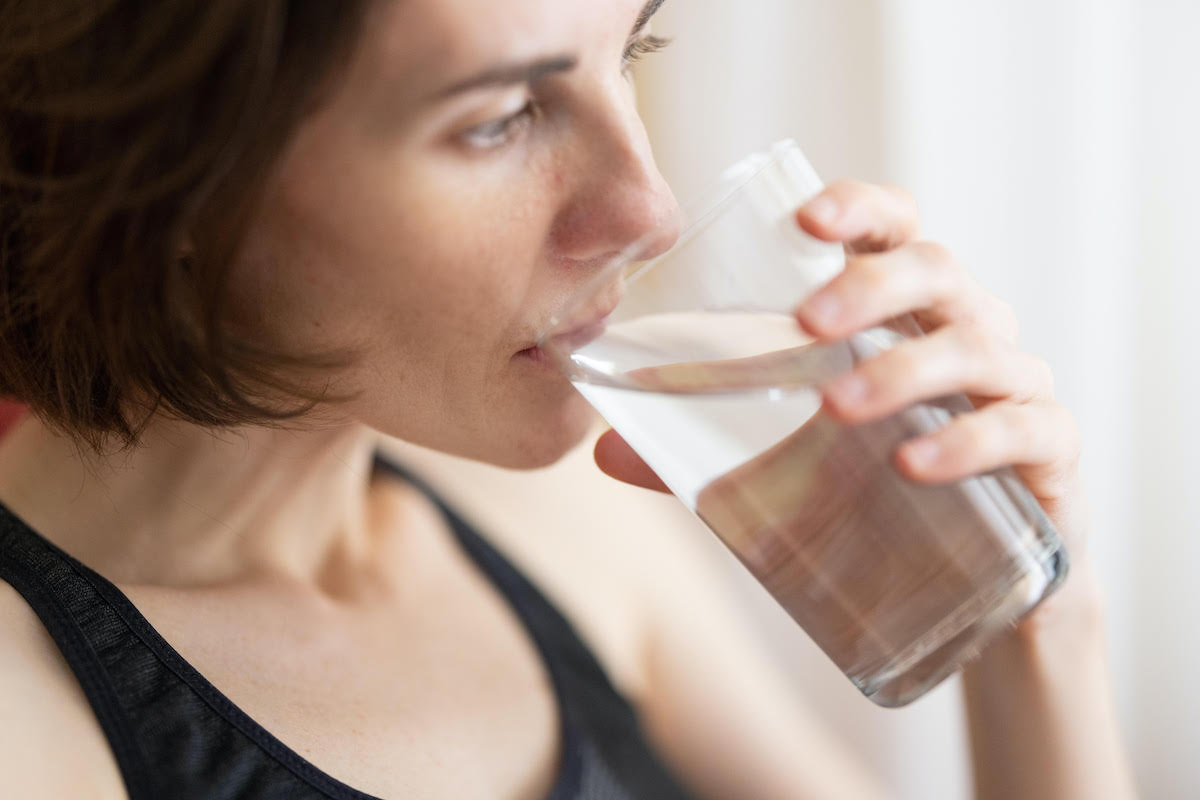
Staying hydrated is of paramount importance during heat waves, as high temperatures and excessive sweating can lead to rapid fluid loss and potentially dangerous health consequences. Water is an essential nutrient that plays a crucial role in maintaining bodily functions, and its significance becomes even more pronounced in hot weather. Adequate hydration helps regulate body temperature, support cellular activities, transport nutrients, and remove waste products. Thus, understanding the importance of drinking enough water during heat waves and knowing the appropriate amount to consume when the temperature rises above 90 degrees Fahrenheit (32 degrees Celsius) is essential for safeguarding one’s well-being.

Heat waves expose the body to constant high temperatures, causing it to perspire more in an attempt to cool down. This perspiration contains water and electrolytes, such as sodium and potassium. Prolonged exposure to high temperatures and inadequate fluid intake can disrupt this delicate balance, leading to dehydration. Mild dehydration can cause symptoms like dizziness, fatigue, dry mouth, and reduced urine output. In more severe cases, dehydration can result in heat-related illnesses such as heat exhaustion or heatstroke, which can have serious health implications, including organ damage or even death.

Extreme heat calls for thoughtful water consumption

The Harvard Medical School estimates that, under moderate climate conditions, the recommended daily water intake is about 15.5 cups (slightly less than 1 gallon) for men, and 11.5 cups (slightly less than 3 quarts) for women. This number includes water we consume directly, as well as the water found in other beverages, like coffee, tea and sports drinks, and the fruits and vegetables we eat. An average person will generally need to drink between 4-8 cups of water daily to meet this recommendation, but this is only a guideline.

Regardless of exactly how much water you need to drink each day, during heat waves, this requirement can significantly increase. When the temperature climbs above 90 degrees, the body’s need for water intensifies due to the higher rate of fluid loss through sweat. In these conditions, it’s advisable to adjust your water intake to compensate for the additional fluids lost through sweating. The exact amount can vary based on factors such as age, body weight, activity level, and individual tolerance to heat.

For people who work outdoors during heat waves, or for people who participate in outdoor activities, the Centers for Disease Control recommends the following during their period of activity:

  • Drink 1 cup (8 ounces) of water every 15–20 minutes. This translates to 0.75-1 quart (24–32 ounces) per hour.
  • Drinking at shorter intervals is more effective than drinking large amounts infrequently.
  • Do not drink more than 48 ounces (1.5 quarts) per hour! Drinking too much water or other fluids (sports drinks, energy drinks, etc.) can cause a medical emergency because the concentration of salt in the blood becomes too low.

Hydrating at night and in the morning is equally important, the CDC notes, because this will make it easier for your body to stay hydrated throughout the day, and puts less strain on your body.

Extreme heat calls for thoughtful water consumption

A more personalized approach involves listening to your body and paying attention to thirst cues. If you’re feeling thirsty, it’s a sign that your body is already experiencing a level of dehydration. Therefore, it’s wise to preemptively drink water at regular intervals even if you don’t feel thirsty.

Sports drinks or oral rehydration solutions containing electrolytes can also be beneficial during extended periods of heat exposure, as they help replenish not only water but also vital minerals lost through sweat. Avoiding excessive consumption of caffeine and alcohol, which can contribute to dehydration, is equally important.

The significance of staying hydrated during heat waves cannot be overstated. Ensuring an adequate water intake helps the body cope with high temperatures, maintain its core functions, and prevent heat-related illnesses. While standard daily water recommendations provide a baseline, adjusting your fluid intake according to the severity of the heat is crucial. Prioritizing hydration and being mindful of your body’s signals can make a substantial difference in your well-being during scorching weather.

Join Embrace Relief and make accessible water a reality everywhere

As you’re safely navigating the heat this summer, take a moment to consider the many millions of people worldwide who don’t have the luxury of pouring a glass of clean, safe water whenever they are parched. In sub-Saharan Africa alone, one of the hottest areas on the planet, more than 200 million people live in communities where collecting drinking water is a daily task, often from water sources that require a five-kilometer walk in scorching heat, or from dangerous rivers, lakes and ponds where deadly viruses are abundant.

Accessible, drinkable water is a human right. And together with Embrace Relief, you can help make it a reality for thousands of people in Africa by donating to our Fountains of Hope project!

Fountains of Hope, which reconstructs abandoned water wells in the countries of Chad and Cameroon, restoring the flow of clean, safe drinking water to more than 1,000 people per well. Click here to learn more about the Fountains of Hope project, and the amazing people and communities who have had their lives positively changed forever.

The cost to rebuild a Fountain of Hope is just $1,500 – one-third the cost of building a water well from scratch. Whether you donate in the box below, or whether you’d like to rebuild your own water well (which entitles you to name it) Embrace Relief is ready to help you give the gift of priceless, life-changing water to people in need today. Donate today and join Embrace Relief as we seek to bring about a healthier, happier world!

Extreme heat calls for thoughtful water consumption