


Recent

The Next Global Conflict? Why Water Wars Could Be on the Horizon

Summary

  • Water-related conflicts have surged globally, with over 340 incidents reported in 2022 and early 2023.
  • Climate change and population growth are intensifying water scarcity, leading to increased migration and instability.
  • Embrace Relief is addressing the crisis by constructing and repairing water wells in Africa, providing sustainable access to clean water.(latimes.com)

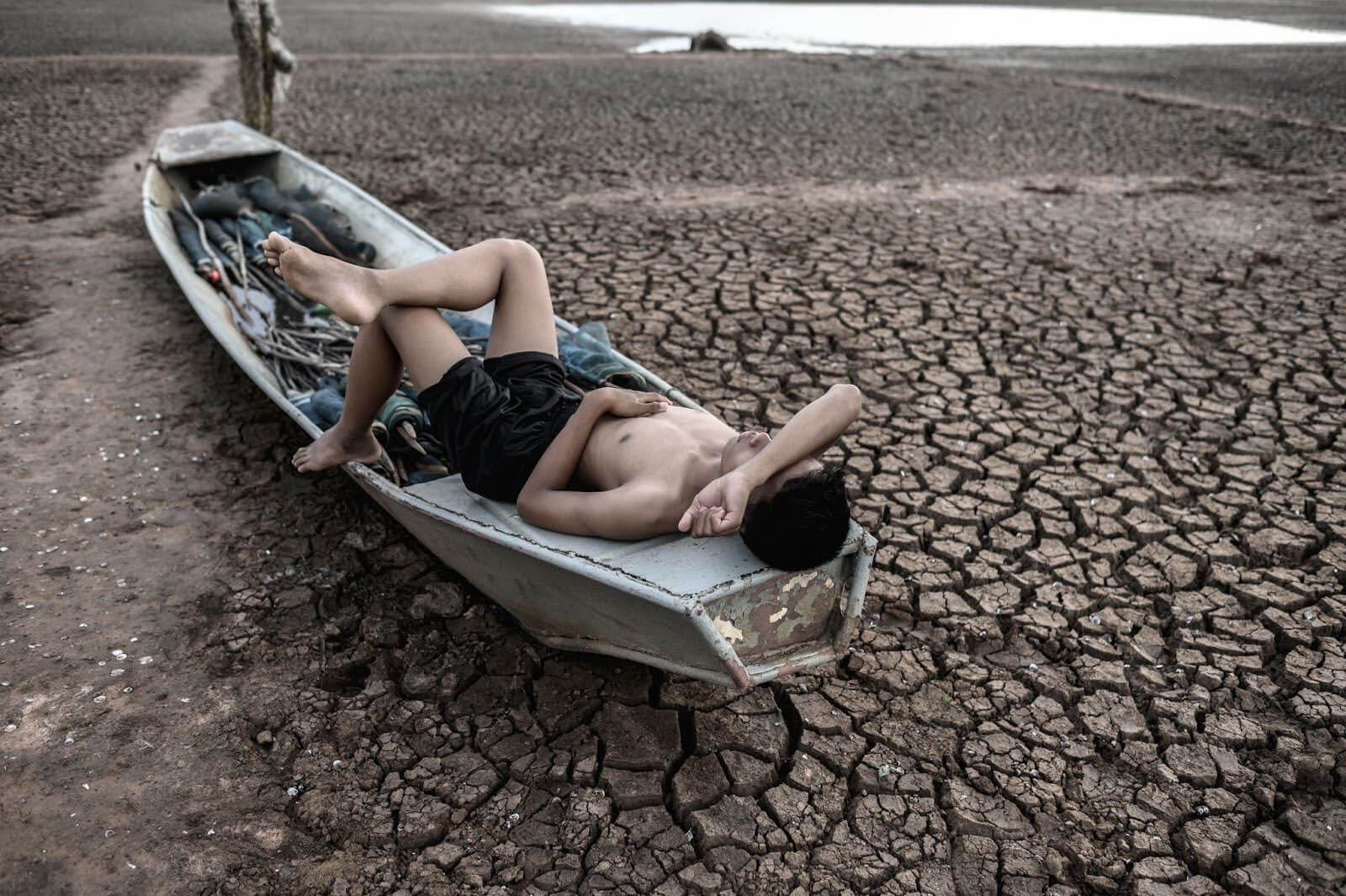
Water is no longer just a basic human necessity; it’s fast becoming one of the most contested resources on the planet. As the climate crisis intensifies, and populations soar, our freshwater supply is shrinking, triggering a surge in resource-based conflicts that could soon escalate into full-scale water wars.

In today’s world, global water insecurity is no longer a distant threat. It’s a pressing reality. According to the Pacific Institute, there were 344 water-related conflicts globally during 2022 and the first half of 2023 alone. These ranged from regional disputes over water rights and access to targeted attacks on water infrastructure; clear signs that water scarcity is becoming a geopolitical flashpoint.

The Middle East, long a hotspot for resource competition, has seen a sharp uptick in water-driven violence. In 2023, Israeli attacks on Palestinian water infrastructure in the West Bank and Gaza Strip accounted for nearly 25% of all global water-related violence. This form of environmental oppression not only deepens existing humanitarian crises but also threatens access to clean water for millions, turning essential resources into tools of control.

Meanwhile, in South Asia, the suspension of the Indus Waters Treaty by India following a deadly militant attack has raised fears of a potential hydro-political conflict with Pakistan. The Indus River sustains over 80% of Pakistan’s agriculture, making this move a severe threat to food security, regional stability, and international peace.

At the heart of this rising tension lies climate change. Higher temperatures and shifting rainfall patterns are drying up rivers, depleting reservoirs, and disrupting long-established water systems. The United Nations estimates that 50% of the global population is now facing severe water scarcity for at least part of the year. In vulnerable regions, families are being displaced as communities collapse under the weight of failing water systems, contributing to a rise in climate migration.

As access to fresh water continues to decline, experts warn that future wars may not be fought over oil or land, but over water. This alarming shift underscores the urgent need for sustainable water management, climate resilience, and international cooperation. Addressing this crisis is not just about conservation; it’s about ensuring environmental justice and securing peace for future generations.
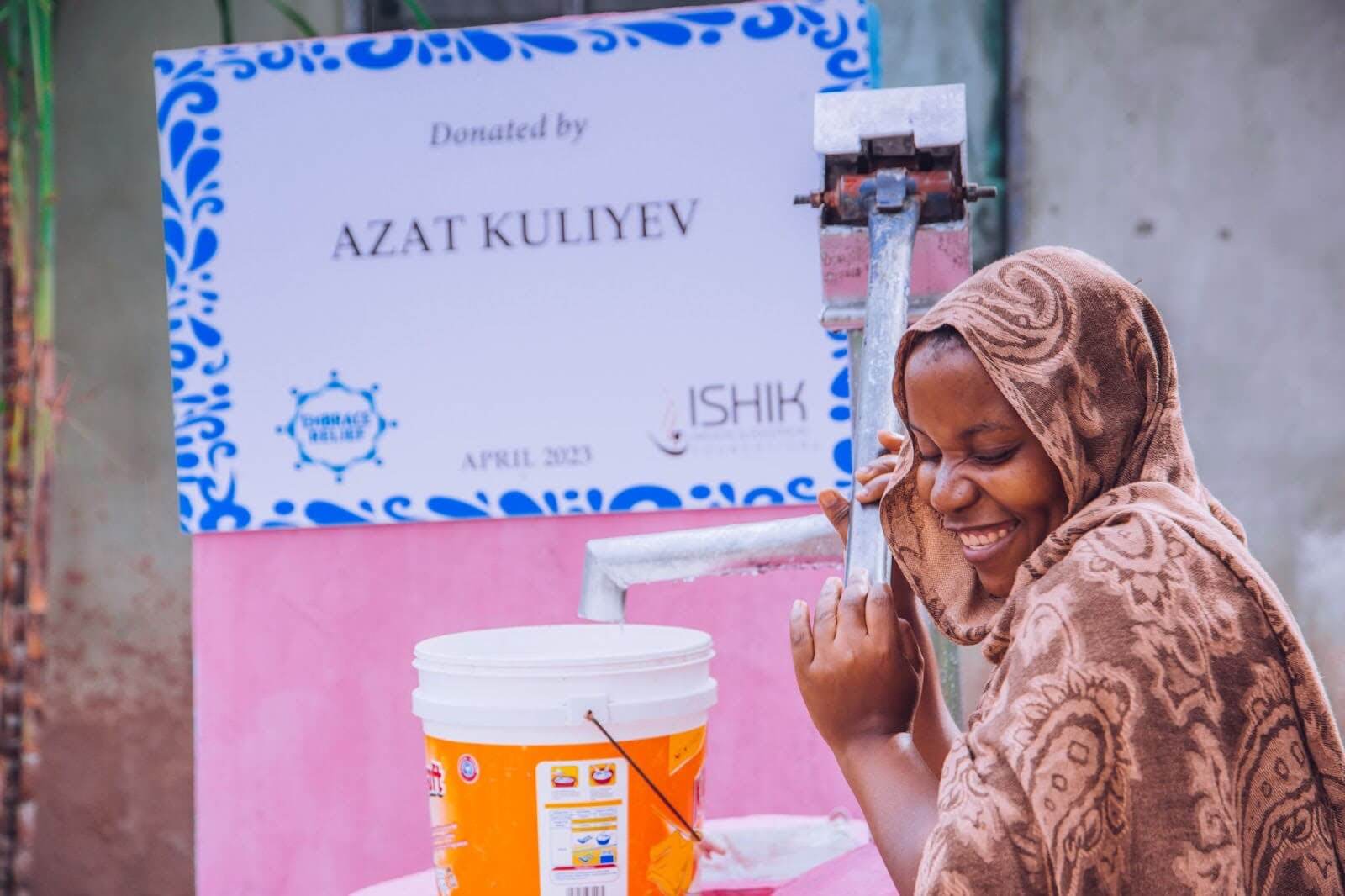
Embrace Relief: Providing Sustainable Solutions to Water Scarcity

Embrace Relief: Providing Sustainable Solutions to Water Scarcity

Embrace Relief is a humanitarian organization dedicated to delivering clean water to communities in need across Africa. Since 2013, the organization has built and repaired over 1,100 water wells, providing more than 1,000,000 people with access to safe, clean water.

Our efforts span eight countries, including Chad, Cameroon, Nigeria, Tanzania, Kenya, Uganda, and Benin. Each well is constructed using engineering standards tailored to the specific conditions of the region, ensuring durability and long-term sustainability for the communities served.

Access to clean water has profound impacts on health, education, and economic development. It reduces the spread of waterborne diseases, allows children to attend school instead of fetching water, and enables communities to grow crops and sustain livelihoods.

By addressing the root causes of water scarcity, Embrace Relief is not only improving lives but also contributing to the prevention of water-related conflicts. Water scarcity is a pressing global issue with far-reaching consequences. By supporting initiatives like Embrace Relief’s Clean Water Program, we can take meaningful steps toward ensuring a more stable and peaceful future for all.

For more information on Embrace Relief’s Clean Water Initiative, click here!

Graduation in 2025: Bridging the Gap Between Expectations and Reality

Summary

  • Unemployment Among Graduates: Recent data indicates a 5.8% unemployment rate for new graduates, the highest since 2021.
  • Expectation vs. Reality: While 82% of May 2025 graduates expected employment within three months, only 77% achieved this, with 5% still job hunting.
  • Salary Discrepancies: Graduates anticipated starting salaries averaging $101,500, but the actual average stands at $68,400.

Graduation is often imagined as the final hurdle before the beginning of a long-awaited professional journey. For May 2025 graduates, this milestone arrives with a heavy dose of reality. While students have spent years preparing for this moment, balancing coursework, internships, and career planning, the post-graduation job market is proving to be more competitive and unpredictable than many anticipated.

A recent study by ZipRecruiter highlights a growing disconnect between students’ expectations and the current economic landscape. While 82% of soon-to-be graduates expected to secure employment within three months of leaving school, only 77% of recent grads have successfully landed jobs so far, with 5% still actively seeking work. This data paints a sobering picture: a degree is no longer a guaranteed ticket into the workforce.

What’s more, expectations about compensation are falling short. May 2025 graduates predicted an average starting salary of over $101,000; a figure reflecting the high cost of education and the desire for financial independence. But the actual average salary for entry-level positions has come in at just $68,400, creating both personal and financial tension for graduates managing student loan debt and rising living expenses.

Part of the problem lies in the changing nature of work itself. Industries that once offered stability, such as marketing, publishing, and even tech, are now experiencing disruptions due to AI automation, hiring freezes, and economic uncertainty. Entry-level positions are being restructured, outsourced, or eliminated altogether, leaving many recent graduates without clear pathways into their chosen fields.

In fact, a recent Axios report shows that the influx of AI tools is replacing the very jobs that once served as stepping stones for new professionals. Business Insider has similarly reported that job seekers today are navigating a market full of conflicting signals: job listings appear plentiful, but interviews and offers remain elusive. Hiring timelines have grown longer, rejections are more frequent, and the job hunt itself has become a full-time effort.

Despite these hurdles, there are ways to adapt. Career experts advise recent graduates to remain flexible, focus on transferable skills, and seek out industries with strong growth projections. Upskilling, particularly in areas like digital literacy, project management, and AI familiarity, can give new graduates a competitive edge. Still, for many, these solutions require time, resources, and access; luxuries that not all students have.

Empowering Afghan Girls Through Embrace Relief's L.E.A.R.N. Program

Empowering Afghan Girls Through Embrace Relief’s L.E.A.R.N. Program

While recent college graduates in the U.S. face unexpected employment challenges, many young women across the globe never have the chance to pursue higher education in the first place. Afghan girls, in particular, face barriers to safe, formal schooling.

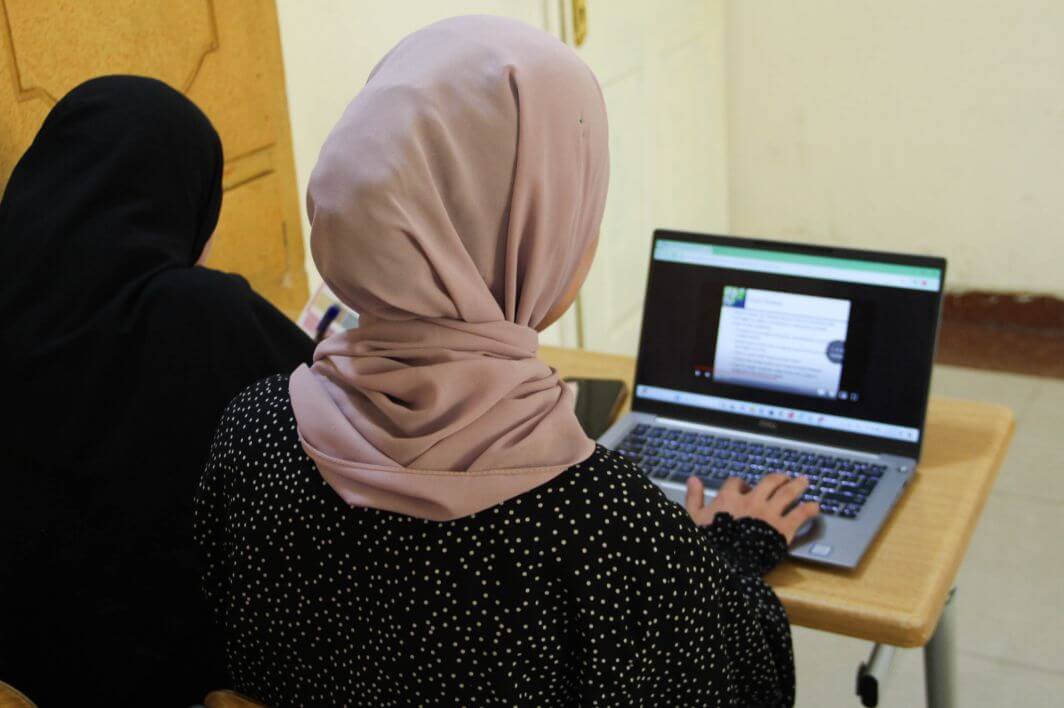
That’s where Embrace Relief’s L.E.A.R.N. (Learning and Education for Afghan girls’ Rights and Needs) program steps in. L.E.A.R.N. provides Afghan girls with access to education through secure, at-home, online platforms, bridging not just educational gaps, but empowering them with the tools needed to eventually compete in the global economy.

Here’s how the program works:

  • High School Access: Through a virtual program, students complete an internationally recognized curriculum culminating in a GED.
  • College Pathways: Students can pursue a three-year Bachelor’s degree in English or Computer Applications through online university.
  • Holistic Support: Tuition, internet, laptops, educational materials, and personalized mentoring are all provided at no cost to the student.

The challenges May 2025 graduates face are real. But for Afghan girls, simply reaching graduation is a victory in itself. By supporting L.E.A.R.N., you’re helping these girls achieve something extraordinary; an education, a future, and the power to choose their own path.

For more information on the Embrace Relief L.E.A.R.N. program, click here.

Qurbani USA – Donate to a USA Charity for Qurban!

Introduction to Qurbani in the United States

What is Qurbani?

Qurbani, also known as Udhiyah, is the Islamic practice of sacrificing a livestock animal during the days of Eid al-Adha in remembrance of Prophet Ibrahim’s (AS) devotion and obedience to Allah. It’s a sacred tradition that combines worship with compassion, as the meat is distributed to those in need.

Why Local Qurbani Is Gaining Attention

While international Qurbani donations have long been popular, there’s growing awareness about the need to address hunger within the United States. Local Qurbani ensures that families in American communities struggling with food insecurity can enjoy the blessings of Eid.

The Spiritual Importance of Giving Locally

Charity Begins at Home in Islam

Islam encourages Muslims to take care of those closest to them. While giving globally is commendable, it’s also a duty to ensure our own neighbors, communities, and local families are not left behind. Donating Qurbani meat locally fulfills both the letter and spirit of this teaching.

Connecting Sacrifice with Social Responsibility

Qurbani is more than an act of ritual—it’s an act of social justice. Performing it in the United States bridges the gap between worship and real-world impact, connecting your faith directly with people in need nearby.

Why Choose a USA-Based Charity Like Embrace Relief?

Trusted, Registered Nonprofit with Local Presence

Embrace Relief is a well-established, IRS-approved 501(c)(3) nonprofit headquartered in New Jersey. With years of experience in humanitarian aid, it ensures your Qurbani donation is processed transparently, ethically, and in compliance with Islamic rules.

Combining Convenience with Global Outreach

While based in the USA, Embrace Relief coordinates Qurbani operations around the globe. You can trust that your donation—whether meant for an American family or someone abroad—is in capable hands.

Qurbani Distribution in the United States

Where Qurbani Meat May Be Distributed

Embrace Relief works with trusted partners and community organizations across the country. While exact locations can vary from year to year, the organization ensures that Qurbani meat reaches underserved families in regions with identified needs. If you’re searching for “Qurbani near me,” rest assured that your donation supports food-insecure communities across the U.S. in accordance with Islamic principles.

Who Receives Qurbani Meat Locally?

Recipients include low-income families, refugees, recent immigrants, and others experiencing food hardship. Embrace Relief partners with local mosques and community centers to identify those most in need.

Step-by-Step: How Qurbani Works with Embrace Relief

From Donation to Distribution

  1. Choose your Qurbani region (USA or abroad)
  2. Make a secure donation online
  3. Embrace Relief purchases a qualified animal
  4. Halal slaughter is performed after Eid prayer
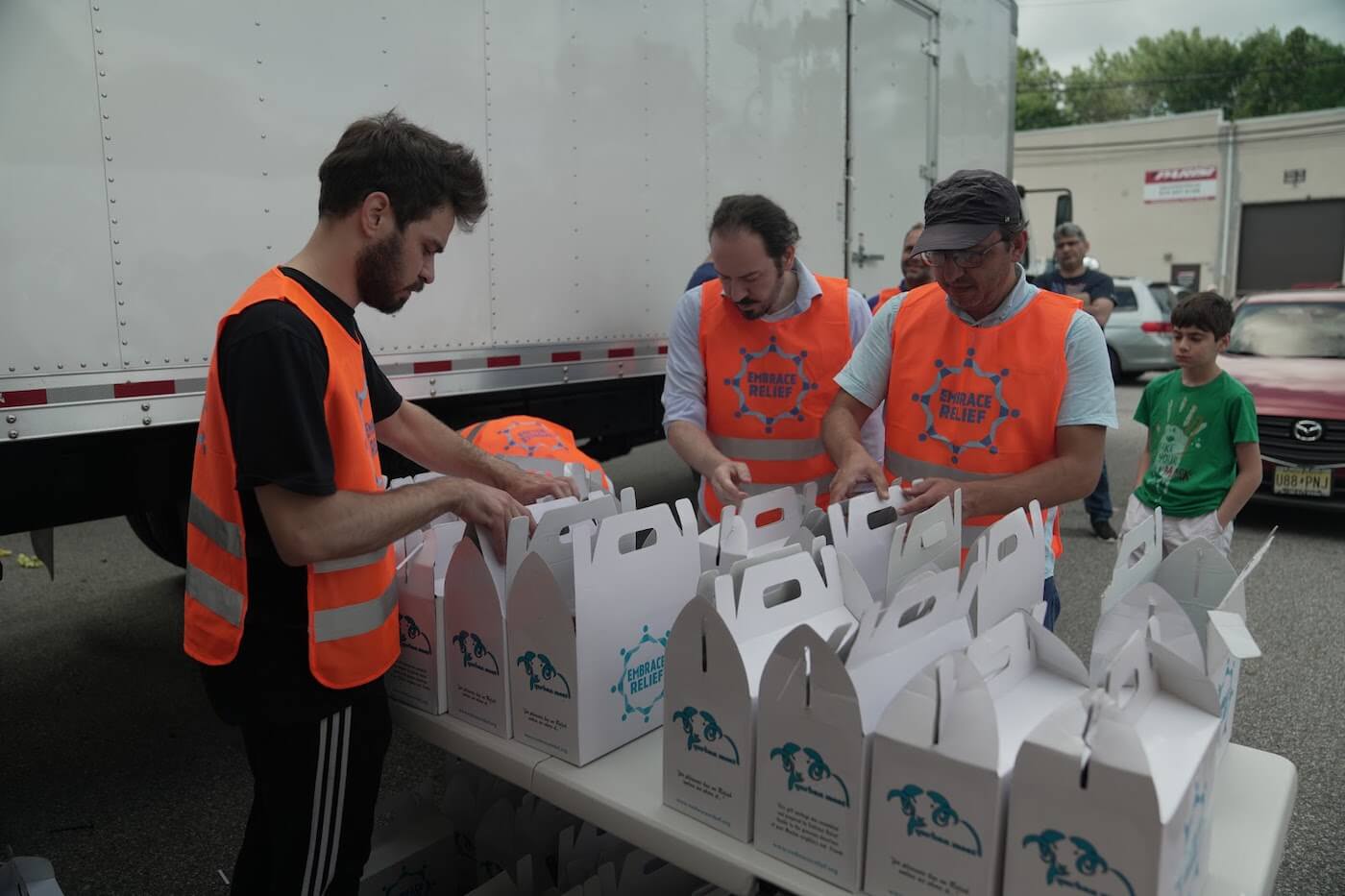
  5. Meat is packaged and distributed to families in need

Compliance with Islamic Guidelines

Embrace Relief ensures all animals meet the age and health requirements. Slaughter is conducted during the correct days of Dhul-Hijjah and follows proper Islamic procedures.

Embrace Relief’s 2025 Qurbani Price List

USA and International Rates

  • $120 – Africa and Asia
  • $175 – Where Most Needed
  • $300 – United States of America

These prices cover the full process from animal purchase to meat delivery. The U.S.-based Qurbani is slightly higher due to livestock, labor, and processing costs.

The Impact of Local Qurbani

Reducing Food Insecurity

Millions in the U.S. struggle to afford nutritious food. Your Qurbani donation puts fresh, halal meat on the table for families that would otherwise go without.

Strengthening Local Muslim Communities

Your act of giving shows that Muslims care for their own communities as much as they do for international ones. It strengthens bonds and fosters community solidarity.

Volunteer Experiences

Volunteers play a crucial role in packing and distributing meat. Their hands-on involvement makes the process personal and heartfelt.

The Convenience of Donating Online

How to Make a Secure Donation

Visit Embrace Relief’s official Qurbani page, choose your region, and donate with confidence through a secure portal.

Confirmation and Transparency

You’ll receive a confirmation email and details of your donation. In many cases, Embrace Relief provides post-Eid updates and photos to show the impact of your Qurbani.

Make your donation here: https://www.embracerelief.org/charitable-donation-for-hunger-relief/qurbani/

The Importance of Quality in Qurbani

Healthy Animals, Ethical Care

Embrace Relief prioritizes animal welfare. All animals are treated humanely and meet the necessary health conditions.

Meeting Shariah Standards

From selection to slaughter, every step is taken with religious compliance in mind.

Global Reach, Local Roots

Embrace Relief distributes Qurbani meat internationally but hasn’t forgotten those in need at home. It bridges global compassion with local responsibility.

Why This Year, Qurbani in the USA Matters More Than Ever

The economic impact of inflation, rising grocery costs, and job instability has left many families in the U.S. more vulnerable than ever. Your Qurbani can make a difference right here, right now.

Final Thoughts on Qurbani USA

Qurbani is a spiritual obligation, but it’s also an opportunity to serve. When you donate through a U.S.-based charity like Embrace Relief, your sacrifice nourishes bodies and uplifts hearts—in your neighborhood and beyond.

This Eid, choose compassion. Choose community. Choose Embrace Relief.

Donate now: https://www.embracerelief.org/charitable-donation-for-hunger-relief/qurbani/

FAQs About Qurbani in the USA

Can I choose which city my donation goes to?

While direct city selection isn’t guaranteed, Embrace Relief distributes based on need in multiple U.S. areas. Your donation will be impactful.

Is the meat delivered fresh or frozen?

The meat is typically delivered fresh and packed hygienically for immediate distribution during the Eid days.

How does Embrace Relief ensure halal compliance?

All Qurbani is performed after Eid prayer during the specified days of Dhul-Hijjah by trained professionals in accordance with Islamic law.

Can I donate on behalf of a loved one?

Yes, you can dedicate your Qurbani to a loved one—living or deceased—just indicate the intention at checkout.

How do I know my donation reached a family?

Embrace Relief provides confirmation and often shares post-distribution updates to show how and where your Qurbani made a difference.

Qurban Bayramı 2025 – Celebrating Qurbani with Unity and Diversity

What Is Qurban Bayramı?

Qurban Bayramı, also known as Eid al-Adha or the Festival of Sacrifice, marks one of the most important events in the Islamic calendar. It commemorates the story of Prophet Ibrahim’s (AS) unwavering faith and his willingness to sacrifice his son in obedience to Allah. Muslims around the world honor this legacy with acts of worship, reflection, and animal sacrifice known as Qurbani.

When is Qurban Bayramı in 2025?

In 2025, Qurban Bayramı is expected to begin on the evening of Thursday, June 5, with Eid prayers and Qurbani taking place from June 6 to June 8, depending on moon sightings. These dates mark the 10th to 12th of Dhul-Hijjah in the Islamic lunar calendar.

Global Traditions: One Eid, Many Cultures

While the religious essence of Qurban Bayramı remains the same everywhere, cultural expressions vary beautifully:

  • In Turkey, families visit relatives, exchange sweets, and say “Bayramınız kutlu olsun.”
  • In Pakistan, Eid involves large communal prayers, cooking lavish meat dishes, and distributing meat to the poor.
  • In Indonesia, Qurban is a community affair, with public slaughtering events and meat distribution to remote villages.
  • In the USA and Europe, Muslims celebrate in multicultural communities, often donating Qurbani through humanitarian organizations like Embrace Relief.

Celebrating Qurbani with Embrace Relief

Not everyone can perform the animal sacrifice themselves. That’s why Embrace Relief makes it easy for Muslims to fulfill their Qurbani duty while maximizing impact:

  • Animals are sacrificed in accordance with Islamic principles
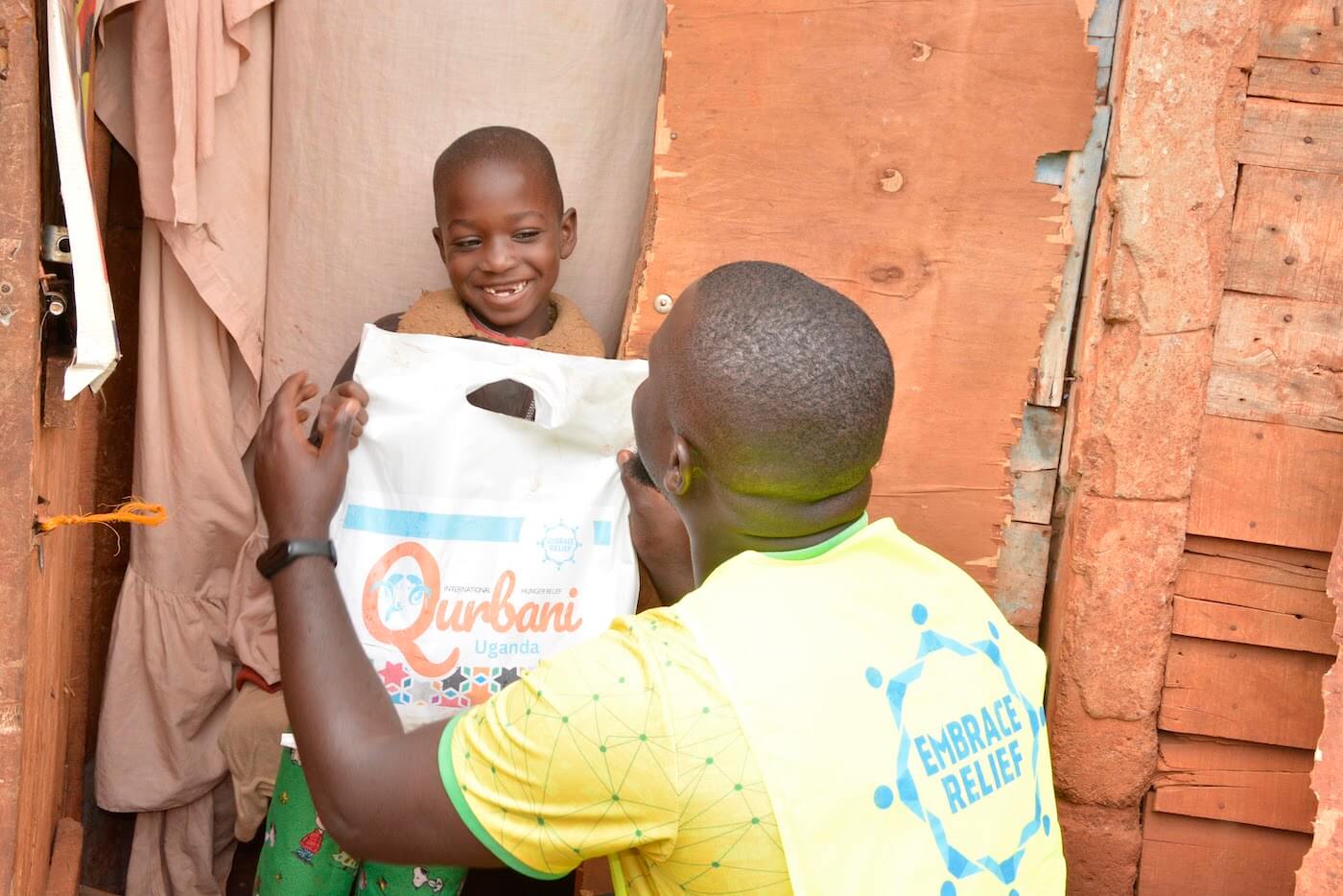
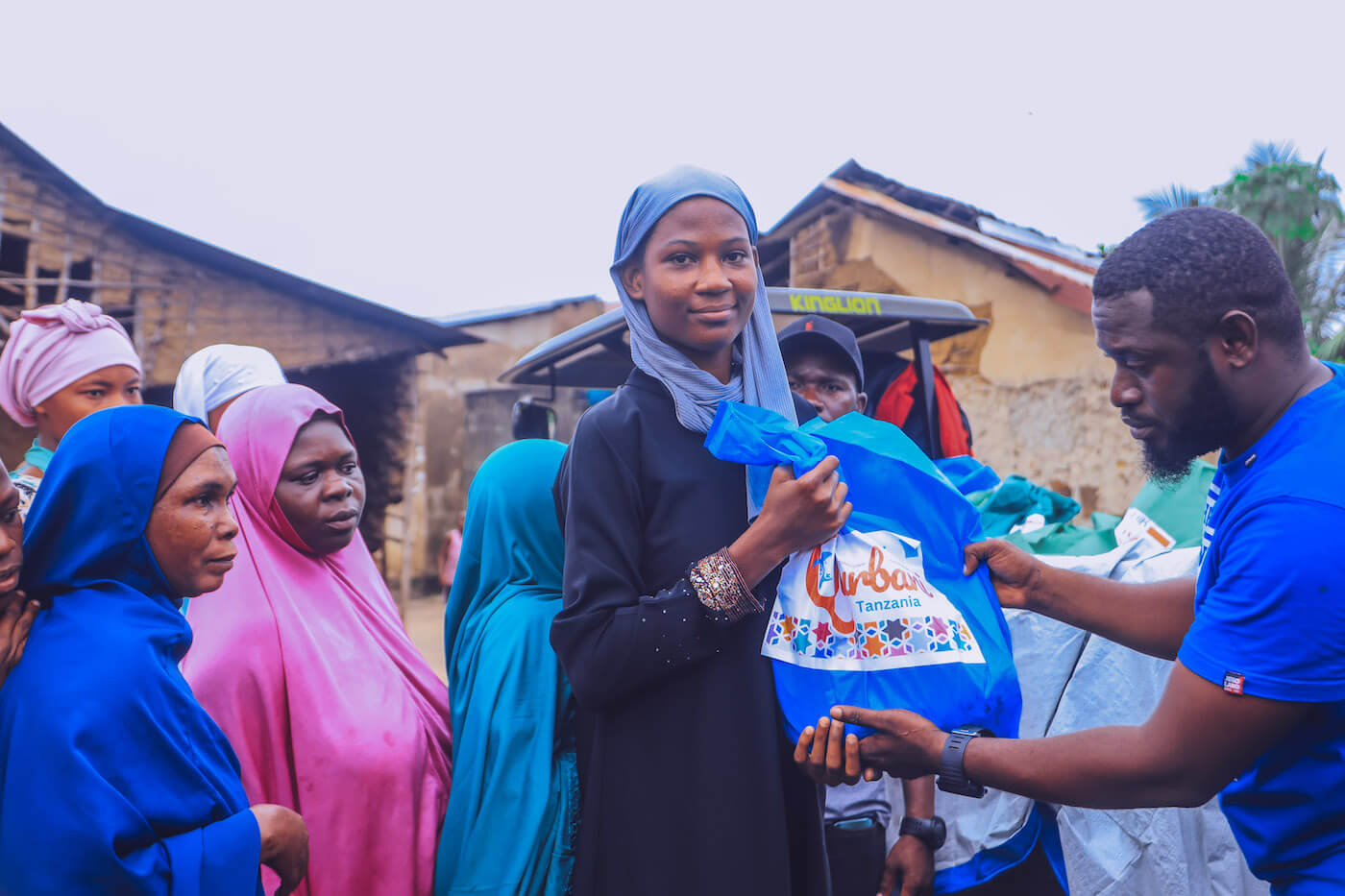
  • Meat is distributed to impoverished communities
  • You choose the region, and Embrace Relief ensures ethical and timely distribution

Why Diversity Makes Qurban Bayramı Even More Powerful

Qurban Bayramı is more than just a religious holiday—it’s a global tapestry of traditions, food, family, and faith. It brings together Muslims from every corner of the world, each honoring Prophet Ibrahim’s story in their unique way.

This unity in diversity reflects the heart of Islam: a faith that binds people not by race, language, or geography—but by shared belief and compassion.

How to Make Your Qurbani Count in 2025

Whether you’re in Istanbul, New York, Jakarta, or Johannesburg, your Qurbani can reach those in need. Donating through Embrace Relief ensures your sacrifice feeds orphans, refugees, and underserved families.

Make your Qurbani donation here: https://www.embracerelief.org/charitable-donation-for-hunger-relief/qurbani/

Final Thoughts

Qurban Bayramı 2025 is a time to celebrate faith, generosity, and cultural richness. By offering your Qurbani with intention and love, you connect with a centuries-old tradition and help uplift lives around the globe.

Celebrate Qurbani with diversity. Donate today with Embrace Relief.

Qurbani Prices in 2025 – Why Quality Matters in Your Qurbani Donation

Understanding Qurbani: A Sacred Obligation

Qurbani is more than a religious tradition—it’s a powerful act of devotion and charity. But fulfilling this obligation requires careful attention to both the quality of the animal and the transparency of the process.

Donating to a reliable organization ensures your sacrifice is accepted in the eyes of God and delivered ethically to those in need. So, how do prices reflect quality—and how can you make sure your donation counts?

Why Price Reflects Ethical Quality in Qurbani

Low prices might be tempting, but in many cases, they come at the cost of compliance. That can mean:

  • Animals that don’t meet age or health standards
  • Slaughter performed outside valid Eid days
  • Mishandled or delayed distribution

By contrast, a fair Qurbani price supports:

  • Healthy, mature, defect-free animals
  • Halal slaughter performed after Eid prayer
  • Timely and respectful meat distribution to the needy

What Makes a Qurbani “High-Quality”?

  • Animal Welfare: Treated with care before sacrifice
  • Proper Supervision: Monitored by scholars and local teams
  • Verified Timing: Sacrifices occur on 10th–12th Dhul-Hijjah
  • Meat Delivery: Distributed to food-insecure communities with dignity

Embrace Relief’s Qurbani Price List for 2025

Embrace Relief’s prices are based on region, local livestock markets, and distribution costs. All animals are purchased, sacrificed, and distributed under direct supervision to ensure full compliance with Islamic guidelines.

Here is the official Qurbani pricing for 2025:

  • $120 – Africa and Asia
  • $175 – Where Most Needed
  • $300 – United States of America

These rates reflect the cost of healthy animals, ethical processing, and safe meat delivery.

How to Donate Your Qurbani Today

When you donate through Embrace Relief, you’re choosing:

  • Quality and Shariah compliance
  • A reputable organization with global reach
  • A gift that feeds families and honors your faith

Make your Qurbani donation here: https://www.embracerelief.org/charitable-donation-for-hunger-relief/qurbani/

Final Thoughts

Qurbani is not just about sacrifice—it’s about sincerity. And sincerity shows in the quality of your donation. Don’t settle for shortcuts. Let your Qurbani reflect the very best of your faith.

Give Qurbani the right way. Choose Embrace Relief.

Last-Minute Qurbani Donation 2025 – Embrace Relief Qurban

Eid ul-Adha is almost here, and if you haven’t arranged your Qurbani yet, there’s still time. While many Muslims prepare their sacrifices in advance, others find themselves looking for a last-minute Qurbani donation option that’s quick, reliable, and fully aligned with Islamic guidelines.

That’s where Embrace Relief steps in. With a globally trusted, Shariah-compliant Qurbani program, Embrace Relief makes it possible to fulfill your religious obligation—even at the last minute.

Why Time Matters for Qurbani

Qurbani must be performed during specific days of Dhul-Hijjah, from the 10th to the 12th after Eid prayer. If the sacrifice isn’t made within this timeframe, it doesn’t count as Qurbani.

In 2025, these dates are expected to fall between June 6 and June 8, depending on moon sightings. Delaying past these dates invalidates the offering, which is why making arrangements—even in the final hours—is essential.

Embrace Relief: Quick, Secure, and Shariah-Compliant

When you donate Qurbani through Embrace Relief, you don’t have to worry about logistics or timing. Their global teams are ready on the ground to carry out sacrifices on your behalf—ethically, transparently, and punctually.

How It Works:

  • Choose your Qurbani package online
  • Select a region where the meat will be delivered
  • Make a secure donation
  • Embrace Relief performs the sacrifice and distributes meat to the poor

All Qurbani animals meet the Islamic requirements and are sacrificed after the Eid prayer within the required timeframe.

The Urgency and the Reward

Qurbani is a chance to follow in the footsteps of Prophet Ibrahim (AS) and provide for those who often go hungry. Last-minute donations through Embrace Relief still carry full spiritual reward as long as they’re made before the window closes.

In fact, your late act of generosity could be the first meal of Eid for a struggling family.

Don’t Wait – Fulfill Your Qurbani Now

If you’re reading this and Eid ul-Adha is right around the corner, don’t panic. Visit Embrace Relief’s official Qurbani page and make your donation in minutes.

Donate your last-minute Qurbani today:https://www.embracerelief.org/charitable-donation-for-hunger-relief/qurbani/

Final Thoughts

Even if time is short, your intention and action still matter. A last-minute Qurbani donation can change lives—and fulfill one of Islam’s most meaningful traditions.

With Embrace Relief, your sacrifice is handled with integrity, care, and compassion.

Make this Eid count. Give your Qurbani through Embrace Relief.

Why Do So Many People Go Blind in Low-Income Countries?

Summary

  • Blindness in low-income countries is often caused by preventable or treatable conditions
  • Lack of access, awareness, and affordability leaves millions in the dark
  • For just $120, Embrace Relief is curing cataracts and restoring lives in Mali

Blindness in low-income countries isn’t caused by rare diseases or cutting-edge failures; it’s caused by poverty. Around the world, millions lose their vision not because a cure doesn’t exist, but because they simply can’t access it.

The leading cause of blindness globally is cataracts, a clouding of the eye’s natural lens that is entirely treatable with a 15-minute surgery. In many places, this procedure can cost less than $50. Yet, in low-income countries, that $50 might as well be a fortune. The barriers pile up quickly: a lack of trained eye surgeons, outdated or unavailable equipment, long distances to hospitals, and overburdened health systems. Even where care exists, patients may not be able to afford transportation or take time off from subsistence work.

In these communities, vision loss is often accepted as inevitable, a cruel consequence of aging or misfortune. But it isn’t inevitable. It’s preventable. And that’s what makes this crisis even more heartbreaking.

Meanwhile, in wealthier parts of the world, eye care has become a booming luxury industry. Elective procedures like LASIK eye surgery can cost thousands of dollars per eye and are marketed for convenience rather than need. Cosmetic iris implants, designer contact lenses, and premium lens replacements with anti-glare and UV-filtering technology are on the rise. These treatments cater not to blindness but to beauty, performance, and preference.

The global eye care market is expected to reach over $200 billion by 2030, with much of that growth fueled by innovation and elective upgrades, not essential care. This contrast is stark: in one part of the world, a person can spend $10,000 to enhance already functional eyes; in another, someone is going blind because they can’t afford a $2 bus ride to a clinic.

Women and the elderly bear the brunt of this disparity. In rural and underserved areas, they are less likely to seek or receive care due to social norms, economic dependence, or lower health literacy. For them, blindness often means isolation, dependence, and an inability to contribute economically or care for family. It’s not just about seeing; it’s about surviving with dignity.

The solution exists. The tools exist. The knowledge exists. What’s missing is equitable access. And until we treat sight as a right, not a luxury, millions will continue to live in avoidable darkness.

How Embrace Relief is Making Vision Possible

From Preventable Blindness to Restored Sight: How Embrace Relief is Making Vision Possible.

As the world spends billions on laser surgeries, designer lenses, and boutique vision centers, millions of people are losing their sight simply because they can’t afford basic cataract surgery. At Embrace Relief, we believe clear vision should be a human right, not a luxury upgrade.

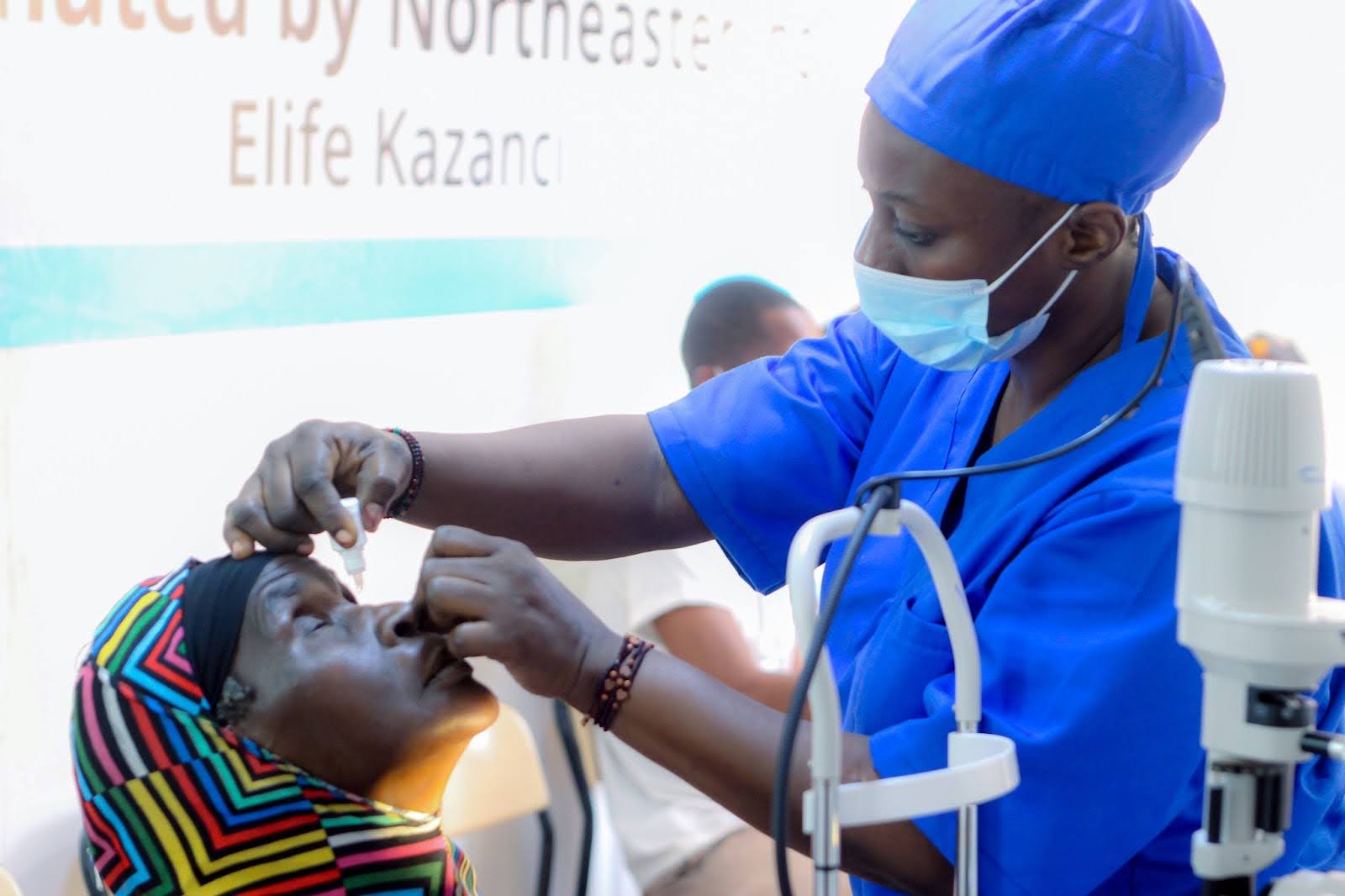
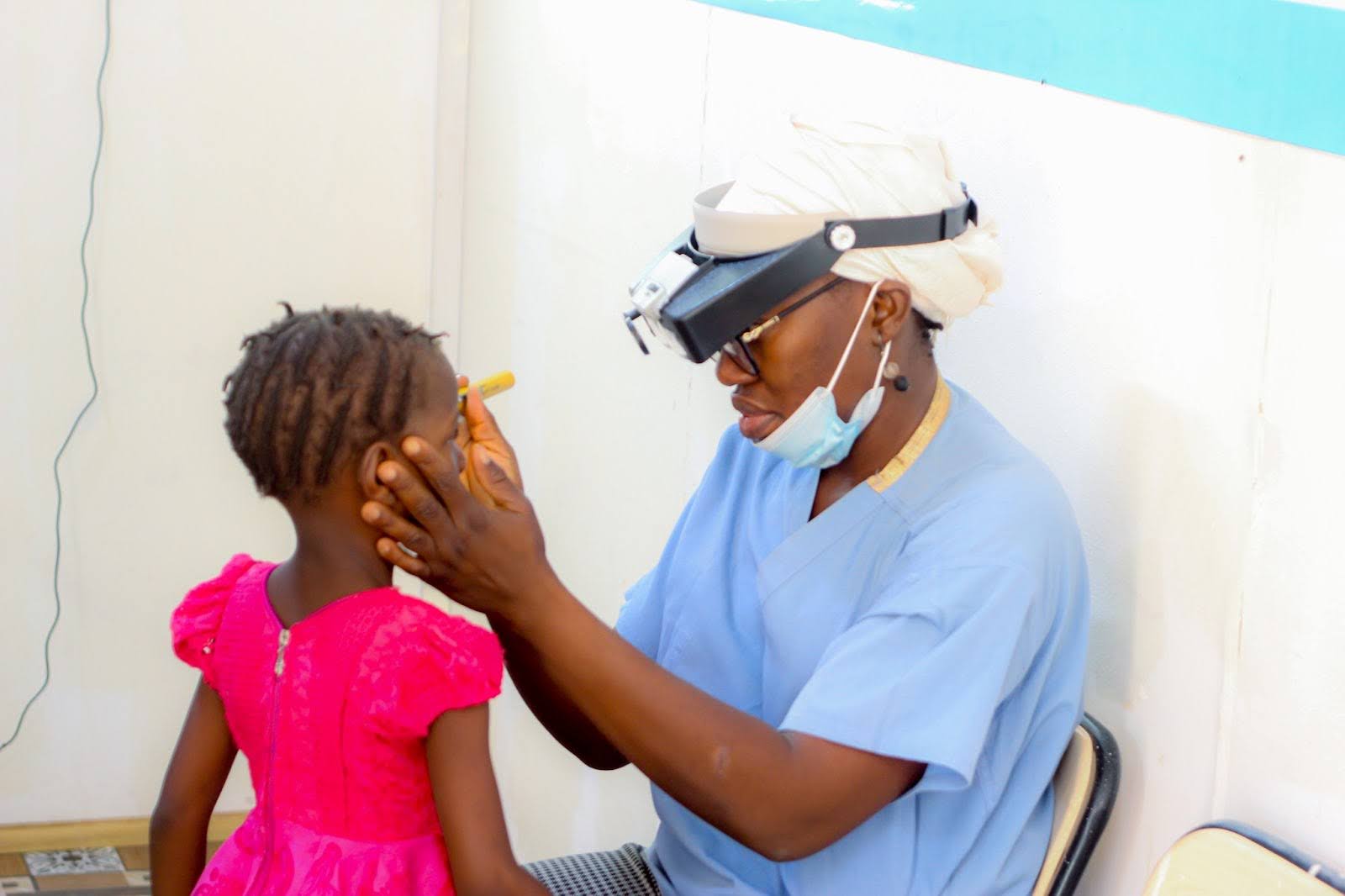
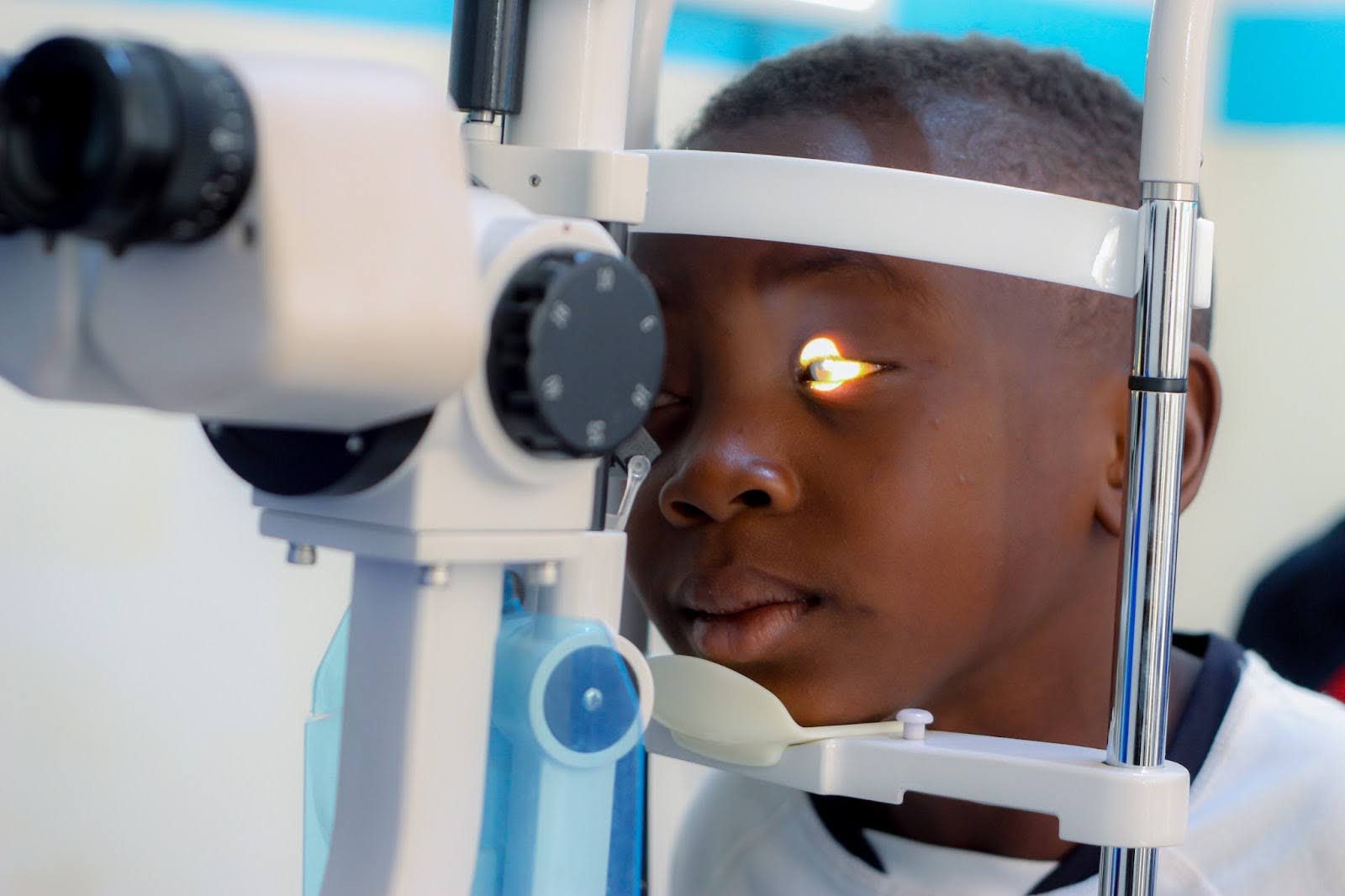
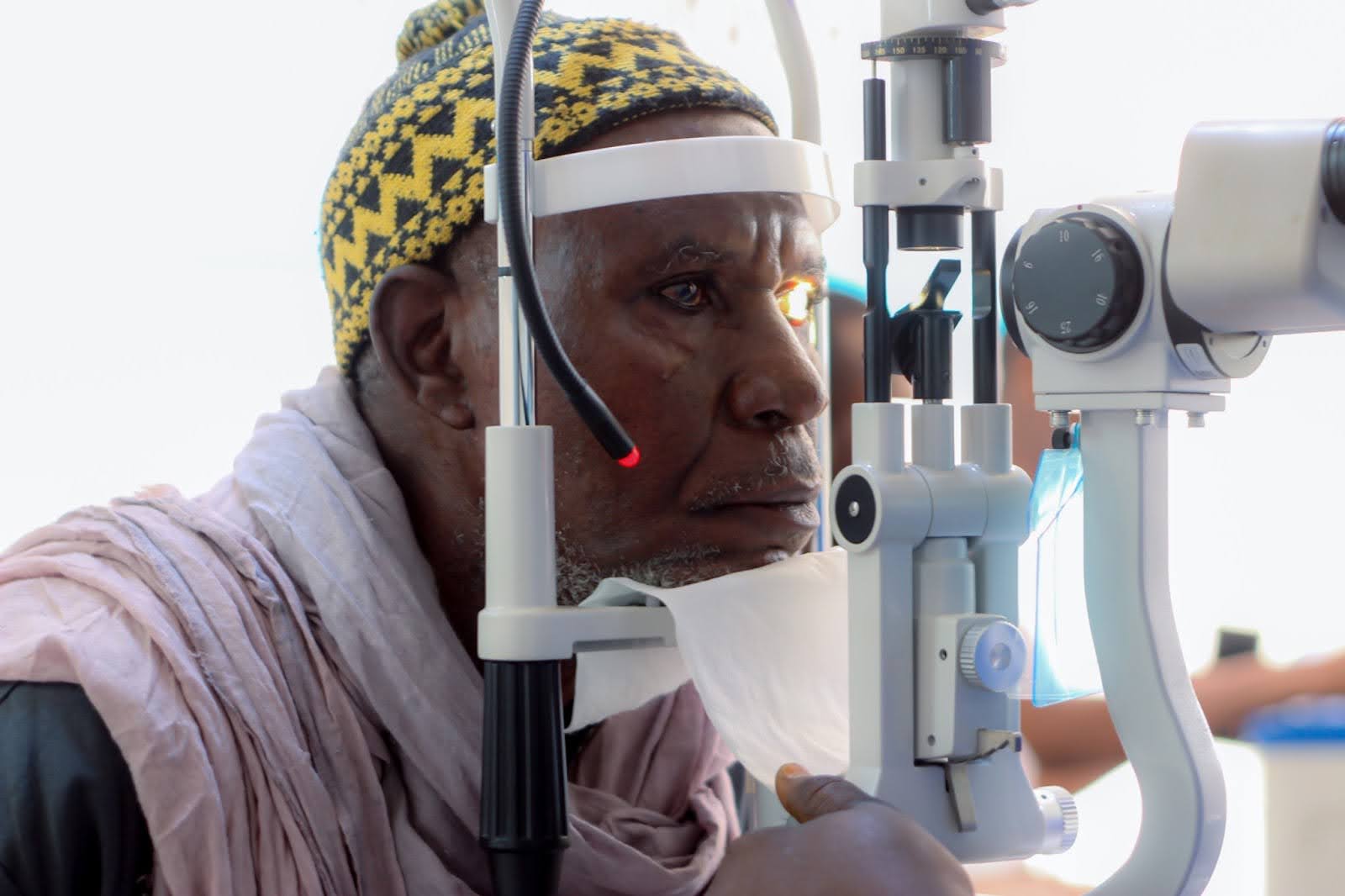
That’s why we launched the Cataract Surgery Program, bringing life-changing eye care to underserved communities in places like Sikasso, Mali, where hundreds are living in avoidable darkness. Cataracts are the leading cause of blindness worldwide but they can be cured in just 15 minutes with a simple procedure.

Each surgery costs only $120. That small amount restores more than sight; it restores independence, dignity, and hope. Parents can see their children again. Elders can walk safely. People can return to work and participate fully in their communities.

These surgeries leave a lasting impact. With local medical teams and sustainable care models, Embrace Relief ensures that these aren’t one-time fixes, but long-term transformations.

Compare $120 to the thousands spent on trend-driven eyewear or cosmetic lenses. The numbers and the impact speak volumes.

Sight shouldn’t be a status symbol. But restoring it can change a life forever.

For more information on Embrace Relief’s Cataracts Surgeries , click here!

What Happens if Cataracts Are Left Untreated?

Summary

  • Untreated cataracts gradually lead to total blindness and disability.
  • Vision loss impacts daily life, mental health, and economic survival.
  • Embrace Relief is reversing this crisis in Mali through free, life-changing surgeries.

Cataracts don’t just cloud your vision; they steal it, slowly and completely. If left untreated, cataracts will worsen over time, eventually leading to total blindness. This is not a rare or extreme outcome; it’s a devastating reality for millions of people worldwide, especially in low-income and underserved regions where access to eye care is limited.

A cataract forms when the eye’s natural lens becomes cloudy, blocking light from passing clearly through to the retina. In the early stages, it might feel like you’re looking through a smudged window. Vision becomes blurry. You may notice increased sensitivity to light or glare from headlights while driving at night. Colors lose their vibrancy. Reading becomes more difficult, and fine details fade from view.

But this is only the beginning.

As the cataract grows denser, the symptoms intensify. Tasks that once seemed simple, such as tying shoelaces, cooking meals, or crossing a street, can become frustrating, then impossible. Eventually, even bright daylight appears dim and hazy. Individuals affected may struggle to recognize loved ones’ faces or navigate familiar environments. With complete cataract-related blindness, independence is lost entirely.

Beyond physical vision loss, untreated cataracts take a heavy emotional, social, and economic toll. People suffering from advanced cataracts often experience:

  • Loss of income and economic hardship: Inability to work due to vision loss can mean financial instability for individuals and families.
  • Social isolation: Blindness often forces people to withdraw from their communities, leading to loneliness and disconnection.
  • Increased risk of injury: Impaired vision heightens the danger of falls, accidents, and even death, particularly in older adults.
  • Mental health challenges: Depression, anxiety, and feelings of helplessness are common among those who lose their sight to cataracts.

In many parts of the world, particularly in rural or impoverished areas, these outcomes are tragically common. Lack of awareness, cultural stigma, or the simple absence of affordable medical care means that millions accept preventable blindness as an inevitable fate.

The tragedy of untreated cataracts lies in how preventable the condition truly is. Cataract surgery is one of the most effective and low-risk medical procedures in existence. In just a few minutes, a cloudy lens is removed and replaced with a clear artificial one. The result? Sight restored, lives transformed.

Yet despite this, cataracts remain the leading cause of blindness globally.

Vision is more than just the ability to see; it’s the foundation for independence, dignity, and opportunity. When cataracts go untreated, they rob people of far more than sight. But when treated, they give something priceless back: the power to live fully again.

Restoring Vision with Embrace Relief

Restoring Vision with Embrace Relief:

In Mali, untreated cataracts are not just a medical issue, they’re a humanitarian crisis. Thousands are living in avoidable darkness simply because they lack access to basic surgical care. But Embrace Relief’s Cure Cataracts program is bringing light back.

Working with local medical teams, Embrace Relief provides free cataract surgeries in rural areas like Sikasso. Each surgery costs just $120, and that price includes 15 vision screenings to identify people in need. In under 20 minutes, one procedure can transform a person’s life.

These surgeries help mothers see their children again. They allow elders to walk without fear of falling. They empower individuals to return to work and reclaim their independence. In communities with few resources, that restored vision lifts entire families and changes futures.

Embrace Relief focuses on sustainable, community-based care ensuring that the impact lasts far beyond a single operation. As high-income countries spend billions on luxury eye procedures, this program proves that saving sight doesn’t require excess, it just requires action.

For $120, a life in darkness can become a life of possibility.

For more information on Embrace Relief’s Cataracts Surgeries , click here!