


Recent

Qurban Bayramı 2025 – Celebrating Qurbani with Unity and Diversity

What Is Qurban Bayramı?

Qurban Bayramı, also known as Eid al-Adha or the Festival of Sacrifice, marks one of the most important events in the Islamic calendar. It commemorates the story of Prophet Ibrahim’s (AS) unwavering faith and his willingness to sacrifice his son in obedience to Allah. Muslims around the world honor this legacy with acts of worship, reflection, and animal sacrifice known as Qurbani.

When is Qurban Bayramı in 2025?

In 2025, Qurban Bayramı is expected to begin on the evening of Thursday, June 5, with Eid prayers and Qurbani taking place from June 6 to June 8, depending on moon sightings. These dates mark the 10th to 12th of Dhul-Hijjah in the Islamic lunar calendar.

Global Traditions: One Eid, Many Cultures

While the religious essence of Qurban Bayramı remains the same everywhere, cultural expressions vary beautifully:

  • In Turkey, families visit relatives, exchange sweets, and say “Bayramınız kutlu olsun.”
  • In Pakistan, Eid involves large communal prayers, cooking lavish meat dishes, and distributing meat to the poor.
  • In Indonesia, Qurban is a community affair, with public slaughtering events and meat distribution to remote villages.
  • In the USA and Europe, Muslims celebrate in multicultural communities, often donating Qurbani through humanitarian organizations like Embrace Relief.

Celebrating Qurbani with Embrace Relief

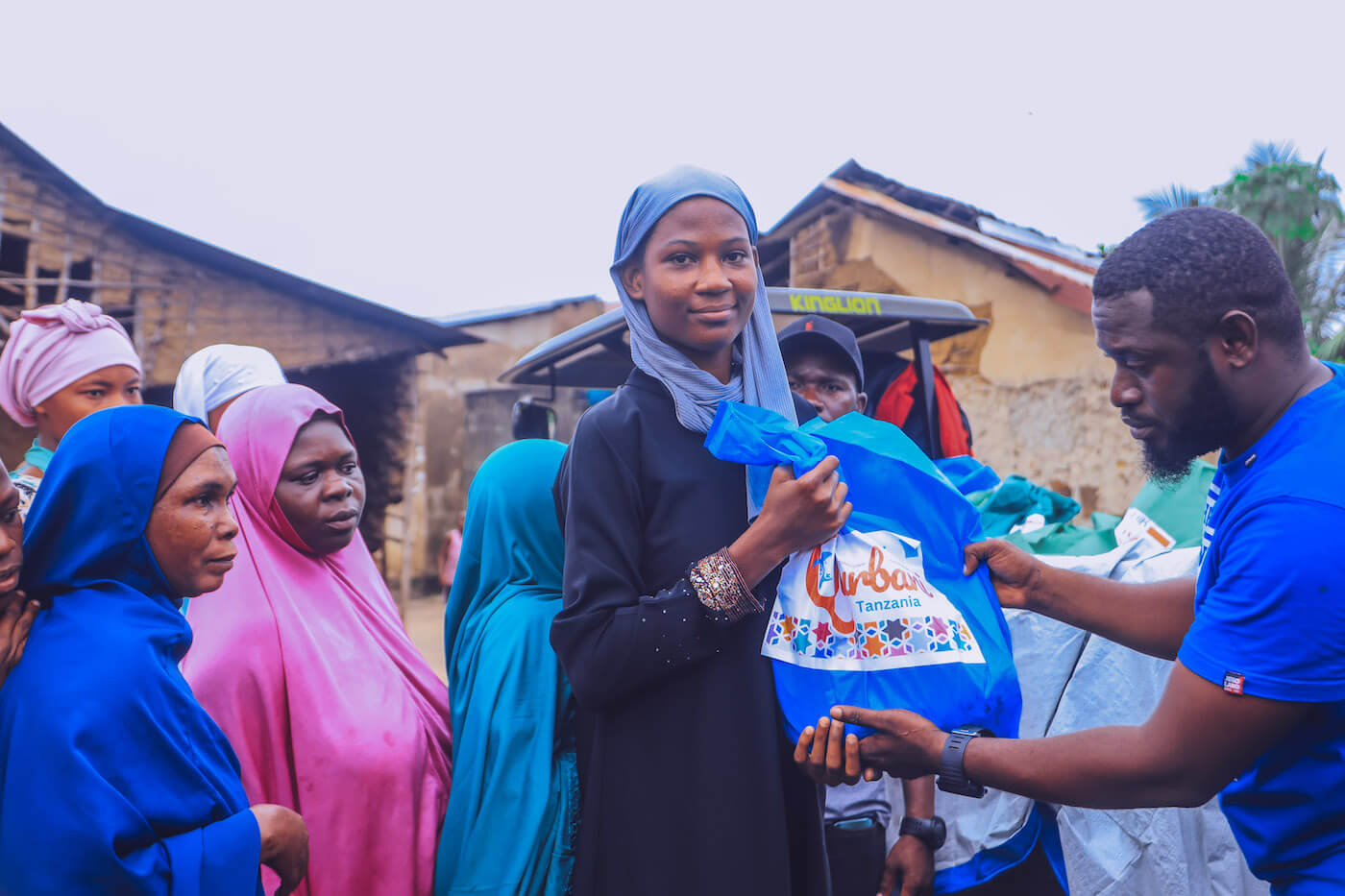
Not everyone can perform the animal sacrifice themselves. That’s why Embrace Relief makes it easy for Muslims to fulfill their Qurbani duty while maximizing impact:

  • Animals are sacrificed in accordance with Islamic principles
  • Meat is distributed to impoverished communities
  • You choose the region, and Embrace Relief ensures ethical and timely distribution

Why Diversity Makes Qurban Bayramı Even More Powerful

Qurban Bayramı is more than just a religious holiday—it’s a global tapestry of traditions, food, family, and faith. It brings together Muslims from every corner of the world, each honoring Prophet Ibrahim’s story in their unique way.

This unity in diversity reflects the heart of Islam: a faith that binds people not by race, language, or geography—but by shared belief and compassion.

How to Make Your Qurbani Count in 2025

Whether you’re in Istanbul, New York, Jakarta, or Johannesburg, your Qurbani can reach those in need. Donating through Embrace Relief ensures your sacrifice feeds orphans, refugees, and underserved families.

Make your Qurbani donation here: https://www.embracerelief.org/charitable-donation-for-hunger-relief/qurbani/

Final Thoughts

Qurban Bayramı 2025 is a time to celebrate faith, generosity, and cultural richness. By offering your Qurbani with intention and love, you connect with a centuries-old tradition and help uplift lives around the globe.

Celebrate Qurbani with diversity. Donate today with Embrace Relief.
Qurbani Prices in 2025 – Why Quality Matters in Your Qurbani Donation

Understanding Qurbani: A Sacred Obligation

Qurbani is more than a religious tradition—it’s a powerful act of devotion and charity. But fulfilling this obligation requires careful attention to both the quality of the animal and the transparency of the process.

Donating to a reliable organization ensures your sacrifice is accepted in the eyes of God and delivered ethically to those in need. So, how do prices reflect quality—and how can you make sure your donation counts?

Why Price Reflects Ethical Quality in Qurbani

Low prices might be tempting, but in many cases, they come at the cost of compliance. That can mean:

  • Animals that don’t meet age or health standards
  • Slaughter performed outside valid Eid days
  • Mishandled or delayed distribution

By contrast, a fair Qurbani price supports:

  • Healthy, mature, defect-free animals
  • Halal slaughter performed after Eid prayer
  • Timely and respectful meat distribution to the needy

What Makes a Qurbani “High-Quality”?

  • Animal Welfare: Treated with care before sacrifice
  • Proper Supervision: Monitored by scholars and local teams
  • Verified Timing: Sacrifices occur on 10th–12th Dhul-Hijjah
  • Meat Delivery: Distributed to food-insecure communities with dignity

Embrace Relief’s Qurbani Price List for 2025

Embrace Relief’s prices are based on region, local livestock markets, and distribution costs. All animals are purchased, sacrificed, and distributed under direct supervision to ensure full compliance with Islamic guidelines.

Here is the official Qurbani pricing for 2025:

  • $120 – Africa and Asia
  • $175 – Where Most Needed
  • $300 – United States of America

These rates reflect the cost of healthy animals, ethical processing, and safe meat delivery.

How to Donate Your Qurbani Today

When you donate through Embrace Relief, you’re choosing:

  • Quality and Shariah compliance
  • A reputable organization with global reach
  • A gift that feeds families and honors your faith

Make your Qurbani donation here: https://www.embracerelief.org/charitable-donation-for-hunger-relief/qurbani/

Final Thoughts

Qurbani is not just about sacrifice—it’s about sincerity. And sincerity shows in the quality of your donation. Don’t settle for shortcuts. Let your Qurbani reflect the very best of your faith.

Give Qurbani the right way. Choose Embrace Relief.

Last-Minute Qurbani Donation 2025 – Embrace Relief Qurban

Eid ul-Adha is almost here, and if you haven’t arranged your Qurbani yet, there’s still time. While many Muslims prepare their sacrifices in advance, others find themselves looking for a last-minute Qurbani donation option that’s quick, reliable, and fully aligned with Islamic guidelines.

That’s where Embrace Relief steps in. With a globally trusted, Shariah-compliant Qurbani program, Embrace Relief makes it possible to fulfill your religious obligation—even at the last minute.

Why Time Matters for Qurbani

Qurbani must be performed during specific days of Dhul-Hijjah, from the 10th to the 12th after Eid prayer. If the sacrifice isn’t made within this timeframe, it doesn’t count as Qurbani.

In 2025, these dates are expected to fall between June 6 and June 8, depending on moon sightings. Delaying past these dates invalidates the offering, which is why making arrangements—even in the final hours—is essential.

Embrace Relief: Quick, Secure, and Shariah-Compliant

When you donate Qurbani through Embrace Relief, you don’t have to worry about logistics or timing. Their global teams are ready on the ground to carry out sacrifices on your behalf—ethically, transparently, and punctually.

How It Works:

  • Choose your Qurbani package online
  • Select a region where the meat will be delivered
  • Make a secure donation
  • Embrace Relief performs the sacrifice and distributes meat to the poor

All Qurbani animals meet the Islamic requirements and are sacrificed after the Eid prayer within the required timeframe.

The Urgency and the Reward

Qurbani is a chance to follow in the footsteps of Prophet Ibrahim (AS) and provide for those who often go hungry. Last-minute donations through Embrace Relief still carry full spiritual reward as long as they’re made before the window closes.

In fact, your late act of generosity could be the first meal of Eid for a struggling family.

Don’t Wait – Fulfill Your Qurbani Now

If you’re reading this and Eid ul-Adha is right around the corner, don’t panic. Visit Embrace Relief’s official Qurbani page and make your donation in minutes.

Donate your last-minute Qurbani today:https://www.embracerelief.org/charitable-donation-for-hunger-relief/qurbani/

Final Thoughts

Even if time is short, your intention and action still matter. A last-minute Qurbani donation can change lives—and fulfill one of Islam’s most meaningful traditions.

With Embrace Relief, your sacrifice is handled with integrity, care, and compassion.

Make this Eid count. Give your Qurbani through Embrace Relief.

Why Do So Many People Go Blind in Low-Income Countries?

Summary

  • Blindness in low-income countries is often caused by preventable or treatable conditions
  • Lack of access, awareness, and affordability leaves millions in the dark
  • For just $120, Embrace Relief is curing cataracts and restoring lives in Mali

Blindness in low-income countries isn’t caused by rare diseases or cutting-edge failures; it’s caused by poverty. Around the world, millions lose their vision not because a cure doesn’t exist, but because they simply can’t access it.

The leading cause of blindness globally is cataracts, a clouding of the eye’s natural lens that is entirely treatable with a 15-minute surgery. In many places, this procedure can cost less than $50. Yet, in low-income countries, that $50 might as well be a fortune. The barriers pile up quickly: a lack of trained eye surgeons, outdated or unavailable equipment, long distances to hospitals, and overburdened health systems. Even where care exists, patients may not be able to afford transportation or take time off from subsistence work.

In these communities, vision loss is often accepted as inevitable, a cruel consequence of aging or misfortune. But it isn’t inevitable. It’s preventable. And that’s what makes this crisis even more heartbreaking.

Meanwhile, in wealthier parts of the world, eye care has become a booming luxury industry. Elective procedures like LASIK eye surgery can cost thousands of dollars per eye and are marketed for convenience rather than need. Cosmetic iris implants, designer contact lenses, and premium lens replacements with anti-glare and UV-filtering technology are on the rise. These treatments cater not to blindness but to beauty, performance, and preference.

The global eye care market is expected to reach over $200 billion by 2030, with much of that growth fueled by innovation and elective upgrades, not essential care. This contrast is stark: in one part of the world, a person can spend $10,000 to enhance already functional eyes; in another, someone is going blind because they can’t afford a $2 bus ride to a clinic.

Women and the elderly bear the brunt of this disparity. In rural and underserved areas, they are less likely to seek or receive care due to social norms, economic dependence, or lower health literacy. For them, blindness often means isolation, dependence, and an inability to contribute economically or care for family. It’s not just about seeing; it’s about surviving with dignity.

The solution exists. The tools exist. The knowledge exists. What’s missing is equitable access. And until we treat sight as a right, not a luxury, millions will continue to live in avoidable darkness.

How Embrace Relief is Making Vision Possible

From Preventable Blindness to Restored Sight: How Embrace Relief is Making Vision Possible.

As the world spends billions on laser surgeries, designer lenses, and boutique vision centers, millions of people are losing their sight simply because they can’t afford basic cataract surgery. At Embrace Relief, we believe clear vision should be a human right, not a luxury upgrade.

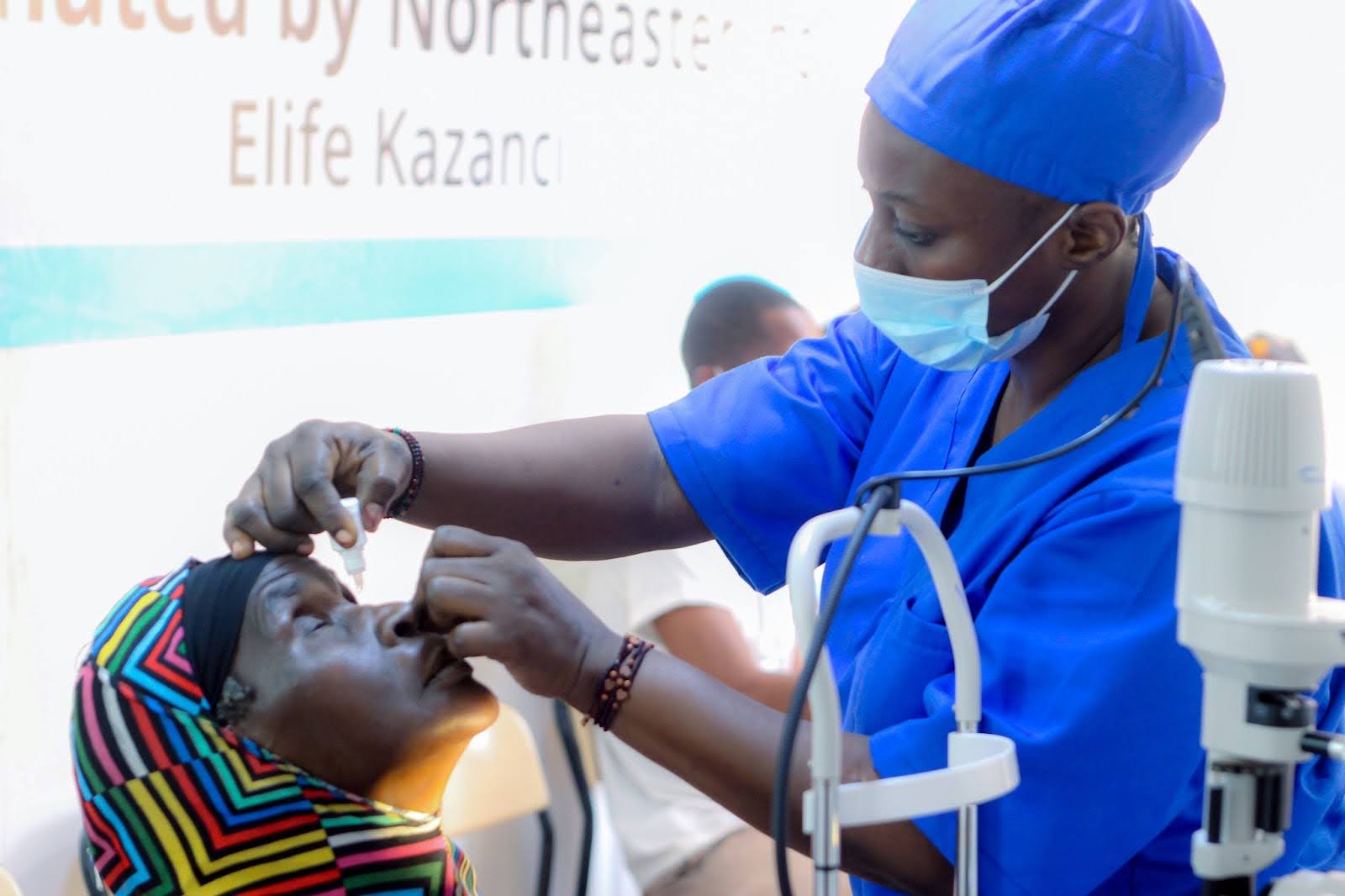
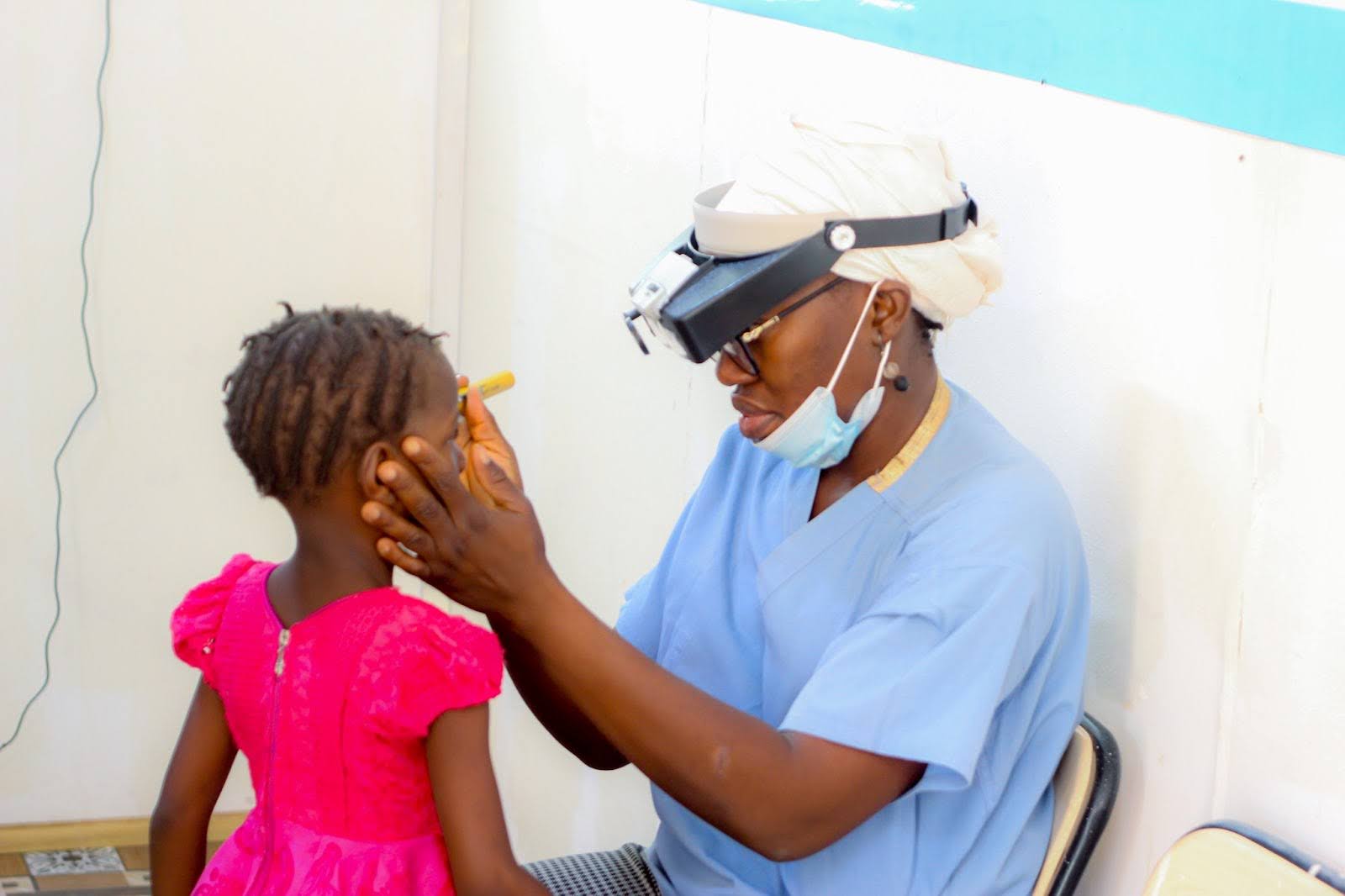
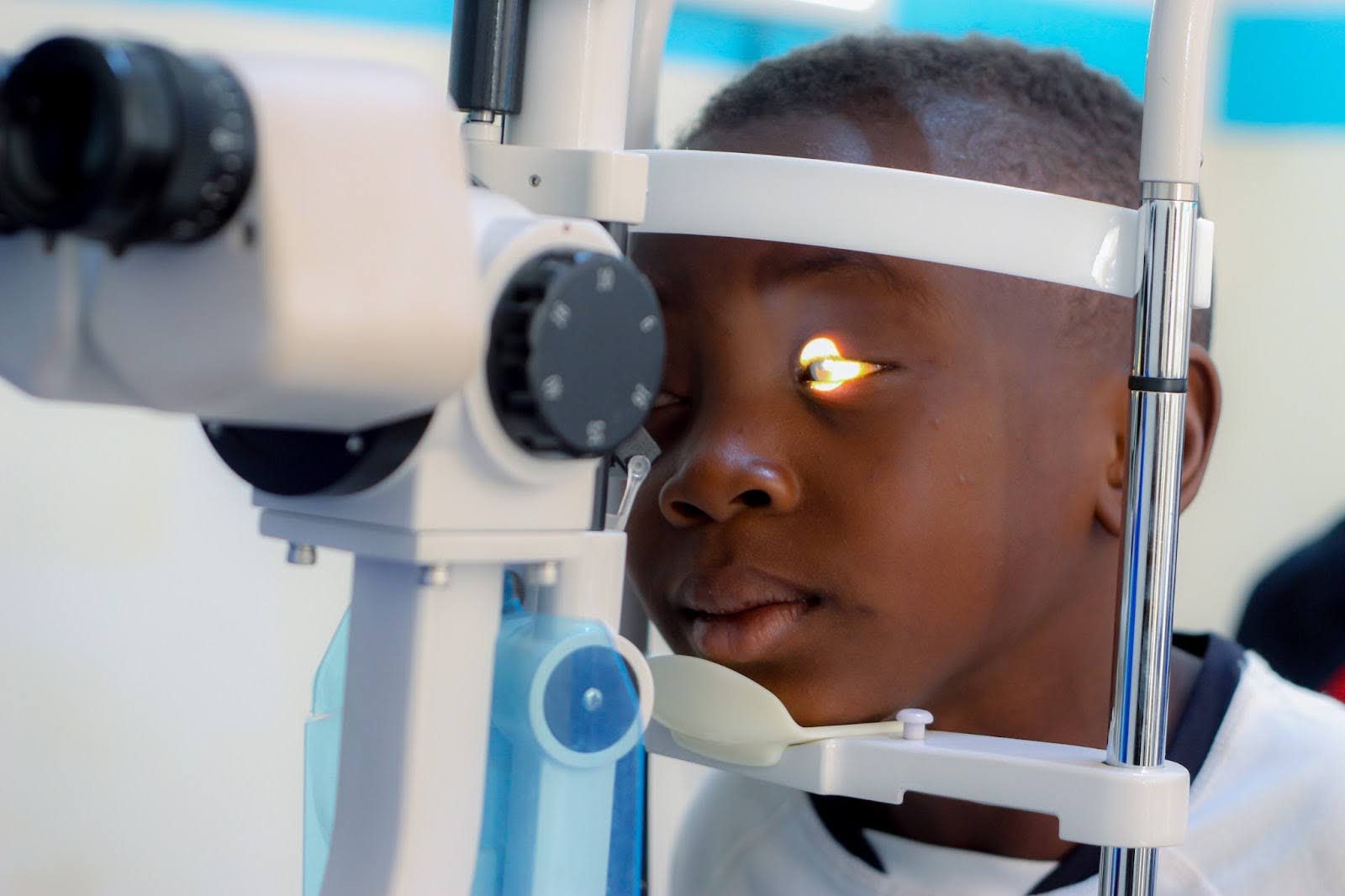
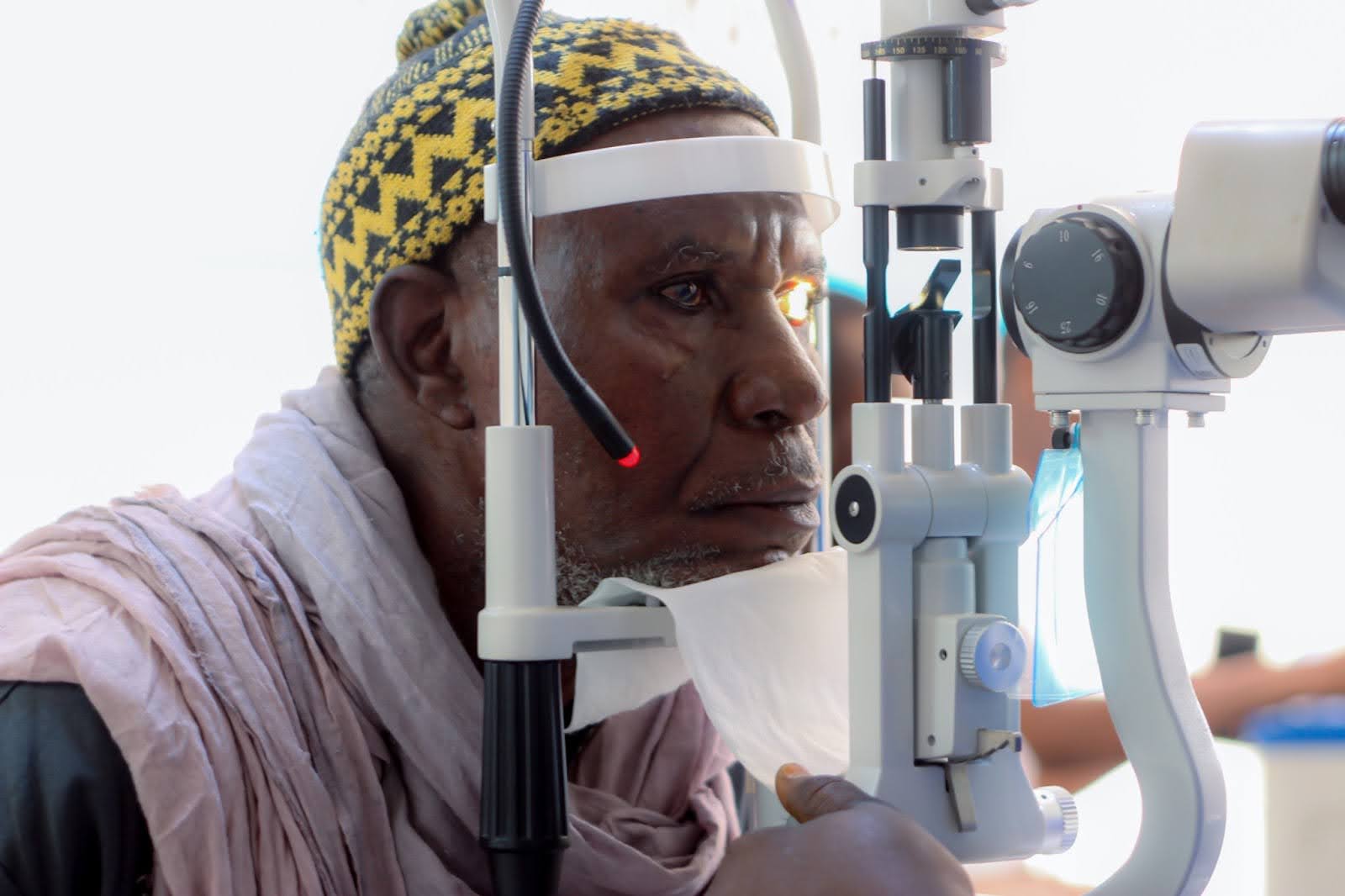
That’s why we launched the Cataract Surgery Program, bringing life-changing eye care to underserved communities in places like Sikasso, Mali, where hundreds are living in avoidable darkness. Cataracts are the leading cause of blindness worldwide but they can be cured in just 15 minutes with a simple procedure.

Each surgery costs only $120. That small amount restores more than sight; it restores independence, dignity, and hope. Parents can see their children again. Elders can walk safely. People can return to work and participate fully in their communities.

These surgeries leave a lasting impact. With local medical teams and sustainable care models, Embrace Relief ensures that these aren’t one-time fixes, but long-term transformations.

Compare $120 to the thousands spent on trend-driven eyewear or cosmetic lenses. The numbers and the impact speak volumes.

Sight shouldn’t be a status symbol. But restoring it can change a life forever.

For more information on Embrace Relief’s Cataracts Surgeries , click here!

What Happens if Cataracts Are Left Untreated?

Summary

  • Untreated cataracts gradually lead to total blindness and disability.
  • Vision loss impacts daily life, mental health, and economic survival.
  • Embrace Relief is reversing this crisis in Mali through free, life-changing surgeries.

Cataracts don’t just cloud your vision; they steal it, slowly and completely. If left untreated, cataracts will worsen over time, eventually leading to total blindness. This is not a rare or extreme outcome; it’s a devastating reality for millions of people worldwide, especially in low-income and underserved regions where access to eye care is limited.

A cataract forms when the eye’s natural lens becomes cloudy, blocking light from passing clearly through to the retina. In the early stages, it might feel like you’re looking through a smudged window. Vision becomes blurry. You may notice increased sensitivity to light or glare from headlights while driving at night. Colors lose their vibrancy. Reading becomes more difficult, and fine details fade from view.

But this is only the beginning.

As the cataract grows denser, the symptoms intensify. Tasks that once seemed simple, such as tying shoelaces, cooking meals, or crossing a street, can become frustrating, then impossible. Eventually, even bright daylight appears dim and hazy. Individuals affected may struggle to recognize loved ones’ faces or navigate familiar environments. With complete cataract-related blindness, independence is lost entirely.

Beyond physical vision loss, untreated cataracts take a heavy emotional, social, and economic toll. People suffering from advanced cataracts often experience:

  • Loss of income and economic hardship: Inability to work due to vision loss can mean financial instability for individuals and families.
  • Social isolation: Blindness often forces people to withdraw from their communities, leading to loneliness and disconnection.
  • Increased risk of injury: Impaired vision heightens the danger of falls, accidents, and even death, particularly in older adults.
  • Mental health challenges: Depression, anxiety, and feelings of helplessness are common among those who lose their sight to cataracts.

In many parts of the world, particularly in rural or impoverished areas, these outcomes are tragically common. Lack of awareness, cultural stigma, or the simple absence of affordable medical care means that millions accept preventable blindness as an inevitable fate.

The tragedy of untreated cataracts lies in how preventable the condition truly is. Cataract surgery is one of the most effective and low-risk medical procedures in existence. In just a few minutes, a cloudy lens is removed and replaced with a clear artificial one. The result? Sight restored, lives transformed.

Yet despite this, cataracts remain the leading cause of blindness globally.

Vision is more than just the ability to see; it’s the foundation for independence, dignity, and opportunity. When cataracts go untreated, they rob people of far more than sight. But when treated, they give something priceless back: the power to live fully again.

Restoring Vision with Embrace Relief

Restoring Vision with Embrace Relief:

In Mali, untreated cataracts are not just a medical issue, they’re a humanitarian crisis. Thousands are living in avoidable darkness simply because they lack access to basic surgical care. But Embrace Relief’s Cure Cataracts program is bringing light back.

Working with local medical teams, Embrace Relief provides free cataract surgeries in rural areas like Sikasso. Each surgery costs just $120, and that price includes 15 vision screenings to identify people in need. In under 20 minutes, one procedure can transform a person’s life.

These surgeries help mothers see their children again. They allow elders to walk without fear of falling. They empower individuals to return to work and reclaim their independence. In communities with few resources, that restored vision lifts entire families and changes futures.

Embrace Relief focuses on sustainable, community-based care ensuring that the impact lasts far beyond a single operation. As high-income countries spend billions on luxury eye procedures, this program proves that saving sight doesn’t require excess, it just requires action.

For $120, a life in darkness can become a life of possibility.

For more information on Embrace Relief’s Cataracts Surgeries , click here!

Reusable vs. Disposable: The Real Cost of Menstrual Products

Summary

  • One person can use up to 11,000 disposable menstrual products in a lifetime
  • Disposable pads and tampons generate tons of plastic waste each year
  • Embrace Relief’s H.E.R. program trains women to create reusable pads and supports menstrual education

Each month, around 1.8 billion people across the globe menstruate. That means every day, millions must manage their period, yet for many, the basic products they need to do so safely and hygienically are either unaffordable, inaccessible, or environmentally harmful. Menstrual products are essential. But the cost of convenience comes at a steep price.

Disposable pads, tampons, and pantyliners dominate the global market. They are wrapped in plastic, made for single use, and advertised as modern hygiene. But the average menstruating person will use more than 11,000 disposable products over the course of their lifetime, most of which end up in landfills, sewers, or scattered across natural landscapes.

In the United States alone, more than 12 billion pads and 7 billion tampons are thrown away every year. These items can take 500 to 800 years to fully decompose due to the plastic they contain. Much of this waste finds its way into oceans and waterways, contributing to the 8 million metric tons of plastic pollution entering the ocean annually. Menstrual waste is rarely discussed, but it is a significant contributor to the global plastic crisis.

This environmental toll is only one side of the story. Disposable menstrual products are also a financial burden. On average, a person will spend $150 to $300 per year on menstrual hygiene supplies; a cost that can push low-income families into tough decisions each month. In some regions, a pack of pads costs more than a day’s wages. As a result, many girls resort to unsafe alternatives like rags, cotton, or even ash and corn husks, increasing the risk of infection, reproductive issues, and long-term health complications.

This situation is so dire that it has a name: period poverty, defined as the lack of access to safe, hygienic, and affordable menstrual care. According to UNICEF, 1 in 10 girls in Sub-Saharan Africa misses school during her period due to lack of access to menstrual products and sanitation. This amounts to up to 20 percent of their academic year lost.

When girls drop out of school, they face less opportunities for employment and independence later in life. Period poverty isn’t just a health issue. It is a barrier to gender equality, education, and empowerment.

How Embrace Relief Is Making Menstrual Hygiene Sustainable

How Embrace Relief Is Making Menstrual Hygiene Sustainable

At Embrace Relief, we believe that menstrual health should never be a source of shame or hardship. Through our H.E.R. program (Health, Empowerment, Resilience) we are breaking the cycle of period poverty by providing sustainable menstrual products, education, and community empowerment.

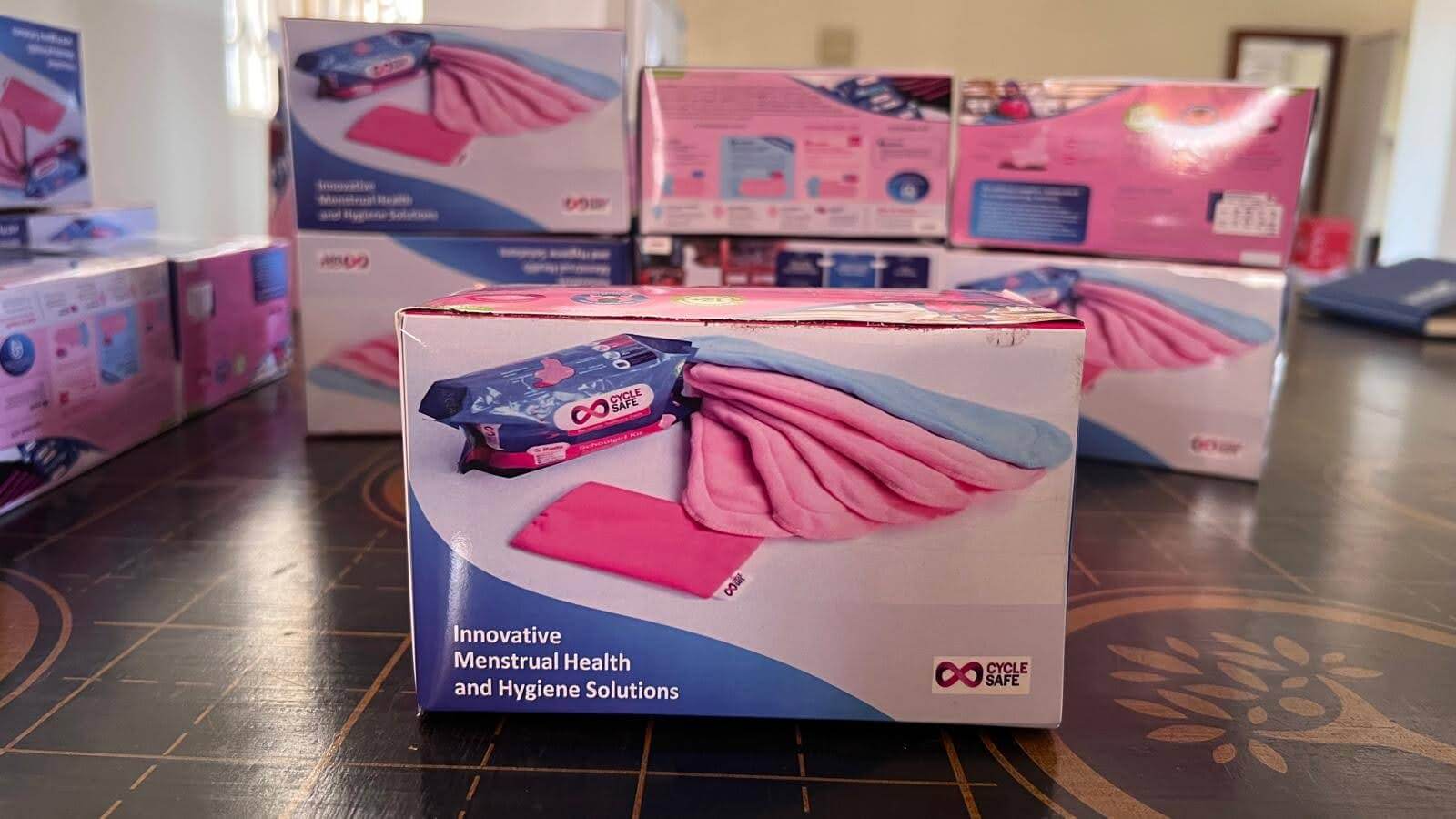
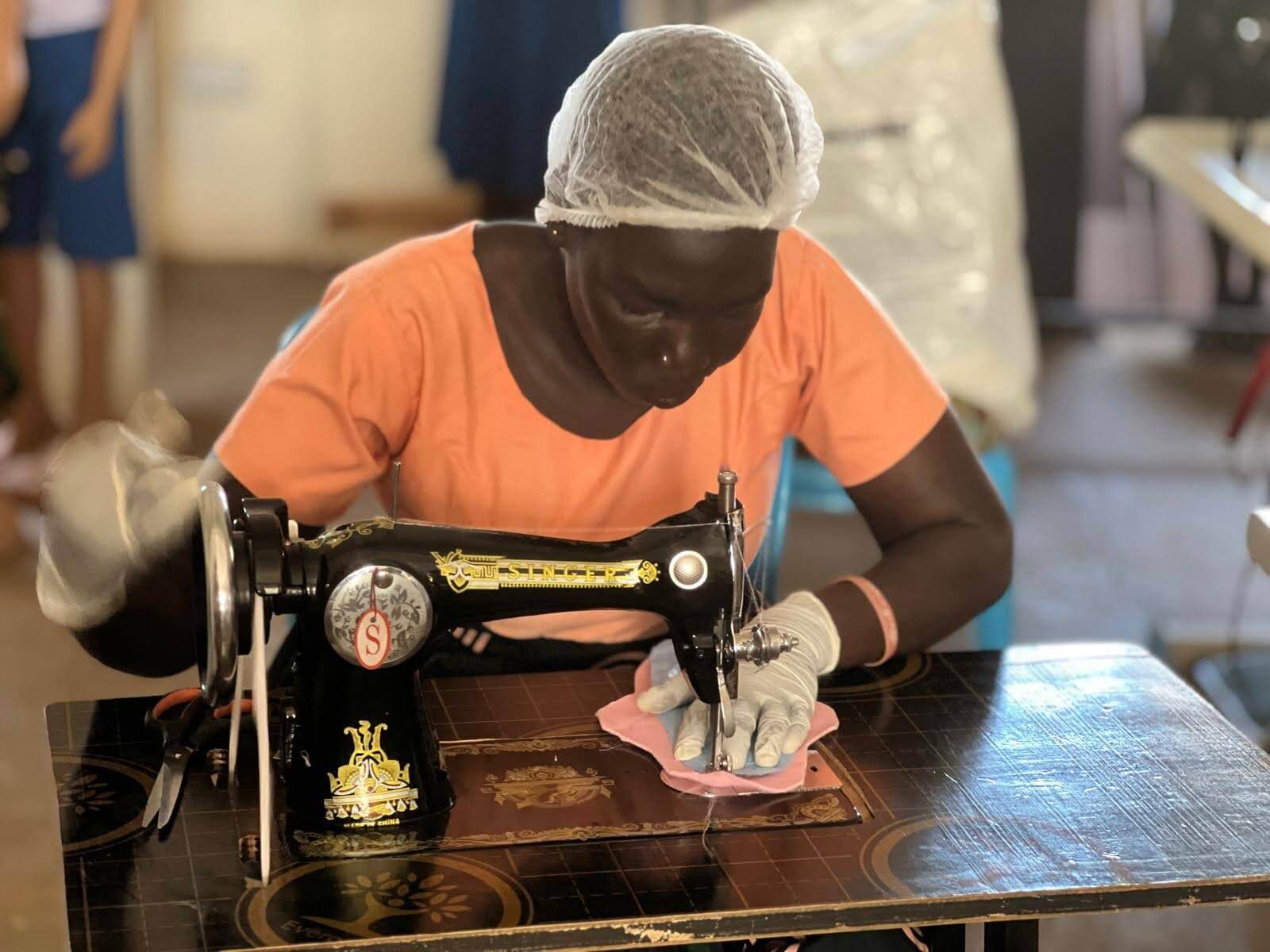
In partnership with Time to Help UK, Time to Help Germany, and other global allies, H.E.R. trains women in underserved communities to sew reusable menstrual pads. These locally produced kits offer a hygienic, cost-effective solution that lasts up to two years. By equipping women with sewing skills and business knowledge, we are creating jobs and building stronger, more self-reliant communities.

Our approach is threefold:

  • Train women to produce high quality reusable pads
  • Distribute menstrual kits to girls who lack access to hygiene supplies
  • Provide education to break stigmas and promote menstrual health in schools and communities

Since 2022, H.E.R. has reached over 5,000 girls with reusable kits and trained dozens of women in pad production. By producing pads locally, we lower manufacturing costs by 30 percent and eliminate the plastic waste associated with disposable alternatives. A single donation can provide dignity, opportunity, and lasting impact.

Every dollar you give supports a girl’s right to stay in school and maintain hygiene and health.

For more information on Embrace Relief’s women’s empowerment programs, click here.

Fast Fashion’s Hidden Water Footprint: The Dirty Truth Behind Your Clothes

Summary

  • Producing one cotton t-shirt uses over 700 gallons of water
  • Fast fashion is one of the biggest industrial polluters of freshwater
  • Embrace Relief is bringing sustainable clean water access to communities in Africa

The price tag might be small, but the environmental cost of your clothing is enormous. In today’s world of fast fashion, where clothing is produced rapidly and sold cheaply, millions of consumers unknowingly fuel one of the most water-intensive and wasteful industries on Earth.

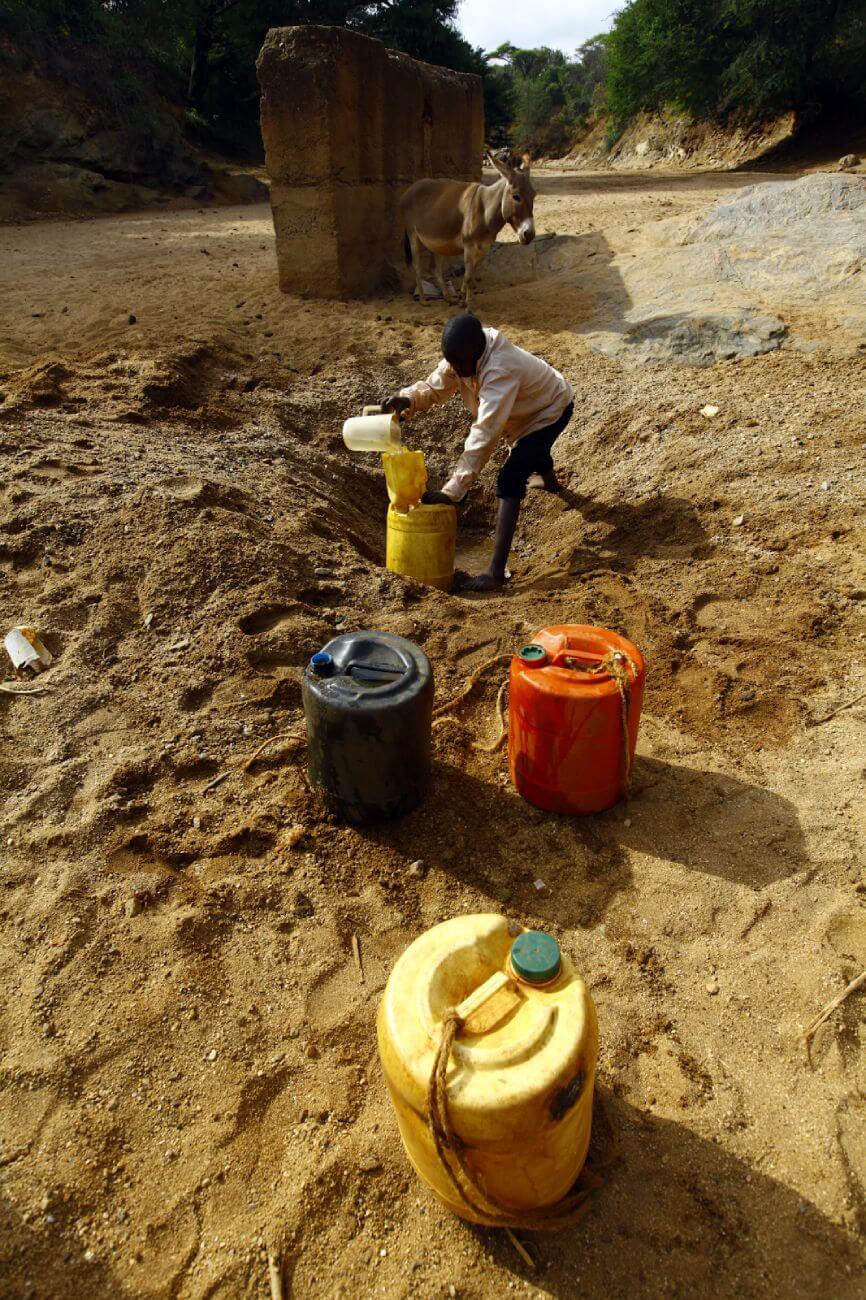
Every stage of clothing production, from growing cotton to dyeing fabrics, consumes massive amounts of water. This hidden water footprint is not visible on store shelves, but its damage is felt worldwide. In regions already struggling with drought and poverty, the fast fashion industry drains precious resources and contaminates local water supplies.

Let’s pull back the curtain on the clothes we wear every day and explore the role fast fashion plays in the global water crisis.

One cotton t-shirt. That is all it takes to consume over 700 gallons of water; the equivalent of what one person drinks in nearly three years. If that sounds hard to believe, consider how cotton is grown.

Cotton is a notoriously thirsty crop. It requires large-scale irrigation, especially in arid regions like Central Asia and parts of Africa. When you add in the water needed for processing, dyeing, and finishing fabrics, the numbers skyrocket.

A single pair of jeans? More than 1,800 gallons of water.

Multiply that by the billions of garments produced annually, and fast fashion becomes one of the largest industrial users and polluters of freshwater globally.

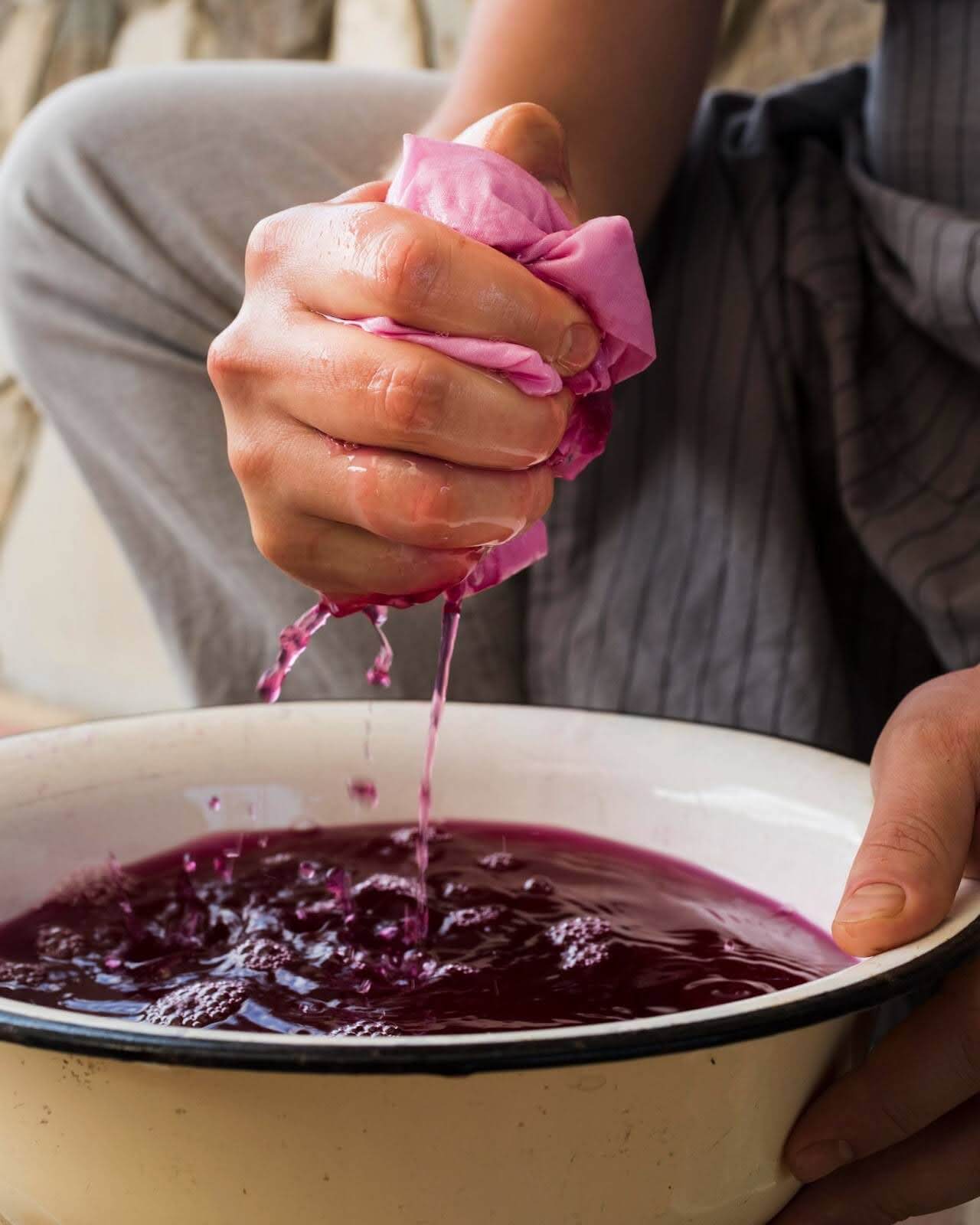
Beyond the quantity of water used, the quality of water discharged back into rivers and lakes is deeply concerning. In many developing countries where fast fashion factories operate, wastewater from dyeing and chemical treatments is dumped untreated into local waterways.

This wastewater contains heavy metals, carcinogenic dyes, and toxic chemicals that poison ecosystems and endanger the health of nearby communities. Children grow up drinking water contaminated by our fashion choices. Farmers irrigate their crops with water that harms instead of nourishes.

The fashion industry is responsible for up to 20 percent of global industrial water pollution. And with fast fashion pushing constant new trends and faster production cycles, the damage only continues to grow.

While Western consumers benefit from cheap and trendy clothes, communities across Asia and Africa pay the hidden cost. Rivers are drying up. Groundwater is becoming undrinkable. Public health is deteriorating. And the people working in textile factories often face poor conditions, low wages, and no access to clean water themselves.

The global water crisis is not a distant issue. It is deeply connected to our everyday decisions, especially what we choose to buy and wear.

How Embrace Relief Is Restoring Water Access Across Africa

How Embrace Relief Is Restoring Water Access Across Africa

At Embrace Relief, we are fighting back against the global water crisis by bringing safe, sustainable, and clean drinking water to communities in need across sub-Saharan Africa. Our Clean Water Program has funded the construction and repair of hundreds of water wells in countries like Chad, Nigeria, and Cameroon, providing lifesaving water access to thousands of families.

Each well is built to last and comes with:

  • A five year warranty
  • Annual maintenance checkups
  • A custom nameplate honoring your impact
  • A full impact report with photos and updates

You can help us provide a long term solution to water scarcity in regions where fashion and industry have taken too much. A one time donation of $3,500 builds a brand new well. You can also choose to fund a well over time with full support from our team.

Clean water should not be a luxury. It should be a basic right. As we reconsider our consumer habits, let’s also take action that restores hope and dignity. By building a well through Embrace Relief, you are not only addressing the harm caused by fast fashion but offering a future filled with health and opportunity.

Are you ready to make a lasting difference?

For more information on Embrace Relief’s Clean Water Initiative, click here!

Qurbani Eid in the USA: How Eid al-Adha Is Celebrated Across America

Photo credit by “Courtesy Mohammed Samir/Unsplash”

Eid al-Adha, known as Qurbani Eid, is one of the most significant Islamic holidays observed by Muslims in the United States. While rooted in a shared religious tradition, the way Eid al-Adha is celebrated in the USA reflects the country’s rich cultural diversity, regional customs, and emphasis on community involvement.

With over 3.5 million Muslims living across the U.S., Eid al-Adha in 2025 is expected to bring together families, congregations, and charitable organizations—united by faith and the spirit of sacrifice.

What Is Qurbani Eid?

Qurbani Eid, or Eid al-Adha, commemorates the willingness of Prophet Ibrahim (AS) to sacrifice his son in obedience to Allah. Muslims honor this devotion by performing Qurbani (sacrifice) and distributing the meat to family, neighbors, and people in need. It takes place annually on the 10th of Dhal-Hijjah, the final month of the Islamic lunar calendar, following the Hajj pilgrimage.

In 2025, Eid al-Adha is expected to begin on Friday, June 6, depending on moon sighting.

How Muslims Celebrate Qurbani Eid in the USA

1. Community Eid Prayers

Large gatherings for Eid prayer are a hallmark of Eid al-Adha in the USA. Mosques, Islamic centers, and even open parks or rented convention halls host congregational Eid prayers in the morning, often accommodating hundreds or thousands of attendees. These prayers are typically followed by short sermons and social greetings.

2. Qurbani Sacrifice and Meat Distribution

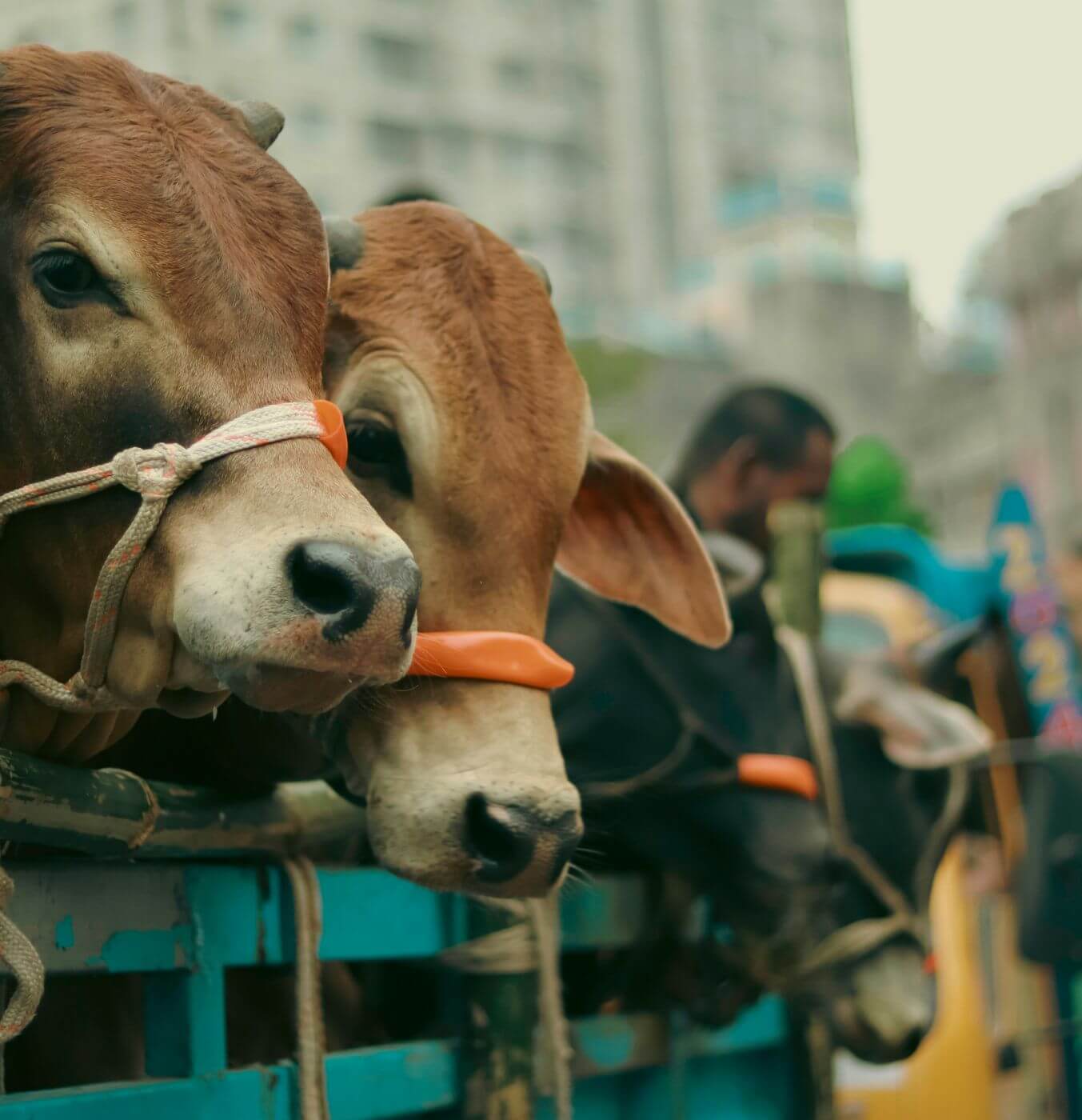
Due to local regulations and urban living, many American Muslims choose to perform Qurbani by donating to trusted charitable organizations such as Embrace Relief. These organizations carry out the sacrifice on behalf of donors, ensuring Shariah-compliant practices while delivering meat to underprivileged communities worldwide.

Others may coordinate with local halal butchers or farms where the sacrifice is performed directly. In all cases, the meat is divided into three portions: one for the family, one for relatives or friends, and one for the poor.

Donate your Qurbani with Embrace Relief: https://www.embracerelief.org/charitable-donation-for-hunger-relief/qurbani/

3. Family and Cultural Traditions

Eid al-Adha in the U.S. is also a time for families to come together, share meals, dress in traditional clothing, and exchange Eid greetings. Homes are decorated, special dishes are prepared, and gifts may be exchanged, especially for children.

In multicultural households, Eid celebrations often blend traditions from South Asian, Arab, African, and Southeast Asian cultures, creating a rich and festive atmosphere that reflects the diversity of the American Muslim community.

4. Charity and Community Service

In the spirit of sacrifice and compassion, many Muslims in the USA use Eid as a time to increase charitable efforts. Alongside Qurbani donations, families participate in food drives, clothing distributions, and fundraising campaigns to support global and local causes.

Organizations like Embrace Relief enable Muslims in the U.S. to extend their impact beyond their immediate communities—helping families in need across continents.

Final Thoughts

Qurbani Eid in the USA is a vibrant celebration of faith, family, and giving. While American Muslims face logistical differences from other parts of the world, their devotion to honoring the legacy of Prophet Ibrahim (AS) remains steadfast.

Celebrate Eid al-Adha in 2025 with purpose. Donate your Qurbani through Embrace Relief and help bring the blessings of Eid to families around the world.