



Recent

Can Your Phone Cause Cataracts?

Summary

  • Prolonged screen time and blue light exposure may accelerate eye aging and increase cataract risk
  • Eye health experts recommend practical steps to reduce strain and protect your vision
  • Embrace Relief is restoring sight in Mali through cataract surgeries that cost just $120

It’s no secret that screen time is at an all-time high. Whether it’s scrolling through social media on smartphones, working long hours on laptops, binge-watching Netflix, or gaming on high-resolution monitors, digital devices have become deeply woven into our daily routines. As screen time continues to rise globally, especially with the increase in remote work, online education, and entertainment streaming, concerns about its long-term effects on eye health are gaining momentum.

But can your digital lifestyle actually lead to cataracts? Emerging scientific research suggests that it just might. Cataracts are typically associated with aging, but recent studies are beginning to uncover how certain modern habits and environmental exposures could contribute to earlier development of this vision-impairing condition. At the center of this conversation is the impact of high-energy visible (HEV) blue light.

HEV blue light is a specific wavelength of light that is emitted in large amounts from LED screens, such as those found in smartphones, tablets, flat-screen televisions, and computer monitors. Unlike natural sunlight, which contains a balance of different light types, screens emit concentrated levels of blue light that penetrate deep into the eye. Preliminary lab-based studies have shown that extended and unfiltered exposure to HEV light may contribute to oxidative stress within the eye and potentially damage the proteins in the eye’s natural lens. Over time, this damage could accelerate the process of lens clouding, a key feature of cataract development.

In addition to possible structural damage, screen-related habits may also increase the risk of digital eye strain, also known as computer vision syndrome. Symptoms like dryness, blurred vision, headaches, and difficulty focusing have become increasingly common, especially among younger adults and teenagers who spend many hours a day on devices. While these symptoms are often temporary, they can be a warning sign that your eyes are under stress, and prolonged exposure without proper care could contribute to longer-term damage.

Although more clinical studies on humans are needed to draw definitive conclusions about the link between screen use and cataracts, ophthalmologists and eye health experts agree that proactive steps can help reduce the potential risks. Here are some practical tips to protect your eyes in the digital age:

  • Follow the 20-20-20 rule: Every 20 minutes, look at something 20 feet away for at least 20 seconds. This helps relax the focusing muscles in the eyes.
  • Use blue light filters or night mode on your devices to reduce the intensity of HEV light, especially during evening hours.
  • Wear blue-light-blocking glasses if you work in front of screens for extended periods.
  • Make sure to blink often and stay hydrated to avoid dryness and irritation.
  • Schedule regular eye exams to monitor your vision and catch early signs of strain or degeneration.

As screen time continues to increase and our dependency on digital technology deepens, being mindful of how it affects your eye health is more important than ever. Protecting your vision now can help prevent more serious issues, like cataracts, from developing earlier than expected.
From Digital Eye Strain to Global Blindness: Embrace Relief's Mission to Cure Cataracts

From Digital Eye Strain to Global Blindness: Embrace Relief’s Mission to Cure Cataracts

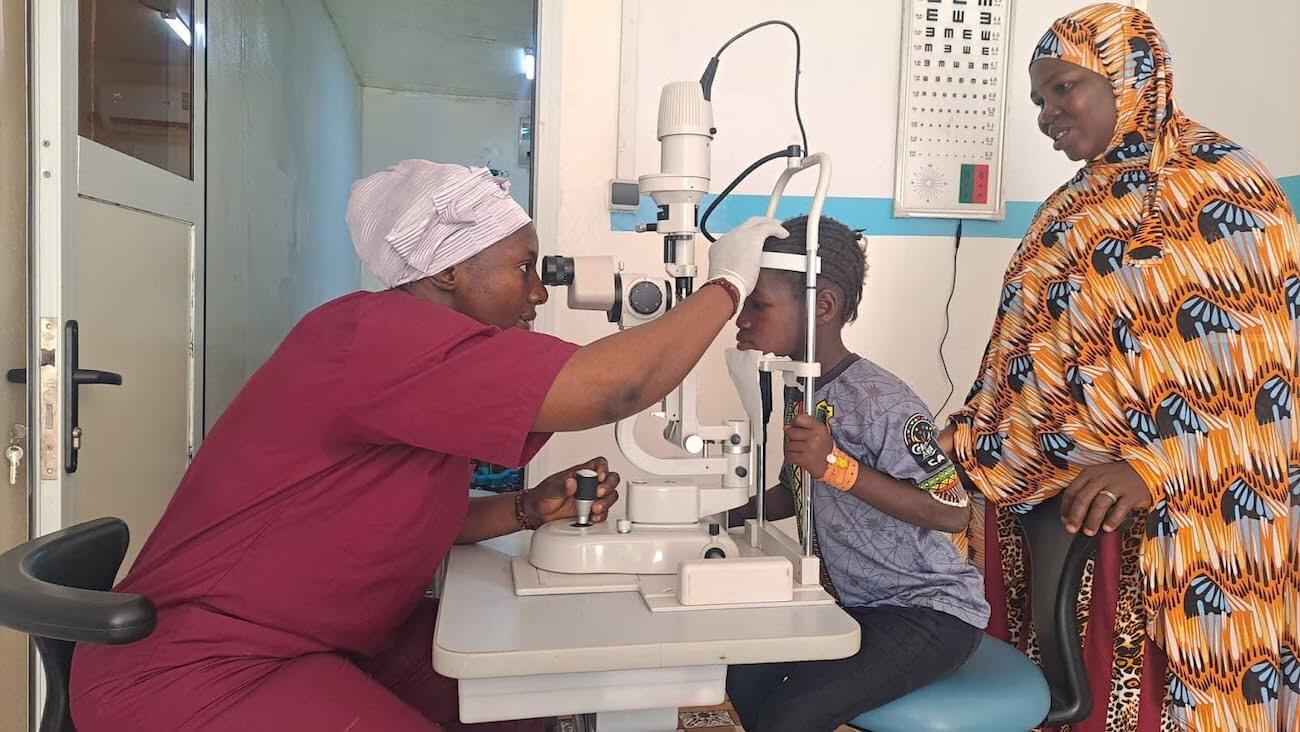
While blue light exposure is a modern eye health concern, millions around the world suffer from cataracts caused not by screens, but by poverty, lack of healthcare, and environmental factors like UV exposure and smoke. In places like Mali, thousands live in complete darkness, even though cataracts are entirely treatable.

This is where Embrace Relief steps in.

Through our Cure Cataracts program, we deliver free and affordable cataract surgeries to people in underserved rural communities. Each surgery takes less than 20 minutes and costs just $120; a small amount with a life-changing result. That same donation also helps fund 15 medical screenings, allowing more patients to be diagnosed and treated before they lose their sight entirely.

The results are powerful:
A teacher sees her students again.
A father returns to work.
A grandmother smiles as she sees her grandchildren clearly for the first time in years.

Embrace Relief partners with local healthcare teams to create sustainable eye care systems that continue long after the last surgery. This is more than medical aid. It’s the gift of independence, dignity, and a brighter future.

For more information on Embrace Relief’s Cataracts Surgeries , click here!
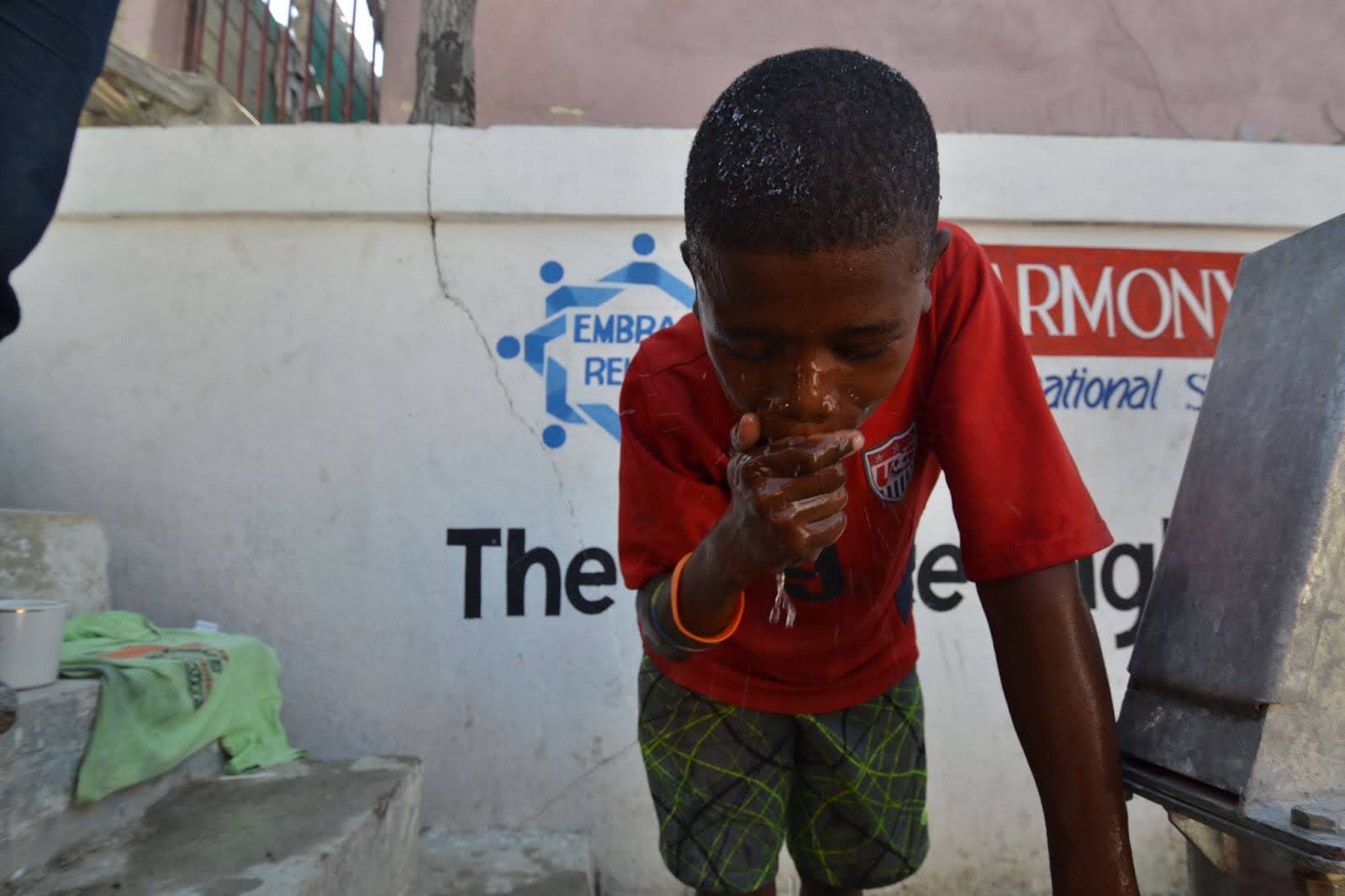
Water Scarcity Is an Economic Crisis

Summary

  • Water shortages are affecting millions of people and destabilizing economies.
  • Climate change, poor infrastructure, and overuse are reducing freshwater availability around the world.
  • In many countries, the effects are already being felt through food insecurity, migration, and economic slowdown.

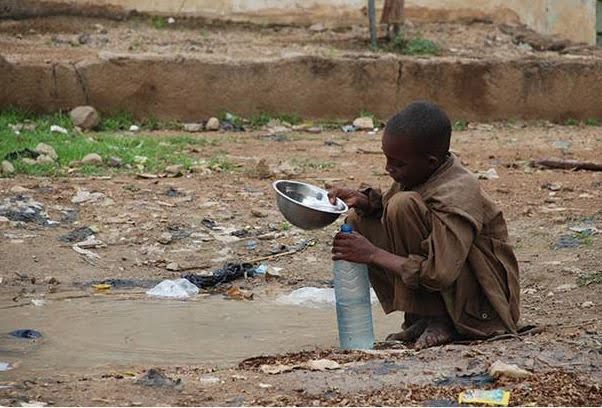
Water scarcity is no longer just a local or seasonal problem. Across the world, countries are experiencing severe water stress, and the effects are being felt far beyond empty wells and dry fields. When clean water becomes hard to find, entire economies begin to suffer.

Farming is often the first to feel the pressure. Agriculture uses about 70 percent of the world’s freshwater, and when that water runs low, crops fail, food prices rise, and farmers lose their income. In many parts of Africa and South Asia, people rely heavily on farming not only for food but also for work. A single season of drought can put millions at risk of hunger and poverty.

Water shortages also affect energy production. Many power plants require water to operate, and without it, energy becomes more expensive and less reliable. In cities, industries that need large amounts of water, like textile production or food processing, face slowdowns or even closures. Hospitals and schools struggle to function without a stable water supply, putting public health and education at risk.

Climate change is making the situation worse. Rainfall is becoming less predictable, and higher temperatures are drying up rivers, lakes, and reservoirs. Population growth adds even more pressure as more people depend on the same limited water sources.

The economic damage is already visible. According to the World Bank, regions suffering from water scarcity could lose up to six percent of their GDP by 2050. That means fewer jobs, slower growth, and more people being pushed into poverty.

In some cases, water scarcity also leads to conflict. When neighboring communities or countries share a limited water source, tensions rise over who gets access. These disputes can become violent, especially in places where water is already hard to come by.

The global demand for freshwater is expected to be much higher than supply by the end of the decade. If no action is taken, the impacts will reach every part of life, from what people eat to where they can live and work.

Embrace Relief Turning the Tide on Water Scarcity

Embrace Relief Turning the Tide on Water Scarcity

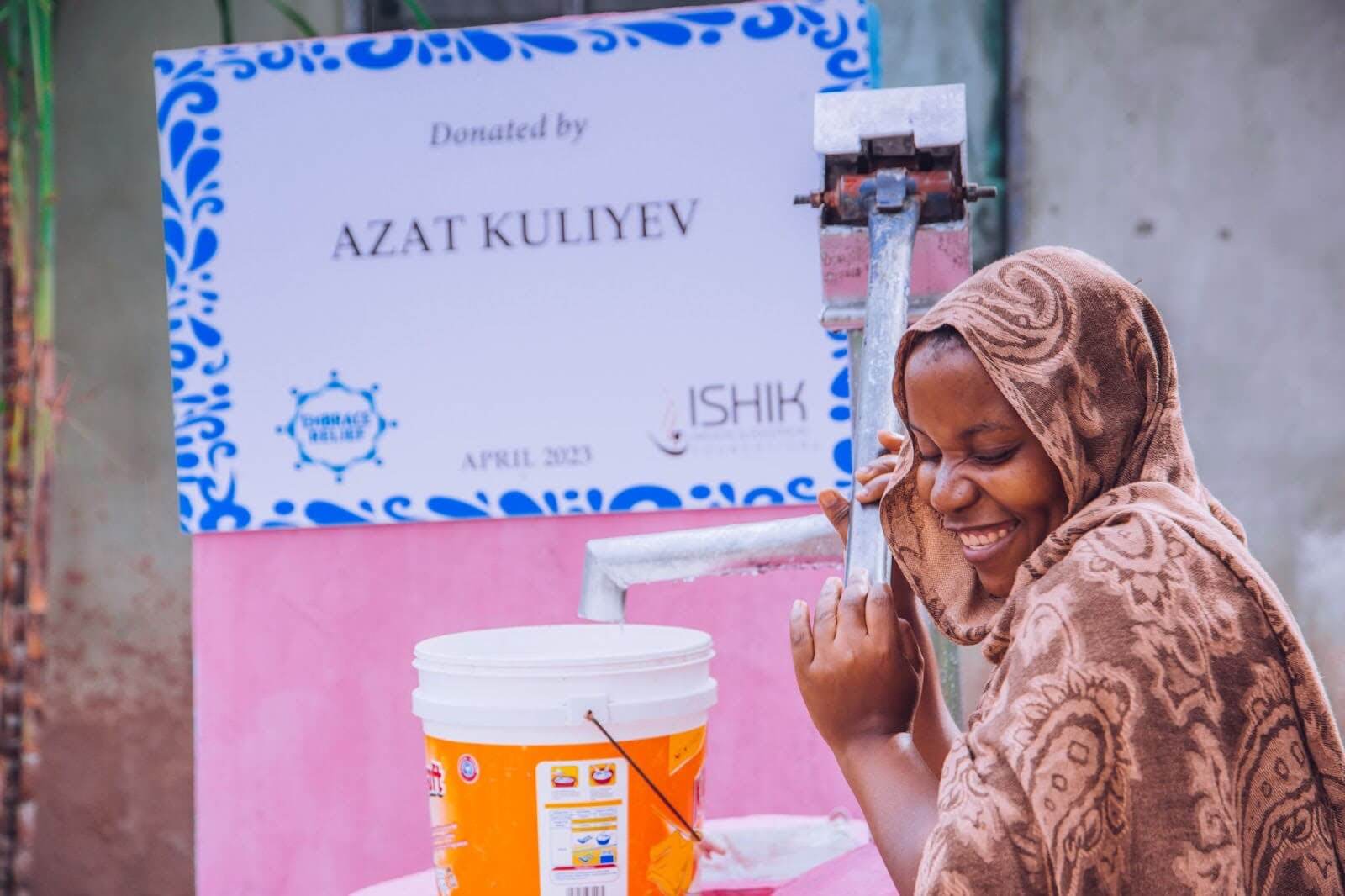
In regions facing extreme water shortages, Embrace Relief is working directly with communities to make clean water available and sustainable. Since 2013, the organization has built and repaired over 1,100 water wells in eight African countries, helping more than one million people gain access to safe water.

These wells are more than just a convenience. They support better health, improve food security, allow children to attend school, and help communities grow stronger economically. In areas where access to water was once a daily struggle, people now have a reliable source close to home.

This work is ongoing and growing, but the need is still urgent. Millions of people continue to face daily water insecurity. There are many ways to be part of the solution.

Water scarcity affects everyone, directly or indirectly. By helping provide clean water where it’s needed most, we can strengthen communities, protect economies, and create a more stable future for all.

For more information on Embrace Relief’s Clean Water Initiative, click here!

Bergen Charter Group Fundraisers Complete Humanitarian Trip to Tanzania

Fulfilling a mission of compassion and service, students and faculty from Bergen Charter Arts & Science High School recently spent more than 10 days in Tanzania following the completion of a Group Fundraising program in collaboration with Embrace Relief.

For the second consecutive year, students from Bergen Charter’s Pathway to College (PTC) program committed to a powerful fundraising campaign to support communities in need in Tanzania. Their efforts generated more than $15,000, proceeds of which provided critical humanitarian aid through Embrace Relief’s international programs.

Following the completion of their fundraiser, 17 Bergen Charter students (along with 3 faculty members) had the opportunity to travel to Tanzania and implement their programs directly, seeing firsthand the impact their hard work made on the lives of others. Embrace Relief helped to coordinate the logistics for this trip, as it does for all successful Group Fundraisers who wish to travel to the country they’re supporting.

“It was an amazing trip,” said Chris Mileo, PTC leader and a social studies teacher at Bergen Charter who has organized several Embrace Relief Group Fundraisers. “It’s one thing just to donate money, which is a wonderful thing to do, a selfless thing. But it’s a completely different thing for our kids to give money and then go to a place like Tanzania, to see it with their own eyes, and to see the awesome impact they can have on people. That’s what facilitates a need, a desire for our kids to do more. And we’re very grateful to Embrace Relief for giving us the opportunity to do more. None of this would have been possible without them.”

This unique aspect of Embrace Relief’s Group Fundraisers provides a once-in-a-lifetime chance for students like Jayda, an 11th-grader at Bergen Charter, to travel the world, learn and experience other cultures, and gain a broader perspective on life outside the United States.

“My favorite part of the trip was just interacting with the people we met,” Jayda said. “I just felt this connection with the people in Tanzania, you know, like they’re not different from us at all. We’re all the same, we just live in different parts of the world. Talking to them, seeing how they live, and helping them however we could, it was just so cool.”

During their time in Tanzania, Bergen Charter students and faculty were able to participate several humanitarian projects:

  • Clean Water: Pathway to College’s Group Fundraiser covered the construction costs for two water wells in Tanzania, and while in the country, students attended the opening ceremonies and celebrated with the local villagers. These wells will provide their communities with a reliable, safe source of water for drinking, growing food, cooking, cleaning and more.

“I’m more grateful for having clean water, and really more grateful for having easy access to water,” said Julia, a 12th-grade student at Bergen Charter. “The people we met, a lot of them had to travel for miles just to get their water, and it might not even be clean water. In school, students are taking bathroom breaks and drinking breaks all the time. But I realize now that these aren’t things we should take for granted.”

  • Hunger Relief: Students drove around several villages in Tanzania going door-to-door in distributing food packages to families in need.
  • Orphan Care: Students visited an orphanage in Tanzania and interacted with the children living there, before spending the afternoon building new beds for the children to sleep in.

“We got to meet so many of the kids, and it was just so eye-opening,” said Chanice, a 12th-grade student at Bergen Charter. “It really made me feel more grateful about what we have here in America, and I just felt really happy about what we were doing.”

A Journey of Real Impact

Embrace Relief’s Group Fundraising program aims to engage students with community service and provide them with a global perspective on serving communities, fulfilling their community service requirements, and creating future philanthropists.

Helping others is its own reward, but Group Fundraisers also offer students like Julia and Chanice other tangible benefits as well. Performing volunteer charity work with a 501(c)(3) nonprofit like Embrace Relief can set a students’ college application or resume apart, because it demonstrates initiative, dedication, and ability to follow through on your goals. Additionally, teens and young adults who volunteer for Embrace Relief are also eligible for recognition through the Presidents’ Award for Volunteer Service and the Congressional Award.

Bergen Charter’s humanitarian trip to Tanzania was more than just a visit; it was a transformative journey of compassion, learning, and gratitude. The students and faculty not only contributed financial support but also their time, energy, and empathy. They returned home with hearts full of memories, minds enriched with new perspectives, and a renewed commitment to making a positive impact in the world.

Though their trip may have ended, its ripple effects will continue to resonate within the hearts and minds of all those who participated, reminding them of the power they hold to create a brighter, more compassionate world for all.

About Embrace Relief’s Group Fundraising

Group Fundraising is a program offered by Embrace Relief that invites passionate individuals and their organizations – including school groups, community groups, friends and families, activity clubs, companies, and many more – to come together and support a critical humanitarian cause.

After registering your Group Fundraiser with Embrace Relief, we will work with you to set an achievable target goal, choose the cause(s) you wish to support, and begin to plan for international travel if your group wishes. We will also provide a fundraising webpage for your group, as well as marketing support.

Since 2022 alone, Embrace Relief has helped more than two dozen Group Fundraisers reach their goal and provided logistical support for their travel abroad. Our experience and know-how will help your group succeed – and together, we’ll make a powerful impact on the lives of people in need around the world!

To start your Group Fundraiser today, click here.

About Pathway to College

“Pathway to College” is an extracurricular program offered by schools, including Bergen Arts & Science Charter, to students in grades 7-12 designed to enhance students’ preparation for life after middle and high school. At Bergen Charter, the PTC club is currently composed of more than 40 students, led by six teacher-advisors.

PTC provides a unique opportunity for the students by establishing a long term interactive advisor-student relationship, creating an environment for high achieving students to develop academic, social, leadership and teamwork skills. The program encourages activities such as academic competitions, team building, college trips, and guest speakers.

The Hidden Costs of Water Scarcity: How It Fuels Hunger and Poverty

Summary

  • In many parts of the world, the water crisis triggers a devastating chain reaction of hunger and poverty
  • Millions spend hours each day searching for water, sacrificing health, education, and economic opportunity
  • Embrace Relief is providing hope by building and restoring wells that bring clean, life-giving water to entire communities

When we think about water, we often think of thirst. But the true cost of water scarcity runs far deeper; it’s a crisis that starves families, destroys livelihoods, and traps entire communities in a cycle of poverty.

Across sub-Saharan Africa, over 400 million people live without reliable access to safe drinking water. But this isn’t just a story about Africa. It’s a global emergency that touches every continent. In India, declining groundwater levels threaten the food security of more than 600 million people, with once-thriving agricultural states like Punjab and Haryana now experiencing alarming depletion. In Yemen, ongoing conflict and severe water shortages have fueled one of the worst hunger crises in modern history, where more than 17 million people face acute food insecurity. And in Mexico, prolonged droughts (made worse by climate change) have devastated staple crops like maize and beans, pushing already vulnerable rural communities to the brink of collapse.

No water means no food. Agriculture consumes 70% of the world’s freshwater, yet in many regions, there simply isn’t enough to sustain crops or livestock. In countries like Somalia and Ethiopia, back-to-back failed rainy seasons have triggered mass crop failure, rising food prices, and widespread malnutrition. Meanwhile, in California, drought has slashed agricultural yields, particularly for water-intensive crops like almonds and tomatoes. Farmers are left with unworkable soil and mounting debt. And when food becomes scarce, it’s not just local families who suffer. Global food prices rise, compounding the crisis for low-income nations that rely on imports.

When water sources dry up, farming families can’t grow food to eat or sell. Livestock die. Food supplies shrink. Children go to bed hungry. Hunger becomes chronic; not due to a lack of effort or knowledge, but due to a lack of water. It’s a slow-moving disaster that quietly reshapes communities, erodes economic resilience, and deepens inequality.

But water scarcity doesn’t stop at the dinner table. In many parts of the world, women and children, especially girls, are tasked with collecting water, often from distant, unsafe sources. In rural Tanzania, for example, girls walk up to 6 hours a day to find water, sacrificing not just their education, but their safety and future. In Guatemala, families often rely on contaminated rivers or shared taps with unreliable supply. The hours spent securing water mean fewer hours working, studying, or resting, adding yet another barrier to escaping poverty.

And without clean water, disease spreads rapidly. Waterborne illnesses like cholera, typhoid, and diarrhea flourish in areas with poor sanitation and limited access to hygiene. In Bangladesh, unsafe water sources contribute to high rates of childhood illness and malnutrition, despite national efforts to improve health systems. Health clinics, already under-resourced, are overwhelmed with preventable cases. What begins as a water issue quickly becomes a public health crisis. The result? Missed school days. Missed income. Missed opportunities for progress.

Water scarcity touches every sector: agriculture, health, education, and the economy. And yet, the solution is surprisingly clear.

Access to clean, reliable water can stop this downward spiral.

Embrace Relief: Delivering Clean Water and Renewed Hope

Embrace Relief: Delivering Clean Water and Renewed Hope

In the midst of this crisis, Embrace Relief is creating real, lasting change.

Since 2013, Embrace Relief has constructed and repaired more than 1,100 water wells across Africa, reaching over one million people in countries like Chad, Nigeria, Tanzania, and Kenya. These wells provide families with safe, accessible water not just for drinking, but for cooking, cleaning, farming, and rebuilding their futures.

Each well is designed with local conditions in mind to ensure long-term reliability. And each one transforms lives from the moment it begins to flow.

Clean water brings more than hydration. It brings health, stability, and opportunity.

Families can grow their own food, children can return to school, mothers can spend time building a future instead of searching for water, entire communities can thrive.

This isn’t just about solving a water problem. It’s about unlocking human potential. It’s about giving people the chance to take control of their own lives, with hope and dignity..

Every well is a step toward ending the cycle of hunger and poverty. And every drop is proof that a better world is within reach.

For more information on Embrace Relief’s Clean Water Initiative, click here!

Is Blindness Always Permanent?

Summary

  • Most blindness caused by cataracts is completely reversible
  • Millions are blind simply because they can’t afford a simple 20-minute surgery
  • Embrace Relief is changing lives in Mali by restoring sight, dignity, and hope for just $120

Blindness is often thought of as a lifelong condition with no possibility of recovery, but that’s not always the case. In many situations, vision loss can be temporary, treatable, or even fully reversible, depending on its cause. The human eye is a delicate, complex organ, and a wide range of conditions can affect how it functions. From infections to injuries, and from nerve damage to cataracts, understanding the root cause of blindness is the first step toward finding hope for restoration.

Many people experience temporary vision loss due to conditions that are either easily treated or resolve on their own. Here are a few examples:

  • Eye Infections: Conjunctivitis (pink eye) or corneal infections can cause blurred vision or temporary blindness. With antibiotic or antiviral treatment, vision typically returns to normal.
  • Migraines with Aura: Some migraines can temporarily affect vision, causing blind spots or complete vision loss in one eye. These symptoms usually fade within an hour.
  • Corneal Abrasions: A scratched cornea may make it difficult to see, but with proper care, the eye can heal within a few days.
  • Detached Retina (if caught early): Sudden flashes or floaters may signal a retinal detachment. If treated promptly with surgery, vision can often be preserved or restored.
  • Inflammation or Optic Neuritis: Inflammatory conditions like optic neuritis can lead to sudden vision loss. Steroid treatments and early diagnosis can result in partial or full recovery.

Eye Conditions That May Lead to Permanent Blindness (But Are Manageable)

While some conditions are more serious and can lead to permanent blindness if not addressed, early detection and intervention can slow or stop progression:

  • Glaucoma: Known as the “silent thief of sight,” glaucoma causes damage to the optic nerve. It typically develops slowly and without early symptoms. While the vision lost to glaucoma cannot be restored, medications and surgeries can prevent further damage.
  • Diabetic Retinopathy: People with uncontrolled diabetes can develop bleeding or swelling in the retina. Regular eye exams and proper blood sugar management can prevent vision loss.
  • Macular Degeneration: This age-related condition affects central vision. While there is no cure, treatments like injections or laser therapy can help preserve sight for as long as possible.

Among all causes of vision loss, cataracts stand out as one of the most common, and most treatable.

A cataract occurs when the eye’s natural lens becomes cloudy, making it harder to see. Over time, this clouding gets worse, leading to blurry vision, sensitivity to light, faded colors, and eventually, blindness. Cataracts often affect older adults but can occur at any age due to injury, disease, or genetics.

The good news? Cataracts are not permanent, and they can be completely reversed with a short, safe surgery. In just 15 minutes, a surgeon can remove the cloudy lens and replace it with a clear artificial one. The results are often immediate and life-changing.

In fact, cataract surgery is one of the most successful medical procedures performed today, with a success rate of over 95%. Yet in many low-income regions, millions of people live with cataract-induced blindness simply because they cannot access or afford treatment.

Bringing Light Back: Embrace Relief in Mali

Bringing Light Back: Embrace Relief in Mali

In Mali, thousands live in unnecessary darkness. But thanks to Embrace Relief, that darkness is being replaced with light, freedom, and joy.

Through our Cure Cataracts program, we’re delivering free, life-changing cataract surgeries in rural communities like Sikasso, places where hope is in short supply but the need is urgent.

Here’s the incredible part:

A single cataract surgery takes less than 20 minutes and costs just $120. That same amount also covers 15 medical screenings to help identify others in urgent need of care.

What do we see after surgery? Smiles. Tears. Relief. A mother sees her child’s face again. A grandfather walks without fear. A young adult returns to work and builds a future.

This is what real change looks like.

Embrace Relief partners with trusted local medical teams, creating sustainable systems that serve communities long after the last patient leaves the clinic. Every dollar goes where it matters most, directly to restoring sight and dignity.

While some spend thousands on cosmetic eye care, people in Mali are regaining their vision and their lives for just $120.

You can give someone their sight back and change a life forever

Because blindness doesn’t have to be permanent.

For more information on Embrace Relief’s Cataracts Surgeries , click here!

The Next Global Conflict? Why Water Wars Could Be on the Horizon

Summary

  • Water-related conflicts have surged globally, with over 340 incidents reported in 2022 and early 2023.
  • Climate change and population growth are intensifying water scarcity, leading to increased migration and instability.
  • Embrace Relief is addressing the crisis by constructing and repairing water wells in Africa, providing sustainable access to clean water.(latimes.com)

Water is no longer just a basic human necessity; it’s fast becoming one of the most contested resources on the planet. As the climate crisis intensifies, and populations soar, our freshwater supply is shrinking, triggering a surge in resource-based conflicts that could soon escalate into full-scale water wars.

In today’s world, global water insecurity is no longer a distant threat. It’s a pressing reality. According to the Pacific Institute, there were 344 water-related conflicts globally during 2022 and the first half of 2023 alone. These ranged from regional disputes over water rights and access to targeted attacks on water infrastructure; clear signs that water scarcity is becoming a geopolitical flashpoint.

The Middle East, long a hotspot for resource competition, has seen a sharp uptick in water-driven violence. In 2023, Israeli attacks on Palestinian water infrastructure in the West Bank and Gaza Strip accounted for nearly 25% of all global water-related violence. This form of environmental oppression not only deepens existing humanitarian crises but also threatens access to clean water for millions, turning essential resources into tools of control.

Meanwhile, in South Asia, the suspension of the Indus Waters Treaty by India following a deadly militant attack has raised fears of a potential hydro-political conflict with Pakistan. The Indus River sustains over 80% of Pakistan’s agriculture, making this move a severe threat to food security, regional stability, and international peace.

At the heart of this rising tension lies climate change. Higher temperatures and shifting rainfall patterns are drying up rivers, depleting reservoirs, and disrupting long-established water systems. The United Nations estimates that 50% of the global population is now facing severe water scarcity for at least part of the year. In vulnerable regions, families are being displaced as communities collapse under the weight of failing water systems, contributing to a rise in climate migration.

As access to fresh water continues to decline, experts warn that future wars may not be fought over oil or land, but over water. This alarming shift underscores the urgent need for sustainable water management, climate resilience, and international cooperation. Addressing this crisis is not just about conservation; it’s about ensuring environmental justice and securing peace for future generations.

Embrace Relief: Providing Sustainable Solutions to Water Scarcity

Embrace Relief: Providing Sustainable Solutions to Water Scarcity

Embrace Relief is a humanitarian organization dedicated to delivering clean water to communities in need across Africa. Since 2013, the organization has built and repaired over 1,100 water wells, providing more than 1,000,000 people with access to safe, clean water.

Our efforts span eight countries, including Chad, Cameroon, Nigeria, Tanzania, Kenya, Uganda, and Benin. Each well is constructed using engineering standards tailored to the specific conditions of the region, ensuring durability and long-term sustainability for the communities served.

Access to clean water has profound impacts on health, education, and economic development. It reduces the spread of waterborne diseases, allows children to attend school instead of fetching water, and enables communities to grow crops and sustain livelihoods.

By addressing the root causes of water scarcity, Embrace Relief is not only improving lives but also contributing to the prevention of water-related conflicts. Water scarcity is a pressing global issue with far-reaching consequences. By supporting initiatives like Embrace Relief’s Clean Water Program, we can take meaningful steps toward ensuring a more stable and peaceful future for all.

For more information on Embrace Relief’s Clean Water Initiative, click here!

Graduation in 2025: Bridging the Gap Between Expectations and Reality

Summary

  • Unemployment Among Graduates: Recent data indicates a 5.8% unemployment rate for new graduates, the highest since 2021.
  • Expectation vs. Reality: While 82% of May 2025 graduates expected employment within three months, only 77% achieved this, with 5% still job hunting.
  • Salary Discrepancies: Graduates anticipated starting salaries averaging $101,500, but the actual average stands at $68,400.

Graduation is often imagined as the final hurdle before the beginning of a long-awaited professional journey. For May 2025 graduates, this milestone arrives with a heavy dose of reality. While students have spent years preparing for this moment, balancing coursework, internships, and career planning, the post-graduation job market is proving to be more competitive and unpredictable than many anticipated.

A recent study by ZipRecruiter highlights a growing disconnect between students’ expectations and the current economic landscape. While 82% of soon-to-be graduates expected to secure employment within three months of leaving school, only 77% of recent grads have successfully landed jobs so far, with 5% still actively seeking work. This data paints a sobering picture: a degree is no longer a guaranteed ticket into the workforce.

What’s more, expectations about compensation are falling short. May 2025 graduates predicted an average starting salary of over $101,000; a figure reflecting the high cost of education and the desire for financial independence. But the actual average salary for entry-level positions has come in at just $68,400, creating both personal and financial tension for graduates managing student loan debt and rising living expenses.

Part of the problem lies in the changing nature of work itself. Industries that once offered stability, such as marketing, publishing, and even tech, are now experiencing disruptions due to AI automation, hiring freezes, and economic uncertainty. Entry-level positions are being restructured, outsourced, or eliminated altogether, leaving many recent graduates without clear pathways into their chosen fields.

In fact, a recent Axios report shows that the influx of AI tools is replacing the very jobs that once served as stepping stones for new professionals. Business Insider has similarly reported that job seekers today are navigating a market full of conflicting signals: job listings appear plentiful, but interviews and offers remain elusive. Hiring timelines have grown longer, rejections are more frequent, and the job hunt itself has become a full-time effort.

Despite these hurdles, there are ways to adapt. Career experts advise recent graduates to remain flexible, focus on transferable skills, and seek out industries with strong growth projections. Upskilling, particularly in areas like digital literacy, project management, and AI familiarity, can give new graduates a competitive edge. Still, for many, these solutions require time, resources, and access; luxuries that not all students have.

Empowering Afghan Girls Through Embrace Relief's L.E.A.R.N. Program

Empowering Afghan Girls Through Embrace Relief’s L.E.A.R.N. Program

While recent college graduates in the U.S. face unexpected employment challenges, many young women across the globe never have the chance to pursue higher education in the first place. Afghan girls, in particular, face barriers to safe, formal schooling.

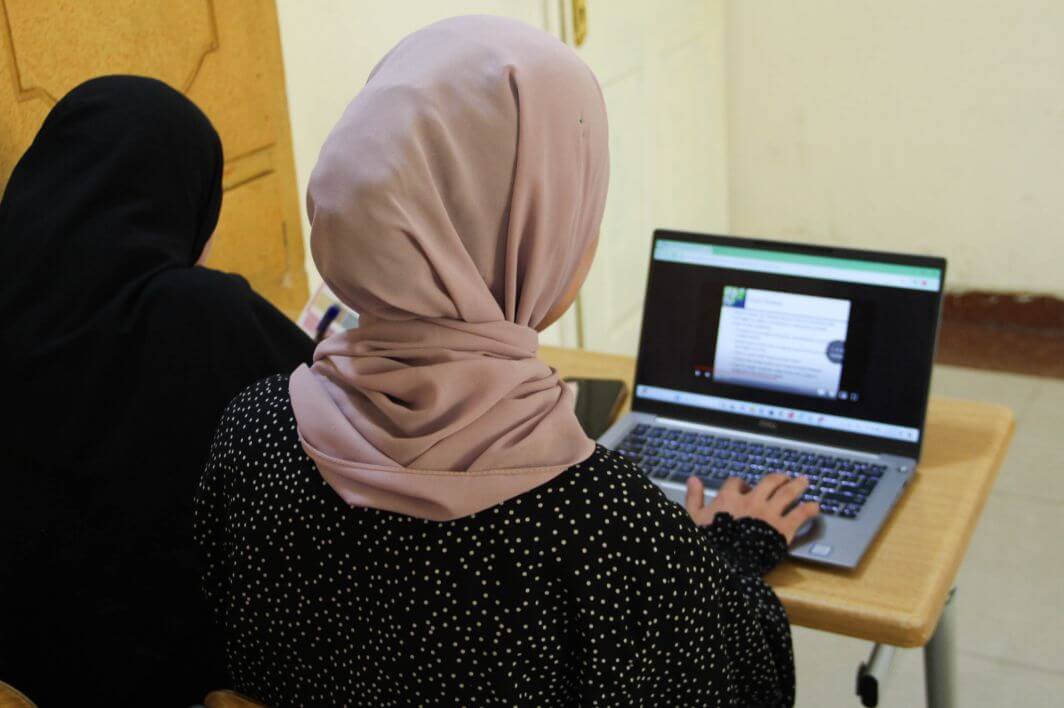
That’s where Embrace Relief’s L.E.A.R.N. (Learning and Education for Afghan girls’ Rights and Needs) program steps in. L.E.A.R.N. provides Afghan girls with access to education through secure, at-home, online platforms, bridging not just educational gaps, but empowering them with the tools needed to eventually compete in the global economy.

Here’s how the program works:

  • High School Access: Through a virtual program, students complete an internationally recognized curriculum culminating in a GED.
  • College Pathways: Students can pursue a three-year Bachelor’s degree in English or Computer Applications through online university.
  • Holistic Support: Tuition, internet, laptops, educational materials, and personalized mentoring are all provided at no cost to the student.

The challenges May 2025 graduates face are real. But for Afghan girls, simply reaching graduation is a victory in itself. By supporting L.E.A.R.N., you’re helping these girls achieve something extraordinary; an education, a future, and the power to choose their own path.

For more information on the Embrace Relief L.E.A.R.N. program, click here.

Qurbani USA – Donate to a USA Charity for Qurban!

Introduction to Qurbani in the United States

What is Qurbani?

Qurbani, also known as Udhiyah, is the Islamic practice of sacrificing a livestock animal during the days of Eid al-Adha in remembrance of Prophet Ibrahim’s (AS) devotion and obedience to Allah. It’s a sacred tradition that combines worship with compassion, as the meat is distributed to those in need.

Why Local Qurbani Is Gaining Attention

While international Qurbani donations have long been popular, there’s growing awareness about the need to address hunger within the United States. Local Qurbani ensures that families in American communities struggling with food insecurity can enjoy the blessings of Eid.

The Spiritual Importance of Giving Locally

Charity Begins at Home in Islam

Islam encourages Muslims to take care of those closest to them. While giving globally is commendable, it’s also a duty to ensure our own neighbors, communities, and local families are not left behind. Donating Qurbani meat locally fulfills both the letter and spirit of this teaching.

Connecting Sacrifice with Social Responsibility

Qurbani is more than an act of ritual—it’s an act of social justice. Performing it in the United States bridges the gap between worship and real-world impact, connecting your faith directly with people in need nearby.

Why Choose a USA-Based Charity Like Embrace Relief?

Trusted, Registered Nonprofit with Local Presence

Embrace Relief is a well-established, IRS-approved 501(c)(3) nonprofit headquartered in New Jersey. With years of experience in humanitarian aid, it ensures your Qurbani donation is processed transparently, ethically, and in compliance with Islamic rules.

Combining Convenience with Global Outreach

While based in the USA, Embrace Relief coordinates Qurbani operations around the globe. You can trust that your donation—whether meant for an American family or someone abroad—is in capable hands.

Qurbani Distribution in the United States

Where Qurbani Meat May Be Distributed

Embrace Relief works with trusted partners and community organizations across the country. While exact locations can vary from year to year, the organization ensures that Qurbani meat reaches underserved families in regions with identified needs. If you’re searching for “Qurbani near me,” rest assured that your donation supports food-insecure communities across the U.S. in accordance with Islamic principles.

Who Receives Qurbani Meat Locally?

Recipients include low-income families, refugees, recent immigrants, and others experiencing food hardship. Embrace Relief partners with local mosques and community centers to identify those most in need.

Step-by-Step: How Qurbani Works with Embrace Relief

From Donation to Distribution

  1. Choose your Qurbani region (USA or abroad)
  2. Make a secure donation online
  3. Embrace Relief purchases a qualified animal
  4. Halal slaughter is performed after Eid prayer
  5. Meat is packaged and distributed to families in need

Compliance with Islamic Guidelines

Embrace Relief ensures all animals meet the age and health requirements. Slaughter is conducted during the correct days of Dhul-Hijjah and follows proper Islamic procedures.

Embrace Relief’s 2025 Qurbani Price List

USA and International Rates

  • $120 – Africa and Asia
  • $175 – Where Most Needed
  • $300 – United States of America

These prices cover the full process from animal purchase to meat delivery. The U.S.-based Qurbani is slightly higher due to livestock, labor, and processing costs.

The Impact of Local Qurbani

Reducing Food Insecurity

Millions in the U.S. struggle to afford nutritious food. Your Qurbani donation puts fresh, halal meat on the table for families that would otherwise go without.

Strengthening Local Muslim Communities

Your act of giving shows that Muslims care for their own communities as much as they do for international ones. It strengthens bonds and fosters community solidarity.

Volunteer Experiences

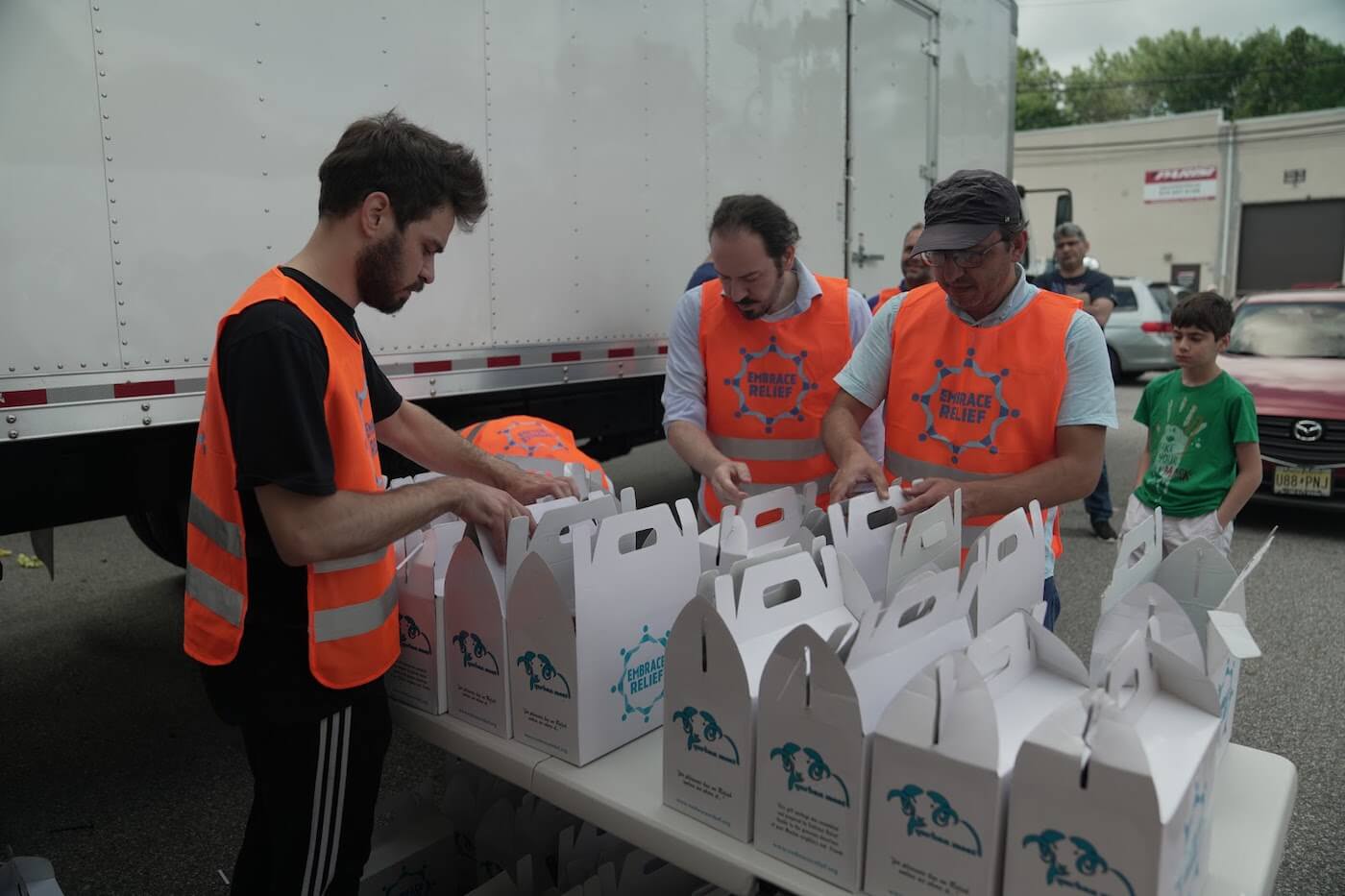
Volunteers play a crucial role in packing and distributing meat. Their hands-on involvement makes the process personal and heartfelt.

The Convenience of Donating Online

How to Make a Secure Donation

Visit Embrace Relief’s official Qurbani page, choose your region, and donate with confidence through a secure portal.

Confirmation and Transparency

You’ll receive a confirmation email and details of your donation. In many cases, Embrace Relief provides post-Eid updates and photos to show the impact of your Qurbani.

Make your donation here: https://www.embracerelief.org/charitable-donation-for-hunger-relief/qurbani/

The Importance of Quality in Qurbani

Healthy Animals, Ethical Care

Embrace Relief prioritizes animal welfare. All animals are treated humanely and meet the necessary health conditions.

Meeting Shariah Standards

From selection to slaughter, every step is taken with religious compliance in mind.

Global Reach, Local Roots

Embrace Relief distributes Qurbani meat internationally but hasn’t forgotten those in need at home. It bridges global compassion with local responsibility.

Why This Year, Qurbani in the USA Matters More Than Ever

The economic impact of inflation, rising grocery costs, and job instability has left many families in the U.S. more vulnerable than ever. Your Qurbani can make a difference right here, right now.

Final Thoughts on Qurbani USA

Qurbani is a spiritual obligation, but it’s also an opportunity to serve. When you donate through a U.S.-based charity like Embrace Relief, your sacrifice nourishes bodies and uplifts hearts—in your neighborhood and beyond.

This Eid, choose compassion. Choose community. Choose Embrace Relief.

Donate now: https://www.embracerelief.org/charitable-donation-for-hunger-relief/qurbani/

FAQs About Qurbani in the USA

Can I choose which city my donation goes to?

While direct city selection isn’t guaranteed, Embrace Relief distributes based on need in multiple U.S. areas. Your donation will be impactful.

Is the meat delivered fresh or frozen?

The meat is typically delivered fresh and packed hygienically for immediate distribution during the Eid days.

How does Embrace Relief ensure halal compliance?

All Qurbani is performed after Eid prayer during the specified days of Dhul-Hijjah by trained professionals in accordance with Islamic law.

Can I donate on behalf of a loved one?

Yes, you can dedicate your Qurbani to a loved one—living or deceased—just indicate the intention at checkout.

How do I know my donation reached a family?

Embrace Relief provides confirmation and often shares post-distribution updates to show how and where your Qurbani made a difference.